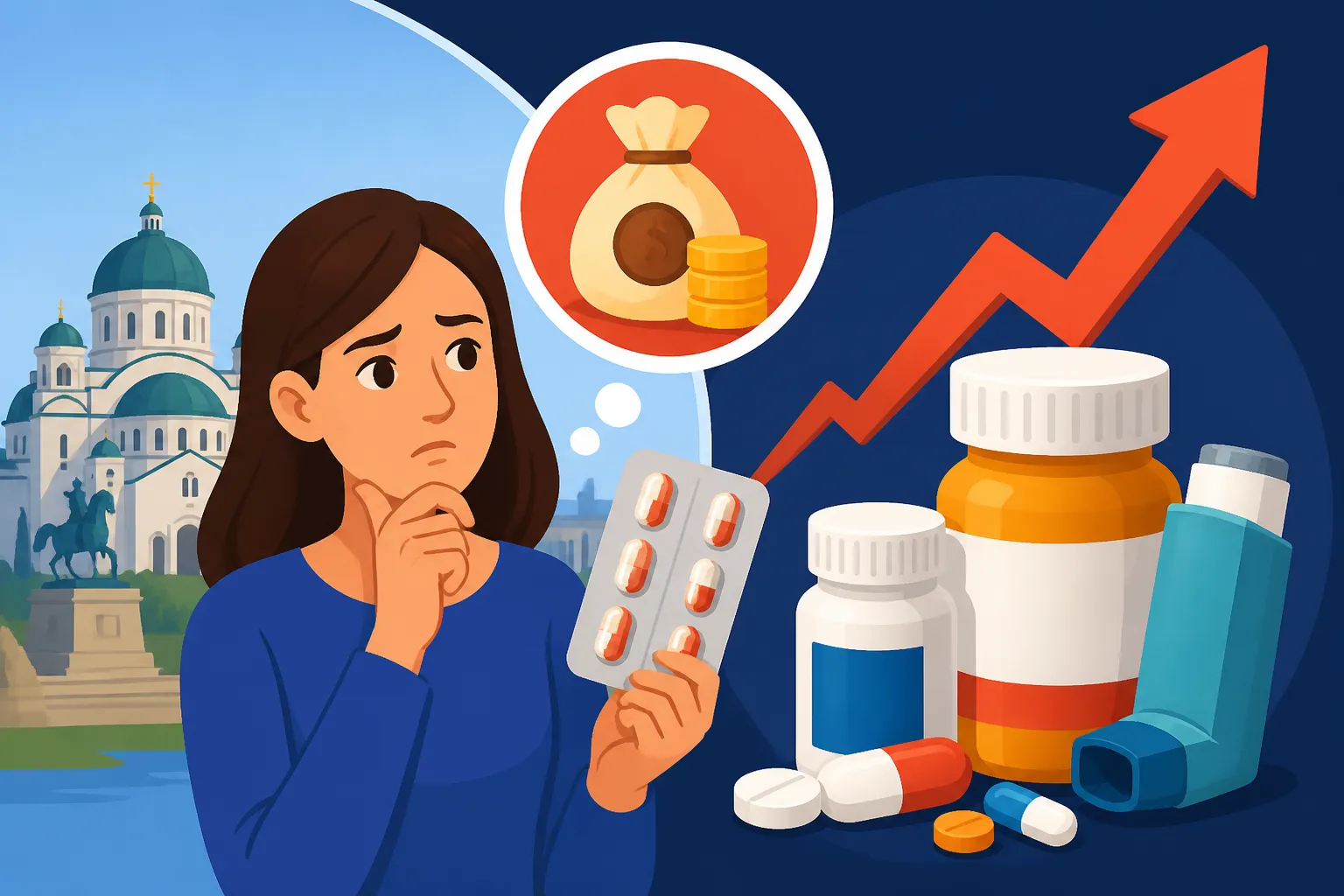
Are Prescription Medications Expensive in Serbia?
When you're settling into a new country like Serbia, one of the many things that can keep you up at night is worrying about healthcare, and especially, the cost of medications. Will your essential prescriptions break the bank? Will you even be able to find what you need? It’s a completely valid concern, and it’s a journey many of us expats have navigated. This guide is here to shed some light on the reality of prescription medication costs in Serbia, giving you a clear picture of what to expect and how to manage it.
Understanding the Serbian Pharmacy System and Medication Costs
Navigating the local pharmacy system can feel like deciphering a cryptic puzzle when you first arrive. Serbia has a mix of public and private pharmacies, and how you access and pay for your medications depends heavily on whether you’re integrated into the state healthcare system, have private insurance, or are paying out of pocket.
Public vs. Private Pharmacies and Pricing
When you step into a Serbian pharmacy, you'll find a blend of state-run establishments and private chains or independent stores. In larger cities like Belgrade, you'll see a lot of modern, well-stocked pharmacies like Apoteka Beograd, Galen Pharm, and Lilly Drogerie (which has a pharmacy section). These are generally reliable and have consistent pricing for many common items. Independent pharmacies might offer slightly different prices, so it can sometimes pay to shop around, especially for non-prescription items.
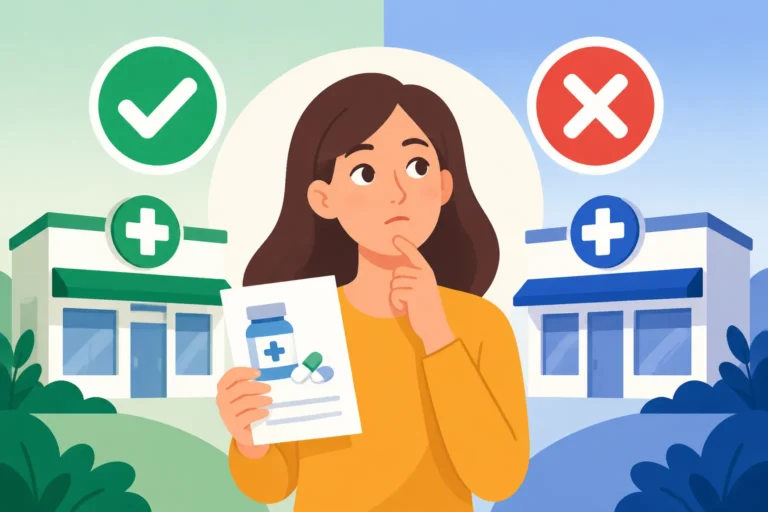
The key difference for prescription medications lies in whether they are covered by the Republic Health Insurance Fund (RFZO), Serbia's public health insurance. If a medication is on the "positive list" and you have a valid RFZO prescription from your chosen doctor (your izabrani lekar), you will generally only pay a co-payment (participacija) or sometimes nothing at all. However, if a medication isn't on the positive list, or you don't have RFZO coverage, you'll be paying the full retail price, regardless of whether it's a public or private pharmacy.
Many over-the-counter medications, vitamins, and general health products are quite affordable compared to Western European prices. You'll find most standard pain relievers, cold and flu remedies, and basic first aid items readily available.
The Role of the RFZO in Prescription Coverage
For those of us who are properly registered with the state health insurance system, the RFZO plays a crucial role in making prescription medications accessible. Once you've gone through the process of How to Register with the Republic Health Insurance Fund (RFZO) in Serbia, you'll gain access to a network of public doctors and, consequently, their prescribing power for RFZO-covered medications.
The RFZO maintains a "positive list" (Pozitivna lista lekova) which enumerates all the medications that are fully or partially covered by state insurance. This list is extensive, covering a wide range of conditions, from common ailments to chronic diseases. When your RFZO-registered doctor prescribes a medication from this list, you'll receive a paper prescription that you take to any pharmacy. For many medications, you’ll only pay a small co-payment, often just a few hundred dinars. Some essential medications are entirely free.
However, it's not a silver bullet. There are medications that are not on the RFZO's positive list, or only specific brands might be covered. In such cases, your doctor might still prescribe it, but you'll have to pay the full price out of pocket. This is where it’s essential to have a good relationship with your izabrani lekar at your local dom zdravlja (health centre), as they can guide you on covered alternatives or explain the out-of-pocket costs. Understanding the nuances of co-payments is part of Understanding Out-of-Pocket Healthcare Costs and Co-Payments in Serbia, which can significantly impact your monthly budget.
Factors Influencing Medication Prices
Several factors contribute to the final price you pay at the pharmacy counter in Serbia. It's not always straightforward, and these elements can cause significant variation.
Firstly, the age-old debate of brand-name versus generic options is alive and well here. Serbia, like many countries, has a robust generic drug industry. Locally produced generics are almost always significantly cheaper than their imported, brand-name counterparts. Pharmacists are usually very good about offering generic alternatives if available, and your doctor might even specify "generic acceptable" on the prescription. For example, a common antibiotic like amoxicillin will have several generic versions, each with a different price point, alongside the original brand. Always ask if a generic is available if cost is a concern.
Secondly, whether a medication is locally produced or imported plays a big part. Serbia has its own pharmaceutical giants, such as Hemofarm and Galenika, which produce a wide array of medications. These are typically more affordable due to lower production and distribution costs. Imported drugs, especially from Western European or American companies, tend to be more expensive due to import duties, transportation, and higher base prices set by the manufacturers.
Finally, the government's role in price regulation for essential and life-saving drugs also influences costs. The Serbian government, through its Ministry of Health and relevant agencies, regulates the prices of many medications, especially those on the RFZO positive list. This regulation ensures a certain level of affordability and prevents predatory pricing, at least for the most critical drugs. However, for newer, innovative, or less common medications not on this list, prices can be higher and fluctuate more freely.
Common Medication Costs: What to Expect
Let's get down to the brass tacks: what kind of figures are we talking about when it comes to various types of medications? Generally speaking, you'll find that many medications in Serbia are more affordable than in countries like the UK, USA, or Canada, especially when comparing out-of-pocket costs.
Everyday Medications and Over-the-Counter Options
For day-to-day ailments, Serbia is quite budget-friendly. You can walk into almost any pharmacy and pick up remedies for common discomforts without a prescription.
- Pain Relievers & Fever Reducers: A pack of paracetamol (e.g., Panadol) or ibuprofen (e.g., Brufen) usually costs between 150-400 RSD (€1.30 – €3.40) for 10-20 tablets, depending on the brand and dosage. Generic versions are even cheaper.
- Cold & Flu Remedies: Things like nasal sprays, cough syrups, and lozenges are widely available and typically range from 300-800 RSD (€2.50 – €6.80). Brand names like Septolete or Rinostop are popular.
- Antacids: For stomach issues, a pack of omeprazole or similar antacids might cost 300-600 RSD (€2.50 – €5) for 14-30 tablets.
- Vitamins and Supplements: These vary wildly by brand and type, but generally, you can find a good quality Vitamin C supplement for around 500-1000 RSD (€4.20 – €8.50).
It's refreshing to know that for minor aches and sniffles, you won't be shelling out a fortune. The accessibility of these items over the counter is also a huge plus, meaning you don't always need a doctor's visit for basic needs.
Chronic Disease Management and Specialized Treatments
This is where the RFZO truly shines for expats with long-term health conditions. Medications for chronic diseases like hypertension, diabetes, asthma, or mental health conditions are generally on the RFZO's positive list.
For instance:
- Hypertension (High Blood Pressure): A monthly supply of common blood pressure medications (e.g., lisinopril, amlodipine) typically incurs a small co-payment of around 50-200 RSD (€0.40 – €1.70) if prescribed via RFZO. Without RFZO, a generic might cost 200-500 RSD (€1.70 – €4.20) per month.
- Diabetes: Insulin and oral medications for diabetes are usually heavily subsidized or fully covered by the RFZO. Out-of-pocket costs for a monthly supply of an oral medication could be 500-1500 RSD (€4.20 – €12.70) for generics.
- Asthma: Inhalers (e.g., salbutamol) are also often covered by RFZO with a small co-payment. If paying full price, an inhaler could be 500-1000 RSD (€4.20 – €8.50).
- Mental Health: Antidepressants, anxiolytics, and antipsychotics are widely available and many are on the RFZO list. Co-payments are usually minimal. Without RFZO, a monthly supply of a common antidepressant might cost 400-1200 RSD (€3.40 – €10.20), again, depending on brand and dosage.
The key here is getting a prescription from an RFZO-affiliated doctor. For certain specialized treatments or newer drugs, you might find that they are not yet on the positive list, or only accessible after a referral to a specialist. To understand this better, you might want to read up on How Specialist and Hospital Referrals Work in Serbia.
Dental and Eye Care Prescriptions
When it comes to dental and eye care, the medication landscape is a bit different. While the RFZO offers some basic dental services, it typically doesn't cover medications directly related to these fields unless they are critical and broadly prescribed (e.g., a strong antibiotic for an infection that could stem from a dental issue).
- Dental-Related Medications: If you undergo a dental procedure, your dentist might prescribe antibiotics for infection prevention or strong pain relievers. These will usually be paid out-of-pocket, as most dental care itself is paid privately in Serbia. However, the costs for these specific medications are generally in line with other prescription drugs – an antibiotic course might be 400-800 RSD (€3.40 – €6.80), and stronger pain relief similar to OTC prices. If you're curious about the broader costs, check out Understanding Dental Care Costs in Serbia.
- Eye Care Prescriptions: Eye drops for allergies, infections, or glaucoma medications, for example, will largely be paid for directly. The price can vary significantly depending on the specific medication. Common eye drops for irritation might be 300-700 RSD (€2.50 – €6). More specialized treatments, however, can run higher, into the thousands of RSD, if not covered by RFZO.
In these specific areas, it’s more common to pay the full price for your medications, so factor that into your overall budget if you anticipate needing such treatments.
Strategies for Managing Medication Costs as an Expat
Living in Serbia, it's wise to have a strategy for managing your healthcare costs, and that absolutely includes your prescription medications. You have a few options at your disposal, and understanding how to combine them effectively can save you money and stress.
Leveraging the Public Health System (RFZO)
For many expats, especially those on a work permit or with registered businesses, becoming part of the RFZO system is the most cost-effective way to handle medications. Once you're officially registered and contributing to the RFZO, you'll need to choose a general practitioner, or izabrani lekar, at a local dom zdravlja. This is your gateway to the system, and your GP will be your primary point of contact for prescriptions. You can learn more about this process in How to Choose a GP (Izabrani Lekar) at a Dom Zdravlja in Serbia.
Your izabrani lekar will issue prescriptions for RFZO-covered medications, allowing you to pay only the co-payment. This can lead to massive savings, particularly if you have chronic conditions requiring daily medication. They can also advise you on generic alternatives that are covered. The main challenge can sometimes be the waiting times for appointments, especially for specialist referrals, which might delay getting new prescriptions. However, for routine refills, it's usually quite efficient.
The Role of Private Health Insurance and International Plans
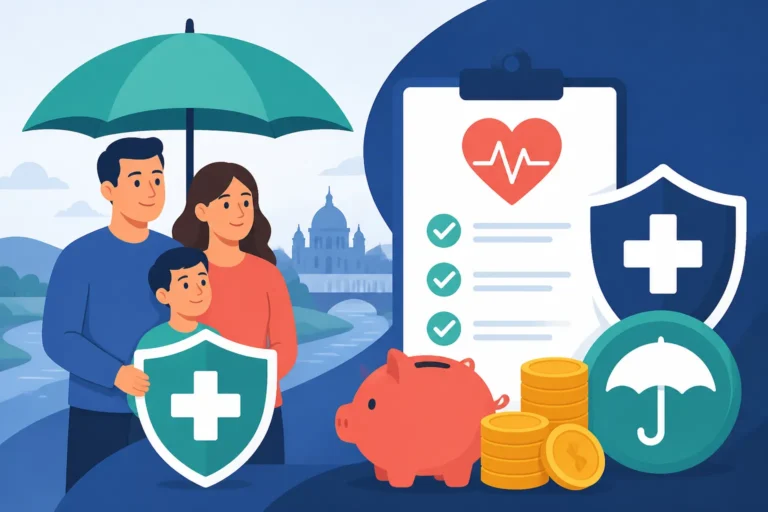
Even with RFZO coverage, some expats opt for private health insurance for added peace of mind, quicker access to specialists, or coverage for medications not on the RFZO list. Private insurance in Serbia can be a local plan, or an international plan like SafetyWing.
Private insurance plans, whether local or international, often come with various levels of medication coverage. Some plans might cover all prescription medications, while others might have a formulary, co-pays, or deductibles. It’s crucial to thoroughly read your policy details. For instance, SafetyWing's Nomad Insurance provides comprehensive coverage for unexpected medical needs, which can include prescriptions related to an accident or acute illness that requires a doctor's visit and immediate treatment. This kind of plan is particularly valuable for emergencies or when you're still in the process of getting your RFZO sorted. If you're considering a private plan, exploring options like How to Buy Private Health Insurance as a Newcomer in Serbia can be very helpful.
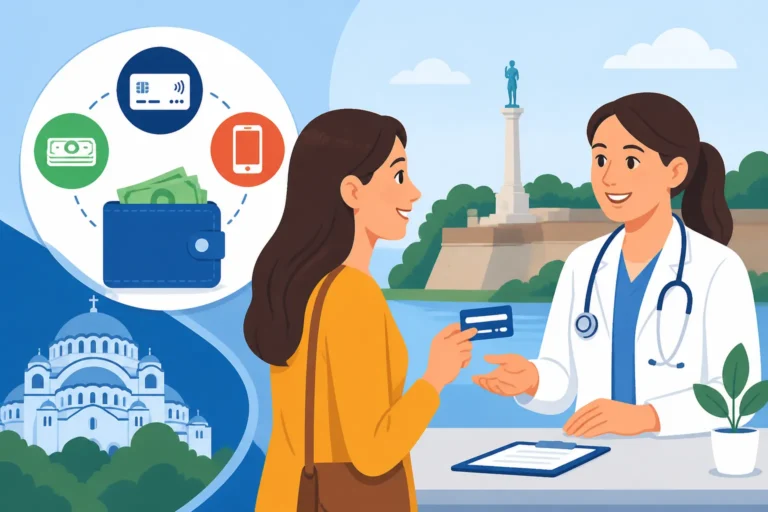
When using private insurance, you typically pay for the medication upfront at the pharmacy and then submit a claim for reimbursement. Keep all your receipts and prescriptions! This can be a bit of a hassle, but it ensures you get the medication you need without delays. For a broader overview of your options, consider reading Health Insurance in Serbia: RFZO, Private and International Options Explained.
Practical Tips for Saving Money on Prescriptions
Beyond insurance, there are several practical steps you can take to keep your medication costs down in Serbia:
- Ask for Generics: Seriously, this is the number one tip. Always ask your pharmacist or doctor if a generic version (generički lek) of your prescribed medication is available. They are therapeutically equivalent and often significantly cheaper.
- Compare Pharmacy Prices: While regulated, there can be slight variations, especially for non-prescription items or less common drugs. In larger cities like Belgrade, take a quick look at 2-3 pharmacies if you have the time, or ask your local expat groups for recommendations on more affordable options.
- Communicate with Your Doctor: Be open about your budget concerns. Your doctor might be able to prescribe a covered alternative, a generic, or a medication that is known to be more affordable, especially if you're paying out-of-pocket.
- Bring Initial Supply (If Relocating): If you're moving to Serbia and have critical ongoing medications, bring a few months' supply with you, along with your original prescriptions. This gives you ample time to get settled, find a doctor, and navigate the local system without stress.
- Understand the Pharmacy System: Knowing Understanding the Pharmacy System and Buying Medicines in Serbia will empower you to make informed decisions and find what you need efficiently.
By combining RFZO coverage for chronic conditions with smart shopping practices and potentially a private plan for unforeseen circumstances, you can manage your medication costs effectively in Serbia.
Navigating the Pharmacy Experience
The pharmacy experience in Serbia, while generally efficient, can have its own unique quirks for expats. Being prepared for these can make all the difference in a smooth transaction.
Language Barriers and Communication
This is often the biggest hurdle for newcomers. While many younger pharmacists in larger cities like Belgrade or Novi Sad might speak some English, it's not a guarantee, especially in smaller towns or during off-peak hours. You might encounter situations where you have a prescription, but explaining symptoms or asking for alternatives becomes a mime show.
Here are a few tips:
- Written Prescriptions: Always ensure your doctor's prescription is clearly written or typed. If it's for an RFZO-covered drug, it will be a standard format, which is easier for pharmacists to understand.
- Translate Key Terms: Before you go, translate the generic names of your medications or the main active ingredients. This is often more universally understood than brand names.
- Google Translate/Translation Apps: Have a translation app ready on your phone. Even simple phrases can help.
- Pharmacies in Tourist Areas/International Clinics: If you’re truly stuck, seek out pharmacies in areas with more tourist traffic or near international clinics, as staff there are more likely to be English-proficient. This is also why having access to How to Find an English-Speaking Doctor in Serbia can be invaluable, as they can often bridge the communication gap for you.
Pharmacy Operating Hours and Emergency Services
Most pharmacies in Serbia operate during standard business hours, generally from 8 AM to 8 PM on weekdays, and shorter hours on Saturdays (e.g., 8 AM to 3 PM). Sundays usually see most pharmacies closed, especially outside city centres.
However, just like anywhere, medical emergencies don't stick to a schedule. In larger cities, you'll find "dežurna apoteka" (24-hour pharmacies). These are open around the clock, every day of the week, including public holidays. You can usually find a list of the current week's duty pharmacies posted on the door of any regular pharmacy, or you can quickly search online for "dežurna apoteka [city name]". For example, in Belgrade, there are several well-known 24/7 pharmacies, such as "Sveti Sava" near Slavija Square or "Prvi Maj" in the city centre. They are invaluable for those late-night or holiday health needs.
What to Do if You Get Sick Before RFZO Registration
This is a scenario that many new expats face, and it can be quite stressful. You've just arrived, you're not yet registered with the RFZO, and suddenly you need medication. Don't panic!
Your primary option will be to visit a private clinic. Serbia has an excellent network of private medical facilities, especially in cities like Belgrade and Novi Sad, with many English-speaking doctors. You'll pay for the consultation out-of-pocket, and then you'll also pay the full price for any prescribed medications. While more expensive than RFZO, these costs are generally still lower than in many Western countries. A private GP consultation might cost between 2,500 – 5,000 RSD (€21 – €42).
If you have international health insurance, like SafetyWing, this is precisely when it can be a lifesaver. While you'll pay upfront, you can submit your receipts for reimbursement, covering both the doctor's visit and the related prescriptions, as long as it's for an acute illness or injury. For more detailed guidance, check out What Happens If I Get Sick Before I Register with the RFZO in Serbia?. Always remember to keep all your medical records and receipts from private visits, as these are crucial for any potential insurance claims or when you eventually register with the RFZO.
Here's a quick overview of estimated medication costs:
| Medication Type | Example | RFZO Co-payment (approx. RSD) | Out-of-Pocket (approx. RSD) | Out-of-Pocket (approx. EUR) | Notes |
|---|---|---|---|---|---|
| Pain Reliever / Fever | Paracetamol (500mg, 10-20 tablets) | N/A (OTC) | 150-300 | €1.30-2.50 | Very affordable, widely available without prescription. |
| Anti-inflammatory | Ibuprofen (400mg, 10-20 tablets) | N/A (OTC) | 200-400 | €1.70-3.40 | Multiple generic brands available. |
| Antibiotic (common) | Amoxicillin (10-day course) | 50-200 | 400-800 | €3.40-6.80 | Price depends heavily on generic vs. brand, and RFZO coverage. |
| Stomach Acid Reducer | Omeprazole (14-30 tablets) | 50-150 | 300-600 | €2.50-5.00 | Often covered by RFZO; generics are common. |
| Asthma Inhaler | Salbutamol (e.g., Ventolin) | 100-300 | 500-1000 | €4.20-8.50 | Crucial to get RFZO coverage if needed regularly. |
| Blood Pressure Med | Lisinopril (monthly supply) | 50-200 | 200-500 | €1.70-4.20 | Many options, highly affordable with RFZO. |
| Antidepressant (common) | Sertraline (monthly supply) | 50-250 | 400-1200 | €3.40-10.20 | Generic options available, RFZO coverage helps immensely. |
| Allergy Medicine | Loratadine/Cetirizine (10 tablets) | N/A (OTC) | 250-500 | €2.10-4.20 | OTC for seasonal allergies. |
| Specialized Eye Drops | Anti-inflammatory/antibiotic eye drops | N/A (usually private) | 300-1000+ | €2.50-8.50+ | Varies greatly by specific type and brand. |
Note: Prices are estimates and subject to change based on brand, dosage, pharmacy, and current exchange rates. For a comprehensive understanding of all medical costs, you might find The Cost of Healthcare in Serbia: A Complete Breakdown for Foreigners (2026) a useful resource.
Disclaimer
The information provided in this guide is intended for general informational purposes only and does not constitute medical, financial, or legal advice. While we strive to provide accurate and up-to-date information, circumstances can change rapidly. Always consult with qualified professionals, such as doctors, pharmacists, financial advisors, or legal experts, for advice tailored to your specific situation. The costs and procedures mentioned are estimates and can vary.