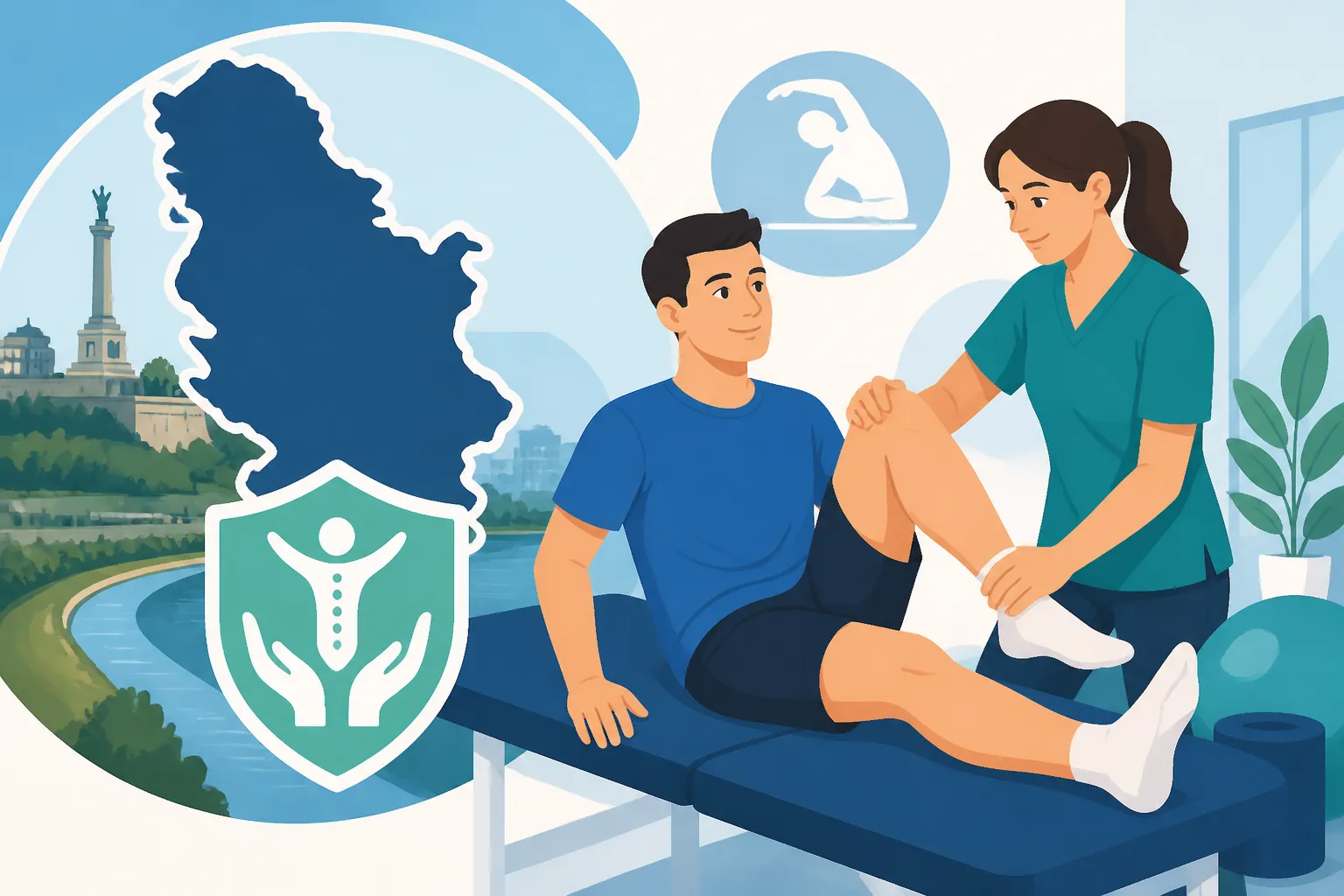
How to Get Physiotherapy and Rehabilitation in Serbia
You've just moved to Serbia, settling into a new rhythm, maybe exploring the beautiful nature or navigating Belgrade's bustling streets, when suddenly, ouch. A tweaked back, a persistent knee pain, or perhaps an old injury flares up. The thought of needing physiotherapy or rehabilitation in a foreign country can be daunting, a fresh layer of stress on top of existing discomfort. This guide is here to walk you through exactly how to access these vital services in Serbia, demystifying the process and helping you get back on your feet with confidence.
Understanding the Serbian Physiotherapy Landscape
Navigating any healthcare system as an expat comes with its unique set of challenges, and Serbia is no different. When it comes to physiotherapy and rehabilitation, you'll find a blend of options, each with its own advantages and drawbacks. It's crucial to understand these distinctions from the outset so you can make informed decisions about your care. The system here, like many others, has both publicly funded and privately operated facilities, and your choice will often depend on your specific needs, urgency, and budget.
Public vs. Private Rehabilitation Services
In Serbia, physiotherapy and rehabilitation services are available through both the public health system, primarily covered by the Republic Health Insurance Fund (RFZO), and a growing number of private clinics. The public system is designed to provide essential care to all insured residents, often at little to no direct cost, but it comes with its own bureaucratic hurdles and potential wait times. Think of the dom zdravlja (health centre) or public hospitals as your gateway. Here, you'll typically need a referral from your izabrani lekar (chosen doctor or GP) to access physiotherapy. The facilities can vary, but generally, you'll find dedicated departments offering a range of treatments.
On the flip side, private clinics offer a more streamlined, often faster, and sometimes more modern experience. You usually don't need a referral, and you can book appointments directly. These clinics are often equipped with newer technology, and you might find more English-speaking staff, which can be a huge relief if your Serbian isn't quite up to medical terminology. The trade-off, of course, is the cost, which you'll typically pay out-of-pocket or through private health insurance. Many expats, especially those on a tight schedule or seeking specialized care, find the private route more appealing, despite the expense. It really boils down to balancing immediacy, cost, and personal comfort.
Common Conditions Treated by Physiotherapy
The scope of physiotherapy in Serbia is broad, covering a wide array of conditions that can impact your daily life. Whether you're dealing with acute pain from a recent injury or managing a chronic condition, there's likely a physiotherapy solution available. Common issues treated include musculoskeletal problems like back pain, neck pain, shoulder impingement, and knee injuries, often resulting from sports, accidents, or simply the wear and tear of daily life. For instance, if you've been working long hours at a desk, you might find yourself needing treatment for postural issues or repetitive strain injuries.
Beyond the aches and pains of joints and muscles, physiotherapy also plays a critical role in post-operative rehabilitation. If you've had surgery, say for a broken bone or a joint replacement, your recovery will almost certainly involve a structured physiotherapy program to regain strength, mobility, and function. Neurological conditions, such as stroke recovery, multiple sclerosis, or Parkinson's disease, also benefit immensely from targeted physiotherapy to improve balance, coordination, and overall independence. Even respiratory conditions can be managed with specific breathing exercises and techniques taught by physiotherapists. It’s a versatile field, and the clinics here, both public and private, are generally well-equipped to handle most common conditions.
Accessing Public Physiotherapy Through the RFZO
The public healthcare system, managed by the RFZO, is your primary avenue for affordable physiotherapy once you're a registered resident with health insurance. It's designed to be comprehensive, covering a broad range of services, including rehabilitation. However, like any public system, it comes with its own set of procedures that can feel a bit like a maze if you're not familiar with them. Patience and persistence are key here, my friends.
The Referral Process: Getting Your Uput
To access physiotherapy services through the RFZO, you absolutely need a referral, known as an uput, from your izabrani lekar (chosen doctor). This is a non-negotiable step. Your GP acts as the gatekeeper to most specialist and rehabilitative services within the public system. So, your first port of call, if you're feeling a persistent pain or recovering from an injury, is to book an appointment with your GP at your local dom zdravlja.
During this appointment, you'll explain your symptoms and medical history. Your GP will assess your condition, and if they determine that physiotherapy is necessary, they will issue the uput. This referral isn't just a simple note; it's an official document that specifies the type of physiotherapy you need and often the number of sessions recommended. Without it, you won't be able to book sessions at a public rehabilitation facility. Remember, the process can sometimes feel slow. It might take a few days to get an appointment with your GP, and then potentially more time to actually get the referral. Don't be afraid to clearly articulate your symptoms and advocate for the care you believe you need. Knowing How to Choose a GP (Izabrani Lekar) at a Dom Zdravlja in Serbia can make this initial step much smoother.
Navigating Public Health Institutions (Domovi Zdravlja and Clinics)
Once you have your uput in hand, your next step is to find a public health institution that offers physiotherapy. Most larger domovi zdravlja have their own physiotherapy departments, or your GP might refer you to a specialized rehabilitation clinic (institut za rehabilitaciju) or a hospital department. In Belgrade, for example, the "Dr Miroslav Zotović" Institute for Orthopaedic Surgery is a major rehabilitation centre, though you might be referred to a local dom zdravlja department first for more routine care.
Upon arrival at the chosen facility, you'll need to present your uput along with your RFZO health card (zdravstvena knjižica) or proof of health insurance. The administrative staff will then schedule your initial assessment and subsequent therapy sessions. Be prepared for some queuing and potentially navigating a system where English isn't always widely spoken, though staff in larger city facilities might have some basic English. It’s a good idea to bring a Serbian-speaking friend if you're not confident in your language skills. This is where the charm and patience of Serbian life really come into play.
What to Expect: Wait Times and Facility Overview
One of the most common frustrations expats (and locals!) face with the public system is the wait times. While emergency care is generally prompt, non-urgent physiotherapy can involve a significant delay. It's not uncommon to wait several weeks, or even a couple of months, for an initial physiotherapy assessment, and then further waits for the actual sessions to begin. This can be particularly challenging if you're in acute pain and need immediate relief.
The facilities themselves can vary in modernity and equipment. Some domovi zdravlja might have older, more basic equipment, while larger institutes or newer hospital departments will often be quite well-equipped with a range of modalities like electrotherapy, ultrasound, laser therapy, and hydrotherapy. The physiotherapists are generally well-trained and dedicated, but the sheer volume of patients can mean less one-on-one time than you might experience in a private setting. You'll often find yourself doing exercises in a group setting or with minimal direct supervision once the initial instructions are given. It’s important to manage your expectations regarding the speed and individual attention you'll receive. This is a common trade-off for the low cost, something detailed in guides like The Cost of Healthcare in Serbia: A Complete Breakdown for Foreigners (2026).
Exploring Private Physiotherapy Options
For many expats, especially those valuing speed, convenience, and a higher degree of personalized care, private physiotherapy clinics are often the preferred route. Serbia has a thriving private healthcare sector, particularly in larger cities like Belgrade and Novi Sad, offering excellent options for rehabilitation.
Finding Reputable Private Clinics
The good news is that finding a reputable private physiotherapy clinic in Serbia isn't overly difficult, especially in urban centres. A simple online search for "fizikalna terapija Beograd" or "rehabilitacija Novi Sad" will bring up numerous options. Many private clinics have professional websites, often with English language versions, detailing their services, staff qualifications, and even price lists. Word-of-mouth is also incredibly valuable in the expat community; ask around in expat forums or local groups for recommendations.
Some well-known private clinics and health systems that often include physiotherapy departments in Belgrade are Euromedik, Medigroup, and Atlas Opšta Bolnica. These are larger institutions that offer a wide range of medical services, including dedicated physiotherapy units staffed by experienced therapists. When choosing a clinic, look for those that specialize in your specific condition if possible, and check for reviews or testimonials. Many clinics will highlight their use of modern equipment and advanced techniques, which can be a significant draw. It’s definitely worth doing your homework to ensure you find a place that feels right for you.
Benefits of Private Care: Speed, Choice, and Amenities
The most immediate and obvious benefit of opting for private physiotherapy is speed. You can often book an appointment within a day or two, sometimes even on the same day, without the need for a referral. This is invaluable if you're dealing with acute pain and can't afford to wait weeks for treatment. You simply call, book, and show up.
Beyond speed, private clinics often offer a greater degree of choice and flexibility. You might be able to choose your therapist, schedule appointments that fit your busy schedule, and often receive more one-on-one attention during sessions. The facilities themselves tend to be more modern, cleaner, and offer a more comfortable, patient-centric experience. You'll likely find private rooms for assessments, state-of-the-art equipment, and amenities that make your visit more pleasant. Many private clinics also have English-speaking staff, eliminating the language barrier that can be a source of anxiety in public institutions. This level of service can significantly enhance your comfort and confidence in your treatment plan.
Costs and Payment Structures in Private Physiotherapy
Now, for the practicalities of the wallet. Private physiotherapy in Serbia, while more convenient, comes at a cost. The price per session can vary significantly depending on the clinic, the type of therapy, and the duration of the session. Generally, you can expect a single physiotherapy session to range from 2,000 RSD to 5,000 RSD (approximately €17-€43), or even higher for specialized treatments or extended sessions. Many clinics offer package deals if you commit to a certain number of sessions, which can slightly reduce the per-session cost.
Payment is typically made at the end of each session, either in cash or by card. If you have private health insurance, you'll usually pay upfront and then submit your receipts for reimbursement. It's crucial to clarify the exact costs and payment methods with the clinic beforehand. Some clinics might require a deposit for initial consultations. If you’re carrying international health insurance like SafetyWing, make sure you understand their reimbursement policy for outpatient physiotherapy. Always keep detailed receipts and documentation of your treatment for insurance purposes. Understanding Out-of-Pocket Healthcare Costs and Co-Payments in Serbia is vital, even with private options.
The Rehabilitation Journey: What to Expect
No matter whether you choose public or private, the core elements of your physiotherapy and rehabilitation journey will follow a similar path. It starts with understanding your body and progresses through targeted treatments to restore function and prevent future issues.
Initial Assessment and Treatment Planning
Your very first physiotherapy appointment, often called an initial assessment or consultation, is the most crucial step. This is where the therapist gets to understand you, your body, and your specific problem. They won't just look at your painful knee; they'll consider your posture, movement patterns, medical history, lifestyle, and even your daily habits. This holistic approach is key to effective treatment. Be prepared to discuss:
- Your symptoms: When did the pain start? What makes it better or worse? Describe the type of pain.
- Your medical history: Any previous injuries, surgeries, chronic conditions, or medications you're taking.
- Your goals: What do you hope to achieve through physiotherapy? Is it pain relief, increased mobility, returning to a sport, or just being able to walk without discomfort?
The therapist will then perform a physical examination, assessing your range of motion, strength, balance, and specific areas of pain. They might ask you to perform certain movements or tasks. Based on this comprehensive assessment, they will formulate a personalized treatment plan. This plan will outline the recommended therapies, the expected number of sessions, and what you can do at home to support your recovery. It's a collaborative process, so don't hesitate to ask questions and ensure you understand every step.
Types of Physiotherapy Modalities Available
Serbian physiotherapy clinics, both public and private, offer a wide range of modalities designed to address various aspects of your condition. Your treatment plan might incorporate one or several of these:
- Manual Therapy: This involves hands-on techniques where the therapist uses their hands to mobilize joints, manipulate soft tissues, reduce pain, and improve range of motion. Think massage, stretching, and joint mobilizations.
- Therapeutic Exercises: This is often the cornerstone of rehabilitation. You'll be given specific exercises to strengthen weak muscles, stretch tight ones, improve balance, and restore functional movement. These are tailored to your condition and progression.
- Electrotherapy: Modalities like TENS (Transcutaneous Electrical Nerve Stimulation) or interferential current therapy use electrical currents to relieve pain and stimulate muscle contractions.
- Ultrasound Therapy: High-frequency sound waves are used to promote tissue healing and reduce inflammation in deeper tissues.
- Laser Therapy: Low-level laser therapy can be used to reduce pain and inflammation and accelerate tissue repair.
- Hydrotherapy: Exercises performed in water, often in a heated pool, can be particularly beneficial for those with joint pain or limited mobility, as the buoyancy of water reduces stress on the joints. This is more common in specialized rehabilitation institutes.
- Kinesio Taping: The application of elastic therapeutic tape to muscles and joints to support, stabilize, and alleviate pain.
The therapist will explain why each modality is chosen for your specific case and how it contributes to your overall recovery. They'll show you how to do any exercises correctly to maximize their effectiveness.
Follow-Up and Long-Term Care Strategies
Physiotherapy isn't a quick fix; it's a process. Regular follow-up sessions are essential to monitor your progress, adjust your treatment plan as needed, and ensure you're on track to meet your goals. During these sessions, the therapist will reassess your condition, answer any questions you have, and progress your exercises. They'll also give you "homework"—exercises to do at home—which is a critical component of your recovery. Consistency with these home exercises can significantly impact your recovery speed and effectiveness.
Beyond the formal sessions, your physiotherapist will also equip you with long-term strategies for self-management and injury prevention. This might include advice on proper posture, ergonomic adjustments for your workspace, specific warm-up routines for sports, or exercises to maintain strength and flexibility. The goal is not just to treat the current problem but to empower you to maintain your health and avoid future setbacks. Remember, they're not just fixing you; they're teaching you how to maintain yourself!
Funding Your Physiotherapy: Insurance and Out-of-Pocket
Understanding how to pay for your physiotherapy in Serbia is just as important as knowing where to get it. Whether you rely on the public system, have private insurance, or are paying cash, each option has its financial implications.
RFZO Coverage for Physiotherapy
If you are a legally employed expat in Serbia and are registered with the RFZO, your mandatory health insurance generally covers physiotherapy services within the public health system. This means that once you have your GP's referral (uput), the cost of your treatment at a dom zdravlja or public rehabilitation institute is largely covered. You might still encounter small co-payments (participacija) for certain services, though physiotherapy itself is often fully covered.
However, remember the earlier points about wait times and the need for a referral. While the financial burden is minimal, the administrative process and potential delays can be a trade-off. It’s also important to note that if you decide to go to a private clinic, even with RFZO insurance, the public system won't cover those costs. The RFZO system, while robust for basic care, operates strictly within its designated public facilities. For a detailed breakdown of what the public system covers, refer to The Complete Guide to Healthcare in Serbia for Expats (2027).
Private Health Insurance and International Options
Many expats choose to supplement their RFZO coverage or opt solely for private health insurance, which can offer significant advantages for physiotherapy. Private plans in Serbia, such as those offered by Uniqa, Generali, or DDOR, often include outpatient physiotherapy as part of their benefits. The extent of coverage (e.g., number of sessions, direct billing vs. reimbursement, limits per condition) will depend entirely on your specific policy. It’s crucial to read your policy documents carefully and clarify with your insurer exactly what is covered before starting treatment.
For those who travel frequently or are seeking more flexible global coverage, international health insurance providers are an excellent option. Companies like SafetyWing, for example, are known for their travel medical insurance and global health plans, which often cover outpatient treatment including physiotherapy. This can be particularly appealing if you're a digital nomad or an expat whose primary base isn't fixed. When using such an international plan, you'll typically pay for your sessions at the private clinic and then submit a claim for reimbursement, along with all necessary documentation (receipts, medical reports, therapist's notes). Always confirm with SafetyWing (or your chosen international provider) what documentation they require for claims and what their reimbursement process entails to avoid any unpleasant surprises. Getting How to Buy Private Health Insurance as a Newcomer in Serbia can definitely ease this process.
Managing Out-of-Pocket Costs
If you don't have RFZO coverage (perhaps you're a tourist or haven't secured full residency yet) or if your private insurance doesn't cover your specific physiotherapy needs, you'll be paying out-of-pocket. This is where understanding the average costs becomes vital. As mentioned, private sessions typically range from 2,000 to 5,000 RSD per session. If you need 10-15 sessions, that can quickly add up to a significant amount.
Here are some tips for managing out-of-pocket costs:
- Ask about package deals: Many private clinics offer discounts if you purchase a block of sessions upfront.
- Compare prices: Don't hesitate to call a few different clinics and inquire about their pricing for initial consultations and subsequent sessions.
- Prioritize: Discuss with your therapist the most essential treatments and exercises, focusing your budget on what will yield the most benefit.
- Home exercises: Diligently performing your home exercises can sometimes reduce the total number of in-clinic sessions you need.
- Consider a blend: Sometimes, expats might use the public system for initial diagnosis (if time permits) and then pay privately for more intensive or specialized therapy if wait times are too long.
Ultimately, balancing your health needs with your financial situation is a personal decision, but knowing your options allows you to make an informed choice.
Practical Tips for Expats Seeking Physiotherapy
Navigating healthcare in a foreign country is challenging enough; adding a physical ailment to the mix can feel overwhelming. Here are some practical tips to help smooth your path to physiotherapy and rehabilitation in Serbia.
Language Barriers and English-Speaking Therapists
The language barrier is a common stumbling block for many expats in Serbia, and medical settings can exacerbate this. While many younger medical professionals, especially in private clinics in Belgrade or Novi Sad, will have some level of English proficiency, it's not always guaranteed. In public domovi zdravlja, you might find fewer English speakers.
Here’s how to tackle it:
- Private clinics: When booking, specifically ask if they have English-speaking physiotherapists. Many clinics, particularly those catering to an international clientele, will advertise this. You can check clinics like Euromedik or Medigroup which often have multilingual staff.
- Public system: If you're going through the public system and don't speak Serbian, consider bringing a Serbian-speaking friend, colleague, or even hiring a medical interpreter for your initial appointments. Even Google Translate on your phone can be a lifesaver for basic communication.
- Learn key phrases: Learning a few basic Serbian phrases related to your pain ("boli me leđa" – my back hurts, "leva noga" – left leg, "desna ruka" – right arm) can go a long way in communicating your needs.
- Visual aids: Don't underestimate the power of pointing or using diagrams to show where your pain is located. Sometimes a picture is truly worth a thousand words. To find a doctor, or in this case, a therapist, who speaks your language, you might find valuable insights in How to Find an English-Speaking Doctor in Serbia.
Preparing for Your Appointments
Being prepared can significantly improve the effectiveness of your physiotherapy appointments and reduce stress.
- Medical records: Bring any relevant medical records, such as X-rays, MRI scans, or doctor's notes, especially if they are from your home country. While they might need to be translated for official purposes, having them on hand for the therapist to review can provide valuable context.
- Comfortable clothing: Wear loose, comfortable clothing that allows the therapist to easily access the area being treated and for you to perform exercises without restriction. If you're having leg therapy, shorts are a good idea. For shoulder or back issues, a tank top or loose t-shirt is ideal.
- Questions list: Write down any questions or concerns you have before your appointment. It's easy to forget things once you're in the room, and a list ensures you get all the information you need.
- Openness and honesty: Be completely honest with your therapist about your pain levels, how you're feeling, and your adherence to home exercises. They can only help you effectively if they have the full picture.
- Punctuality: Serbian medical appointments generally appreciate punctuality, so aim to arrive a few minutes early, especially for your first visit to complete any paperwork.
Advocacy and Patient Rights
As an expat, it's easy to feel disempowered in a foreign healthcare system. However, you have rights as a patient, and it’s important to advocate for yourself.
- Ask for explanations: If you don't understand a diagnosis, a treatment, or why a particular exercise is important, ask for clarification. Don't be afraid to ask for things to be explained in simpler terms or to be repeated.
- Seek a second opinion: If you're unsure about a diagnosis or treatment plan, especially for a significant injury, you always have the right to seek a second opinion. This is a common practice and completely acceptable.
- Documentation: Always keep copies of your uput, reports, receipts, and any correspondence with the clinic or your insurance provider. This documentation is crucial for your personal records, insurance claims, or if you ever need to transfer your care.
- Feedback: If you have a particularly positive or negative experience, consider providing feedback to the clinic or relevant authorities. Constructive feedback helps improve services for everyone.
By being informed, prepared, and proactive, you can navigate the process of getting physiotherapy and rehabilitation in Serbia much more smoothly and focus on what truly matters: your recovery and well-being.
| Feature | Public Physiotherapy (RFZO) | Private Physiotherapy |
|---|---|---|
| Referral Needed? | Yes, from izabrani lekar (GP) | Usually no, direct booking |
| Cost | Minimal or no direct cost (covered by RFZO) | Out-of-pocket, or covered by private insurance |
| Wait Times | Can be significant (weeks to months) | Generally short (days to a week) |
| Language | Primarily Serbian, limited English | Often English-speaking staff available |
| Flexibility | Less flexible scheduling, fixed treatment plans | Highly flexible scheduling, tailored programs |
| Facility | Varies, some older equipment/facilities | Often modern equipment and comfortable facilities |
| One-on-one time | May be limited due to patient volume | More individualized attention |
| Payment Method | RFZO card, small co-payments | Cash, card, private insurance reimbursement |
Disclaimer
The information provided in this guide is intended for general informational purposes only and does not constitute medical, legal, or financial advice. While we strive to provide accurate and up-to-date information, healthcare systems, regulations, and costs in Serbia can change. Always consult with qualified medical professionals for health concerns, legal experts for immigration and residency matters, and financial advisors for insurance and tax inquiries specific to your situation. We recommend verifying all information with official sources and local service providers.