Understanding the Pharmacy System and Buying Medicines in Serbia
One of the first things that throws a lot of us expats for a loop when we arrive in Serbia, beyond the language barrier at the local bakery, is figuring out how the healthcare system works, especially when it comes to getting our hands on medications. The Serbian pharmacy system can seem a little opaque at first, whether you're wondering if you can get your usual ibuprofen or how to fill a prescription from a local doctor. This guide is here to shed some light on the ins and outs of pharmacies and buying medicines in Serbia, ensuring you're well-prepared for any sniffles, aches, or ongoing medical needs.
Navigating the Serbian Pharmacy Landscape
Stepping into a Serbian pharmacy for the first time can feel both familiar and strangely different. You'll see shelves stocked with familiar brands and layouts that resemble pharmacies back home, but the processes, the types of products available, and even the role of the pharmacist might surprise you. Understanding the lay of the land is the first step to confidently managing your health needs here.
Types of Pharmacies You'll Encounter
Serbia has a pretty diverse range of pharmacies, from large chains to small, independent neighbourhood spots, each with its own vibe and selection. The most common ones you'll see are typically part of a larger network, but there are still plenty of individual pharmacies that have been serving their communities for decades.
You'll find large pharmacy chains like Lilly Drogerie and DM Drogerie Markt (though DM is more of a health and beauty store, it has a significant pharmacy section), which are usually bright, modern, and well-stocked with a wide range of products beyond just medicines, including cosmetics, baby items, and supplements. Then there are dedicated pharmacy chains like Benu Apoteka, which are purely focused on medicinal products and often have a more clinical feel. These larger chains tend to have a more standardized stock and often longer opening hours. For many expats, these are a comfortable starting point due to their familiarity.
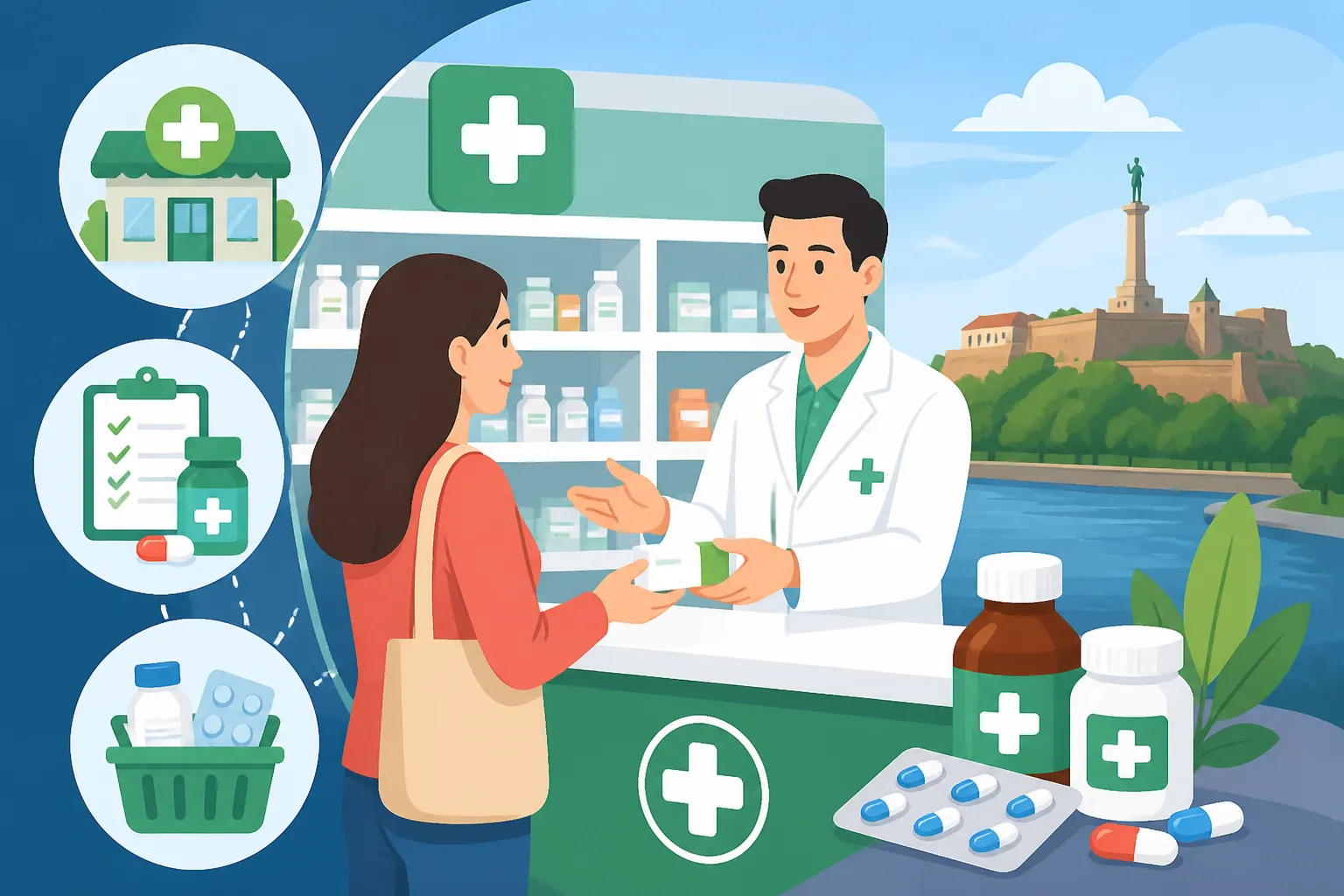
Beyond the chains, you'll also spot numerous independent pharmacies, often identifiable by their green crosses. These smaller, sometimes older, establishments can be absolute gems. The pharmacists in these places often have years of experience and a deep knowledge of local remedies and available alternatives if a specific brand isn't in stock. They might not always have English-speaking staff, but their willingness to help often bridges that gap. It's worth trying a few different types to see where you feel most comfortable. Sometimes, a smaller, local pharmacy is exactly what you need for that personal touch, especially if you have a recurring prescription.
Operating Hours and Emergency Services
Generally, most pharmacies in urban areas like Belgrade, Novi Sad, or Niš operate from around 8 AM to 8 PM on weekdays, with shorter hours on Saturdays (e.g., 9 AM to 3 PM). Sundays often see many pharmacies closed, especially the smaller, independent ones. However, don't fret if you have a late-night cough or a weekend emergency – Serbia has a robust system of 24-hour pharmacies, known as "dežurna apoteka."
In larger cities, you'll always find at least one, if not several, 24/7 pharmacies. In Belgrade, for instance, the Apoteka "Sveti Sava" near Slavija Square or Apoteka "Beograd" at Trg Republike are well-known examples that operate around the clock, every day of the year. You can usually spot them by a prominent green cross that's lit up, sometimes with "24h" or "Non-stop" signage. It’s always a good idea to know the location of your nearest 24-hour pharmacy, especially if you live in a quieter neighbourhood or are traveling to a less populated area. A quick Google Maps search for "apoteka 24h" or "dežurna apoteka" will usually point you in the right direction. This availability is a huge relief, especially for those unexpected late-night ailments.
Knowing when and where to go can save you a lot of hassle. If it's something routine, a regular pharmacy during daytime hours is fine. But for anything urgent outside of standard hours, head straight for a dežurna apoteka. Remember that during public holidays, most regular pharmacies will be closed, so the 24-hour ones become even more critical.
The Prescription Process: A Deep Dive
This is where things can get a bit tricky for expats, as the system for obtaining and filling prescriptions might differ significantly from what you're used to. Understanding the local rules is crucial, whether you're dealing with a chronic condition or just a nasty bout of the flu.
Getting a Prescription from a Serbian Doctor
In Serbia, medications are generally categorized into those requiring a prescription (Rp) and those available over-the-counter (OTC). For any prescription medication, you absolutely need a valid prescription from a doctor licensed to practice in Serbia. This usually means a general practitioner (GP) or a specialist at a dom zdravlja (public health center) or a private clinic. If you've just arrived and haven't yet registered with the Republic Health Insurance Fund (RFZO) or a local GP, you might find yourself needing to visit a private clinic first. It's worth noting that even once you are registered with the RFZO, obtaining a prescription from a public health institution can involve longer wait times.
A Serbian prescription (recept) is typically a small, white piece of paper issued by your doctor, detailing the medication, dosage, and how often you should take it. For those covered by the RFZO, this prescription also acts as a record for your insurance. For chronic conditions, doctors often issue repeat prescriptions, but it’s best to clarify with your doctor exactly how many times you can use the same prescription. Some medications might require a new prescription each time. You can learn more about How to Register with the RFZO and a GP in Serbia (2027) to streamline this process.
Dispensing and Understanding Your Medication
Once you have your prescription, you take it to any pharmacy. The pharmacist will review it, retrieve your medication, and often staple the prescription to their copy or system for record-keeping. Don't be surprised if the packaging looks different from what you're used to, even if the active ingredient is the same. Many pharmaceutical companies produce region-specific packaging.
The pharmacist in Serbia plays a more active role than just dispensing. They are often your first point of contact for minor ailments and can provide a lot of advice. They'll confirm the dosage and instructions for use, usually in Serbian. If your Serbian isn't strong, it's a good idea to use a translation app or ask if they speak English. Many pharmacists, especially in larger cities and younger staff, do have some English proficiency. Always double-check the medication name and dosage with the pharmacist before leaving, just to be absolutely sure you have the correct item. If you’re paying out of pocket, they will also inform you of the cost. Understanding the nuances of this process is part of Navigating the Serbian Healthcare System: An Expat's Roadmap (2027).
What If You Have a Foreign Prescription?
This is a very common expat conundrum. Unfortunately, a prescription from a doctor in your home country or another foreign country is generally not valid for dispensing medication in Serbia. Serbian pharmacies are legally bound to only fill prescriptions issued by a doctor licensed to practice within Serbia. This can be frustrating, especially if you're on long-term medication.
If you have an ongoing prescription from abroad, your best course of action is to schedule an appointment with a Serbian doctor as soon as possible, ideally shortly after your arrival. Bring your existing foreign prescription, any relevant medical reports, and the packaging of your current medication. This will help the Serbian doctor understand your medical history and issue a local prescription. While you're waiting to get established with a local doctor, you might want to bring a supply of your essential medications from home. This is especially vital for medications that are difficult to replace or require specific formulations. For short-term visitors or new arrivals, it's also a good idea to have travel insurance like SafetyWing, which can cover emergency medical needs before you're fully integrated into the local system.
Over-the-Counter Medications and Self-Care
Not everything requires a doctor's visit or a prescription, thankfully! The Serbian pharmacy system also has a good selection of over-the-counter (OTC) medications and health products for those everyday ailments and general wellness.
Common OTC Availability and Advice
For minor issues like headaches, colds, allergies, or indigestion, you'll find a wide array of OTC medications readily available without a prescription. Common pain relievers like paracetamol (often branded as Paracetamol or Caffetin) and ibuprofen (e.g., Brufen, Nurofen) are standard stock. Cold and flu remedies, cough syrups, nasal sprays, and allergy medications are also widely accessible. For upset stomachs, antacids and anti-diarrhea medications are easily found.
The beauty of the Serbian pharmacy system is the pharmacist's role as a primary healthcare advisor. If you walk in with a specific symptom, even if it's something minor, the pharmacist will often ask a few questions to understand your situation before recommending a product. This is a great service, particularly for language barrier situations where explaining complex symptoms to a doctor might be daunting. They can suggest appropriate OTC options or advise if your symptoms warrant a doctor's visit. Don't be shy about asking for recommendations, even if you only know a few Serbian words. Pointing to the area of pain or using a translation app can work wonders. This proactive approach by pharmacists is one of the reasons why The Complete Guide to Healthcare in Serbia for Expats (2027) highlights their importance.
Vitamins, Supplements, and Health Products
Beyond standard medications, Serbian pharmacies are also excellent places to stock up on vitamins, mineral supplements, herbal remedies, and various health and wellness products. You'll find a comprehensive selection of vitamin C, D, B-complexes, magnesium, zinc, and a whole host of other popular supplements. Many local brands offer good quality at competitive prices, but international brands are also increasingly available.
If you're into natural remedies, you'll be pleased to find a strong tradition of herbal medicine in Serbia. Pharmacists can often recommend local herbal teas or tinctures for various ailments, from soothing digestive issues to promoting sleep. These products are generally considered safe, but it's always wise to mention any other medications you're taking, just in case of potential interactions. You'll also find a good range of dermatological products, sunscreens, baby care items, and even some specialized medical devices like blood pressure monitors or thermometers. Essentially, if it's related to health and wellness, a Serbian pharmacy is very likely to have it.
Cost, Payment, and Insurance Considerations
Understanding the financial side of medication in a new country can be a major source of anxiety. Serbia offers a mix of public and private options, and the costs can vary significantly depending on your insurance status.
Understanding Medication Pricing
The cost of medicines in Serbia is generally considered quite affordable, especially compared to Western European countries or North America. For prescription medications, the price can be fully covered, partially covered (requiring a co-payment), or entirely out-of-pocket, depending on whether you are registered with the RFZO and the specific medication. Many essential medications are fully covered by the RFZO, meaning you pay nothing at the pharmacy if you have valid health insurance through the public system. For others, there might be a small co-payment, usually a fixed amount or a percentage of the total cost.
Over-the-counter medications and supplements are, of course, paid for entirely out-of-pocket. Even for these, you'll often find prices to be very reasonable. For example, a basic pack of paracetamol or ibuprofen might cost anywhere from 150 to 400 RSD (approximately €1.30 to €3.50), depending on the brand and quantity. Comparing prices between different pharmacies, especially for OTC items, can sometimes yield minor savings, but generally, prices are quite consistent across the larger chains. If you're curious about general healthcare expenses, you can refer to The Cost of Healthcare in Serbia: A Complete Breakdown for Foreigners (2026).
Public vs. Private Insurance and Co-payments
If you are officially employed in Serbia or registered as a self-employed person (preduzetnik) and making contributions to the RFZO, you are eligible for public health insurance. This means a significant portion, if not all, of your prescription medication costs will be covered. When you present your Serbian health card (zdravstvena knjižica) and the prescription, the pharmacist will process it through the RFZO system. For some medications, you may be asked to pay a small co-payment (participacija). This co-payment is typically a low, fixed fee, and it's essential to understand that it's a standard part of the public system for certain drugs.
For those without RFZO coverage – perhaps new arrivals, tourists, or individuals with only private health insurance – all medications, even those that would normally require a prescription, must be paid for in full. This includes drugs that would be free or incur a small co-payment under the RFZO. This is where having private health insurance becomes essential. It might cover the cost of these medications, but you will likely need to pay upfront and then seek reimbursement from your private insurer. For a deeper understanding, check out Understanding Out-of-Pocket Healthcare Costs and Co-Payments in Serbia and Public vs Private Healthcare in Serbia: What Expats Need to Know.
Here's a quick comparison of how medication costs typically work:
| Type of Medication | RFZO (Public Insurance) | Private Insurance (Local) | Private Insurance (International) | No Insurance (Out-of-Pocket) |
|---|---|---|---|---|
| Prescription (Essential) | Fully Covered or Small Co-payment | May be Covered (Reimbursement) | May be Covered (Reimbursement) | Full Price |
| Prescription (Non-Essential) | Co-payment or Full Price | May be Covered (Reimbursement) | May be Covered (Reimbursement) | Full Price |
| Over-the-Counter | Full Price (Not Covered) | Full Price (Not Covered) | Full Price (Not Covered) | Full Price |
| Vitamins/Supplements | Full Price (Not Covered) | Full Price (Not Covered) | Full Price (Not Covered) | Full Price |
International Health Insurance and Reimbursement
Many expats initially rely on international health insurance plans. These plans are invaluable, especially during your first few months before you're fully integrated into the Serbian public system. If your international insurance plan covers prescription medication, you will almost certainly have to pay for the medication in full at the Serbian pharmacy and then submit a claim for reimbursement to your insurance provider. It's crucial to keep all receipts and the original prescription. Make sure the receipt clearly lists the medication name, dosage, and cost. Your insurer will likely require this documentation.
Always check the terms and conditions of your specific international policy regarding prescription drug coverage, deductibles, and the claims process. Some policies might require a pre-authorization for certain expensive medications. For digital nomads or those in transit, short-term options like SafetyWing can be incredibly useful, offering coverage for unexpected illnesses or accidents, which often includes emergency prescription medications, ensuring you're not caught off guard by medical costs before settling into a more permanent insurance solution. Understanding Health Insurance in Serbia: RFZO, Private and International Options Explained is vital for making informed choices. Also, don't forget to familiarize yourself with How to Claim Reimbursement from Private Insurance in Serbia.
Dealing with Specific Situations and Challenges
Even with a good understanding of the system, unique challenges can arise. Being prepared for these can make a huge difference in your experience.
When Your Medication Isn't Available
It's a frustrating but sometimes unavoidable reality: your specific medication might not be readily available in Serbia, or at least not under the brand name you're familiar with. This can happen for several reasons, including different market regulations, supply chain issues, or simply that local pharmaceutical companies produce their own versions.
If your usual brand isn't in stock, don't panic. The pharmacist is your best ally here. They can often recommend an equivalent medication with the same active ingredient, often a generic version, which is usually much cheaper. In many cases, these generic alternatives are perfectly suitable and widely used. If even the generic isn't available, they might suggest contacting your doctor for an alternative prescription. For very specialized or rare medications, you might need to consult with your doctor to see if an import permit can be arranged, though this is a more complex process and usually only for critical, life-sustaining drugs. Always consult with a medical professional before switching medications or accepting an alternative you're unsure about. This is especially true for complex conditions where precise formulations matter.
Language Barriers and Communication Tips
The language barrier is probably the biggest hurdle many expats face when navigating the pharmacy system. While many younger pharmacists, especially in Belgrade and Novi Sad, speak some English, it's not a guarantee. This can make explaining symptoms, understanding dosage instructions, or discussing medication alternatives challenging.
Here are some tips to bridge the communication gap:
- Use a Translation App: Google Translate or similar apps are lifesavers. You can type in your symptoms or the name of your medication and show it to the pharmacist.
- Write it Down: Have the generic name of your medication, not just the brand name, written down. This is crucial for pharmacists to identify alternatives.
- Bring Packaging: If you're looking for a specific medication, bring the original packaging from your home country. This provides the pharmacist with all the necessary information, including the active ingredients and dosage.
- Learn Key Phrases: Even a few basic Serbian phrases related to health and medication can go a long way. "Imam bolove u…" (I have pain in…), "Glavobolja" (headache), "Temperatura" (fever), "Molim Vas, da li imate?" (Please, do you have?).
- Seek an English-Speaking Doctor: If you anticipate frequent medication needs or have complex health issues, finding an English-speaking doctor in Serbia is highly recommended. They can issue clear prescriptions and explain things in your native language, making the pharmacy visit much smoother. Many private clinics have English-speaking staff. You can find more advice in How to Find an English-Speaking Doctor in Serbia.
Essential Medical Kit for Expats
When moving to Serbia, especially if you're settling in or traveling extensively, assembling a basic medical kit is a smart move. This can cover minor emergencies and hold you over until you get acquainted with the local pharmacy system or register with a doctor.
Your kit should include:
- Personal Prescription Medications: Bring at least a 1-3 month supply of any critical, ongoing prescription medications, along with the prescription itself and a doctor's note explaining why you need them, especially for controlled substances.
- Basic Pain Relievers: Paracetamol (acetaminophen) and ibuprofen.
- Antihistamines: For allergies or insect bites.
- Stomach Remedies: Antacids, anti-diarrhea medication, and laxatives.
- First Aid Supplies: Band-aids, antiseptic wipes, gauze, medical tape.
- Topical Creams: Hydrocortisone for rashes, antibiotic cream for minor cuts.
- Thermometer: Essential for monitoring fever.
- Electrolyte Sachets: Useful for dehydration, especially in summer or with stomach bugs.
Having these essentials means you won't have to scramble to a pharmacy the moment you arrive or for every minor health issue. It provides peace of mind and allows you to deal with immediate needs while you navigate the local healthcare landscape. For additional emergency preparedness, review Emergency Medical Care in Serbia: What Every Expat Needs to Know.
Remember, while the Serbian pharmacy system might have its quirks, it is generally efficient, well-stocked, and staffed by knowledgeable professionals. A little preparation and understanding will go a long way in ensuring your health needs are met during your time here. Don't be afraid to ask questions, utilize translation tools, and lean on the expertise of the local pharmacists.
Disclaimer
The information provided in this guide is for general informational purposes only and does not constitute medical or legal advice. While we strive to ensure the information is accurate and up-to-date, healthcare regulations and practices can change. Always consult with a qualified Serbian medical professional or legal expert for advice tailored to your specific situation. Reliance on any information in this guide is solely at your own risk.