How Do I Register My Newborn for Healthcare in Serbia?
Congratulations, you've just welcomed a little Serb, or maybe a future global citizen, into the world here in Serbia! This magical moment often comes with a dose of practical panic for expat parents: how on earth do I navigate the healthcare system for my brand-new baby? The good news is, while the administrative hurdles can feel like climbing Mount Everest with a newborn in your arms, it's entirely doable. This guide will walk you through the essential steps to register your newborn for healthcare in Serbia, making sure your precious little one gets the care they need without unnecessary stress.
The First Administrative Hurdle: Birth Certificate and JMBG
Bringing a new life into the world is exhilarating, but for expat parents in Serbia, it also means a swift pivot from baby cuddles to paperwork. Before your little one can even dream of seeing a pediatrician under the public health system, you'll need two fundamental documents: their birth certificate and their unique identification number.
Obtaining the Birth Certificate Izvod iz Matične Knjige Rođenih
After your baby's birth, the hospital will issue a notification of birth (Prijava rođenja). This document is your golden ticket to the matičar, or registrar's office, where the official birth certificate is issued. This is the first critical step, and it's something you typically need to do within 30 days of birth, though sooner is always better to get the ball rolling on everything else.
The process at the matičar usually goes like this: you present the hospital's birth notification, your passports or IDs, and your marriage certificate (if you're married and want the father's name on the birth certificate). If you don't have a marriage certificate, or if it's from a foreign country, ensure it's translated into Serbian by a certified court translator and apostilled if your home country is a signatory to the Hague Apostille Convention. This is where many expat parents hit their first snag, realizing that even basic documents need this extra layer of bureaucracy. Make sure all names are spelled correctly, especially if you're trying to transliterate non-Cyrillic names into Serbian. The birth certificate is a cornerstone document; without it, nothing else can proceed.
Getting Your Newborn's JMBG Jedinstveni Matični Broj Građana
The JMBG, or Unique Master Citizen Number, is Serbia's equivalent of a national identification number, and your baby will need one for absolutely everything – from healthcare to future schooling. Thankfully, in most cases, the JMBG is assigned and printed directly on the birth certificate by the matičar when you register the birth. This streamlines the process considerably.
However, sometimes, especially if there are complexities with parental documents or if you have a unique case, the JMBG might require a separate visit to the police department (MUP) for foreign citizens. It's a bit of a chicken-and-egg situation sometimes: you need the JMBG for healthcare, but you need the birth certificate to get the JMBG. The important thing is to confirm at the matičar's office if the JMBG has been issued with the birth certificate. If it has, fantastic! If not, they will direct you to the appropriate MUP department. Without that JMBG, your child simply won't be able to register for the public health insurance system (RFZO), making it a bottleneck for all subsequent steps.
Navigating the Republic Health Insurance Fund (RFZO) Registration for Your Baby
Once you have that all-important birth certificate with the JMBG, it's time to tackle the Republic Health Insurance Fund, or RFZO. This is where your newborn officially enters the Serbian public healthcare system. This can feel like a labyrinth, but with a clear plan, you'll get there.
Who Can Register a Newborn with RFZO?
This is a crucial point for expat families. For your baby to be registered under the RFZO, at least one parent must already be registered with the RFZO or be in the process of registration themselves, usually through employment or self-employment in Serbia. The baby's health insurance coverage is typically tied to one of the parents' policies.
If you, as a parent, are already formally employed in Serbia and making mandatory health insurance contributions, then your baby can be added as a dependent. The same applies if you are registered as an entrepreneur (preduzetnik) and paying your contributions. For those still in the administrative limbo of awaiting their own RFZO card, or perhaps relying solely on private international health insurance, the situation can be tricky. It's vital to have your own RFZO status secured before you can add your child. If you find yourself in that grey area where your own RFZO status isn't quite settled, remember that short-term solutions like SafetyWing can offer a temporary bridge, ensuring some coverage for your family while you sort out the long-term public health insurance for your little one. While SafetyWing is primarily travel medical insurance, for new parents facing delays in RFZO activation, it can provide crucial peace of mind for unexpected medical needs. Understanding Mandatory Health Insurance Contributions in Serbia is key for parents to ensure they are eligible to add their child.
Required Documents for RFZO Registration
Gathering the correct documents is half the battle. You'll need original documents and usually one photocopy of each. It's always a good idea to bring extra copies, just in case.
Here’s a typical checklist:
- Your Newborn’s Birth Certificate (Izvod iz Matične Knjige Rođenih): The original with the JMBG printed on it.
- Your Newborn’s JMBG Document: If the JMBG was issued separately from the birth certificate, bring that document.
- Parent’s ID Document: Your passport or Serbian ID card (if you have one).
- Parent’s RFZO Health Card (Zdravstvena Knjižica): Or proof of your RFZO registration if you haven't received the physical card yet. This proves you are already insured.
- Proof of Parent's Employment/Contribution: A recent salary slip, employment contract, or proof of entrepreneur registration and paid contributions. This demonstrates your active insurance status.
- Marriage Certificate (if applicable): If you are married, especially if it helps establish the parental relationship for both parents. Again, foreign certificates need certified translation and potentially apostille.
- Proof of Residence (Beli Karton or rental agreement): While not always explicitly asked for at the RFZO, having your registered address document can be helpful.
It's a lot, I know. My advice? Get a folder, dedicate it to baby documents, and keep everything meticulously organized. The staff at the RFZO office in Serbia are generally helpful, but they work strictly by the book, and missing even one obscure document can send you back to square one.
The Step-by-Step RFZO Application Process
With your stack of documents in hand, you'll need to visit the local RFZO branch that corresponds to your registered address.
- Locate Your RFZO Branch: In larger cities like Belgrade, there are multiple branches. Check the official RFZO website or ask locals which branch covers your municipality.
- Take a Number and Wait: Prepare for a wait. Public administration offices in Serbia can have significant queues, so try to go early in the morning.
- Present Documents and Fill Forms: Once it’s your turn, explain that you want to register your newborn for health insurance. The official will review your documents and provide you with a form (Obrazac 2 for adding family members) to fill out. Make sure all details match your birth certificate and ID.
- Submission and Processing: Submit the completed form and all supporting documents. The official will process your application. You might receive a temporary certificate or be told when to expect the health card. In many cases, you might be issued a paper confirmation of registration that acts as proof of insurance until the physical card is ready.
- Collecting the Health Card: This can take anywhere from a few weeks to a couple of months. You'll typically be notified when the physical health card (Zdravstvena Knjižica) is ready for collection. Remember to keep the temporary confirmation safe in the meantime.
During this waiting period, if your baby needs medical attention, the temporary certificate or the confirmation of submitted documents should suffice. However, for complete peace of mind, especially with a newborn, having an international health insurance plan like one that SafetyWing offers, even temporarily, could be a lifesaver. This is because while the RFZO is processing, there might be administrative gaps, and a private policy can ensure immediate access to care without worrying about out-of-pocket costs during this transitional phase. For a deeper dive into the RFZO, you can check out How to Register with the Republic Health Insurance Fund (RFZO) in Serbia.
| Document Required | Where to Obtain | Purpose |
|---|---|---|
| Newborn's Birth Certificate (Izvod iz Matične Knjige Rođenih) | Matičar (Registrar's Office) after hospital birth notification | Proof of birth and often includes JMBG |
| Newborn's JMBG (Jedinstveni Matični Broj Građana) | Included with Birth Certificate or separate MUP visit | Unique identification number for all official purposes |
| Parent's ID/Passport | Your national ID or passport | Proof of identity for the parent adding the child |
| Parent's RFZO Health Card / Proof of Registration | RFZO office or employer | Verifies parent's active public health insurance status |
| Proof of Parent's Employment / Contribution | Employer (salary slip, contract) or self-employment registration | Confirms eligibility for public health insurance |
| Marriage Certificate (if applicable) | Matičar (Serbian) or translated/apostilled foreign certificate | Establishes marital status and parental relationship |
| Proof of Registered Address (Beli Karton/rental contract) | MUP (Police) or Landlord | Confirms residence in Serbia (sometimes requested) |
Choosing and Registering with a Pediatrician Izabrani Lekar
Once your little one is officially registered with the RFZO, the next crucial step is choosing and registering with a pediatrician. This person will become your primary point of contact for all your baby's health needs, from routine check-ups to vaccinations.
The Role of the Dom Zdravlja and the Pediatrician
In Serbia, public healthcare is primarily delivered through Dom Zdravlja (Health Centers), which are local polyclinics offering general practitioner services, specialist consultations, and various medical procedures. For children, the pediatrician (izabrani lekar or "chosen doctor") at the Dom Zdravlja is the gatekeeper to the entire public healthcare system. They manage your child’s health records, conduct regular health checks, administer vaccinations, and issue referrals to specialists if needed.
It's incredibly important to choose a pediatrician promptly after your baby's RFZO registration. Newborns require frequent check-ups and follow-up care in their first year, so having a designated doctor is non-negotiable. Without one, you might find it difficult to access even basic care under the RFZO, and you'd be forced to resort to private clinics for every visit, which can become quite costly. To get a better grasp of the broader system, you can refer to Navigating the Serbian Healthcare System: An Expat's Roadmap (2026).
How to Choose a Pediatrician
Choosing a pediatrician is a deeply personal decision, and for expat parents, it comes with an added layer of complexity. Here are some factors to consider:
- Location: Ideally, you want a pediatrician at a Dom Zdravlja that is easily accessible from your home. You'll be making frequent visits, especially in the first year.
- Recommendations: Ask other expat parents in your area for recommendations. Word-of-mouth can be incredibly valuable in finding a doctor who is understanding of expat needs and potentially speaks some English. Local Facebook groups for expats in Belgrade or Novi Sad are great resources for this.
- Language: This is often the biggest concern. While many younger doctors may have some English proficiency, don't assume. Try to find one with whom you can communicate effectively, or be prepared to bring a Serbian-speaking friend or family member to appointments.
- Personality and Approach: Just like anywhere else, doctors have different styles. Some are more conservative, others more modern. While you might not get to "interview" several, you can get a feel for their approach during your first visit.
- Availability: Some pediatricians have very full schedules. Ask about appointment booking procedures and wait times.
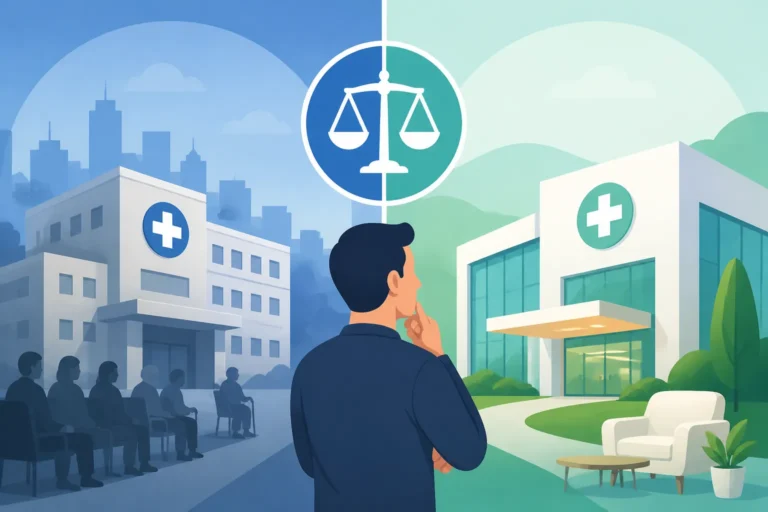
Many expat parents initially lean on private clinics like Euromedik or Medigroup for that immediate peace of mind, especially for English-speaking doctors. These clinics often offer excellent care, English-speaking staff, and shorter wait times. However, for long-term, routine care, you'll still want to get your child registered with a Dom Zdravlja pediatrician under the RFZO, as this is how you access specialist referrals and free prescriptions for anything covered by public insurance. This dual approach can offer the best of both worlds, using the public system for routine care and private for specific needs or emergencies. For more on this, you might find Public vs Private Healthcare in Serbia: What Expats Need to Know helpful.
Registering with Your Chosen Pediatrician
Once you’ve tentatively identified a pediatrician or a Dom Zdravlja you’d like your child to attend, the registration process involves a visit to that specific health center.
- Visit the Dom Zdravlja: Go to the Dom Zdravlja and head to the children's health department (Dečije Odeljenje). Inquire at the reception about registering a new patient with a pediatrician.
- Required Documents: You'll typically need your child's RFZO health card (or temporary proof of insurance), their birth certificate with JMBG, and your ID.
- Complete the Registration Form: You'll fill out a form to formally register your child with an izabrani lekar. If there's a specific pediatrician you want, you can request them, assuming they have available capacity.
- First Appointment: Once registered, schedule the first official check-up. This initial visit is vital for the pediatrician to establish your baby's baseline health, review their birth records, and discuss the local vaccination schedule. Understanding Childhood Vaccination Schedules in Serbia is crucial here, as they may differ from your home country.
- Ongoing Care: After this, your pediatrician will guide you through regular check-ups, growth monitoring, and provide advice on feeding, development, and preventive care. They will also be the one who issues referrals for specialist consultations or hospital admissions if your child needs care beyond what the Dom Zdravlja can offer.
The process of How to Choose a GP (Izabrani Lekar) at a Dom Zdravlja in Serbia shares many similarities, so that guide can provide additional insights.
Expat-Specific Challenges and Solutions in Newborn Healthcare Registration
Being an expat parent navigating a new country's healthcare system is a unique challenge. While the general steps are clear, the execution often comes with its own set of expat-specific hurdles.
Language Barriers and Translation
Let's face it, one of the biggest frustrations for expats in Serbia is the language barrier, especially when it comes to critical matters like healthcare. While staff at international clinics or in some parts of Belgrade might speak English, this is not guaranteed at every Dom Zdravlja or RFZO office. Trying to explain a baby’s symptoms or understand complex administrative instructions in a language you're not fluent in can be incredibly stressful.
Solutions:
- Bring a Serbian Speaker: This is perhaps the most effective solution. If you have a trusted Serbian friend, colleague, or even a landlord, ask them to accompany you to appointments or registration offices. Their presence can smooth over many misunderstandings.
- Use Translation Apps: While not perfect for nuanced medical conversations, Google Translate or similar apps can help with basic communication or translating documents on the fly.
- Learn Key Phrases: Even a few basic Serbian phrases related to healthcare and baby symptoms can make a big difference and show respect for the local culture.
- Seek English-Speaking Doctors: For initial consultations or private second opinions, actively seek out English-speaking pediatricians, even if it means paying for a private visit. How to Find an English-Speaking Doctor in Serbia can be a great resource.
Bridging Gaps with Private or International Insurance
The Serbian public healthcare system (RFZO) is generally affordable and offers comprehensive care once you’re fully integrated. However, the administrative processes can take time, leaving periods where your newborn might not have immediate, fully active RFZO coverage. This is where private or international health insurance can play a crucial role.
Hypothetical Scenario: Imagine your baby needs an urgent check-up for a high fever just days after birth, but their RFZO card hasn't arrived, and you only have the temporary paper confirmation. While this paper should be enough, sometimes smaller Dom Zdravlja branches might be hesitant without the physical card or if your own RFZO status is still pending. In such a situation, having a private health insurance policy provides an immediate fallback. You can visit a private clinic without worrying about upfront costs or administrative delays. Many expat families opt for private insurance, at least initially, for this very reason – it offers peace of mind during the transition.
Brands like SafetyWing, while known for their travel insurance, also offer Nomad Insurance that can cover individuals and families living abroad for extended periods. This kind of plan can be an excellent bridge, especially for those first few months when everything is being set up. It’s not a replacement for comprehensive local public or private insurance, but it provides a safety net for unexpected medical emergencies or needs, giving you time to properly secure your baby's RFZO registration. Keep in mind that for a long-term stay in Serbia, you’ll want dedicated health insurance in Serbia: RFZO, Private and International Options Explained.
Understanding Follow-Up Care and Vaccinations
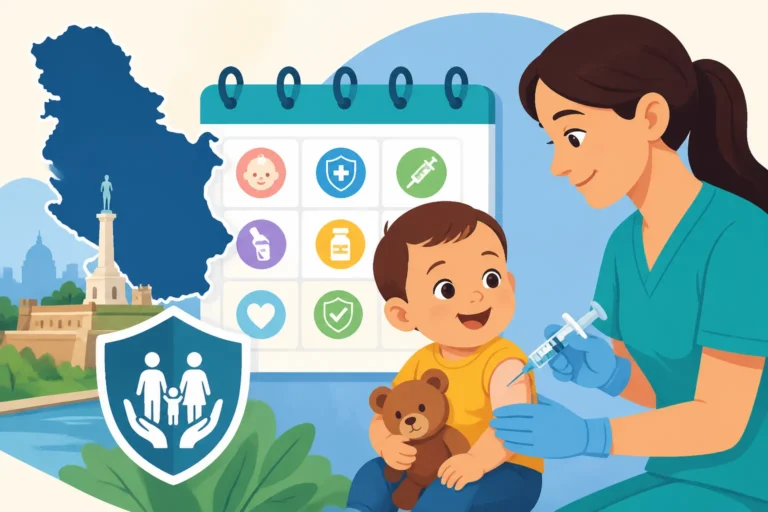
Serbia has a robust national vaccination program, and your pediatrician will closely follow the schedule. It's important to understand this schedule and adhere to it for your child's health and for compliance with local regulations. Your chosen pediatrician at the Dom Zdravlja will be responsible for administering these vaccines and providing guidance on follow-up care, including developmental checks and nutritional advice.
Tips for Expat Parents:
- Proactive Scheduling: Be proactive in scheduling follow-up appointments. Don't wait for the Dom Zdravlja to call you; they often expect parents to take the initiative.
- Keep Records: Maintain a personal record of all vaccinations and check-ups, especially if you plan to move countries again in the future.
- Ask Questions: Don't hesitate to ask your pediatrician questions about any aspect of your baby's care, even if it requires bringing a translator. Understanding your child's health and development is paramount.
Integrating your newborn into the Serbian healthcare system might seem daunting at first, but with patience, preparation, and perhaps a little help from the expat community, you'll ensure your little one receives excellent care in their new home. Remember, every expat has been through their own version of this administrative maze, so you're not alone in these frustrations!
Disclaimer
The information provided in this guide is for general informational purposes only and does not constitute medical or legal advice. While we strive to keep the information up-to-date and accurate, regulations and procedures in Serbia can change without notice. Always consult with official Serbian government sources, a healthcare professional, or a legal expert for the most current and personalized advice regarding your specific situation.