How to Choose a GP (Izabrani Lekar) at a Dom Zdravlja in Serbia
One of the first significant hurdles you'll encounter after settling into life here in Serbia, beyond wrestling with the language, is figuring out how to get your healthcare needs met. It can feel like an overwhelming maze, especially when it comes to something as fundamental as finding a doctor you can trust. This guide is here to demystify the process of choosing your izabrani lekar, or chosen doctor, within the dom zdravlja (health centre) system, ensuring you feel empowered and informed.
Understanding the Serbian Dom Zdravlja System and Your Izabrani Lekar
Let's be honest, the Serbian healthcare system isn't always the most straightforward to navigate, especially for us expats who are used to different setups back home. But once you understand the core components, particularly the dom zdravlja and the izabrani lekar, things start to make a lot more sense. Think of it as the foundational layer of your public healthcare experience here.
What Exactly is a Dom Zdravlja?
A dom zdravlja is essentially a primary healthcare centre. These are dotted throughout every city and municipality in Serbia, serving as the first point of contact for most of your medical needs. Unlike some countries where you might go directly to a general practitioner's private office, here, the dom zdravlja houses a multitude of services under one roof. You’ll find general practitioners, paediatricians, gynaecologists, dentists, and even some specialist clinics like internal medicine or ophthalmology, all operating within the public system.
The idea is that these centres provide comprehensive primary care, aiming to keep you healthy and address most common ailments without needing to rush to a hospital. They are vital for preventive care, routine check-ups, basic diagnostics, and managing chronic conditions. While the facilities might not always be state-of-the-art like some private clinics you might find, they are the backbone of public health in Serbia and where most residents receive their care. It’s also where you'll eventually get all your referrals if you need to see a specialist or undergo more complex tests, as we’ll discuss later in this guide.
The Role of Your Izabrani Lekar (Chosen Doctor)
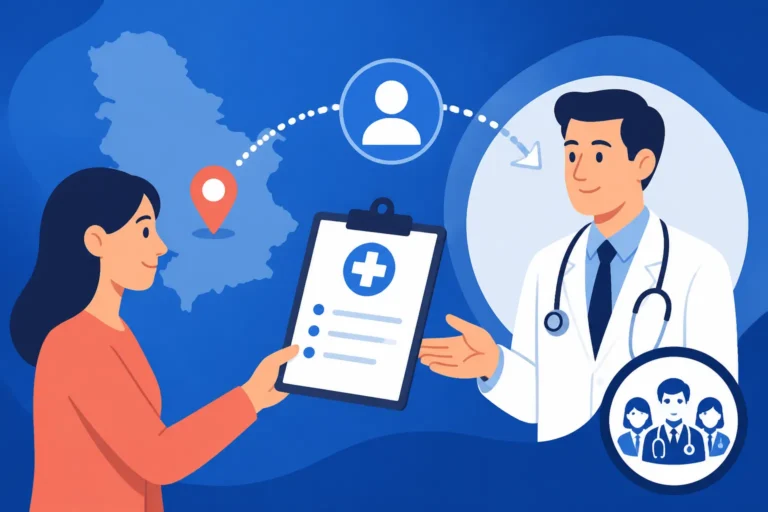
Your izabrani lekar is your primary care physician within the dom zdravlja system, and this relationship is absolutely crucial. This isn't just a doctor you see when you're sick; they are meant to be your long-term medical partner, someone who understands your health history, provides referrals, prescribes medications, and generally oversees your health journey. The concept is rooted in continuity of care, aiming for a personalised approach rather than seeing a different doctor every time you visit.
Once you’ve successfully registered with the Republic Health Insurance Fund (RFZO) and selected an izabrani lekar, they become your gateway to the broader public healthcare system. Need a blood test? See your izabrani lekar. Feel under the weather? See your izabrani lekar. Need to consult a dermatologist or a cardiologist? You guessed it – your izabrani lekar will provide the referral. This gatekeeper role can sometimes feel a bit cumbersome if you’re used to direct access to specialists, but it's designed to streamline the system and ensure appropriate care pathways.
Why You Need an Izabrani Lekar as an Expat
For us living in Serbia, having an izabrani lekar isn't just a good idea; it's practically a necessity if you plan to rely on the public healthcare system at all. Without one, you simply won't be able to access most public health services beyond emergencies. They hold your medical records, process your referrals, and manage your prescriptions, which are often subsidised or fully covered by the RFZO once you're properly registered.
If you’re employed in Serbia, whether directly or as an entrepreneur, you’ll be making mandatory health insurance contributions in Serbia, which entitles you to public healthcare. To actually use that entitlement, you need an izabrani lekar. Many expats initially rely on private clinics or international health insurance plans like SafetyWing for convenience or language accessibility, and that's perfectly fine for initial settling in or for specific needs. However, for long-term residency and for truly integrating into the local system, registering with a dom zdravlja and choosing your izabrani lekar is an essential step. It's the key to unlocking affordable care and navigating the Serbian healthcare system: an expat's roadmap.
Eligibility and Initial Steps for Registration
Before you can even start thinking about which friendly face will be your izabrani lekar, there are a few important boxes to tick. The public healthcare system in Serbia, managed by the RFZO (Republic Health Insurance Fund), operates on a contribution basis, and your eligibility for an izabrani lekar is directly tied to your status with them.
Who Can Register for an Izabrani Lekar?
Generally speaking, anyone who is properly registered with the RFZO for public health insurance in Serbia is eligible to choose an izabrani lekar. This usually includes:
- Employed individuals: If you're working for a Serbian company, your employer is legally obligated to register you and pay your contributions.
- Self-employed individuals/entrepreneurs: If you're running your own business (like a preduzetnik or pausalac), you're responsible for registering yourself and paying your contributions.
- Family members: Dependents of eligible individuals (spouses, children) can often be added to the primary insured person's coverage.
- Those with temporary or permanent residence: Your residence status definitely affects RFZO enrolment in Serbia. For instance, if you have temporary residence based on employment or self-employment, you're expected to register.
Tourists or those without a residence permit and valid RFZO registration are not eligible for an izabrani lekar in the public system. They would typically rely on travel insurance or pay out-of-pocket for private care or Emergency Medical Care in Serbia.
Prerequisites: Getting Your RFZO Health Insurance Sorted First
This is the big one. You simply cannot choose an izabrani lekar or access public healthcare services unless you are first enrolled with the RFZO. This step often causes the most frustration and back-and-forth for expats, so prepare yourself with patience and all your documents.
The process typically involves:
- Obtaining your jedinstveni matični broj građana (JMBG) or personal identification number: This is usually assigned when you get your residence permit.
- Registering with the Central Register of Compulsory Social Insurance (CROSO): If you’re employed, your employer handles this. If self-employed, you do it.
- Applying for your health insurance card (knjižica): This is done at your local RFZO branch. You’ll need proof of residence, your JMBG, and confirmation of paid contributions (or employer registration).
I can't stress enough how important it is to have this sorted. Without your RFZO card or at least proof of valid insurance, you’ll hit a wall trying to get through the dom zdravlja doors for anything beyond urgent, life-threatening emergencies. Make sure you understand how to register with the Republic Health Insurance Fund (RFZO) in Serbia, as it’s the absolute first step.
Essential Documents You'll Need
Once your RFZO insurance is active and you have your health insurance card (or at least the paper certificate confirming your registration), you’re ready to actually choose a doctor. However, you'll still need to bring a few crucial documents with you to the dom zdravlja when you go to register with an izabrani lekar:
- Valid identification: Your passport and your Serbian residence permit card.
- RFZO health insurance card (or equivalent certificate): This is non-negotiable. It proves you're insured.
- JMBG (Personal Identification Number): This will be on your residence permit and linked to your RFZO record.
- Address registration (Beli Karton or your residence permit address): Proof of your registered address in Serbia is often required.
Having all these documents organised and preferably photocopied (Serbians love a good photocopy!) will save you a lot of grief. It’s always best to call ahead or check the dom zdravlja website (if they have one) for any specific requirements, as these can sometimes vary slightly between municipalities or even different centres within the same city.
Navigating the Choice: Finding the Right GP for You
So, you’ve got your RFZO insurance sorted, your documents are in order, and you're ready to pick your izabrani lekar. But how do you actually choose? This isn't like picking a coffee order; this is about your health, so it’s worth putting in a little effort. It’s not always easy, especially if you don’t have local connections yet, but there are ways to approach it.
Factors to Consider When Choosing
When you're trying to decide on your chosen doctor, a few key things really come into play. It's not just about who's available; it's about finding someone who fits your needs and makes you feel comfortable in a new system.
- Location, Location, Location: This might seem obvious, but convenience is huge. You’ll likely want a dom zdravlja that’s easily accessible from your home or workplace. If you live in New Belgrade, you probably don't want your GP in Zemun, unless there's a compelling reason. Consider public transport routes or parking availability. The nearest dom zdravlja to you in Belgrade might dictate your choice more than anything else.
- Language Skills: This is a big one for many expats. While not all doctors will speak perfect English, many younger doctors, or those who have worked with international patients, will have at least a functional level. Don't be shy about asking if they speak English or if there’s an English-speaking nurse or colleague who can assist. This can drastically improve your experience and understanding. This is often why some expats initially choose to How to Find an English-Speaking Doctor in Serbia in a private setting.
- Recommendations and Reputation: If you know other expats, ask around! Word-of-mouth recommendations are golden. Sometimes a specific doctor or even an entire dom zdravlja will have a reputation for being more expat-friendly or having shorter wait times.
- Special Needs and Preferences: Do you have a chronic condition? Are you a woman who prefers a female doctor? Do you have young children and need a paediatrician who is particularly patient? While you might not get to "interview" a dozen doctors, being aware of your own needs can help you narrow down your choices when you visit the dom zdravlja. Some centres might have doctors known for specific areas of expertise or a generally more compassionate approach.
How to Research and Shortlist Potential GPs
Unfortunately, there isn't a readily available online database in English where you can simply browse through izabrani lekar profiles and check their ratings (believe me, I wish there was!). So, your research will need to be a bit more old-school, a bit more on-the-ground.
- Identify Local Dom Zdravlja Centres: Use Google Maps to locate dom zdravlja facilities near your home or work. Search for "Dom Zdravlja [Your Neighbourhood/City]" (e.g., "Dom Zdravlja Vračar" or "Dom Zdravlja Novi Beograd").
- Check Their Websites (if available): Some dom zdravlja centres have basic websites, usually in Serbian. You might find lists of doctors, their specialties, and working hours. Google Translate can be your friend here.
- Ask in Expat Groups: This is truly one of the most valuable resources. Join local expat Facebook groups for Serbia or your specific city (e.g., "Expats in Belgrade"). Ask for recommendations for English-speaking doctors or expat-friendly dom zdravlja locations. People are usually very keen to share their experiences, both good and bad.
- Initial Visit: Sometimes, the best research is simply to show up. Go to the dom zdravlja during off-peak hours, ask to speak to the administrative staff in the "Služba opšte medicine" (general medicine service) or "Odsek za prijem pacijenata" (patient admissions department). They might be able to tell you which doctors have capacity for new patients and if any are known to speak English.
Visiting Dom Zdravlja and Interviewing Staff
Alright, this is where the rubber meets the road. Once you have a shortlist of dom zdravlja centres or even a few specific doctors you've heard good things about, it's time for a direct approach.
Go to the dom zdravlja in person. It can feel intimidating, I know, but it’s often the most effective way to get information. When you enter, look for signs or ask at reception (using simple Serbian or a translation app if needed) for the "Služba opšte medicine" or "Informacije za izbor lekara." This is where you typically find the administrative staff responsible for doctor assignments.
You're not really going to "interview" the doctor directly in the traditional sense, but you can gather crucial information from the administrative staff. Here are some questions to ask (translated into simple Serbian or using a translator app):
- "Da li imate doktore koji primaju nove pacijente?" (Do you have doctors accepting new patients?)
- "Da li neki od doktora govore engleski?" (Do any of the doctors speak English?)
- "Koje su radne smene doktora?" (What are the doctors' working shifts? – morning/afternoon rotation is common).
- "Koliko pacijenata ima kod doktora X?" (How many patients does Doctor X have? – A lower number might mean shorter wait times).
Don’t expect a fancy brochure or a detailed explanation. You'll likely get direct, concise answers. But this direct interaction can give you a feel for the place, the staff, and the general atmosphere. It might also help you decide if that particular dom zdravlja seems like a good fit for you.
The Registration Process: Step-by-Step
You’ve done your homework, you've braced yourself, and now you’re ready to actually register your chosen doctor. The process itself is usually quite straightforward once you have all your documents and have identified a dom zdravlja and a doctor. It mostly involves filling out a form and submitting it.
Submitting Your Application at the Dom Zdravlja
This is the moment of truth. Head back to your chosen dom zdravlja, ideally during administrative hours, and find the department responsible for "izbor lekara" (doctor selection) or "prijem pacijenata" (patient admission).
- Request the Registration Form: Ask for the form to register your izabrani lekar. It's typically called "Izjava o izboru i promeni izabranog lekara."
- Fill Out the Form: This form will ask for your personal details (name, JMBG, address), your RFZO insurance number, and the name of the doctor you wish to choose. Fill it out clearly, preferably in Serbian if you can manage, or have a Serbian-speaking friend help you.
- Attach Required Documents: You'll need to attach photocopies of your passport, residence permit, and RFZO health insurance card. Always bring the originals for verification.
- Submit the Form: Hand over the completed form and documents to the administrative staff. They will verify everything and process your application. You might receive a stamped copy as proof of submission.
- Confirmation: In some cases, you might be given immediate confirmation, or they might tell you to come back in a few days to get your official registration confirmed. The key is that once this form is submitted and processed, you are officially linked to that doctor within the public system.
Important Note on Timing: You can usually only change your izabrani lekar once per calendar year without a specific, approved reason. So, choose wisely! This is why the "interviewing" and research steps are so vital.
What Happens After You Register?
Once your registration is complete, your chosen doctor will have access to your (soon-to-be) medical records within the public system.
- First Appointment: It's a good idea to schedule an initial "getting to know you" appointment with your izabrani lekar even if you're not immediately sick. This allows you to meet them, discuss any existing health conditions you might have, and generally establish a rapport. It’s a great opportunity to ask about their specific working hours, how to make appointments, and what the usual procedure is for referrals.
- Medical Records: Any future visits, diagnoses, prescriptions, and referrals within the public system will be recorded and managed by your izabrani lekar. This ensures continuity of care, which is really beneficial in the long run. If you have any medical records from your home country, bring them along to your first appointment; your doctor might find them useful, though they may not be fully integrated into the Serbian system.
- Access to Services: With your izabrani lekar confirmed, you now have full access to the RFZO system for primary care. This includes consultations, basic diagnostic tests (like blood and urine tests ordered by your GP), and referrals to specialists or hospitals when needed. Understanding the role of the RFZO and your GP in Serbia is crucial for effective use of the system.
Changing Your Izabrani Lekar
Let's face it, sometimes things just don't click. Or maybe your living situation changes, and your current dom zdravlja becomes inconvenient. Thankfully, you're not stuck with your first choice forever. You can change your izabrani lekar, but there are some rules.
As mentioned, you generally have the right to change your izabrani lekar once every calendar year (from January 1st to December 31st) without needing to provide a specific reason. If you want to change more frequently than that, you usually need a compelling reason, which the dom zdravlja administration must approve. Valid reasons might include a permanent change of address to a different municipality, a doctor going on long-term leave, or documented issues with the quality of care, though proving the latter can be tricky.
The process for changing doctors is essentially the same as the initial registration: you fill out the "Izjava o izboru i promeni izabranog lekara" form again, specifying your new doctor, and submit it with your documents. The administrative staff will then transfer your records to your new izabrani lekar. Don’t worry; it's a routine procedure, and they're used to it.
Common Challenges and Expat Tips
Navigating any new country’s bureaucracy is tough, and healthcare is no exception. As expats, we often face unique challenges that locals might not, from language barriers to simply understanding a different cultural approach to medicine.
Language Barriers and Communication Strategies
This is arguably the biggest hurdle for most non-Serbian speakers. While many medical professionals, especially younger ones or those who've worked in international environments, do speak some English, it's by no means guaranteed, particularly in public dom zdravlja centres outside of major cities like Belgrade or Novi Sad.
Strategies to overcome this:
- Basic Serbian Phrases: Learn essential medical terms and phrases. A simple "Boli me glava" (My head hurts) or "Imam temperaturu" (I have a fever) can go a long way.
- Translation Apps: Google Translate or similar apps can be invaluable. Don't be shy about using them in the doctor's office. You can type in what you want to say or show text to the doctor, and vice-versa.
- Bring a Friend: If you have a Serbian-speaking friend, neighbour, or colleague you trust, ask if they wouldn't mind accompanying you to important appointments. This can reduce stress immensely.
- Written Notes: Prepare a brief written summary of your symptoms or questions in English, and ask the doctor to read it. Sometimes, reading is easier than spoken conversation.
- Medical Dictionary: A small medical dictionary or a list of common ailments in both English and Serbian can be surprisingly helpful.
Remember, patience is key. Doctors are there to help, and they will try to communicate. Your efforts to bridge the language gap will be appreciated.
Understanding Appointment Systems and Wait Times
The public healthcare system in Serbia, while generally good value, can sometimes test your patience, especially when it comes to appointments and wait times. This is a common frustration shared by many, locals and expats alike.
- Appointment Booking: You’ll typically book appointments by calling the dom zdravlja directly, often for your specific izabrani lekar, or by going in person to their dedicated reception desk. Some larger dom zdravlja centres are slowly introducing online booking systems, but this is not yet universal.
- Morning vs. Afternoon Shifts: Doctors often work in shifts (e.g., one week morning, one week afternoon). Be sure to confirm your doctor's current shift when booking.
- Expected Wait Times: For routine appointments, you might get an appointment within a few days to a week. For specialists, particularly through the RFZO referral system, wait times can stretch into weeks or even months for non-urgent conditions. This is a significant point where the public vs private healthcare in Serbia discussion often comes up. If you need something quickly, private clinics are much faster, though you’ll pay out-of-pocket or use private insurance.
- In-Clinic Waiting: Even with an appointment, be prepared to wait a bit once you're at the dom zdravlja. "Serbian time" is a thing, and appointments are sometimes more of a guideline than a strict schedule. Bring a book or something to keep you occupied.
When to Consider Private Options (and how SafetyWing might fit in for emergencies/travel)
While the public system with your izabrani lekar is your primary route for RFZO-covered care, there are definite scenarios where private clinics are a godsend.
- Speed and Convenience: For quicker appointments, shorter wait times, and direct access to specialists without an RFZO referral, private clinics are unbeatable. If you need to see a dermatologist next week, not next month, private is often the way to go.
- Language Availability: Private clinics, especially in Belgrade and Novi Sad, are much more likely to have English-speaking doctors and staff. This can significantly reduce stress and miscommunication.
- Modern Facilities: Many private clinics boast newer equipment and more modern facilities, which can be appealing.
- Specific Services: For certain niche services or highly specialised diagnostics, private might be your only readily available option.
This is where having a good private health insurance plan comes in. For example, some expats use SafetyWing not only as a travel insurance solution but also as a form of basic medical coverage, especially during their initial months before RFZO registration is fully processed, or for short-term stays. While SafetyWing is more geared towards digital nomads and travellers, it can provide a crucial safety net for unforeseen medical emergencies or accidents that require immediate attention. It’s important to remember that SafetyWing would typically involve paying upfront and then claiming reimbursement, and it’s generally for acute issues, not routine visits to your izabrani lekar. For more comprehensive private care, you’d be looking at local Serbian private health insurance plans. Always check the specific terms of your policy to understand what's covered.
Beyond the Basics: What Your GP Can Do for You
Your izabrani lekar is more than just a gatekeeper; they are your primary point of contact for nearly all health-related matters within the public system. Understanding the full scope of their capabilities can help you make the most of your public healthcare in Serbia.
Referrals to Specialists and Diagnostic Tests
One of the most important roles of your izabrani lekar is to provide referrals. If your condition requires expertise beyond general medicine, your GP will refer you to a specialist (e.g., cardiologist, endocrinologist, orthopaedist) or for specific diagnostic tests (like an MRI, ultrasound, or more complex blood work) within the public hospital or clinic system.
- The Referral Process: After examining you, if your izabrani lekar determines a specialist consultation or further tests are necessary, they will issue a referral (called an "uput"). This document is essential; without it, you generally cannot see a specialist or get advanced tests covered by the RFZO.
- Booking Specialist Appointments: Once you have your uput, you'll usually need to call the relevant public hospital or specialist clinic directly to book an appointment. Be prepared for potential wait times, as mentioned earlier. It’s important to understand how specialist and hospital referrals work in Serbia.
- Following Up: After seeing a specialist or completing tests, it’s good practice to return to your izabrani lekar with the results and the specialist’s report. They will then integrate this information into your overall health record and advise on the next steps, such as managing treatment or prescribing medications.
Prescription Management and Chronic Conditions
Managing ongoing prescriptions and chronic conditions is another key function of your chosen doctor. This is where the long-term relationship with your izabrani lekar truly shines, providing continuity and consistent care.
- Prescribing Medications: Your izabrani lekar will prescribe most of your necessary medications. For certain specialised drugs, they might require a recommendation from a specialist, but the prescription itself will come from your GP. The cost of prescription medications and pharmacies in Serbia is generally affordable, especially with RFZO coverage.
- Chronic Disease Management: If you have a chronic condition like diabetes, hypertension, or asthma, your izabrani lekar will be central to its management. They will monitor your condition, adjust medications, and ensure you receive regular check-ups and necessary tests. This consistent oversight is vital for maintaining your health over time.
- Repeat Prescriptions: For ongoing medications, you'll typically need to visit your izabrani lekar periodically (e.g., every 3 or 6 months) to get repeat prescriptions. They use this as an opportunity to review your condition and ensure the medication is still appropriate.
Preventive Care and Routine Check-ups
Don't just see your izabrani lekar when you're sick! Preventive care is a cornerstone of public health, and your GP is there to help you stay healthy.
- Routine Check-ups: It's a good idea to schedule an annual check-up with your izabrani lekar, even if you feel perfectly well. These appointments can help detect potential health issues early, address any minor concerns you might have, and update your medical records.
- Screenings and Vaccinations: Your GP can advise you on recommended screenings (e.g., for certain cancers, cholesterol levels) based on your age and risk factors, as well as ensure your vaccinations are up-to-date. Understanding childhood vaccination schedules in Serbia is also important for expat families.
- Lifestyle Advice: Your izabrani lekar can also offer general health and lifestyle advice, discuss diet, exercise, and stress management, all contributing to your overall well-being.
Building a strong relationship with your izabrani lekar takes time, especially in a new country. But once you've found a doctor you trust and understand the system, it will make your life in Serbia significantly smoother and give you peace of mind regarding your health.
Here’s a quick overview to help you compare aspects of public GP registration:
| Feature | Public System (Izabrani Lekar at Dom Zdravlja) | Private Clinic (Initial Contact/Consultation) |
|---|---|---|
| Eligibility | RFZO insured (residence permit, paid contributions) | Anyone (pay out-of-pocket or private insurance) |
| Cost | Minimal co-payments for services, covered by RFZO | Full fee paid by patient or insurance claim |
| Language | Variable, often Serbian. Some English-speaking doctors in cities | More likely to find English-speaking staff, especially in Belgrade |
| Appointment Speed | Can range from days to weeks for routine GP; weeks to months for specialists | Often same-day or within a few days for GP and specialists |
| Referrals | Mandatory for specialists, diagnostics within public system | Not typically required, direct access to specialists |
| Continuity of Care | High, with a single izabrani lekar managing your records | Varies; can see different doctors, less integrated record keeping |
| Emergency Use | For emergencies, present RFZO card if conscious; otherwise, ambulance. For non-emergencies, see GP. | Can handle urgent but non-life-threatening issues without prior registration. |
| Insurance Claim | RFZO directly covers most costs. | File claim with private insurance (e.g., SafetyWing for emergencies), or pay directly. |
Disclaimer
The information provided in this guide is intended for general informational purposes only and does not constitute medical, legal, or professional advice. While we strive to keep the content accurate and up-to-date, regulations and procedures in Serbia can change without prior notice. Always consult with official government sources, legal professionals, or healthcare providers for specific advice tailored to your situation. We do not endorse any specific brand or service mentioned, and individuals should conduct their own research and due diligence.