Navigating the Serbian Healthcare System: An Expat’s Roadmap (2027)
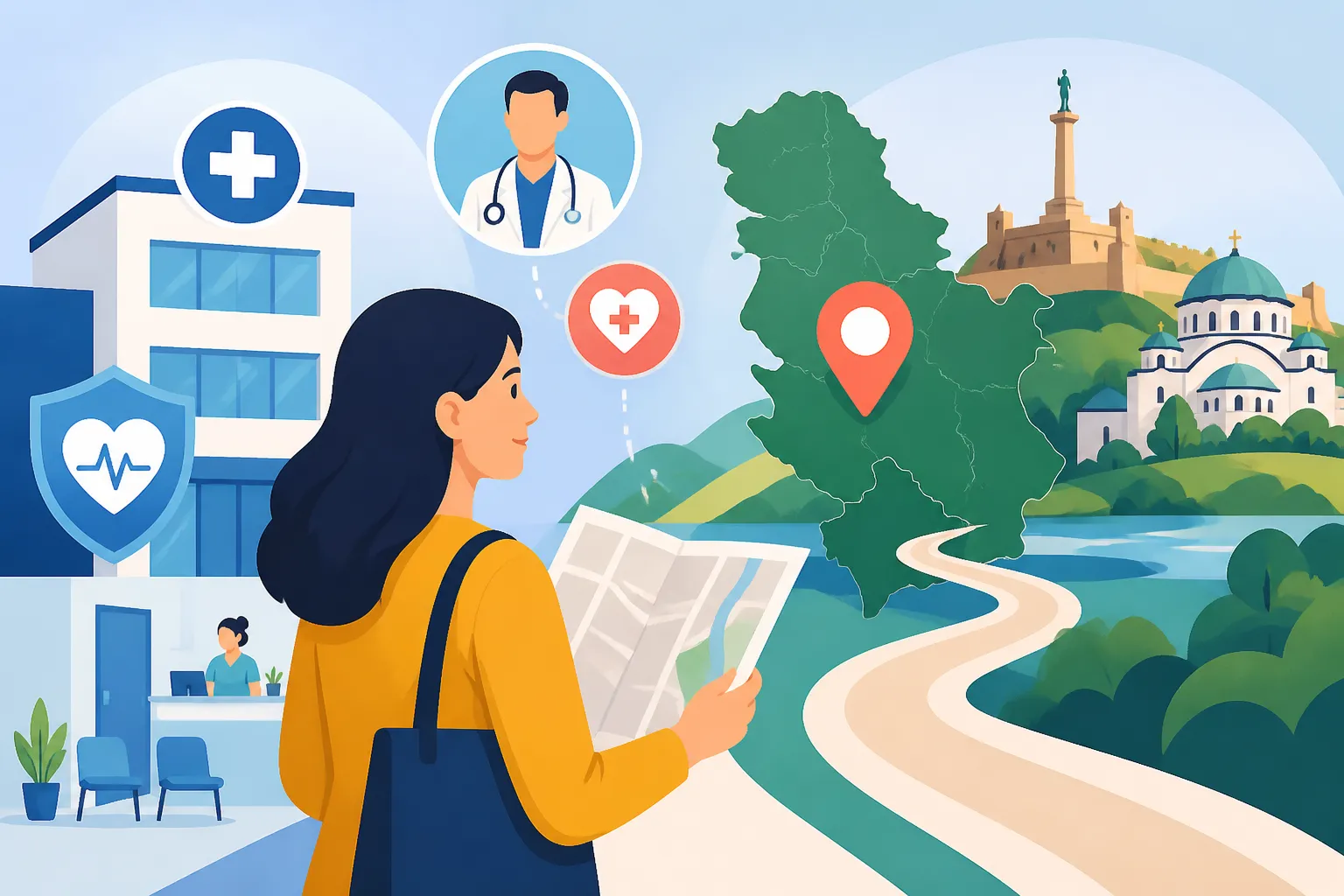
Moving to a new country like Serbia is an adventure, but let's be honest, the thought of figuring out a new healthcare system can feel like climbing Mount Everest without a map. Suddenly, you're faced with unfamiliar terms, different procedures, and often, a language barrier that makes a simple doctor's visit feel like a complex negotiation. This comprehensive guide is your essential roadmap to understanding and confidently navigating the Serbian healthcare system, ensuring you and your loved ones receive the care you need.
Understanding the Dual Healthcare System in Serbia
When you first arrive in Serbia, you'll quickly realize that the healthcare landscape isn't a single, monolithic entity. Instead, it operates on a dual system: a publicly funded national health insurance scheme run by the Republic Health Insurance Fund (RFZO), and a robust, increasingly popular private sector. Many expats find themselves interacting with both, often relying on the public system for certain necessities while turning to private clinics for convenience, specialized care, and a more streamlined experience. Understanding how these two pillars function, and where they overlap or diverge, is your first crucial step.
The Public System: RFZO Explained
The Republic Health Insurance Fund, or RFZO (Republički fond za zdravstveno osiguranje), is the backbone of public healthcare in Serbia. If you're legally employed here, or self-employed and making social security contributions, you'll automatically be enrolled and contribute to the RFZO. This system aims to provide universal healthcare access for all contributors and their registered dependents. Think of it as Serbia's version of national health insurance.
While the idea of publicly funded healthcare is comforting, the reality for expats can be a bit of a mixed bag. The public system typically covers a wide range of services, from general practitioner visits to specialist consultations, hospital stays, and even some prescription medications, usually with a co-payment. However, actually accessing these services can sometimes test your patience. You might encounter longer waiting times for appointments, especially for popular specialists. Language can also be a significant hurdle; while younger doctors might speak some English, it's certainly not a given, especially outside of Belgrade. Many of us have experienced that frustrating dance of trying to explain symptoms through gestures or Google Translate. It's not always ideal, but with the right approach and a bit of perseverance, it's absolutely manageable.
The Private Healthcare Sector
In stark contrast to the public system, Serbia's private healthcare sector offers a different experience entirely. It's modern, often boasts state-of-the-art equipment, and typically provides a much quicker route to appointments and diagnostics. For many expats, the allure of English-speaking staff, shorter wait times, and a more personalized approach makes private clinics an attractive, if not essential, part of their healthcare strategy.
You'll find numerous private clinic chains across Serbia, particularly concentrated in larger cities like Belgrade and Novi Sad. Names like Euromedik, Medigroup, and Acibadem Bel Medic are well-known and respected, offering everything from general check-ups to advanced diagnostics, specialist consultations, and even minor surgeries. The trade-off, of course, is the cost. While generally much more affordable than private care in Western Europe or North America, these services are not covered by the RFZO unless you have supplementary private health insurance that specifically covers private treatments. Many of us find ourselves using the public system for routine things if we're covered, but then switching to private for anything urgent or specialized to avoid the bureaucracy and delays. It's a pragmatic approach that offers the best of both worlds.
Getting Started: Your First Steps to Healthcare Coverage
The initial phase of settling into Serbia involves a fair bit of paperwork, and setting up your healthcare is no exception. It’s not always straightforward, but tackling these initial administrative hurdles will ensure you have access to medical care when you need it most. This really is where the "roadmap" part of our journey begins, as getting these foundational steps right can save you a lot of stress down the line.
Registering with the RFZO If Applicable
For most expats who are employed or self-employed in Serbia, registering with the RFZO is a mandatory step that your employer will typically initiate. However, if you're venturing into self-employment or need to add dependents, you'll be more hands-on. The process generally involves gathering a specific set of documents, which usually includes your passport, temporary residence permit (boravak), proof of employment or self-employment registration, and sometimes an address registration certificate (prijava boravka). It's a bureaucratic dance, and it’s critical to have every single paper in order, often translated and apostilled.
I remember my first time wading through the RFZO office; it felt like a labyrinth! Expect to spend some time, possibly make multiple visits, and definitely bring a Serbian speaker if you're not confident in the language. The good news is that once you're in the system, and your contributions are being paid, you're covered. This means access to the public healthcare network, which, despite its quirks, can be incredibly valuable. For a detailed walkthrough, you can read our guide on how to register with the Republic Health Insurance Fund (RFZO) in Serbia, and also delve into Understanding Mandatory Health Insurance Contributions in Serbia to know what to expect from your payslip.
Choosing Your Izabrani Lekar Selected Doctor
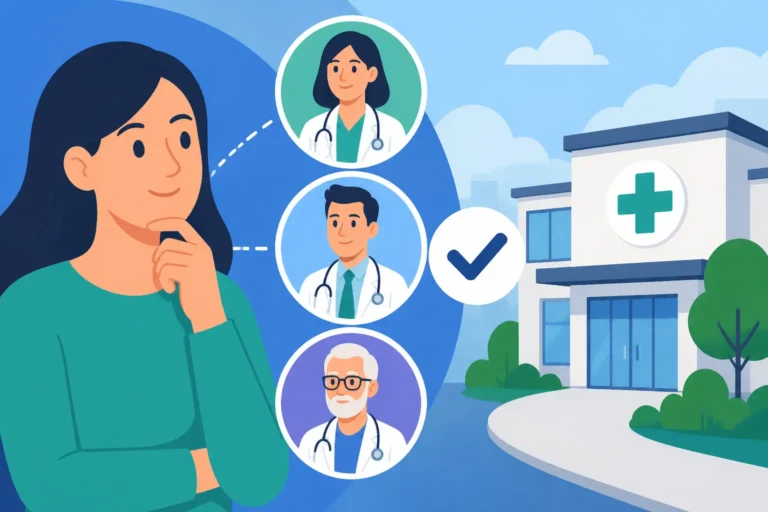
Once you're registered with the RFZO, the next crucial step is to choose your Izabrani Lekar, or "selected doctor." This General Practitioner (GP) is essentially your gatekeeper to the entire public healthcare system. They are the ones who will issue prescriptions, provide referrals to specialists, and manage your overall primary care. You cannot just walk into a public hospital specialist's office without a referral from your Izabrani Lekar.
Choosing your GP happens at a local Dom Zdravlja (health center). These are neighborhood clinics, and you'll typically register at the one closest to your declared address. When selecting a doctor, consider factors like proximity, recommendations from other expats or local friends, and critically, if you can find one who speaks some English. While not always possible, having a GP with whom you can communicate directly is invaluable. The process involves filling out a form, often referred to as a "statement of choice," and submitting it with your RFZO card and identification. It’s a formal commitment, and while you can change your Izabrani Lekar later, it's best to try and choose wisely from the start. For more specific advice on this, check out our articles on How to Choose a GP (Izabrani Lekar) at a Dom Zdravlja in Serbia and How to Find and Register with a Doctor in Serbia.
Navigating Primary and Specialist Care
With your RFZO registration complete and your Izabrani Lekar chosen, you're ready to start navigating the actual medical consultations. This is where the theoretical understanding of the system turns into practical experience. Having a clear idea of what to expect, especially regarding appointments and referrals, will significantly smooth out your interactions.
Your GP: The First Point of Contact
Your Izabrani Lekar really is your primary point of contact for virtually all health concerns within the public system. Whether you have a cold, need a routine check-up, want a prescription refill, or feel something more serious is brewing, your GP is where you start. They'll conduct initial examinations, diagnose common ailments, and provide standard prescriptions.
When you need to see your Izabrani Lekar, you'll typically call or visit your local Dom Zdravlja to schedule an appointment. Be prepared for a system that might feel a bit different from what you're used to. Sometimes appointments are precise, other times you might be given a time slot and still wait a while in a busy waiting room. The atmosphere can be bustling, and privacy, while respected, might not feel as sacrosanct as in some Western clinics. It's a good idea to arrive a bit early, and if possible, bring a friend who speaks Serbian, especially for your first few visits, just in case. They can help clarify instructions or nuances that might get lost in translation. Your GP will also be the one to issue sick notes, if you need one for work, under the guidelines of Understanding Sick Leave Entitlements Under Serbian Labour Law.
Referrals to Specialists and Hospitals
This is perhaps one of the most significant differences between public and private healthcare in Serbia. In the public system, accessing a specialist – be it a dermatologist, cardiologist, or orthopedist – almost always requires a referral (uput) from your Izabrani Lekar. They need to assess your condition and determine if a specialist consultation is warranted. Once they issue the referral, you'll then need to schedule an appointment with the specialist, often at a larger clinic or hospital.
Here's where patience becomes a virtue. Wait times for specialist appointments in the public system can vary wildly, from a few days for something less urgent to several weeks or even months for certain highly demanded specializations or non-emergency procedures. This is a common frustration for many expats, especially if they're used to direct access to specialists. If you need urgent specialist care and the public waiting list is too long, many expats will opt to see a specialist in the private sector, often paying out-of-pocket for speed and convenience. It's a practical workaround that many of us employ. For a deeper dive into this, consult our guides on How Specialist and Hospital Referrals Work in Serbia and How to Access Specialist Care Through the RFZO in Serbia.
Understanding Health Insurance Options for Expats
Navigating the nuances of health insurance in a foreign country can be genuinely perplexing. In Serbia, expats primarily juggle two main types of coverage: the mandatory RFZO, which you contribute to if you're working here, and various private health insurance options. Deciding which one, or a combination of both, is right for you depends heavily on your personal circumstances, budget, and desired level of access and comfort.
Mandatory RFZO Coverage vs. Private Plans
As we've discussed, if you are legally employed or self-employed and paying social security contributions in Serbia, you are automatically covered by the RFZO. This public insurance covers a significant portion of your healthcare needs, from basic doctor visits to complex hospital treatments, usually with a co-payment. It's comprehensive in its scope but often comes with the caveats of the public system: potential language barriers, longer wait times, and sometimes older facilities.
However, the RFZO alone might not be enough for everyone. Many expats, particularly those accustomed to higher standards of service or who prioritize immediate access to care, find that supplementary private health insurance is invaluable. While the RFZO provides a safety net, private plans offer flexibility, the ability to choose private clinics and specialists, often English-speaking staff, and a generally more comfortable and efficient experience. It truly bridges the gap between basic coverage and comprehensive care, allowing you to access the best of both worlds. For a thorough comparison, our articles on Health Insurance in Serbia: RFZO, Private and International Options Explained and Public vs Private Healthcare in Serbia: What Expats Need to Know are highly recommended reads.
Exploring Private and International Health Insurance
For those who value convenience, speed, and a wider range of options, private health insurance is often the answer. These plans are designed to complement, or sometimes even replace, the public RFZO system, particularly for those not covered by RFZO or simply seeking higher service levels. Private insurance in Serbia can cover everything from outpatient visits to major hospitalizations, dental care, and even vision, depending on the policy you choose.
Many expats opt for local private health insurance plans from providers like Uniqa, Generali, or DDOR. These typically offer coverage within Serbia and often within the region. However, for digital nomads or those who travel frequently, international health insurance might be a more suitable choice. Companies like SafetyWing offer flexible and affordable travel medical insurance and comprehensive health insurance designed for remote workers and global nomads. This kind of coverage ensures you're protected not just in Serbia, but wherever your adventures take you. The peace of mind that comes from knowing you can walk into a top-tier private clinic, have an English-speaking doctor, and not worry about upfront costs or navigating complex public administration, is priceless. When you're a newcomer, figuring out how to buy private health insurance as a newcomer in Serbia can seem daunting, but it's a worthwhile investment. Reviewing Understanding Private Health Insurance Plans in Serbia will also help clarify your choices.
Emergency Care and Hospital Stays
No one wants to think about a medical emergency, especially in a foreign country, but being prepared is paramount. Knowing exactly what to do and what to expect can make a world of difference when every second counts. Serbia has a functional emergency response system, but understanding its nuances is key.
What to Do in a Medical Emergency
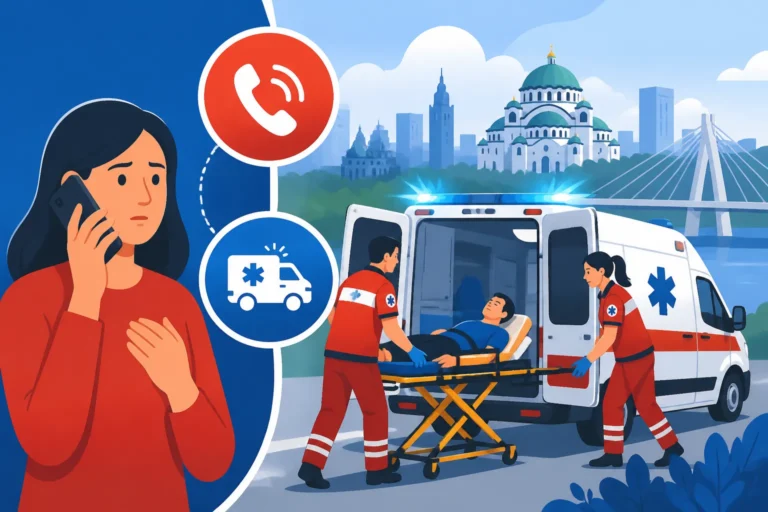
In Serbia, the primary emergency number for an ambulance is 194. For a general emergency number that covers police, fire, and ambulance, you can dial 112, which connects to a unified European emergency service. If you find yourself or someone you're with in a critical situation, dialling 194 will connect you directly to the ambulance service (Hitna pomoć). When calling, try to remain calm and provide clear, concise information: your exact location (street name, building number, recognizable landmarks), the nature of the emergency, and the patient's condition.
Ambulances are dispatched from public emergency centers. Upon arrival, paramedics will assess the situation and, if necessary, transport the patient to the nearest appropriate public hospital emergency room (Urgentni Centar). It's incredibly important to have your RFZO health card, if you have one, or your private insurance details readily available. If you don't have coverage, or if it's a severe emergency requiring immediate intervention, you will still be treated, but you'll be billed for the services later. Always carry a small card with your basic medical information (allergies, existing conditions, medications) translated into Serbian, just in case. For a deeper understanding of what to do, refer to Emergency Medical Care in Serbia: What Every Expat Needs to Know and Understanding Emergency Numbers (194 and 112) and Ambulance Care in Serbia.
Public vs. Private Hospitals for Emergencies and Inpatient Care
When it comes to hospitals, the distinction between public and private facilities becomes particularly evident. Public hospitals, such as Belgrade's Clinical Centre of Serbia (Klinički Centar Srbije), handle the vast majority of emergencies and inpatient care. They are often large, busy, and can feel somewhat chaotic, especially in the emergency department. While the medical staff are generally highly skilled and dedicated, the facilities might not always be as modern or comfortable as those in Western countries. Language can again be an issue, though emergency staff are often more accustomed to dealing with foreigners.
Private hospitals, on the other hand, offer a different experience. While they might not handle the absolute most severe, life-threatening trauma cases that public Urgentni Centri do, many private hospitals like Acibadem Bel Medic or Medigroup have their own emergency departments or urgent care clinics that can handle a wide range of acute conditions. If you have private insurance, or are prepared to pay out-of-pocket, these facilities offer quicker service, individual rooms, and English-speaking medical professionals. The cost will be higher, but the comfort and efficiency can be a huge relief during a stressful time. Understanding Hospital Admission and Billing in Serbia, along with the differences outlined in Understanding the Difference Between Public and Private Hospitals in Serbia, will help you prepare.
Prescription Medications and Pharmacies
Getting your medications in a new country can sometimes feel like a treasure hunt, but thankfully, Serbia's pharmacy system is relatively straightforward once you understand how it works. Pharmacies (apoteka) are ubiquitous, especially in urban areas, and often easily recognizable by their green cross signs.
How the Pharmacy System Works
In Serbia, many medications, including antibiotics and stronger painkillers, require a valid prescription (recept) from a doctor. You cannot simply walk in and request them over the counter as you might in some other countries. This is an important distinction to remember. For common ailments like colds, minor pains, or allergies, you can often get non-prescription remedies directly from the pharmacist, who is generally well-trained and can offer advice.
Pharmacies are plentiful, with many operating extended hours and some even offering 24/7 service in larger cities like Belgrade. You'll find a mix of independent pharmacies and larger chains. The pharmacists are usually quite helpful, though again, a language barrier might occasionally be present. It's always a good idea to bring a note from your doctor with the generic name of your medication, not just the brand name, to avoid confusion. Many medications, particularly generics, are quite affordable in Serbia, especially compared to Western prices. This can be a pleasant surprise for expats. Our guide Prescription Medications and Pharmacies in Serbia: The Complete Guide offers more detailed insights, as does Understanding the Pharmacy System and Buying Medicines in Serbia.
Getting Your Prescriptions Filled
When you have a prescription from your Izabrani Lekar (public GP), it will typically be a paper slip. You take this to any pharmacy. The pharmacist will then process it, and if it's a medication covered by RFZO, you'll pay a co-payment (participacija), which is usually a small percentage of the total cost or a fixed nominal fee. The pharmacist will keep the paper prescription.
If you've seen a private doctor, they will also provide a paper prescription. For these, you'll generally pay the full cost of the medication at the pharmacy, as private clinic prescriptions are usually not subsidized by the RFZO unless you later claim reimbursement through a private insurance plan. Always ensure your prescription is clearly written and includes the active ingredient, dosage, and frequency. If you're using a foreign prescription, it's highly unlikely to be accepted directly; you'll need to consult a local Serbian doctor (either public or private) to get a valid Serbian prescription. Don't be shy about asking the pharmacist if they have a generic equivalent if you're looking to save some money; they are usually happy to help.
Special Considerations for Expats
As expats, our needs often extend beyond standard general practitioner visits. Living in a different cultural context, managing work-life balance, and raising families bring their own set of unique healthcare considerations. Serbia has made significant strides in these areas, but knowing what's available and how to access it is crucial.
Mental Health Services
Mental health is an increasingly important topic globally, and Serbia is no exception. While perhaps traditionally a more private matter in Serbian culture, there is growing awareness and accessibility of mental health services. For expats, the stresses of relocation, cultural adjustment, and being away from familiar support networks can take a toll, making access to mental health support particularly relevant.
Within the public system, your Izabrani Lekar can refer you to a psychiatrist or psychologist at your Dom Zdravlja or a public hospital. These services are covered by RFZO, but again, language can be a barrier, and wait times might be a factor. The private sector offers more immediate and often English-speaking options. Many private clinics and independent practitioners in Belgrade and Novi Sad offer psychotherapy, counselling, and psychiatric consultations in English. While these come at a cost, many expats find the investment worthwhile for maintaining their well-being. Look for psychologists or psychotherapists who are registered with professional associations. It's truly comforting to know that support is available if you need it. You can explore How to Access Mental Health Services in Serbia as an Expat for more specific details.
Maternity and Paediatric Care
For expat families, or those planning to start one in Serbia, understanding maternity and paediatric care is paramount. Serbia generally has a high standard of care for expectant mothers and children. The RFZO covers comprehensive prenatal care, childbirth, and postnatal care within the public hospital system. This includes regular check-ups with an OB-GYN, necessary tests, and delivery. Many public maternity hospitals (porodilišta) are well-equipped.
Alternatively, private clinics offer complete maternity packages, providing a more personalized experience, choice of doctor, and often more modern, comfortable facilities. While expensive, many expats opt for private maternity care for the enhanced comfort and convenience. For children, once your newborn is registered with the RFZO, you'll choose a pediatrician (pedijatar) at your local Dom Zdravlja. This pediatrician will oversee your child's health, vaccinations, and development. Serbia follows a standard childhood vaccination schedule, which is mandatory and provided through the public health system. Finding a paediatrician you trust and can communicate with is incredibly important for your child's well-being. Understanding Maternity and Prenatal Care in Serbia and Understanding Childhood Vaccination Schedules in Serbia provide comprehensive information on these vital topics.
Cost of Healthcare in Serbia
One of the pleasant surprises for many expats in Serbia, especially those coming from countries with high healthcare costs, is the overall affordability. While "free" is rarely the accurate term, the expenses, both public and private, are generally significantly lower than in many Western nations. However, it's still essential to understand how contributions, co-payments, and private fees are structured to manage your budget effectively.
RFZO Contributions and Co-payments
If you're employed in Serbia, a portion of your salary will automatically be deducted for social security contributions, which includes health insurance for the RFZO. This is typically calculated as a percentage of your gross salary, and your employer handles the payment directly. Self-employed individuals also make mandatory contributions, which vary depending on their registered business type and income. These contributions grant you access to the entire public healthcare system.
However, even with RFZO coverage, you'll encounter co-payments, known as participacija. These are small fees you pay for certain services, such as doctor visits, prescriptions, some diagnostic tests, or specialist consultations. The amounts are usually quite low, often ranging from a few hundred dinars (a few euros) for a GP visit or prescription to a slightly higher amount for more complex procedures. The purpose of co-payments is to discourage unnecessary use of the system. For instance, a basic blood test might incur a co-payment, while a major surgery will not. Understanding these out-of-pocket healthcare costs and co-payments in Serbia is crucial for budgeting. A full breakdown can be found in The Cost of Healthcare in Serbia: A Complete Breakdown for Foreigners (2026).
Private Clinic and Insurance Costs
The private healthcare sector operates on a fee-for-service model, meaning you pay for each service you receive, or through a private insurance plan. Private clinic costs are considerably higher than RFZO co-payments but are still often much more affordable than comparable services in many Western countries. For example, a private GP consultation might range from 2,500 to 5,000 RSD (approximately €20-€45), while a specialist consultation could be 4,000 to 8,000 RSD (€35-€70). More complex diagnostics like an MRI could be 15,000 to 30,000+ RSD (€130-€250+).
Private health insurance premiums in Serbia vary widely based on coverage levels, age, and pre-existing conditions. A basic plan might start from €30-€50 per month, while a comprehensive plan covering inpatient, outpatient, dental, and even international travel could be €100-€200+ per month. Many expats find this a worthwhile investment for the peace of mind and access to high-quality, efficient care. Companies like SafetyWing, for example, offer competitive rates for international health insurance, which can be an excellent option for those looking for comprehensive coverage that travels with them. While it's an added expense, it often means avoiding long waits and language issues, making the healthcare experience much smoother.
Here's a quick overview to help you compare:
| Feature | Public Healthcare (RFZO) | Private Healthcare |
|---|---|---|
| Funding | Mandatory social contributions (via salary/self-employment) | Out-of-pocket payments or private insurance premiums |
| Access | Via Izabrani Lekar (GP) referral for specialists | Direct access to specialists, no referral needed |
| Wait Times | Can be long for specialists and non-urgent procedures | Generally short or immediate |
| Cost | Co-payments for most services, some fully covered | Full fee for service, or covered by private insurance |
| Facilities | Varies, can be older, sometimes crowded | Modern, clean, well-equipped clinics and hospitals |
| Language | Predominantly Serbian, English speakers not guaranteed | Often English-speaking staff available |
| Emergency Care | Handled by public Urgentni Centar | Some private clinics offer urgent care, not always for major trauma |
| Prescriptions | Subsidized with co-payments (with RFZO prescription) | Full cost (with private prescription), not RFZO subsidized |
| Overall Experience | Bureaucratic, can require patience | Efficient, convenient, personalized |
Disclaimer
The information provided in this guide is intended for general informational purposes only and does not constitute professional medical, legal, or financial advice. While we strive to keep the information accurate and up-to-date, healthcare regulations and procedures in Serbia can change. It is always recommended to consult with relevant Serbian authorities, medical professionals, and legal advisors for advice tailored to your specific situation. Reliance on any information provided in this guide is solely at your own risk.