How to Buy Private Health Insurance as a Newcomer in Serbia
Arriving in a new country like Serbia is thrilling, but let's be honest, it also comes with a dizzying amount of administrative headaches. One of the biggest worries I hear from fellow expats, and certainly experienced myself, is how to navigate healthcare without blowing the budget or getting lost in translation. This comprehensive guide is here to walk you through the often-confusing process of securing private health insurance as a newcomer in Serbia, ensuring you have the peace of mind you deserve.
Why Private Health Insurance Is a Smart Move for Newcomers in Serbia
When you first land in Serbia, you’re often in a bit of a limbo state, especially regarding your healthcare options. You might be focused on finding an apartment, getting your residence permit sorted, or simply learning where to buy decent kiflice. But trust me, overlooking health insurance is a rookie mistake that can lead to significant stress and unexpected costs down the line. It’s not just about covering emergencies; it's about setting yourself up for comfortable, reliable care from day one.
The Gaps in Public Healthcare for Expats
Now, let’s talk about the public system. Serbia does have a public healthcare system, managed by the Republic Health Insurance Fund, or RFZO. It’s accessible to citizens and, once you’re officially employed and contributing, to legal residents. However, as a newcomer, especially during those initial months of settling in, you might not yet be eligible for full RFZO coverage. And even once you are, the public system, while generally competent for serious issues, often comes with its own set of challenges for foreigners. Think longer wait times, a language barrier that can be truly frustrating when you're feeling unwell, and facilities that might not always meet the standards you’re accustomed to.
The bureaucratic hurdles to even register with the RFZO can feel like an Olympic sport when you're fresh off the plane. There are specific documents, queues, and sometimes a need to present documents that you might not have fully processed yet, like your final work permit or proof of consistent employment. Even simple appointments can be an ordeal. For instance, if you get a nasty cold or need a basic check-up, navigating a dom zdravlja (health centre) without a firm grasp of Serbian or a clear understanding of the system can be incredibly intimidating. This is where private health insurance really shines, acting as a crucial bridge while you figure out the public system, or even as a permanent alternative. For a deeper dive, I recommend reading The Complete Guide to Healthcare in Serbia for Expats (2027).
Peace of Mind and Access to Quality Private Clinics
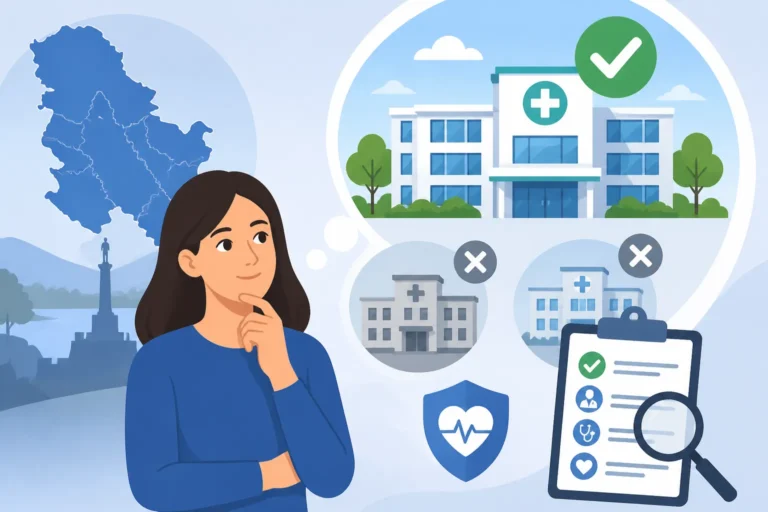
The biggest, most immediate benefit of private health insurance in Serbia is the sheer peace of mind it offers. Imagine waking up with a raging fever, or twisting your ankle on Belgrade’s cobbled streets. With private insurance, you can often bypass the public system's complexities and head straight to a private clinic. Belgrade, Novi Sad, and other major cities boast an impressive array of modern, well-equipped private clinics that cater specifically to expats. These clinics often have English-speaking staff, shorter wait times, and a more personalised approach to care.
Having a private policy means you can choose your doctor, often within a network, and schedule appointments without the long waits that can plague public institutions. It’s about having options when you’re vulnerable and unwell. For example, popular private clinics like MediGroup, Euromedik, or Acibadem Bel Medic offer a wide range of services, from general practice to specialist consultations, diagnostics, and even minor surgeries. Knowing you can access these facilities without worrying about the full out-of-pocket cost is invaluable. It’s not just about convenience; it’s about maintaining a level of comfort and quality of care that helps you feel more at home, even when you're not at your best.
Meeting Residence Permit Requirements
Here’s a non-negotiable point: private health insurance isn't just a good idea; it's often a legal requirement for obtaining your temporary residence permit in Serbia. The Ministry of Interior (MUP) specifically requests proof of health insurance that covers your stay. This means you can't just wing it and hope for the best; you need to demonstrate that you have adequate coverage for the duration of your intended stay, or at least for a significant initial period.
The MUP generally accepts valid private health insurance policies, whether from a local Serbian provider or a reputable international one, as long as they cover medical expenses in Serbia. The policy usually needs to state the coverage period, the geographical scope (Serbia), and often a minimum coverage amount (typically around €10,000 for general medical expenses, though requirements can vary). Failing to provide this document can halt your residence permit application dead in its tracks, adding unnecessary delays and frustration to an already complex process. So, before you even start looking at apartments, make sure this is high on your priority list. You can learn more about how Your Residence Status Affects RFZO Enrolment in Serbia and also consult How to Get Temporary Residence Boravak in Serbia (2026) for immigration requirements.
Understanding Your Options: Local vs. International Private Insurance
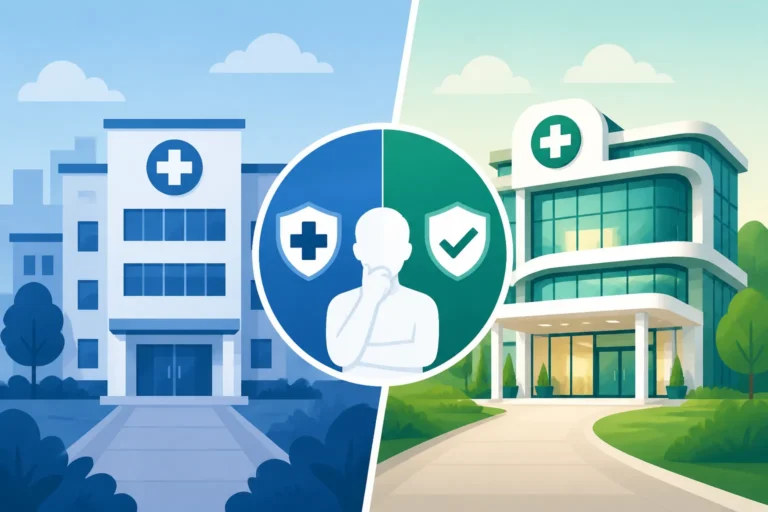
Once you’ve accepted that private health insurance is essential, the next big question is: which kind should you get? This isn't a one-size-fits-all answer, as both local Serbian providers and international insurers offer distinct advantages and disadvantages tailored to different expat needs. It’s really about weighing what matters most to you in terms of coverage, flexibility, and cost.
Local Serbian Private Health Insurance Providers
Local insurers in Serbia often provide policies specifically designed for foreigners living here. These plans are usually compliant with the MUP's residence permit requirements and are tailored to the Serbian healthcare market. You'll find providers like Generali, Dunav Osiguranje, Uniqa, and DDOR Osiguranje offering various plans. The main upside of a local policy is often the price; they can be more affordable than comprehensive international plans because their coverage is typically focused on Serbia itself. They also tend to have direct billing agreements with a wider network of private clinics and hospitals across Serbia, meaning less paperwork for you when you visit a doctor.
However, a potential downside is that their international coverage, if any, might be limited or non-existent. If you're a frequent traveller outside of Serbia, this could be a significant concern. The policy documents might also primarily be in Serbian, although most reputable providers will have English-speaking agents or offer translated summaries. It’s crucial to thoroughly review the policy terms, especially regarding exclusions, deductibles, and co-payments, to ensure you understand exactly what you're getting. For instance, some basic plans might cover outpatient visits and diagnostics but exclude more complex procedures or pre-existing conditions. Many of these plans also come with annual limits, which are important to track.
International Health Insurance Solutions
International health insurance providers are a popular choice for many expats, especially those who plan to travel frequently or need coverage that extends beyond Serbia's borders. These plans are usually more comprehensive and offer global coverage, allowing you to seek medical treatment not just in Serbia but also in your home country or other destinations. Brands like SafetyWing, Cigna Global, Aetna, or Bupa Global are well-known in the expat community for their robust international offerings.
The primary advantage of international plans is their extensive geographical coverage and often higher limits. This is particularly appealing for digital nomads or those whose work takes them across different countries. For example, if you're working remotely from Serbia and travel often, a plan like SafetyWing offers flexibility designed for the nomadic lifestyle, often including travel insurance components within their health coverage. They understand that your 'home base' might be fluid, and your healthcare needs can arise anywhere. The policies are almost always available in English, and their customer service is typically geared towards an international clientele, which can be a huge relief when you're trying to communicate complex medical situations.
The trade-off, however, is often the cost. International plans can be significantly more expensive than local Serbian policies. Also, while many international providers have arrangements with private clinics in Serbia, their direct billing network might not be as extensive as a local insurer's. This could mean you pay out-of-pocket for some services and then claim reimbursement, which requires more paperwork and waiting for your money back. Make sure to check if your chosen international provider is recognised by the Serbian MUP for your residence permit application. Most reputable ones are, but it's always worth a double-check.
Hybrid Approaches and Considerations
Sometimes, the best solution for a newcomer in Serbia is a hybrid approach. You might start with a more affordable local Serbian private health insurance plan to meet your residence permit requirements and cover your immediate needs within the country. This provides essential coverage while you're getting settled and understanding the local system. Once you're more established, perhaps after a year or so, you might then consider supplementing this with a travel insurance policy for short trips outside Serbia, or upgrading to a full international plan if your travel needs or personal health circumstances change.
Another consideration is ensuring your chosen policy clearly defines what constitutes an "emergency" and how it's handled. For instance, what if you need urgent care but it's not life-threatening? Are ambulance services covered? Will you be directed to specific hospitals? These are critical questions, especially if you’re still getting oriented in a new city. Remember, the goal is to have a safety net that genuinely works for your specific situation. Don't be shy about asking direct questions to insurance agents, whether local or international, to clarify every detail. You can find more specific advice on Understanding Private Health Insurance Plans in Serbia.
Key Factors to Consider When Choosing a Policy
Choosing the right private health insurance isn't just about picking the cheapest option or the one your friend suggested. It's a deeply personal decision that should align with your health needs, lifestyle, and budget. Trust me, overlooking the fine print now can lead to massive headaches later. You need to scrutinise the details, ask difficult questions, and envision potential scenarios to ensure you're truly covered.
Coverage Scope and Exclusions
This is arguably the most crucial aspect of any health insurance policy. What exactly is covered, and perhaps more importantly, what isn't? Most basic policies for newcomers in Serbia will cover general practitioner (GP) visits, specialist consultations (with a referral from a GP), diagnostic tests (like blood work, X-rays, ultrasounds), and emergency hospitalisation. But the devil is in the details. Does it cover dental care? Optometry? Physiotherapy? Mental health services? These are often excluded or have very limited coverage in standard plans, requiring an add-on or a more premium policy.
Pay close attention to pre-existing conditions. Many policies will not cover conditions you had before purchasing the insurance, or they might impose a waiting period (e.g., 6-12 months) before coverage for such conditions kicks in. If you have a chronic condition, this is a make-or-break clause. Maternity care is another area often excluded or subject to significant waiting periods – sometimes 12 months or more. If you're planning a family in Serbia, this needs to be a top priority in your insurance search. Also, understand the annual limits for different types of care. A policy might sound great with a high overall limit, but if it only allows for a small amount for specialist visits or diagnostics, it might not be sufficient. You really need to read the full terms and conditions, not just the marketing brochure.
Cost, Deductibles, and Co-Payments
The cost of your private health insurance will vary widely based on your age, the level of coverage, the provider, and whether you choose a local or international plan. It’s not just the premium you pay monthly or annually; you also need to understand deductibles and co-payments. A deductible (or franšiza in Serbian) is the amount you have to pay out of pocket before your insurance starts covering costs. Some plans have a zero deductible, while others might have a significant one, which makes the premium cheaper but means you pay more for initial treatments.
Co-payments (often a percentage of the service cost, or a fixed fee) are common, especially in local Serbian private insurance plans. For example, you might pay 10-20% of the cost of a specialist visit or diagnostic test, with the insurer covering the rest. While this might seem small, these costs can add up quickly if you need frequent care. For example, if a specialist visit costs 5,000 RSD, and you have a 20% co-payment, you're still paying 1,000 RSD out of pocket for each visit. When comparing policies, don't just look at the premium; factor in the potential total out-of-pocket expenses for a realistic picture of The Cost of Healthcare in Serbia A Complete Breakdown for Foreigners (2026). Sometimes a slightly higher premium with no co-payments or a lower deductible is actually more economical in the long run.
Ease of Claims and Customer Service
When you're ill or injured, the last thing you want is a convoluted claims process or unhelpful customer service. This is where researching reviews and asking other expats for their experiences becomes invaluable. Look for insurers with a reputation for straightforward claims procedures and responsive, ideally English-speaking, customer support.
Consider the claims process: Is it direct billing with clinics, or do you have to pay upfront and seek reimbursement? Direct billing is often the preferred option, as it means less financial burden on you at the point of service. If it's a reimbursement model, how quickly do they process claims? What documents do they require? Are there online portals or apps for submitting claims, or is it all paper-based? For example, some international providers like SafetyWing are known for their user-friendly digital platforms for managing policies and claims. Local Serbian insurers might require more physical paperwork, though many are modernising their systems. A good customer service team can guide you through these processes, help you find network providers, and clarify any policy questions, making a stressful situation much more manageable. Don't underestimate the value of clear communication when your health is on the line. I always stress this point: a great policy is useless if you can't actually use it effectively when you need it most. You can explore How to Claim Reimbursement from Private Insurance in Serbia for further details.
| Feature | Local Serbian Private Insurance | International Private Insurance |
|---|---|---|
| Primary Coverage | Serbia-focused, often includes travel within region | Global or regional coverage, highly flexible |
| Cost | Generally more affordable | Can be more expensive, depending on global scope |
| MUP Compliance | Usually specifically designed to meet requirements | Typically compliant, but verify specific clauses for Serbia |
| Direct Billing | Extensive network within Serbia (many clinics) | Varies, often requires upfront payment & reimbursement |
| Language Support | Mostly Serbian, some English options | Predominantly English, multilingual support |
| Travel Coverage | Limited or optional for outside Serbia | Comprehensive for international travel |
| Flexibility | Less flexible for international moves/long travel | High flexibility for digital nomads/frequent travellers |
| Pre-Existing | Often excluded or long waiting periods | Varies, some comprehensive plans cover with loading |
The Step-by-Step Process to Purchase Private Health Insurance
Okay, you're convinced and you know what to look for. Now, how do you actually go about getting it? The process, while not overly complicated, requires a methodical approach to ensure you get the best deal and the right coverage. Think of it as another administrative hurdle to clear, just like registering your address or setting up your internet.
Researching and Comparing Providers
This is where you put on your detective hat. Start by identifying reputable insurance providers, both local and international, that operate in Serbia. For local options, well-known names include Uniqa, Generali, Dunav Osiguranje, and DDOR Osiguranje. For international players, you might look into Cigna, Aetna, or specialised expat insurance like SafetyWing, especially if you have a non-traditional living situation. Don't forget that many international providers, though not having a physical office in Serbia, still have excellent coverage here and are fully recognised.
Once you have a shortlist, visit their websites, request quotes, and download their policy documents. It's not enough to just compare prices. You need to compare what those prices buy you, considering all the factors we discussed earlier: coverage scope, exclusions, deductibles, co-payments, and claims processes. Create a simple spreadsheet if needed to compare apples to apples. Ask other expats in online forums or Facebook groups (there are many active ones for expats in Belgrade and Serbia) for their recommendations and experiences. They can often provide invaluable insights into a provider's responsiveness, claims handling, and which clinics they have good relationships with. You’ll hear real-world stories about what works and what doesn't, which is far more useful than just reading glossy brochures. A good place to start your deeper research is Health Insurance in Serbia RFZO, Private and International Options Explained.
Required Documents and Application
Once you’ve made your choice, the application process usually begins. For most private health insurance policies for foreigners in Serbia, you’ll typically need:
- A copy of your passport: This is standard for identification.
- Proof of residence in Serbia (or intent to reside): This could be your temporary residence permit (if you already have it), your beli karton (white card, temporary address registration), or even a rental agreement. For the initial residence permit application, the insurance itself is proof of coverage.
- A completed application form: This will ask for your personal details, health history, and desired coverage.
- Payment: Be ready to pay the premium, either monthly, quarterly, or annually, depending on your chosen plan.
For international policies, the requirements might be slightly simpler, focusing mostly on your personal details and location. Local Serbian insurers might ask for more specific Serbian documentation. Be prepared to provide clear, legible copies of everything. If any documents are not in English or Serbian, they might require a certified translation. Always double-check with your chosen insurer exactly what documents they need to avoid delays. Some insurers also require a medical questionnaire, or for older applicants, a medical examination. This is to assess your risk profile and determine if any conditions will be excluded or if a higher premium is necessary.
Understanding Your Policy and Activation
Congratulations, you've signed up! But your job isn’t quite done yet. Once you receive your policy documents, read them thoroughly. I know it's tempting to skim, but this is your healthcare safety net. Ensure all your details are correct, and that the coverage matches what you discussed and expected. Pay particular attention to:
- Effective date: When does your coverage actually begin?
- Policy number: This is crucial for all claims and inquiries.
- Emergency contact numbers: Who do you call in a medical emergency? Is there an English-speaking line?
- Network of providers: Does the policy list preferred clinics or hospitals?
- Claims procedure: Re-familiarise yourself with how to make a claim, whether it's direct billing or reimbursement.
Keep a digital copy of your policy on your phone and a physical copy with your important documents. It’s also a good idea to share the key details with a trusted friend or family member in Serbia, or even back home, especially the emergency contacts. When your policy is activated, you'll usually receive an insurance card or a digital equivalent. Carry this with you at all times, as you'll need it when accessing medical services. Now you can relax a little, knowing that at least one major aspect of living abroad is taken care of.
Navigating the Serbian Healthcare Landscape with Private Insurance
Having private health insurance is fantastic, but actually using it effectively in Serbia requires a bit of know-how. It's not just about showing up at a clinic; understanding the local nuances of medical care and how your policy interacts with them will save you a lot of hassle.
How to Use Your Private Insurance at Clinics
When you have a private health insurance policy, your first point of contact for non-emergencies will typically be a private clinic. In cities like Belgrade, there are numerous excellent options. My advice: before you even need medical care, identify a few clinics in your area that are part of your insurer's network or that you’ve heard good things about. Many expats prefer clinics like MediGroup or Acibadem Bel Medic for their modern facilities and English-speaking staff.
When you arrive at the clinic, present your private insurance card and identification (usually your passport or residence permit). The clinic staff will then typically verify your coverage with your insurer. If your insurer has a direct billing agreement with the clinic, you might only need to pay any applicable co-payments or deductibles. If not, you'll pay the full amount upfront and then need to submit a claim for reimbursement. Always get a detailed invoice (račun) that clearly lists the services rendered, their costs, and the diagnosis. This is essential for any reimbursement claim. Don't be shy about asking for an English invoice if you need one for your records. Finding an How to Find an English-Speaking Doctor in Serbia will make this process much smoother.
Understanding Reimbursements and Direct Billing
This is where local and international policies can differ quite a bit.
-
Direct Billing: This is the most convenient option. Your insurer pays the clinic directly for the covered services, and you only pay any co-payments or deductibles. Many local Serbian insurers (e.g., Generali, Uniqa) have established direct billing networks with a wide range of private clinics and even some private hospitals in Serbia. This means less out-of-pocket expense and no waiting for reimbursement. It’s a huge time and stress saver.
-
Reimbursement: With this model, you pay for the medical service upfront, out of your own pocket. Then, you submit a claim to your insurance company with all the necessary documentation (invoices, medical reports, prescriptions). The insurer reviews the claim and, if approved, reimburses you for the covered amount. This is more common with international plans or if you visit a clinic not directly partnered with your local insurer. While it offers flexibility to choose almost any doctor, it requires you to have sufficient funds to cover the costs initially and then wait for the money to be returned. The reimbursement period can vary, from a few days to several weeks. Ensure you keep meticulous records of all your medical expenses and submit claims promptly to avoid issues. Remember that Understanding Out-of-Pocket Healthcare Costs and Co-Payments in Serbia is key to managing your healthcare budget.
Common Pitfalls and How to Avoid Them
Even with the best policy, little things can trip you up. Here are some common pitfalls and how to steer clear:
- Not understanding exclusions: Many expats assume "full coverage" means everything. It rarely does. Always re-read your policy's exclusion list. If something specific like psychotherapy or extensive dental work is important to you, confirm it's covered.
- Ignoring waiting periods: For certain conditions, especially pre-existing ones or maternity care, there might be a waiting period before your coverage kicks in. Don't assume you can get insurance today and undergo elective surgery tomorrow.
- Forgetting renewals: Set reminders for your policy renewal dates. Lapses in coverage can be catastrophic, especially if you need to make a claim during an uninsured period or if you're trying to meet residence permit requirements.
- Incomplete documentation for claims: Forgetting a stamp, a signature, or a detailed diagnosis on your invoice can lead to delayed or rejected claims. Be diligent about collecting all required paperwork at the clinic.
- Language barriers at public institutions: Even with private insurance, you might find yourself in a public hospital for a serious emergency (e.g., trauma). While private insurance can help cover costs, the staff might not be English-speaking. Always consider having a translation app or a Serbian-speaking friend on call. How Serbia's Health System Works The RFZO and Private Care Explained (2026) offers insight into navigating both systems.
- Under-insuring: Opting for the absolute cheapest plan might satisfy the MUP for your residence permit, but it might leave you severely under-covered for actual medical needs. Consider your health, age, and lifestyle, and choose a policy that offers genuine protection. Remember, Do I Need Private Health Insurance in Serbia? is a question worth asking yourself honestly.
By being proactive, informed, and a little bit vigilant, you can make your private health insurance a reliable safety net rather than another source of expat frustration in Serbia.
Disclaimer
The information provided in this guide is for general informational purposes only and does not constitute professional medical, legal, or financial advice. While we strive to keep the information up-to-date and accurate, regulations and offerings can change. Always consult with a qualified insurance professional, legal advisor, or the relevant Serbian authorities (such as the MUP or RFZO) for advice tailored to your specific situation. Reliance on any information provided in this article is solely at your own risk.