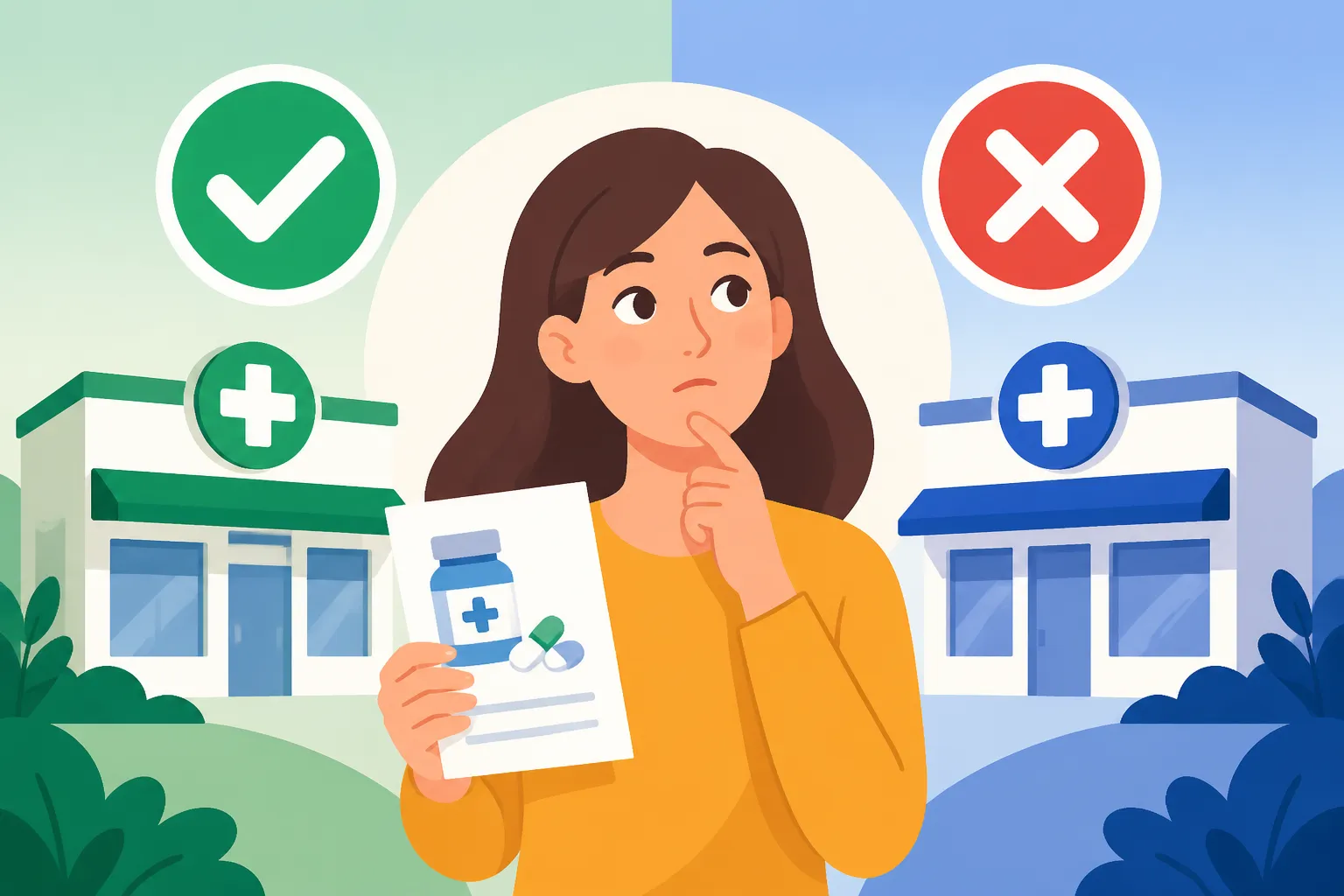
Can I Refill a Prescription at Any Pharmacy in Serbia?
Navigating the healthcare system in a new country can feel like a labyrinth, and when you’re dealing with something as essential as prescription medications, the anxiety only amplifies. One of the most common worries expats have is whether their existing prescription will be accepted everywhere, or if they'll face a scavenger hunt every time they need a refill. This guide is here to untangle the nuances of refilling prescriptions in Serbia, explaining exactly what to expect when you walk into a Serbian pharmacy, and providing practical advice to make the process as smooth as possible.
The Serbian Pharmacy Landscape: What to Expect
Stepping into a Serbian pharmacy, or apoteka, is generally a straightforward experience, but understanding the underlying system, especially regarding prescriptions, is key to avoiding frustration. It's not always the same as what you might be used to back home, so let's break it down.
Understanding Serbian Prescriptions
In Serbia, prescriptions are issued by a licensed medical doctor, known as a lekar. Traditionally, these were paper-based, small white slips with specific codes and stamps. While paper prescriptions are still valid, especially for certain medications or in smaller, more rural areas, Serbia has made significant strides in modernizing its healthcare infrastructure. The e-recept, or electronic prescription system, is now widely implemented. When your doctor prescribes medication through the public health system (RFZO), it's often entered into this digital system. This means your prescription is linked to your unique health insurance number (LBO) and, if you're registered, your health insurance card.
For expats, the most important thing to grasp is that a Serbian prescription is almost always required for prescription-only medications. You generally cannot walk into a pharmacy with a prescription from your home country and expect it to be filled. The system simply isn't set up to verify foreign medical licenses or prescription authenticity. This often means your first step, if you're feeling unwell or need to continue existing medication, is to How to Register with the RFZO and a GP in Serbia (2027). Your Serbian GP will then be able to issue a local prescription.
Types of Pharmacies in Serbia
Serbia boasts a robust network of pharmacies, both independent and part of larger chains, readily available in most towns and cities. You'll find them on almost every corner in urban centers like Belgrade and Novi Sad, identifiable by a prominent green cross sign.
- Public (Državna Apoteka) vs. Private Pharmacies: While most pharmacies are privately owned, there are still some state-run "Državna Apoteka" outlets. Functionally, there isn't a huge difference for the end-user when it comes to refilling prescriptions. Both types generally operate under the same regulations and can access the e-recept system. However, pricing for certain over-the-counter items might vary slightly.
- Chain Pharmacies: Large chains like Lilly Drogerie and DM Drogerie Markt often have a pharmacy section, sometimes separate storefronts, which offer a wide range of medications, health products, and cosmetics. These can be particularly convenient as they often have longer operating hours and are located in shopping centers. Other dedicated pharmacy chains like Benu are also widespread. These larger establishments might sometimes have staff who speak a bit more English, which can be a relief for newcomers.
- Independent Pharmacies: Alongside the chains, numerous independent pharmacies operate, especially in residential areas. These often provide a more personalized touch and the pharmacists can be incredibly knowledgeable and helpful, sometimes even offering advice on minor ailments.
- 24/7 Pharmacies: In larger cities like Belgrade, Novi Sad, and Niš, you'll always find at least one 24-hour pharmacy (non-stop apoteka). These are invaluable for emergencies or late-night refills. A quick online search for "apoteka non-stop [city name]" will usually point you in the right direction. It's a good idea to know where your nearest one is, just in case!
Regardless of the type, Serbian pharmacies are generally well-stocked, and pharmacists are highly respected medical professionals, often offering basic health advice or recommending over-the-counter solutions.
Refilling Prescriptions: The Nitty-Gritty Details
So, you have a Serbian prescription in hand, or it's sitting digitally in the system. Now, the big question: can you refill it at just any pharmacy?
Can You Refill Any Prescription at Any Pharmacy? The Serbian Reality
For most standard, non-controlled prescription medications issued by a Serbian doctor, the answer is a resounding yes, you absolutely can refill it at almost any pharmacy in Serbia. This is largely thanks to the electronic prescription system (e-recept) which has streamlined the process significantly.
Here’s how it typically works:
- Electronic Prescriptions (e-recept): If your doctor has issued an e-recept, you don't even need a physical piece of paper. You just need to present your RFZO health insurance card (or your passport/ID if you're using a private insurance provider that covers medication and you haven't been issued an RFZO card yet, though an RFZO card is essential for the public system) to the pharmacist. They will then access your electronic prescription directly from the central database. This system is fantastic because it eliminates the risk of losing your paper prescription and makes refills incredibly convenient. Most medications on the RFZO list are covered this way.
- Paper Prescriptions: If you have an older paper prescription, or one for a medication not typically covered by e-recept (though these are becoming rarer), you will need to present the physical paper at the pharmacy. The pharmacist will then fill it and often keep the original paper prescription for their records.
- Controlled Substances and Special Medications: This is where you might encounter a slight nuance. Medications that are considered controlled substances, narcotics, or those requiring very specific dispensing procedures (like certain psychological medications or chemotherapy drugs) might have stricter rules. While still generally available at most pharmacies, the pharmacist might exercise more caution, double-check your identity, and ensure all regulatory requirements are met. They might also only dispense a limited supply at a time. Always check with your doctor if you have concerns about these types of medications.
The flexibility of the Serbian pharmacy system is a huge relief for expats. You don't have to stick to the pharmacy closest to your doctor or the one where you originally filled the prescription. This means if you're traveling, or simply find a pharmacy more convenient to your home or work, you can usually use it without an issue. For a broader understanding of how your health coverage works, you might want to look into Health Insurance in Serbia: RFZO, Private and International Options Explained.
What to Bring with You to the Pharmacy
Even with the ease of the e-recept system, it’s always better to be over-prepared. Here's a checklist of what you should typically bring when heading to the pharmacy for a refill:
- Your Serbian ID/Passport: Always have some form of identification. Even if your e-recept is linked to your RFZO card, pharmacies will often ask for ID to verify your identity, especially for certain medications. If you have a Serbian residence permit, that’s your go-to ID.
- RFZO Health Insurance Card (Zdravstvena Knjižica): This is crucial if you are covered by the public health system. The pharmacist will use this to access your e-recept and ensure proper billing through the RFZO. Understanding its role is key to Understanding the Role of the RFZO and Your GP in Serbia.
- Private Health Insurance Details: If you have private health insurance, bring your insurance card or policy details. While most pharmacies don't directly bill private insurance, you might need these for reimbursement claims later. Companies like SafetyWing offer travel and international health insurance that can often cover prescription costs, which you'd then claim back. Always check your specific policy terms.
- The Actual Prescription (if paper-based): If you were given a paper prescription, do not forget it. The pharmacist will need it.
- Previous Medication Packaging: This is a lifesaver, especially if there's a language barrier or if you're unsure of the exact generic name. Showing the pharmacist the empty box or bottle of your previous medication helps them quickly identify it and confirm the dosage.
- Basic Serbian Phrases (or a translation app): While many pharmacists, especially in larger cities, might speak some English, it’s not guaranteed. Having a few key phrases like "Imam recept" (I have a prescription), "Potrebno mi je da dopunim" (I need to refill), or "Da li imate ovo?" (Do you have this?) can be incredibly helpful. Google Translate is your best friend here.
Remember, the goal is to make the pharmacist's job as easy as possible so they can quickly get you what you need. A little preparation goes a long way.
| Feature / Type | Public Pharmacies (Državna Apoteka) | Chain Pharmacies (e.g., Lilly, Benu) | Independent Pharmacies |
|---|---|---|---|
| E-recept Access | Yes | Yes | Yes |
| Paper Prescriptions | Yes | Yes | Yes |
| Medication Stock | Generally comprehensive | Generally comprehensive | Varies, can be specialized |
| Over-the-Counter | Good selection | Excellent selection, incl. cosmetics | Good selection |
| English Speaking Staff | Less common, but possible | More common in urban areas | Less common |
| Operating Hours | Standard, some 24/7 in large cities | Often longer, some 24/7 in large cities | Varies, usually standard |
| Pricing | Standard, RFZO prices apply | Standard, RFZO prices apply | Standard, RFZO prices apply |
Common Challenges and Pro Tips for Expats
Even with a relatively streamlined system, there are a few bumps in the road that expats might encounter. Knowing about them beforehand can help you navigate them with more confidence.
When You Can't Get a Refill
There are a few scenarios where getting your prescription refilled might not be as straightforward as presenting your card or paper:
- Expired Prescriptions: Just like anywhere else, prescriptions in Serbia have a validity period. If your prescription has expired, a pharmacist cannot legally fill it. You'll need to visit your doctor to get a new one. This is a common reason for needing to go back to the doctor, so always check the date on your prescription if it's paper-based.
- Out-of-Stock Medication: While pharmacies are generally well-stocked, sometimes a specific medication, dosage, or brand might be temporarily out of stock. In such cases, the pharmacist might offer a generic equivalent (often much cheaper and just as effective) or advise you on other pharmacies that might have it. If it's a critical medication, they might even call around for you. This is where knowing a few key phrases or having a translation app can really make a difference.
- Foreign Prescriptions Not Accepted: We touched on this, but it bears repeating. If you arrive in Serbia with a prescription from your home country, it's highly unlikely any Serbian pharmacy will fill it. The general rule is you need a Serbian doctor to issue a Serbian prescription. This means one of your first tasks upon moving here, particularly if you have ongoing medical needs, should be to How to Find and Register with a Doctor in Serbia. They will evaluate your condition and issue the appropriate local prescription.
- Needing a New Doctor's Visit: For some medications, especially those that require ongoing monitoring, your doctor might limit the number of refills or the amount dispensed, requiring you to come back for a new consultation. This is to ensure your health is being properly managed. Don't take it personally; it's a common medical practice.
Navigating Language Barriers and Finding What You Need
The language barrier can be the biggest hurdle for many expats in Serbia, especially in the early days. While many younger pharmacists, especially in Belgrade and Novi Sad, speak English, don't rely on it.
- Brand vs. Generic Names: Knowing the generic name of your medication can be incredibly helpful. Brand names differ widely between countries, but the active ingredient (generic name) often remains the same globally. If you can communicate the generic name, the pharmacist will almost always be able to find the Serbian equivalent.
- Show, Don't Tell: If you still have the packaging from your previous medication, show it to the pharmacist. This bypasses the need for spoken language and immediately tells them exactly what you need. Pictures on your phone can also work in a pinch.
- Translation Apps: Google Translate or similar apps are indispensable. You can type in what you need to say or even use the conversation mode to have a basic back-and-forth.
- Pharmacy Chains for English Speakers: In my experience, larger chains like Lilly Drogerie and Benu Apoteka in major cities are slightly more likely to have staff with some English proficiency. If you're really struggling, try one of these. You could also seek out places with How to Find an English-Speaking Doctor in Serbia who can write down the prescription details clearly for you.
Private Insurance and Out-of-Pocket Costs
When it comes to paying for your medications, there are two main routes:
- RFZO Coverage: If you are registered with the RFZO and your medication is on their approved list, you will generally pay a co-payment (participacija) for your prescription. This co-payment is usually quite small, making medications very affordable through the public system. For a deep dive into this, check out Understanding Out-of-Pocket Healthcare Costs and Co-Payments in Serbia.
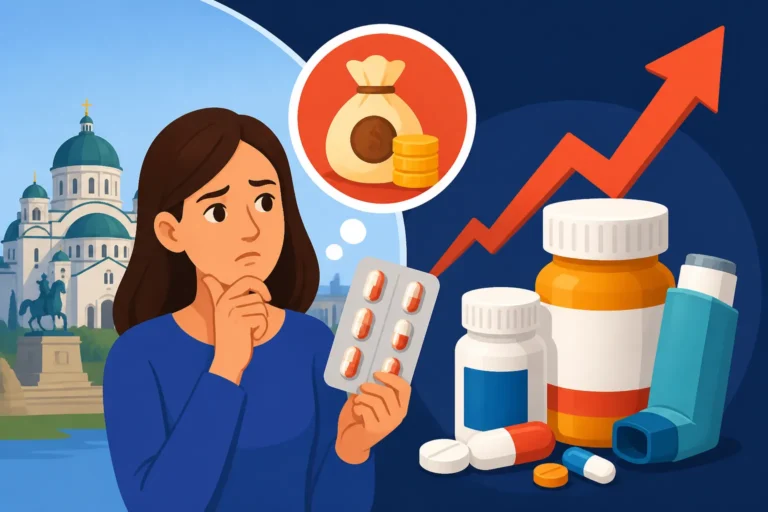
- Private Insurance & Out-of-Pocket: If you have private health insurance, or if your medication is not covered by the RFZO, you will pay the full cost out of pocket. Many expats opt for private insurance, especially during their initial relocation phase or if they prefer private clinics. Some international health insurance providers, like SafetyWing, offer plans that cover prescription costs, allowing you to pay at the pharmacy and then claim reimbursement. It's vital to clarify with your private insurance provider exactly what their policy is on medication reimbursement and what documentation they require. Generally, you'll need the original receipt and perhaps a copy of the prescription. Even if you're paying fully out-of-pocket, Are Prescription Medications Expensive in Serbia? is a useful read, as you'll often find prices here to be significantly lower than in Western Europe or North America.
Remember, the Serbian healthcare system is designed to be accessible. While there might be minor bureaucratic hurdles or language challenges, the pharmacists are generally very helpful. Don't be afraid to ask questions or seek clarification. Being proactive and informed will make your experience much smoother as you continue Navigating the Serbian Healthcare System: An Expat's Roadmap (2027).
Disclaimer
The information provided in this guide is for general informational purposes only and does not constitute medical, legal, or professional advice. While we strive to keep the information accurate and up-to-date, regulations and procedures in Serbia can change. Always consult with a qualified local medical professional, legal expert, or the relevant authorities (e.g., the Ministry of Health or your health insurance provider) for advice tailored to your specific situation. Reliance on any information in this guide is solely at your own risk.