Health Insurance in Serbia: RFZO, Private and International Options Explained
One of the biggest anxieties when you first move to Serbia, or any new country for that matter, is figuring out healthcare. It’s not just about knowing where to go if you get sick; it’s about truly understanding how to pay for it, what’s covered, and how to navigate the system without losing your mind. This comprehensive guide will walk you through all your health insurance options in Serbia, from the public RFZO system to various private and international plans, helping you make informed decisions for your peace of mind.
The Health Insurance Labyrinth for Expats in Serbia: An Overview
Let's be honest, moving to a new country is exhilarating, but the administrative stuff? It can feel like wading through thick mud. And when it comes to something as vital as health insurance, the stakes feel even higher. Many of us arrive here with a vague idea of "public healthcare" or "private options," but the specifics can be baffling. You're trying to set up your life, maybe start a new job, and then suddenly you're faced with forms, unfamiliar acronyms like RFZO, and the constant worry of "what if I get sick?" It’s a completely valid frustration, and trust me, you're not alone in feeling a bit lost in the beginning.
Why Navigating Health Insurance is Such a Headache Here
The primary reason it feels so complex is the blend of systems and the varying requirements depending on your residence status and employment. In many Western countries, the lines are clearer. Here in Serbia, while the public system (RFZO) is robust for those integrated into it, getting into that system as a foreigner, especially a newcomer, isn't always straightforward. Then you have the array of private clinics that seem appealing, but how do you cover their costs? Do you need a separate policy? Do your existing international policies even work here? It’s enough to make anyone want to just ignore it, but that's a gamble you really don't want to take. The lack of readily available, clear information in English only adds to the layers of confusion, making simple decisions feel like monumental tasks.
Your Core Options: RFZO, Private, and International Coverage
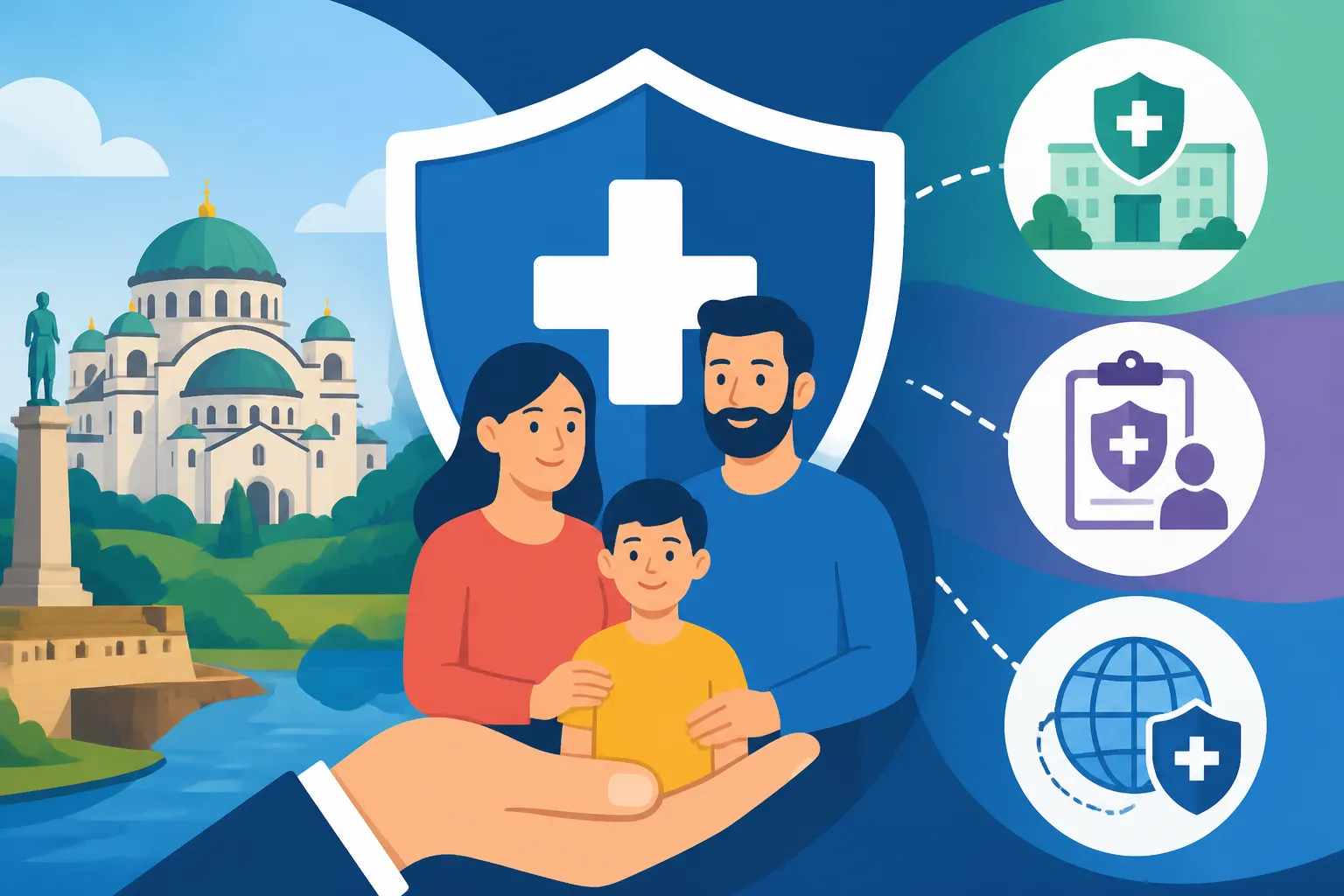
To cut through the noise, let's simplify your main avenues for health insurance in Serbia. Broadly speaking, you'll be looking at three primary categories, and sometimes a clever combination of them. First, there's the Republic Health Insurance Fund, known locally as RFZO (Republički fond za zdravstveno osiguranje). This is Serbia's public healthcare system. Then, you have local private health insurance providers, which offer plans specifically for use within Serbia's private medical institutions. Finally, there's international health insurance, designed for global nomads and expats, which usually offers coverage across multiple countries, including Serbia. Each has its own set of rules, benefits, and costs, and understanding these is key to choosing the right fit for your situation here.
Understanding Serbia's Public Health Insurance: The RFZO
The RFZO is the cornerstone of Serbia's public health system. For many, especially those employed by a Serbian company, this will be your primary form of health coverage. It’s designed to provide universal healthcare access, but as an expat, accessing it requires a few specific steps and an understanding of its framework. Think of it as the national health service, similar to what you might find in other European countries, but with its own unique Serbian flavour of bureaucracy. For a deeper dive into the system itself, you might find How Serbia's Health System Works: The RFZO and Private Care Explained (2027) really helpful.
Who is Eligible for RFZO Coverage?
Generally, eligibility for RFZO coverage for foreigners is tied to your legal residence and employment status in Serbia. If you are employed by a Serbian company under a local contract, congratulations, your employer is legally obligated to register you with the RFZO and pay your contributions. This is the most common and often the most straightforward path. Self-employed individuals, or "pausalci" as they're known here, are also required to register themselves and make contributions to the RFZO. Furthermore, if you are a foreign national with a temporary or permanent residence permit in Serbia, and you are not otherwise insured through employment, you might be eligible to register voluntarily or through family reunification. For example, if you're joining a spouse who is already insured through the RFZO, you can often be added as a dependent. The specific process for this can sometimes feel like a treasure hunt, but it's absolutely doable once you know the steps. You can read more about the specifics in our guide on How to Register with the Republic Health Insurance Fund (RFZO) in Serbia.
What the RFZO Actually Covers and What it Doesn't
When you're covered by the RFZO, you're essentially entitled to a broad range of medical services within the public healthcare network. This typically includes visits to your chosen GP (izabrani lekar) at a Dom Zdravlja (health centre), specialist consultations (usually via referral from your GP), hospital care, emergency medical care, and a significant portion of prescription medications, often with a co-payment. Maternity care, childhood vaccinations (see Understanding Childhood Vaccination Schedules in Serbia), and many preventative services are also covered. However, it’s not entirely free. You'll often encounter co-payments (participacija) for certain services, prescriptions, and procedures. These are usually small fees, but they add up, and it's important to be aware of them.
What the RFZO generally doesn't cover, or where coverage might be limited, includes purely cosmetic procedures, some advanced dental work (though basic dental is often included), certain specialized therapies, and often the full cost of very expensive or experimental drugs. Moreover, waiting times for specialist appointments or non-emergency procedures in the public system can sometimes be quite long, which can be a point of frustration for expats accustomed to immediate access. Understanding these nuances is crucial for managing your expectations and avoiding unpleasant surprises.
Mandatory Contributions: What You'll Be Paying In
If you're working for a Serbian employer, your RFZO contributions will be deducted directly from your salary. These contributions, alongside pension and unemployment insurance, form part of the mandatory social security payments in Serbia. The current system involves a percentage of your gross salary being allocated to these funds. For employers, this is part of the cost of employing you, and for you, it means less take-home pay but comprehensive public health coverage.
For self-employed individuals, like freelancers operating under the "pausal" regime (lump-sum taxation), you are responsible for paying these contributions yourself. The amounts are typically fixed based on your registered activity and other factors, and they are mandatory regardless of whether you actively use the public health services. It’s vital to budget for these monthly contributions, as failure to pay can result in penalties and a loss of your health insurance status. Our article on Understanding Mandatory Health Insurance Contributions in Serbia offers a detailed breakdown of these payments. These contributions, whether from an employer or self-paid, are what grant you access to the public health system and are a non-negotiable part of being a legal resident and worker in Serbia.
Diving Deep into Private Health Insurance in Serbia
For many expats, especially those who value speed, convenience, and a higher level of comfort, local private health insurance is an attractive option. While the RFZO provides essential coverage, private plans offer a different experience, often complementing or even replacing reliance on the public system for day-to-day medical needs.
Why Private Insurance Might Be Your Best Bet
The allure of private health insurance in Serbia stems from several key advantages. Firstly, access. Private clinics and hospitals typically have significantly shorter, if any, waiting times for appointments with general practitioners or specialists. You can often book an appointment for the same day or the next, which is a stark contrast to sometimes weeks or months in the public system for non-urgent matters. Secondly, language. A huge relief for many expats is the prevalence of English-speaking doctors and staff in private medical institutions, particularly in major cities like Belgrade and Novi Sad. This significantly eases communication, ensuring you fully understand your diagnosis and treatment plan. Thirdly, choice and comfort. Private insurance opens up a wider selection of modern clinics with state-of-the-art equipment, and the overall patient experience is often more personalized and comfortable, with amenities not always found in public hospitals. For many, this predictability and level of service are well worth the investment, particularly if you have specific health concerns or simply prefer a more streamlined process.
Local Serbian Private Insurance Providers
Serbia has a competitive market for private health insurance, with several well-established companies offering various plans tailored to individuals and families. Some of the most prominent names you'll encounter include Generali Osiguranje Srbija, Dunav Osiguranje, Uniqa Osiguranje, and Wiener Städtische Osiguranje. These providers offer a spectrum of plans, ranging from basic packages that cover outpatient visits and diagnostics to comprehensive policies that include hospital stays, surgeries, and even dental or vision add-ons.
When evaluating these providers, it’s important to look beyond just the monthly premium. Consider what specific clinics and hospitals are covered by their network, as some policies might limit you to certain institutions. Always inquire about the annual coverage limits, exclusions (such as pre-existing conditions, which can be a major factor), and the process for claims or direct billing. Many local private insurers also have partnerships with large private hospital groups, offering seamless access to their services. It’s worth noting that the cost of these plans can vary significantly based on your age, desired coverage, and any existing medical conditions. Our guide on How Much Does Private Health Insurance Cost in Serbia in 2026? can give you a better idea of the price ranges.
The Benefits and Drawbacks of Going Private
Let’s lay out the pros and cons of opting for local private health insurance.
Benefits:
- Speed and Convenience: As mentioned, significantly reduced waiting times for appointments and procedures. You often don't need a referral from a GP to see a specialist, giving you more direct control over your healthcare.
- English-Speaking Staff: A major plus for non-Serbian speakers, removing language barriers in critical medical situations. You'll find it easier to find an How to Find an English-Speaking Doctor in Serbia in the private sector.
- Comfort and Modern Facilities: Access to newer clinics with more comfortable environments and up-to-date equipment.
- Wider Choice: Greater flexibility in choosing your doctors and specialists, often outside the rigid geographic assignments of the public system.
- Predictability: Knowing you have a dedicated pathway for care can reduce stress, especially in an unfamiliar country.
Drawbacks:
- Cost: Private insurance is an additional expense on top of any mandatory RFZO contributions. The more comprehensive the plan, the higher the premium.
- Exclusions: Many policies will have exclusions, particularly for pre-existing conditions, or they might impose a waiting period before certain conditions are covered. It's crucial to read the fine print.
- Coverage Limits: Policies often have annual limits on how much they will pay for certain treatments or procedures.
- Still a Serbian System: While private, it’s still within the Serbian medical context. This means that while quality is high, it might still differ from what you’re used to in your home country.
- Claim Process: While some clinics offer direct billing with major insurers, you might sometimes need to pay out-of-pocket and then claim reimbursement, which can take time.
Ultimately, choosing private health insurance is a personal decision based on your financial situation, health needs, and priorities regarding access and comfort. It's a key consideration if you're exploring Understanding Private Health Insurance Plans in Serbia.
International Health Insurance: A Safety Net for the Global Nomad
For many expats, particularly those with a highly mobile lifestyle, or those working remotely for foreign companies, international health insurance presents a compelling option. These plans are designed with global citizens in mind, offering a scope of coverage that extends far beyond the borders of Serbia.
When International Coverage Makes Sense
International health insurance is particularly well-suited for several expat profiles. If you’re a digital nomad, constantly on the move between countries, a robust international plan like SafetyWing can provide continuous coverage, no matter where your next adventure takes you. It removes the stress of having to switch policies or deal with different local systems every few months. Similarly, if your work requires frequent travel outside of Serbia, an international policy ensures you’re covered for medical emergencies or treatments in any country you visit. For individuals or families who simply prefer the flexibility and global reach of such plans, it offers a reassuring safety net. This type of coverage often appeals to those who don't want to be tied exclusively to the Serbian public or local private healthcare networks, or who have specific health needs that might be better managed through a global network of providers. It’s truly about having a health plan that moves with you, rather than tying you down to one location.
Key Features and Considerations for International Plans
International health insurance plans come with a distinct set of features that differentiate them from local options. The most obvious is worldwide coverage, meaning you're protected whether you're in Belgrade, Bangkok, or Barcelona. Many plans also include emergency medical evacuation, which can be invaluable in serious situations where you might need to be transported to a facility in another country with more advanced care or to your home country. Portability is another huge advantage; your policy remains active even if you change your country of residence or travel extensively.
When looking at international plans, pay close attention to the fine print. What are the annual limits? What are the deductibles and co-insurance percentages? Are there specific exclusions, especially for pre-existing conditions? Some plans, like SafetyWing, are designed with simplicity and affordability in mind for young, healthy digital nomads, while others are more comprehensive and tailored for families or individuals with complex medical histories. Always check if they offer direct billing arrangements with hospitals or clinics in Serbia, as this can significantly simplify the claims process. Without direct billing, you'll typically pay upfront and then submit a claim for reimbursement, which means you need to have funds available.
How International Plans Integrate with Local Serbian Healthcare
The way international health insurance integrates with local Serbian healthcare can vary. Often, the most common scenario is "pay and claim." This means you attend a private clinic or hospital in Serbia, pay for your consultation or treatment out-of-pocket, and then submit the invoices and medical reports to your international insurer for reimbursement. This is where having a good buffer of emergency funds comes in handy. Some international providers, however, have established networks of partner clinics and hospitals in major Serbian cities, allowing for direct billing. This is far more convenient as the provider directly settles the bill with the medical facility, reducing your upfront costs.
It's also important to understand that even with an international plan, there might be situations where you still interact with the local public system, especially for true emergencies. For instance, if you call the emergency ambulance (Hitna Pomoć) after a serious accident, they will take you to the nearest public hospital. While your international insurance should cover the costs of emergency treatment, the administrative follow-up might still require navigating Serbian public hospital procedures. Always keep your insurance details readily accessible and understand your policy's emergency protocols. For critical situations, knowing about Emergency Medical Care in Serbia: What Every Expat Needs to Know is always a good idea.
Choosing Your Path: RFZO vs. Private vs. International – A Comparative Look
Deciding on the best health insurance in Serbia isn't a one-size-fits-all situation. It truly depends on your individual circumstances, how long you plan to stay, your financial situation, and your personal priorities regarding healthcare. It’s a bit like choosing a car – a basic model will get you from A to B, but a premium model offers more comfort and features.
Factors to Weigh When Making Your Decision
Before you commit, take a moment to consider these crucial factors:
- Your Residence and Employment Status: Are you employed by a Serbian company, making you eligible for RFZO? Are you self-employed, a student, or a dependent? This will heavily influence your mandatory contributions and eligibility for public care. If you're pondering if Is Healthcare Free in Serbia for Residents?, remember it's usually tied to these contributions.
- Budget: What can you realistically afford each month or year for premiums, co-payments, and potential out-of-pocket expenses? The Cost of Healthcare in Serbia: A Complete Breakdown for Foreigners (2026) can help you get a clearer picture.
- Health Concerns and Needs: Do you have pre-existing conditions that require regular monitoring or medication? Are you planning a family (consider Understanding Maternity and Prenatal Care in Serbia)? Do you need frequent specialist care? This might push you towards options with broader coverage or faster access.
- Language Preference: Do you need doctors who speak English, or are you comfortable navigating basic medical interactions in Serbian? This is a huge differentiator between public and most private clinics.
- Travel Habits: Do you frequently travel outside Serbia? An international plan might offer better peace of mind for global coverage.
- Family Needs: If you have dependents, how will they be covered? The process for How to Add Dependents to Your Health Coverage in Serbia can differ between systems.
- Long-Term Plans: Are you here for a short stint or planning to settle long-term? Your choice might evolve over time.
A Side-by-Side Comparison Table
To help you visualize the differences, here’s a quick comparative overview of the main health insurance options in Serbia:
| Feature | RFZO (Public) | Local Private Insurance (e.g., Generali, Uniqa) | International Health Insurance (e.g., SafetyWing) |
|---|---|---|---|
| Eligibility | Employees, self-employed, some residents/dependents | Anyone willing to pay, usually linked to residence | Anyone, designed for global nomads/expats |
| Cost | Mandatory payroll deductions/fixed contributions | Monthly/annual premiums (variable, higher than RFZO co-pays) | Monthly/annual premiums (variable, often higher for comprehensive) |
| Coverage Scope | Broad, covers most essential public health services | Outpatient, inpatient, diagnostics, often tailored plans | Worldwide coverage, emergency evacuation, high limits |
| Access & Wait Times | GP needed for referrals, can have long wait times | Direct access to specialists, minimal wait times | Direct access to specialists globally, minimal wait times |
| Language Support | Predominantly Serbian | Often English-speaking doctors/staff available | Often English-speaking customer service, global network |
| Flexibility/Portability | Serbia-specific | Serbia-specific, limited international emergency | Highly portable, worldwide (excl. home country sometimes) |
| Primary Use | Mandatory base coverage for residents/workers | Supplemental or primary for faster, more comfortable care | Primary for frequent travelers, digital nomads, global expats |
Hybrid Approaches: Combining Coverage for Peace of Mind
For many expats, the most pragmatic solution isn't to choose just one, but to combine options to get the best of both worlds. This is where the concept of a "hybrid approach" comes in. Many expats who are mandatory RFZO contributors will still opt for a supplementary local private health insurance plan. Why? Because while the RFZO provides essential, fundamental coverage (and you're paying for it anyway), the private plan fills the gaps in convenience and access.
For instance, you might use your RFZO coverage for major hospitalizations or long-term conditions where the public system is strong and cost-effective. But for routine GP visits, specialist consultations, or diagnostic tests where you want quick appointments, English-speaking doctors, and modern facilities, you'd turn to your private insurance. This way, you effectively bypass the potential waiting times and language barriers often associated with the public system for day-to-day needs, while still having the RFZO safety net for more serious, perhaps costly, public services. It’s about leveraging the strengths of both systems to create a truly comprehensive and comfortable healthcare experience. Our guide Public vs Private Healthcare in Serbia: What Expats Need to Know delves into this comparison even further, helping you understand how to navigate this balance.
Practical Steps for Securing Your Health Insurance in Serbia
Once you’ve decided which type of health insurance is right for you, the next hurdle is the actual application process. It can feel daunting, but breaking it down into manageable steps makes it less intimidating.
Gathering Your Documents and Navigating Bureaucracy
Regardless of whether you’re applying for RFZO or private insurance, prepare for some paperwork. For RFZO registration, typically you will need your passport, your temporary residence permit (boravak), proof of address (your "white card" or landlord's statement), and your employment contract (if applicable). If you're self-employed, you'll need your business registration documents. For family members, marriage certificates and birth certificates (often apostilled and translated) will be necessary. This process involves multiple visits to different offices, potentially starting at the local police station (MUP) for your residence permit, then the RFZO office, and finally, your chosen Dom Zdravlja to register with a GP. This multi-step bureaucratic dance is a common experience for all foreigners in Serbia, so brace yourself for patience and possibly multiple queues. Remember to check What Documents Do I Need to See a Doctor in Serbia? as a general list, which often aligns with what you need for registration.
For local private insurance, the documentation is usually simpler: your passport, residence permit, and a completed application form. Some insurers might request a medical questionnaire or even a basic health check, especially if you're older or have declared pre-existing conditions. International insurance, like SafetyWing, often has the most streamlined application process, typically done entirely online with minimal documentation required initially, though they will ask for more detail if you need to make a claim.
Understanding the Application Process and Timelines
The application process and timelines vary significantly.
For RFZO:
- Secure your residence permit: This is the foundational step.
- Visit the RFZO office: With your documents, apply for your health insurance card. This can take a few weeks to process, so don't expect it overnight. You’ll usually get a temporary paper certificate in the meantime.
- Register with a GP: Once you have your RFZO card or temporary certificate, you must register with a chosen doctor (izabrani lekar) at a Dom Zdravlja in your area. This formally activates your public health coverage.
For Local Private Insurance:
- Research and choose a provider: Compare plans, networks, and prices.
- Submit application: Often online or through an agent.
- Medical underwriting (if applicable): Some insurers will assess your health profile.
- Policy issuance: Once approved, you'll receive your policy documents and insurance card. This can take anywhere from a few days to a couple of weeks.
For International Health Insurance:
- Online application: Most reputable providers, including SafetyWing, allow you to apply and get coverage almost instantly online.
- Policy documents: Delivered via email.
- Activate coverage: Often simply by starting your trip or moving to your destination.
The key takeaway here is to start the process as soon as possible, especially for RFZO, as there can be administrative delays. Don't wait until you're unwell. For a comprehensive overview of how to get started in the Serbian healthcare system, refer to Navigating the Serbian Healthcare System: An Expat's Roadmap (2027).
What Happens If You're Uninsured or During a Gap
Being uninsured in Serbia, even for a short period, is a risk you should avoid. If you require medical attention without valid RFZO or private insurance, you will be considered a self-payer. This means you are responsible for the full cost of any consultation, medication, diagnostic test, or hospital stay. While costs in Serbia are generally lower than in Western Europe or North America, they can still quickly become substantial for serious conditions or emergencies. A simple GP visit might be affordable, but an unexpected surgery or a few days in the hospital can easily run into thousands of euros.
For tourists or new arrivals who haven't yet secured residence and RFZO coverage, it’s absolutely critical to have robust travel insurance that covers medical emergencies in Serbia. Without it, you’re fully exposed to all costs. If you find yourself in a gap between policies or during the RFZO registration period, remember that public emergency services (calling 194 for an ambulance) will treat you, but you will still be billed for the services if you don't have active coverage. This is a common concern for newcomers, so we’ve also prepared a guide addressing What Happens If I Get Sick Before I Register with the RFZO in Serbia?. Always prioritize having some form of active health coverage from day one.
Common Expat Questions and Real-World Scenarios
The world of health insurance is full of "what ifs," and as expats, we often have unique concerns that the standard advice doesn't quite cover. Let's tackle some of those common questions and scenarios you might encounter.
Pre-Existing Conditions and Age Considerations
One of the biggest worries for many expats, particularly those who are older or have ongoing health issues, is how pre-existing conditions are handled. In Serbia's RFZO system, once you are registered and contributing, pre-existing conditions are generally covered just like any other ailment, albeit with standard co-payments. The public system is designed for universal coverage.
However, it's a very different story with private health insurance, both local and international. Most private insurers will have specific clauses regarding pre-existing conditions. They might:
- Exclude them entirely: Meaning anything related to that condition won't be covered.
- Impose a waiting period: You might have to wait a certain number of months (e.g., 6 or 12) before the condition is covered.
- Apply a surcharge: Your premium might be higher to cover the increased risk.
- Offer limited coverage: Only cover acute exacerbations of a chronic condition, not ongoing management.
It is absolutely crucial to be honest and transparent about any pre-existing conditions during the application process for private insurance. Failure to disclose could lead to your policy being invalidated when you need to make a claim. Age is also a significant factor; premiums for private insurance generally increase with age due to higher perceived health risks. Some insurers might even have an upper age limit for new applicants. Always clarify these points directly with the insurer before purchasing a policy.
Health Coverage for Dependents and Family Members
If you're moving to Serbia with your family, ensuring everyone has adequate health coverage is paramount.
Under RFZO:
If you are covered by the RFZO through employment or self-employment, you can generally add your spouse and children as dependents. This usually requires submitting their passports, residence permits, marriage certificates (for spouses), and birth certificates (for children) to the RFZO office, along with proof of your own active insurance. The good news is that once they are registered, your dependents receive the same public healthcare benefits as you do. This makes the RFZO a very cost-effective option for families once they're fully integrated into the system. Our guide on How to Add Dependents to Your Health Coverage in Serbia provides a step-by-step walkthrough.
Under Local Private Insurance:
Most local private insurers offer family plans or allow you to add dependents to your individual policy, often at a reduced rate compared to multiple individual policies. The terms for pre-existing conditions, age, and coverage limits will apply to each family member. It’s important to ensure the network of clinics and hospitals is convenient for all family members, especially if you have children and need access to pediatricians.
Under International Health Insurance:
International providers like SafetyWing also offer family plans, which can be particularly convenient for highly mobile families, as the coverage follows them wherever they go. Again, carefully review the terms for each family member, especially regarding any pre-existing conditions, maternity coverage (if applicable), and childhood vaccinations, to ensure comprehensive protection.
Staying Covered When Traveling Outside Serbia
One of the often-overlooked aspects of health insurance as an expat is what happens when you leave your adopted country.
With RFZO:
Your RFZO coverage is primarily for medical care received within Serbia. If you travel outside Serbia, your RFZO card typically offers very limited, if any, coverage. There are some bilateral agreements with certain countries (usually within the region or with specific European nations for emergency care), but these are complex and not comprehensive. Relying solely on your RFZO coverage for international travel is a significant risk.
With Local Private Insurance:
Many local Serbian private health insurance policies include basic emergency medical coverage for short trips outside Serbia, often within the Balkans or Europe. However, this coverage is usually limited in scope and duration (e.g., up to 30 or 60 days per trip) and specifically for emergencies. It’s rarely as robust as dedicated travel insurance or an international health plan. Always check your policy details before traveling.
With International Health Insurance:
This is where international plans truly shine. Providers like SafetyWing are designed for global mobility, offering coverage as you travel between countries. This means that if you're taking a weekend trip to Budapest or a holiday back home, your health insurance typically travels with you. This is an enormous peace of mind for expats who frequently cross borders and is a primary reason many choose these plans. However, even with international plans, be aware of any exclusions, such as coverage in your home country (some policies exclude it) or specific geographical limits. Always confirm your coverage details for any international travel. It’s always a good practice to consider supplemental travel insurance for specific high-risk activities or very long trips, even if you have a good international health plan.
Disclaimer
The information provided in this article is intended for general guidance only and does not constitute professional medical, legal, or financial advice. While we strive to provide accurate and up-to-date information, regulations and conditions in Serbia can change rapidly. It is essential to consult with qualified professionals, such as insurance brokers, legal advisors, or the relevant Serbian authorities (like the RFZO or MUP), for advice tailored to your specific situation. We cannot be held responsible for any decisions made based on the information presented here.