Are Generic Medicines Available in Serbian Pharmacies?
One of the most common worries I hear from fellow expats, especially those newly arrived in Serbia, revolves around healthcare and, more specifically, access to medications. It's completely understandable – you're in a new country, facing a different medical system, and suddenly you're wondering if you'll be able to get the same effective (and affordable!) treatments you're used to. This guide is here to shed light on a crucial aspect of that: the availability of generic medicines in Serbian pharmacies, how to find them, and what you can expect.
Understanding the Serbian Pharmacy System
When you first step into a Serbian apoteka (pharmacy), it might feel both familiar and slightly different from what you’re used to back home. The shelves are well-stocked, pharmacists are generally knowledgeable, and there's a strong emphasis on providing accessible healthcare. However, the nuances of branded versus generic drugs can sometimes cause a little head-scratching.
A Mix of Familiar and Unique
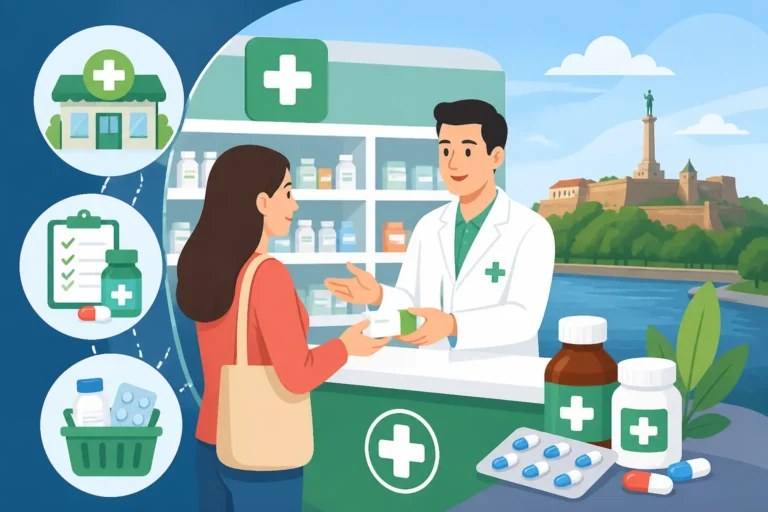
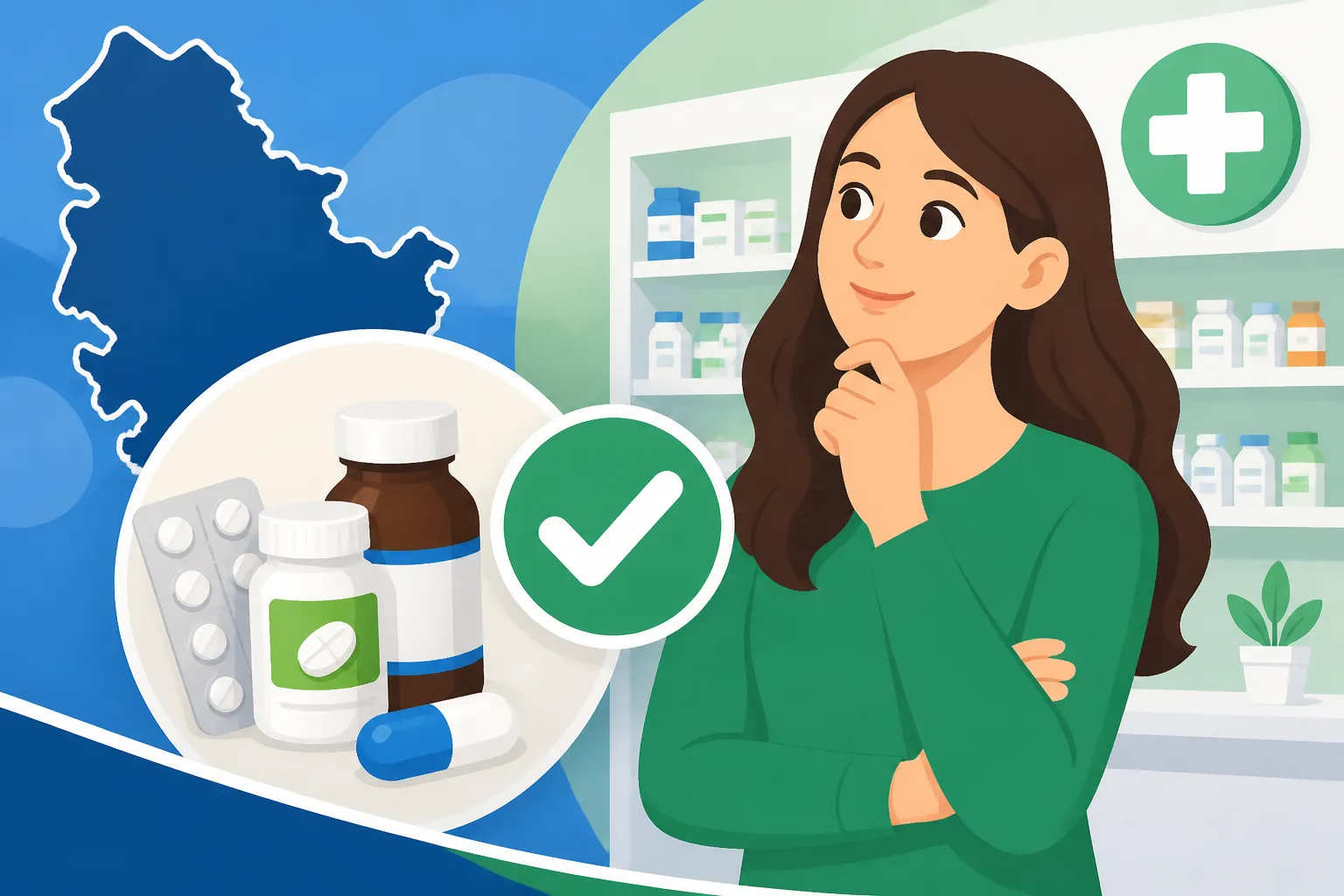
Serbia's pharmacy system, much like its healthcare system as a whole, operates on a foundation that blends elements common in many European countries. You'll find pharmacies on nearly every corner in major cities like Belgrade and Novi Sad, identifiable by a prominent green cross. Inside, you'll see a mix of international pharmaceutical brands and a good selection of locally produced or regionally distributed medications. For many everyday ailments, you can walk in and get advice from the pharmacist, purchasing over-the-counter remedies without a prescription. This direct access is something many expats appreciate, especially for minor issues when getting a doctor's appointment might feel like an unnecessary hurdle.
However, when it comes to more serious conditions or chronic illnesses, prescriptions are necessary. And this is where the question of generics often arises. You might be used to your doctor specifically recommending a generic back home, or perhaps it's a default option your insurance nudges you towards. Here, while branded drugs are certainly available, the system is quite robust in offering equally effective generic alternatives, often at a fraction of the price. The key is knowing what to ask for and understanding that these generics are just as reliable. It’s a part of what makes Why Serbia Has Affordable Healthcare: The Expat Guide (2027) ring true for many.
The Legal Framework for Generics
Rest assured, the availability and quality of generic medicines in Serbia are not a haphazard affair. The Medicines and Medical Devices Agency of Serbia (ALIMS) (Agencija za lekove i medicinska sredstva Srbije) is the regulatory body responsible for approving all medicinal products, including generics, for use in the country. This agency plays a critical role in ensuring that any generic drug available on the market is bioequivalent to its original branded counterpart.
What does "bioequivalent" mean, you ask? Simply put, it means that the generic medicine contains the same active pharmaceutical ingredient, in the same dosage form, and is intended to be administered by the same route, with identical strength and quality, as the original branded drug. More importantly, it must demonstrate that it works in the body in the same way, producing the same therapeutic effect, and carries the same risks. This rigorous approval process by ALIMS means that when you're offered a generic version of a medication in a Serbian pharmacy, you can trust that it has met stringent national and international standards for safety, efficacy, and quality. This regulatory oversight helps to build confidence, especially for expats who might initially be wary of unfamiliar drug names or manufacturers.
Availability and Cost of Generic Medicines
One of the biggest advantages of living in Serbia, especially concerning healthcare, is the general affordability. Generic medicines play a huge role in this. Unlike some countries where generics might be harder to come by or less promoted, in Serbia, they are a fundamental part of the pharmaceutical landscape.
Widespread Presence
Yes, generic medicines are absolutely available in Serbian pharmacies, and they are quite widespread. For virtually any common condition, from pain relief and antibiotics to medications for high blood pressure, diabetes, or even antidepressants, you will almost certainly find a generic option. Pharmacists are accustomed to dispensing them, and often, it's the first option they'll offer if you're paying out of pocket. For example, if you need an antibiotic like amoxicillin, you won't just find a single expensive branded version; you'll have several generic manufacturers to choose from. The same goes for common painkillers, allergy medications, and many chronic disease management drugs.
This widespread availability extends across both public and private pharmacies. Whether you're at a large chain like Apoteka Beograd or a smaller, independent pharmacy in a suburban neighborhood, the selection of generics will be broad. This ubiquity is a huge relief for expats who might be used to battling with insurance companies or pharmacists back home to get a generic substitution. Here, it’s often the norm, and it means you can often get the treatment you need without significant financial strain.
The Affordability Factor
The primary reason generics are so appealing, beyond their proven efficacy, is their price. They are, almost without exception, significantly cheaper than their branded counterparts. This affordability is a cornerstone of the Serbian healthcare system and contributes greatly to The Cost of Healthcare in Serbia: A Complete Breakdown for Foreigners (2026) being manageable for many.
The cost difference can be substantial, often 50% or even more. This isn't because the generic is inferior, but because the manufacturers of generics don't incur the massive research, development, and marketing costs that the original patent-holding companies do. Once a patent expires, other pharmaceutical companies can produce and sell the generic version, leading to market competition that drives prices down. For someone managing a chronic condition, where medication is a monthly expense, choosing a generic can translate into significant annual savings. Even for a short course of antibiotics, the difference is noticeable. This economic advantage is a huge boon for expats, whether they are relying on the public RFZO system, private insurance like SafetyWing, or simply paying out of pocket. It's a key part of Are Prescription Medications Expensive in Serbia? – often, they aren't, thanks to generics.
Navigating Prescriptions and Purchasing Generics
Getting your hands on generic medications in Serbia is generally a straightforward process, but knowing how the system works can save you time and potential confusion. It really boils down to clear communication with your doctor and your pharmacist.
Doctor's Role and Your Options
When you visit a doctor in Serbia, whether it's your chosen GP at a Dom Zdravlja or a private physician, they will write a prescription for the medication they deem necessary. Sometimes, they might write the brand name, especially if it's a newer drug or one they have a specific familiarity with. Other times, they might write the active ingredient. Your role, as an informed patient, is to feel empowered to ask questions.
If your doctor prescribes a branded medication, don't hesitate to ask, "Is there a generic equivalent for this?" (Ima li generička zamena za ovo?). Most doctors are open to discussing this, especially if they know you're looking to manage costs. In the public system, particularly, doctors are often aware of the cost implications for patients and may even proactively prescribe generics or indicate on the prescription that a generic substitution is acceptable. This is especially relevant if you're navigating the complexities of How to Choose a GP (Izabrani Lekar) at a Dom Zdravlja in Serbia for the first time. For a deeper dive into the overall process, refer to Prescription Medications and Pharmacies in Serbia: The Complete Guide.
Over-the-Counter vs. Prescription Generics
The distinction between over-the-counter (OTC) and prescription-only medications holds true for generics as well. For common ailments like headaches, colds, or minor digestive issues, you can often find generic versions of familiar OTC drugs directly on pharmacy shelves or by asking the pharmacist. Ibuprofen, paracetamol, antihistamines – these are widely available as generics without a doctor's note. The pharmacist can guide you to the most suitable option, including the generic one, based on your symptoms.
For prescription-only generics, the process starts with your doctor. Once you have a valid prescription, you take it to any pharmacy. Even if your doctor wrote a brand name, the pharmacist will usually inform you if a generic equivalent is available and offer it as an option. You typically have the right to choose the generic, and they will explain the cost difference. If you're new to the country and not fully fluent in Serbian, having a translation app ready or even just knowing the common active ingredient name can be very helpful when discussing options with the pharmacist. The team at a local apoteka is generally very helpful and will explain the options clearly, especially if you indicate you are an expat and might need a little extra guidance.
Quality, Safety, and Trust in Serbian Generics
It’s completely natural to have questions or even some initial hesitation about switching to an unfamiliar generic medication, especially in a foreign country. You’re putting your health in their hands, after all! However, it’s important to understand the robust system in place that ensures these medications are safe and effective.
Ensuring Efficacy and Safety
As mentioned earlier, the Medicines and Medical Devices Agency of Serbia (ALIMS) is the gatekeeper for all medications, including generics. They operate under a strict regulatory framework that aligns with international standards. This means that every generic drug approved for sale in Serbia undergoes rigorous testing to confirm its bioequivalence to the original branded drug. This isn't just a rubber stamp process; it involves comprehensive studies to ensure that the generic medicine delivers the same amount of active ingredient to the bloodstream in the same amount of time, resulting in the same therapeutic effect and safety profile.
So, when a Serbian pharmacist offers you a generic version of a drug, you can be confident that it contains the identical active ingredient, in the same dose, and works just as effectively as the more expensive branded product. The only difference is often the inactive ingredients (like fillers or coloring) and, crucially, the price. This commitment to quality and safety is a huge relief for patients, and it's a testament to the country's dedication to accessible, reliable healthcare. The overarching framework of How Serbia's Health System Works: The RFZO and Private Care Explained (2027) supports this.
Addressing Expat Concerns
I get it. When you're used to seeing certain brands your whole life, switching to something with a totally different package and name can feel a bit unsettling. Many expats initially worry about the quality because the names are unfamiliar, or the packaging isn't as 'flashy' as what they remember. This is a very common and valid concern, but it's largely unfounded in Serbia. The local generic manufacturers are reputable and their products are held to the same high standards.
My advice to fellow expats is to always communicate any concerns you have with your doctor or pharmacist. They are there to help and can reassure you about the safety and efficacy of the generic options. Building a good relationship with your How to Find an English-Speaking Doctor in Serbia can significantly ease these worries, as they can explain why a generic is a perfectly suitable choice. Don't be afraid to ask for the name of the active ingredient if you want to cross-reference it with information you trust. Ultimately, the quality control in Serbia is there to protect you, the patient, and ensure that all medicines, branded or generic, are safe and do what they're supposed to do.
Practical Tips for Expats Seeking Generic Medicines
Navigating a new healthcare system always comes with a learning curve, and pharmacies are no exception. Here are some practical tips to make your experience with generic medicines in Serbia as smooth as possible.
Communication is Key
Don't underestimate the power of clear communication. Even if your Serbian is limited, a few key phrases or a translation app can work wonders. When your doctor writes a prescription, you can ask, "Da li postoji jeftinija, generička verzija ovog leka?" (Is there a cheaper, generic version of this medicine?). At the pharmacy, if they hand you a branded product, you can inquire, "Imate li generičku zamenu?" (Do you have a generic substitute?). Pharmacists are usually very helpful and understand that expats might prefer a more cost-effective option.
It’s also helpful to know the active ingredient of your usual medication. For example, if you normally take a branded painkiller, knowing its active ingredient is ibuprofen or paracetamol can help the pharmacist quickly identify the generic equivalents available. Don't forget, if you have any doubts about What Documents Do I Need to See a Doctor in Serbia? you should bring, always check beforehand to avoid delays.
Insurance and Reimbursement
How generics are handled by your health insurance in Serbia will depend on the type of coverage you have. If you are registered with the public RFZO (Republic Health Insurance Fund), many essential generic medications are fully covered or come with a very low co-payment, often less than a Euro. This is one of the benefits of navigating Public vs Private Healthcare in Serbia: What Expats Need to Know.
For those with private health insurance, whether a local Serbian plan or an international one like SafetyWing, generics are almost always covered. In fact, many private insurance policies might even encourage or prioritize generic substitutions to manage costs, much like in Western countries. When you're exploring Health Insurance in Serbia: RFZO, Private and International Options Explained, it's worth checking your policy details regarding medication coverage. If you’re ever in a situation where you need to claim reimbursement from your private insurance, the process for generics is generally the same as for branded drugs. Just make sure to keep your receipts and any necessary documentation as outlined in guides like How to Claim Reimbursement from Private Insurance in Serbia. Companies like SafetyWing are well-versed in handling international claims, so it’s always good to have your policy details handy.
Branded vs. Generic Medicines in Serbia: A Quick Comparison
To help you visualize the differences and similarities, here’s a quick overview of branded versus generic medications in Serbia:
| Feature | Branded Medicine | Generic Medicine |
|---|---|---|
| Active Ingredient | Same | Same |
| Dosage Form | Same | Same |
| Strength | Same | Same |
| Efficacy | Same | Same (bioequivalent) |
| Safety Profile | Same | Same |
| Cost | Typically higher due to R&D and marketing costs | Significantly lower due to no R&D costs and competition |
| Availability | Widely available | Widely available, often offered by default |
| Regulation | Approved by ALIMS | Approved by ALIMS (rigorous bioequivalence testing) |
| Packaging/Name | Distinctive brand name and packaging | May have a different name (often active ingredient) and less 'fancy' packaging |
| Prescription | Required for prescription drugs | Required for prescription drugs |
| Insurance | Covered by RFZO (with co-pay) & private insurance | Covered by RFZO (often fully) & private insurance |
Final Thoughts on Generics
My personal experience, and that of many expats I know, has been overwhelmingly positive regarding generic medicines in Serbia. They offer a reliable, cost-effective, and readily available alternative to more expensive branded drugs, without compromising on quality or efficacy. While the names and packaging might look different, the medicine inside is doing the same job, thanks to the diligent oversight of ALIMS.
Don't let unfamiliarity deter you. Embrace the opportunity to save money on your healthcare costs, which is a significant advantage of living here. Whether you're dealing with a temporary ailment or a long-term condition, knowing you have access to high-quality, affordable generic medications through the Serbian pharmacy system is a huge relief. Just remember to communicate openly with your doctor and pharmacist, and you'll navigate the system like a pro in no time. For more on the specifics of obtaining your medications, take a look at Understanding the Pharmacy System and Buying Medicines in Serbia.
Disclaimer
The information provided in this guide is intended for general informational purposes only and does not constitute medical advice. While every effort has been made to ensure accuracy and provide up-to-date information, healthcare regulations and practices can change. Always consult with a qualified healthcare professional or your physician for any medical concerns or before making any decisions related to your health or treatment.