How Much Does a Private Clinic Visit Cost in Novi Sad?
Finding your footing in a new country, especially when it comes to healthcare, can feel like navigating a maze blindfolded. You've settled into beautiful Novi Sad, and now you're wondering, "What happens if I need a doctor? And more importantly, how much is this going to cost me, especially in a private clinic?" This guide is designed to cut through the confusion and give you a realistic, comprehensive breakdown of private clinic visit costs in Novi Sad, so you can plan your budget and feel prepared for any medical need.
Understanding Private Healthcare in Novi Sad
Let's be honest, the Serbian public healthcare system, while accessible if you’re enrolled with the RFZO, can sometimes present a challenge for expats. Think language barriers, long wait times for specialists, and a general lack of the creature comforts you might be used to back home. This is precisely why many expats, myself included, often turn to private clinics in Novi Sad. It's not about being fancy; it's about seeking efficiency, English-speaking staff, modern facilities, and a more streamlined experience.
The frustration is real when you're faced with a sudden sniffle or a more serious concern, and you just want to know you'll be understood and treated promptly. Private clinics offer that peace of mind, but it comes at a cost, and knowing what to expect is half the battle.
The Landscape of Private Clinics in Novi Sad
Novi Sad, being Serbia's second-largest city and a hub of activity, boasts a robust private healthcare sector. You'll find everything from smaller, specialized practices to larger polyclinics offering a wide array of services under one roof. Think of clinics like Poliklinika Consilium, Poliklinika Euromedik, or even branches of larger chains such as MediGroup, which offers comprehensive services including general practice, various specialists, and diagnostic imaging. These institutions are usually equipped with modern diagnostic tools, comfortable waiting areas, and, crucially, a higher likelihood of having English-speaking doctors and administrative staff.
These clinics are designed with the patient experience in mind, often offering appointments on short notice, minimal waiting times, and a more personalized approach. They typically cover a broad spectrum of medical services, from general check-ups and specialist consultations (dermatology, cardiology, gynaecology, internal medicine, paediatrics) to a full suite of laboratory diagnostics, ultrasounds, X-rays, and even minor surgical procedures. When you're trying to figure out how to find an English-speaking doctor in Serbia, private clinics in Novi Sad are often your best bet.
Factors Influencing the Cost of a Private Clinic Visit
The price tag on a private clinic visit isn't a one-size-fits-all number, and several variables come into play. Understanding these can help you estimate your potential expenses:
- Type of Consultation: A consultation with a general practitioner (GP) will almost always be less expensive than seeing a highly specialized consultant like a cardiologist or a neurologist. The complexity of the specialty, the demand for their expertise, and the length of the appointment can all influence the price.
- Clinic Reputation and Location: Just like anything else, clinics with a long-standing reputation for excellence, state-of-the-art equipment, and prime locations (especially in the city centre or easily accessible areas) might charge a premium. You're often paying for their established track record and convenience.
- Additional Diagnostics: A simple consultation might lead to recommendations for further tests. Blood work, urine analysis, ultrasounds, X-rays, or more advanced imaging like an MRI or CT scan will add significantly to the overall bill. These are often performed on-site or at partner diagnostic centres, adding to the convenience but also the cost.
- Urgency of the Visit: While private clinics generally offer quicker appointments, some may have slightly different pricing for emergency or same-day "walk-in" type appointments if they can accommodate them outside of regular scheduling, although this is less common for routine consultations.
- Package Deals: Sometimes, clinics offer package deals for comprehensive check-ups, often referred to as "sistematski pregled" (systematic examination). These bundles can sometimes be more cost-effective than paying for each service individually, especially if you're looking for an annual health overview.
Breaking Down the Costs: A Detailed Look
Let's get down to the numbers, because that's what you really want to know, right? It's easy to feel lost when trying to understand the cost of healthcare in Serbia: a complete breakdown for foreigners. Here's a realistic look at what you might expect to pay in Novi Sad's private clinics. Remember, these are general ranges and can fluctuate based on the specific clinic, the doctor's experience, and any additional services rendered.
General Practitioner (GP) Consultations
For many expats, the first point of contact for a non-emergency health issue will be a GP. These visits are typically for routine check-ups, minor illnesses like colds or flu, initial symptom assessment, or getting a prescription refill.
A standard GP consultation at a private clinic in Novi Sad usually falls within the range of 3,000 RSD to 5,000 RSD (approximately €25-€43). This fee typically covers the doctor's time, physical examination, basic advice, and a prescription if needed. It generally doesn't include any lab tests or imaging, which would be billed separately. For example, if you visit Poliklinika Human for a general consultation for a persistent cough, the initial fee would be in this range. The doctor might then recommend a blood test or a chest X-ray, adding to the total.
Specialist Consultations
When your GP refers you to a specialist, or if you decide to go directly to one for a specific issue, the costs naturally increase. Specialists have a higher level of expertise and often use more specialized equipment during their examinations.
Here's a breakdown for some common specialists:
- Dermatologist: For a skin check, mole mapping, or addressing specific skin conditions, you can expect to pay between 4,000 RSD and 7,000 RSD (approx. €34-€60). Procedures like mole removal or cryotherapy would incur additional charges.
- Cardiologist: If you have concerns about your heart health, a cardiology consultation, which often includes an ECG (electrocardiogram), could range from 5,000 RSD to 9,000 RSD (approx. €43-€77). A follow-up consultation might be slightly less.
- OB-GYN (Gynaecologist): A standard gynaecological examination, including a Pap test, ultrasound, or routine check-up, typically costs between 5,000 RSD and 10,000 RSD (approx. €43-€85). Prices can vary greatly if more complex procedures or prenatal care packages are involved.
- Paediatrician: For your little ones, a paediatric consultation can range from 4,000 RSD to 7,000 RSD (approx. €34-€60). These visits often involve vaccinations, growth checks, or addressing common childhood illnesses.
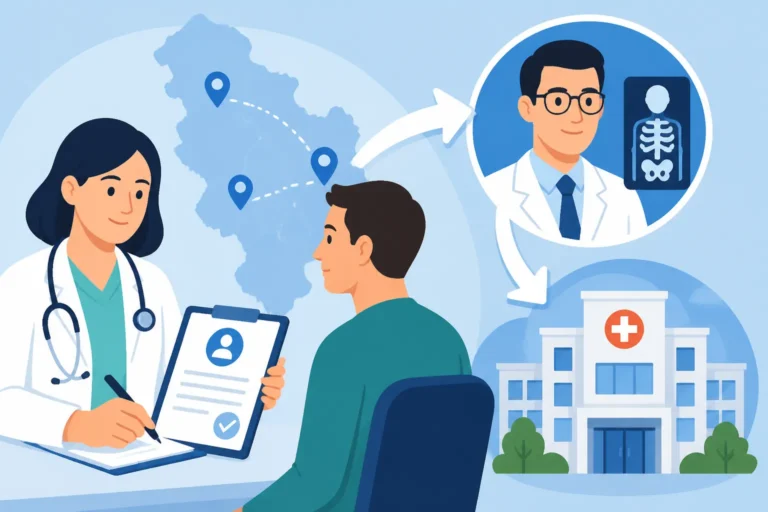
It's worth noting that while you don't always need a referral to see a private specialist in Serbia, sometimes having one from a GP can streamline your visit and ensure the specialist has all the relevant preliminary information.
Diagnostic Tests and Procedures
This is where costs can really add up, as diagnostic tools are essential for accurate diagnoses.
- Blood Tests: A basic blood count and chemistry panel might cost 1,500 RSD to 3,000 RSD (approx. €13-€25). However, if you need a comprehensive panel including hormone levels, specific antibodies, or tumour markers, the cost can easily climb to 5,000 RSD to 15,000 RSD (€43-€128) or even more, depending on the number and type of tests. For instance, Poliklinika Euromedik offers various lab packages.
- Ultrasounds: An ultrasound of a specific area, like the abdomen, thyroid, or breasts, typically costs between 3,000 RSD and 7,000 RSD (approx. €25-€60). A more specialized ultrasound, such as a 4D prenatal scan, would be at the higher end or even exceed this range.
- X-rays: A standard X-ray (e.g., chest, bone) usually costs between 2,500 RSD and 5,000 RSD (approx. €21-€43) per area.
- MRI (Magnetic Resonance Imaging) / CT (Computed Tomography) Scans: These advanced imaging techniques are significantly more expensive. An MRI scan of a single area (e.g., brain, knee) typically starts from 15,000 RSD to 30,000 RSD (approx. €128-€256), and can go much higher for multiple areas or with contrast. CT scans are usually a bit less, perhaps starting from 10,000 RSD to 20,000 RSD (€85-€170). For these, clinics like MediGroup in Novi Sad are well-equipped.
- Minor Procedures: Simple procedures such as wound dressing, earwax removal, or removal of a small skin lesion can cost anywhere from 3,000 RSD to 10,000+ RSD (approx. €25-€85+), depending on the complexity and anaesthesia used.
Table of Estimated Private Clinic Costs in Novi Sad
To give you a clearer picture, here's a general overview of estimated costs for common services at private clinics in Novi Sad. Please remember these are ranges and can change.
| Service Category | Example Service | Estimated Cost Range (RSD) | Estimated Cost Range (€) |
|---|---|---|---|
| General Practice | GP Consultation (initial) | 3,000 – 5,000 | 25 – 43 |
| Specialist Consultations | Dermatologist Consultation | 4,000 – 7,000 | 34 – 60 |
| Cardiologist Consultation (incl. ECG) | 5,000 – 9,000 | 43 – 77 | |
| Gynaecologist Consultation (incl. ultrasound/Pap) | 5,000 – 10,000 | 43 – 85 | |
| Paediatrician Consultation | 4,000 – 7,000 | 34 – 60 | |
| Diagnostics | Basic Blood Panel | 1,500 – 3,000 | 13 – 25 |
| Comprehensive Blood Panel | 5,000 – 15,000 | 43 – 128 | |
| Ultrasound (e.g., Abdomen) | 3,000 – 7,000 | 25 – 60 | |
| X-ray (single area) | 2,500 – 5,000 | 21 – 43 | |
| MRI (single area) | 15,000 – 30,000+ | 128 – 256+ | |
| CT Scan (single area) | 10,000 – 20,000+ | 85 – 170+ | |
| Minor Procedures | Minor skin lesion removal | 3,000 – 10,000+ | 25 – 85+ |
Navigating Payments and Insurance Options
The last thing you want to deal with when you're feeling unwell is financial stress or confusion at the reception desk. Knowing your payment options and how private health insurance can help is crucial for a smooth experience. This is especially relevant when considering public vs private healthcare in Serbia: what expats need to know.
Direct Payments and Payment Methods
In Novi Sad's private clinics, direct payment at the time of service is the most common approach. You'll typically pay after your consultation or procedure.
- Cash (Serbian Dinar – RSD): While many larger clinics accept card payments, cash is king in Serbia, especially in smaller establishments or for lower-cost services. Always have some local currency on hand.
- Debit/Credit Cards: Most reputable private clinics in Novi Sad accept major credit and debit cards (Visa, Mastercard, Maestro). It's always a good idea to confirm this when booking your appointment.
- Clarify Costs Upfront: Don't be shy! Before any tests or procedures, ask for an estimate of the total cost. This helps avoid surprises, especially if multiple diagnostics are recommended. You have every right to understand what you're paying for.
- Itemized Receipts: Always ask for a detailed, itemized receipt (fiskalni račun). This is absolutely essential for your own records and, more importantly, for any insurance reimbursement claims you might make later.
Private Health Insurance for Expats in Serbia
While Serbia's RFZO (Republic Health Insurance Fund) covers many services if you're formally registered and paying contributions, many expats find that private health insurance offers broader coverage, more choice, and access to the private clinics we've been discussing.
If you're wondering, "Do I need private health insurance in Serbia?", the answer often boils down to your personal preferences for speed, comfort, and language. Private insurance can significantly offset the out-of-pocket costs of private clinic visits in Novi Sad. Options range from local Serbian private insurers to international plans.
A popular choice among digital nomads and frequent travellers, and indeed for many expats looking for flexible, affordable coverage, is SafetyWing. Products like SafetyWing Nomad Insurance provide coverage for new unexpected illnesses and injuries, which is exactly what you'd need for private clinic visits. They're designed for people living abroad, offering a global safety net that can be a real game-changer when you're far from home.
Here's how private health insurance, including options like SafetyWing, typically works:
- Choose Your Plan: Research different plans to find one that suits your needs and budget. Look at deductibles, co-payments, and what specific services (GP, specialist, diagnostics, hospital stays, dental, maternity) are covered. If you're looking to understand private health insurance plans in Serbia, make sure to read the fine print.
- Pay and Claim: For routine visits to private clinics, you'll usually pay the clinic directly and then submit a claim to your insurance provider for reimbursement. This is where your itemized receipt comes in handy!
- Direct Billing (Less Common for Outpatient): Some larger, more integrated private health insurance plans might have direct billing agreements with certain clinics or hospitals for more significant procedures or hospital stays. For simple outpatient visits, it's generally a pay-and-claim system. Always confirm with your insurer beforehand.
- Reimbursement Process: To claim reimbursement, you'll typically need to fill out a claim form, attach your itemized receipt, a copy of the doctor's report or diagnosis, and sometimes a copy of your ID. The process for how to claim reimbursement from private insurance in Serbia can vary by provider, so always check their specific requirements.
Understanding these insurance mechanisms is key to managing your healthcare budget effectively in Novi Sad. Whether it's a routine check-up or something more serious, knowing you have a plan can alleviate a lot of stress.
Practical Tips and Recommendations for Expats in Novi Sad
Navigating a foreign healthcare system, even the private one, still requires a bit of savvy. As a seasoned expat, I've picked up a few tricks that can make your experience much smoother and potentially lighter on your wallet.
How to Find the Right Private Clinic
Finding a clinic that matches your needs and expectations is about more than just costs; it's about trust and comfort.
- Online Research and Expat Groups: Start by searching online for "privatne klinike Novi Sad" or "private clinics Novi Sad." Read reviews on Google Maps and local health portals. Better yet, tap into the expat community! Facebook groups like "Expats in Novi Sad" or "Belgrade & Serbia Expats" (many Novi Sad expats are in these) are goldmines for personal recommendations. Someone will always have a suggestion for a great English-speaking dermatologist or a paediatrician.
- Ask About English-Speaking Staff: This is crucial. While many younger doctors or those in private practice will speak English, it's never a guarantee. When you call to book an appointment, always ask, "Da li imate doktora koji govori engleski?" (Do you have a doctor who speaks English?). Clinics specifically catering to foreigners, like some larger private polyclinics, often highlight this. This is part of how to find an English-speaking doctor in Serbia.
- Check Accreditations and Specialities: Ensure the clinic is properly licensed. Larger clinics often have information on their websites about the qualifications of their doctors and the range of services they offer. If you need a specific specialist, confirm they have one on staff.
- Location and Accessibility: Consider where the clinic is located and how easy it is to get to via public transport or car, especially if you might need follow-up visits or diagnostics.
Cost-Saving Strategies and Preparedness
While private healthcare offers convenience, it's not "free." Being proactive can help you manage expenses.
- Compare Prices: If it's a non-emergency, don't hesitate to call a few different clinics and ask for their prices for the service you need. Prices for a standard consultation can vary. This is especially true if you are looking for specific information like How Much Does a Private Clinic Visit Cost in Novi Sad?
- Understand Your Insurance Policy Inside Out: If you have private health insurance, make sure you understand exactly what your plan covers, what your deductible is, and what the reimbursement process entails. Don't wait until you're sick to read the policy. For example, if you have SafetyWing, know their claim submission process and what documentation they require. This proactive step can prevent nasty surprises when it comes time to claim back your money.
- Have an Emergency Fund: Even with insurance, you might need to pay upfront and wait for reimbursement. Having a small emergency fund specifically for medical expenses can be incredibly helpful.
- Consider Public vs. Private for Non-Urgent Care: For very minor issues or when costs are a significant concern, sometimes the public health centre (dom zdravlja) might be an option, particularly if you are registered with the RFZO. However, if you haven't figured out how to register with the RFZO and a GP in Serbia (2026), private care remains your go-to. For true emergencies, understanding emergency medical care in Serbia: what every expat needs to know is paramount, as public emergency rooms are typically the first point of contact regardless of insurance.
- Prescription Medications: Remember that medication costs are separate. After your private clinic visit, you'll take your prescription to a pharmacy. For information on prescription medications and pharmacies in Serbia: the complete guide will be invaluable.
By taking these steps, you'll not only be better prepared for any health issues that arise but also feel more empowered and in control of your healthcare journey in Novi Sad.
Disclaimer
Please note that the information provided in this guide is for general informational purposes only and is subject to change. While efforts have been made to ensure accuracy and provide realistic estimates as of the publication date, actual costs can vary significantly based on the specific clinic, doctor, complexity of the service, and any changes in healthcare pricing or regulations in Serbia. Always confirm current prices and service details directly with the healthcare providers and your insurance company. This guide is not a substitute for professional medical or financial advice.