How Do I Access Emergency Dental Care in Serbia?
Suddenly, that throbbing pain in your tooth kicks in, or a crown decides to make a run for it at the absolute worst moment. Dealing with a dental emergency when you're an expat in a new country like Serbia can feel incredibly isolating and scary, especially if you're not sure where to turn or how the system works. This guide is here to walk you through exactly how to access urgent dental care in Serbia, making sure you know your options and what to expect every step of the way.
Understanding Dental Emergencies in Serbia: What Constitutes One?
Living abroad, it's easy to get confused about what truly qualifies as an emergency, especially when you're navigating a new healthcare system. Is it just a persistent ache, or something more serious? Knowing the difference can save you a lot of stress, time, and potentially money. In Serbia, just like anywhere else, dental emergencies are typically situations that require immediate attention to alleviate severe pain, stop bleeding, or save a tooth.
Recognizing a True Dental Emergency
Let's be real, a little tooth sensitivity after eating ice cream probably isn't a dental emergency. But when that discomfort escalates into something unbearable, or if there's visible trauma, it's time to act. Here’s a breakdown of what most Serbian dentists would consider an urgent case:
- Severe, Unrelenting Pain: This is the most common reason people seek emergency dental care. If you're experiencing pain that isn't manageable with over-the-counter painkillers, or if it's disrupting your sleep and daily life, it's an emergency. This could indicate a deep cavity, an abscess, or an infected nerve. You know your body best, and if the pain feels wrong, trust that instinct.
- Swelling in Your Gums, Face, or Jaw: This is a red flag, indicating a potential infection that could spread rapidly. Facial swelling, especially if it extends to your eye or neck, needs immediate attention. Dental abscesses, which are pockets of pus caused by bacterial infections, can be extremely dangerous if left untreated, sometimes requiring antibiotics and drainage.
- Persistent Bleeding: If you've had a tooth extraction or some other dental procedure and the bleeding simply won't stop after a reasonable period (usually a few hours) despite applying pressure, you need to see a dentist urgently. Uncontrolled bleeding can be a sign of complications.
- Trauma to the Mouth or Jaw: Accidents happen. A fall, a sports injury, or even biting down on something unexpectedly hard can lead to chipped, cracked, or knocked-out teeth. If a tooth has been completely knocked out, time is of the essence; getting to a dentist within an hour or two might mean they can re-implant it. For chipped or fractured teeth, immediate assessment can prevent further damage or infection.
- Loose or Missing Fillings/Crowns Causing Pain: While a lost filling or crown might not seem like an emergency on its own, if it leaves a nerve exposed or creates sharp edges that cut your tongue or cheek, or if it causes intense pain, it certainly warrants an urgent visit. Ignoring it can lead to further decay or even a broken tooth.
It's important to remember that waiting it out often makes things worse. What starts as mild pain can quickly turn into a full-blown infection. Don't let language barriers or uncertainty about the system deter you from seeking help when you truly need it.
What Might Not Be an Emergency (But Still Needs Attention)
Sometimes, what feels urgent to us might not be classified as a critical emergency by dental professionals. This doesn't mean you should ignore it, but rather that it can likely wait for a regular appointment, or at least a call during regular business hours.
- Mild Toothache or Sensitivity: If the pain is minor, comes and goes, and responds well to over-the-counter pain relievers, it's likely not an emergency. However, do schedule a regular check-up soon to address the underlying cause.
- Food Stuck Between Teeth: Annoying, yes, but rarely an emergency unless it's causing severe pain or swelling. Try flossing gently or using a water pick.
- Minor Chipped Tooth Without Pain: If you've got a tiny chip but no pain, no exposed nerves, and no sharp edges, it can usually wait. Just be careful chewing on that side.
- Lost Filling or Crown (No Pain): If a filling or crown comes out but there’s no pain, no sharp edges, and nothing is exposed, you can typically wait for a regular appointment. Still, call your dentist to get it re-cemented or replaced as soon as possible to prevent further issues.
The golden rule here for expats is: if you're unsure, it's always better to call a dental clinic or a local health centre (Dom Zdravlja) and describe your symptoms. They can advise you whether you need immediate attention or can wait.
Navigating the Public vs. Private System for Urgent Dental Needs
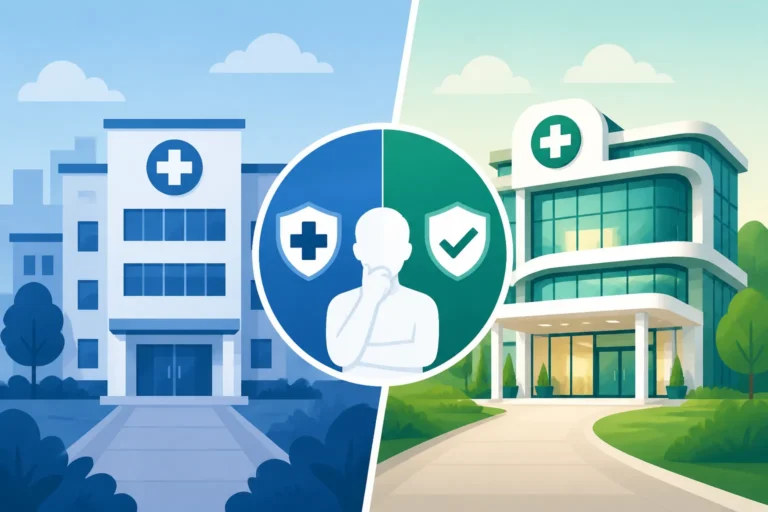
Once you've determined you have a genuine dental emergency, your next big question is probably: public or private? Serbia, like many countries, offers both, and each has its own set of realities for foreigners. It’s crucial to understand these differences, especially when you're in pain and need quick decisions.
Public Dental Clinics (Dom Zdravlja)
Public healthcare, including dental care, in Serbia is primarily provided through community health centres called Dom Zdravlja. If you're officially registered with the Republic Health Insurance Fund (RFZO) and have a chosen general practitioner (Izabrani Lekar), your pathway to public dental care is much smoother. However, for many expats, especially newcomers or those on short stays, the public system can be a bit of a maze. You can learn more about How Serbia's Health System Works: The RFZO and Private Care Explained (2027).
Pros of Public Dental Care:
- Lower Cost: If you're covered by RFZO, many basic emergency treatments will be free or require only a small co-payment (participacija). This can be a huge relief if you're on a tight budget.
- Accessibility: Every major neighbourhood will have a Dom Zdravlja, making them geographically accessible. They usually have emergency dental departments or designated dentists on call during working hours.
- Comprehensive Care (for regular patients): For registered patients, public dental clinics offer a full range of services, not just emergencies.
Cons for Expats (Especially in Emergencies):
- Registration Hurdles: If you're not already registered with the RFZO and a specific Dom Zdravlja, getting seen in an emergency can be challenging. They might require you to register first, which involves paperwork and can take time you don't have when in severe pain. This is particularly true if you're not an employee or self-employed and contributing to the RFZO. Check out How to Register with the Republic Health Insurance Fund (RFZO) in Serbia for more details.
- Language Barrier: While some younger staff might speak English, it's far from guaranteed in public institutions. Trying to explain a complex dental issue while in pain with a language barrier can be incredibly frustrating.
- Wait Times: Even for emergencies, depending on the severity and current patient load, you might still face a wait. Public clinics can be busy.
- Limited Services for Non-Residents: If you’re a tourist or haven't secured residence yet, public healthcare will generally treat you for critical emergencies but might charge you the full cost, which could be higher than private options for the same service. They are often reluctant to take on non-RFZO patients for anything but life-threatening situations.
Private Dental Clinics
For most expats, particularly for urgent needs, private dental clinics are often the more straightforward and preferable option. Belgrade and Novi Sad, especially, are brimming with modern private dental practices, many of which cater specifically to an international clientele.
Pros of Private Dental Care:
- Immediate Access: Private clinics are typically much more accommodating for walk-ins or same-day appointments, especially for emergencies. You can usually call, explain your situation (often in English), and get an appointment very quickly.
- English-Speaking Staff: Many private clinics, especially in larger cities like Belgrade, have dentists and receptionists who speak excellent English. This significantly reduces stress and ensures clear communication about your condition and treatment options. You might even find an How to Find an English-Speaking Doctor in Serbia with dental specialisations.
- Modern Facilities and Technology: Private clinics usually boast state-of-the-art equipment, comfortable environments, and a wider range of services under one roof.
- No RFZO Registration Required: You simply pay for the service. This is ideal if you're not registered with the RFZO or are a tourist.
- Proactive Treatment: They are generally more willing to provide comprehensive treatment for non-life-threatening emergencies, rather than just pain management.
Cons of Private Dental Care:
- Cost: This is the main drawback. You will pay out-of-pocket for private treatment. While dental costs in Serbia are generally much lower than in Western Europe or North America, an emergency procedure can still be a significant unexpected expense. Be prepared to pay upfront. You can get an idea of typical costs by looking at Understanding Dental Care Costs in Serbia.
- Insurance Reimbursement: If you have private health insurance, you’ll likely need to pay upfront and then seek reimbursement later. Make sure to get a detailed invoice and medical report. International travel insurance like SafetyWing typically covers emergency dental, but always check your policy specifics for limits and procedures for claims.
For tourists or those without RFZO coverage, private clinics are almost always the best bet for quick, efficient, and understandable emergency dental care. Even with RFZO, many expats choose private for the convenience and language support.
Step-by-Step: How to Get Emergency Dental Treatment
When a dental emergency strikes, panic can quickly set in. Having a clear plan can make all the difference. Here’s a step-by-step guide to help you navigate getting emergency dental treatment in Serbia.
Step 1: Assess Your Situation and Gather Information
Before you even pick up the phone, take a deep breath and assess what's happening.
- Identify the Emergency: Is it severe pain, swelling, bleeding, or trauma? Be as specific as possible about your symptoms.
- Location: Where is the pain? Which tooth? What does it feel like (sharp, throbbing, constant, intermittent)?
- When Did It Start?: Provide a timeline of when the symptoms began and how they've progressed.
- Any Underlying Conditions?: Do you have any relevant medical conditions (e.g., diabetes, heart issues) or allergies to medications?
- Medications: Are you currently taking any medications?
- What Have You Tried?: Have you taken any painkillers, and if so, what kind and how much? Did it help?
Gathering this information will make your conversation with the dental clinic much more productive.
Step 2: Choose Your Path (Public or Private) and Make Contact
Based on your situation, choose whether to go public or private.
- For Private Clinics:
- Search Online: Use Google Maps or a local search engine. Keywords like "emergency dentist Belgrade," "zubarska ordinacija hitno" (urgent dental practice), or "English speaking dentist Belgrade" will yield many results. Look for clinics with good reviews and clear contact information. Many clinics have websites in English.
- Call Directly: This is your best approach. Explain your situation clearly. Ask if they can see you immediately for an emergency. Confirm they have English-speaking staff. Ask about the estimated cost of the emergency consultation and any immediate procedures (e.g., pain relief, temporary filling). Be prepared to describe your symptoms in detail.
- Examples: Popular private clinics in Belgrade known for good service and English-speaking staff include Dental Clinic Dr Popović, Belgrade Dental Office, or Dental Centar Bobić. In Novi Sad, you might look at Dr Cvejanović Dental Office. These are just examples, and a quick search will give you current options.
- For Public Clinics (If RFZO Registered):
- Call Your Dom Zdravlja: If you are registered, call your local Dom Zdravlja. Ask for the dental department (stomatologija) and explain your emergency. They will advise you on when and where to go. They might have a specific emergency shift.
- General Emergency Numbers: For severe, general medical emergencies that might involve your mouth or jaw (e.g., severe trauma, uncontrolled bleeding), you can also call the general emergency number 194 for an ambulance. They can triage and direct you to the nearest appropriate facility, which might be a hospital's maxillofacial department rather than a standalone dental clinic. For broader emergencies, the EU-standard 112 also works in Serbia. Find out more about Emergency Medical Care in Serbia: What Every Expat Needs to Know.
Step 3: Prepare for Your Visit
Once you have an appointment, get ready to go.
- Documents: Bring your passport, your Serbian residence permit (if you have one), and your RFZO health card (if applicable). If you have private international health insurance, bring your policy documents.
- Cash/Card: Have enough cash (Serbian Dinars) or a credit/debit card ready, especially for private clinics, as you'll likely pay upfront.
- Comfort: Wear comfortable clothes. If you're in severe pain, you might want to bring a small bottle of water or a clean cloth.
- Support: If you're nervous or the language barrier is a concern, consider asking a Serbian-speaking friend to accompany you. This is common practice here and can make a big difference in clear communication.
Step 4: At the Clinic
When you arrive, remain calm and focused.
- Check-in: Present your documents at the reception. Reiterate that it's an emergency.
- Consultation: The dentist will examine you, likely take X-rays, and discuss their findings. They will explain the diagnosis and proposed treatment plan. Don't hesitate to ask questions. If you need clarity, ask them to write down key terms or use a translation app if language is an issue.
- Treatment: Emergency treatment will focus on relieving pain, addressing infection, and preventing further damage. This might include:
- Pain management: Prescribing stronger painkillers.
- Antibiotics: If there's an infection.
- Temporary fillings/restorations: To protect an exposed tooth or nerve.
- Drainage: For abscesses.
- Extraction: If a tooth is beyond saving.
- Re-implantation: For a knocked-out tooth (if seen quickly).
- Follow-up: Most emergency treatments are temporary fixes. The dentist will likely schedule a follow-up appointment or advise you to make one for a permanent solution.
Remember, the goal of emergency dental care is to stabilize your condition, not necessarily to complete the entire treatment.
Costs, Insurance, and Aftercare for Dental Emergencies
Understanding the financial side and what to do post-treatment is just as important as knowing how to get seen in the first place. This is where many expats get tripped up, but with a little foresight, you can manage it effectively.
Understanding the Costs Involved
The cost of emergency dental care in Serbia can vary widely depending on whether you go public or private, the nature of the emergency, and the specific procedures performed.
- Public System (with RFZO): If you are fully registered and covered by the RFZO, a significant portion of your emergency dental care will likely be covered. However, certain materials or advanced procedures might still require a co-payment. For example, a basic filling might be covered, but a more aesthetic one might incur an additional fee. Emergency extractions and immediate pain relief are usually covered.
- Public System (without RFZO / Tourists): You will be charged the full price for any services. While typically still lower than Western prices, these can add up. Expect to pay anywhere from 2,000 to 5,000 RSD for an emergency consultation, and additional costs for procedures.
- Private System: This is where you'll pay out-of-pocket, but you'll get clear pricing upfront.
- Emergency Consultation: Expect to pay around 3,000 – 6,000 RSD just for the initial consultation and diagnosis.
- Fillings (temporary/permanent): 3,000 – 10,000+ RSD, depending on material and complexity.
- Extractions: 5,000 – 15,000+ RSD, depending on tooth and complexity (e.g., surgical extraction of a wisdom tooth will be more).
- Root Canal (emergency phase): The initial emergency opening and dressing could be 5,000 – 10,000 RSD, but a full root canal treatment is a multi-visit, more expensive procedure (20,000 – 40,000+ RSD per tooth).
- X-rays: Typically 1,000 – 2,000 RSD per film.
- Antibiotics: Prescribed medication costs are separate and paid at a pharmacy. These are generally affordable.
It's always a good idea to ask for a detailed price breakdown before any work begins, especially in a private clinic. For a broader overview of healthcare costs, including dental, you can read The Cost of Healthcare in Serbia: A Complete Breakdown for Foreigners (2026).
Insurance and Reimbursement
This is a critical area for expats to understand.
- RFZO: If you're covered by the RFZO, your costs are generally minimal as discussed.
- Private Serbian Health Insurance: If you've opted for a private health insurance plan within Serbia (which many expats do to supplement RFZO or as their primary coverage), check your policy. Many local private plans include some level of dental coverage, often for emergencies. You might need to pay upfront and then submit a claim for reimbursement, or the clinic might have a direct billing agreement. Be sure to understand your policy’s specific dental benefits and claim process. You can explore Understanding Private Health Insurance Plans in Serbia.
- International Travel/Health Insurance: If you're a tourist or on a short-term stay, your international travel insurance or global health insurance might cover emergency dental work. Companies like SafetyWing often include emergency dental coverage. However, these policies typically require you to pay for the treatment upfront and then submit a claim for reimbursement.
- Important Tip for SafetyWing (and similar providers): Always notify your insurer before undergoing significant treatment if possible, or as soon as practically able in an emergency. Keep all receipts, invoices, and any dental reports. Ensure the invoice clearly states the services rendered, the cost, and the diagnosis. This documentation is vital for a smooth reimbursement process. Don't forget to get detailed paperwork.
- Employer-Provided Insurance: Some employers in Serbia provide supplemental private health insurance. If you have this, inquire with your HR department about dental coverage and how to use it for emergencies.
Table: Emergency Dental Care Options & Costs in Serbia (Estimates)
| Aspect | Public System (with RFZO) | Public System (without RFZO / Tourist) | Private System (Expat Recommended) |
|---|---|---|---|
| Access & Wait Time | Can be slow without prior registration; long waits possible. | Challenging, often referred to private for non-critical. | Usually immediate, same-day appointments for emergencies. |
| Language Barrier | High probability; English not guaranteed. | High probability. | Low probability; many clinics have English-speaking staff. |
| Cost (Consultation) | Minimal co-payment (participacija) or free. | 2,000 – 5,000 RSD (full price). | 3,000 – 6,000 RSD (full price). |
| Cost (Basic Proc.) | Minimal co-payment or free. | Higher end of private rates; full price. | 3,000 – 15,000+ RSD per procedure (e.g., filling, extraction, X-ray). |
| Payment Method | Co-payment in cash at clinic/post office. | Cash, potentially card. | Cash, credit/debit card (most common). |
| Insurance | Covered by RFZO. | Not covered by RFZO; reliance on travel/international ins. | Pay upfront, seek reimbursement from private Serbian or international (e.g., SafetyWing) plans. |
| Documentation | Less detailed for RFZO patients. | Basic receipt. | Detailed invoice/report for insurance claims is standard practice. |
Note: All costs are approximate and can vary based on location, clinic, and complexity of treatment.
Aftercare and Follow-up
Once the immediate emergency is handled, your dentist will give you instructions for aftercare.
- Medication: Take any prescribed antibiotics or painkillers exactly as directed. Finish the full course of antibiotics, even if you feel better.
- Oral Hygiene: Follow specific instructions on brushing and flossing around the treated area. Generally, gentle cleaning is advised.
- Diet: Avoid hard, sticky, or very hot/cold foods on the affected side. Stick to soft foods for a day or two.
- Swelling/Pain Management: Apply a cold compress if there's swelling. Manage pain with prescribed or over-the-counter medication.
- Follow-up Appointments: This is crucial. Emergency care is often a temporary fix. You'll need to return for a permanent solution (e.g., a permanent filling, crown, or completion of a root canal). Don't neglect these appointments, as the temporary treatment isn't designed for long-term use and can lead to recurring problems if ignored. Ensure you schedule these before you leave the emergency clinic, or soon after.
Navigating a dental emergency in Serbia as an expat can be daunting, but with the right information and a clear plan, you can get the care you need. Prioritize good communication, understand your financial responsibilities, and always follow up to ensure your dental health is fully restored.
Disclaimer
The information provided in this guide is intended for general informational purposes only and does not constitute medical or legal advice. While we strive to provide accurate and up-to-date information, healthcare systems, regulations, and costs in Serbia can change. Always consult with a qualified dental professional or healthcare provider for any medical concerns and verify current procedures and requirements with the relevant Serbian authorities or your insurance provider. Reliance on any information in this guide is solely at your own risk.