What Documents Do I Need to See a Doctor in Serbia?
One of the trickiest parts of settling into Serbia, right after figuring out how to pay your računi and where to find the best burek, is understanding the healthcare system – especially when you suddenly need to see a doctor. It's not always straightforward knowing what papers to carry, and the last thing you want when you're feeling under the weather is to be scrambling for documents. This guide is here to cut through the confusion and lay out exactly what documents you’ll need to see a doctor in Serbia, whether it's for a routine check-up or an unexpected emergency.
The Essentials: What Every Expat Needs on Hand
Let's be real: navigating any bureaucratic system in a new country can feel like solving a Rubik's Cube blindfolded. Healthcare is no exception. But when it comes to seeing a doctor in Serbia, there are a few foundational documents that are universally helpful, if not outright required. Think of these as your personal medical survival kit.
Your Passport and Residence Permit – The Golden Tickets
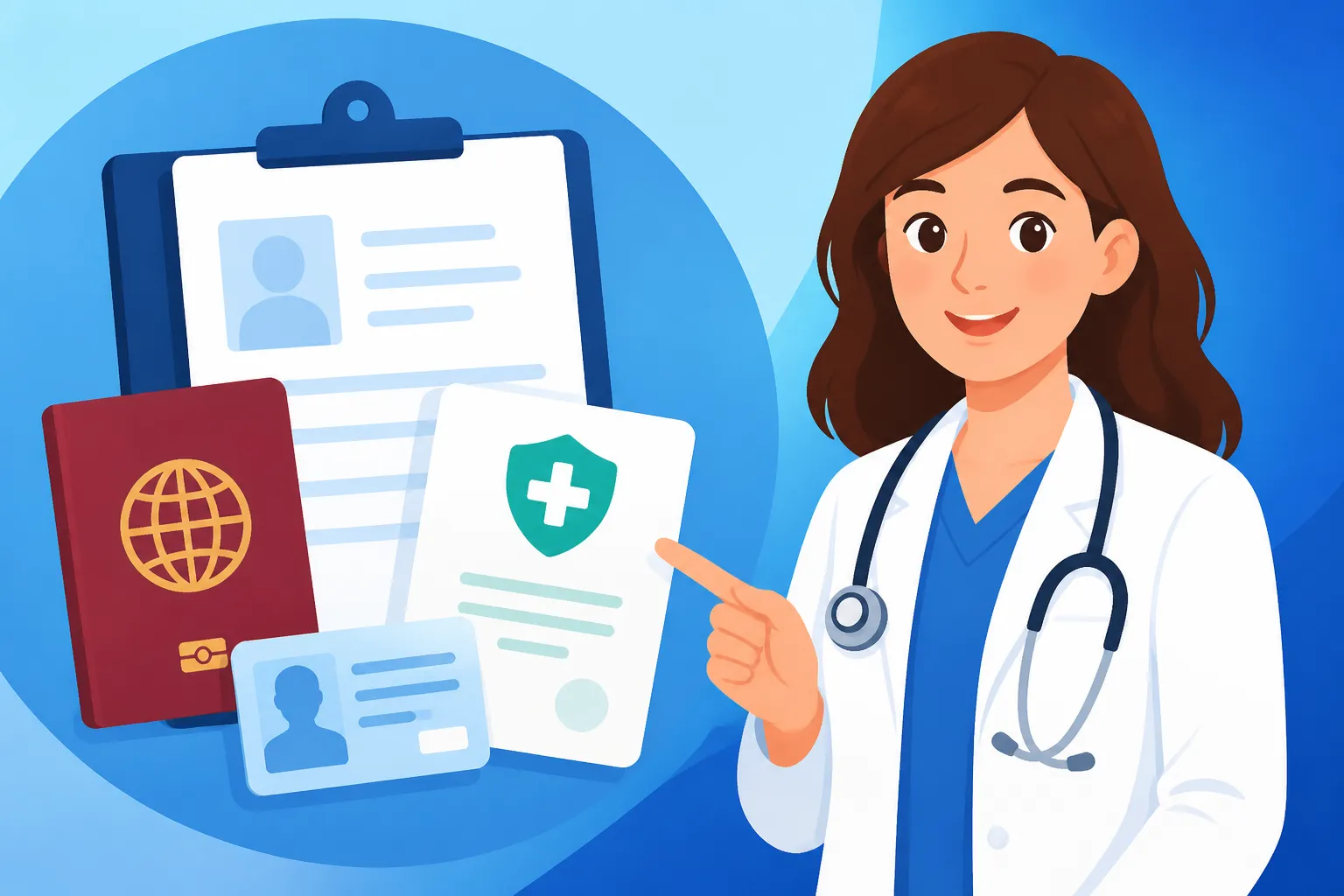
Without a doubt, your passport and your Serbian temporary residence permit (or boravak) are your most crucial pieces of identification. These aren't just for showing immigration officials; they are your primary proof of identity and legal status in Serbia, and every medical institution, from a tiny local clinic to a major hospital, will ask for them.
When you walk into a dom zdravlja (public health center) or a private clinic, the first thing the reception staff will do is ask for your personal identification. Your passport verifies who you are, your nationality, and your date of birth. Your residence permit, on the other hand, confirms your legal right to be in Serbia for an extended period. This is especially vital because your eligibility for different types of healthcare services—particularly within the public system—is often directly tied to your residence status. For instance, if you're employed and contributing to the Republic Health Insurance Fund (RFZO), your residence permit proves your legal employment and, by extension, your access to public healthcare.
Imagine this scenario: you wake up with a nasty cough and decide to head to a dom zdravlja in New Belgrade. You get to the reception, explain your symptoms in broken Serbian, and the kind but firm nurse asks for your pasoš and boravišna dozvola. If you don't have them, they might still see you in an emergency, but for anything routine, you'll likely be asked to return with the proper ID. It’s not about being difficult; it's about their legal obligation to identify you and verify your status before providing care, especially if the costs are to be covered by the state insurance fund. Always keep these documents, or at least clear copies of them, readily accessible.
Health Insurance Documentation – Public, Private, or Travel
Once your identity and residence status are established, the next critical piece of the puzzle is your health insurance. This determines who pays for your care and what services you can access. Serbia has a multi-tiered system, and your documentation needs will vary significantly depending on whether you're covered by the public RFZO, a private Serbian insurer, or an international travel insurance plan.
If you are officially employed in Serbia, or if you're a registered entrepreneur (like many freelancers), you’ll be contributing to the Republic Health Insurance Fund (RFZO). Once registered, you'll receive a health insurance card, often referred to as a zdravstvena knjižica or zdravstvena kartica. This card is your golden ticket to public healthcare services. When you visit a dom zdravlja or are referred to a public hospital, showing this card proves your eligibility for state-subsidized care. Don't underestimate its importance; without it, you'll likely be treated as a private patient, even in public facilities, meaning you'll pay out-of-pocket for everything. Learning How to Register with the Republic Health Insurance Fund (RFZO) in Serbia is one of the first things you should tackle after getting your residence permit.
For those who opt for private health insurance in Serbia, or those who prefer a hybrid approach, your documentation will be your policy details. This usually includes a physical or digital insurance card provided by your private insurer (e.g., Generali, Uniqa, Wiener Städtische) and possibly a policy document outlining your coverage. When visiting a private clinic, you’ll present this card or document. The clinic will often directly bill your insurer, or you might pay upfront and claim reimbursement later. It’s always a good idea to have your policy number and the insurer's contact details handy. Many expats find private healthcare appealing due to shorter wait times and the availability of English-speaking staff, making Understanding Private Health Insurance Plans in Serbia a valuable exercise.
Finally, for new arrivals, tourists, or those on short-term stays, travel health insurance is your safeguard. Companies like SafetyWing offer policies specifically designed for digital nomads and long-term travelers, and having proof of this coverage is essential. This often means carrying your policy document, which will contain your policy number, emergency contact details for your insurer, and information on what's covered. While a public dom zdravlja might see you in an emergency even without local insurance, they will expect you to pay upfront or for your travel insurance to cover the costs. For tourists or new expats still sorting out their long-term options, a reliable travel insurance policy can be a real lifesaver, covering unexpected medical expenses until you get more permanent coverage sorted. Remember, even if you’re only visiting for a short while, What Happens If I Get Sick Before I Register with the RFZO in Serbia? is a question you don't want to answer the hard way without proper coverage.
Specific Scenarios and Additional Documents You Might Need
While your core ID and insurance are non-negotiable, different medical situations in Serbia call for specific sets of documents. Being prepared for these nuances can save you a lot of stress and time.
Registering with a GP and Dom Zdravlja
If you plan to stay in Serbia long-term and utilize the public healthcare system, registering with a chosen doctor (izabrani lekar) at a dom zdravlja is a fundamental step. This is your gateway to routine care, specialist referrals, and prescription management.
For the initial registration process, you'll need:
- Your valid passport and residence permit: As discussed, these are your primary identification.
- Your Serbian health insurance card (RFZO card): This proves you are covered by the public health fund. If you haven't received the physical card yet but your contributions are active, sometimes a certificate of active insurance from the RFZO can suffice, but always check with the dom zdravlja first.
- Proof of address: This can be a rental contract, a utility bill in your name, or a certificate of address registration from the police (prijava boravka). The dom zdravlja will need to verify you live within their catchment area.
- A completed registration form: These are usually provided at the dom zdravlja reception. You'll fill in your personal details, contact information, and sometimes declare your chosen doctor.
The process might involve a bit of waiting, but once you're registered, you'll find it much smoother for future appointments. Your izabrani lekar acts as your primary care physician, coordinating all your health needs. Understanding How to Choose a GP (Izabrani Lekar) at a Dom Zdravlja in Serbia is a crucial early step for any long-term expat.
Visiting a Private Clinic or Specialist
Many expats in Serbia, even those with RFZO coverage, often choose to visit private clinics and specialists, particularly for things like dental care, specific diagnostic tests, or simply to avoid potential wait times in the public system. The documentation here is generally simpler, but still important.
When heading to a private clinic:
- Your passport or residence permit: Again, for basic identification. They’ll need to record your details for their patient files.
- Private health insurance card/policy details: If you have private insurance, this is where it comes in handy. Present it at reception. The clinic will often verify coverage and inform you if there are any co-payments or deductibles. Even if you have travel insurance like SafetyWing, present these details. They’ll explain how to proceed with payment and reimbursement.
- Cash or credit/debit card: If you’re paying out-of-pocket (which is common even with insurance for smaller costs or if your plan doesn't cover everything), be prepared to pay immediately after your consultation or service. Private clinics are generally very upfront about their pricing. You can learn more about The Cost of Healthcare in Serbia: A Complete Breakdown for Foreigners (2026) for budgeting purposes.
- Referral (if applicable): While not always strictly necessary for private clinics (you can often book directly with a specialist), if you're transitioning from a public GP or have previous medical notes that indicate a need for specialist care, bringing those along can be helpful. This ensures continuity of care and provides the specialist with your medical history. If you are using your RFZO insurance, How Specialist and Hospital Referrals Work in Serbia explains the public system's referral process.
One great advantage of private clinics is the often higher likelihood of finding English-speaking doctors. If that's a priority for you, it's worth checking out How to Find an English-Speaking Doctor in Serbia before you need to.
Emergency Situations – When Every Second Counts
Medical emergencies are stressful enough without the added panic of not knowing what to do in a foreign country. In a genuine life-threatening emergency, Serbian medical staff will prioritize saving your life and stabilizing you, regardless of your documentation or ability to pay upfront. However, having your essential documents readily available can significantly streamline the administrative side once you're stable.
What to grab, if you can:
- Passport/Residence Permit: Again, for identification.
- Health Insurance Card/Policy Details: This is where your RFZO card, private insurance policy, or travel insurance (like SafetyWing) proof becomes critical for determining who covers the costs. The emergency department will need this information for billing.
- A list of known allergies and current medications: This is vital medical information that could be life-saving. Keep it updated and in a prominent place, perhaps in your wallet or on your phone.
- Contact information for next-of-kin or an emergency contact: Preferably someone who can speak Serbian or English.
- Any relevant medical history documents: If you have a serious pre-existing condition, a brief summary of your medical history could be incredibly helpful for doctors who don't know you.
In a true emergency, call 194 for an ambulance. They are focused on getting you to the nearest appropriate facility. Don't worry about forms or payments at that moment; your health is the priority. However, once you're at the hospital and the immediate danger has passed, the administrative process will begin. Having your documents, or having someone bring them to you, will make this much easier. This is all part of Emergency Medical Care in Serbia: What Every Expat Needs to Know.
Navigating the Serbian Healthcare System with Your Papers
Understanding which documents are relevant for which part of the Serbian healthcare system is key to a smoother experience. It's not just about having the papers; it's about knowing when and where to present them.
Understanding RFZO vs. Private Care Documentation
The biggest distinction in terms of documentation revolves around whether you're accessing public healthcare via the RFZO or opting for private care. While both systems require basic identification, the insurance aspect is fundamentally different.
The RFZO system is built on the premise of mandatory health insurance contributions. Your RFZO card is proof that you (or your employer on your behalf) have paid into this system. This card grants you access to general practitioners, specialists (via referral from your GP), public hospitals, and subsidized prescription medications. Without it, even if you are contributing, you'll be faced with out-of-pocket costs for services that would otherwise be covered. Think of it like this: your passport identifies who you are, but your RFZO card identifies what healthcare benefits you're entitled to under the state system. For instance, when you need to How to Access Specialist Care Through the RFZO in Serbia, your RFZO card is indispensable for processing the referral.
Private care, on the other hand, operates more on a direct payment or private insurance model. Here, your private insurance policy documents (or your travel insurance like SafetyWing) are what matter. These clinics don't deal with the RFZO system for billing. They simply need proof of your private coverage or expect direct payment. The advantage is often speed and convenience; the trade-off is typically higher costs if not fully covered by your private plan. Public vs Private Healthcare in Serbia: What Expats Need to Know delves deeper into these differences.
Here’s a quick overview to help you keep things straight:
| Document Type | RFZO Public System | Private System (Clinics/Hospitals) |
|---|---|---|
| Passport | Required | Required |
| Residence Permit (Boravak) | Required | Required |
| RFZO Health Insurance Card | Required | Not applicable (unless paying out-of-pocket) |
| Private Insurance Card/Policy | Not applicable | Required (if using private insurance) |
| Travel Insurance Policy | Not applicable (unless paying out-of-pocket) | Required (if using travel insurance like SafetyWing) |
| Proof of Address | Often required (e.g., for GP registration) | Rarely required |
| Referrals from GP | Required for specialist/hospital visits | Optional (can often book direct) |
| Cash/Credit Card | For co-payments or services not fully covered | For full payment or co-payments |
| Medical History/Allergies List | Highly Recommended | Highly Recommended |
Always remember that even with RFZO coverage, there can be co-payments for certain services, medications, or specialist visits. These out-of-pocket expenses still require a payment method, so it's always wise to have some cash or a card handy. You can find more details in Understanding Out-of-Pocket Healthcare Costs and Co-Payments in Serbia.
The Importance of Translations and Copies
While Serbian officials are generally accustomed to seeing foreign passports, certain documents, especially medical records from your home country, might need translation. For official purposes, such as registering with a GP and wanting to provide them with your detailed medical history, a certified translation (usually by a sworn court translator in Serbia) might be requested for complex documents. For routine visits, however, a simple summary in English or a local doctor who speaks English might be enough to communicate your history.
When it comes to your essential identification and insurance documents, always carry the originals. Photocopies are generally not accepted for official identification, though having clear copies stored digitally or physically in a separate location is an excellent backup strategy in case of loss. For your residence permit, for example, the physical card is what you need. If you only have a copy, you might encounter difficulties.
However, for less critical documents, such as previous test results from your home country or a list of your medications, a printed copy or even a digital version on your phone might be sufficient to give your Serbian doctor context. Use common sense: the more critical the document for identification or legal proof of insurance, the more likely the original will be demanded. For personal medical records, a comprehensive summary translated into Serbian is highly beneficial, especially if you have chronic conditions or complex medical history. Think about how helpful it would be for a new doctor to review your full medical history in their native language when you are trying to explain your past issues.
In essence, navigating the Serbian healthcare system requires a blend of preparation and understanding of the local rules. Keeping your core documents—passport, residence permit, and insurance proof—always within reach, whether it's your RFZO card, private policy, or a travel plan like SafetyWing, will set you up for success. Knowing when and where to present which piece of paper can dramatically reduce stress and ensure you get the care you need, when you need it. By taking these steps, you'll be well on your way to confidently managing your health in Serbia, allowing you to focus on enjoying your expat life rather than worrying about bureaucracy. For a broader view, check out Navigating the Serbian Healthcare System: An Expat's Roadmap (2027).
Disclaimer
The information provided in this guide is for general informational purposes only and does not constitute medical, legal, or professional advice. While we strive to keep the information accurate and up-to-date, regulations and procedures in Serbia can change. Always consult with official government sources, a qualified healthcare provider, or a legal professional for advice tailored to your specific situation. Reliance on any information in this guide is solely at your own risk.