How Do I Register with the RFZO in Serbia?
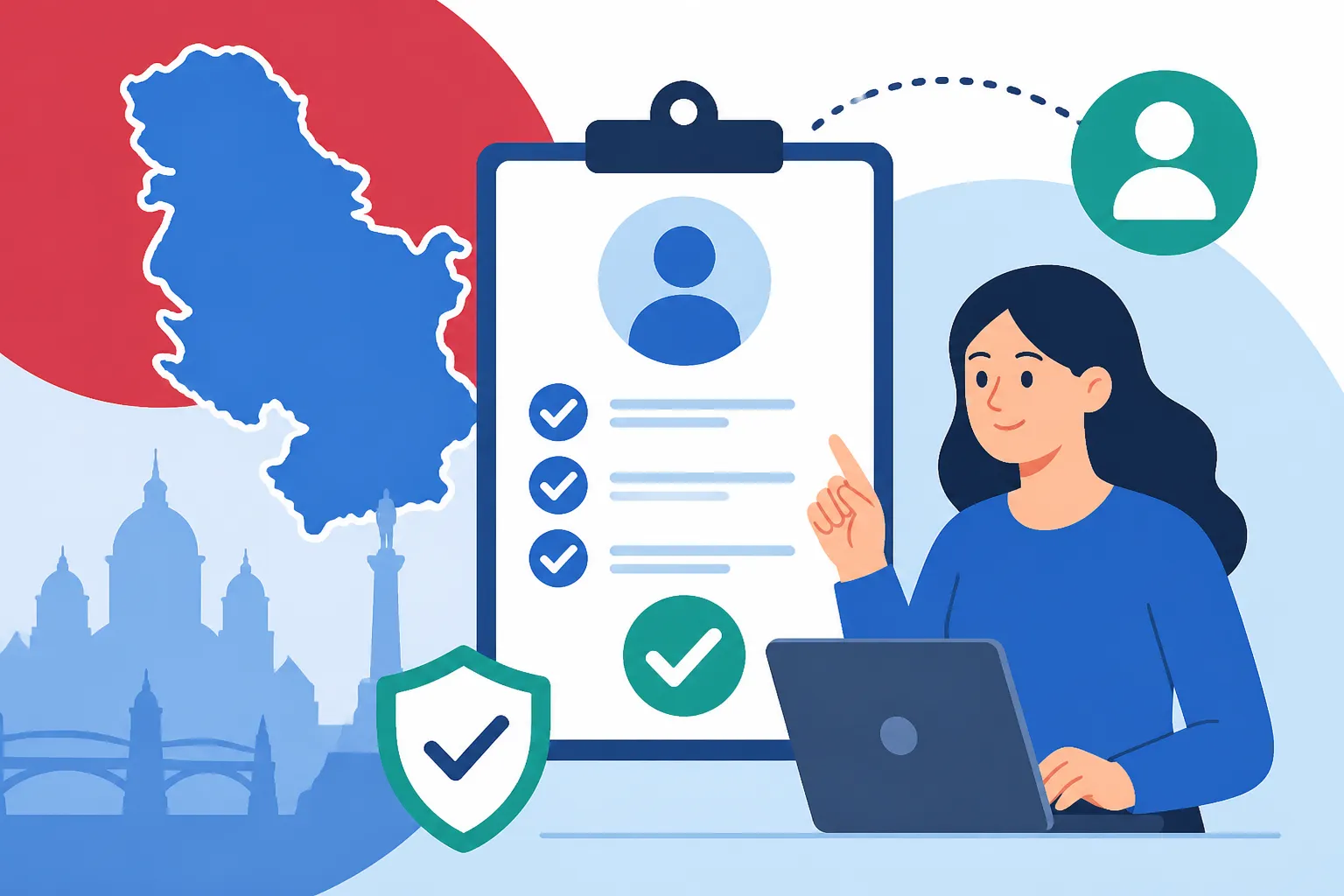
Navigating the labyrinthine administrative processes in Serbia can feel like a sport only the most seasoned expats can master, and registering with the Republic Health Insurance Fund (RFZO) is often one of the first major hurdles. It's common to feel utterly overwhelmed, frustrated, and even a bit lost in translation. This comprehensive guide is here to cut through the confusion, offering a realistic, step-by-step walkthrough of how to register with the RFZO, ensuring you can access public healthcare during your time in Serbia.
Understanding the Republic Health Insurance Fund (RFZO) in Serbia
When you first land in Serbia, the sheer volume of paperwork and the bureaucratic maze can be daunting. One of the most critical pieces of this puzzle, especially if you plan to live here long-term, is getting properly set up with the RFZO. This isn't just a suggestion; for most foreigners on a temporary residence permit, it’s a legal requirement that underpins your ability to fully participate in the Serbian system. Many expats understandably feel a mix of anticipation and trepidation about this process, and let me tell you, you're not alone. It can be a bureaucratic odyssey, but one that is absolutely essential for your peace of mind and access to medical care.
The Mandate and Benefits of RFZO
The RFZO, or Republički fond za zdravstveno osiguranje, is Serbia's national public health insurance fund. Think of it as the backbone of the public healthcare system here. Once you're registered and contributing, it's designed to cover a significant portion of your medical expenses, from routine doctor visits and specialist consultations to hospital stays, laboratory tests, and even a portion of prescription medications. It’s important to understand that while it’s not entirely "free" – you (or your employer) pay monthly contributions – it significantly reduces the financial burden of healthcare.
The benefits are extensive. With your RFZO health card, you gain access to a network of public domovi zdravlja (health centers) and hospitals across the country. This means you can get a general practitioner, be referred to specialists, and receive necessary treatments without having to worry about exorbitant bills. However, it's also crucial to be aware of co-payments (participacija) for certain services or medications. These are usually small fees, but they add up and are a part of How Serbia's Health System Works: The RFZO and Private Care Explained (2027). The RFZO system, while robust, operates differently from many Western healthcare models, so managing your expectations is part of the expat journey. For instance, waiting times for certain specialist appointments can be longer in the public system compared to private alternatives.
Who is Obligated to Register?
The obligation to register with the RFZO largely depends on your residency status and employment situation in Serbia. Generally, if you have a Serbian temporary residence permit (privremeni boravak) and are employed by a Serbian company, you are mandated to be part of the RFZO system.
- Employed Individuals: If you're working for a Serbian employer, they are usually responsible for registering you and making the mandatory Understanding Mandatory Health Insurance Contributions in Serbia on your behalf. While this sounds straightforward, it's still your responsibility to ensure they've actually completed the process and that your coverage is active. Don't be shy about following up; your health is on the line. You'll need to provide your employer with all necessary documents, including your passport, residence permit, and employment contract.
- Self-Employed Individuals (Preduzetnici / Pausalci): If you've decided to embrace the entrepreneurial spirit in Serbia and registered as a preduzetnik (entrepreneur), particularly under the popular paušalni režim (lump-sum taxation), then registering with the RFZO falls squarely on your shoulders. You are personally responsible for initiating your registration and paying your monthly contributions for health, pension, and unemployment insurance. This is a critical step, often linked to your overall business registration process.
- Family Members and Dependents: Good news for families! Once the primary earner is registered with the RFZO, their non-working spouse and dependent children (up to a certain age or if studying) can often be added as dependents. This requires additional documentation, such as marriage certificates and children's birth certificates, usually with certified translations. It ensures your whole family has access to public healthcare, which is a significant relief for many expat parents.
- Other Residence Grounds: Even if your temporary residence permit is based on something other than employment, like property ownership, studying, or family reunification (where you're not a dependent of an insured person), you might still be required to pay health insurance contributions to the RFZO. The specifics can vary, so it's always best to clarify with the RFZO directly or consult with a local lawyer specializing in expat affairs. For those not yet officially integrated, remember the value of a flexible, international health insurance plan like SafetyWing to cover you until your RFZO status is sorted.
The Step-by-Step Process to Register with the RFZO
Alright, so you know why you need to register. Now for the how. This is where the rubber meets the road, and sometimes, the road is a bit bumpy. The process can be iterative, requiring multiple visits, but with patience and preparation, you'll get there. It’s about being tenacious and having all your ducks in a row – and maybe a few extra ducks for good measure.
Essential Documents for RFZO Registration
Gathering your documents is arguably the most crucial step. Serbian bureaucracy has a penchant for precise documentation, and any missing or incorrectly prepared paper can send you back to square one. My advice? Over-prepare. Bring originals, copies, and certified translations of everything you think might possibly be relevant.
Here's a list of commonly requested documents. Keep in mind that depending on your specific situation (e.g., employed, self-employed, dependent, student), the exact list might vary slightly:
- Passport: Your valid passport is a must. Bring the original and several copies of all relevant pages (photo page, visa pages, entry stamps).
- Temporary Residence Permit (Privremeni Boravak): This is your golden ticket. Bring your residence card and a copy. This document proves your legal stay in Serbia.
- White Card (Beli Karton) / Proof of Address Registration (Prijava Boravka): This document, issued by the police, confirms your registered address in Serbia. It's often required.
- Work Permit / Employment Contract (if applicable): If you're employed, your work permit and a copy of your employment contract with a Serbian company will be necessary. For self-employed individuals, proof of your business registration (rešenje iz APR-a) will be needed.
- Birth Certificate: For yourself, and for any dependent children you wish to add to your coverage. These will almost certainly need to be officially translated into Serbian by a certified court translator (sudski tumač) and often apostilled in your home country.
- Marriage Certificate: If you're adding your spouse, your marriage certificate will be required, also needing certified translation and possibly an apostille.
- Bank Account Statement: Sometimes, proof of a Serbian bank account where your contributions will be paid (for self-employed) or salary received (for employed) is requested.
- Previous Health Insurance Documents: On rare occasions, they might ask for proof of previous health insurance, but this is less common for initial registration.
- RFZO Application Forms: These will be provided at the RFZO office, or sometimes you can download them online (though they are almost always in Serbian).
A word on translations and apostilles: Documents issued outside Serbia must be translated into Serbian by a certified court translator. For many official documents, particularly those from non-Hague Convention countries, you'll also need an apostille from your home country to certify the document's authenticity. Always check this requirement in advance, as getting an apostille can take time. For more specific guidance, you can refer to How to Register with the Republic Health Insurance Fund (RFZO) in Serbia.
Navigating the Application Process at the RFZO Branch
With your stack of meticulously prepared documents, your next stop is the local RFZO branch relevant to your registered address. This is usually determined by your municipality. For instance, if you live in New Belgrade, you’ll go to the New Belgrade RFZO office, not the one in Vračar.
- Locate Your Branch: Confirm which RFZO office serves your registered address. A quick online search for "RFZO [your municipality]" should give you the location.
- Arrive Early: This cannot be stressed enough. Serbian administrative offices, especially the RFZO, often have long queues. Arriving before opening hours significantly improves your chances of being served efficiently. Bring a book, your phone, and patience.
- Take a Number: Upon entering, look for a ticket machine (broj za čekanje). Select the appropriate service category (usually related to zdravstveno osiguranje za strance or similar).
- The Forms: When your number is called, you'll approach a counter. Be prepared for a conversation, likely in Serbian. The officer will provide you with the necessary RFZO application forms. If your Serbian is not fluent, having a Serbian friend or a certified translator with you is invaluable. They can help you understand the questions and accurately fill out the forms. Mistakes here can cause delays.
- Document Review: The officer will meticulously review your documents. This is often where the "oh, you need this specific stamp on that document" moments happen. Remain polite and cooperative. If something is missing, they will tell you what additional document or clarification is needed. Don't get discouraged if you're asked to come back; it's a very common experience.
- Submission and Waiting: Once all documents are deemed satisfactory and forms are complete, your application will be submitted. You might receive a confirmation slip or simply be told they will process it. The waiting period can vary, sometimes a few weeks, sometimes longer. It’s a good idea to ask for an estimated timeframe and what to do if you don’t hear back. You are not officially covered until your application is approved and your health card is issued.
Common Hurdles and Practical Tips for Expats
As I mentioned earlier, registering with the RFZO isn't always a walk in the park. It’s a distinctly Serbian bureaucratic experience, complete with its own unique challenges. But don't despair; understanding these hurdles beforehand can save you a lot of grief and help you navigate the process more smoothly.
Overcoming Bureaucracy and Language Barriers
The language barrier is often the primary obstacle. While younger staff in Belgrade or Novi Sad might speak some English, it's never guaranteed, especially in smaller towns or specific administrative departments.
- The "Bring Everything" Rule: Seriously, bring every official document you possess. Even if it seems irrelevant, it's better to have it and not need it, than need it and not have it. This includes multiple copies of everything, just in case. They might ask for a utility bill to confirm your address, even if you’ve already submitted your beli karton.
- Find a Local Ally: If possible, bring a Serbian-speaking friend, colleague, or hire a certified translator (sudski tumač) to accompany you to the RFZO office. This is not just for translation; a local can also help understand the nuances of the interaction and advocate on your behalf if needed. Many expat groups on social media can recommend reliable translators or fixers who specialize in administrative tasks.
- Patience is a Virtue (and a Necessity): The process can be slow. You might be sent to another office for a single signature or told to return with a document you thought was unnecessary. Take a deep breath, smile, and understand that this is simply how things work here. Losing your temper will not speed things up.
- Official Websites & Forms: The RFZO website (www.rfzo.rs) is the official source for information, but it's predominantly in Serbian. If you're trying to download forms, Google Translate or a friend can help decipher them. However, sometimes the forms provided directly at the office are the most current.
- Private Insurance as a Bridge: Many expats opt for private health insurance, especially in their first few months, simply to bridge the gap until their RFZO registration is complete. Companies like SafetyWing offer flexible plans ideal for digital nomads and expats, providing peace of mind during this initial, often uncertain, period. This ensures you're covered for unexpected medical events while navigating the RFZO.
What to Do While Waiting for RFZO Approval
This is a critical point that many expats overlook: you are not covered by the RFZO from the moment you submit your application. You are only covered once your application is approved and you have received your health card (zdravstvena knjižica). This interim period can be nerve-wracking, especially if you have a medical emergency.
- Temporary Private Health Insurance is Key: This is where a reliable private health insurance plan becomes essential. During the weeks or even months it might take for your RFZO registration to finalize, you’ll want comprehensive coverage. International providers like SafetyWing are excellent for this, as they understand the needs of expats and can provide coverage for emergencies, doctor visits, and even some prescriptions globally, including in Serbia. It's a lifesaver if you suddenly need medical attention. For further reading, check out What Happens If I Get Sick Before I Register with the RFZO in Serbia?.
- Understand Urgent Care Options: If you have an urgent medical need before your RFZO coverage is active, your options are typically private clinics or paying out-of-pocket at public hospitals. Private clinics, such as Euromedik or Medigroup, are widely available in larger cities like Belgrade and Novi Sad. They often have English-speaking staff and can provide immediate care, but you will pay for these services upfront. Having an international insurance plan can facilitate reimbursement for these costs.
- Keep Records of Everything: Hold onto all receipts, confirmation slips, and copies of submitted documents. If there's a delay or an issue with your application, this paper trail will be invaluable.
Maintaining Your RFZO Coverage and What Comes Next
Getting your RFZO health card is a moment of triumph, a visible sign that you've conquered a significant bureaucratic hurdle. But it's not a one-and-done deal. Your RFZO coverage is intrinsically linked to your legal status in Serbia, particularly your temporary residence permit.
Renewing Your RFZO Status
Life in Serbia is dynamic, and so is your administrative status. Just like you need to renew your residence permit, you'll generally need to update your RFZO status whenever there are significant changes.
- Residence Permit Renewal: The most common trigger for RFZO renewal is the renewal of your temporary residence permit. Since your RFZO coverage is valid for the duration of your permit, you'll need to submit renewed documentation to the RFZO office once your new permit is issued. This usually involves showing your new residence card and any updated employment contracts or business registration documents. Missing this step could lead to a lapse in your health coverage, which you definitely want to avoid.
- Changes in Employment Status: If you change jobs, switch from employed to self-employed, or vice versa, this directly impacts your RFZO contributions and registration basis. You (or your new employer) must inform the RFZO of these changes promptly. For example, if you move from an employed position where your company handled contributions to becoming a paušalac, you'll need to personally manage your contributions and inform the RFZO of the change in your status. This process ensures that Understanding Mandatory Health Insurance Contributions in Serbia are correctly calculated and paid.
- Adding or Removing Dependents: If you have a new child or a dependent leaves Serbia, you'll need to update your RFZO record accordingly. This ensures accurate coverage for your family members.
Accessing Healthcare Once Registered
With your RFZO registration complete and your health card in hand, you're now officially ready to navigate the public healthcare system. This is where the benefits of all that paperwork truly become apparent.
- Getting Your Health Card (Zdravstvena Knjižica): Once approved, you'll be notified to pick up your health card, also known as zdravstvena knjižica. This card is essential for accessing public healthcare services, so keep it safe!
- Choosing a GP (Izabrani Lekar): The first step to accessing care is choosing a General Practitioner, or Izabrani Lekar (chosen doctor), at a public Dom Zdravlja (health center). You usually select one based on your municipality of residence. This doctor will be your primary point of contact for all non-emergency medical needs. They manage your general health, issue prescriptions, and provide referrals. For a detailed guide on this, check out How to Choose a GP (Izabrani Lekar) at a Dom Zdravlja in Serbia.
- Understanding Referrals: In the Serbian public system, you generally cannot directly access a specialist without a referral from your Izabrani Lekar. This gatekeeper system helps manage patient flow and ensures appropriate care. If your GP determines you need to see a dermatologist, cardiologist, or any other specialist, they will issue a referral. This system is explained further in How Specialist and Hospital Referrals Work in Serbia.
- Prescriptions and Pharmacies: With RFZO coverage, your GP can prescribe medications that are partially or fully covered by the fund. You'll take your prescription to any public or private pharmacy. Remember that some medications might still require a co-payment.
Navigating the healthcare landscape in a new country can be complex, but understanding the RFZO is a cornerstone of successfully living in Serbia as an expat. It’s a process that demands patience and thoroughness, but the payoff is invaluable access to a robust public health system. For a broader overview of your options, consider reading Health Insurance in Serbia: RFZO, Private and International Options Explained or The Complete Guide to Healthcare in Serbia for Expats (2027). Ultimately, it’s about being prepared and persistent.
RFZO vs. Private Health Insurance: A Quick Comparison
While RFZO is mandatory for many and covers core needs, private health insurance (like that offered by Generali, Dunav Osiguranje, or international options like SafetyWing) plays a complementary role for many expats. Here's a quick look at how they stack up:
| Feature | RFZO (Public Health Insurance) | Private Health Insurance (e.g., Generali, SafetyWing) |
|---|---|---|
| Coverage Scope | Broad, covers GP, specialists, hospital, some prescriptions (with co-pay). | Varies by plan, can offer more comprehensive options, faster access, elective treatments. |
| Cost Structure | Mandatory monthly contributions (paid by employer or self-employed). | Monthly/annual premiums, chosen by individual/employer. |
| Access Speed | Can involve waiting times for specialist appointments in public system. | Generally faster appointments, access to private clinics/hospitals, less bureaucracy. |
| Doctor Choice | Assigned GP in Dom Zdravlja, referrals required for specialists. | Wider choice of doctors, often English-speaking, direct access to specialists. |
| Language Support | Primarily Serbian-speaking staff. | Often English-speaking doctors and administrative staff. |
| Emergency Coverage | Covered via public emergency services. | Covered via private networks, or reimbursement for public emergency use. |
| Expat Integration | Mandated for most working expats, integrates into Serbian society. | Optional, offers flexibility, great as a bridge or for additional coverage. |
| Travel Coverage | Limited or non-existent outside Serbia. | Often includes international travel coverage. |
Many expats choose a hybrid approach, leveraging their RFZO coverage for routine and significant needs, while using a private plan like SafetyWing for enhanced access, faster appointments, or during the initial registration period. Understanding Public vs Private Healthcare in Serbia: What Expats Need to Know will help you make informed decisions about your health coverage.
Disclaimer
The information provided in this guide is intended for general informational purposes only and does not constitute legal, financial, or medical advice. While we strive to provide accurate and up-to-date information, administrative procedures and regulations in Serbia can change frequently. Always consult with official government sources, legal professionals, or the RFZO directly for the most current and specific advice regarding your individual situation. We are not responsible for any actions taken based on the information presented herein.