Is Healthcare Free in Serbia for Residents?
One of the first questions many of us expats ask when we land in a new country, especially when we’re trying to wrap our heads around the local bureaucracy, is about healthcare. In Serbia, you might hear whispers that healthcare is "free for residents," and while it’s true that there's a publicly funded system, the reality is far more nuanced, and honestly, can be a bit of a headache to fully understand. This guide is here to untangle the complexities of the Serbian healthcare system and clarify exactly what "free" really means for us foreigners living here.
The Serbian Healthcare System: An Overview for Expats
Navigating a new country’s healthcare system is rarely straightforward, and Serbia is no exception. It’s not quite the clear-cut free-at-the-point-of-use system you might find in some Western European countries, nor is it a purely private, pay-as-you-go model. It exists in a fascinating, sometimes frustrating, in-between space that relies heavily on a public insurance fund.
The Role of the RFZO Republic Health Insurance Fund
At the heart of Serbia's public healthcare system is the Republic Health Insurance Fund, or RFZO (Republički fond za zdravstveno osiguranje). Think of the RFZO as the national health insurer. This is the body that manages the mandatory health insurance scheme for all residents who are legally employed, self-employed, or fall into certain other categories. If you're working here, whether for a Serbian company or as a registered entrepreneur, you'll be contributing to the RFZO.
The idea is that through these mandatory contributions, the RFZO covers a significant portion of your medical expenses within the public healthcare network. This includes visits to your chosen GP (or izabrani lekar), specialist consultations (once you get a referral), necessary diagnostic tests, hospital stays, and some prescription medications. It's designed to be a safety net, ensuring that fundamental medical care is accessible without massive upfront costs at the time of service. However, it's crucial to understand that "covered" doesn't always mean "entirely free." It just means the major costs are borne by the fund, which you've already contributed to. You can delve deeper into How Serbia's Health System Works: The RFZO and Private Care Explained (2027) to get a broader perspective.
Mandatory Contributions vs. "Free" Healthcare
Here’s where the "free" illusion starts to fade a bit. When you're employed in Serbia, a portion of your salary is automatically deducted each month and sent to the RFZO as mandatory health insurance contributions. If you're registered as a self-employed individual, such as a "paušalac" (lump-sum entrepreneur), you’ll be making these payments yourself on a monthly basis, often bundled with other social contributions. So, while you might not pull out your wallet for every single doctor’s visit, you are absolutely paying for it through these regular contributions. It’s more akin to a national insurance scheme than a truly "free" service.
These contributions are a legal obligation, tied directly to your employment or official status as a resident worker. It’s how the entire public system stays afloat. The rates for these contributions are set by the government and can change, so it’s always a good idea to stay updated. For a detailed breakdown of what this entails, take a look at Understanding Mandatory Health Insurance Contributions in Serbia. The bottom line is, healthcare in Serbia for residents is funded, not entirely free in the sense that no money ever changes hands. You're effectively pre-paying for your access to the public system.
Understanding Out-of-Pocket Costs: Co-payments and Beyond
So, you're paying into the RFZO, which is great – it covers the lion's share. But don't be surprised when you're asked for a small payment at various points of your healthcare journey. These are known as co-payments, or participacija in Serbian, and they are a very real part of the public system.
Co-payments Participacija in Public Healthcare
Co-payments are small fees you'll be expected to pay for certain services within the public healthcare system, even if you are fully registered with the RFZO. These aren't huge sums, usually just a few hundred dinars (a few euros), but they can certainly add up, and they challenge the notion of "free" healthcare.
You might encounter co-payments for:
- Doctor's Visits: A visit to your dom zdravlja (health center) GP will typically incur a small co-payment.
- Prescription Medications: While many medications are subsidized by the RFZO, you'll often pay a small co-payment, or a percentage of the total cost, especially if a cheaper generic equivalent isn't available or if you opt for a brand-name drug. For a deeper dive into how this works, check out Prescription Medications and Pharmacies in Serbia: The Complete Guide.
- Diagnostic Tests: Some blood tests, X-rays, or other diagnostics might have a co-payment attached.
- Specialist Consultations: Once you get a referral from your GP to see a specialist, you might also have a co-payment for that visit.
- Hospital Stays: While emergency stays are typically covered, longer, non-emergency hospitalizations might include a daily co-payment.
There are, thankfully, exemptions to these co-payments. Children under 18, pregnant women, war veterans, and individuals suffering from certain chronic or rare diseases are often exempt from many participacija fees. However, for the average expat resident, expect to pay these small amounts here and there. It's a system designed to discourage frivolous use of services and help offset some operational costs.
Services Not Fully Covered by RFZO
Beyond co-payments, there are entire categories of healthcare services that the RFZO either doesn't cover at all, or only covers a very basic, often outdated, version of. This is where many expats find themselves dipping into their own pockets or turning to the private sector.
- Dental Work: This is probably the biggest one. Public dental care in Serbia is extremely limited. For adults, it usually covers only basic extractions and perhaps some rudimentary fillings. Anything beyond that – modern fillings, root canals, crowns, bridges, orthodontics, cosmetic work – will be entirely out-of-pocket, or covered by a private dental insurance plan. While costs are generally lower than in Western Europe or North America, it’s certainly not free. To understand more about these costs, see Understanding Dental Care Costs in Serbia.
- Elective Procedures & Certain Therapies: If you want a specific non-urgent procedure that isn't deemed medically essential by RFZO standards, or certain physiotherapy treatments, you'll likely be paying for it yourself.
- Modern Diagnostic Imaging: While the RFZO covers basic diagnostics, getting an MRI or CT scan through the public system can involve significant wait times. Many people opt to pay privately for these services to get quicker appointments and access to newer equipment. For an example of costs, you can refer to How Much Does an MRI Scan Cost in Serbia in 2026?.
- Luxury & Comfort: Things like private hospital rooms, certain specific brand-name drugs, or advanced alternative therapies are generally not covered.
So, while the public system is a robust foundation, it has its limits. Don't assume everything you might expect to be covered in your home country will be automatically "free" here, even with RFZO membership.
The Private Healthcare Sector: An Alternative (and Often a Necessity)
Given the nuances of the public system, it's no surprise that a thriving private healthcare sector exists in Serbia, particularly in larger cities like Belgrade and Novi Sad. For many expats, this isn't just an alternative; it quickly becomes a necessity or at least a highly preferred option.
Why Expats Turn to Private Clinics
The public healthcare system, while foundational, can present a few hurdles for foreigners. Language barriers are often a concern, as not all public healthcare professionals are fluent in English, especially outside of Belgrade. Then there are the infamous wait times. For specialist appointments or certain diagnostic procedures, waiting lists in public hospitals can stretch for weeks or even months. For an idea of what to expect, read How Long Are Wait Times to See a Specialist in Serbia?.
This is where private clinics shine. They offer:
- Faster Appointments: You can often get an appointment with a specialist within a day or two.
- English-Speaking Staff: Many private clinics cater specifically to expats and have English-speaking doctors and administrative staff. This significantly reduces stress and ensures clear communication about your health. If you're specifically looking for one, How to Find an English-Speaking Doctor in Serbia is a great resource.
- Modern Facilities: Private clinics often boast newer equipment and more comfortable, aesthetically pleasing environments compared to some older public institutions.
- Personalized Care: There's generally a greater emphasis on customer service and patient experience in the private sector.
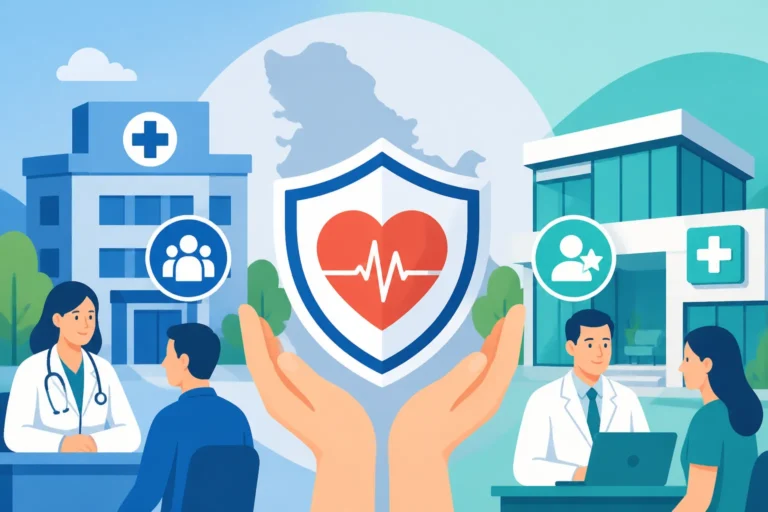
The downside, of course, is the cost. While generally lower than private healthcare in Western countries, it’s still a significant out-of-pocket expense, especially if you’re paying for everything yourself. A typical private GP visit might cost anywhere from 2,500 to 5,000 RSD, and specialist consultations can be higher. This is why many expats end up relying on a combination: RFZO for major, emergency, or chronic issues, and private clinics for convenience, speed, and language support. The choice between the two is a common expat dilemma, explored further in Public vs Private Healthcare in Serbia: What Expats Need to Know.
The Role of Private Health Insurance
For those who either aren't eligible for RFZO (e.g., tourists, some remote workers, or those waiting for residence permit approval) or simply want more comprehensive coverage and peace of mind, private health insurance becomes a crucial consideration.
Private health insurance in Serbia comes in a few forms:
- Local Private Plans: Many Serbian insurance companies offer private health insurance policies. These often cover a certain number of private doctor visits, diagnostics, and sometimes a portion of hospital costs in private facilities. They can act as a fantastic complement to your RFZO coverage, covering the participacija or providing access to faster private services.
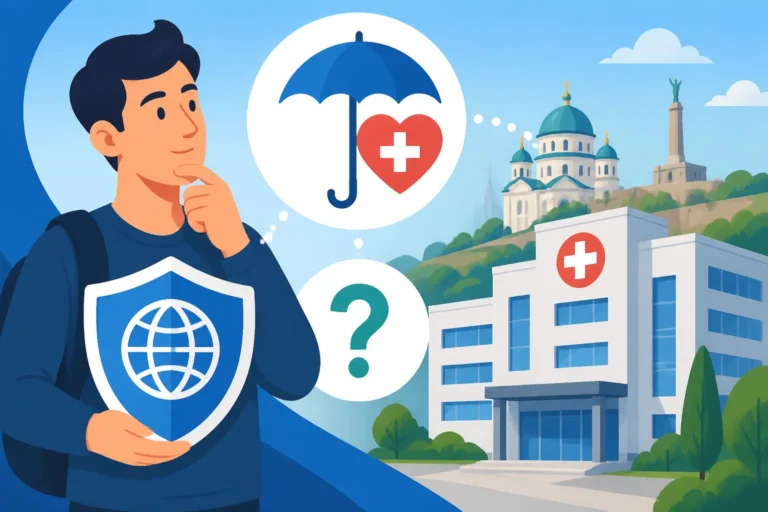
- International Health Insurance: For many expats, especially those who travel frequently or want coverage that extends beyond Serbia, international health insurance plans are popular. Companies like SafetyWing offer flexible travel and medical insurance designed for nomads and expats, which can be particularly useful in the initial period before you establish RFZO eligibility, or if your circumstances mean you're not covered by the public system at all. These plans provide a broader safety net and often include emergency evacuation, which can be invaluable.
- Employer-Provided Plans: Some international companies operating in Serbia offer private health insurance as part of their employee benefits package, which is a fantastic perk that helps bridge the gaps in public coverage.
Purchasing private health insurance means another monthly or annual payment, further underscoring that healthcare in Serbia isn't "free." Instead, it's about making informed choices to ensure you have the level of access and care that suits your needs and budget. For a practical guide on options, you might find Health Insurance in Serbia: RFZO, Private and International Options Explained helpful. If you're wondering about the financial commitment, then How Much Does Private Health Insurance Cost in Serbia in 2026? is a good read.
Who Really Gets "Free" Healthcare in Serbia?
While the general rule for residents is that healthcare involves either mandatory contributions or direct payments, there are indeed specific groups and situations where care is provided with minimal or no direct cost. It's important to differentiate these from the broad "free for residents" statement.
Specific Exemptions and Vulnerable Groups
The Serbian government recognizes the need to protect its most vulnerable citizens and ensure basic healthcare access for all. Therefore, certain categories of people are either fully exempt from co-payments or receive comprehensive public healthcare without direct contributions, usually funded by the state budget or through family members' contributions.
These include:
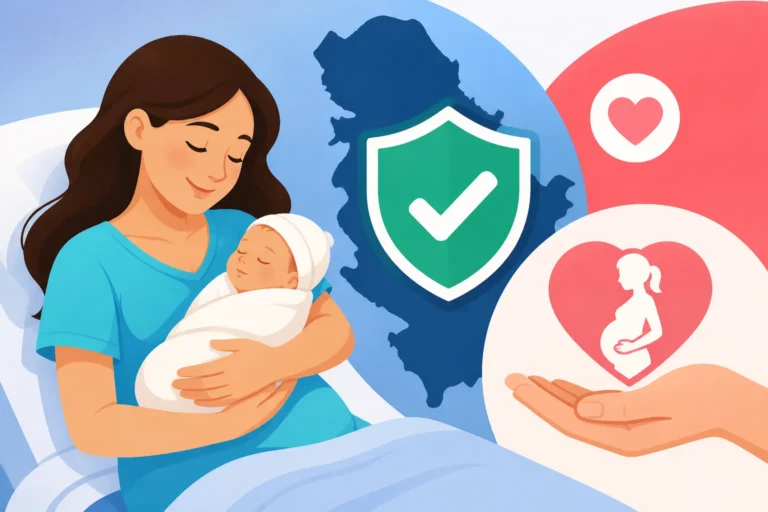
- Children and Youth: All children under 18 years of age are entitled to full public healthcare without co-payments. This also extends to students up to the age of 26, provided they are in full-time education. This is a huge relief for expat families, ensuring that your little ones have access to necessary medical attention, from routine check-ups to vaccinations, without direct cost. For new parents, knowing How Do I Register My Newborn for Healthcare in Serbia? is essential.
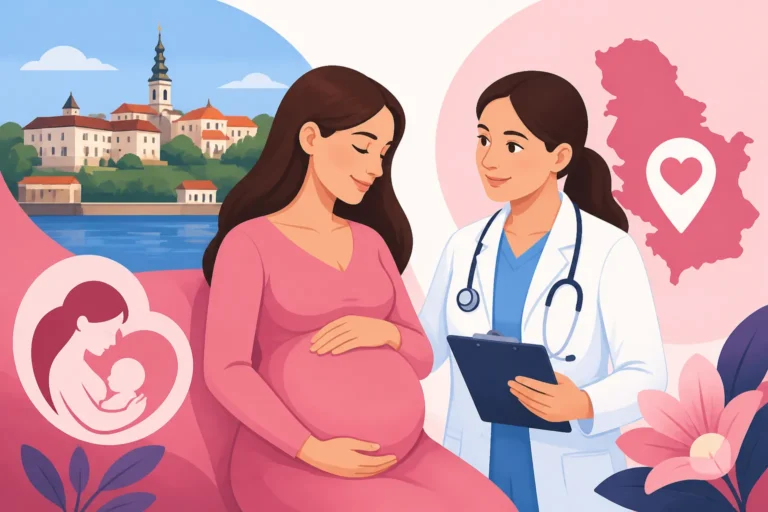
- Pregnant Women: Pregnancy-related care, including prenatal check-ups, childbirth (under the RFZO), and postnatal care, is typically covered without co-payments for all women, regardless of employment status, to encourage healthy pregnancies and births. Is Childbirth Free Under the RFZO in Serbia? gives more context on this.
- Certain Chronic Illnesses: Individuals diagnosed with specific severe chronic diseases, as defined by the RFZO, often receive their treatment and necessary medications with significant subsidies or complete exemption from co-payments.
- Emergency Cases: As we'll discuss next, genuine medical emergencies are treated regardless of your insurance status, at least initially.
- Pensioners and Unemployed Individuals (under certain conditions): Depending on their income and family status, some pensioners or unemployed individuals registered with the National Employment Service may have their contributions covered by the state or through family members, making their access effectively "free" at the point of use.
It's crucial to remember that even for these groups, while the financial barrier is removed or significantly reduced, the access is still through the public system, meaning they may still face the same challenges regarding wait times or language as any other RFZO member.
Emergency Care: A Special Case
In any country, a medical emergency is a situation where you need immediate attention, and Serbia is no different. If you find yourself in a life-threatening situation, or facing a serious injury, rest assured that you will receive emergency medical care. The Serbian healthcare system, like most civilized nations, prioritizes saving lives.
- Access Regardless of Insurance: In a genuine emergency, public hospitals and ambulance services (dial 194 for an ambulance) will treat you regardless of whether you are currently registered with the RFZO or have private health insurance. They won't ask for payment upfront when you're unconscious or bleeding. For details on how to react in such a situation, consult Emergency Medical Care in Serbia: What Every Expat Needs to Know and What Is the Emergency Phone Number in Serbia?.
- Post-Stabilization Billing: However, once your condition is stable and you are out of immediate danger, the financial aspect will come into play. If you are not an RFZO member or do not have valid private health insurance (local or international like SafetyWing, which often covers emergencies for travelers and expats), you will be billed for the services rendered. This could include ambulance transport, emergency room fees, diagnostic tests, medications, and any procedures performed. The costs can quickly add up, so having some form of coverage is always advisable, even for tourists.
- Tourists and Visitors: For tourists or those on short-term visits, international travel insurance is absolutely non-negotiable. While emergency care will be provided, the costs can be substantial if you're uninsured, and you'll be on the hook for them.
So, while immediate, life-saving care is effectively "free" at the point of need for everyone in an emergency, the subsequent costs can be significant if you lack proper insurance coverage.
To summarize the situation, here’s a quick overview of what to expect when it comes to healthcare costs in Serbia:
| Category | RFZO (Public) Coverage & Costs | Private Healthcare Costs |
|---|---|---|
| Mandatory Contributions | Yes, deducted from salary or paid by self-employed. | Not applicable, though private insurance is an additional cost. |
| GP Visits | Mostly covered, usually with a small co-payment (approx. 50-150 RSD). | Full fee (approx. 2,500 – 5,000 RSD+). |
| Specialist Visits | Mostly covered with referral, often with a co-payment (approx. 200-500 RSD), potential wait times. | Full fee (approx. 3,000 – 8,000 RSD+), quick appointments. |
| Prescription Meds | Partially subsidized (co-payment or percentage of cost). | Full price. |
| Diagnostic Tests | Mostly covered, may have co-payment, potential wait times. | Full fee, quick access. |
| Hospital Stays | Mostly covered, may have daily co-payment for non-emergencies. | Full fee, with options for private rooms and services. |
| Dental Care | Limited to basic extractions for adults, more for children. | Full fee for all services (can be affordable compared to other countries). |
| Emergency Care | Provided to all, but costs charged if uninsured after stabilization. | Covered if you have private insurance that includes emergency care. |
| Children (under 18) | Fully covered, no co-payments. | Covered if private insurance is purchased for them. |
| Pregnant Women | Fully covered for pregnancy-related care, no co-payments. | Covered if private insurance is purchased, or paid out-of-pocket. |
In conclusion, the idea that healthcare is "free" for residents in Serbia is a simplification that doesn't quite hold up to scrutiny for most expats. While the public system, funded by mandatory contributions to the RFZO, provides a solid foundation of care, out-of-pocket expenses in the form of co-payments are common. Furthermore, for speed, convenience, language services, or more comprehensive coverage (especially in areas like dental care), many expats find themselves relying heavily on the private healthcare sector, which comes with its own costs.
Understanding this blended system is key to navigating your health journey in Serbia successfully. It means planning for contributions, budgeting for potential co-payments, and seriously considering whether private health insurance makes sense for your specific situation. Don't go into it expecting a completely free ride, and you'll be much better prepared for the realities of medical care here. For a detailed roadmap on how to deal with all these aspects, you can always refer to Navigating the Serbian Healthcare System: An Expat's Roadmap (2027).
Disclaimer
The information provided in this guide is intended for general informational purposes only and does not constitute medical, legal, or financial advice. While we strive to keep the information accurate and up-to-date, healthcare regulations, policies, and costs in Serbia can change frequently. Always consult with a qualified healthcare professional, legal expert, or financial advisor for advice tailored to your specific situation. We strongly recommend verifying all details with official Serbian government sources, the RFZO, or reputable insurance providers before making any decisions related to your health or finances.