The Complete Guide to Healthcare in Serbia for Expats (2027)
Navigating the healthcare system in a new country is often one of the most daunting challenges expats face, and Serbia is no exception. Between the language barrier, unfamiliar administrative processes, and trying to understand the blend of public and private options, it’s easy to feel lost and overwhelmed when you just want to know you’ll be okay if you get sick. This comprehensive guide is here to break down everything you need to know about healthcare in Serbia for expats in 2026, offering clear, empathetic advice so you can make informed decisions about your health and well-being.
Understanding the Serbian Healthcare System: Public vs. Private
Let’s be honest, trying to figure out a new country’s healthcare system feels like learning a new language itself, doesn't it? Serbia's system, like many, has its quirks, but once you get the lay of the land, it becomes much more manageable. Essentially, you’re looking at two main avenues: the public system, funded by the state, and a burgeoning private sector. Many expats find themselves using a mix of both, which I often call the "hybrid approach," to get the best of both worlds. It’s all about understanding where each option shines and when to choose one over the other.
The Republic Health Insurance Fund (RFZO) – The Public Option
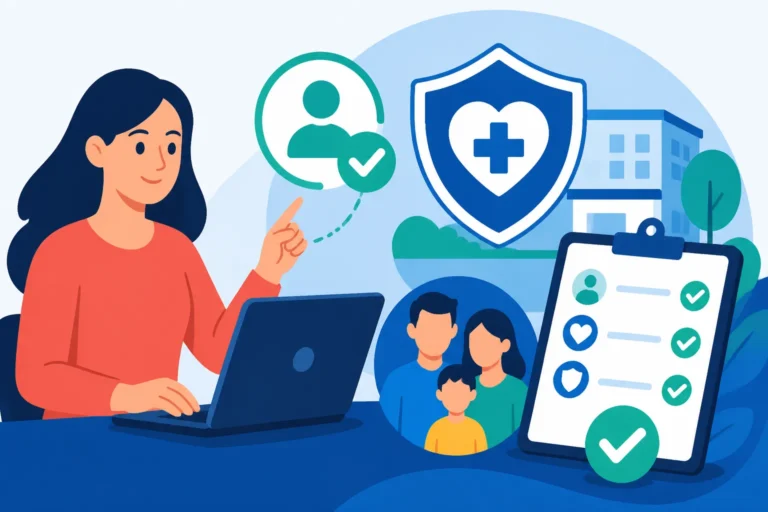
The cornerstone of Serbian public healthcare is the Republic Health Insurance Fund, or RFZO (Republički fond za zdravstveno osiguranje). This is the mandatory state-run insurance scheme that covers a wide range of medical services for those who contribute to it. If you're officially employed in Serbia, your employer will typically register you and deduct contributions from your salary, a process that can feel opaque but is vital. Once you’re in the system and have your health card (zdravstvena knjižica), you’ll generally have access to general practitioners, specialists (via referral), public hospitals, and prescription medications at subsidized prices.
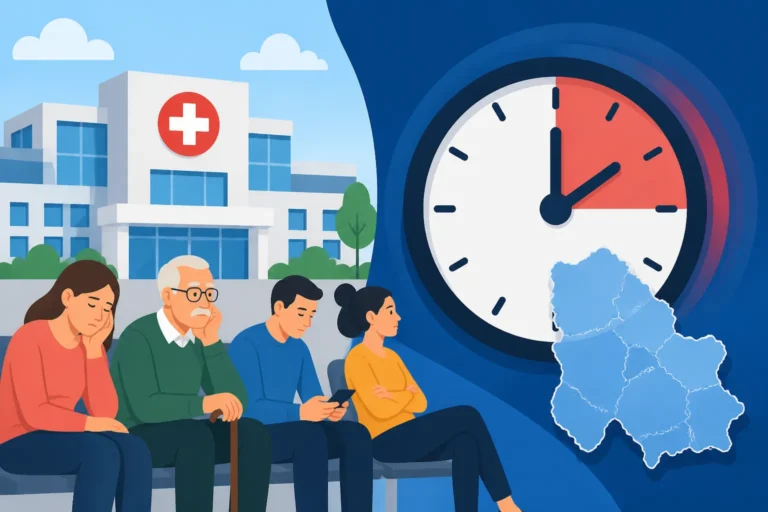
The RFZO system aims to provide universal healthcare, meaning it's designed to be accessible to everyone legally residing and contributing in Serbia. This is where most Serbians receive their care, and for many expats, it becomes their primary point of contact for routine check-ups, chronic condition management, and even emergency services. However, it's worth noting that while comprehensive, the public system can sometimes be slower, with longer wait times for specialist appointments or certain diagnostic procedures, especially in major cities like Belgrade. Understanding How Serbia's Health System Works: The RFZO and Private Care Explained (2026) is truly a deep dive into this.
One of the biggest advantages of the RFZO is the cost. Once you’re paying your monthly contributions, most services, from doctor visits to hospital stays, are heavily subsidized or free at the point of care, aside from small co-payments (participacija) for certain services or prescriptions. This can be a huge relief, especially if you’re coming from a country with high out-of-pocket expenses. However, the administrative side can be a bit of a hurdle – lots of paperwork, queues, and sometimes a lack of English-speaking staff, which is where a local friend or a Serbian language app can be your best companion.
Navigating Private Healthcare Providers
On the flip side, Serbia has a vibrant and ever-growing private healthcare sector. This includes private clinics, hospitals, and specialist practices that operate independently of the RFZO. The private system often offers shorter wait times, state-of-the-art equipment, more comfortable facilities, and a higher likelihood of finding English-speaking staff. Major private hospital groups like Medigroup and Euromedik have multiple locations across Belgrade and Novi Sad, offering everything from general practice to complex surgeries.
Many expats initially gravitate towards private clinics because they often mirror the kind of service they might be used to from back home: appointments are usually punctual, communication is smoother, and the overall patient experience can feel less bureaucratic. You pay directly for these services, either out-of-pocket or through a private health insurance policy. While it’s certainly more expensive than the public option, the convenience and comfort can be worth the extra cost for many, especially for non-urgent matters where time is of the essence.
The downside, of course, is the price. A single consultation with a specialist in a private clinic can range anywhere from 3,000 RSD to 8,000 RSD or more, depending on the speciality and the clinic's reputation. Procedures, tests, and surgeries can quickly add up to significant sums. This is why many expats choose to combine private care with public coverage, using the private sector for convenience and faster access to diagnostics, while relying on the RFZO for more substantial or long-term treatments if they're registered. For a detailed comparison, you might want to read Public vs Private Healthcare in Serbia: What Expats Need to Know.
The Hybrid Approach: Combining Both
So, what’s this hybrid approach I mentioned? It’s simply smart expat living. Many foreigners, once they've navigated the initial steps of registration, find that combining public and private healthcare gives them the best possible coverage and experience in Serbia. For example, if you’re employed and registered with the RFZO, you have that baseline safety net for major health issues, chronic conditions, and subsidized medications. You also have access to your Izabrani Lekar (selected doctor) at your local Dom Zdravlja for routine check-ups and basic care.
However, when you need to see a specialist quickly, or perhaps prefer a specific doctor with whom you can communicate easily in English, then you might opt for a private clinic. This means paying out-of-pocket or using your private insurance for that particular visit. This allows you to avoid potentially long waiting lists in the public system for non-urgent specialist appointments, or to get a second opinion with greater ease. For example, if you have a nagging knee pain, you might first visit your public GP to get a referral, but then, if the wait for the public orthopedist is months, you could go to a private orthopedist for a quicker diagnosis and treatment plan.
This flexibility is key. You're not locked into one system. You can get your blood tests done at a private lab for speed, but then take the results to your public GP for interpretation and further referrals, utilizing the RFZO's lower costs for subsequent treatments. It truly empowers you to tailor your healthcare experience to your needs, budget, and time constraints. This strategic mix can alleviate a lot of the stress that comes with needing medical attention in a foreign land.
Eligibility and Registration for Public Healthcare (RFZO)
Okay, so you’ve heard about the RFZO and how it can be a great safety net. Now, the million-dinar question: can you actually get into it? For expats, eligibility for Serbia's public health insurance isn't always straightforward, but it's crucial to understand. Getting registered is often tied directly to your legal residence status and employment in the country. It’s not something you can just walk into and sign up for without meeting specific criteria, and believe me, the bureaucracy can feel like a maze, but it’s entirely navigable with a bit of patience and preparation.
Who is Eligible for RFZO Coverage?
Generally speaking, you become eligible for RFZO coverage if you are legally employed in Serbia. This means your employer is making mandatory social security contributions on your behalf, which include health insurance. If you're a preduzetnik (entrepreneur/sole trader) and legally registered in Serbia, you will also be required to pay contributions and become eligible. Students enrolled in accredited Serbian educational institutions, and even family members of eligible expats (spouses, children) under certain conditions, can also be included.
However, if you're living in Serbia on a temporary residence permit not tied to employment (e.g., as a digital nomad without registering as a preduzetnik, or for property ownership without local employment), you generally won't automatically qualify for the RFZO. In these cases, you’ll need to rely on private health insurance or pay for all services out-of-pocket. It’s a common point of confusion, so always clarify your specific status with the MUP (Ministry of Interior) and the RFZO when you first arrive. Don't assume anything, as rules can sometimes change or have nuanced interpretations depending on your specific residence grounds.
The Step-by-Step RFZO Registration Process
Once you’re eligible, the actual registration process involves a few steps, often initiated by your employer if you’re formally employed. If you're self-employed, it falls on you. First, you'll need to secure your temporary residence permit (privremeni boravak) and often your work permit (radna dozvola) if applicable. These documents are fundamental. Next, your employer will register you with the Central Registry of Compulsory Social Insurance (CROSO), which then automatically links you to the RFZO. You’ll receive a broj zdravstvenog osiguranja (health insurance number).
After this, you'll need to visit a local RFZO branch office (filijala RFZO) to collect your health card (zdravstvena knjižica or kartica zdravstvenog osiguranja). This is where the real Serbian bureaucratic adventure often begins! You'll need your passport, your residence permit, proof of employment/contributions, and sometimes a filled-out application form. Be prepared for potential waiting times and ensure you have all original documents plus photocopies. Having a Serbian-speaking friend or colleague accompany you can make this process immeasurably smoother. It’s not uncommon to need multiple visits to get everything sorted. To dive deeper into this, check out How to Register with the Republic Health Insurance Fund (RFZO) in Serbia.
Remember, the health card is your golden ticket to public healthcare services. Without it, even if your contributions are being paid, you might face delays or be asked to pay for services upfront. Keep it safe and always have it with you when attending medical appointments. Renewing your health card or updating your information also requires a visit to the RFZO, so it’s a continuous administrative dance you’ll become familiar with over time.
Mandatory Health Insurance Contributions for Expats
As an expat working legally in Serbia, you’ll be contributing to the RFZO system through mandatory deductions from your gross salary. These contributions are part of a broader social security package that also includes pension and unemployment insurance. The percentage rates are set by the government and are applied to your gross salary. While these deductions might feel like a bite out of your paycheck, remember they are what grant you access to the public healthcare system.
For instance, the health insurance contribution rate for employees in Serbia is typically 10.3% of your gross salary. For self-employed individuals (like preduzetnici), the calculation can be more complex, often based on a lump-sum (paušal) taxation regime or a percentage of a calculated base, varying by profession and municipality. Understanding Mandatory Health Insurance Contributions in Serbia is key for budgeting and knowing your rights.
It’s essential to understand that these contributions are compulsory. There’s no opting out of the RFZO if you’re legally employed or registered as a self-employed person in Serbia. These funds directly support the public healthcare infrastructure, from the local Dom Zdravlja to the large university hospitals like Klinički Centar Srbije in Belgrade. While the system isn't perfect, these contributions ensure that basic and essential medical care remains accessible, which is a fundamental aspect of living and working here.
Finding a General Practitioner (GP) and Accessing Primary Care
Once you're all set with your RFZO health card, your next crucial step is to choose your Izabrani Lekar – your selected doctor. This is your gateway to primary healthcare in Serbia and is a fundamental part of navigating the public system. Without an assigned GP, you won't be able to access specialist referrals or many other public health services. It can feel a bit like dating, trying to find the right fit, but it's a necessary part of settling in.
Choosing Your Izabrani Lekar (Selected Doctor)
Your Izabrani Lekar is essentially your primary care physician within the public health system. They will be based at a Dom Zdravlja (health centre) in your municipality. The process of choosing one involves visiting your local Dom Zdravlja and officially registering with a doctor there. You'll typically be asked to fill out a form, stating your preference for a general practitioner (or a paediatrician for children, or gynaecologist for women). It's important to choose a Dom Zdravlja that is convenient to your home or work, as this will be your main point of contact for most routine medical needs.
While you can often choose from a list of available doctors, the reality for expats sometimes means taking whoever has an opening, especially if you have language requirements. However, it's perfectly acceptable to inquire if any doctors speak English. Don't be shy! Having a GP who understands you (and vice versa) without a translator makes a world of difference. You can switch your Izabrani Lekar once a year, so if your first choice isn't working out, you're not stuck. For a comprehensive guide on this, refer to How to Choose a GP (Izabrani Lekar) at a Dom Zdravlja in Serbia.
This GP will manage your general health, issue prescriptions, provide basic medical advice, and, most importantly, provide referrals to specialists within the public system. They become your medical home, someone who gets to know your health history, which is invaluable for continuity of care in a new country. So, invest a little time in this decision; it will pay dividends in your peace of mind.
What to Expect at a Dom Zdravlja (Health Centre)
A Dom Zdravlja is more than just a doctor's office; it's a community health centre that houses multiple general practitioners, paediatricians, gynaecologists, dentists (sometimes), nurses, and often small labs for basic blood tests. They are spread throughout every municipality in Serbia, ensuring accessible primary care. When you visit your Dom Zdravlja for an appointment with your Izabrani Lekar, expect a waiting room experience that might feel different from what you're used to.
Appointments are often scheduled, but walk-ins for acute issues are also common, meaning wait times can sometimes be unpredictable, even with an appointment. Don't be surprised if your appointment runs a little late; strpljenje (patience) is a virtue here. The facilities can vary greatly – some are quite modern, especially in central Belgrade, while others might feel a bit dated. However, the medical care provided is generally competent, and the doctors are well-trained.
When you arrive, you’ll typically present your health card (zdravstvena knjižica) at the reception, often a small window, before being directed to your doctor's waiting room. Remember to bring any previous medical records or a list of current medications, especially if it’s your first visit. While staff might not always speak fluent English, they are usually helpful, and a little effort on your part with basic Serbian phrases will be much appreciated.
Getting Prescriptions and Referrals
Your Izabrani Lekar is the gatekeeper for prescriptions and specialist referrals within the RFZO system. If you need medication, your GP will write a prescription (recept) which you then take to a pharmacy. For RFZO-covered medications, you'll often pay a small co-payment, or participacija, with the rest covered by your insurance. Always clarify if a medication is fully covered or if there's a significant co-payment.
When it comes to specialist care, you must have a referral (uput) from your Izabrani Lekar to see a public specialist. This referral will specify the type of specialist you need to see (e.g., cardiologist, dermatologist) and often the public hospital or clinic where you should go. Without this uput, you won't be able to book an appointment with a public specialist, and you'll be directed back to your GP. This system helps manage the flow of patients and ensures that primary care physicians are the first point of contact for most health concerns. It’s a bit of a maze sometimes, but it’s designed to be efficient for the system as a whole.
This process ensures that you’re not self-diagnosing and jumping to specialists unnecessarily, but it can also lead to delays if you need urgent specialist attention. This is often where expats will weigh the benefits of going private for quicker access to a specialist without the need for an uput and potentially lengthy public waiting lists. For more on this, check out Prescription Medications and Pharmacies in Serbia: The Complete Guide.
Specialist Care and Hospital Services
Once your GP has given you that all-important referral, or if you decide to go the private route, you'll find yourself navigating specialist clinics and hospitals. This is often where the most significant differences between the public and private systems become apparent, and where expats truly start weighing convenience against cost.
How to Get a Referral to a Specialist
As I mentioned, getting a referral (uput) from your Izabrani Lekar is the standard procedure for accessing specialist care within the public RFZO system. Your GP will assess your condition and, if deemed necessary, issue a written referral for you to see a specific type of specialist – perhaps an orthopedist for bone issues, an endocrinologist for hormonal imbalances, or a dermatologist for skin problems. This referral is valid for a certain period, and you'll need to use it to book your appointment at a public hospital or specialized clinic.
Once you have the referral, the next step is to call or visit the relevant public institution (e.g., the outpatient clinic of a specific hospital) to schedule your appointment. This can be challenging. Appointment booking systems vary, waiting lists can be long, and language barriers might again pop up. It’s advisable to have the exact name of the specialist department or hospital written down, and if possible, enlist a Serbian speaker to help you make the call. Knowing How to Access Specialist Care Through the RFZO in Serbia can really help demystify this step.
If you opt for private care, the referral system is much more relaxed. You can usually call a private clinic directly and book an appointment with the specialist of your choice without an uput. This offers speed and convenience, but remember, you’ll be paying for the consultation directly unless your private insurance covers it. This flexibility is often cited as a major reason why expats choose private options for specialist visits.
Public Hospitals: Wait Times and Quality
Serbia's public hospitals form the backbone of the country's secondary and tertiary care. Institutions like Klinički Centar Srbije in Belgrade (one of the largest hospital complexes in Europe) are impressive in scale, offering a vast array of medical departments and services. These hospitals handle everything from routine surgeries to complex, life-saving procedures. The quality of medical professionals in Serbia is generally high, with many doctors trained to international standards, but the infrastructure and equipment can sometimes be a mixed bag compared to Western European or North American facilities.
The main challenge for expats using public hospitals is often the wait times. For non-urgent specialist appointments or elective surgeries, waiting lists can stretch for weeks or even months. This can be particularly frustrating if you’re used to more immediate access to care. Emergency departments, however, operate on a triage system, meaning severe cases are always prioritized, regardless of waiting times for less critical issues. Understanding Hospital Admission and Billing in Serbia will be useful here.
While the care itself is often very good, the sheer volume of patients, older facilities, and occasional staff shortages can make the public hospital experience feel overwhelming or impersonal. Communication can also be tricky if you don't speak Serbian, as not all staff will be fluent in English, especially outside of major cities. If you anticipate a lengthy stay, consider bringing an interpreter or a highly detailed translation app, or preparing key phrases in advance.
Private Hospitals and Clinics: Faster Access and Amenities
The private hospital sector in Serbia has seen significant investment and growth in recent years. Chains like Medigroup, Euromedik, and Acibadem Bel Medic offer modern facilities, advanced diagnostic equipment, comfortable private rooms, and a strong focus on patient experience. For expats, these private hospitals often provide a level of service and convenience that closely matches what they might expect from their home countries.
The most appealing aspect of private hospitals is the drastically reduced wait times. You can often get an appointment with a specialist within days, sometimes even on the same day, and elective procedures can be scheduled much faster. English-speaking staff are far more common, making communication less stressful. For example, if you need an MRI or a specific blood test, a private clinic can usually accommodate you immediately, whereas the public system might have a multi-week backlog.
Of course, this premium service comes at a premium price. Consultations, diagnostic tests, surgeries, and hospital stays are significantly more expensive than their public counterparts. This is why having comprehensive private health insurance is often essential for expats who plan to utilize private facilities regularly. While private options offer unparalleled convenience and comfort, it's crucial to understand the cost implications before committing to treatment.
Health Insurance Options for Expats in Serbia
So, you’ve got the lay of the land regarding public and private healthcare. Now, how do you pay for it all? For expats in Serbia, understanding your health insurance options is paramount. It’s not just about covering emergencies; it’s about peace of mind for routine care, specialist visits, and everything in between. You have a few choices, each with its own advantages and considerations, depending on your residence status and financial situation. Health Insurance in Serbia: RFZO, Private and International Options Explained is a must-read for anyone new here.
Private Health Insurance Plans: A Deeper Dive
For those not eligible for RFZO coverage (like certain digital nomads or those on a non-employment-based residence permit), or for expats who want faster access and higher comfort, private health insurance in Serbia is the way to go. Several local and international insurance providers offer plans specifically designed for foreigners living here. These plans typically cover a range of services, including GP visits, specialist consultations, diagnostic tests, hospital stays, and sometimes even dental and optical care, depending on the policy.
When choosing a private plan, it's crucial to read the fine print. Look for policies that offer direct billing with major private clinics and hospitals in Belgrade and Novi Sad, as this saves you the hassle of paying upfront and claiming reimbursement later. Pay attention to deductibles, co-payments, annual limits, and any exclusions (e.g., pre-existing conditions). Some popular local providers include Uniqa, Generali, and Dunav Osiguranje, which offer a variety of packages. How to Buy Private Health Insurance as a Newcomer in Serbia provides an excellent walkthrough.
The cost of private health insurance varies widely based on your age, health status, the level of coverage, and the chosen provider. Expect to pay anywhere from €300 to €1500+ per year for a decent comprehensive plan. While it's an added expense, the ability to bypass public system wait times and access modern private facilities quickly often makes it a worthwhile investment for many expats who prioritize convenience and faster care.
International Health Insurance: What to Consider
For some expats, especially those who travel frequently or anticipate moving to other countries in the future, an international health insurance plan might be a better fit. These plans offer global coverage, meaning you’re covered not only in Serbia but also when you visit your home country or travel to other destinations. This can be incredibly convenient for those with a truly mobile lifestyle. Companies like Cigna Global, Bupa Global, and Allianz Care are well-known international providers.
International plans often come with a higher price tag than local Serbian private insurance, but they offer unparalleled flexibility and usually very comprehensive benefits. They are particularly useful if you prefer to have the option of seeking treatment outside of Serbia for specific conditions or second opinions. When considering an international plan, check if it has a direct billing network within Serbia or if you'll need to pay and claim. Also, ensure the coverage limits are sufficient for potential high-cost treatments.
For new arrivals who might not yet have their long-term residence sorted, or those on short-term stays, providers like SafetyWing offer flexible travel medical insurance that can bridge the gap. While not a full-fledged international health insurance, it provides coverage for unexpected illnesses and accidents, which is crucial when you’re just getting your bearings. This can be a smart choice to ensure you're not left exposed during the initial period of settling in.
Short-Term and Travel Insurance for New Arrivals
If you’re just arriving in Serbia or are still in the process of securing your long-term residence permit and RFZO eligibility, short-term travel insurance is an absolute must. Many temporary residence applications even require proof of health insurance. This type of policy primarily covers emergency medical care for sudden illness or injury, and often includes medical evacuation or repatriation, which can be incredibly costly without insurance.
Don’t make the mistake of thinking "it won’t happen to me." A simple accident, a sudden appendicitis, or a bad bout of food poisoning can quickly rack up thousands of euros in medical bills, even in Serbia. A short-term policy offers crucial protection during this vulnerable initial phase. These policies are generally much more affordable than comprehensive private health insurance, as they focus on acute, unexpected events rather than routine care or pre-existing conditions.
Many standard travel insurance policies will suffice, but make sure they explicitly cover your stay in Serbia. For those who anticipate a longer "travel" phase before settling, as mentioned, providers like SafetyWing offer monthly renewable plans that are designed for digital nomads and long-term travelers, ensuring continuous coverage without commitment to a full annual policy. It’s always better to be over-insured than under-insured when you’re in a new country.
Emergency Medical Care in Serbia
No one wants to think about emergencies, but knowing what to do when one strikes in a foreign country can literally be a lifesaver. Serbia has a functional emergency medical system, but the process and expectations might differ from what you’re accustomed to. Being prepared with the right information and knowing who to call can make all the difference when seconds count.
Understanding Emergency Numbers and Ambulance Services
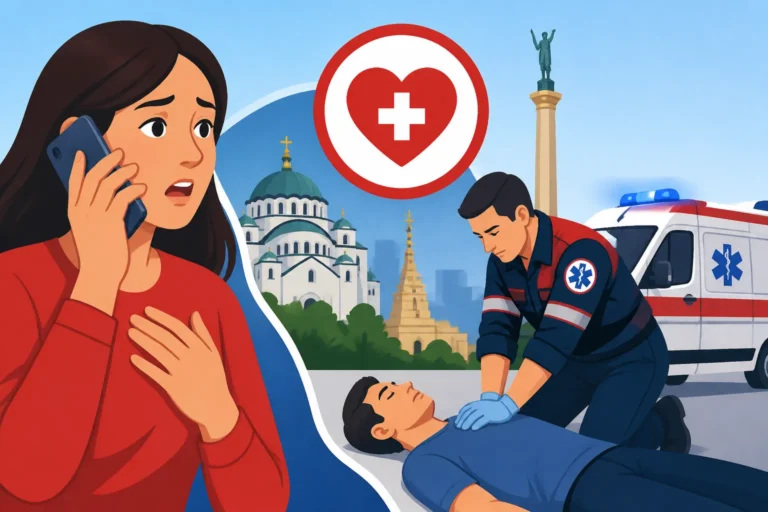
In Serbia, the primary emergency number for an ambulance (Hitna Pomoć) is 194. This number directly connects you to emergency medical services. For a general pan-European emergency number, you can also dial 112, which connects to a central dispatch for police, fire, and ambulance services. In a medical emergency, however, 194 is often the most direct route for an ambulance.
When you call, try to remain calm and speak clearly. State your location (address, nearest landmark), the nature of the emergency, and if possible, the patient's condition. If you don't speak Serbian, try to have a Serbian speaker make the call or be prepared to use simple, universal terms. English-speaking dispatchers are not guaranteed, especially outside of Belgrade. The ambulance service (Hitna Pomoć) is equipped to provide immediate medical assistance and transport patients to the nearest appropriate hospital emergency department (Urgentni Centar).
It's important to differentiate between calling an ambulance and simply going to an emergency room. An ambulance is for true medical emergencies where immediate pre-hospital care and rapid transport are critical (e.g., severe injury, chest pain, stroke symptoms). For less severe but urgent issues (e.g., high fever, minor fracture), you might consider going directly to a public or private emergency clinic if you can arrange transport. For more details on this, see Emergency Medical Care in Serbia: What Every Expat Needs to Know.
What to Do in a Medical Emergency
In a genuine medical emergency, the first step is to call 194. If you're with someone, have them call while you attend to the patient if possible. Give a clear, concise description of the situation. While waiting for the ambulance, try to keep the patient calm and comfortable. Have their passport, health insurance details (RFZO card or private insurance information), and a list of any known medical conditions or allergies readily available.
Upon arrival at the emergency department (Urgentni Centar), you'll go through a triage process. Patients with life-threatening conditions will be seen first, regardless of when they arrived. Be prepared for potentially long waits if your condition is not deemed critical, especially in public hospitals. The staff will stabilize the patient and conduct initial assessments and diagnostics. Again, language can be a barrier here, so if you have a Serbian-speaking friend, this is the time to call them.
If you have private health insurance that covers emergencies, notify your insurance provider as soon as it's safe to do so. They may have specific procedures for hospital admissions or preferred facilities. Many private hospitals also have their own emergency departments or urgent care clinics that can offer faster service, but always confirm their capabilities for serious emergencies.
Emergency Care for Uninsured or Newly Arrived Expats
This is where things can get stressful if you're not prepared. If you're uninsured or newly arrived without proper health coverage and face a medical emergency, you will still receive care. Serbian law ensures that emergency medical treatment is provided to anyone in need, regardless of their insurance status. However, once the immediate danger has passed, you will be liable for the full cost of all services rendered.
Public hospitals will treat you, but you will receive a bill for everything, from the ambulance ride to diagnostics, medications, and any procedures or hospital stays. These costs, while potentially lower than in some Western countries, can still quickly add up to significant sums, causing immense financial strain. This is precisely why short-term travel insurance or adequate private coverage for new arrivals is non-negotiable.
If you find yourself in this situation, communicate openly with the hospital's administrative staff about your insurance status. They might be able to help you understand the billing process or payment options. But seriously, avoid this predicament at all costs. Get at least basic emergency medical coverage from day one in Serbia.
Specific Healthcare Needs for Expat Families
Moving to Serbia with a family adds another layer of complexity to healthcare navigation. From maternity care to paediatric visits and ensuring your child's vaccinations are up to date, there are specific considerations that require careful planning. It's not just about your own health anymore; it's about the well-being of your entire family.
Maternity and Prenatal Care Options
For expectant expat parents, Serbia offers both public and private options for maternity and prenatal care. The public system, covered by the RFZO, provides comprehensive prenatal check-ups, childbirth services, and postnatal care. You would typically register with a gynaecologist at your local Dom Zdravlja who would oversee your pregnancy. Public hospitals like Narodni Front or Višegradska in Belgrade are major maternity hospitals known for their experienced staff. Understanding Maternity and Prenatal Care in Serbia is a crucial resource.
However, the public system can sometimes feel impersonal, and facilities might not always be as modern as one might hope. Language barriers can also be particularly stressful during such a sensitive time. Many expat families, therefore, opt for private gynaecologists and private maternity hospitals for a more personalized experience, better facilities, and guaranteed English-speaking staff. Private hospitals such as Bel Medic offer modern birthing suites, private rooms, and a higher doctor-to-patient ratio.
Choosing between public and private maternity care often comes down to budget, language comfort, and personal preferences regarding birth experience. If you opt for private care, ensure your private health insurance policy includes comprehensive maternity coverage, as this is often an add-on or has a waiting period. It's a significant financial investment but provides a high level of comfort and control for many.
Paediatric Care and Childhood Vaccinations
If you have children, finding a reliable paediatrician (pedijatar) is a top priority. Within the RFZO system, you'll choose a paediatrician at your local Dom Zdravlja for your children, much like selecting your own GP. These paediatricians will handle routine check-ups, manage childhood illnesses, and administer childhood vaccinations according to the Serbian national vaccination schedule. Understanding Childhood Vaccination Schedules in Serbia is essential for compliance.
Serbia has a robust national vaccination program, and it's generally mandatory for children to receive certain vaccines to attend public schools or kindergartens. Ensure you bring your child's vaccination records from your home country so the Serbian paediatrician can integrate them into the local system and advise on any necessary catch-up vaccines.
For private paediatric care, many private clinics offer dedicated children's departments with English-speaking paediatricians. This is often favored by expat parents for the shorter wait times, private facilities, and easier communication. The choice again depends on your comfort with the public system and whether your private insurance covers paediatric care. It's worth noting that many paediatricians in both public and private sectors are excellent and deeply caring.
Dental and Mental Health Services
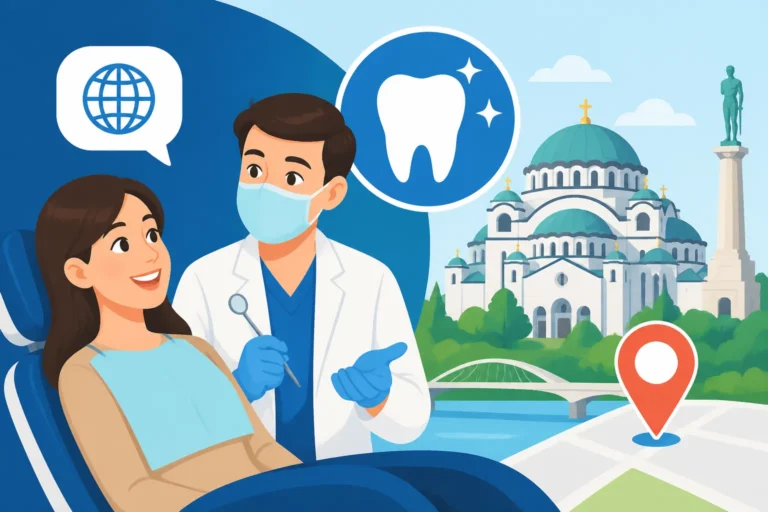
Dental care in Serbia is a mixed bag when it comes to insurance. While some basic dental services are theoretically covered by the RFZO (primarily for children and some emergency procedures for adults), most expats find that routine adult dental care, including fillings, cleanings, and cosmetic work, requires out-of-pocket payment or private dental insurance. The good news is that private dental clinics in Serbia are plentiful, modern, and often significantly more affordable than in many Western countries, making Serbia a popular destination for "dental tourism." Understanding Dental Care Costs in Serbia can help you budget.
For mental health services, the public system offers psychiatric care through hospitals and specialized clinics, accessible via referral from your GP. However, finding English-speaking therapists or counsellors within the public system can be very challenging. The private sector, particularly in Belgrade and Novi Sad, has a growing number of English-speaking psychologists, psychotherapists, and counsellors. These services are almost exclusively paid for privately, either out-of-pocket or through comprehensive private health insurance plans that include mental health coverage. How to Access Mental Health Services in Serbia as an Expat is a guide that can help you find suitable support.
It's vital to prioritize mental health, especially when adjusting to life in a new country. Don't hesitate to seek support, even if it means investing in private sessions. The cultural shift and administrative hurdles can take a toll, and having professional help available in your native language can be incredibly beneficial.
The Cost of Healthcare in Serbia for Foreigners
Money talks, and when it comes to healthcare, understanding the financial implications is critical for expats in Serbia. While Serbia is generally considered a more affordable country, medical costs can still add up, especially if you rely heavily on the private sector or are caught without proper insurance. Transparency about costs can sometimes be a challenge, so a proactive approach to budgeting and understanding billing is key. A complete breakdown can be found in The Cost of Healthcare in Serbia: A Complete Breakdown for Foreigners (2026).
Out-of-Pocket Costs and Co-payments
Even if you're fully covered by the RFZO, you'll still encounter participacija, which are small co-payments for certain services, medications, or diagnostic tests. These are generally nominal fees (e.g., 50 RSD to 500 RSD) designed to cover a small portion of the service cost. For example, a doctor's visit or a basic blood test might incur a small co-payment, but a hospital stay is usually fully covered after your contributions. These co-payments are standard and not something to worry much about in terms of budget, but they are an important part of the public system.
For private healthcare, everything is an out-of-pocket cost unless directly covered by your private insurance. A general practitioner visit at a private clinic typically ranges from 3,000 to 5,000 RSD. Specialist consultations can be anywhere from 4,000 to 8,000 RSD. Diagnostic tests like an ultrasound might cost 5,000-10,000 RSD, and an MRI could be 15,000-30,000+ RSD, depending on the body part and clinic. These costs add up quickly, so always ask for a price estimate upfront, especially for procedures or complex diagnostics.
It's also worth noting that if you use the RFZO, but don't have your health card with you, you may be asked to pay the full price for the service and then seek reimbursement from the RFZO later – a bureaucratic headache no one wants. Always carry your health card.
Understanding Medication Costs and Pharmacy System
Serbia has a well-developed pharmacy system, and most medications are readily available. Pharmacies (apoteka) are ubiquitous, especially in urban areas, and many operate 24/7. When you have an RFZO prescription, you take it to any pharmacy. The pharmacist will check your health card and the prescription, and you’ll pay any applicable co-payment. Generic medications are widely available and often prescribed, keeping costs down. For a deeper look at this system, check out Prescription Medications and Pharmacies in Serbia: The Complete Guide.
For medications not covered by the RFZO, or if you don't have RFZO coverage, you'll pay the full retail price. Even at full price, many medications, especially over-the-counter drugs and basic antibiotics, can be quite affordable compared to Western countries. However, specialized or newer medications might still be expensive, just like anywhere else. Always clarify with your doctor or pharmacist what the full cost would be if you’re not covered.
It’s generally not possible to buy prescription-only medications without a doctor’s prescription in Serbia, especially antibiotics. While some smaller, independent pharmacies might bend the rules for certain non-controlled substances, it’s not advisable and could lead to issues. Stick to obtaining a proper prescription from a licensed doctor.
Cost Comparison: Public vs. Private Services
To give you a clearer picture, here’s a quick overview of how the costs can compare:
| Service | RFZO (Public) Cost (with contributions) | Private Clinic/Hospital Cost (out-of-pocket) | Notes |
|---|---|---|---|
| GP Visit | Minimal co-payment (e.g., 50-150 RSD) | 3,000 – 5,000 RSD | RFZO requires GP registration. Private offers faster appointments. |
| Specialist Consultation | Minimal co-payment (e.g., 200-500 RSD) | 4,000 – 8,000 RSD | RFZO requires GP referral and long wait times. Private offers direct booking. |
| Basic Blood Test | Minimal co-payment | 2,000 – 5,000 RSD | RFZO at Dom Zdravlja. Private labs offer faster results. |
| Ultrasound (e.g., abdomen) | Minimal co-payment | 5,000 – 10,000 RSD | RFZO requires referral, potential wait. Private offers quick booking. |
| MRI Scan | Minimal co-payment | 15,000 – 30,000+ RSD | RFZO has significant wait lists. Private is much faster but costly. |
| Dental Cleaning | Not usually covered for adults | 3,000 – 6,000 RSD | Very affordable privately compared to Western countries. |
| Standard Hospital Stay (per night) | Mostly covered by contributions | 15,000 – 30,000+ RSD (excluding procedures) | RFZO for emergencies/referred treatments. Private offers more comfort/amenities. |
| Ambulance Service | Minimal co-payment (if RFZO insured) | 5,000 – 10,000+ RSD (if uninsured) | RFZO covers emergencies. Uninsured will pay full cost. |
Note: All prices are approximate and can vary based on location, specific clinic, and complexity of service in 2026.
This table highlights why many expats registered with RFZO still opt for private services when convenience and speed are paramount, and why comprehensive private insurance is a smart move if you want to avoid significant out-of-pocket expenses for private care. It’s all about balancing your needs with your budget and understanding what each system offers.
Disclaimer
The information provided in this guide is intended for general informational purposes only and does not constitute medical, legal, or financial advice. While we strive to keep the information accurate and up-to-date, healthcare systems, regulations, and costs in Serbia are subject to change. Always consult with qualified professionals (e.g., medical doctors, legal advisors, insurance agents) for advice tailored to your specific situation. Reliance on any information in this guide is solely at your own risk.