Is Mental Healthcare Affordable in Serbia?
Moving to a new country like Serbia, with its vibrant culture and unique rhythm, is an incredible adventure. But let's be real – the excitement often comes hand-in-hand with stress, loneliness, and the invisible weight of adjusting to an entirely new life. Many expats find themselves asking, "Is mental healthcare affordable in Serbia?" This guide aims to shed light on exactly that, breaking down the costs and options so you can prioritize your well-being without financial surprises.
Understanding the Landscape of Mental Healthcare in Serbia
Navigating any healthcare system in a new country is a labyrinth, and mental healthcare is no exception. In Serbia, you'll primarily encounter two distinct paths: the public system, anchored by the Republic Health Insurance Fund (RFZO), and the ever-growing private sector. Each has its own nuances, cost implications, and levels of accessibility, especially for us foreigners.
Public Mental Healthcare: The RFZO Route
When you first arrive and get settled, especially if you're employed or registered as an entrepreneur, you’ll likely become a contributor to the RFZO. This public health insurance is your gateway to many services, including mental healthcare, though it's important to understand its limitations. To properly understand your entitlements, you might want to read The Complete Guide to Healthcare in Serbia for Expats (2027).
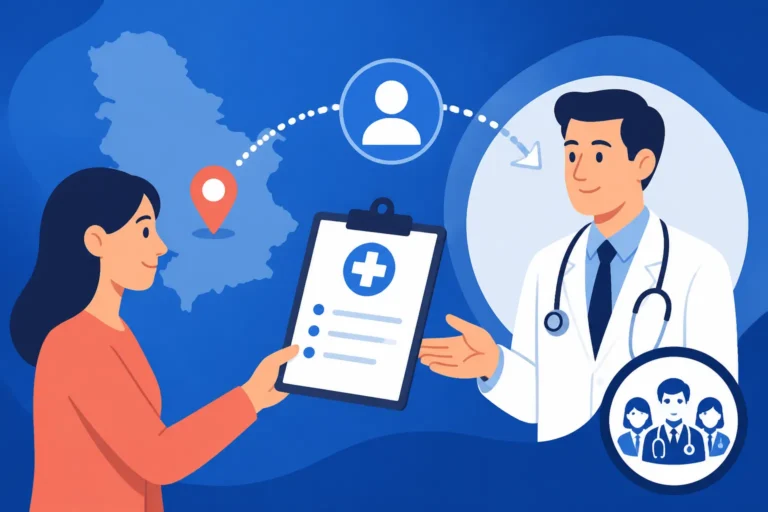
Accessing public mental healthcare typically starts with your chosen general practitioner (GP) at a Dom Zdravlja, which is a local health center. You’d go to them first, explain your symptoms or feelings, and they would then provide a referral to a psychiatrist or psychologist within the public system. This is similar to how many other specialist referrals work, as detailed in How Specialist and Hospital Referrals Work in Serbia. The good news is that if you're fully covered by RFZO, the cost of these consultations and some medications is generally very low, often just a nominal co-payment. However, the downside can be significant wait times, limited availability of English-speaking professionals, and a system that might feel less focused on ongoing talk therapy compared to a more medical, diagnostic approach. For severe conditions requiring hospitalization, public psychiatric hospitals exist, but their conditions can vary significantly, and the experience might not always be ideal for expats unfamiliar with the system.
Private Mental Healthcare: A More Accessible Option
For many expats, the private sector often becomes the preferred choice for mental healthcare in Serbia, primarily due to greater accessibility, shorter wait times, and a higher chance of finding English-speaking professionals. Belgrade, Novi Sad, and Nis, in particular, boast numerous private clinics and individual practices offering psychological counseling, psychotherapy, and psychiatric services. These private clinics are generally modern, well-equipped, and offer a more personalized experience.
The trade-off, of course, is the cost. While the public system might only involve a small co-payment, private sessions require full payment out-of-pocket, unless you have private health insurance that specifically covers mental health services. However, the quality of care, the ability to choose your therapist, and the speed of access often make the private route worthwhile for those who can afford it. It's a stark contrast, and understanding the nuances is key to Navigating the Serbian Healthcare System: An Expat's Roadmap (2026).
Costs Associated with Mental Health Services in Serbia
Let's get down to the numbers, because when it comes to mental health, transparency about costs is crucial. The affordability of mental healthcare in Serbia is a spectrum, heavily influenced by whether you choose public or private services, the type of therapy, and the professional's experience.
Therapy Session Costs: Public vs. Private Breakdown
In the public system, if you have RFZO coverage and a referral from your GP, therapy sessions with a psychiatrist or psychologist at a Dom Zdravlja or public hospital are effectively free or require only a minimal co-payment, typically a few hundred dinars (around €2-5). The catch, as mentioned, is the potential for long waits and fewer options for specific therapeutic approaches or English language support.
In the private sector, the costs are more substantial but offer greater flexibility and access.
- Psychological Counseling/Psychotherapy: A single session (usually 45-60 minutes) with a private psychologist or psychotherapist can range from €30 to €70, depending on the therapist's experience, location (Belgrade tends to be pricier), and specific modality (e.g., CBT, Gestalt, psychoanalysis). Many therapists offer slightly reduced rates for package deals (e.g., 5-10 sessions).
- Psychiatric Consultations: If you need to see a psychiatrist for diagnosis, medication management, or a combination of therapy and medication, private consultations typically cost between €40 and €80 per session. Initial consultations, which are usually longer and more comprehensive, might be at the higher end of this range.
It's worth noting that while these prices might seem high compared to local salaries, they are often considerably lower than equivalent services in Western Europe or North America, making Serbia an attractive option for some seeking more affordable private care. For a broader perspective on healthcare expenses, you can refer to The Cost of Healthcare in Serbia: A Complete Breakdown for Foreigners (2026).
Medication Costs and Pharmacy Access
Mental health often involves medication, and Serbia's pharmaceutical system is generally quite accessible and affordable. If you receive a prescription from a public RFZO-affiliated psychiatrist, many medications are covered, meaning you'll pay a reduced price or only a small co-payment. The level of coverage depends on the specific medication and your insurance category.
For private prescriptions, you will pay the full price at the pharmacy. However, even at full price, many psychiatric medications (antidepressants, anxiolytics, mood stabilizers) are significantly cheaper in Serbia than in many Western countries. For instance, a month's supply of a common antidepressant might cost anywhere from €5 to €25 in a private pharmacy, which is often a fraction of what you'd pay elsewhere. Pharmacies are widely available, even in smaller towns, and many operate 24/7 in larger cities like Belgrade. To learn more about obtaining medicines, check out Understanding the Pharmacy System and Buying Medicines in Serbia.
Additional Costs: Online Therapy and Group Sessions
The digital age has opened up new avenues for mental healthcare, and online therapy is becoming increasingly popular, especially for expats who might be living in more remote areas or prefer the convenience.
- Online Therapy: Many Serbian therapists now offer online sessions via platforms like Zoom or Skype. The cost per session is generally similar to in-person private sessions, ranging from €30 to €60. This can be a fantastic option for continuity of care or if you struggle with language barriers locally, as many therapists proficient in English specifically market their online services to international clients.
- Group Therapy: While less common than individual therapy, some private clinics or NGOs offer group therapy sessions. These are typically more affordable than individual sessions, often costing €15-€30 per session, but require a commitment to a specific group dynamic and schedule. It can be a great way to build community and share experiences with others facing similar challenges.
Here's a quick comparison of general costs:
| Service Type | Public (RFZO Covered) | Private (Out-of-Pocket) | Notes |
|---|---|---|---|
| GP Consultation (Referral) | Free / Minimal Co-payment (€2-5) | N/A | Essential first step for public system access. |
| Psychiatric Consultation | Free / Minimal Co-payment (€2-5) | €40 – €80 per session | Initial consultations might be longer and cost more. |
| Psychological Counseling | Free / Minimal Co-payment (€2-5) | €30 – €70 per session | Varies by therapist experience and location. |
| Antidepressant Medication | Reduced price / Co-payment | €5 – €25 per month (full price) | Generally more affordable than in many Western countries. |
| Online Therapy Session | N/A | €30 – €60 per session | Convenient, good for continuity or language preference. |
| Group Therapy Session | N/A | €15 – €30 per session | Less common, but a cost-effective option for some. |
Navigating Language Barriers and Finding English-Speaking Professionals
One of the biggest hurdles for expats seeking mental healthcare in Serbia isn't always the cost, but the language barrier. Finding a professional who truly understands the nuances of your emotional state in a foreign language can be incredibly challenging.
The Challenge of Linguistic and Cultural Nuances
Serbian, like any language, carries its own cultural context and idioms, especially when discussing sensitive topics like mental health. While many medical professionals in larger cities have some English proficiency, deep psychological work often requires a level of linguistic fluency and cultural understanding that isn't always present. Explaining complex emotions, past traumas, or subtle thought patterns to someone who doesn't share your native tongue or cultural background can lead to misinterpretations or a feeling of being misunderstood, which can be counterproductive to therapy.
This is where the public system often falls short for expats. While a public psychiatrist might be able to prescribe medication with basic English, engaging in meaningful psychotherapy sessions is a different story. You might find yourself needing to bring a translator, which adds another layer of complexity and cost, not to mention privacy concerns.
Strategies for Finding English-Speaking Therapists
Fortunately, the private sector is much better equipped to handle international clients.
- Online Directories & Expat Groups: Start your search with online directories for therapists in Serbia that allow filtering by language. Websites like Psychology Today are often a good starting point. Additionally, expat Facebook groups for Belgrade or Novi Sad are invaluable resources. Members frequently share recommendations for English-speaking therapists and psychiatrists they’ve personally worked with.
- International Clinics: Some private clinics in Belgrade, like MediGroup or Euromedik, have departments or affiliated professionals who cater specifically to the expat community. While these might be slightly more expensive, they often have systems in place for English-speaking clients and a more Western-oriented approach to care. You might also find it helpful to consult Where Can I Find an English-Speaking Doctor in Belgrade?
- Referrals: If you know other expats who have successfully navigated mental healthcare, ask for their recommendations. Personal referrals can save you a lot of time and trial-and-error.
- Initial Consultations: Many private therapists offer a brief initial consultation (sometimes free or at a reduced rate) where you can assess their English proficiency and whether you feel a connection with them. Don't be afraid to interview a few different professionals before committing.
- Telehealth from Abroad: As a last resort, if you absolutely cannot find suitable local English-speaking support, or if your needs are highly specialized, consider continuing therapy with a professional from your home country via telehealth. Just be mindful of time differences and potential legal/licensing issues if your therapist is not licensed to practice internationally.
Insurance Coverage for Mental Health in Serbia
The question of insurance is pivotal in determining the true affordability of mental healthcare. Both the RFZO and private insurance options have varying levels of coverage for psychological and psychiatric services.
RFZO Coverage: Limited But Affordable
As discussed, if you're officially registered with the RFZO, you have access to public mental healthcare services. This means consultations with psychiatrists and psychologists at public institutions (like Dom Zdravlja or designated public psychiatric hospitals) come with either no cost or a very low co-payment. Medications prescribed within the public system are also heavily subsidized.
However, the "catch" for expats often lies in the type of care available. The RFZO system tends to be more geared towards crisis intervention, diagnosis, and medication management from a psychiatric perspective, rather than extensive, long-term psychotherapy with a psychologist. Finding an RFZO-covered psychologist who offers regular, in-depth talk therapy in English is rare. So, while it's "affordable" on paper, it might not provide the comprehensive support many expats are looking for. For a deeper dive into public healthcare, explore How Serbia's Health System Works: The RFZO and Private Care Explained (2026) and How to Register with the Republic Health Insurance Fund (RFZO) in Serbia.
Private Health Insurance and Mental Health Benefits
This is where private health insurance in Serbia becomes incredibly important for many expats. While not all private plans offer robust mental health coverage, an increasing number do, recognizing its critical importance. When choosing a private policy, pay close attention to the fine print.
- Coverage Levels: Some policies might cover a limited number of therapy sessions per year (e.g., 5-10 sessions), while others might offer a higher allowance or a percentage reimbursement. Psychiatric consultations and medication are generally more likely to be covered than long-term psychotherapy.
- Specific Exclusions: Always check for exclusions. Some policies might exclude pre-existing mental health conditions or specific types of therapy. Others might only cover mental health issues if they are diagnosed by a psychiatrist, not just a psychologist.
- Network of Providers: Some private insurers have a network of approved clinics and therapists. You might need to choose from their list or face higher out-of-pocket costs for going out-of-network.
- International Insurance: If you're covered by international health insurance, verify its mental health benefits in Serbia. Providers like SafetyWing, which offers travel medical insurance and expat health insurance, often include mental health support as part of their comprehensive packages. It's crucial to understand how to claim reimbursement from your private insurance in Serbia. SafetyWing, for example, typically allows you to pay upfront and then submit a claim for reimbursement, which is a common practice with international plans. Always check their specific policy details for mental health.
When comparing private health insurance plans, don't just look at the overall price; dive into the mental health section. A slightly more expensive plan with good mental health coverage might save you a lot of money and stress in the long run. Understanding Private Health Insurance Plans in Serbia is a great next step, and if you're new, consider How to Buy Private Health Insurance as a Newcomer in Serbia. Many plans may not cover the full cost of private therapy but can significantly reduce the burden. For example, if a session costs €50, and your insurance covers 70%, you're only paying €15 out of pocket. This can make regular therapy much more manageable.
Practical Steps to Access Affordable Mental Healthcare
Once you understand the landscape and costs, taking action is the next step. Here's a practical roadmap to help you access the mental health support you need in Serbia.
Assessing Your Needs and Budget
Before you dive into searching, take a moment to honestly assess your needs. Are you looking for:
- Crisis intervention or medication management? The public RFZO system might be a viable, highly affordable option, starting with your GP.
- Short-term counseling for adjustment stress? Private psychologists offering online or in-person sessions could be ideal.
- Long-term psychotherapy for deeper issues? This will likely be a private investment, so understanding your budget and insurance coverage is paramount.
- Support in a specific language? If English is a must, the private sector is your best bet.
Knowing what you need will help you narrow down your search and avoid wasting time or money on services that aren't the right fit. Don't forget that How to Access Mental Health Services in Serbia as an Expat has more information.
Leveraging Resources and Making the First Contact
With your needs identified, it's time to act:
- Start with your GP (if RFZO covered): If you're leaning towards the public route, your izabrani lekar (chosen doctor) at the Dom Zdravlja is your first point of contact. Be clear and direct about your concerns. They can guide you to public psychiatric services if available and appropriate.
- Explore Private Options Online: Use online directories (like Psychology Today, local Serbian health portals), expat forums, and clinic websites to find potential therapists or psychiatrists. Look for profiles that mention English language proficiency, their therapeutic approach, and their fees.
- Contact Your Insurance Provider: Before booking, especially if you have private or international insurance like SafetyWing, contact them to confirm your mental health benefits, any pre-authorization requirements, and their reimbursement process. Keep detailed records of all your communications.
- Schedule Initial Consultations: Reach out to 2-3 professionals for an introductory chat. This allows you to gauge their approach, assess their English, discuss fees, and see if you feel comfortable with them. A good therapeutic relationship is key, so don't rush this step.
- Consider Online Therapy: If local options are limited or you prefer the convenience, actively seek out Serbian therapists who specialize in online sessions for expats. Many are accustomed to working with international clients and understand the unique challenges of expat life.
Remember, seeking help is a sign of strength, not weakness. While navigating a foreign healthcare system can be daunting, Serbia offers a range of mental healthcare options. With a bit of research and persistence, you can find affordable and effective support for your well-being. The journey can feel overwhelming, especially in your first few months, so remember to take it one step at a time, just like you did when you were figuring out The Complete Guide to Moving to Serbia: Your First 90 Days (2026).
Disclaimer
The information provided in this article is intended for general guidance and informational purposes only, and does not constitute professional medical, legal, or financial advice. While we strive to provide accurate and up-to-date information, healthcare systems, regulations, and costs in Serbia can change. Always consult with qualified medical professionals, insurance providers, and legal experts for advice tailored to your specific situation. Reliance on any information provided in this article is solely at your own risk.