How to Find and Register with a Doctor in Serbia
Moving to a new country like Serbia is an adventure, but let's be honest, the moment you feel a sniffle coming on or have a minor accident, that adventure can quickly turn into a headache, especially when you're trying to figure out how to see a doctor. The Serbian healthcare system, while robust in many ways, operates differently from what many of us are used to, and just finding a reliable doctor, let alone registering with one, can feel like navigating a bureaucratic labyrinth. This guide is here to cut through the confusion, offering a clear, empathetic roadmap for expats, digital nomads, and even tourists on how to find, choose, and officially register with a doctor in Serbia, ensuring you get the care you need without the unnecessary stress.
Understanding the Serbian Healthcare System for Expats
When you first land in Serbia, the healthcare system can seem like a bit of a mystery. Is it public, private, or a mix of both? Who pays for what? And where do you even begin? As an expat who's been through it, I can tell you it's a valid concern. It's not as straightforward as some Western systems, but once you get the hang of it, it's quite manageable.
Public vs. Private Healthcare: A First Look
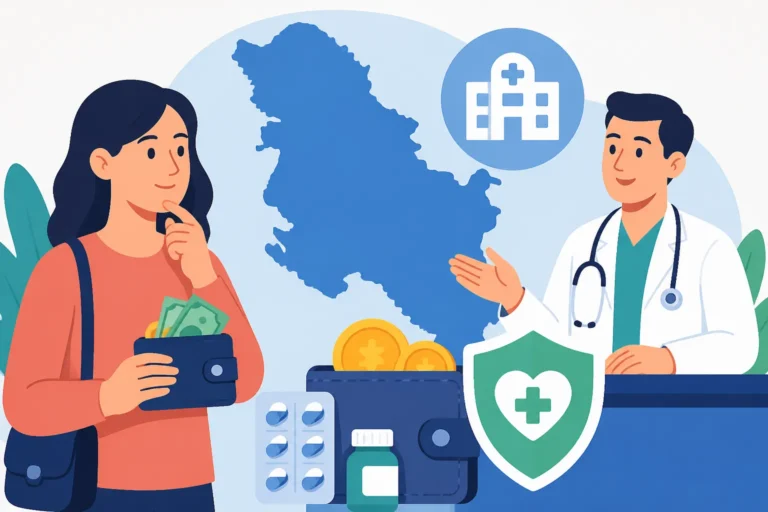
Serbia operates a mixed healthcare system. You have the public system, primarily funded through mandatory health insurance contributions to the Republic Health Insurance Fund (RFZO), and a rapidly growing private sector. For most long-term residents and those employed locally, the public system is your primary port of call. It covers a wide range of services, often at little to no direct cost beyond your monthly contributions. However, it comes with its own set of challenges, like potential language barriers, longer wait times for specialists, and sometimes older facilities.
On the other hand, the private sector is thriving, especially in larger cities like Belgrade and Novi Sad. Here, you'll find modern clinics, often with English-speaking staff, shorter wait times, and a more patient-centric approach. The catch, of course, is that you pay out-of-pocket for these services, or through private health insurance. Many expats, particularly those working remotely or with international insurance, opt for a combination, using the public system for basic needs if registered, and private clinics for convenience or specific specialist care. If you're wondering which route is best for you, I’ve delved much deeper into the pros and cons in my guide on Public vs Private Healthcare in Serbia: What Expats Need to Know.
The Role of the Dom Zdravlja and Izabrani Lekar (Chosen Doctor)
At the heart of Serbia's public healthcare system is the Dom Zdravlja, which translates to "Health Centre." Think of it as a comprehensive community clinic, housing general practitioners, pediatricians, gynecologists, dentists, and often some basic diagnostics like blood tests and ultrasounds. This is where you'll typically register for your primary care.
Your Izabrani Lekar, or "Chosen Doctor," is your gatekeeper to the public system. This is your family doctor, pediatrician, or gynecologist, depending on your needs. They are responsible for your general health, issuing referrals to specialists, prescribing medications, and generally overseeing your care. You must register with an Izabrani Lekar at a Dom Zdravlja to fully access RFZO benefits. Without one, even if you’re contributing to the RFZO, navigating the system becomes significantly more complicated. It’s a core concept to grasp, and getting this step right is fundamental to understanding How Serbia's Health System Works: The RFZO and Private Care Explained.
Why Navigating This Can Feel Like a Maze
Let’s be real, the administrative hurdles in Serbia can sometimes feel like a game of 'find the right stamp' or 'guess the correct form.' The healthcare system is no exception. For a start, many government websites and official documents are exclusively in Serbian, which can be a huge hurdle. Then there's the cultural difference in communication; while generally helpful, staff might not always anticipate the questions a foreigner would have, assuming you already know the local procedures.
The process of initial RFZO registration, coupled with finding and registering with a specific doctor, involves multiple steps and documents, often requiring visits to different offices. And if you don't speak Serbian, this can amplify the frustration. I’ve personally spent hours trying to decipher forms and waiting in queues, only to find out I missed one crucial piece of paper. It’s part of the expat journey here, but knowing what to expect can ease the pain considerably.
Finding Your Doctor: Public System (RFZO)
Okay, so you're committed to getting into the public system, which is a smart move for long-term residents. The first step is to get yourself registered with the Republic Health Insurance Fund (RFZO). Without that, finding an Izabrani Lekar in the public system is a non-starter.
The Importance of RFZO Registration First
Before you can even think about choosing a doctor in the public healthcare system, you absolutely must be registered with the RFZO. This is Serbia’s national health insurance fund, and it’s the body that manages public healthcare for all insured residents. Your employer typically registers you and starts making contributions, or if you're self-employed, you'll register yourself. Once you have your RFZO health card (or a temporary confirmation), you're officially in the system.
Many expats mistakenly think they can just walk into a Dom Zdravlja and pick a doctor without this step. Trust me, you can't. You need that proof of insurance. It's the foundation upon which all other public healthcare access is built. If you haven't done this yet, you'll want to check out my detailed guide on How to Register with the Republic Health Insurance Fund (RFZO) in Serbia, as it's a prerequisite for finding your public doctor.
Locating Your Local Dom Zdravlja
Once your RFZO registration is underway, the next step is to find your local Dom Zdravlja. These health centers are geographically assigned. Generally, you'll be directed to the one covering the area where you've registered your residence (your prijava address). This is crucial, as you usually can't just pick any Dom Zdravlja in the city; it needs to be the one responsible for your specific municipality or neighbourhood.
You can usually find information about Dom Zdravlja locations on their respective municipal websites, or a quick Google Maps search for "Dom Zdravlja [Your Neighbourhood/Municipality]" will typically bring up the closest options. For example, if you live in New Belgrade, you’d look for "Dom Zdravlja Novi Beograd." Don't be afraid to ask local friends or colleagues for their recommendations too – word of mouth is often the most reliable way to navigate Serbian bureaucracy. Remember, these aren't small, independent clinics; they are large, multi-department facilities, so finding the right physical building is usually straightforward.
Choosing Your Izabrani Lekar: Tips and Considerations
Now for the fun part: choosing your actual doctor! Within your designated Dom Zdravlja, you’ll have a list of available general practitioners (for adults), pediatricians (for children), or gynecologists (for women). When you go to the Dom Zdravlja to register, they will often provide you with a list of doctors who currently have open spots for new patients.
Here are some tips and considerations when making your choice:
- Word of Mouth: This is gold. Ask other expats in your area, or trusted Serbian friends, if they have recommendations for doctors who are known to be patient, thorough, and perhaps even have some English proficiency.
- Availability: Sometimes, you might be limited to doctors who simply have space. Don't be disheartened if your top pick isn't available; many doctors are excellent even if they aren't widely known among expats.
- Proximity and Schedule: Consider the doctor's working hours and location within the Dom Zdravlja. Some doctors work morning shifts, others afternoon. Find one whose schedule aligns with yours.
- Initial Impression: Once registered, you’ll have a chance to meet them. If you feel uncomfortable or unheard, you can change doctors, though it might involve a bit more paperwork. For a deeper dive, check out my guide on How to Choose a GP (Izabrani Lekar) at a Dom Zdravlja in Serbia. This initial choice is important because your Izabrani Lekar becomes your primary point of contact for all public healthcare needs.
Registering with a Public Doctor: Step-by-Step
Once you've got your RFZO insurance squared away and have identified your local Dom Zdravlja, it’s time to actually get that Izabrani Lekar formally assigned to you. This is where the rubber meets the road, and sometimes, where the Serbian administrative charm truly shines.
Essential Documents You'll Need (and the ones you think you need but don't)
Having the right documents in hand is half the battle won. Show up without them, and you'll likely be sent home, losing valuable time. Here's what you'll typically need to register with an Izabrani Lekar:
- RFZO Health Card / Proof of Health Insurance: This is absolutely non-negotiable. It could be your physical plastic card, or if it hasn't arrived yet, a temporary certificate from the RFZO confirming your insurance is active.
- Residence Permit (Boravišna Dozvola): Your temporary residence card is crucial as it verifies your legal status and address in Serbia.
- Passport: Always bring your passport for identification.
- Your Prijava (White Card): This is your address registration slip. The Dom Zdravlja needs to confirm you live within their catchment area.
- Application Form: You'll fill this out at the Dom Zdravlja. It’s usually a simple form where you select your chosen doctor from a list.
What you don't necessarily need: While you might think you need extensive medical records from your home country, they usually aren't required for initial registration. It’s always good to have them translated if you have a complex medical history and want your new doctor to be aware, but they won't typically hold up the registration process itself. Also, you generally won't need photos or proof of income at this stage – those are for your RFZO registration. Keep it simple, just the essentials!
The Registration Process at the Dom Zdravlja
Okay, deep breath! You've got your documents. Now, head to your designated Dom Zdravlja.
- Find the Registration Desk: Look for a counter or office specifically for "registracija pacijenata" (patient registration) or "izabrani lekar." This might not always be immediately obvious, so don't hesitate to ask someone at the main information desk (informacije) using a simple phrase like "Gde mogu da se registrujem za doktora?" (Where can I register for a doctor?).
- Present Your Documents: Hand over your RFZO card/proof, residence permit, and passport. They will verify your identity and confirm your RFZO coverage.
- Fill Out the Form: You'll be given a form to fill in. This form is where you formally declare your choice of Izabrani Lekar. The staff might provide a list of doctors with availability. If you already have a name in mind, state it clearly. If you don't speak Serbian, this is where a Serbian-speaking friend can be invaluable, or you can try to use Google Translate on your phone to understand the basic fields.
- Confirmation: Once the form is processed, your details will be entered into their system. You'll usually receive a small piece of paper or a stamp on your RFZO card confirming your doctor registration. This little piece of paper is precious, guard it!
The entire process, from walking in to walking out with a registered doctor, can take anywhere from 30 minutes to a couple of hours, depending on queues and the specific Dom Zdravlja. Patience is your best friend here.
What Happens After Registration? Your First Steps
Congratulations, you have an Izabrani Lekar! What now?
- Initial Consultation: It’s a good idea to schedule an initial, non-urgent appointment with your new doctor, even if you feel perfectly healthy. This allows you to introduce yourself, share any pertinent medical history (bring translated documents if you have them), and just get a feel for their approach. It also helps break the ice before you're in a more urgent situation.
- Getting to Know the System: Use this first visit to ask practical questions: How do I make appointments? What are their specific working hours? How do referrals work? Where do I go for blood tests or urine samples within the Dom Zdravlja? This groundwork will save you a lot of hassle down the line.
- Referrals to Specialists: Your Izabrani Lekar is your gateway to specialist care within the public system. If you need to see a dermatologist, a cardiologist, or any other specialist, your Izabrani Lekar will issue a referral (uput). You cannot typically book directly with a public specialist without this uput. This process is outlined further in how How Specialist and Hospital Referrals Work in Serbia.
- Prescription Medications: Your Izabrani Lekar will also be the one to prescribe your medications. They can issue electronic prescriptions, which you then take to any pharmacy.
Remember, this is your primary care doctor. Building a good relationship and understanding their procedures will make your public healthcare journey in Serbia much smoother.
Navigating Private Healthcare Options
While the public system covers the essentials, there are compelling reasons why many expats choose to lean on Serbia's private healthcare sector. It often offers a different experience, one that might feel more familiar to those from Western countries.
When Private Makes Sense: Convenience and Language
There are several scenarios where opting for private healthcare in Serbia becomes a truly attractive, and often necessary, choice:
- Language Barrier: This is perhaps the biggest one. Many private clinics, especially in Belgrade, Novi Sad, and other expat hubs, have English-speaking doctors and administrative staff. This removes a massive source of stress when discussing sensitive health issues. No more trying to explain complex symptoms through Google Translate or charades!
- Shorter Wait Times: Public system wait times for non-urgent specialist appointments or certain diagnostic tests can be considerable. Private clinics generally offer appointments much faster, sometimes even on the same day.
- Modern Facilities and Equipment: Private clinics often boast state-of-the-art equipment and more modern, comfortable facilities.
- Patient Experience: You often find a more personalized, service-oriented approach in private clinics, with more time allocated per patient.
- Specific Needs: If you're a tourist or a short-term visitor, the public system might not be accessible or practical for you. Private clinics are a straightforward option for immediate care without prior registration. In such cases, having reliable travel insurance, like that offered by SafetyWing, can make all the difference, covering the costs of these private visits.
For many expats, private care acts as a safety net or a preferred option for situations where efficiency and clear communication are paramount.
How to Find a Private Clinic and Specialist
Finding a private clinic is thankfully much easier than navigating the public system. The market is competitive, so clinics are generally quite visible online and keen to attract international patients.
- Online Search: A simple Google search for "private clinic Belgrade English speaking doctor" or "private gynecologist Novi Sad" will yield many results. Look for clinics with professional websites and good reviews.
- Expat Groups and Forums: Expats are a treasure trove of information. Join Facebook groups like "Expats in Belgrade" or "Digital Nomads Serbia" and ask for recommendations. You'll get honest feedback on doctors and clinics.
- Recommendations from Friends/Colleagues: Personal recommendations, whether from locals or other expats, are invaluable.
- Major Private Hospitals: Large private hospital groups like Euromedik, Medigroup (which includes chains like Opšta bolnica Una, Dom zdravlja Dr Ristić, etc.), and Acibadem Bel Medic are well-established and offer a full range of services, often with dedicated international patient departments. These are excellent starting points for comprehensive care.
- Specialist Directories: If you need a specific specialist (e.g., dermatologist, orthopedist), most larger private clinics will list their doctors and their specializations on their websites. You can often book appointments directly online or by phone.
Understanding Costs and Private Health Insurance
Private healthcare in Serbia, while excellent, isn't free. Costs can vary significantly depending on the clinic, the doctor's reputation, and the complexity of the service.
- Consultation Fees: A standard consultation with a general practitioner in a private clinic typically ranges from 3,000 to 5,000 RSD (approx. €25-€45). Specialist consultations might be slightly higher, from 4,000 to 7,000 RSD (approx. €35-€60).
- Diagnostic Tests: Blood tests, ultrasounds, X-rays, and other diagnostics will incur additional fees, but these are often very reasonable compared to Western European or North American prices. For example, a basic blood panel might cost 1,500-3,000 RSD (€13-€25). If you are curious about the overall picture, I’ve broken down The Cost of Healthcare in Serbia: A Complete Breakdown for Foreigners (2026).
- Private Health Insurance: For ongoing private care, many expats opt for private health insurance. These plans can cover a range of services from GP visits to specialist consultations, diagnostics, and even hospital stays. Companies like SafetyWing offer flexible plans that are particularly popular among digital nomads and expats, providing coverage that can be tailored to short or long stays. This type of insurance can give you peace of mind, knowing that you can access quality private care without unexpected financial burdens. Having robust private health insurance can make a huge difference in your expat experience, ensuring you're covered for various medical needs, from routine check-ups to unforeseen emergencies.
| Feature | Public Healthcare (RFZO) | Private Healthcare |
|---|---|---|
| Registration | Mandatory RFZO registration, then Izabrani Lekar | No prior registration required, walk-in/appointment |
| Cost | Covered by mandatory contributions (co-payments may apply) | Paid out-of-pocket or via private insurance |
| Access to Doctors | Through Dom Zdravlja and Izabrani Lekar | Direct booking at clinics/hospitals |
| Wait Times | Can be long for specialists and diagnostics | Generally short, often same-day |
| Language | Primarily Serbian, English not guaranteed | English-speaking staff common in expat areas |
| Facilities | Varies, some older facilities | Modern, state-of-the-art facilities |
| Insurance Needed | RFZO (mandated by law for residents) | Private health insurance (recommended for expats/tourists) |
Understanding these differences helps you decide which path is best for your specific needs, or how to combine them for optimal coverage.
Practical Tips for Doctor Visits in Serbia
Regardless of whether you choose the public or private route, a few practical tips can smooth out your doctor visits in Serbia. The local etiquette and procedures might differ from what you're accustomed to.
Language Barriers and Bridging the Gap
Let's face it, the language barrier is probably the most significant challenge you'll encounter. While younger doctors and those in private clinics are increasingly likely to speak some English, it's never a guarantee.
- Learn Basic Medical Phrases: Even a few key phrases in Serbian can go a long way. "Boli me…" (I have pain in…), "Glavobolja" (headache), "Temperatura" (fever), "Kako da uzmem ovaj lek?" (How do I take this medicine?).
- Use Translation Apps: Google Translate or similar apps can be lifesavers for communicating symptoms or understanding instructions. Have it ready on your phone.
- Bring a Serbian-Speaking Friend: If possible, ask a trusted Serbian friend or colleague to accompany you, especially for initial or serious appointments. Their help can be invaluable for accurate communication and understanding nuances.
- Write Down Symptoms: Before your appointment, write down your symptoms, medical history, and any questions you have in English. Then, use a translation app to translate them into Serbian. You can show this to the doctor.
- "Do you speak English?" A simple "Da li pričate engleski?" can open the door. If they don't, they might direct you to a colleague who does. For dedicated English-speaking doctors, you might specifically search for How to Find an English-Speaking Doctor in Serbia.
Remember, most medical professionals genuinely want to help you, and they appreciate your effort to communicate.
Making Appointments and Dealing with Wait Times
Making appointments can be a mixed bag, especially in the public system.
- Public System:
- Phone or In-Person: You'll typically call the Dom Zdravlja or visit in person to book an appointment with your Izabrani Lekar.
- Electronic Booking: Some Domovi Zdravlja are slowly introducing online or app-based booking systems, but this is not universal. Ask your doctor or the registration desk about options.
- Wait Times: For routine check-ups, expect a few days to a week. For specialists, it can stretch to weeks or even months in the public sector. Be prepared to be flexible.
- Private System:
- Online/Phone: Private clinics almost always offer easy online booking or phone appointments.
- Short Wait Times: You can often get an appointment within a day or two, sometimes even a few hours for urgent cases.
Dealing with Wait Times: Even with an appointment, waiting at the doctor's office is common in both systems, but particularly in public Domovi Zdravlja. Bring a book, your phone, or something to keep you occupied. Don't plan anything crucial immediately after your appointment, just in case.
Accessing Specialist Care and Referrals
As mentioned, your Izabrani Lekar is the gatekeeper for specialist care in the public system.
- Public System:
- Consultation with GP: First, you see your Izabrani Lekar, explain your symptoms, and they will determine if a specialist is needed.
- Referral (Uput): If a specialist is required, your GP will issue an uput, which is a formal referral. This document is essential.
- Booking Specialist Appointment: You then take this uput to the relevant specialist clinic or hospital department to book your appointment. This often involves another round of calling or visiting in person.
- Co-payments: While most services are covered by RFZO, some specialist visits or procedures might have small co-payments (participacija). You can find more about these costs in Understanding Out-of-Pocket Healthcare Costs and Co-Payments in Serbia.
- Private System:
- Direct Access: You can typically book an appointment directly with any specialist at a private clinic without a referral from a GP. This is one of the major advantages of private healthcare.
For complex conditions or if you need a second opinion, understanding these referral pathways is critical.
What If You're Not Yet Registered or Are a Tourist?
Life happens, and sometimes you need a doctor before you've managed to jump through all the administrative hoops, or you're just passing through Serbia on holiday. Don't panic; there are still options for medical attention.
Emergency Situations and Acute Care
In a genuine medical emergency, the immediate priority is getting care, not proving your registration status. Serbia's emergency services are available to everyone, regardless of nationality or insurance status.
- Call 194: This is the national emergency number for an ambulance (Hitna Pomoć). If you need an ambulance, call this number. Try to have a Serbian speaker help you, or use simple, clear English. State your location and the nature of the emergency.
- Emergency Rooms (Urgentni Centar): For serious injuries or sudden, life-threatening conditions, head directly to the emergency room of the nearest major hospital. In Belgrade, that would be the Urgentni Centar at the Clinical Centre of Serbia. They will stabilize you and provide necessary treatment.
- Acute Care at Dom Zdravlja: For non-life-threatening but urgent issues (e.g., high fever, severe flu symptoms), some Domovi Zdravlja have an "Urgentna Služba" or a general duty doctor (dežurni lekar) who can see patients without a prior appointment, particularly outside of regular GP hours. However, expect longer waits and possibly a fee if you're not RFZO registered.
While emergency care will be provided, you will eventually be billed for services if you don't have RFZO insurance or a valid international health insurance policy. This is where comprehensive travel insurance, like SafetyWing, becomes indispensable for covering unexpected medical costs. You can find more information about these situations in Emergency Medical Care in Serbia: What Every Expat Needs to Know.
Tourist Options and Travel Insurance
For tourists or those on short stays who develop a non-emergency illness, private clinics are your best bet.
- Private Clinics: As discussed earlier, private clinics are accessible, often have English-speaking staff, and offer quick appointments. You'll pay out-of-pocket, but the costs are generally reasonable compared to many Western countries. Keep receipts for insurance claims.
- Pharmacies (Apoteka): Serbian pharmacists are highly knowledgeable and can offer advice for minor ailments, often suggesting over-the-counter remedies or even suggesting whether a doctor's visit is truly necessary. Many speak basic English.
- Travel Insurance: This is absolutely critical for any tourist in Serbia. Good travel insurance will cover medical emergencies, doctor visits, hospital stays, and even medical evacuation if needed. Ensure your policy explicitly covers international travel to Serbia and includes sufficient medical coverage. SafetyWing, for instance, is a popular choice among travelers and digital nomads for its global coverage and ease of use, providing a safety net for medical incidents when you're far from home. Make sure you understand the terms and conditions, especially regarding pre-existing conditions and claims processes. For more on this, check out Can Tourists Access Emergency Care in Serbia?.
Getting Basic Care Without Full Registration
What if you're in that grey area – living in Serbia, maybe waiting for your RFZO card, but you're not a tourist and not in an emergency?
- Private Clinics as a Stop-Gap: Your most reliable option is still a private clinic. You can get seen quickly, and you’ll have clear communication. It’s an upfront cost, but it provides immediate relief.
- Informal Doctor Visits: In some smaller towns, you might find a general practitioner who will see you for a cash payment even without formal registration, but this is increasingly rare and not officially sanctioned, so it's not a recommended long-term solution.
- Stay Prepared: Always have a basic first-aid kit, and understand that for any non-emergency but pressing health concerns while awaiting full registration, the private sector is designed to fill that gap.
Navigating healthcare in a new country is never easy, but by understanding Serbia's system and knowing your options, you can ensure you and your family stay healthy and well-cared for during your time here.
Disclaimer
The information provided in this article is intended for general guidance and informational purposes only. While every effort has been made to ensure accuracy and relevance for expats and tourists in Serbia, healthcare regulations and procedures can change. It is strongly recommended to verify all information with official sources, such as the Republic Health Insurance Fund (RFZO), the Ministry of Health of Serbia, or a qualified legal/healthcare professional in Serbia, particularly concerning your specific eligibility, documentation requirements, and insurance coverage. This article does not constitute medical, legal, or financial advice.