What Should I Do in a Medical Emergency in Belgrade?
Finding yourself in a medical emergency in a foreign country is a deeply unsettling experience, especially when you’re still trying to figure out the local nuances. When that happens in a bustling city like Belgrade, with its unique healthcare system, knowing exactly what to do can feel like an impossible task. This comprehensive guide is here to cut through the confusion and walk you through the precise steps you need to take if you or a loved one faces a medical emergency in Serbia’s capital.
Immediate Steps: Calling for Help in Belgrade
When every second counts, knowing who to call and what to say can make all the difference. The initial shock of an emergency can cloud your mind, but remember that help is available. Belgrade's emergency services are set up to respond, but understanding their specific channels will streamline the process.
Understanding Emergency Numbers
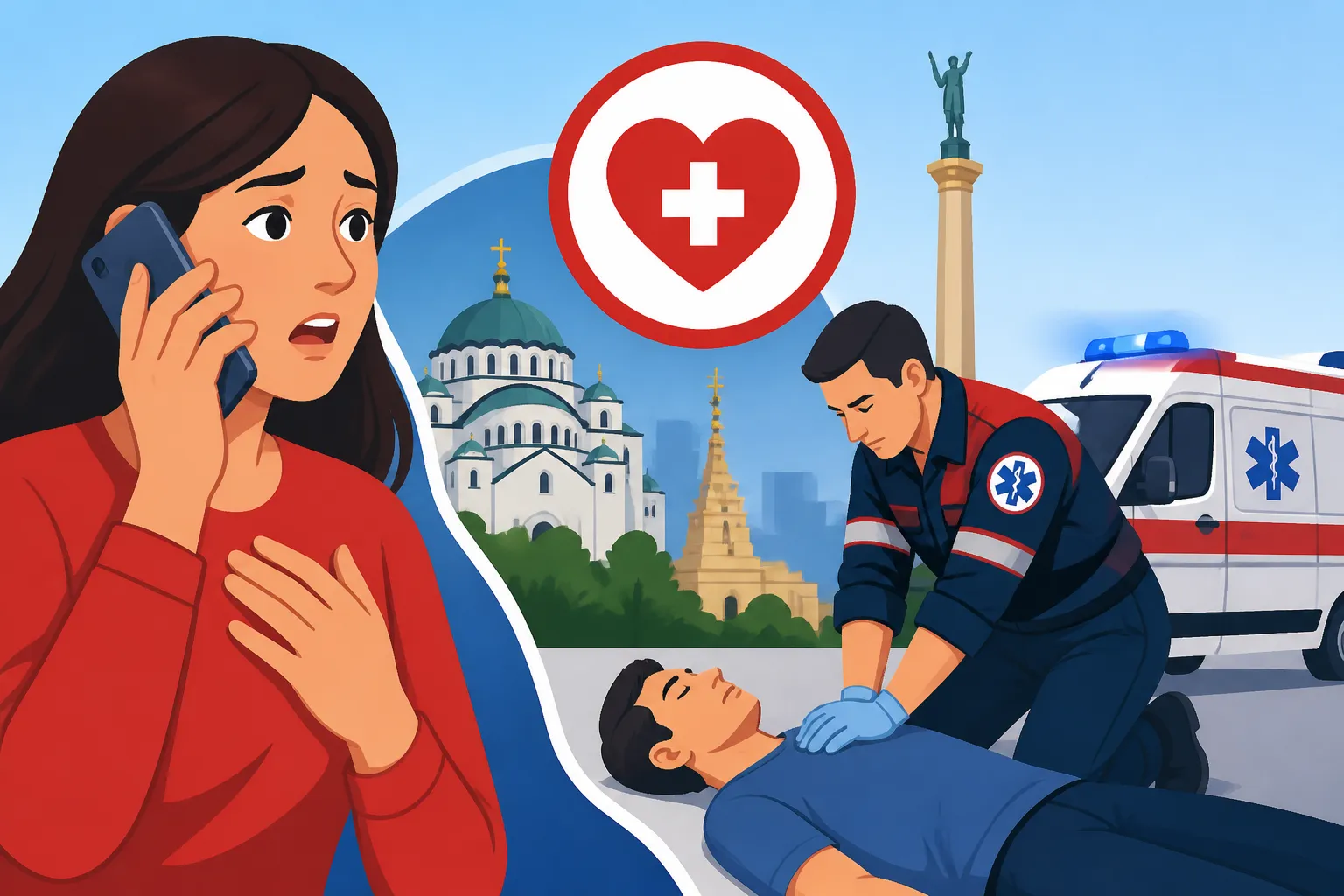
Serbia, like many European countries, has two primary emergency numbers that expats often get confused about: 194 and 112. While 112 is the universal European emergency number and theoretically works here, the most direct and effective number for a medical emergency specifically in Serbia is 194 – this connects you straight to the Hitna Pomoć, the emergency ambulance service.
When you dial 194, you're reaching a dispatcher who will assess your situation. It’s crucial to speak clearly, even if you’re panicking. If you’re not fluent in Serbian, try to have a local friend, neighbor, or even a taxi driver help you make the call. If that’s not possible, state "English, please" immediately. While not guaranteed, many dispatchers have some English proficiency, especially in Belgrade. Be prepared to provide the exact location (street name, building number, recognizable landmarks), a brief but clear description of the emergency, and a contact phone number. Don't hang up until the dispatcher tells you to. Remember, for a broader understanding of how these services fit into the larger picture, you can refer to our guide on Understanding Emergency Numbers (194 and 112) and Ambulance Care in Serbia.
What to Expect When Calling
After dialing 194, the dispatcher will ask a series of questions to quickly evaluate the severity of the situation. They need to know:
- Location: Be as precise as possible. If you don't know the exact address, describe nearby prominent buildings, intersections, or parks. GPS coordinates from your phone can also be incredibly helpful if you're in an unfamiliar area.
- Nature of Emergency: Is someone unconscious? Having chest pain? A severe injury? The more detail you can provide, the better the medical team can prepare.
- Number of People Affected: This helps them determine how many ambulances or personnel might be needed.
- Your Contact Number: They might need to call you back for more details or to confirm directions.
It's common to feel frustrated if there's a language barrier or if the questions seem redundant, but these are standard procedures. Keep your cool and answer as best you can. The dispatcher’s questions are designed to prioritize and dispatch the appropriate medical team. If you’re a new arrival and haven't fully grasped Navigating the Serbian Healthcare System: An Expat's Roadmap (2027), this initial call can be daunting, but persistence and clarity are your best tools.
Navigating the Ambulance Service (Hitna Pomoć)
Once the call is made, the Hitna Pomoć will be dispatched. Their response time can vary depending on traffic, the severity of the emergency, and their current call volume. Belgrade is a big city, and unfortunately, ambulances can get stuck in the same rush hour traffic as everyone else.
When to Call an Ambulance vs. Self-Transport
This is a critical decision point for expats. In your home country, you might call an ambulance for almost anything. Here, it’s a bit different. Public ambulances are generally reserved for truly life-threatening situations: severe accidents, heart attacks, strokes, unconsciousness, uncontrolled bleeding, or difficulty breathing. For less severe but still urgent issues like a broken bone or a high fever that isn't immediately life-threatening, many expats, if they can, will opt to take a taxi or have a friend drive them directly to an emergency room or a private clinic. This often speeds up access to care, bypassing the ambulance wait and potentially avoiding the public emergency room triage delays.
However, if there's any doubt about the patient's stability or if moving them could cause further harm (e.g., suspected spinal injury), always call 194. It's better to be safe and let trained paramedics handle the transport. Understanding when to use an ambulance is part of mastering Emergency Medical Care in Serbia: What Every Expat Needs to Know.
Arrival and Initial Assessment
When the ambulance arrives, a team of paramedics and possibly a doctor will conduct an initial assessment. They'll check vital signs, assess the injury or illness, and administer immediate life-saving first aid if necessary. They might also ask additional questions about medical history, allergies, and current medications. This is another moment where having a brief medical summary written down, possibly translated, can be incredibly helpful.
If the situation is stable enough, they'll transport the patient to the nearest appropriate public emergency hospital in Belgrade. If it's a critical situation, they'll head to the main emergency center, the Urgentni Centar. Be prepared for a swift but professional approach. The paramedics are focused on stabilization and transport, so don't expect extensive explanations or a lot of chatter.
Emergency Room Procedures and Public Hospitals in Belgrade
Once you arrive at a public emergency room (ER), often called Urgentni Centar or Hitna Prijemna (Emergency Admissions), the process can feel overwhelming, especially if you're unfamiliar with the system. Belgrade has several public hospitals, but the main one for severe emergencies is usually the Urgentni Centar within the Clinical Centre of Serbia (Klinički Centar Srbije).
Key Emergency Hospitals in Belgrade
For most serious medical emergencies in Belgrade, the primary destination will be the Urgentni Centar (Emergency Centre), which is part of the enormous Clinical Centre of Serbia complex. This is the largest and most comprehensive emergency facility in the country, equipped to handle all types of critical conditions.
However, other public hospitals also have emergency departments that might be closer or more appropriate depending on your location and the specific type of emergency:
- KBC Bežanijska Kosa: Located in New Belgrade, this hospital serves a large part of the city and has a well-regarded emergency department.
- KBC Zvezdara (Kliničko-bolnički centar Zvezdara): Another significant public hospital with an ER, serving the eastern parts of Belgrade.
- KBC Zemun: Located in Zemun, it’s crucial for emergencies in that area.
These facilities operate 24/7 and are staffed by dedicated emergency physicians and nurses. While they provide essential care, managing expectations regarding wait times and comfort is important. If you want a deeper dive into the overall system, our guide on How Serbia's Health System Works: The RFZO and Private Care Explained offers valuable context.
The Triage System and Waiting Times
Upon arrival at a public ER, you won't necessarily be seen on a first-come, first-served basis. Serbian public emergency rooms utilize a triage system, similar to many countries. Medical staff will quickly assess the patient’s condition to determine the urgency of their need for care. Patients with life-threatening conditions (e.g., severe trauma, active heart attack, stroke) will be prioritized and seen immediately. Those with less critical, though still urgent, issues (e.g., moderate pain, minor injuries, fever) will wait.
This means you could be waiting for hours, even with what feels like a serious problem, if there are more critical cases ahead of you. It's a system designed to save lives, but it can be incredibly frustrating for those stuck in the waiting room. Try to remain patient and understand that the staff are doing their best with limited resources.
What to Bring and Expect at the ER
When heading to a public ER in Serbia, have the following ready:
- Identification: Your passport or Serbian ID card.
- Residence Permit: Your boravak card, if you have one.
- Health Insurance Information: If you are registered with the Republic Health Insurance Fund (RFZO), bring your health card. If you have private health insurance, have your policy details readily available. If you're a tourist or new expat without local coverage, this is where travel insurance like SafetyWing comes in handy, as you will likely be charged upfront or need to arrange payment.
- Medical History: A brief summary of any chronic conditions, allergies, current medications, and past surgeries. Even a note on your phone can be helpful.
Expect basic facilities, especially in older public hospitals. The focus is on medical care, not hotel-like comfort. The staff may not always speak fluent English, so having a translation app, a local friend on call, or even some basic Serbian phrases related to your symptoms can be very beneficial. Be prepared to fill out forms and answer questions from multiple medical professionals. For a general overview of costs, check out The Cost of Healthcare in Serbia: A Complete Breakdown for Foreigners (2026).
Considering Private Emergency Care Options
While public hospitals are the backbone of emergency care, private clinics and hospitals in Belgrade offer an alternative that many expats find more reassuring, particularly for non-life-threatening but urgent situations.
Benefits of Private Clinics for Emergencies
The main advantages of opting for private emergency care in Belgrade are typically:
- Reduced Waiting Times: Private facilities often have shorter queues and more efficient patient flow, especially for issues that aren't immediately life-threatening.
- English-Speaking Staff: A higher percentage of doctors and nurses in private clinics will speak English, significantly easing communication barriers during a stressful time.
- Modern Facilities and Comfort: Private hospitals generally boast newer equipment, more comfortable waiting areas, and often private rooms, if admission is required.
- Personalized Service: You might find a more personalized and attentive approach from staff, which can be a huge comfort when you're feeling vulnerable.
However, these benefits come with a clear trade-off: cost. Private emergency care is significantly more expensive than public care, where many services are covered by RFZO (for those registered) or come with minimal co-payments. For a comparison, read Public vs Private Healthcare in Serbia: What Expats Need to Know.
Major Private Hospitals/Clinics
Belgrade has several reputable private healthcare providers with emergency departments or urgent care centers:
- Acibadem Bel Medic: This is one of the most well-known private hospitals in Belgrade, offering a wide range of services, including a 24/7 urgent care unit. They are highly regarded for their modern facilities and often have English-speaking staff. It’s a common choice for expats.
- Euromedik: Another large private healthcare system with multiple clinics across Belgrade, some offering urgent care services.
- Medigroup: Medigroup also has a strong presence with various clinics, and some locations provide walk-in urgent care.
These clinics are excellent options if your condition requires immediate attention but isn't a critical, life-or-death situation that demands the specialized trauma teams of the Urgentni Centar. For example, a severe allergic reaction that needs quick assessment, a bad cut requiring stitches, or a sudden, excruciating pain that isn't a heart attack might be better handled quickly at a private clinic, provided you have the means to pay. You can learn more about specific facilities in our article, How to Use Major Hospitals and Clinics in Belgrade.
Costs and Payment for Private Care
Private emergency care in Belgrade is paid for out-of-pocket, or through private health insurance. If you have comprehensive private health insurance, either local Serbian insurance or a good international plan like SafetyWing, your policy might cover some or all of the costs. It's vital to understand your policy's terms and conditions before an emergency strikes. Many private clinics will require upfront payment or a guarantee of payment from your insurance provider.
Without insurance, a private emergency consultation can range from 50 to 150 Euros, not including any diagnostic tests (blood work, X-rays, ultrasound) or treatments, which will add significantly to the bill. If you're new to Serbia or haven't yet registered with the RFZO, having robust travel insurance or private health coverage is absolutely non-negotiable. It can literally save you thousands of Euros and immense stress. For more on this, check out Understanding Private Health Insurance Plans in Serbia.
| Feature | Public Emergency Care (Urgentni Centar) | Private Emergency Care (e.g., Bel Medic) |
|---|---|---|
| Availability | 24/7 | 24/7 (some clinics may have limited overnight urgent care) |
| Cost (RFZO) | Covered (co-payments for some services) | Out-of-pocket or private insurance |
| Cost (No RFZO) | Charged at full rate, often significantly lower than private | Charged at full rate, generally higher than public |
| Wait Times | Can be very long (triage based) | Generally shorter |
| Language | Primarily Serbian (English not guaranteed) | Higher chance of English-speaking staff |
| Facilities | Functional, older infrastructure common | Modern, comfortable, often technologically advanced |
| Focus | Life-saving, critical care for all | Broader range of urgent issues, more comfort |
| Best For | Severe trauma, heart attack, stroke, critical conditions | Non-life-threatening but urgent issues, faster access |
Important Documents and Information to Have Ready
Being prepared is half the battle in any emergency. While you can't anticipate every medical crisis, having your essential documents and medical information easily accessible will immensely help the medical staff and reduce your stress.
Personal Identification and Residence Permit
Always carry your passport or Serbian national ID card, along with your temporary residence permit (boravak) card. These documents are crucial for identification, especially when registering at a hospital or clinic. Without proper identification, the process can become significantly more complicated and delayed. Make sure you have both physical copies and perhaps clear digital photos on your phone. Even if you're a tourist, your passport is your primary form of ID. This is especially important if you're wondering What Happens If I Get Sick Before I Register with the RFZO in Serbia.
Health Insurance Details
This is perhaps the most critical piece of information after your ID.
- RFZO Health Card: If you are employed in Serbia or are otherwise registered with the Republic Health Insurance Fund (RFZO), you'll have a physical health card (zdravstvena knjižica or kartica zdravstvenog osiguranja). Bring it. This card proves your entitlement to public healthcare services, including emergency care, with only nominal co-payments for most services.
- Private Health Insurance: If you rely on private health insurance (local or international), keep your policy number, insurer's contact details, and a copy of your insurance card handy. You or a companion will likely need to contact your insurer immediately to inform them of the emergency and get approval for treatment, especially if you're in a private clinic. SafetyWing, for example, typically provides clear contact information for emergency assistance.
- Travel Insurance: For tourists or new arrivals, travel insurance is your lifeline. Have all policy documents, emergency contact numbers, and claim procedures readily available.
Don't assume medical staff will know your insurance situation. Be proactive and provide the details.
Medical History and Medications
In a stressful situation, recalling your full medical history can be tough. Create a simple "emergency cheat sheet" with the following information:
- Blood Type: While hospitals will usually test, knowing it helps.
- Known Allergies: Especially to medications (penicillin, etc.).
- Chronic Conditions: Diabetes, hypertension, asthma, epilepsy, etc.
- Current Medications: List names, dosages, and frequency.
- Past Surgeries/Hospitalizations: Brief dates and reasons.
- Emergency Contact Person: Name and phone number, preferably someone who speaks Serbian or English.
Keep this note in your wallet, purse, or on your phone’s lock screen. It can literally save your life if you're unable to communicate. Having this information helps doctors make informed decisions quickly, ensuring you receive the most appropriate and safe treatment without delay. Being prepared in this way is part of following The Complete Guide to Healthcare in Serbia for Expats (2027).
Disclaimer
The information provided in this guide is for general informational purposes only and does not constitute medical or legal advice. While we strive to keep the information up-to-date and accurate, healthcare systems and regulations can change. Always consult with qualified medical professionals for any health concerns or emergencies, and seek legal counsel for specific immigration or insurance questions.