How Do Health Insurance Contributions Work in Serbia?
Moving to Serbia, especially from a country with a completely different healthcare system, can feel like navigating a dense administrative jungle. One of the biggest head-scratchers for many expats is figuring out how health insurance contributions actually work here. It’s not always straightforward, and the rules can seem a bit opaque, leaving you wondering exactly how your hard-earned dinars are supporting your access to medical care. This guide is here to untangle the complexities of health insurance contributions in Serbia, explaining who pays, how much, and what kind of coverage you can expect.
Understanding the Pillars of Serbian Healthcare Contributions
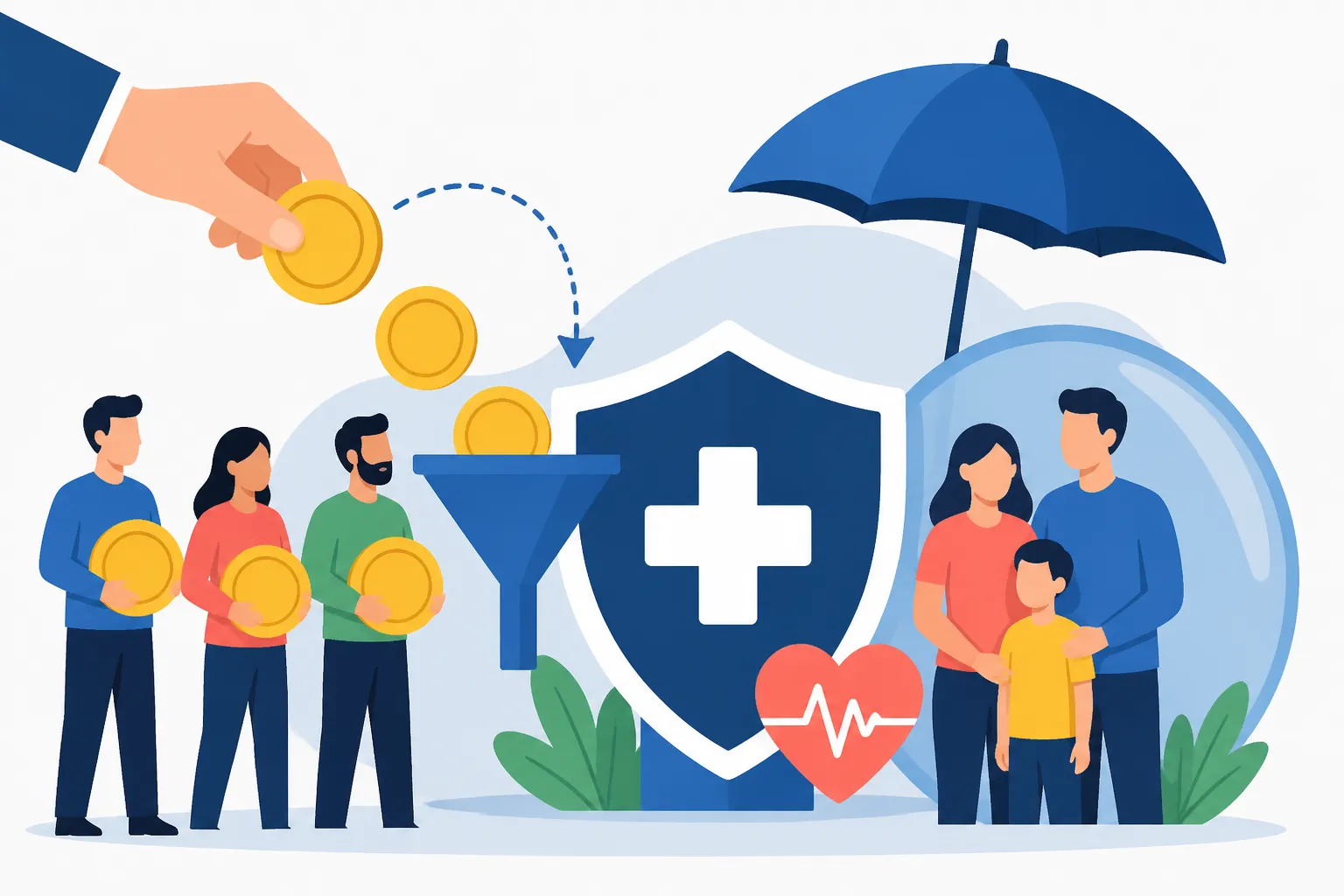
Serbia’s healthcare system is primarily funded through mandatory health insurance contributions, managed by the Republic Health Insurance Fund (RFZO – Republički Fond za Zdravstveno Osiguranje). This isn't just a simple tax; it's a system designed to ensure universal access to healthcare services for all residents who contribute, or whose contributions are covered by the state. For us expats, understanding this is crucial because it directly impacts our ability to see a doctor, get prescriptions, and access hospitals without massive out-of-pocket expenses. The good news is that once you’re in the system, many services are incredibly affordable, often just requiring a small co-payment.
Who is Obligated to Contribute?
The short answer is: most people who reside and work legally in Serbia. The system is built on the principle of solidarity, meaning everyone contributes based on their income, and everyone receives care based on their medical needs. This encompasses a wide range of categories, including employees, entrepreneurs (including the popular "paušalac" or lump-sum tax regime), farmers, pensioners, and even certain categories of unemployed individuals.
When you first arrive, particularly if you're not immediately employed, you might find yourself in a bit of a grey area. It’s a common expat frustration, feeling like you’re doing everything right but still lacking clear guidance. This is where options like international travel insurance or plans designed for digital nomads, such as SafetyWing, can be invaluable during those initial weeks or months before your official Serbian residence and work permits are fully processed and your RFZO contributions begin. Once you're properly registered, your employer typically handles the deductions directly from your salary, simplifying things immensely for most of us.
What Do These Contributions Cover?
Your mandatory contributions primarily fund public healthcare services provided through the RFZO. This generally covers a broad spectrum of medical care, from primary healthcare at your local Dom Zdravlja (health centre) to specialist consultations, hospital stays, emergency care, and prescription medications (with varying co-payments). It's designed to be a comprehensive safety net.
However, it's vital to know that this doesn't automatically mean everything is free. You'll still encounter co-payments for certain visits, diagnostics, and medications, and these can add up if you have chronic conditions or require frequent care. Understanding Out-of-Pocket Healthcare Costs and Co-Payments in Serbia is an essential step for any newcomer. The RFZO system also has its quirks, including wait times for specialist appointments and certain non-urgent procedures, which can sometimes push expats towards private clinics for quicker access or English-speaking doctors. For a deeper dive, read The Complete Guide to Healthcare in Serbia for Expats (2027).
Dissecting the Numbers: How Contributions are Calculated and Paid
The calculation of health insurance contributions in Serbia is largely based on your gross income, whether that's your salary, entrepreneurial profits, or a deemed income if you're under certain regimes. It's a percentage-based system, which means those earning more contribute more, in line with the solidarity principle. This can be a significant difference for those coming from countries with flat-rate health insurance premiums.
Contribution Rates and Bases
For most employed individuals, health insurance contributions are set at 10.3% of your gross salary. This rate is usually split between the employer and the employee, though in practice, it’s all calculated from the gross amount, and your employer handles the remittance. This 10.3% is part of a larger set of mandatory social contributions, which also include pension insurance and unemployment insurance.
For entrepreneurs, particularly those operating under the paušalni porez (lump-sum tax) regime, the calculation is a bit different. Instead of a percentage of actual income, contributions are based on a deemed monthly income, which varies depending on your activity, municipality, and other factors. This deemed income is usually a multiple of the average monthly salary in Serbia. For a self-employed expat, this can be a blessing for its simplicity but also a bit of a mystery initially, as the exact figure isn't always immediately obvious without checking with the tax authorities or a good accountant. You can explore Understanding Health Coverage for the Self-Employed in Serbia for more details.
Table: Overview of Key Health Insurance Contribution Rates (2026 estimates)
| Category | Contribution Base | Health Insurance Rate (RFZO) | Total Social Contributions (Estimate) | Who Pays | Notes |
|---|---|---|---|---|---|
| Employed (Standard) | Gross Salary | 10.3% | Approx. 25-26% (Employee + Employer) | Employer | Deducted from gross salary, employer remits to RFZO. Includes pension & unemployment contributions. |
| Self-Employed (Paušal) | Deemed Monthly Income | 10.3% | Approx. 25-26% (calculated on deemed income) | Individual | Based on predetermined lump-sum income category; paid monthly by the individual. |
| Unemployed (State-covered) | State-Funded | N/A | N/A | State | For specific categories of unemployed (e.g., registered with National Employment Service). |
| Pensioners | Pension Amount | N/A | N/A | RFZO | Contributions are effectively covered by the pension fund, maintaining RFZO coverage. |
| Foreigners (Newcomers) | Varies | Varies | Varies | Individual/Employer | May require private insurance like SafetyWing initially; once employed/resident, standard rules apply. |
Note: The "Total Social Contributions" row includes pension, health, and unemployment contributions, as these are typically bundled. Rates are subject to change and specific circumstances.
How Contributions are Paid
For most employed individuals, the process is wonderfully passive. Your employer is legally responsible for calculating and remitting your health insurance contributions (along with pension and unemployment contributions and income tax) to the Serbian Tax Administration (Poreska Uprava). This happens automatically each month when your salary is paid. You’ll see these deductions itemised on your payslip. This system means that as long as you're working legally and your employer is compliant, you don't need to worry about missing payments or bureaucratic hurdles.
However, if you are self-employed, an entrepreneur, or fall into another category, the responsibility shifts to you. You will need to make monthly payments yourself, usually to a specific RFZO account. This requires a bit more active management, including ensuring you know your exact contribution base and deadlines. It’s highly advisable to use an accountant, especially in the beginning, to avoid any missteps. They can help you register for the correct regime, calculate your exact dues, and set up your payments, saving you a lot of potential headaches. For a complete understanding of the system, make sure to read What Is the RFZO and How Does It Work in Serbia?.
Specific Scenarios: Employees, Self-Employed, and Other Residents
The beauty (and sometimes the frustration) of Serbia's health insurance system lies in its categorisation. Depending on your status, the "how" of contributions can look quite different. It's not a one-size-fits-all approach, and understanding your specific situation is key to ensuring continuous coverage.
Employees and Their Dependents
If you're an employee, whether working for a Serbian company or a local branch of an international firm, your employer handles almost everything. Your employment contract initiates your registration with the RFZO, and your contributions are deducted from your gross salary. It's typically a smooth process once you've started.
What's often overlooked, however, is coverage for dependents. If you have a spouse or children who are not employed themselves, they can usually be registered under your RFZO coverage. This is a huge benefit for expat families, as it means your contributions extend to cover your loved ones. The process involves submitting their birth certificates (translated and apostilled, of course!) and marriage certificate (if applicable) to the RFZO office in your municipality. This can be one of those classic Serbian administrative runs where you visit multiple windows and collect various stamps, but the end result is well worth it for the peace of mind. For detailed steps on registering, check out How to Register with the RFZO and a GP in Serbia (2027).
Self-Employed and Pausal Entrepreneurs
For the self-employed, particularly those on the paušalni porez regime, contributions are a direct personal responsibility. As mentioned, these are based on a deemed income, not your actual profits. This means your health insurance contributions (and other social contributions) are fixed amounts each month, regardless of whether you had a stellar month or a quiet one. This predictability can be great for budgeting, but it also means you're paying even if your income fluctuates downwards.
Navigating this as a foreigner can be complex. You need to ensure you're correctly registered as an entrepreneur (Preduzetnik) and then actively make your monthly payments. Many self-employed expats rely on accountants to manage this, as it ties into your overall tax obligations. Missing payments can lead to penalties and, more importantly, a lapse in your health coverage, which you absolutely want to avoid. If you're considering this route, research The Expat Guide to Self-Employment in Serbia: The Pausal Regime and Going Independent (2026) to get the full picture.
International Students, Digital Nomads, and Unemployed Residents
If you're an international student in Serbia, your university will typically guide you through the process of obtaining a student residence permit, which often allows you to enroll with the RFZO. Contributions for students are usually a fixed, lower amount, making healthcare accessible during your studies.
For digital nomads, things can be a bit more fluid. If you're working remotely for a foreign company and don't officially register as an entrepreneur in Serbia, you might not be directly contributing to the Serbian RFZO system. In such cases, having robust international health insurance is paramount. This is where brands like SafetyWing shine, offering flexible and comprehensive coverage for those living the nomadic lifestyle, ensuring you're covered for emergencies and routine care, wherever you might be. It’s always best to have a backup, especially when your residence status or employment situation doesn’t directly lead to RFZO coverage. Remember, How Your Residence Status Affects RFZO Enrolment in Serbia is a critical read for understanding these nuances.
Certain categories of unemployed individuals, especially those registered with the National Employment Service, may have their health insurance contributions covered by the state. This ensures a basic level of care even when out of work, reflecting the social safety net aspect of the Serbian system. However, specific eligibility criteria apply, so it’s not a universal entitlement for every unemployed foreigner.
Navigating Gaps and Newcomer Challenges
One of the most common anxieties for expats is the potential for gaps in health coverage, especially during transitions. Moving countries is stressful enough without worrying about what happens if you get sick before all your papers are in order.
What Happens Before RFZO Coverage Kicks In?
There's often a period when you've just arrived, or your residence permit is being processed, where you might not yet be eligible for RFZO coverage, or the process is still pending. This "limbo" phase can last weeks or even a few months. During this time, relying solely on public healthcare without proper RFZO registration could mean paying out-of-pocket for all services, and those costs can quickly escalate, even for minor issues.
This is precisely why I always recommend having reliable private or international health insurance from day one. Companies like SafetyWing offer plans specifically designed for expats and digital nomads, providing a crucial safety net until your RFZO coverage is confirmed. Having such a policy isn't just a recommendation; it's often a requirement for obtaining your initial residence permit. Don't risk being caught without cover – a simple emergency can wipe out your savings. For a detailed look at options, explore Health Insurance in Serbia: RFZO, Private and International Options Explained.
Maintaining Continuous Coverage
Once you're in the RFZO system, maintaining continuous coverage generally means ensuring your contributions are paid consistently. For employees, this is straightforward; your employer handles it. For the self-employed, it means staying on top of your monthly payments. If you change jobs, there's usually a seamless transfer of your insurance from one employer to the next, as long as your new employer registers you promptly.
However, if you experience a period of unemployment, move from employed to self-employed status, or vice-versa, you must be proactive in notifying the RFZO or the relevant authorities. Failing to do so can lead to a lapse in coverage, and regaining it might require a bit of bureaucratic legwork, including potentially paying backdated contributions. Always communicate changes in your status to the appropriate institutions to prevent any unforeseen headaches. It’s far easier to be proactive than reactive when dealing with state institutions in Serbia.
The Role of Private Health Insurance Alongside RFZO
Even with RFZO coverage, many expats opt for private health insurance in Serbia. Why? Because private clinics often offer shorter wait times, appointments with English-speaking doctors, more comfortable facilities, and a wider range of services that might not be fully covered or easily accessible through the public system. It’s not uncommon to use your RFZO coverage for major events or basic care, while using private insurance for quick access to specialists or specific treatments.
The Cost of Healthcare in Serbia: A Complete Breakdown for Foreigners (2026) shows how a blended approach to healthcare can be beneficial. For example, a minor issue might be quicker to resolve at a private clinic like MediGroup or Euromedic, which often work with private insurance providers, saving you time and stress, even if it means a higher upfront cost or a claim process. The peace of mind that comes with knowing you have options, both public and private, is invaluable when living abroad. If you’re weighing up your options, you might find Do I Need Private Health Insurance in Serbia? helpful.
Disclaimer
The information provided in this guide is for general informational purposes only and does not constitute legal, financial, or medical advice. Healthcare regulations and contribution rates in Serbia can change. It is essential to consult with relevant Serbian authorities, such as the RFZO, the Tax Administration (Poreska Uprava), or a qualified local legal or accounting professional, for advice tailored to your specific situation. Always verify current requirements and procedures.