Where Can I Get a Vaccine as an Adult in Serbia?
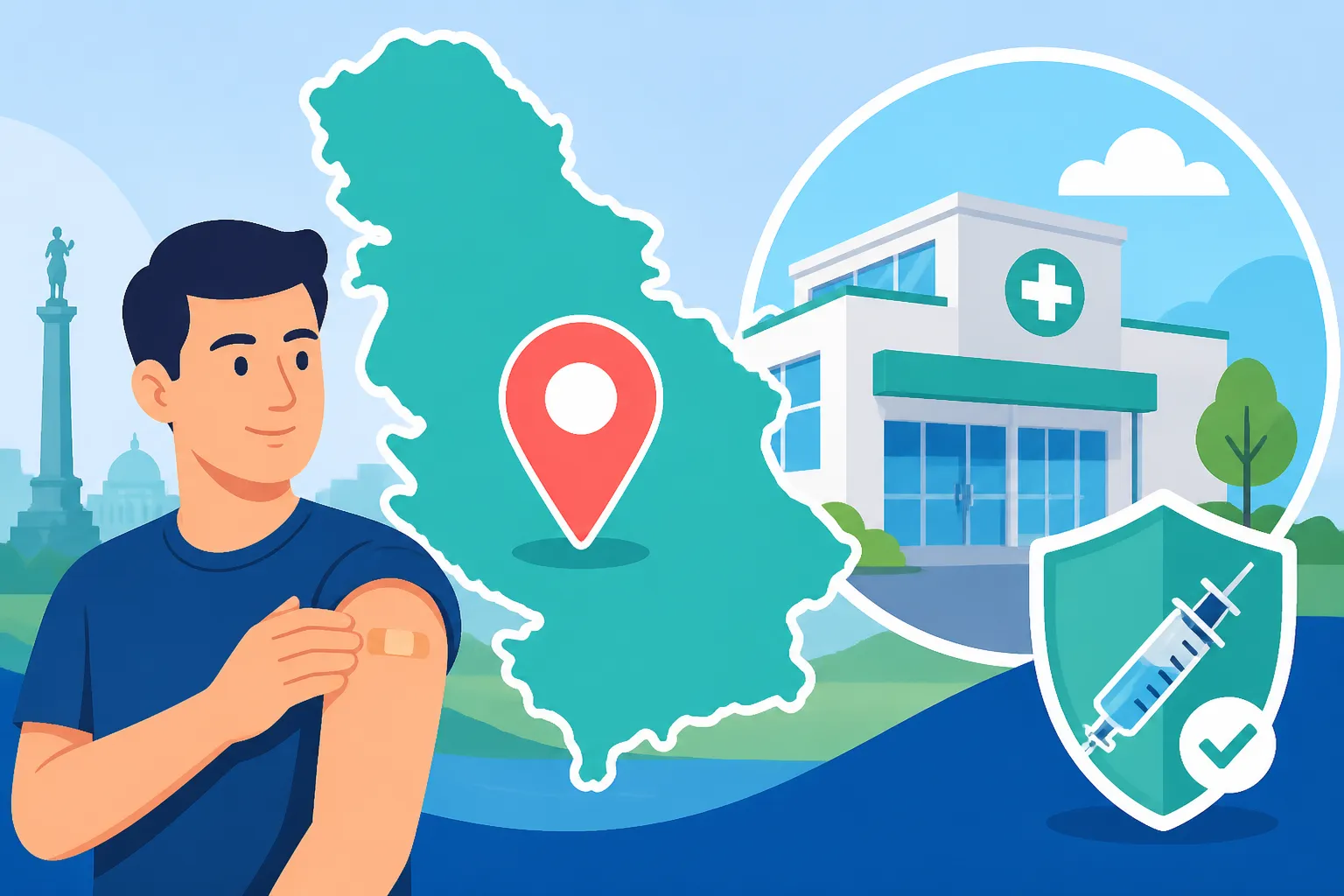
Navigating the healthcare system in a new country can feel like a labyrinth, and figuring out where to get something as seemingly simple as an adult vaccine in Serbia is no exception. Many of us expats arrive with outdated vaccination records, or realize we're due for a booster, only to be met with a cascade of questions: public or private? RFZO or cash? English-speaking staff or a translation app? This guide aims to cut through the confusion, providing a clear roadmap for adults looking to get vaccinated in Serbia.
Understanding Adult Vaccination in Serbia: Why It Matters for Expats
As expats, our health needs often differ slightly from the local population. We might be coming from countries with different vaccination schedules, or perhaps we're travelling more frequently, exposing us to a broader range of health risks. Understanding the Serbian approach to adult vaccination is key to staying healthy and integrated.
The Serbian Public Health System and Vaccines
Serbia's public health system is primarily managed by the Republic Health Insurance Fund (RFZO), which is the backbone of How Serbia's Health System Works: The RFZO and Private Care Explained (2027). For adults registered with the RFZO and an assigned izabrani lekar (chosen doctor) at a local dom zdravlja (health centre), many routine vaccinations are covered and readily available. Think seasonal flu shots, tetanus boosters, or even MMR if you missed it as a child or need a booster.
The dom zdravlja system is designed to be your first point of contact for most general health concerns, including preventative care like vaccinations. These centres are distributed throughout cities and towns, and once you're registered, getting an appointment for a vaccine should, in theory, be straightforward. However, the reality for many expats often involves bureaucratic hurdles and language barriers. You'll definitely want to read our full guide on How to Register with the RFZO and a GP in Serbia (2027) if you plan to go this route.
Common Vaccines for Adults in Serbia
Just like in many other countries, adult vaccination recommendations in Serbia generally follow international guidelines, though specific local campaigns can vary. Some of the most commonly sought-after adult vaccines include:
- Tetanus, Diphtheria, and Pertussis (Tdap): Boosters are often recommended every 10 years, especially if you're engaging in activities that might expose you to soil bacteria (gardening, outdoor adventures). If you're planning on having a baby or are around infants, the pertussis component is crucial.
- Measles, Mumps, and Rubella (MMR): While typically given in childhood, some adults, particularly those born before certain years or with uncertain vaccination histories, might need a booster or a full course. If you're moving to an area with a high population density, it’s always a good idea to confirm your immunity.
- Influenza (Flu Shot): An annual recommendation for everyone, particularly during the colder months (typically October to March). This is widely available and strongly encouraged by public health bodies.
- Hepatitis A and B: Often recommended for those travelling to certain regions, healthcare workers, or individuals with specific risk factors.
- Human Papillomavirus (HPV): Increasingly recommended for adults up to a certain age, regardless of gender, for protection against HPV-related cancers.
- Travel Vaccines: Depending on your future travel plans, you might need vaccines like Yellow Fever, Typhoid, or Japanese Encephalitis. These are less routinely offered at standard domovi zdravlja.
It's always a good idea to consult with a medical professional here in Serbia, preferably one who understands your medical history and travel plans, to determine exactly which vaccines are appropriate for you. Your needs might be different based on your home country's vaccination program, your age, and your lifestyle here.
Challenges for Expats in the Vaccination Process
Let's be honest: even the simplest administrative tasks can feel like climbing Mount Everest when you're an expat in Serbia. Getting vaccinated is no different. The language barrier is often the first hurdle. While many younger doctors and private clinic staff speak English, trying to explain your full vaccination history or specific concerns in Serbian at a public dom zdravlja can be daunting. You might find yourself relying on Google Translate or dragging along a Serbian-speaking friend, which isn't always convenient.
Then there's the bureaucracy. Even with RFZO insurance, the process of getting an appointment, obtaining a referral (if needed for certain vaccines), and actually getting the jab can involve multiple visits and a lot of waiting. It's not uncommon to feel like you're navigating a maze, especially if you're new to the system and still trying to understand Navigating the Serbian Healthcare System: An Expat's Roadmap (2027). The feeling of not knowing "the way things work" can be incredibly frustrating.
Where to Get Your Vaccinations: Public vs. Private Options
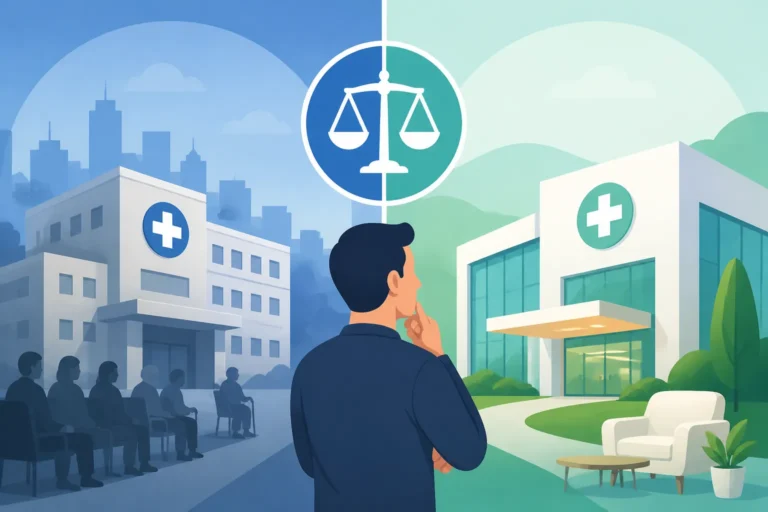
When it comes to rolling up your sleeve, you generally have two main avenues in Serbia: the public healthcare system or private clinics. Each has its pros and cons, and your choice will likely depend on your personal circumstances, budget, and patience level.
Public Health Centers (Dom Zdravlja)
These are the primary public healthcare institutions in Serbia, and for most residents with RFZO insurance, they are the go-to for routine adult vaccinations.
The Process with RFZO Registration
If you're already a resident with an active RFZO card and have an izabrani lekar (chosen doctor), this is usually the most cost-effective option. You would typically:
- Contact your izabrani lekar: Schedule an appointment for a consultation. You might need to call during specific hours or visit in person to book. Explain your need for a vaccine (e.g., "treba mi vakcina protiv gripa" for a flu shot, or "treba mi buster vakcina protiv tetanusa" for a tetanus booster).
- Consultation: The doctor will assess your health, check your records (if they have them), and determine which vaccine you need. They might write you a prescription or a referral for the vaccination unit within the dom zdravlja.
- Vaccination Unit: You'll then proceed to the designated vaccination area, often a separate room or department, where a nurse will administer the vaccine. This might involve another wait, depending on the centre's schedule.
While the vaccine itself might be free or incur only a small co-payment with RFZO coverage, the process can be time-consuming. Public health centres like Dom Zdravlja Stari Grad in Belgrade or Dom Zdravlja Novi Sad are well-equipped, but they serve a large population, so efficiency isn't always their strong suit. Remember, public doctors, while often highly competent, may not always speak fluent English. Bringing a translator or a Serbian-speaking friend is highly recommended to ensure you fully understand the information and instructions. For more about this, you can check out Understanding the Role of the RFZO and Your GP in Serbia.
Options for Non-RFZO Members
If you're a tourist, a new expat still awaiting your RFZO registration, or simply someone who doesn't qualify for public health insurance, getting routine vaccines at a dom zdravlja is more challenging, but not impossible for certain services. Some domovi zdravlja might offer specific vaccines, like the seasonal flu shot, to non-RFZO members for a fee. However, this is not a guaranteed service across all centres, and the availability can vary widely. It’s always best to call ahead and inquire directly. Be prepared for potential communication difficulties. For those in a pinch before getting proper coverage, it's worth knowing What Happens If I Get Sick Before I Register with the RFZO in Serbia?.
Private Clinics and Hospitals
For many expats, private healthcare providers are often the preferred route for convenience, efficiency, and English-speaking services. These clinics offer a more streamlined experience, and you generally don't need RFZO insurance to access their services.
Advantages of Private Care
- English-Speaking Staff: A huge relief for many! You can communicate your needs clearly and understand the doctor's advice without a translation app.
- Wider Range of Vaccines: Private clinics often stock a broader range of vaccines, including more specialized travel vaccines that might not be routinely available in public centres.
- Efficiency and Comfort: Shorter wait times, comfortable waiting areas, and a more personalized experience are common in private clinics. You can often book appointments online or via phone with ease.
- Accessibility: Major private hospitals like Acibadem Bel Medic or MediGroup in Belgrade have extensive networks of clinics throughout the city, making them quite accessible. Euromedik is another popular choice. In Novi Sad, clinics like Genesis or Alfa Medica offer similar services.
The Private Clinic Process
- Choose a Clinic: Research reputable private clinics in your area. Many have English websites or receptionists who can assist you. You can often find a good How to Find an English-Speaking Doctor in Serbia through expat groups or recommendations.
- Book an Appointment: Call or use their online booking system to schedule a consultation with a general practitioner or a specific vaccination clinic within their network.
- Consultation and Vaccination: During your appointment, the doctor will review your vaccination history, discuss your needs, and prescribe the appropriate vaccine. The vaccine is often administered right there during the same visit.
- Payment: You'll pay out-of-pocket for the consultation and the vaccine itself. Keep your receipts! This is where your private health insurance, if you have it, comes into play. A good expat health insurance plan, perhaps even one like SafetyWing which offers travel medical insurance for digital nomads and long-term travellers, can often reimburse these costs. Always check your policy details.
While it's more expensive, the ease and peace of mind often make it worth the investment for many foreigners. It’s a good option for those who prioritize time and communication over cost savings. For more details on the private sector, consult Public vs Private Healthcare in Serbia: What Expats Need to Know.
Pharmacies and Specialized Institutes
While Serbian pharmacies are excellent for Prescription Medications and Pharmacies in Serbia: The Complete Guide, they generally do not administer vaccines directly. Vaccinations in Serbia require a doctor's prescription and administration by trained medical personnel, usually a nurse, at a clinic or health centre. You can't just walk into a pharmacy and get a jab.
However, certain specialized institutes play a crucial role in public health campaigns and can be a resource for specific vaccines:
- Institut za javno zdravlje Srbije "Dr Milan Jovanović Batut": This is the national Public Health Institute. While not a walk-in vaccination centre for routine adult vaccines, they are instrumental in public health campaigns, epidemiology, and might be a point of contact for very specific, less common vaccines, or during public health emergencies. They are also a good source for official information on vaccination schedules and recommendations in Serbia.
- Travel Clinics: Some larger private clinics or specific units within them might function as dedicated travel clinics, offering a full range of travel vaccinations and advice. This is often the best place to go for specialized jabs like Yellow Fever, which requires specific authorized centres.
The Process: What to Expect When Getting Vaccinated
Understanding the steps involved can help demystify the experience and ensure you're prepared for your vaccination appointment in Serbia.
Before Your Appointment
Preparation is key, especially if you want to minimize stress and potential roadblocks.
Research and Documentation
First and foremost, know what you need. Do you know which vaccines you've already had? If so, gather any existing vaccination records. Many expats find their records are in their home country, so a quick call or digital scan might be necessary. Having these records translated into Serbian isn't usually mandatory for private clinics, but it's a huge plus if you go the public route or for your overall medical file.
Next, research clinics. For public domovi zdravlja, identify your assigned centre based on your residence if you're an RFZO member. For private, look up clinics in your vicinity or those recommended by other expats. Check their websites or call them to inquire about the specific vaccine you need, their availability, and the cost. Many private clinics, such as MediGroup, list their services and prices online. It’s always good to ask if your specific private health insurance is accepted or if you'll need to pay upfront and claim reimbursement later. This is particularly relevant if you have international coverage like SafetyWing, which typically operates on a reimbursement model.
Booking and Communication
Once you've chosen a provider, book your appointment. For public centres, this might mean an in-person visit or a phone call, potentially in Serbian. For private clinics, online booking systems or English-speaking receptionists are more common. Be explicit about needing a vaccination and if you require an English-speaking doctor.
It’s also wise to prepare a few key phrases in Serbian if you're going to a public clinic, or have a translation app ready. Simple phrases like "treba mi vakcina" (I need a vaccine), "grip" (flu), "tetanus" (tetanus), or "da li doktor govori engleski?" (Does the doctor speak English?) can be invaluable.
During Your Visit
On the day of your appointment, aim to arrive a little early to fill out any necessary paperwork.
Consultation with the Doctor
Whether public or private, your visit will start with a consultation with a doctor. This is their chance to:
- Review your medical history: Be prepared to discuss any allergies, past reactions to vaccines, current medications, and pre-existing conditions.
- Assess your vaccination needs: Based on your history, age, lifestyle, and any upcoming travel, the doctor will confirm which vaccine(s) are appropriate.
- Explain the vaccine: The doctor should inform you about the vaccine, its benefits, potential side effects, and any contraindications. Don't hesitate to ask questions! This is your health, and you have every right to understand what's being administered.
In public domovi zdravlja, this consultation might be brief, and you might then be directed to a separate vaccination room. In private clinics, the doctor might administer the vaccine themselves or call in a nurse to do so in the same room.
Vaccine Administration and Post-Vaccine Advice
A trained nurse or doctor will administer the vaccine, usually in your upper arm. They'll ensure you're comfortable and explain any immediate post-vaccination care. You'll typically be asked to wait in the clinic for 15-20 minutes after the injection to monitor for any immediate allergic reactions, which, while rare, can occur.
Before you leave, you should receive:
- A vaccination certificate or record: This is crucial. Make sure it clearly states the vaccine name, date, and batch number. For children, this is usually integrated into their health booklet. For adults, it might be a separate card or an entry in your medical file.
- Post-vaccination instructions: Advice on managing common side effects like soreness, redness, or a mild fever, and when to seek medical attention for more serious symptoms.
After the Vaccine
Once you're home, continue to monitor for any side effects. Most are mild and resolve quickly.
Managing Side Effects and Follow-Up
Common side effects are usually localized (soreness, redness at the injection site) or mild systemic reactions (low-grade fever, muscle aches). Over-the-counter pain relievers can help. If you experience anything more severe or concerning, contact your doctor or the clinic immediately. Emergency Medical Care in Serbia: What Every Expat Needs to Know can provide guidance in such situations.
If your vaccine requires multiple doses (e.g., Hepatitis B, some travel vaccines), make sure you understand the schedule for follow-up appointments. Missing a dose can compromise the vaccine's effectiveness.
Keeping Your Records Up-to-Date
Always keep your vaccination records in a safe, accessible place. It's a good idea to take a photo on your phone or keep a digital copy, especially for international travel or if you ever move again. This is essential for continuity of care and avoiding unnecessary re-vaccinations in the future.
Cost, Coverage, and Practical Tips
The financial aspect of healthcare in a new country is always a major concern. Let's break down what you can expect when it comes to vaccine costs and how your insurance might factor in.
Understanding the Costs
The cost of adult vaccines in Serbia can vary significantly depending on whether you opt for public or private care, and which vaccine you need.
- Public Healthcare (with RFZO): For registered RFZO members with an izabrani lekar, many routine vaccinations (like the seasonal flu shot, tetanus) are either free or require only a nominal co-payment. However, specialized travel vaccines or less common adult vaccines might not be covered, even for RFZO members, or might require specific approvals, adding to the bureaucratic burden.
- Private Healthcare: This is where you'll pay out-of-pocket for both the doctor's consultation and the vaccine itself.
- Consultation Fee: A general practitioner consultation at a private clinic typically ranges from 3,000 to 5,000 RSD (around €25-€45).
- Vaccine Cost: The price per dose varies widely depending on the vaccine. A seasonal flu shot might cost around 2,000-4,000 RSD (€17-€35). More specialized vaccines like Hepatitis A/B, Tdap, or HPV can range from 5,000 RSD to well over 10,000 RSD per dose (€40-€85+), and some require multiple doses.
- Total Cost: For a single vaccine in a private clinic, you're generally looking at a total cost of 5,000-15,000 RSD (€40-€130) or more, depending on the specific vaccine and clinic.
It's clear that private options offer convenience but come with a higher price tag. This makes The Cost of Healthcare in Serbia: A Complete Breakdown for Foreigners (2026) a critical read for budgeting.
Insurance Coverage for Adult Vaccinations
How your vaccinations are covered directly relates to your insurance status in Serbia.
- RFZO Coverage: If you are formally employed in Serbia and contribute to the RFZO, or qualify under other grounds (like family reunification with an insured spouse), many vaccines deemed part of the national public health program will be covered. This often includes flu shots, tetanus boosters, and standard childhood vaccinations if needed as an adult. However, always confirm coverage for specific vaccines with your izabrani lekar or at the dom zdravlja, as policies can change, and not all vaccines are universally covered.
- Private Health Insurance: For many expats, private health insurance is a lifesaver. Plans vary greatly, but many comprehensive private plans offered in Serbia or internationally, include preventative care, which often extends to vaccinations. When choosing private insurance, or if you already have it, check the policy details for "preventative care," "vaccination benefits," or "outpatient treatment."
- Some plans might cover 100% of vaccine costs, while others might have a co-payment or a specific annual limit for vaccinations.
- If you're still in the early stages of your expat journey, or a digital nomad frequently on the move, a flexible travel medical insurance like SafetyWing could be a viable option. While primarily designed for unforeseen medical emergencies abroad, some of their plans might offer limited coverage for preventative services or allow for reimbursement of routine medical expenses, including vaccinations, depending on the specific policy terms and duration of stay. It’s always best to thoroughly read their policy documents or contact their customer service to understand what is covered for adult vaccinations in Serbia.
- International Health Insurance: If you have an international health insurance plan from your home country, definitely check its coverage for medical services abroad. Many such plans do cover routine vaccinations, especially if you have a comprehensive policy. You'll typically pay upfront at a private clinic and then submit a claim for reimbursement. It's a good idea to clarify the claims process with your insurer before you get your jab. For a broader look at your options, see Health Insurance in Serbia: RFZO, Private and International Options Explained.
Ultimately, whether you need Do I Need Private Health Insurance in Serbia? is a personal decision, but it certainly streamlines access to services like adult vaccinations.
Essential Tips for Expats Getting Vaccinated
To make your vaccination experience as smooth as possible, keep these practical tips in mind:
- Bring a Translator or Language App: If you're heading to a public dom zdravlja and don't speak Serbian, this is non-negotiable. Even a friend who speaks basic Serbian can be a huge help.
- Carry Your Documents: Always have your passport, residence permit, and RFZO card (if applicable) with you. For private clinics, your ID is usually sufficient.
- Have Your Vaccination History Ready: If you have previous records, bring them. Even old ones are better than nothing.
- Ask for a Receipt and Vaccination Card: Always, always get a receipt for payment and a clear record of the vaccine administered. This is vital for insurance claims and for your personal health records.
- Don't Be Afraid to Ask Questions: If you don't understand something, ask for clarification. It's your health at stake.
- Plan Ahead for Travel: If you need travel vaccines, start the process well in advance. Some vaccines require multiple doses over several weeks or months, and others need time to become effective.
- Check Expat Forums: Online expat groups for Belgrade or Novi Sad are invaluable resources for recommendations on English-speaking clinics and doctors, and for sharing recent experiences. You can get real-time advice from people who have been through the same process.
By being proactive and informed, you can navigate the adult vaccination process in Serbia with confidence, ensuring you stay healthy while enjoying your expat adventure.
Disclaimer
The information provided in this guide is intended for general informational purposes only and does not constitute medical or legal advice. While we strive to provide accurate and up-to-date information, healthcare regulations, vaccine availability, and costs in Serbia can change without prior notice. Always consult with a qualified medical professional for personalized advice regarding your vaccination needs and health concerns. For official information on legal or immigration matters, please refer to the relevant Serbian government authorities. We recommend checking with healthcare providers directly for the most current information on services, pricing, and insurance acceptance.