How to Access Mental Health Services in Serbia as an Expat
Moving to a new country like Serbia is an adventure, but let's be honest, it can also be incredibly isolating and stressful. Many of us expats arrive with high hopes, only to find ourselves grappling with unexpected cultural shifts, language barriers, and the sheer administrative maze, all of which can silently chip away at our mental well-being. Finding reliable mental health services in Serbia as a foreigner is a concern for many, and this guide is here to walk you through the options, demystify the process, and help you access the support you deserve.
Understanding the Landscape of Mental Health in Serbia
Alright, let's talk about the big picture first. When you're trying to figure out mental health support in a new country, it's not just about finding a doctor; it's about understanding the whole cultural context. Serbia, like many countries, has its own unique perceptions of mental health, and that can really shape how services are structured and accessed.
Cultural Perceptions and Stigma
From my years here, I've noticed that mental health conversations in Serbia, while improving, still carry a fair bit of historical baggage. Traditionally, talking openly about mental health struggles wasn't as common or as accepted as it might be in some Western cultures. There's often a deeply rooted idea that personal problems should be kept within the family, or that mental distress is a sign of weakness, not an illness that requires professional help. You might hear phrases like "just snap out of it" or "it's all in your head," which, while often well-intentioned, can be incredibly invalidating and make it harder for people to seek help. This stigma, though gradually diminishing, can sometimes trickle down into the healthcare system itself or affect how comfortably you can discuss your concerns, especially in public institutions.
It's not uncommon for physical symptoms to be addressed first, sometimes overlooking the underlying psychological distress. For example, if you go to a general practitioner complaining of fatigue, insomnia, or stomach issues, the initial focus might be purely on physical causes, even if these symptoms are rooted in anxiety or depression. This isn't to say Serbian doctors are dismissive; it's more about a different default approach to health, which can be frustrating if you're used to a more integrated view of mental and physical well-being. Knowing this upfront helps you prepare and advocate for yourself more effectively. It also highlights why finding a GP who is open-minded and understands your expat context can be a real game-changer.
Public vs. Private Sector Overview
Just like with physical healthcare, Serbia offers both public and private options for mental health services. Each has its pros and cons, and your choice will largely depend on your residency status, budget, language needs, and how quickly you need support.
The public sector is primarily managed through the Republic Health Insurance Fund (RFZO). If you're legally employed in Serbia and making contributions, or are a dependent of someone who is, you'll generally have access to public healthcare, including mental health services, at little to no direct cost beyond co-payments. This system is designed to be comprehensive, but as many expats (including myself!) can attest, navigating it can feel like a labyrinth. Language barriers, longer waiting times, and a potentially more traditional approach to treatment are common challenges. However, it's a vital resource, especially for long-term residents or those with more complex, chronic conditions that require ongoing care. Public psychiatric hospitals, like the "Laza Lazarević" Clinic in Belgrade, are the main hubs for serious mental health conditions requiring hospitalization or specialized long-term outpatient care.
On the flip side, the private sector offers a different experience. Here, you'll find a wide array of private clinics, individual psychologists, and psychiatrists, many of whom are English-speaking or offer services in other foreign languages. The private route generally means shorter wait times, more personalized care, greater confidentiality (though this is enshrined in law for both), and often a broader selection of therapeutic approaches. The trade-off, of course, is the cost. These services are paid out-of-pocket or through private health insurance. For many expats, especially those who prioritize convenience, language comfort, and a more Western-oriented approach to therapy, the private sector often becomes the preferred choice despite the higher expense. This is where understanding your health insurance options, including international providers, becomes critical. You can learn more about the broader healthcare system in my guide, How Serbia's Health System Works: The RFZO and Private Care Explained (2027).
Navigating Public Mental Health Services via the RFZO
If you're looking to utilize the public system for mental health support in Serbia, it's definitely doable, but it requires a bit of patience and understanding of the local process. It’s not always a straightforward path, but knowing the steps can make a world of difference.
Accessing Care Through Your Dom Zdravlja and GP
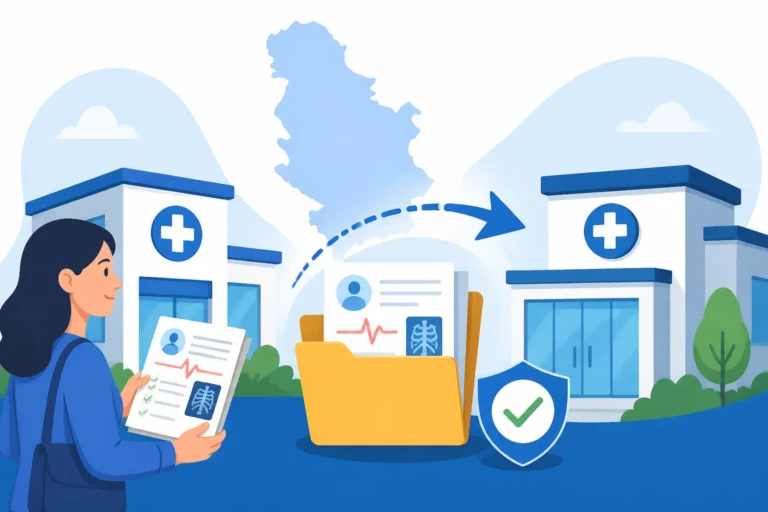
Your first port of call in the public system for any health issue, including mental health, is always your chosen general practitioner (GP), or izabrani lekar, at your local Dom Zdravlja (health centre). This GP acts as your gatekeeper to specialist services. Before you can even think about seeing a psychiatrist or psychologist, you need to be registered with the RFZO and have a GP assigned. If you haven't done this yet, my detailed guide on How to Register with the RFZO and a GP in Serbia (2027) is an absolute must-read. It breaks down the often-confusing bureaucratic steps.
Once you have your GP, you'll need to schedule an appointment to discuss your mental health concerns. This is where the cultural aspect can sometimes come into play. Be prepared to clearly articulate your symptoms and your belief that they are related to mental health. Don't be shy about stating what you need. If you're struggling with anxiety, depression, or stress, explicitly say so. Sometimes, GPs might initially focus on physical causes, so you might need to steer the conversation a bit.
The biggest hurdle here for many expats is the language barrier. While some GPs, especially in larger cities like Belgrade or Novi Sad, might have a basic understanding of English, it's by no means guaranteed. Trying to explain complex emotional states in a foreign language is incredibly difficult. Consider bringing a trusted Serbian-speaking friend or even hiring a professional interpreter for your initial consultation. It’s worth the investment to ensure your concerns are accurately conveyed. In some cases, your GP might be able to provide initial advice or even prescribe common medications for anxiety or depression, but for anything more serious or requiring ongoing therapy, they will refer you to a specialist.
Specialist Referrals and Public Hospitals
After your GP consultation, if they deem it necessary, they will provide you with a referral (uput) to a public sector psychiatrist or psychologist. This uput is your ticket to seeing a specialist within the RFZO system. Keep in mind that securing this referral is crucial, as you generally cannot directly access specialist mental health care in the public system without one. My guide on How Specialist and Hospital Referrals Work in Serbia provides more insights into this critical step.
Once you have the referral, you'll then need to contact the relevant psychiatric clinic or department, usually located within a larger public hospital or a specialized mental health institution. In Belgrade, a prominent example is the "Laza Lazarević" Clinic for Psychiatric Diseases. These institutions house teams of psychiatrists, psychologists, and other mental health professionals.
Here's what to expect with specialist referrals:
- Waiting Times: Public sector waiting lists for non-emergency psychiatric or psychological appointments can be long. While urgent cases are prioritised, routine appointments might take weeks or even months. This is a common frustration for expats accustomed to faster access.
- Language: Again, expect that the primary language of communication will be Serbian. While some younger specialists might have some English proficiency, it's not a given. Again, having an interpreter is highly recommended, especially for therapy sessions where nuanced communication is key.
- Treatment Approach: Public sector treatment typically follows established protocols. You might find a greater emphasis on medication management from psychiatrists, with psychotherapy being offered by psychologists, but often within a more structured, possibly shorter-term framework than you might find in private practice.
- Co-payments: While RFZO covers the bulk of the cost, you might still encounter nominal co-payments (participacija) for consultations, certain medications, or specific procedures. It’s a small amount, but something to be aware of. My guide on Understanding Out-of-Pocket Healthcare Costs and Co-Payments in Serbia elaborates on this.
It's a system that requires persistence, but if you're covered by RFZO and are prepared for the journey, it can provide necessary and affordable care.
Exploring Private Mental Health Options for Expats
For many expats, the private sector is often the smoother, faster, and more comfortable route to accessing mental health support in Serbia. While it comes with a cost, the benefits often outweigh the expenses for those who can afford it or have good private health insurance.
Advantages of Private Clinics and Practitioners
Why do so many of us turn to private mental health services here? Honestly, the advantages are quite compelling when you’re navigating life in a foreign land.
Firstly, accessibility and speed. In the private sector, you generally don’t need a referral from a GP to see a specialist. You can call a clinic or a private practitioner directly and book an appointment. This dramatically cuts down on waiting times. What might take weeks or months in the public system can often be arranged within days, sometimes even on the same day for urgent cases. This speed is invaluable when you're feeling distressed and need timely support.
Secondly, language comfort. This is a huge one. Many private clinics and independent therapists actively cater to international clients. They understand the challenges of expat life and, crucially, offer consultations in English, and sometimes other European languages. Trying to explain deep emotional turmoil or complex psychological issues in a language you’re not fully fluent in can be exhausting and unproductive. Being able to express yourself fully in your native tongue removes a massive barrier to effective therapy. It’s hard enough to articulate your feelings when you’re struggling, let alone doing it through a translation app!
Thirdly, variety of approaches and specializations. Private practitioners often offer a broader range of therapeutic modalities, from cognitive behavioural therapy (CBT) and psychodynamic therapy to schema therapy, EMDR, and mindfulness-based approaches. You're more likely to find a therapist whose approach resonates with you and your specific needs. Additionally, many private practitioners specialize in areas particularly relevant to expats, such as adjustment disorder, culture shock, identity issues, or grief related to leaving home.
Finally, there’s often a perception of greater privacy and a more patient-centric experience. While confidentiality is a professional standard in both sectors, the private setting often feels more intimate and less bureaucratic. You typically have more time with your therapist, and the environment itself is usually more comfortable and discreet. This can make a big difference when you're discussing sensitive personal matters.
Finding English-Speaking Therapists and Clinics
Finding the right English-speaking mental health professional in Serbia can feel like searching for a needle in a haystack if you don't know where to look. But trust me, they are out there, especially in Belgrade and Novi Sad.
Here are some tried-and-true methods:
- Expat Forums and Social Media Groups: These are often goldmines for recommendations. Join Facebook groups for expats in Belgrade or Novi Sad. People are usually very willing to share their experiences and recommend therapists they’ve had good results with. Ask directly for English-speaking psychologists or psychiatrists.
- International Directories: Websites like Psychology Today have an international section where therapists can list their profiles, including languages spoken, specializations, and contact details. This is an excellent starting point for a professional search.
- Referrals from Other English-Speaking Doctors: If you've already found an English-speaking GP or even a dentist through my guide on How to Find an English-Speaking Doctor in Serbia, don't hesitate to ask them for recommendations. Medical professionals often have networks and can point you in the right direction.
- Private Clinics with International Departments: Some larger private healthcare groups in Belgrade, like MediGroup, sometimes have psychologists or psychiatrists on staff who can assist international patients. While not all their staff will be English-speaking, their front desk might be able to guide you. Be sure to specifically ask for mental health services in English when you call.
When you're reaching out, don't be afraid to schedule a brief introductory call with a few therapists. This "chemistry check" is vital. You need to feel comfortable and understood. Ask about their approach, their experience with expats, and of course, their fees.
Costs and Insurance Considerations
Now, let's talk numbers, because private mental health care isn't cheap, but it's often a worthwhile investment in your well-being.
- Psychologist Sessions: A single 45-60 minute session with a private psychologist in Belgrade or Novi Sad can range from €40 to €80, sometimes even more for highly experienced or specialized therapists. Weekly sessions can quickly add up.
- Psychiatrist Consultations: Psychiatrists, who are medical doctors and can prescribe medication, usually charge a bit more per session, typically in the range of €50-€100 for an initial consultation, with follow-ups being slightly less.
These costs are out-of-pocket unless you have private health insurance that covers mental health services. This is where a good insurance plan becomes invaluable. Many international health insurance providers, and even some local private plans, offer coverage for outpatient psychiatric and psychological consultations.
Consider international expat health insurance providers like SafetyWing. They are designed for digital nomads and expats and often include mental health benefits in their plans, which can significantly ease the financial burden of regular therapy sessions. Always check the specifics of your policy:
- Does it cover outpatient consultations with psychologists and psychiatrists?
- Is there a limit on the number of sessions or an annual cap?
- Is there a deductible or co-payment required?
- Do you need a referral from a local GP, or can you go directly to a specialist?
Understanding these details before you start therapy will save you a lot of headaches later. If you're pondering the various insurance options, I’ve put together a comprehensive guide on Understanding Private Health Insurance Plans in Serbia and even a breakdown of How Much Does Private Health Insurance Cost in Serbia in 2026?, which includes discussions on international options that could be beneficial. Many expats find the peace of mind offered by knowing their mental health support is covered by a reliable insurer like SafetyWing to be priceless.
Online and Telehealth Mental Health Resources
In our increasingly connected world, online and telehealth options have become a lifeline for many expats seeking mental health support, especially when local access or language barriers are a concern. Serbia has a growing digital infrastructure, making these options quite viable.
International Telehealth Platforms
The beauty of international telehealth platforms is that they bring therapy to your living room, no matter where you are in Serbia. Websites and apps like BetterHelp, Talkspace, or even specialized platforms like those offered by expat health insurers such as SafetyWing (who might facilitate virtual doctor visits) connect you with licensed therapists and psychiatrists who can provide consultations via video call, phone, or even text message.
Here's why these platforms are great for expats:
- Language Options: You can usually choose a therapist who speaks your native language, ensuring you can express yourself without any linguistic hurdles. This is perhaps the biggest advantage.
- Convenience: No need to travel to appointments. You can have sessions from the comfort and privacy of your home, which is especially useful if you live in a more remote part of Serbia or have a busy schedule.
- Wider Pool of Specialists: You’re not limited to the therapists physically present in Serbia. You can access a global network of professionals, potentially finding someone with very specific expertise for your needs.
- Flexibility: Many platforms offer flexible scheduling, including evenings and weekends, to accommodate different time zones or work commitments.
However, there are a few important considerations:
- Local Legal Implications: While convenient, be aware that therapists on these platforms are usually licensed in their home country, not necessarily in Serbia. This generally isn't an issue for talk therapy, but for prescribing medication, it becomes more complex. Serbian doctors are generally the only ones who can legally prescribe medications within Serbia.
- Emergency Response: In a mental health crisis, an online therapist based in another country might not be able to provide immediate local emergency support. Always have local emergency numbers and a crisis plan in place (we'll cover this soon!).
- Insurance Coverage: While some international private health insurance plans might cover online therapy, it’s crucial to check your policy specifics. Some might only cover in-person sessions or specific platforms.
Local Online Support and Expat Communities
Beyond the major international platforms, you can also tap into local online resources and the vibrant expat community for support.
- Serbian Therapists Offering Online Sessions: Many private psychologists and psychiatrists in Serbia, especially after the pandemic, now offer online consultations. If you find an English-speaking therapist in Belgrade or Novi Sad, ask if they offer remote sessions. This gives you the benefit of a locally licensed professional with the convenience of telehealth.
- Expat Social Media Groups and Forums: These aren't professional therapy, but they offer invaluable peer support. Sharing experiences, frustrations, and advice with others who truly "get it" can significantly reduce feelings of isolation. Search for "Expats in Belgrade," "Digital Nomads Serbia," or similar groups on Facebook. People often post about their struggles and find comfort in shared experiences. Sometimes, these groups might even organize meetups or informal support gatherings.
- NGOs and Support Networks: While less common for direct English-language mental health services, some local NGOs might have programs or resources that could be indirectly helpful or point you towards relevant support. It's worth a search if you're looking for community-based initiatives, though these might require some Serbian language proficiency to fully utilize.
Remember, while online support is fantastic for ongoing therapy and peer connection, it should complement, not replace, a clear understanding of local emergency procedures, especially when dealing with acute mental health challenges.
Practical Tips for Expats Seeking Mental Health Support in Serbia
Navigating mental health care in any foreign country is tough, and Serbia is no exception. Beyond knowing the systems, there are some practical tips that can truly make your journey smoother and help you feel more empowered.
Overcoming Language Barriers
This is often the number one frustration for expats in Serbia, especially when it comes to something as nuanced as mental health. Explaining intricate feelings, past traumas, or specific thought patterns to someone who doesn't speak your language or understand your cultural background is incredibly challenging.
Here's how to tackle it:
- Prioritize English-Speaking Professionals: If you're going the private route, make this your primary filter. Don't compromise on language if you can avoid it. When calling clinics, explicitly state that you need an English-speaking therapist or psychiatrist. Ask to speak directly with the professional if possible, even for a brief moment, to gauge their fluency and your comfort level.
- Bring an Interpreter: If you must use the public system, or if your chosen private professional isn't fully fluent, consider hiring a professional interpreter. This is especially vital for initial consultations where you need to give a thorough history. A good interpreter does more than just translate words; they convey tone and cultural context. Avoid relying on a friend or family member if possible, as it can compromise confidentiality and might not be suitable for expressing sensitive information.
- Prepare Key Phrases: Even if your therapist speaks English, having some key phrases in Serbian related to your feelings (e.g., "Anksiozan sam" – I am anxious; "Depresivan sam" – I am depressed; "Treba mi pomoć" – I need help) can be useful for initial interactions, especially in a public setting or an emergency.
- Use Visual Aids or Written Notes: Sometimes, writing down your symptoms or feelings in advance (even if it's just for yourself to read aloud) can help organize your thoughts and ensure you don't forget crucial details due to stress or language difficulties.
Validate your frustration here: it's perfectly normal to feel overwhelmed and discouraged when language stands in the way of vital care. Don’t let it stop you from seeking help; just factor it into your planning.
Building a Support Network
Expat life can be lonely, and isolation is a major contributor to mental health struggles. Proactively building a robust support network is not just a good idea; it's essential for your mental well-being in Serbia.
- Connect with Fellow Expats: Seek out expat communities in your city. There are numerous Facebook groups for foreigners in Belgrade, Novi Sad, and other towns. Attend meetups, join expat sports leagues, book clubs, or social events. These are places where people genuinely understand the unique stresses of living abroad. Sharing experiences can be incredibly validating and help you feel less alone.
- Maintain Connections with Home: Don't underestimate the power of video calls with friends and family back home. Schedule regular check-ins. While they might not fully grasp your day-to-day life in Serbia, their familiar presence and emotional support are invaluable.
- Explore Local Hobbies and Groups: Get involved in local activities that align with your interests. Whether it's a hiking group, a language exchange, a pottery class, or a yoga studio, these can be fantastic ways to meet both locals and other international residents, expanding your social circle beyond the immediate expat bubble.
- Consider Peer Support Groups: While less formalized for English speakers, some expat groups might have informal peer support meetups. These are not therapy but can provide a safe space to vent and share coping strategies with others facing similar challenges.
Remember, your mental health journey isn’t just about clinical appointments; it’s also about fostering connections and ensuring you have people around you who care.
What to Do in a Mental Health Crisis
Knowing what to do in a crisis is crucial, no matter where you are. While we hope you never need it, having a plan for a mental health emergency in Serbia can provide immense peace of mind.
-
Immediate Emergency Numbers:
- 194 (Hitna Pomoć / Ambulance): This is the direct line for medical emergencies, including severe mental health crises where immediate medical attention is required (e.g., severe panic attack, suicidal ideation with intent, psychotic break).
- 112 (General Emergency): This is Europe's universal emergency number, connecting you to police, fire, and ambulance services. You can use this if you're unsure which specific service you need.
- Be prepared for language barriers: When you call, state "English, please" immediately. If that doesn't work, try to convey the urgency and your location simply. Have your address written down clearly.
-
Seek Local Emergency Departments: For acute mental health crises, the emergency departments of major public hospitals (e.g., KBC Zvezdara, KCS, or psychiatric clinics like "Laza Lazarević" in Belgrade) will have psychiatric emergency services. If you or someone you know is in immediate danger, go there directly or have an ambulance take you. Expect longer waits and potential language issues if you go this route without an interpreter.
-
Contact Your GP or Private Therapist (if applicable): If you have an established GP (public or private) or a private mental health professional, they should be your first point of contact for less severe, but still urgent, situations. They know your history and can advise on the best next steps, including whether to go to an emergency room or if there's an urgent appointment available. Make sure you have their emergency contact details saved.
-
Inform a Trusted Person: In a crisis, having a trusted friend, family member, or expat contact who knows your situation and can assist you (e.g., with transport, language, or just emotional support) is incredibly important. Make sure at least one person close to you knows who to call and what to do if you're unable to help yourself.
My guide on Emergency Medical Care in Serbia: What Every Expat Needs to Know covers broader emergency scenarios, but the principles of knowing who to call and what to expect apply equally to mental health crises. Remember, it's okay to ask for help, and having a plan empowers you to do so effectively.
Comparative Table of Mental Health Service Options
To help you get a clearer picture, here’s a breakdown of the different mental health service options available to expats in Serbia, highlighting their key features:
| Feature | Public Sector (RFZO) | Private Sector (Local) | Online/Telehealth (International) |
|---|---|---|---|
| Accessibility | Requires GP referral, RFZO registration | Direct access, no referral needed | Direct access, internet connection needed |
| Language | Primarily Serbian, limited English | Many English-speaking professionals available | Wide range of languages, including native tongue |
| Cost | Minimal co-payments (if insured by RFZO) | Paid out-of-pocket, typically €40-€100 per session | Varies widely, usually subscription or per-session fees |
| Waiting Times | Can be long (weeks to months) | Generally short (days to a week) | Immediate or short (hours to a few days) |
| Privacy/Confidentiality | Regulated, but less perceived privacy | High, personalized setting | High, platform-dependent |
| Treatment Range | Standard psychiatric care, some psychology | Broad, diverse therapeutic approaches and specializations | Broad, diverse therapeutic approaches |
| Crisis Support | Public hospital emergency departments (194/112) | Varies by clinic/practitioner, typically refer to public ER | Limited direct local crisis intervention |
| Insurance Coverage | Covered by RFZO (if eligible) | May be covered by private/international insurance (e.g., SafetyWing) | Varies by private/international insurance (check policy) |
| Expat-friendliness | Low (language, cultural gap) | High (catering to international clients) | Very High (designed for global access) |
Disclaimer
The information provided in this guide is intended for general informational purposes only and does not constitute professional medical, psychological, or legal advice. While we strive to provide accurate and up-to-date information, healthcare systems, regulations, and available services in Serbia can change. Always consult with a qualified healthcare professional or legal expert for advice tailored to your specific situation. Reliance on any information in this guide is solely at your own risk.