Is Maternity Care Covered by the RFZO in Serbia?
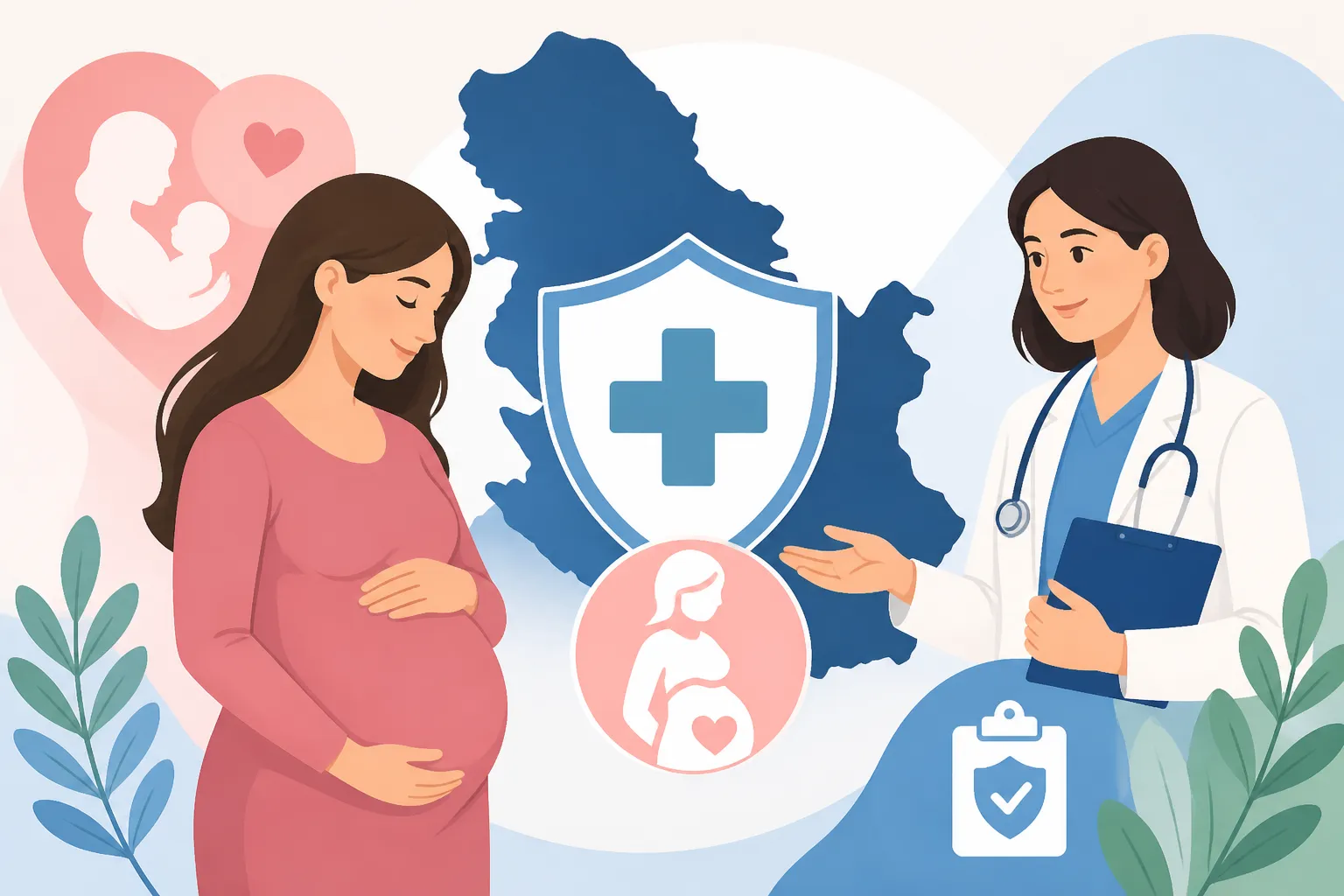
One of the biggest worries for expecting parents, especially those of us navigating a new country like Serbia, is understanding how maternity care actually works. It's a labyrinth of paperwork, different systems, and often, a language barrier that can leave you feeling overwhelmed and unsure. This guide is here to shed light on whether your maternity care is covered by the Republic Health Insurance Fund (RFZO) in Serbia, what to expect, and how to navigate this crucial period as an expat.
Understanding RFZO Coverage for Maternity Care in Serbia
Let's get straight to it: for legally employed expats, or those with a valid basis for public health insurance in Serbia, the RFZO does generally cover maternity care. This is a huge relief for many, as the costs associated with pregnancy, childbirth, and postnatal care can add up quickly. However, "generally" is the operative word here, and understanding the nuances is key to avoiding unexpected bills and stress.
The Basics of RFZO for Expecting Expats
If you're working here, your employer is typically responsible for registering you with the RFZO and ensuring your contributions are paid. If you're self-employed and registered as an entrepreneur (especially under the paušal regime) or have temporary residence based on family reunification with someone who is covered, you'll also be part of the system. This mandatory health insurance is your gateway to public healthcare services, including those for maternity. It's not just a nice-to-have; it's a legal requirement if you're working or residing here long-term under certain statuses. Your status here directly impacts your eligibility, so make sure your ducks are in a row from the start. For a deeper dive, check out our guide on How to Register with the Republic Health Insurance Fund (RFZO) in Serbia.
What Exactly Does the RFZO Cover?
Once you're properly registered and your health card (known affectionately as a "knjižica" or more formally as a "zdravstvena kartica") is active, the RFZO provides comprehensive coverage for maternity care within the public healthcare system. This includes:
- Prenatal Check-ups: Regular visits to your chosen gynecologist (ginekolog) at a dom zdravlja (health center). This covers routine examinations, blood tests, urine tests, and ultrasounds as prescribed by your doctor.
- Childbirth: This is a big one. The RFZO covers the costs of delivery in a public hospital, whether it's a natural birth or a medically necessary C-section. This includes the hospital stay, medical staff, necessary medications during your stay, and basic postnatal care for both mother and baby.
- Postnatal Care: Follow-up appointments for the mother and initial check-ups and vaccinations for the newborn are also part of the package.
- Medications: Many pregnancy-related medications, especially those deemed essential, will be covered or heavily subsidized, though you might encounter co-payments for some.
It's important to understand that while the coverage is comprehensive, the experience within the public system can vary significantly from what you might be used to in your home country. Resources can sometimes be stretched, and personalized attention might feel less abundant than in private clinics.
Eligibility and Contributions
To be eligible for RFZO maternity coverage, you generally need to be a legal resident in Serbia with valid health insurance. This usually means you're employed by a Serbian company, self-employed and paying contributions, or a family member (spouse, child) of someone who is. Your employer typically handles your monthly mandatory health insurance contributions in Serbia, which are deducted directly from your salary. For the self-employed, you'll be responsible for ensuring these are paid regularly. The moment these contributions stop, or your residence status changes without a new basis for insurance, your coverage can lapse. This is crucial for expats whose employment situations might be less stable than locals. Always make sure your contributions are up-to-date and your card is valid.
Navigating Public vs. Private Maternity Care with RFZO
The choice between public and private healthcare is a common dilemma for all expats in Serbia, and it becomes even more pronounced when you're expecting. While RFZO covers you in the public system, many expats opt for a hybrid approach or fully private care for certain aspects of their maternity journey.
The Public System Experience
Choosing to go through the public system for your entire maternity journey means leveraging your RFZO coverage for everything from prenatal appointments at your local dom zdravlja to delivery at a public hospital like Narodni Front or Višegradska in Belgrade.
The dom zdravlja will be your primary point of contact for prenatal care, where you'll register with a chosen gynecologist – your izabrani lekar. These doctors are excellent, often highly experienced, and the care they provide is solid. However, wait times for appointments can be long, and the facilities might feel dated compared to private clinics. You might find yourself sharing waiting rooms with many others, and the consultation style can be quite direct, which can be a cultural adjustment. Delivery at a public hospital, while covered, can also be a more utilitarian experience. You might not have a private room, and the focus is on efficient, medically sound care rather than a luxurious or highly personalized birth plan experience. This is not to say the care isn't good; it absolutely is, but the amenities and patient-to-staff ratio can be different.
Hybrid Approach: Leveraging RFZO with Private Services
Many expats find a comfortable middle ground by using their RFZO coverage for the big-ticket items like hospital delivery, but opting for private clinics for some prenatal care. Why? Private clinics often offer shorter wait times, more modern facilities, the option of English-speaking doctors, and a more personalized experience.
For example, you might choose to have your regular prenatal check-ups and ultrasounds at a private clinic, paying out-of-pocket for these, while still planning to deliver at a public hospital where your RFZO fully covers the costs. This way, you get the best of both worlds: the comfort and convenience of private care for routine visits, and the cost-saving benefit of RFZO for the delivery itself. You'll need to discuss with your public gynecologist how to integrate these private reports into your public medical records, but it's generally manageable. Private clinics like Euromedik, Medigroup (which includes clinics like Jevremova and Analife), or Acibadem Bel Medic are popular choices for private prenatal care in Belgrade. This hybrid model can significantly reduce overall costs compared to a fully private maternity package while still giving you access to preferred amenities. For more details, consider reading How to Choose Between Public and Private Maternity Care in Serbia.
Costs and Co-payments You Might Still Encounter
Even with RFZO coverage, it's rare to have a completely free ride. You might still face some out-of-pocket expenses.
- Co-payments (Participacija): For certain services, tests, or medications, the RFZO system has co-payments. These are usually small fees, but they add up. While pregnancy itself often exempts you from some co-payments, it's wise to be prepared for some nominal costs.
- "Extras" in Public Hospitals: While the delivery itself is covered, if you desire a private room (if available), or want certain non-medically essential amenities, these will come at an extra cost. These aren't usually covered by RFZO and can sometimes be arranged directly with the hospital.
- Private Doctor Fees: If you opt to see a private gynecologist for additional opinions, quicker appointments, or more personalized attention, you'll be paying for these visits out of your own pocket. These can range from 3,000 RSD to 8,000 RSD or more per consultation, depending on the clinic and the services included (e.g., ultrasound).
- Medications Not on the RFZO List: While many essential pregnancy medications are covered, some newer or specialized drugs might not be, or might require a higher co-payment.
Understanding these potential costs is part of being realistic about healthcare in Serbia. It's never a bad idea to keep a small buffer fund for these unforeseen expenses. Our guide on Understanding Out-of-Pocket Healthcare Costs and Co-Payments in Serbia can offer more context.
Practical Steps for Expecting Expats
Getting pregnant in a new country adds a layer of complexity to an already life-changing event. Knowing the practical steps to take can significantly ease the journey.
Registering for RFZO and Choosing Your GP
This is your absolute first step, even before you start thinking about gynecologists. If you're working, your employer should facilitate your registration with RFZO. Once that's done, you'll need to go to your local dom zdravlja (health center) to register and choose your general practitioner (GP) or izabrani lekar. While your GP won't be handling your pregnancy, they are often the ones who will give you your initial referral to a gynecologist within the public system. Without being registered with an izabrani lekar, getting official referrals and accessing other services through RFZO can be impossible. You can also consult our detailed post on How to Choose a GP (Izabrani Lekar) at a Dom Zdravlja in Serbia for guidance.
When you go to register, bring your passport, temporary residence card, and proof of RFZO insurance (often a printout from your employer or the RFZO branch showing your active status). Be prepared for some bureaucracy; it's just part of the Serbian experience. A little patience and a friendly smile go a long way. If you're struggling with the language, bringing a Serbian-speaking friend or colleague can be incredibly helpful.
Getting Your "Knjizica" and Referral System
Your "knjižica" or health card is your golden ticket to RFZO-covered services. Make sure you have a valid one. This card proves your entitlement to public healthcare. Once you're confirmed pregnant (either through a home test, a private clinic, or your GP), your GP will give you a referral (uput) to a gynecologist at the dom zdravlja. This gynecologist will then manage your prenatal care throughout your pregnancy, including scheduling regular check-ups, tests, and ultrasounds.
The referral system is central to the RFZO. You can't just walk into a specialist's office or a hospital without one. For specialist appointments, your dom zdravlja gynecologist will issue referrals. For hospital delivery, your gynecologist will provide the necessary paperwork when you're closer to your due date. It's a system that takes some getting used to, but once you understand the flow, it becomes easier. Remember, knowing How Specialist and Hospital Referrals Work in Serbia is key to navigating the public system efficiently.
Important Considerations for International Families
For international families, there are a few extra layers to consider:
- Language Barrier: While many doctors in Belgrade, especially younger ones, speak some English, it's not guaranteed, particularly outside the capital. Consider bringing a translator to important appointments or opting for private clinics known to have English-speaking staff. Finding an English-speaking doctor in Serbia can make a world of difference for your peace of mind.
- Documentation: Always keep all your medical documents, ultrasound reports, and test results organized. You'll often need to present these at different appointments, especially if you're mixing public and private care.
- Adding Dependents: Once your baby arrives, you'll need to add them to your health insurance coverage. This typically involves registering the birth and then submitting documents to RFZO to extend your coverage to your newborn. Understanding How to Add Dependents to Your Health Coverage in Serbia is important for ensuring your baby is covered from day one.
- Cultural Differences: Birth culture can vary greatly. In Serbia, for instance, it's common for fathers not to be present in the delivery room in public hospitals, although this is slowly changing in some places. Be prepared for cultural norms that might differ from your expectations and be open to communicating your preferences where possible.
Beyond RFZO: Other Options and Considerations
While the RFZO provides a solid foundation, some expats prefer additional peace of mind or simply want to explore all available options.
When RFZO Isn't Enough: Private Health Insurance
For those who want more control over their maternity experience, shorter wait times, private hospital rooms, or access to specific private clinics and doctors, private health insurance is an excellent supplement or alternative. Several local and international providers offer plans that can cover maternity, though it's crucial to check waiting periods and specific coverage details. Many policies have a waiting period (often 10-12 months) before maternity benefits kick in, so it's something you need to plan for well in advance of becoming pregnant.
Providers like Generali, Uniqa, and DDOR offer private health insurance plans in Serbia. International insurance companies such as Cigna Global or SafetyWing (which is known for its Nomad Insurance but also offers longer-term global health options) can also provide coverage, often with the flexibility to choose your medical providers. While SafetyWing's Nomad Insurance might be more suited for travel, their comprehensive global health plans could be relevant for long-term expats looking for broader coverage. These plans can cover private hospital births, extensive prenatal care at private clinics, and sometimes even elective C-sections if desired. For a detailed breakdown of options, check out Health Insurance in Serbia: RFZO, Private and International Options Explained.
Planning for Emergencies and Unexpected Costs
No matter how well you plan, emergencies can happen. It's vital to know what to do in a medical emergency while travelling from Serbia or locally. The RFZO covers emergency care, including unexpected early labor or complications. Public hospitals have emergency departments (urgentni centar) that will treat you. If you have private insurance, it will typically cover emergency care at private facilities up to your policy limits.
Beyond medical emergencies, consider unexpected costs like extended hospital stays, specialized care for the baby, or the need for formula and diapers, which can quickly add up. Having a financial cushion is always a smart move. Even if your RFZO covers the bulk, there are always incidentals.
Important Documents and Bureaucracy
Throughout your pregnancy and after childbirth, you'll encounter a fair bit of Serbian bureaucracy. Keep these documents handy:
- Passport and Residence Permit: Always carry copies, and have the originals accessible.
- RFZO Health Card ("Knjizica"): Your primary proof of insurance.
- Medical Records: Keep a folder of all your prenatal reports, test results, and ultrasounds, whether from public or private doctors.
- Marriage Certificate (if applicable): Needed for registering the baby's birth, especially if you want the father's name on the birth certificate from the start.
- Birth Registration Documents: After the baby is born, the hospital will provide a birth certificate that you take to the local registry office (matičar) to officially register the birth. This is a critical step for getting the baby's passport and adding them to your residence and health insurance.
Dealing with the system can sometimes be frustrating, but remember, countless expats have navigated it successfully. Patience, persistence, and perhaps a good local friend to help with translations and cultural nuances are your best assets.
| Feature | RFZO (Public Healthcare) | Private Healthcare (with/without private insurance) | Hybrid Approach (RFZO + Private) |
|---|---|---|---|
| Coverage Scope | Comprehensive prenatal, childbirth, postnatal care (within public system) | Varies by insurance plan; full coverage for private clinics/hospitals if policy allows | RFZO for delivery, private for prenatal appointments & comfort |
| Cost | Primarily covered by mandatory contributions; small co-payments likely | Higher out-of-pocket, or covered by private insurance (with premiums/deductibles) | RFZO costs + private clinic fees for specific services |
| Eligibility | Legal residents with active employment/self-employment and contributions | Anyone willing to pay or with a private insurance plan | Legal residents with active RFZO and willingness to pay extra |
| Facilities | Public dom zdravlja and hospitals; functional, may be older | Modern clinics and hospitals; often better amenities and privacy | Mix of public hospital facilities and modern private clinics |
| Wait Times | Can be long for appointments, especially for specialists | Generally shorter, often same-day or next-day appointments | Shorter for private appointments, standard for public delivery |
| English Speaking | Varies; more common in Belgrade, not guaranteed | More likely to find English-speaking doctors | Mix, depending on where you choose specific services |
| Personalization | Standardized care; less emphasis on birth plans | More personalized care, flexibility in birth plans (within medical limits) | Combines personalized prenatal care with public delivery protocols |
Disclaimer
The information provided in this guide is intended for general informational purposes only and does not constitute legal, medical, or professional advice. While we strive to ensure the information is accurate and up-to-date, healthcare regulations and procedures in Serbia can change. We recommend consulting with local legal, medical, or immigration professionals for advice tailored to your specific situation. Reliance on any information in this guide is solely at your own risk.