How Much Does a C-Section Cost in Serbia?
Facing the prospect of childbirth in a new country can be incredibly daunting, and for many expat parents-to-be in Serbia, understanding the financial side of a C-section is a major source of anxiety. It’s not just about the procedure itself, but the entire journey – from prenatal care to recovery – and how your insurance, or lack thereof, fits into the picture. This guide is here to shed light on exactly what you can expect in terms of C-section costs in Serbia, breaking down the public and private options, and giving you the realistic, no-nonsense advice you need to plan ahead.
Understanding C-Section Costs in Serbia: Public vs. Private
Let's get straight to the point: the cost of a C-section in Serbia varies significantly depending on whether you opt for the public healthcare system or a private clinic. It's a choice many expat families grapple with, weighing the financial implications against the desire for a potentially more comfortable or familiar experience.
Public Healthcare System Costs
If you are a legal resident and have been registered with the Republic Health Insurance Fund (RFZO) and making mandatory contributions, then technically, your C-section in a public hospital should be covered. This means the procedure itself, the hospital stay, and basic post-operative care would incur little to no direct cost to you, beyond perhaps a nominal co-payment for certain services. This is a huge relief for many, as the public system in Serbia is designed to make essential medical care accessible.
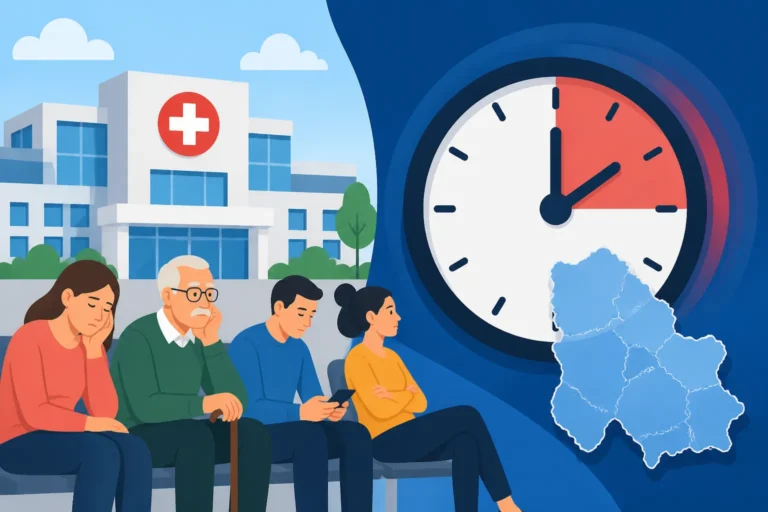
However, the "cost" in the public system isn't always monetary. You might find that the public hospitals, particularly in bustling cities like Belgrade or Novi Sad, can be crowded. You might not have the luxury of a private room, and communication can sometimes be a hurdle if your Serbian isn't strong. While the medical expertise is often excellent, the overall "experience" might not be what you're accustomed to in your home country. This trade-off is something many expats consider very carefully. If you’re interested in a deeper dive, our guide on Public vs Private Healthcare in Serbia: What Expats Need to Know offers a thorough comparison. For those still navigating the initial registration, our article on How to Register with the Republic Health Insurance Fund (RFZO) in Serbia is a great resource.
Private Clinic Costs
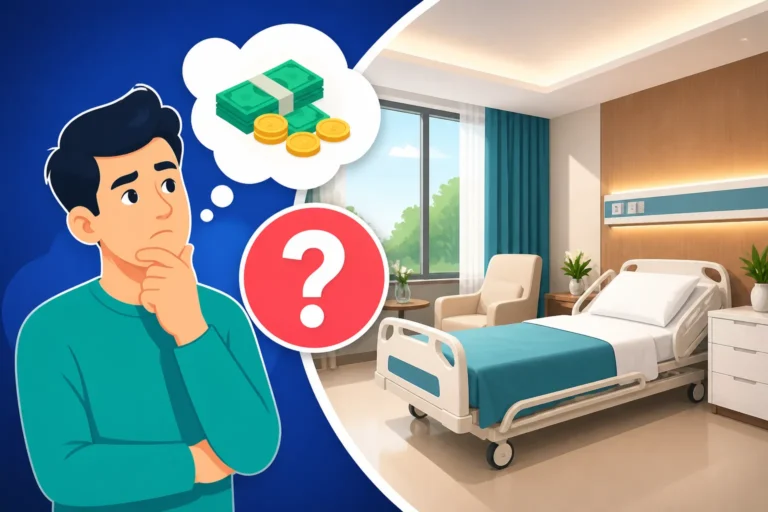
This is where the direct costs really come into play. Private clinics and hospitals in Serbia offer a more hotel-like experience, often with English-speaking staff, private rooms, and a higher degree of personalized care. They can feel like a sanctuary when you're facing such a significant life event in a foreign land. However, this comfort comes with a price tag.
For a C-section in a private clinic, you can expect to pay anywhere from €1,500 to €3,500, or even more, depending on the clinic, the city, and the specific package you choose. These prices generally include the C-section procedure, a few days' hospital stay, basic post-operative medication, and initial baby care. It's crucial to understand that these are often base prices, and "extras" can quickly add up. For instance, some clinics might offer specialized pain management, extended stays, or particular pediatric services which are billed separately. A good private health insurance plan, like those offered by providers that cater to international residents such as SafetyWing, could potentially cover a significant portion of these costs, making private care a more feasible option.
What Factors Influence the Price of a C-Section?
The cost isn't just a flat fee; several factors can sway the final bill for your C-section in Serbia. Understanding these nuances can help you budget more effectively and avoid nasty surprises.
Type of C-Section and Medical Complications
Naturally, whether your C-section is planned (elective) or an emergency can impact the final cost, particularly in private facilities. An elective C-section usually comes with a pre-defined package price. However, if complications arise during an elective procedure, or if you require an emergency C-section, additional medical interventions might be needed, which will increase the overall bill. This could include extended time in the operating theatre, more intensive post-operative care, or specialized medication.
For example, if the baby requires immediate neonatal intensive care (NICU) beyond standard observation, or if the mother experiences unforeseen post-operative issues like a severe infection requiring extended antibiotic treatment or additional procedures, these scenarios will escalate costs. It's vital to discuss potential complications and their associated costs with your chosen private clinic beforehand, even if it feels uncomfortable to think about. Always ask about their policy for emergencies and what is truly included in their "all-inclusive" packages.
Hospital and Clinic Reputation
Just like anywhere else in the world, the reputation and location of the hospital or clinic play a significant role in pricing. A well-known private hospital in a prime Belgrade location, with state-of-the-art equipment and a roster of highly experienced, often internationally trained, doctors, will naturally charge more. Clinics such as Narodni Front (though primarily public, it's highly regarded), Bel Medic, or MediGroup are popular choices, each with their own pricing structure and service levels.
Smaller, less centrally located private clinics might offer more competitive rates. It’s not just about the medical care, but also the amenities. Do they offer private rooms with en-suite bathrooms, gourmet meals, and dedicated lactation consultants? These "luxury" factors are often reflected in the price. Before committing, it's always a good idea to visit a few clinics, compare their services, and read reviews from other expats. Our guide on How to Choose Between Public and Private Maternity Care in Serbia provides excellent advice on this selection process.
Additional Services and Post-Operative Care
The base price for a C-section often covers the surgery and a standard hospital stay (typically 3-5 days). However, many parents find themselves wanting or needing additional services. These can include:
- Extended hospital stay: If you or the baby need to stay longer for recovery or observation.
- Specialized pain management: Beyond standard painkillers, such as epidural top-ups or specific post-operative care plans.
- One-on-one nursing care: If you desire more personalized attention during your recovery.
- Lactation consulting: For breastfeeding support.
- Neonatal screening and vaccinations: Some comprehensive packages include these, others bill them separately.
- Partner's accommodation: Some private hospitals offer a folding bed or small room for the partner to stay overnight.
Each of these can add to the final bill. When inquiring about costs, ask for a detailed breakdown of what is included and what might be an additional charge. Don't be shy about clarifying every line item, as cultural differences in billing can sometimes lead to misunderstandings. Having a clear understanding upfront can really help manage your budget.
Navigating Insurance for Your C-Section in Serbia
Understanding how your health insurance works for a C-section in Serbia is arguably the most crucial step for managing costs. Between the state RFZO, private Serbian policies, and international plans, it can feel like a maze.
RFZO Coverage for Registered Expats
If you are legally employed or self-employed and contributing to the RFZO (Republic Health Insurance Fund) in Serbia, your C-section will generally be covered in a public hospital. This is a massive relief for many. The RFZO covers everything from prenatal care to the delivery itself, including C-sections, and post-natal care for both mother and baby. However, there might be nominal co-payments for certain tests, medications, or specific hospital services.
The key here is being properly registered and having your health card. Without it, even in a public hospital, you could be treated as a private patient and charged accordingly, or worse, face delays in care. It's important to understand What Is Covered by the RFZO in Serbia? and the process for How to Register with the RFZO and a GP in Serbia (2027) long before your due date. Remember, the RFZO system generally directs you to designated public hospitals, and you typically won't have a choice in specific doctors or the amenities of a private room.
Private Serbian Health Insurance
Many expats opt for private health insurance in Serbia to supplement or replace RFZO coverage. These plans can offer a wider choice of doctors, access to private clinics, shorter wait times, and the comfort of private rooms. When it comes to C-sections, private Serbian health insurance plans often have specific clauses:
- Maternity Coverage: Many plans require a waiting period, typically 10-12 months, before maternity benefits kick in. This means you need to purchase the policy well in advance of becoming pregnant. If you're already pregnant, finding a plan that covers maternity without a waiting period is unlikely or very expensive.
- Benefit Limits: There will often be a cap on how much the insurance will pay for childbirth, including C-sections. This might be a fixed sum or a percentage of the total cost.
- Clinic Network: Some policies only cover treatment at specific private clinics or hospitals within their network.
It's absolutely essential to read the fine print of any private Serbian health insurance policy, particularly regarding maternity and C-section coverage. Ask direct questions about waiting periods, coverage limits, and preferred hospitals. Our article on Understanding Private Health Insurance Plans in Serbia can help you compare options.
International Health Insurance (e.g., SafetyWing)
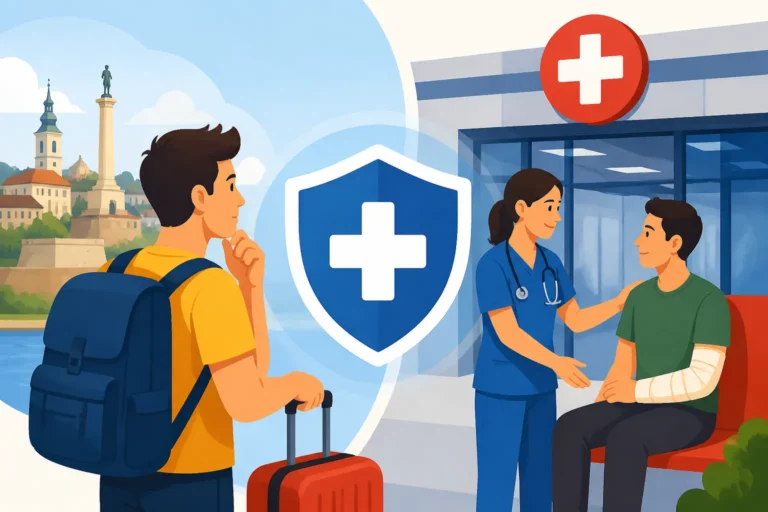
For many global citizens, international health insurance offers flexibility and comprehensive coverage, especially if you move between countries or plan to travel during your pregnancy. Companies like SafetyWing are well-regarded for their travel medical insurance and increasingly, their global health plans, which can be invaluable for expats.
With an international plan, you’re generally not tied to a single country’s public system. These plans typically offer:
- Global Coverage: You can receive treatment in Serbia, your home country, or almost anywhere else. This is a huge benefit if you want to deliver in a specific country or have access to diverse medical opinions.
- Choice of Provider: You can often choose any hospital or clinic, public or private, that meets your standards.
- Maternity Benefits: Like Serbian private insurance, international plans usually have waiting periods for maternity coverage (often 10-12 months). Make sure to check this carefully.
- Direct Billing: Some international insurers, including comprehensive plans from SafetyWing, can arrange direct billing with major private clinics, saving you the hassle of paying upfront and claiming reimbursement later.
Even with robust international insurance, it’s crucial to confirm exactly what your specific policy covers regarding C-sections, prenatal care, and postnatal care. Understand their claims process – whether it's direct billing, reimbursement, or a combination. The peace of mind that comes from knowing you’re covered globally is priceless, but you still need to do your homework. Remember to also check Can I Use International Health Insurance at Serbian Hospitals? for more clarity on local acceptance.
Practical Tips for Planning and Budgeting Your C-Section
Preparing for a C-section, especially in a foreign country, requires careful planning and a clear understanding of potential costs. Here are some actionable tips to help you budget and navigate the process smoothly.
Research and Compare Clinics Thoroughly
This cannot be stressed enough. Don't just settle for the first clinic you find or the one a friend mentioned. Belgrade and Novi Sad, in particular, have a number of excellent private maternity hospitals, and it's worth exploring your options.
- Get Itemized Quotes: Request a detailed, itemized quote from each private clinic you consider. This should break down the cost of the C-section procedure, hospital stay (number of days included), anesthesia, medications, pediatric checks for the baby, and any other standard services. Don't forget to ask about potential additional costs for complications or extended stays.
- Visit the Facilities: If possible, arrange tours of your top choices. This allows you to assess the cleanliness, staff-to-patient ratio, available amenities, and overall atmosphere. A facility that feels welcoming and professional can make a huge difference to your experience.
- Ask About English-Speaking Staff: For non-Serbian speakers, having English-speaking medical staff is often a top priority. Confirm their availability, especially for nurses and doctors who will be with you daily.
- Read Reviews and Talk to Other Expats: Online expat forums and social media groups are invaluable resources. Ask for recommendations and hear about others' experiences with specific clinics and doctors. Be prepared for varied opinions, but look for common themes.
Understand What Your Insurance Covers (and Doesn't)
This is a deep dive into your policy's fine print. Assume nothing.
- Contact Your Insurer Directly: Call your RFZO contact or your private insurance provider (whether a local Serbian company or an international one like SafetyWing) and explicitly ask about C-section coverage.
- Waiting Periods: Reconfirm any waiting periods for maternity benefits. If you're already pregnant, this is critical.
- Pre-authorization: Some insurance plans require pre-authorization for planned procedures like C-sections. Failing to get this could mean your claim is denied. Start this process early.
- Deductibles and Co-payments: Understand your out-of-pocket responsibilities. What's your deductible, and what percentage of costs will you be responsible for as a co-payment?
- Documentation: Ask what documents are required for claims – medical reports, invoices, discharge summaries. Keep all paperwork meticulously organized. Our comprehensive article on Health Insurance in Serbia: RFZO, Private and International Options Explained delves into these details.
Budget for Hidden and Unexpected Costs
Beyond the core C-section fee, there are always other expenses to consider.
- Prenatal Care: Remember that the C-section is just the end of a long journey. Factor in costs for regular check-ups, ultrasounds, blood tests, and specialist consultations throughout your pregnancy if you're using private facilities or not fully covered by RFZO. Understanding Maternity and Prenatal Care in Serbia offers a detailed look at these expenses.
- Medications: While basic post-operative meds are usually included, you might need additional prescriptions for pain relief, supplements, or specific recovery aids that are not.
- Baby's Needs: Think about immediate baby needs post-delivery – specialized formula if required, diapers, baby clothes for the hospital stay, and any initial baby health checks not covered.
- Transportation: Costs for getting to and from the hospital, especially if it's an emergency.
- Food and Lodging for Family: If your partner or other family members need to stay nearby, factor in their expenses.
- Post-Natal Support: This could include anything from a lactation consultant (if not covered) to therapy or home help during your recovery period.
By being proactive in your research and understanding your insurance coverage, you can significantly reduce the financial stress associated with your C-section in Serbia, allowing you to focus on the joy of welcoming your new family member.
Here’s a simplified table comparing potential costs and factors:
| Feature | Public Hospital (RFZO Covered) | Private Clinic (Out-of-Pocket/Private Insurance) |
|---|---|---|
| C-Section Cost (Base) | ~€0 – small co-payments | €1,500 – €3,500+ |
| Hospital Stay | Covered, shared room typical | Included, private room typical |
| Doctor/Staff | Assigned, Serbian speaking | Often choice of doctor, English speaking staff |
| Amenities | Basic, functional | Modern, comfortable, hotel-like |
| Wait Times | Can be longer for non-emergencies | Generally shorter, scheduled |
| Maternity Coverage | Full (with RFZO registration) | Varies greatly, often 10-12 month waiting period |
| Flexibility | Limited choice of hospital/doctor | High flexibility and choice |
| Post-Operative Care | Standard care, some co-payments | Comprehensive, often personalized |
| Emergency Coverage | Full, immediate | Usually covered, but check for extra fees |
Remember, while the initial sticker price of a private C-section in Serbia might seem steep, careful planning with your insurance, perhaps even a robust international plan from a provider like SafetyWing, can make it a much more manageable expense, offering you comfort and peace of mind during a truly special time. For a full breakdown of all potential expenses, consult The Cost of Healthcare in Serbia: A Complete Breakdown for Foreigners (2026).
Disclaimer
The information provided in this guide is for general informational purposes only and does not constitute medical, legal, or financial advice. While we strive to provide accurate and up-to-date information, costs and regulations in Serbia can change frequently. Always consult with a qualified healthcare professional, legal expert, or financial advisor for advice tailored to your specific situation. We recommend verifying all prices, insurance coverage, and procedures directly with the relevant Serbian institutions or your chosen healthcare provider.