Can I Get a Telehealth Appointment in Serbia?
You've just woken up with a persistent cough or a nagging headache, and the last thing you want to do is navigate Belgrade's bustling streets or a crowded dom zdravlja (public health center) for a quick consultation. As an expat, the thought of deciphering a new healthcare system, especially when you're feeling under the weather, can be utterly daunting. This comprehensive guide is here to shed light on whether you can get a telehealth appointment in Serbia, how to go about it, and what to expect, making your medical journey a little less stressful.
Understanding Telehealth in Serbia: Is it Even a Thing?
When you're used to a robust online medical presence in your home country, the idea of "telehealth" in Serbia might seem a little hazy. For a long time, in-person consultations were the undisputed norm here. However, like many other countries, Serbia has slowly but surely begun to embrace digital health solutions, especially in the wake of global shifts that highlighted the need for remote care. It's not as universally integrated as you might find in some Western nations, particularly within the public system, but private providers are definitely leading the charge.
The Evolution of Digital Healthcare in Serbia
Believe me, when I first moved here, the concept of calling your doctor for anything beyond a simple question was practically unheard of. You went to the doctor, full stop. But times are changing. The Serbian healthcare system, while still very much rooted in traditional practices, has seen a gradual shift towards modernization. Private clinics, ever keen to offer convenience and cater to an international clientele, were among the first to introduce online consultations. Public healthcare, managed by the Republic Health Insurance Fund (RFZO), is a bit slower on the uptake, but even there, discussions and pilot projects are underway. Don't expect your izabrani lekar (chosen doctor) at your local dom zdravlja to routinely offer video calls just yet, but the landscape is evolving.
Public vs. Private Sector Approaches to Telehealth
This is where the biggest distinction lies for expats seeking telehealth in Serbia. In the public sector, while there might be some limited phone consultations for very minor issues or follow-ups, a full-fledged video telehealth appointment system is largely absent. This means if you've registered with the RFZO and have an assigned GP, you're still mostly looking at in-person visits for most medical needs. This can be frustrating, especially if your issue feels minor but still requires a doctor's opinion.
On the flip side, the private sector is where telehealth truly shines in Serbia. Many private hospitals and clinics, especially in larger cities like Belgrade and Novi Sad, now actively advertise and provide online medical consultations. They understand the value of convenience, particularly for expats or busy professionals who can't easily take time off work. These private options are often more streamlined, with easy online booking systems and a higher likelihood of finding English-speaking doctors, which, let's be honest, is a massive relief when you're trying to describe symptoms. For more insights into these differences, you might want to read Public vs Private Healthcare in Serbia: What Expats Need to Know.
How to Access Telehealth Services as an Expat
So, you've decided telehealth is the way to go. Great! But how do you actually get one of these elusive appointments in Serbia? It might not be as simple as logging into a national portal, but with a bit of know-how, it's certainly achievable, especially if you lean on the private sector.
Finding and Booking an Online Consultation
Your best bet for finding a telehealth appointment will be through private medical institutions. Start by looking at the websites of major private hospital groups and clinics in Belgrade or Novi Sad. Names like Medigroup, Euromedik, or Bel Medic often have dedicated sections for online consultations. They usually allow you to book an appointment directly through their website, where you can select a specific doctor, a time slot, and indicate that you're seeking a video or phone consultation.
The process typically involves creating an account, selecting the type of specialist you need (e.g., general practitioner, dermatologist, psychiatrist), choosing an available slot, and providing a brief description of your symptoms. Some platforms might even offer a choice of language for the consultation, which is a huge plus. Make sure to specify that you require an English-speaking doctor if that's a necessity for you. This is a crucial step to avoid miscommunication and ensure you receive the best care. You can also explore options on how to Find an English-Speaking Doctor in Serbia for direct contacts.
What to Expect During Your Virtual Appointment
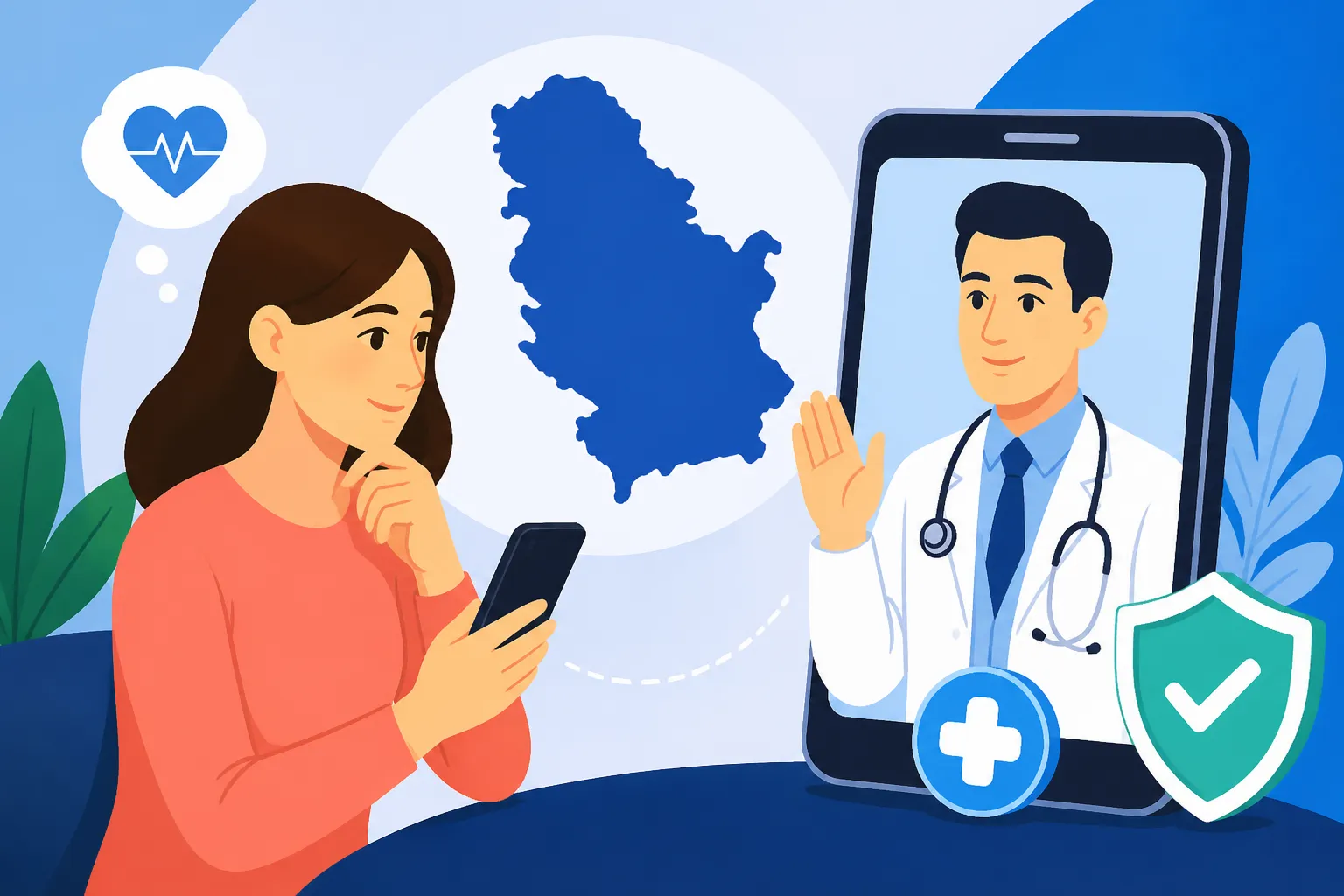
Once your appointment is booked, you'll usually receive instructions on how to join the call. This often involves a link to a secure video conferencing platform (like Zoom or a proprietary system) that the clinic uses. Before your appointment, ensure you have a stable internet connection, a quiet space, and if possible, a brief list of your symptoms, current medications, and any questions you have.
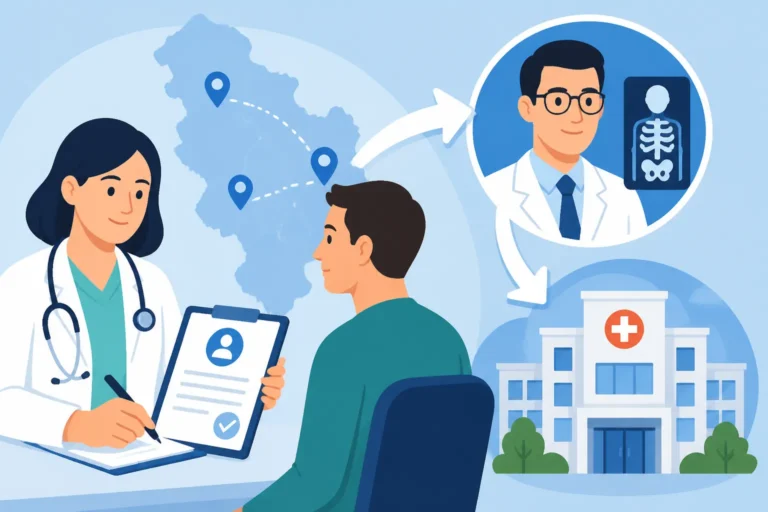
During the consultation, the doctor will ask you about your symptoms, medical history, and may ask to see certain areas if it's relevant and visually possible (e.g., a skin rash). They might give you advice, recommend over-the-counter medications, or issue an e-prescription. If your condition requires a physical examination or further diagnostics like blood tests or imaging, they will advise you to come in for an in-person visit or refer you to a specialist. They will also outline how you can get your prescription filled, which often means picking it up at the clinic's pharmacy or receiving a digital code to present at any local pharmacy. For more on this, check out Prescription Medications and Pharmacies in Serbia: The Complete Guide.
Payment and Insurance Coverage
Telehealth appointments in the private sector are almost always paid out-of-pocket, similar to an in-person private visit. The cost can vary depending on the specialist and the clinic, but it's generally comparable to a standard consultation fee. You might be able to pay online when booking, or directly after the consultation. Expect to pay anywhere from 3,000 to 6,000 dinars (approx. €25-€50) for a general practitioner's virtual consultation.
When it comes to insurance, if you have private health insurance in Serbia or international health insurance, it might cover telehealth consultations. It’s absolutely essential to check with your insurance provider before booking to understand their policy on remote consultations and reimbursement procedures. Some international plans, like those offered by SafetyWing, are designed with expat and digital nomad lifestyles in mind, and often include provisions for telehealth services, providing flexibility no matter where you are. Always get an invoice from the clinic so you can submit it for reimbursement if your plan allows. For a deeper dive, consider reading Health Insurance in Serbia: RFZO, Private and International Options Explained.
Here's a quick overview of what you might encounter:
| Feature | Public Healthcare (RFZO) | Private Healthcare Options |
|---|---|---|
| Availability of Telehealth | Very Limited / Rare | Widely Available |
| Primary Mode of Contact | In-person visits | Video calls, phone calls |
| English-Speaking Doctors | Less common, not guaranteed | More common, often selectable |
| Booking Process | Phone call to dom zdravlja | Online portal, app, phone |
| Cost | Covered by RFZO (with co-pay) | Out-of-pocket, private insurance |
| Prescription Issuance | In-person, paper script | E-prescription, digital codes |
| Specialist Access | GP referral needed, long waits | Direct booking, faster access |
| International Insurance | Generally not accepted | Often accepted for reimbursement |
Benefits and Challenges of Telehealth in Serbia
Telehealth, like anything new, comes with its own set of advantages and hurdles, especially for expats in a new country. Understanding both sides can help you make an informed decision about whether it's the right choice for your particular medical need.
The Perks of Remote Consultations
Let's start with the good stuff. The sheer convenience of telehealth is probably its biggest draw. Imagine not having to spend time commuting, finding parking, or sitting in a waiting room full of other sniffly people. For minor ailments, follow-up appointments, or even just general health advice, a virtual chat with a doctor can save you hours. This is especially true if you live outside of a major city where access to English-speaking doctors might be limited.
Another massive benefit for expats is the increased access to English-speaking medical professionals. Many private clinics that offer telehealth specifically cater to an international clientele, often ensuring that their doctors are proficient in English. This significantly reduces the anxiety of explaining complex symptoms in a foreign language and ensures you fully understand the diagnosis and treatment plan. Peace of mind is priceless when your health is on the line.
Furthermore, telehealth can be a discreet way to address certain health concerns, such as mental health check-ups or sensitive issues, from the comfort and privacy of your home. It breaks down geographical barriers and can sometimes offer more flexible scheduling options, fitting into your busy expat life. If you're pondering over how to access mental health services in Serbia as an expat, telehealth can certainly provide a convenient starting point for an initial consultation.
Navigating the Hurdles and Limitations
Of course, it's not all smooth sailing. The primary limitation of telehealth is that it cannot replace a physical examination. If you have symptoms that require a doctor to physically check you, listen to your lungs, or feel for tenderness, a virtual appointment simply won't cut it. In such cases, the doctor will rightly direct you to an in-person visit, which can feel like an extra step you didn't anticipate.
Another challenge can be the technological aspect. While most clinics use user-friendly platforms, technical glitches can happen. A poor internet connection, a freezing screen, or audio issues can disrupt the flow of the consultation and make it less effective. It's a good idea to test your setup beforehand.
Lastly, while the private sector is quite advanced, the public system's limited adoption of telehealth means that if you rely solely on your RFZO coverage, your options for remote care are severely restricted. This highlights why many expats opt for supplementary private insurance, or an international plan like SafetyWing, to ensure they have broader access to medical services, including convenient telehealth. This can significantly impact The Cost of Healthcare in Serbia: A Complete Breakdown for Foreigners (2026), as it allows you to balance costs with convenience.
When Telehealth is Your Best Option (and When it's Not)
Deciding whether to book a telehealth appointment or go for an in-person visit can sometimes be tricky. As a veteran expat, I've learned that a little foresight can save a lot of headaches (pun intended!). Here’s a breakdown to help you figure out the best course of action.
Ideal Scenarios for Telehealth in Serbia
Telehealth truly shines for non-urgent matters where a physical examination isn't absolutely critical for diagnosis. Think about common ailments that you'd typically manage with a visit to your GP back home, but don't feel like a medical emergency.
For example, if you're experiencing symptoms like a common cold, flu, mild allergies, or a urinary tract infection (UTI), a telehealth appointment can be incredibly useful. A doctor can assess your symptoms, ask relevant questions, and often provide a diagnosis and prescription without you having to leave your couch. It’s also fantastic for medication refills, provided you've seen a doctor for the condition previously and it doesn't require a new assessment.
Mental health support is another area where telehealth excels. Initial consultations for anxiety, depression, stress, or follow-up therapy sessions can be effectively conducted virtually. This removes potential barriers related to travel, privacy concerns, or finding a suitable English-speaking therapist, making it easier to access critical care.
Finally, general health advice, reviewing lab results that don't indicate an immediate crisis, or getting second opinions on non-emergency issues are all perfectly suited for a virtual setting. It's about convenience and efficiency for conditions that are more about discussion and assessment than physical intervention.
When to Seek In-Person Care
However, there are definitely times when telehealth simply isn't enough, and an in-person visit is non-negotiable. If you're experiencing severe symptoms like chest pain, difficulty breathing, sudden severe abdominal pain, uncontrolled bleeding, or signs of a stroke (facial drooping, arm weakness, speech difficulty), you need immediate emergency care. Don't waste time trying to book a virtual appointment. Dial 194 for an ambulance or head straight to the nearest emergency room. Knowing Emergency Medical Care in Serbia: What Every Expat Needs to Know is vital.
Any condition that requires a physical examination – a suspicious mole, a deep cut, a fracture, persistent and worsening pain in a specific area, or anything requiring a hands-on assessment – will necessitate an in-person visit. Doctors rely on palpation, auscultation (listening with a stethoscope), and visual inspection beyond what a webcam can offer to make accurate diagnoses in these situations.
Also, if your symptoms are worsening rapidly, or if you feel that your condition is serious and requires immediate attention that might involve diagnostics like X-rays or blood tests on the spot, an in-person visit is the safest and most effective route. While telehealth can get you a referral, the actual tests and follow-up might still require you to physically go to a clinic or hospital. For a broader understanding of how the system operates, you might find How Serbia's Health System Works: The RFZO and Private Care Explained (2026) useful.
Ultimately, trust your gut feeling. If you're unsure, it's always better to err on the side of caution and seek an in-person consultation or even emergency care. Telehealth is a fantastic tool, but it's a complement to, not a complete replacement for, traditional medical care.
Final Thoughts and Moving Forward with Telehealth
Living in Serbia as an expat means adapting to new ways of doing things, and healthcare is no exception. While the journey to fully integrated telehealth might still be in progress, especially in the public sector, the private clinics have stepped up to fill the gap, offering convenient and often English-friendly remote consultations. This can be a real game-changer for managing your health without constant trips to the doctor's office.
Whether you're dealing with a minor sniffle, need a quick prescription refill, or are seeking discreet mental health support, exploring telehealth options from reputable private providers in Serbia is definitely worthwhile. Remember to check with your private or international health insurance, like SafetyWing, to see if your virtual consultations are covered, as this can ease the financial burden significantly.
For anything serious or requiring a physical check-up, don't hesitate to seek in-person care. But for those times when convenience and quick advice are paramount, telehealth can be a truly valuable resource in your expat healthcare toolkit. It's all about knowing your options and making them work for you in this wonderful, sometimes quirky, country.
Disclaimer
The information provided in this guide is for general informational purposes only and does not constitute medical advice. While we strive to provide accurate and up-to-date information, healthcare regulations and services in Serbia can change. Always consult with a qualified healthcare professional for any medical concerns or before making any decisions related to your health or treatment.