How Your Residence Status Affects RFZO Enrolment in Serbia
Ah, the wonderful world of Serbian bureaucracy! One of the first things that trips up so many of us expats when we first land here is trying to figure out how on earth the healthcare system works. It’s not just about getting a residence permit; it's about understanding that your type of residence, and the basis on which you obtained it, is directly linked to whether you can tap into the Republic Health Insurance Fund (RFZO) – Serbia's public healthcare system. This guide is going to peel back the layers and clarify exactly how your residence status in Serbia dictates your eligibility and the path to enrolling in RFZO.
Understanding the Republic Health Insurance Fund (RFZO) in Serbia
When you think about healthcare in Serbia, the RFZO is the big player, the national institution that manages public health insurance. It’s the closest thing Serbia has to a national health service, but with its own unique flavour and rules, especially for us foreigners. Understanding its role is the very first step in navigating your healthcare journey here.
The Core of Serbia's Public Healthcare System
The RFZO, or Republički fond za zdravstveno osiguranje, is essentially the public health insurer in Serbia. It’s what funds the vast network of Domovi Zdravlja (local health centers), public hospitals, and many specialized clinics across the country. Many newcomers often assume healthcare is "free" here, much like the NHS in the UK or similar systems elsewhere. While it's largely subsidized for those covered, it's not entirely without cost, and critically, it's not automatically available to every single person residing in Serbia. Instead, it's a system built on mandatory contributions, primarily from employed individuals and businesses, as well as the self-employed.
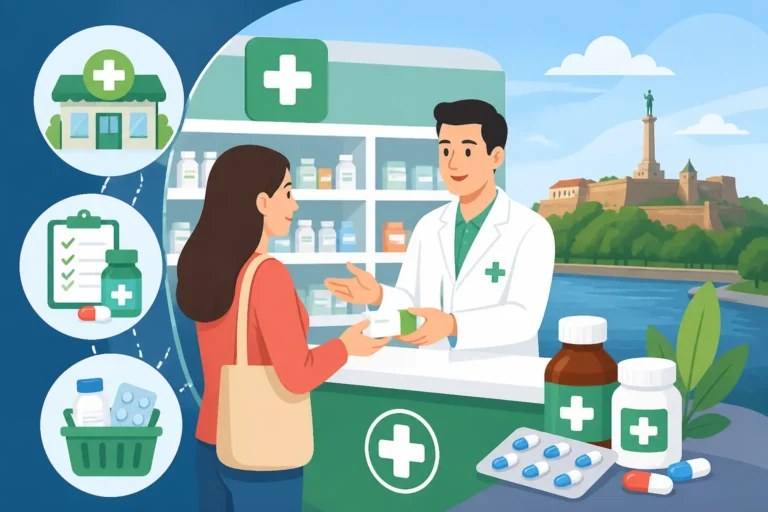
Being part of the RFZO system means you're entitled to a range of medical services, from seeing a general practitioner (GP) at your local Dom Zdravlja to specialist consultations and hospital care, often with only minimal co-payments. Without RFZO coverage, accessing these public services means paying out of pocket, often at rates higher than a local would, or being limited to emergency care only. This is why getting registered, if you're eligible, is such a critical step for long-term residents. For a broader overview, you might want to read our article on The Complete Guide to Healthcare in Serbia for Expats (2027).
Who is Typically Covered by the RFZO?
The RFZO primarily covers Serbian citizens. However, a significant number of foreigners can also gain access, provided they meet specific criteria, which almost always ties back to their residence status and whether they or their employer are making mandatory social contributions.
Firstly, foreigners who have obtained permanent residence (stalni boravak) are generally covered, much like Serbian citizens. For those on temporary residence (privremeni boravak), the situation becomes a bit more nuanced. If your temporary residence is based on employment in Serbia, your employer is legally obliged to pay social contributions on your behalf, which includes health insurance. This is usually the most straightforward path to RFZO enrolment for expats. Similarly, if you are self-employed and have properly registered your business, you are then responsible for paying your own mandatory health insurance contributions.
Beyond these categories, certain vulnerable groups, such as refugees or asylum seekers, also have specific pathways to RFZO coverage. Furthermore, dependents (spouses and children) of individuals who are RFZO-insured can usually be added to their policy. It’s crucial to understand that simply having a temporary residence permit alone does not automatically qualify you for RFZO coverage. The basis of your residence — whether it's tied to employment, self-employment, family reunification, or study — is what truly matters. We dive deeper into the nuts and bolts of the system in How Serbia's Health System Works: The RFZO and Private Care Explained (2027).
Temporary Residence (Privremeni Boravak) and RFZO Eligibility
For most expats, temporary residence, or privremeni boravak, is their initial gateway to living in Serbia legally. But this status isn't a single, uniform category when it comes to healthcare. Your eligibility for RFZO coverage hinges almost entirely on why you have temporary residence. This is where many newcomers face their first big head-scratching moments.
Employed Expats: The Straightforward Path to RFZO
If you've landed a job with a Serbian company, congratulations – you’ve generally found the easiest route to RFZO coverage. When your employer processes your work permit and subsequent temporary residence permit (now often combined into a Single Permit), they also take on the responsibility of paying your social contributions. These contributions are mandatory deductions from your gross salary and cover not just health insurance but also pension and unemployment insurance.
Once your employment is officially registered and the contributions start flowing, your employer will typically initiate the process for you to get your RFZO health card (zdravstvena knjižica). This means you’ll be contributing to the public system and, in turn, gaining access to its services. It's usually a fairly seamless process from your end, as your employer's HR or accounting department handles the heavy lifting. This setup provides a sense of security, knowing that your basic healthcare needs are largely covered through your employment. You can learn more about this integrated permit in The Expat Guide to the Single Permit for Work and Residence in Serbia (2027).
Self-Employed and Entrepreneurs: Navigating Contributions
For the adventurous souls who come to Serbia to start their own business or work as freelancers, the path to RFZO coverage is slightly different – and the onus is entirely on you. If you've registered as an entrepreneur (preduzetnik) or opened a company (DOO), you are legally required to pay your own mandatory health insurance contributions, alongside other social contributions and taxes.
Many self-employed expats opt for the pausal (lump-sum) tax regime, which simplifies accounting and tax obligations. Even under the pausal system, you still have fixed monthly contributions for health, pension, and unemployment insurance. These payments are crucial not just for tax compliance but also for securing your RFZO coverage. Failing to pay these contributions means you won't be covered by the RFZO, which can leave you in a very vulnerable position should you need medical attention. It's a fundamental part of operating legally here, and Understanding Mandatory Health Insurance Contributions in Serbia is key to ensuring you're covered.
Students and Dependents: Specific Enrollment Pathways
The RFZO landscape for international students and dependents of expats is another area that requires careful attention.
For Students: If you're an international student coming to study in Serbia with a student residence permit, the situation isn't always as straightforward as for employed individuals. Most universities or student visa requirements will stipulate that you must have some form of health insurance. This often means you'll need to secure private health insurance from your home country or an international provider (like SafetyWing, which offers flexible travel and medical insurance suitable for digital nomads and students) for the duration of your studies. Unless you find part-time employment that involves social contributions, or your parents are already RFZO-insured and you can be added as a dependent, you won't automatically be enrolled in the RFZO system just by being a student. It’s absolutely vital to clarify this with your university and the Serbian consulate before you arrive to avoid any nasty surprises.
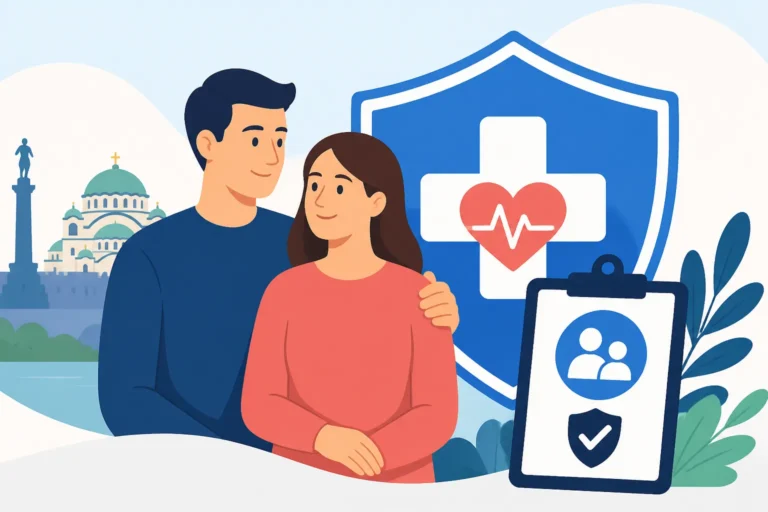
For Dependents: If you are married to an expat who is already covered by RFZO (e.g., through their employment or self-employment), or if you have children, you can generally be added as their dependent. This involves providing proof of your relationship (marriage certificate for spouses, birth certificates for children) and proof of shared address. Once approved, you'll receive your own RFZO health card, giving you access to the same public healthcare services as the primary insured individual. This process can be a huge relief for families, integrating them smoothly into Navigating the Serbian Healthcare System: An Expat's Roadmap (2027).
Other Grounds for Residence: What About Property Owners or Digital Nomads?
Here’s where it gets particularly tricky and often causes confusion for expats. If your temporary residence permit is based on criteria other than direct employment, self-employment, or family reunification with an RFZO-insured individual, you are generally not automatically eligible for RFZO coverage. This includes:
- Property Owners: Many foreigners obtain temporary residence by purchasing property in Serbia. While this secures your right to live here, it does not automatically enroll you in the RFZO. You are not making mandatory health contributions to the Serbian state simply by owning property.
- Digital Nomads (not registered as self-employed): If you're working remotely for a foreign company and have obtained your residence permit under "other grounds" or a specific digital nomad visa (if applicable), but are not formally registered as a self-employed entrepreneur in Serbia paying local contributions, you will not be covered by RFZO.
- Other Non-Work Related Grounds: Any other temporary residence status not tied to local employment or a self-employment structure that mandates contributions will typically exclude you from RFZO coverage by default.
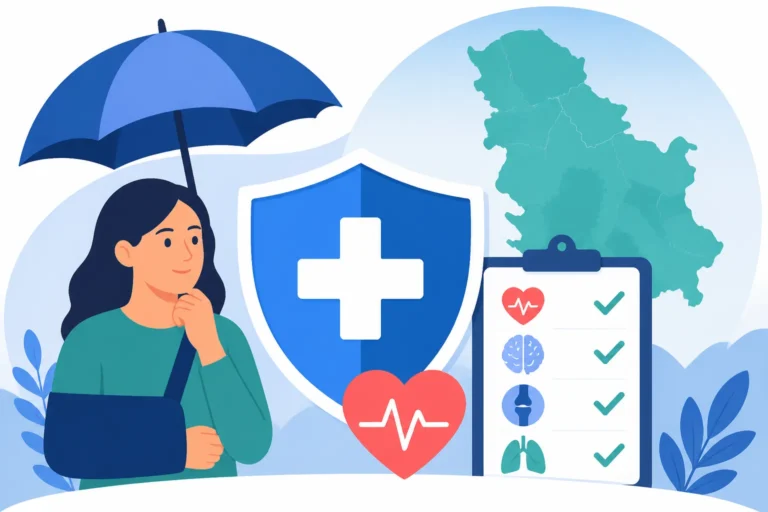
For individuals in these categories, it is absolutely paramount that you secure comprehensive private health insurance. Without it, you are entirely responsible for all medical costs, except for genuine life-threatening emergencies where you would be stabilized, but still billed for treatment. This is where providers like SafetyWing come in handy, offering flexible and reliable international health insurance that can bridge this crucial gap. Never assume that just because you have a residence permit, you have healthcare coverage. Always clarify your specific situation with the RFZO or a local expert.
Permanent Residence (Stalni Boravak) and Full RFZO Access
Reaching the milestone of permanent residence in Serbia is a significant achievement for any expat. It symbolizes a deeper commitment to life here, and crucially, it brings with it a much clearer, more settled status regarding your healthcare. For those who manage to get their stalni boravak, the complexities of temporary residence often fade away, replaced by a more familiar system akin to what Serbian citizens experience.
The Golden Ticket to Comprehensive Care
Once you are granted permanent residence, you are effectively treated almost identically to a Serbian citizen when it comes to public healthcare. This means you gain full, unconditional access to the RFZO system. The ambiguity that often surrounds temporary residence, especially for non-employed categories, largely disappears. Your RFZO coverage becomes a standard entitlement, provided you continue to meet the basic criteria for any resident: primarily, if you are employed or self-employed, you must continue to pay your mandatory social contributions. If you become unemployed, you can register with the national employment service and still maintain your RFZO coverage, much like a citizen would.
This full access provides a huge sense of relief. It means you can choose your GP (izabrani lekar) at a local Dom Zdravlja, get referrals to specialists, access public hospitals, and generally navigate the public health system with the same rights and responsibilities as a long-term resident. The stability and comprehensive nature of this coverage are among the most significant benefits of achieving permanent residence in Serbia. You'll find it much easier to integrate into the daily aspects of healthcare outlined in How to Choose a GP (Izabrani Lekar) at a Dom Zdravlja in Serbia.
Transitioning to Permanent Residence and Its Implications
The path to permanent residence typically requires you to have lived in Serbia on temporary residence for a continuous period, usually at least three years (though specific conditions apply depending on the grounds for your temporary residence). This often means years of diligently maintaining your temporary status, ensuring your contributions are paid, and adhering to all immigration requirements.
Upon successfully obtaining your permanent residence, one of your next steps should be to update your status with the RFZO. This administrative change formalizes your full eligibility and ensures that your health card reflects your permanent resident status. While the process itself is mostly administrative at this point, it’s a crucial update that cements your rights within the public healthcare system. This transition also simplifies many other aspects of life in Serbia, from banking to property ownership, but for healthcare, it truly marks the point where you are fully embedded into the Serbian system, offering a solid foundation for your long-term well-being.
Navigating the Gaps: When RFZO Doesn't Fully Cover You
Even with the RFZO in place, there are common scenarios where expats might find themselves in a bit of a healthcare no-man's-land. These gaps can be frustrating and even frightening if you’re not prepared. Understanding them is key to ensuring you’re always covered, one way or another.
The Initial Waiting Period and What to Do
One of the most common pitfalls for newcomers is the period between arriving in Serbia, applying for their residence and work permits, and actually getting their RFZO health card. This isn't an instantaneous process; bureaucracy takes time, and you could easily be waiting weeks, or even a couple of months, for all your paperwork to be finalized and your RFZO card issued. During this limbo phase, you are, by definition, not covered by the RFZO.
So, what happens if you twist your ankle, get a nasty flu, or, heaven forbid, have a more serious medical issue during this period? You'll be treated as a private patient, meaning you will pay out-of-pocket for everything. While public hospitals will stabilize you in a genuine life-threatening emergency (they can't turn you away from immediate life-saving care), you will certainly be billed afterwards. For non-emergencies, you'll need to seek out private clinics and pay their fees directly. This is precisely why it is absolutely, unequivocally recommended that you arrive in Serbia with comprehensive international private health insurance already in place. Providers like SafetyWing are excellent for this, offering flexible, travel-style medical insurance that covers you globally and can be a lifesaver during this initial setup phase. Don't leave home without it; seriously, don't! Our guide What Happens If I Get Sick Before I Register with the RFZO in Serbia? has more details on this critical period.
The Role of Private Health Insurance
Given the various scenarios where RFZO coverage might not be immediate or even available to you, private health insurance plays a crucial role for many expats in Serbia.
- For those not covered by RFZO: If your residence status doesn't grant you RFZO eligibility (e.g., property-based residence, certain digital nomads, or students without specific arrangements), private health insurance isn't a luxury; it's an absolute necessity. It ensures you have access to medical care without facing astronomical bills for routine visits or unexpected illnesses.
- For supplementary coverage: Even if you are covered by RFZO, many expats choose to purchase private health insurance as a supplement. Why? Private clinics in Serbia often offer faster appointments, English-speaking doctors, more modern facilities, and a generally more streamlined patient experience. The public system, while comprehensive, can involve longer wait times for specialists, more complex administrative hurdles, and sometimes older infrastructure. Private insurance allows you to bypass these issues, giving you the best of both worlds. It provides peace of mind and access to a higher standard of comfort and convenience. Exploring Understanding Private Health Insurance Plans in Serbia can help you decide what's right for you.
Understanding Out-of-Pocket Costs and Co-Payments
It's a common misconception that once you're covered by RFZO, all healthcare is entirely free. This isn't quite the case. The Serbian public health system, like many European systems, operates with what are called "co-payments" or participacija. These are small, nominal fees that you pay for certain services, medications, and treatments, even with a valid RFZO health card.
For example, you might pay a small co-payment for a doctor's visit at a Dom Zdravlja, a portion of the cost of prescription medications, or a fee for certain diagnostic tests or hospital stays. These amounts are usually quite modest, often just a few hundred dinars (a few Euros), but they are important to be aware of, as they can add up, especially if you have chronic conditions or require frequent medical attention.
For anything outside RFZO coverage, or if you opt for private healthcare, you will be paying 100% out-of-pocket unless you have private health insurance to cover those costs. This distinction is vital for budgeting and managing your healthcare expectations in Serbia.
The Step-by-Step RFZO Enrollment Process for Expats
So, you've figured out your residence status qualifies you for RFZO. What next? The actual enrollment process, while bureaucratic, is manageable with the right preparation and a healthy dose of patience. Think of it as another rite of passage into Serbian life.
Gathering Your Arsenal of Documents
This is typically the most challenging part of any administrative process in Serbia, and RFZO enrollment is no exception. You'll need a very specific set of documents, and any deviation or missing paper can send you back to the beginning of a very long queue.
Here's a general list, but always check with your specific RFZO branch or a trusted local advisor, as requirements can occasionally vary:
- Valid Passport: Your primary identification, of course.
- Proof of Residence Permit: This will be your temporary residence sticker in your passport or your standalone residence card. This is the cornerstone document proving your legal right to reside in Serbia.
- Proof of Employment/Self-Employment Registration: For employed expats, this means a copy of your employment contract and possibly proof from your employer that social contributions have started. For the self-employed, it’s your registration certificate from the Business Registers Agency (APR) and proof of paid health contributions (e.g., payment slips).
- Proof of Address Registration (Prijava Boravka): You should have registered your address with the police within 24 hours of arrival. You'll need the white slip or confirmation of this registration.
- Marriage and/or Birth Certificates: If you are adding dependents (spouse, children), you'll need original marriage certificates and birth certificates.
- Translations and Apostilles: This is critical. Any foreign document (like marriage or birth certificates) will likely need to be officially translated into Serbian by a sworn court translator (sudski tumač). Depending on the country of origin and any bilateral agreements with Serbia, some documents might also require an Apostille stamp to verify their authenticity.
Navigating this document collection can feel like a scavenger hunt, but having everything perfectly prepared will save you immense time and frustration down the line.
Application and Registration at the Local RFZO Branch
Once your document arsenal is complete, it's time to head to your local RFZO office. In Belgrade, for example, there are several branches, with the main one often being the busiest.
Here’s what you can generally expect:
- Find Your Branch: Confirm which RFZO branch is responsible for your registered address.
- Prepare for a Wait: Serbian administrative offices are known for their queues. Go early, bring a book, and be prepared to spend a significant portion of your day there.
- Submit Documents: You’ll present your meticulously gathered documents to an RFZO officer. They will review everything, check for completeness, and might ask clarifying questions. If anything is missing or incorrect, you’ll be sent away to rectify it.
- Fill Out Forms: You'll likely need to complete an application form, usually only available in Serbian. If your Serbian isn't up to par, this is where having a Serbian-speaking friend, colleague, or even hiring a professional translator or agent can be invaluable.
- Payment Slips: You might be issued payment slips for administrative fees associated with the health card issuance. These must be paid at a post office (Pošta) or bank, and you'll need to return with the stamped proof of payment.
It’s not uncommon for this to be a multi-visit affair. You might submit documents on one day, be asked for additional information on another, and then return to collect your card. Patience and a calm demeanor will be your best allies. For a more detailed walkthrough, our post How to Register with the RFZO and a GP in Serbia (2027) is a must-read.
Receiving and Activating Your Health Card (Zdravstvena Knjižica)
After all the waiting and bureaucratic hurdles, the moment you receive your zdravstvena knjižica is a true triumph! This small, plastic card is your physical proof of RFZO coverage and your key to accessing public healthcare services.
- Your Gateway: You'll present this card at your local Dom Zdravlja when you go to see your GP, at public pharmacies when picking up prescriptions, and at public hospitals for specialist appointments or emergency care. Without it, even if you are technically insured, accessing services becomes much more complicated and often results in out-of-pocket payments.
- Activation: Occasionally, there might be a short delay between receiving your physical card and it being fully "active" in the RFZO's digital system. It's always a good idea to confirm with the RFZO office when your coverage officially begins. Your employer or a local contact can often help you verify this.
- Keep it Safe: Treat your zdravstvena knjižica like your passport. It's an essential document that you’ll need every time you interact with the public health system. Losing it means another round of paperwork and waiting.
Common Challenges and Expert Tips for Expats
Let's be real, navigating any new country's administrative systems, especially healthcare, is rarely a walk in the park. Serbia, with its unique bureaucratic quirks and language considerations, can present its fair share of challenges for expats. But don't despair! With a bit of foresight and some insider tips, you can significantly smooth your path.
Battling Bureaucracy and Language Barriers
This is perhaps the biggest hurdle for most expats in Serbia. You’re dealing with a system that operates primarily in Serbian, uses specific terminology, and often involves processes that might seem illogical or overly complicated by Western standards.
- The Language Barrier: Forms are almost exclusively in Serbian. While some younger officials might speak a little English, you cannot rely on it, especially in smaller towns or less central offices. Trying to understand complex instructions or explain your specific situation in a language you don’t fully grasp is a recipe for frustration.
- Tip: Always, always bring a Serbian speaker with you. This could be a trusted friend, a colleague from work, or, if you need professional assistance, a sworn court translator or a local agent who specializes in expat services. Having someone to translate and navigate the cultural nuances of official interactions is invaluable.
- The Bureaucracy: Expect paperwork, queues, and multiple visits for what you might think should be a simple task. This isn't out of malice; it's simply how the system functions.
- Tip: Patience is truly a virtue here. Go into every administrative interaction with a calm mindset, a full battery on your phone, and a good book. Don't let frustration get the better of you; it rarely speeds things up. Double-check everything you're told, as sometimes information can vary between different officials.
Maintaining Your RFZO Status
Getting your RFZO card is a huge accomplishment, but it's not a set-it-and-forget-it situation. You need to actively maintain your eligibility, especially as your residence status or employment situation changes.
- Residence Permit Renewals: Your RFZO coverage is directly tied to your legal residence in Serbia. If your temporary residence permit expires and you haven't renewed it, your RFZO coverage will lapse. This can leave you in a very vulnerable position.
- Tip: Mark your residence permit expiry date well in advance and start the renewal process early. Don't leave it to the last minute. Our guide on How to Apply for Temporary Residence (Privremeni Boravak) in Serbia can help with this.
- Employment Changes: If you change jobs, your new employer must register you and ensure your contributions continue seamlessly. If you become unemployed, you need to register with the National Employment Service (Nacionalna služba za zapošljavanje) to maintain your RFZO coverage (though conditions apply).
- Self-Employed Contributions: For entrepreneurs, it's your responsibility to ensure your monthly health contributions are paid on time. Lapses can lead to debt and suspension of your health insurance.
- Tip: Set up reminders for payments, keep all your payment slips, and periodically check with your accounting service or the Tax Administration (Poreska Uprava) to ensure your contributions are recorded correctly.
Seeking Professional Help and Local Support
While the DIY approach might save you a few dinars, for complex processes like RFZO enrollment, especially with language barriers, investing in professional help can save you immense time, stress, and potential costly mistakes.
- Legal/Relocation Services: Many firms in Belgrade and Novi Sad specialize in assisting expats with residence permits, business registration, and associated administrative tasks like RFZO enrollment. They speak the language, understand the nuances of the system, and can often expedite processes or prevent common errors. While there's a fee, the peace of mind and time saved are often well worth it.
- Expat Communities: Don't underestimate the power of fellow expats! Online forums, Facebook groups, and local expat meetups are treasure troves of information. Many have been through exactly what you're experiencing and can offer practical advice, recommend specific people or services, or simply provide an empathetic ear. Just be sure to cross-reference information, as rules can change.
- Your Employer/Accountant: If you're employed, your employer's HR or accounting department should be your first point of contact for RFZO-related questions. For the self-employed, your accountant (knjigovođa) is crucial; they can guide you on contributions and help with necessary paperwork.
Remember, you're not alone in this journey. Understanding How to Move to Serbia Legally from Abroad (2027) covers many of these broader topics, but for specific healthcare navigation, these tips should help you stay healthy and covered.
| Residence Status Type | RFZO Eligibility (Default) | Mandatory Contributions? | Private Insurance Recommended? | Key Notes |
|---|---|---|---|---|
| Tourist Visa / Visa-Free | No (Emergency care only) | No | Essential | For urgent medical emergencies, you might be stabilized, but treatment costs will be billed. No routine care. A flexible option like SafetyWing is critical for travel medical needs. |
| Temporary Residence (Employed) | Yes, upon employment registration | Yes (by employer) | Yes (for initial gap, enhanced care) | Your employer handles contributions. You will get a health card. Private insurance is good for the period before your RFZO card is active, or for faster access to specialists. |
| Temporary Residence (Self-Employed/Entrepreneur) | Yes, upon business registration | Yes (by you) | Yes (for initial gap, enhanced care) | You are personally responsible for paying your own health contributions. Crucial to register and pay properly to avoid lapses in coverage. |
| Temporary Residence (Student) | No (unless parent covered, or direct enrolment & contributions) | Usually no (unless specified) | Essential | Often required to show proof of insurance for visa applications. Many students opt for private international insurance or plans from their home country. |
| Temporary Residence (Property Ownership, Digital Nomad, Other) | No | No | Essential | You must arrange your own private health insurance for full coverage. RFZO does not cover you in these scenarios, even if you reside here. SafetyWing is a good option for digital nomads. |
| Permanent Residence | Yes, upon registration | Yes (if employed/self-employed, or other criteria) | Optional (for enhanced care) | Full access to the public system, like a citizen. You'll still have co-payments for certain services and medications. |
Disclaimer
The information provided in this guide is for general informational purposes only and does not constitute legal, medical, or professional advice. While we strive to keep the information up-to-date and accurate, regulations regarding residence, health insurance, and RFZO eligibility in Serbia can change. It is essential to consult with official sources, such as the RFZO directly, the Serbian Ministry of Interior (MUP), a qualified legal professional, or a reputable expat relocation service for advice tailored to your specific situation. Reliance on any information in this guide is solely at your own risk.