What Is the RFZO and How Does It Work in Serbia?
One of the first big headaches you’ll encounter as an expat in Serbia, right after figuring out how to get your internet set up and deciphering the Cyrillic alphabet, is undoubtedly the healthcare system. Specifically, wrapping your head around something called the RFZO. It sounds like a secret government agency, doesn't it? But trust me, understanding the Republic Health Insurance Fund (Republički fond za zdravstveno osiguranje, or RFZO) is absolutely crucial for navigating medical care here, especially if you plan on living in Serbia long-term. This guide will walk you through what the RFZO is, who it covers, how its contributions work, and what you can expect when you step into Serbia’s public healthcare system.
Demystifying the RFZO: Your First Dive into Serbian Public Healthcare
Let's cut to the chase: the RFZO is Serbia's national public health insurance fund. Think of it as the backbone of the public healthcare system, responsible for collecting mandatory health insurance contributions and then using those funds to cover medical services for its insured members. It's designed to provide universal access to healthcare for Serbian citizens and, importantly for us, legally residing foreigners who contribute to the system.
When you first arrive, the idea of a completely new healthcare system can be daunting. In many Western countries, the public system might operate differently, or you might be used to a purely private model. Here in Serbia, the RFZO is the dominant force. It funds everything from your local general practitioner (GP) at the Dom Zdravlja (health center) to major hospitals, specialist treatments, and even a significant portion of prescription medications. Without understanding how it works, you'll feel lost when you need to see a doctor or get a prescription filled. It’s not just a bureaucratic acronym; it’s your key to accessing the majority of medical services in Serbia.
The whole system is built on a principle of solidarity, meaning everyone who contributes helps to fund the healthcare needs of the entire insured population. This is why contributions are mandatory for anyone working or legally residing here. It’s a collective pot to ensure that, in theory, no one is left without essential medical care due to inability to pay at the point of service. However, it's not a free-for-all; there are rules, eligibility criteria, and a fair bit of paperwork involved, as with most things administrative in Serbia.
Who Gets to Ride the RFZO Train? Eligibility and the Bureaucratic Gauntlet
This is where it gets a little tricky for expats, because eligibility for RFZO coverage isn't just a given simply by existing in Serbia. It's intrinsically linked to your legal status and how you're employed or registered here. Essentially, if you are legally employed in Serbia, registered as a self-employed entrepreneur (like under the pausal regime), a student on a residence permit, or a family member of someone covered, you are generally eligible and, in most cases, obligated to contribute to the RFZO.
For those employed by a Serbian company, the process is usually fairly straightforward (at least for you, the employee!). Your employer handles the registration with the RFZO as part of your employment contract. They'll deduct the necessary contributions directly from your salary and forward them to the fund. This means that once your residence and work permits are sorted, and you officially start work, your employer will initiate your enrolment, and you'll typically be covered. This often leads to expats receiving their health cards without too much direct hassle, although you might still need to visit the local RFZO branch to pick up your card or sort out any issues. To understand this process better, you might want to read our guide on how to register with the Republic Health Insurance Fund (RFZO) in Serbia.
If you're a freelancer or entrepreneur, it's a bit more hands-on. When you register as an entrepreneur (preduzetnik) in Serbia, particularly if you opt for the simplified pausal (lump-sum) tax regime, you are responsible for your own health insurance contributions. These are usually paid monthly alongside your other social contributions. This is a common path for many expats seeking flexibility, and while it grants you RFZO coverage, it means you're personally responsible for ensuring those payments are made on time. For students holding a student residence permit, you also generally need to register with the RFZO and pay contributions, ensuring you have access to medical care while pursuing your studies. Retirees and other categories of residents might also be eligible, often requiring proof of sufficient funds or other specific criteria.
It's vital to remember that simply having a residence permit (privremeni boravak) doesn't automatically mean you have RFZO coverage. Your permit must be tied to an activity that triggers mandatory contributions, such as employment or self-employment. Tourists or those on short-term visits without a formal residence permit linked to employment generally are not covered by the RFZO. This is where international travel insurance or private health insurance, like from SafetyWing, becomes absolutely essential, ensuring you don't face exorbitant medical bills if something unexpected happens during your stay. Knowing how your residence status affects RFZO enrolment in Serbia is key to avoiding nasty surprises.
| Eligibility Category | RFZO Coverage Status | Contribution Responsibility |
|---|---|---|
| Employed | Yes, mandatory | Employer (deducted from salary) |
| Self-Employed (Pausal) | Yes, mandatory | Individual (monthly payments) |
| Students (with residence permit) | Yes, mandatory | Individual (monthly payments) |
| Family Members (dependents) | Yes, typically if main member covered | Covered under main member's contributions |
| Retirees | Yes, if receiving Serbian pension or meeting criteria | Often covered by pension fund |
| Tourists / Short-term visitors | No | Personal responsibility (travel/private insurance recommended) |
| Foreigners without formal employment/status | No | Personal responsibility |
Show Me the Money: Understanding RFZO Contributions and Coverage
Alright, let's talk numbers and what you actually get for your contributions. When you're part of the RFZO system, whether through your employer or as a self-employed individual, you are making mandatory health insurance contributions. These contributions are part of a broader social security package that also includes pension and unemployment insurance. For employed individuals, these contributions are calculated as a percentage of your gross salary. As of my last check, the health insurance contribution rate is generally around 10.3% of your gross earnings, split between the employer and the employee. Your employer handles all the calculations and payments, making it a fairly hands-off process for you.
For the self-employed, particularly those on the pausal regime, the contributions are calculated differently. Instead of a percentage of actual income (which can fluctuate), they are based on a fixed, lump-sum amount determined by your activity, location, and educational background. This means you pay a predictable, fixed amount each month for health insurance (and other social contributions), regardless of your monthly earnings. While this offers stability, it's crucial to budget for these payments. Understanding mandatory health insurance contributions in Serbia is fundamental to managing your finances here.
So, what does this contribution get you? Comprehensive, public healthcare, mostly. The RFZO covers a wide range of services, including:
- Primary Healthcare: Visits to your chosen general practitioner (GP) at a Dom Zdravlja. This is your first point of contact for most health issues.
- Specialist Consultations: Referrals from your GP to specialists like cardiologists, dermatologists, ENT doctors, etc., within the public system.
- Hospital Treatment: Inpatient and outpatient care at public hospitals, including surgeries, medical procedures, and necessary diagnostics.
- Emergency Care: Access to emergency services at public hospitals or through the ambulance service (dial 194).
- Prescription Medications: A significant portion of the cost of prescribed medications on the RFZO list is covered, though you might pay a small co-payment. Our guide on Prescription Medications and Pharmacies in Serbia: The Complete Guide delves deeper into this.
- Maternity Care: Prenatal care, childbirth, and postnatal care are generally covered.
- Dental Care: Basic dental care in public Domovi Zdravlja is covered, especially for children, pregnant women, and certain vulnerable groups. However, extensive or aesthetic dental work often requires private payment or significant co-payments.
However, "covered" doesn't always mean "free." There are often participacija or co-payments for certain services. For example, a small fee for a specialist visit, or a percentage of the cost of some medications. These amounts are usually quite low compared to what you'd pay privately, but they do exist. Understanding out-of-pocket healthcare costs and co-payments in Serbia will help you budget. It’s also important to note that while the RFZO is comprehensive, it does not typically cover elective cosmetic procedures, certain alternative therapies, or some premium dental/ophthalmic services.
Navigating the Public System: From Your GP to Specialist Referrals
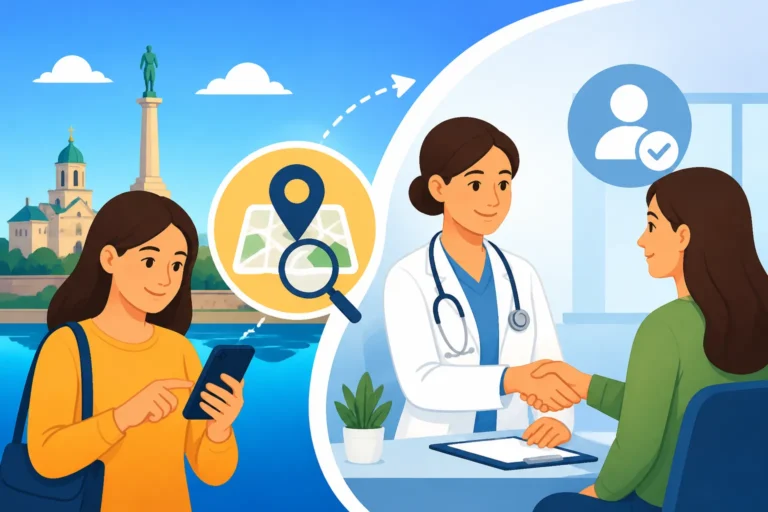
Once you’re registered with the RFZO and have your health card (or the newer e-card), the real work of using the system begins. Your first and most important step is choosing and registering with a Izabrani Lekar, or chosen doctor, at a Dom Zdravlja. This is your GP, your gateway to the rest of the public healthcare system. Think of them as your personal health manager. You can't just walk into any specialist or hospital; almost everything starts with a referral from your GP. Our guide on How to Choose a GP (Izabrani Lekar) at a Dom Zdravlja in Serbia will walk you through this process.
When you feel unwell, your first call or visit will be to your GP. They will assess your condition, provide treatment for common ailments, and, if necessary, give you a uput (referral) to see a specialist or undergo further diagnostic tests. This referral system is a cornerstone of the RFZO. It's designed to manage patient flow and ensure appropriate care, but it can also be a source of frustration for expats accustomed to direct access to specialists. Sometimes, getting an appointment with a popular specialist can involve waiting lists, which might be longer than what you're used to. For more on this, check out our piece on How Specialist and Hospital Referrals Work in Serbia.
Pharmacies (apoteke) are another key part of the RFZO puzzle. With a valid prescription from an RFZO-affiliated doctor, you can typically get your medications at a reduced price or sometimes for free, depending on the drug. You'll need your health card and the prescription. Many common medications are readily available, but specialized or newer drugs might require extra steps or only be dispensed by hospital pharmacies.
Using the public system effectively requires a degree of patience and an understanding of its unique rhythm. The Dom Zdravlja is often busy, and language barriers can be a real challenge if you don't speak Serbian. While many younger doctors or those in larger cities might speak some English, it's not guaranteed. Having a Serbian friend or a translator accompany you to important appointments can make a world of difference. The system is designed for efficiency at scale, which means less hand-holding than you might find in private clinics. You are expected to come prepared with your documents and be ready to wait your turn. For everything you need to know, The Complete Guide to Healthcare in Serbia for Expats (2027) is an excellent resource.
The RFZO and Private Healthcare: A Co-existence Strategy for Expats
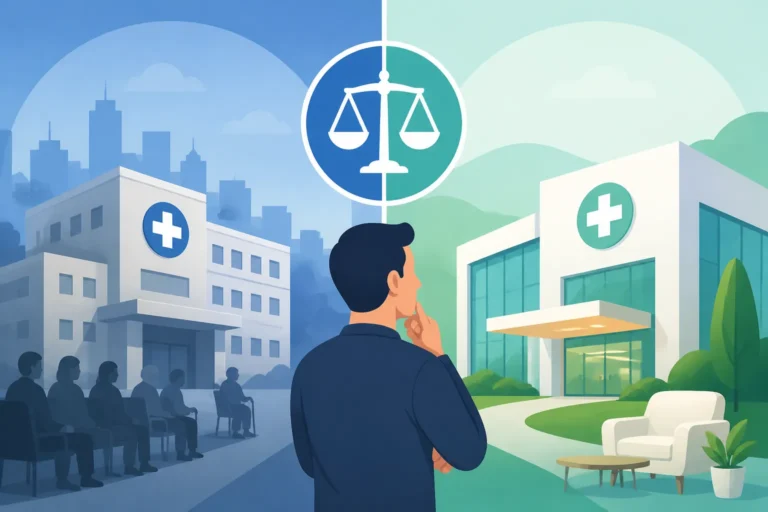
Now, while the RFZO provides essential coverage, it's not uncommon for expats in Serbia to utilize both the public and private healthcare systems, or even supplement their RFZO coverage with private health insurance. There are distinct advantages and disadvantages to each.
Public healthcare, via the RFZO, offers comprehensive coverage at a significantly lower out-of-pocket cost, often just co-payments. It’s generally reliable for serious medical conditions, hospitalizations, and general health maintenance. For instance, if you need a major surgery or long-term treatment, the public system is equipped to handle it, and your RFZO contributions mean you won't face crippling bills. What is Covered by the RFZO in Serbia? provides a detailed list.
However, the public system can sometimes present challenges:
- Language Barrier: As mentioned, English-speaking staff are not guaranteed, especially outside of Belgrade's main hospitals.
- Waiting Times: While emergencies are handled swiftly, routine specialist appointments or non-urgent procedures can involve longer waiting lists.
- Bureaucracy: The process can feel cumbersome, with multiple visits, stamps, and referrals required.
- Infrastructure: While improving, some public facilities might feel older or less modern than their private counterparts.
This is where private healthcare steps in. Serbia has a thriving private healthcare sector, particularly in larger cities like Belgrade and Novi Sad. Private clinics and hospitals often boast state-of-the-art equipment, more modern facilities, shorter waiting times, and a higher likelihood of English-speaking staff. You can often book appointments directly with specialists without a GP referral, which can be a huge time-saver. However, the trade-off is the cost. Private care is paid out-of-pocket, and while generally more affordable than in many Western countries, it can still add up quickly, especially for complex treatments or hospital stays. You can learn more by checking out Public vs Private Healthcare in Serbia: What Expats Need to Know.
Many expats find a hybrid approach works best. They rely on the RFZO for their primary care and serious medical needs where costs could be prohibitive. But for faster access to specialists, second opinions, or simply a more comfortable experience, they might opt for private clinics for routine check-ups or minor issues. To mitigate the costs of private care, many also invest in private health insurance in Serbia, or even maintain international health insurance like SafetyWing, which can cover both public and private options, giving you flexibility. This can be particularly useful for ensuring you have full coverage in unexpected situations, or if you plan to travel outside of Serbia regularly, where your RFZO coverage might not apply. Having an additional layer of protection, particularly one that offers global coverage, provides peace of mind when navigating a new health system. For serious emergencies, knowing what to expect is vital, and Emergency Medical Care in Serbia: What Every Expat Needs to Know details the local approach.
The key is to understand both systems and decide what works for your personal health needs and budget. The RFZO is a robust public system that will cover your essentials, but private options and supplementary insurance can offer comfort, speed, and language support that might make your life as an expat much easier.
Disclaimer
The information provided in this guide is for general informational purposes only and does not constitute medical, legal, or financial advice. While we strive to keep the information up-to-date and accurate, regulations and procedures in Serbia can change frequently. Always consult with official government sources, legal professionals, or healthcare providers for the most current and specific advice pertaining to your individual situation. Reliance on any information in this article is solely at your own risk.