Are Health Checks Worth It for Expats in Serbia?
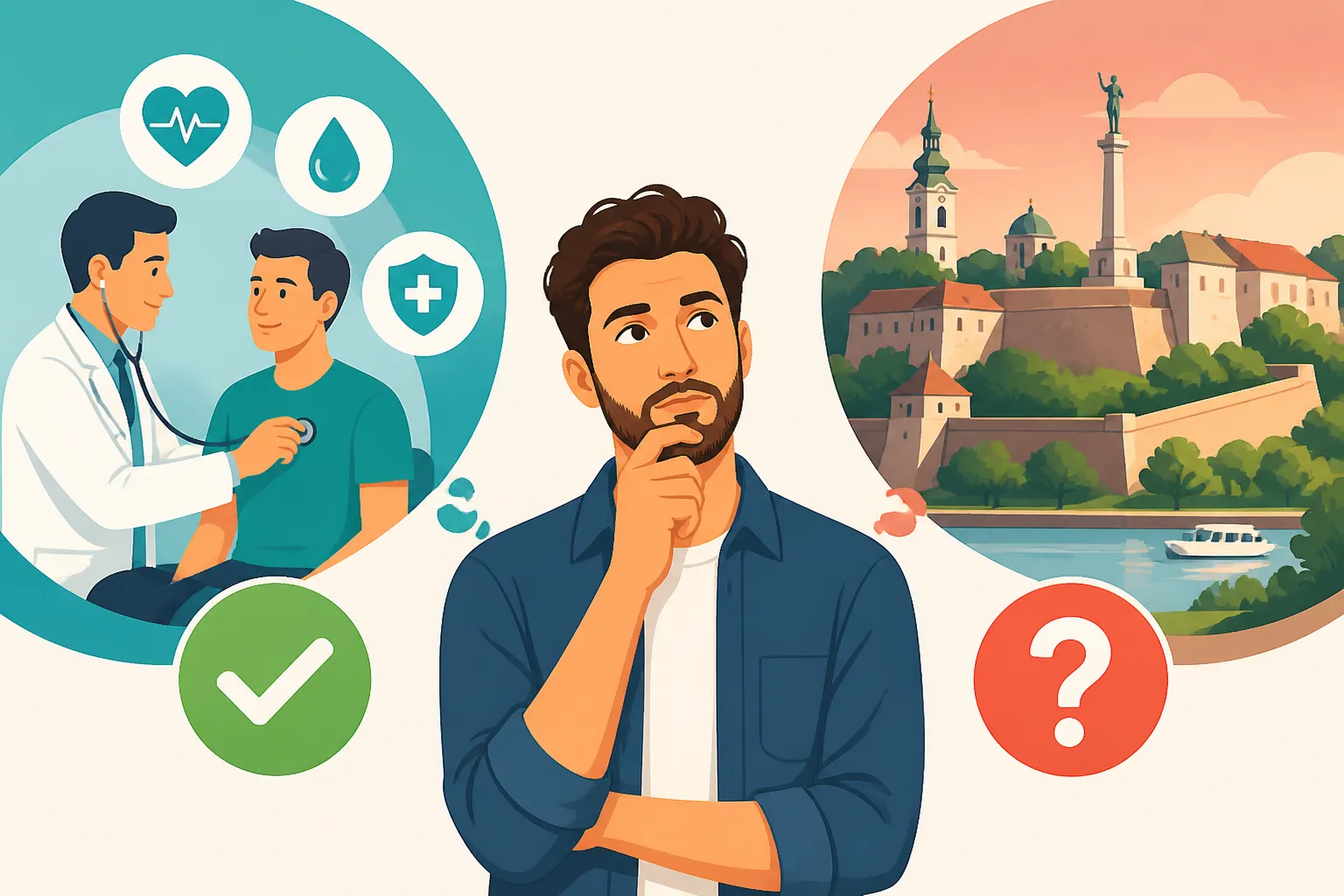
Moving to a new country like Serbia is an adventure, but it often means putting routine health matters on the back burner. Many expats find themselves wondering if it's really necessary to get a full health check in a new system they barely understand, especially when appointments, language barriers, and costs feel like an uphill battle. This guide will walk you through the nuances of health checks in Serbia, helping you decide if they're a worthwhile investment for your peace of mind and long-term well-being here.
The Expat Reality: Why Health Checks Feel Different Here
Let's be honest, when you first arrive in Serbia, "getting a full health check" isn't usually at the top of your to-do list. You're probably grappling with getting your residence permit, finding an apartment, or simply figuring out where to buy decent kajmak. But once the dust settles, a nagging question might start to surface: how do I stay on top of my health in this new environment? It's a completely valid concern, and it's something many of us expats have wrestled with.
Navigating a New System
The Serbian healthcare system, while robust in many ways, can feel like a labyrinth to newcomers. You might be used to a specific way of doing things from your home country – perhaps annual check-ups were standard, or your insurance covered everything without a second thought. Here, the flow is different. Public healthcare largely revolves around the Republic Health Insurance Fund (RFZO) and relies heavily on your chosen GP (izabrani lekar) for referrals. Private clinics offer a more streamlined, often English-speaking, experience, but they come with different price tags.
The initial hurdle is simply understanding How Serbia's Health System Works: The RFZO and Private Care Explained (2027). Once you've navigated how to register with the RFZO and a GP, you then have to figure out how preventative care fits into that structure. It’s not always as clear-cut as popping into a clinic for a full "annual physical" that covers everything from blood work to a comprehensive doctor’s consultation, all in one go, like you might expect elsewhere. This difference often leads to expats delaying or outright skipping preventative checks, sometimes with long-term consequences.
The Mental Load of Moving
The administrative burden of relocating is immense. Beyond the paperwork for visas and residence, there's the emotional toll of settling in, learning a new language (or struggling with it!), and building a new social network. Adding a complex task like arranging a thorough medical check-up in a foreign language or unfamiliar system can feel like too much. You might tell yourself, "I feel fine, I'll get to it later," and "later" often turns into never, or at least, much later than it should be.
This mental load is a significant reason why many of us put off health checks. We prioritize what feels urgent – a cough, a sprain, a child's vaccination – over what feels like a luxury, such as a full preventative screening. But ignoring these preventative steps, especially as we age or if we have pre-existing conditions, can lead to bigger, more expensive, and more stressful problems down the line. It's about finding that balance between what you can manage now and what could seriously impact your quality of life in Serbia if left unaddressed.
Unpacking the "Worth It" Question: Public vs. Private Health Checks in Serbia
So, are health checks worth it? The answer is almost always a resounding "yes," but the how and where in Serbia depend heavily on your situation, your insurance, and your comfort level with the local system. Let's delve into the options.
Public Healthcare: RFZO's Role in Preventative Care
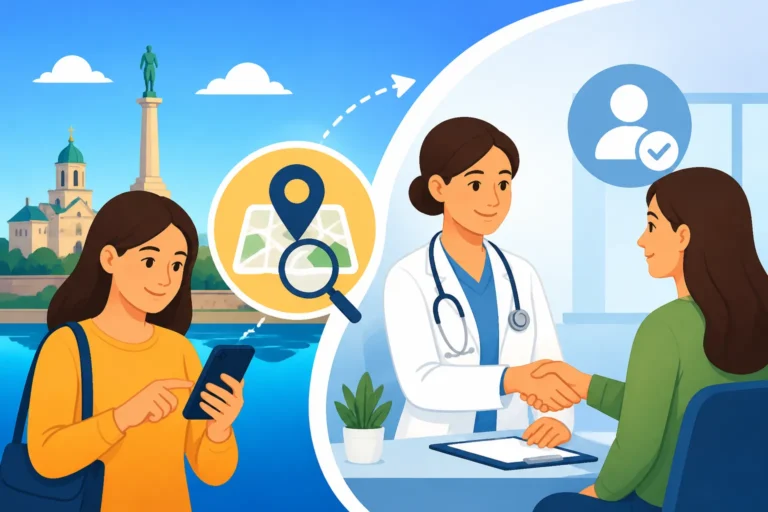
If you're registered with the RFZO (Serbia's national health insurance fund) and have an izabrani lekar (chosen doctor), you can access preventative care through the public system. Your GP is your first point of contact and can order basic blood tests, urine analyses, and provide referrals to specialists for more specific screenings if deemed necessary. For example, if you have a family history of a certain condition, your GP can refer you for relevant tests or consultations.
However, the concept of a single, comprehensive "executive health check" where you get a battery of tests and consultations across different departments all in one day is not typically how the public system operates. It's often more fragmented: you see your GP, get a referral for blood work, go to the lab, then return to your GP for results, and maybe get another referral to a specialist, which might involve waiting times.
For basic checks like blood pressure, cholesterol, blood sugar, and general physical exams, your GP can certainly assist. Women can access gynecological check-ups and pap smears, and men can get prostate checks, usually through referrals. The key is communication with your GP. Many expats, particularly those who don't speak Serbian fluently, find this approach challenging. While the public system offers affordable healthcare in Serbia, navigating it for routine, non-urgent preventative care can require patience and persistence.
Private Clinics: The Go-To for Comprehensive Checks
For many expats, private clinics are the preferred route for health checks due to convenience, English-speaking staff, and the availability of packaged programs. Major private healthcare providers like Acibadem Bel Medic, Euromedik, or Medigroup in Belgrade offer a wide range of preventative health check-up packages. These often include:
- General Practitioner consultation: A thorough discussion of your medical history and lifestyle.
- Extensive blood work: Covering everything from full blood count, liver and kidney function, cholesterol levels, blood sugar, and sometimes even thyroid hormones and tumor markers.
- Urine analysis: To check kidney function and screen for infections.
- Electrocardiogram (ECG): To assess heart health.
- Ultrasounds: Abdominal, breast (for women), or prostate (for men).
- Specialist consultations: Often including a cardiologist, gynecologist, or urologist, depending on the package.
The benefit here is efficiency. You can often schedule everything within a day or two, receive results quickly, and discuss them directly with doctors who speak English. This significantly reduces the stress and logistical challenges. It also means you're proactively addressing your health without having to jump through multiple administrative hoops. The peace of mind alone can be worth the investment.
What a Typical Health Check Involves
A standard comprehensive health check in Serbia, particularly in private clinics, is quite thorough. Let's look at what you can generally expect:
- Initial Consultation: This is crucial. A doctor will take a detailed medical history, including family history, lifestyle habits (diet, exercise, smoking, alcohol), and any current symptoms or concerns. Don't hold back – this is your chance to voice everything.
- Physical Examination: A general check of your vital signs, heart, lungs, abdomen, and possibly a neurological assessment.
- Laboratory Tests: This is where the bulk of the preventative screening happens.
- Blood tests: Complete blood count, blood sugar (glucose), lipid panel (cholesterol, triglycerides), liver function tests (ALT, AST, GGT), kidney function tests (creatinine, urea), sometimes thyroid hormones (TSH).
- Urine tests: General urinalysis to check for infections, kidney issues, and other conditions.
- Imaging & Diagnostics:
- ECG: An electrocardiogram to check heart rhythm and electrical activity.
- Abdominal Ultrasound: To visualize organs like the liver, gallbladder, pancreas, kidneys, and spleen.
- Specific to Women: Gynecological exam, Pap smear, and breast ultrasound or mammography.
- Specific to Men: Urological exam and prostate-specific antigen (PSA) blood test if appropriate for age/risk.
- Final Consultation: Once all results are in, usually within a few days, you'll have a follow-up consultation with a doctor to discuss findings, explain any abnormalities, and provide recommendations for lifestyle changes or further investigations.
This thorough approach ensures that potential issues are identified early, often before symptoms even appear, which is precisely why preventative health checks are invaluable.
Cost vs. Peace of Mind: Is it an Investment or an Expense?
The decision to get a health check often comes down to cost. In Serbia, especially if you're leaning towards private healthcare, it's a financial consideration. However, it's important to view it as an investment in your future health, rather than just an expense.
Breaking Down the Costs
The cost of health checks in Serbia can vary significantly.
- Public System: If you're covered by the RFZO, most basic tests and GP consultations are covered, with minimal or no co-payments. However, as discussed, comprehensive packages as known in the private sector don't really exist. You'd be coordinating individual tests and specialist visits, which can be time-consuming.
- Private Clinics: This is where the bulk of the cost will be.
- Basic checks: A single GP visit, blood work, and urine analysis might cost between 5,000 to 10,000 RSD (€40-€85).
- Comprehensive packages: Full annual check-up packages (including multiple blood tests, ECG, ultrasounds, and specialist consultations) typically range from 20,000 to 50,000 RSD (€170-€425), sometimes more for very extensive packages or specific high-end clinics.
These prices are generally much lower than comparable services in Western Europe or North America, making Serbia an attractive option for medical tourism, even for preventative care. For a more detailed look at expenses, you might want to check The Cost of Healthcare in Serbia: A Complete Breakdown for Foreigners (2026).
Here's a simplified table illustrating potential costs at private clinics:
| Service Type | Typical Components | Estimated Cost Range (RSD) | Estimated Cost Range (EUR) |
|---|---|---|---|
| Basic GP Check | GP consultation, basic blood/urine | 5,000 – 10,000 | 40 – 85 |
| Standard Check-up | GP, blood (CBC, glucose, lipids), urine, ECG, abdominal ultrasound | 20,000 – 35,000 | 170 – 300 |
| Executive Male Check | Standard + prostate exam, PSA, urology consult | 30,000 – 50,000 | 250 – 425 |
| Executive Female Check | Standard + GYN exam, Pap test, breast ultrasound/mammogram | 35,000 – 60,000 | 300 – 510 |
| Advanced Packages | May include additional specialist consults, advanced imaging, stress tests | 50,000+ | 425+ |
Note: These are approximate ranges and can vary by clinic and specific package.
The Value of Early Detection
The real "worth" of a health check often comes from what it prevents. Early detection of conditions like high blood pressure, high cholesterol, diabetes, or certain cancers can lead to simpler, less invasive, and more effective treatments. Ignoring these signs can result in advanced disease, requiring more complex, expensive, and debilitating interventions down the line.
For example, catching high blood sugar early through a routine blood test can allow for lifestyle modifications to prevent full-blown type 2 diabetes. Detecting an abnormal mole during a skin check can lead to early removal and prevent melanoma spread. These aren't just medical benefits; they translate directly into a better quality of life and significantly reduced future healthcare expenditures. Think of it as proactive maintenance for your most valuable asset – your health.
Understanding Your Insurance Coverage
Before booking any private health checks, it's crucial to understand your insurance situation.
- RFZO: As mentioned, the RFZO covers basic preventative care through your GP, but typically not comprehensive packages offered by private clinics. If you only have public insurance, you'll be paying out-of-pocket for private health checks.
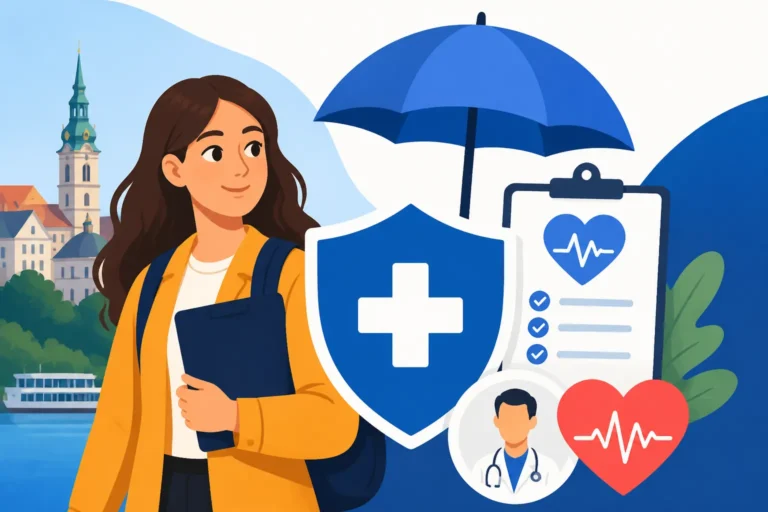
- Private Health Insurance: If you've opted for private health insurance in Serbia, check your policy details. Many local private plans, especially comprehensive ones, include coverage for annual preventative check-ups. Brands like Generali, Uniqa, or DDOR often have various tiers of coverage, and higher-tier plans are more likely to cover these types of packages. It's essential to read the fine print or call your insurer to confirm what specific tests and consultations are covered and if there are any limits or co-pays.
- International Health Insurance: If you're maintaining an international health insurance plan, such as those popular with digital nomads or remote workers like SafetyWing, you'll need to verify their preventative care benefits. Some international plans focus primarily on emergency and acute care, while others offer more robust wellness and preventative benefits. Don't assume; always clarify with your provider. SafetyWing, for instance, is known for its travel medical insurance and offers some limited preventative care in certain contexts, but a full annual executive check-up might require a specific add-on or not be fully covered. This is definitely something you should confirm before you proceed. This due diligence can save you from unexpected bills. For more information, read How to Buy Private Health Insurance as a Newcomer in Serbia.
Making the Decision: When to Get a Health Check in Serbia
Now that you understand the options and considerations, how do you decide when to get a health check? There are a few key moments and approaches to consider.
Your First Year in Serbia
This is arguably the most important time to consider a comprehensive health check. You're in a new country, possibly with different environmental factors, dietary changes, and certainly a new healthcare system. Getting a baseline health assessment in your first year in Serbia can be incredibly beneficial.
- Establish a Baseline: This check provides a snapshot of your health upon arrival. Future check-ups can then be compared to this baseline to monitor any changes.
- Identify Hidden Issues: The stress of moving can sometimes exacerbate underlying conditions, or new ones might emerge. A check-up can catch these early.
- Familiarize Yourself with the System: Even if you go private, it’s a good way to experience the local medical culture, identify English-speaking clinics and doctors, and understand how things operate. This can make future, more urgent visits less daunting.
- Inform Your GP: If you plan to register with an RFZO GP, having a recent, comprehensive report from a private clinic can be a valuable document to share, giving them a full picture of your health history even if you don't speak perfect Serbian.
Consider this initial health check as part of your "settling in" budget. It’s as important as getting your internet connected or your residence permit sorted.
Annual Check-ups and Age-Specific Needs
The general recommendation for most healthy adults is an annual check-up, or at least a check-up every 1-2 years, depending on your age, risk factors, and medical history. In Serbia, you can maintain this rhythm through:
- Regular GP visits (RFZO): If you're younger and generally healthy, a yearly visit to your chosen RFZO doctor for basic checks, blood pressure, and to discuss any concerns can be sufficient. Women should prioritize regular gynecological exams.
- Private Annual Programs: Many private clinics offer discounted annual packages if you commit to them, making it easier to stick to a routine. This is particularly appealing if you value convenience and a more extensive set of tests without the hassle.
- Age-Specific Screenings: As you get older, specific screenings become more critical.
- Over 40/50: Consider adding screenings for colon cancer (fecal occult blood test, or colonoscopy if high risk), more frequent cardiovascular assessments, and bone density scans, especially for women.
- Risk Factors: If you have a family history of certain diseases (e.g., heart disease, diabetes, cancer), or personal risk factors (e.g., smoking, obesity), your doctor might recommend more frequent or specific tests regardless of age.
Don't forget the importance of dental checks and eye exams as well – these are often separate but crucial components of overall preventative health. You can often find an English-speaking doctor in Serbia who can help guide you through these additional appointments.
Tailoring Your Health Check to Your Needs
One size doesn't fit all when it comes to health checks. You should actively discuss your needs and concerns with your doctor.
- Your History: Share your complete medical history, including any past illnesses, surgeries, allergies, and current medications.
- Family History: Be open about any diseases that run in your family (e.g., heart disease, cancer, diabetes), as this significantly impacts your risk profile.
- Lifestyle: Discuss your diet, exercise habits, stress levels, and any substance use. These all play a role in your health.
- Specific Concerns: Don't hesitate to bring up any new symptoms, persistent discomforts, or worries you might have, even if they seem minor. "Doctor Google" is not a substitute for a professional opinion.
- Digital Nomads and Travel: For those constantly on the move, maintaining consistent health records can be tricky. Using a service like SafetyWing, which focuses on global coverage, can be beneficial, but remember to proactively seek out preventative care during your stays in places like Serbia, where it can be quite accessible and affordable compared to many other countries. Ensuring your chosen international health insurance covers preventative screenings is key if you plan to rely on it.
Ultimately, whether health checks are "worth it" for expats in Serbia boils down to valuing your long-term health and peace of mind. While navigating a new healthcare system can be challenging, the accessibility and affordability of comprehensive preventative care in Serbia, particularly through private clinics, make it a wise investment. Don't let the initial hurdles deter you from taking proactive steps to safeguard your well-being.
Disclaimer
The information provided in this guide is for general informational purposes only and does not constitute medical advice. Always consult with a qualified healthcare professional for any health concerns or before making any decisions related to your health or treatment. Healthcare regulations and costs in Serbia can change; therefore, it's advisable to verify all information with official sources or medical providers.