How Do I Transfer My Medical Records to a New Clinic in Serbia?
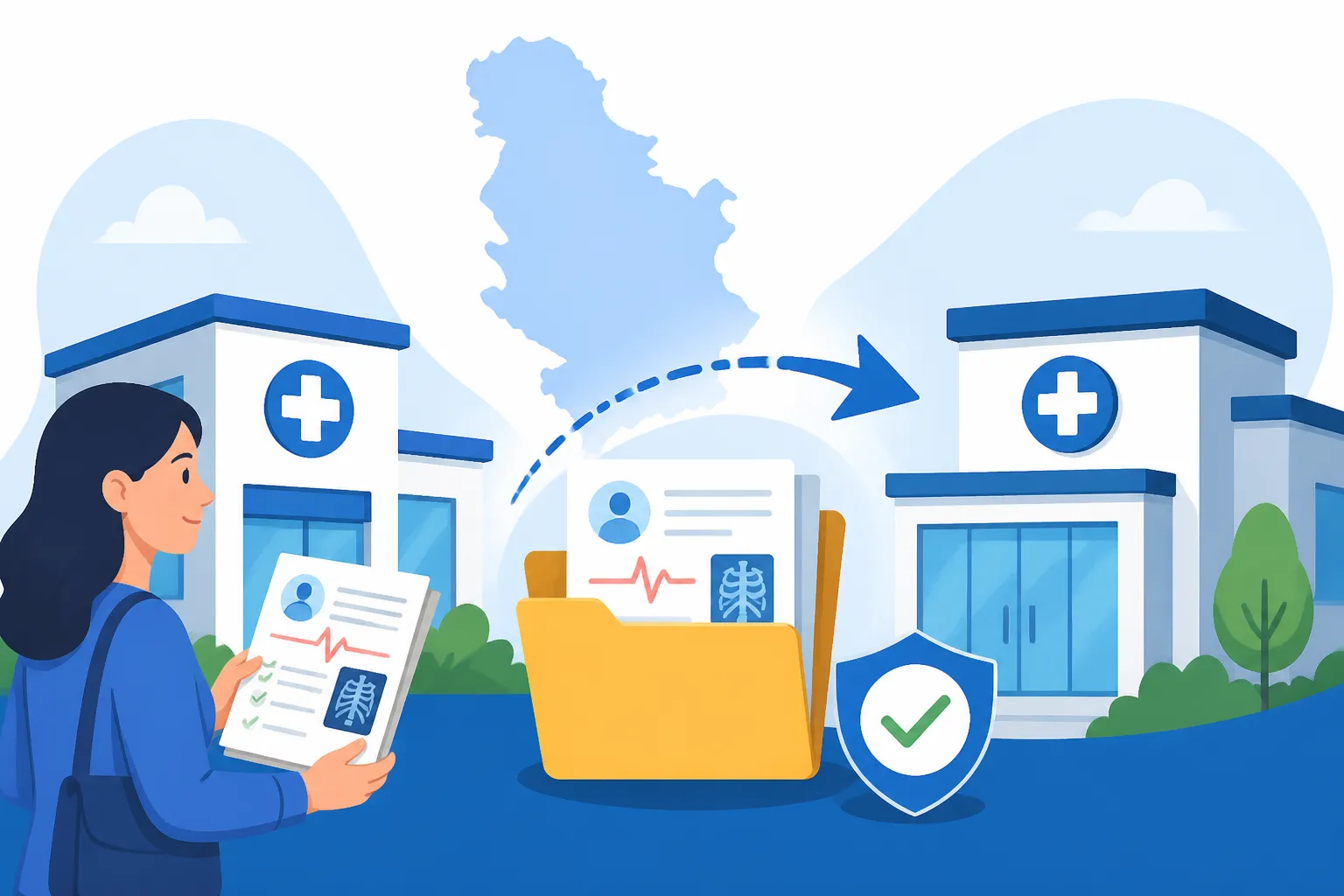
Moving clinics in Serbia, whether you're shifting from one private practice to another, or from a public health center to a different one, can feel like a daunting task, especially when it comes to getting your medical history to follow you. Expats often face unique hurdles, from language barriers to navigating differing administrative procedures and the sometimes-slow pace of bureaucracy. This guide will walk you through the practical steps, potential challenges, and essential tips for successfully transferring your medical records in Serbia, ensuring your new doctor has the full picture of your health.
The Serbian Healthcare System and Your Medical Records
Navigating the intricacies of the Serbian healthcare system is already a journey, and understanding how your medical records are handled is a crucial part of that. It's not always a straightforward digital transfer, as many expats might be used to in their home countries. Patience and proactivity are key here.
Understanding Public vs. Private Clinics and Data Storage
In Serbia, you'll encounter two main types of healthcare providers: the public system, primarily through your local Dom Zdravlja (health centre) and public hospitals, and the burgeoning private sector. Both maintain medical records, but how they do so and how easily these are shared can differ significantly.
Public clinics, where you register with your chosen GP (Izabrani Lekar), are part of the Republic Health Insurance Fund (RFZO) system. Ideally, your records within this system should be accessible across public institutions, but the reality can sometimes be more fragmented. While Serbia has been working towards a unified digital health information system, known as IZIS (Integrated Health Information System of Serbia), its implementation and seamless integration are still ongoing. This means that while some data might be digital, a lot of it still exists in physical files, or digital systems aren't always perfectly interconnected between different public health centres or even between a Dom Zdravlja and a public hospital.
Private clinics, on the other hand, usually have their own, often more modern, internal digital record-keeping systems. These systems are typically not connected to the public IZIS system, nor are they usually linked to other private clinics. This means if you switch from one private clinic to another, or from a private clinic to a public one (or vice-versa), you'll almost certainly need to physically request and transfer your records. It's important to remember that, regardless of where you've been seen, maintaining your own comprehensive copies is always a wise move.
Why Transferring Records Can Be Tricky for Expats
As an expat, the process of transferring medical records in Serbia can throw up a few extra challenges that might not be immediately obvious. It’s not just about bureaucracy; it's about cultural and systemic differences that can feel frustrating.
Firstly, language can be a significant hurdle. While many doctors and medical staff in private clinics, especially in larger cities like Belgrade or Novi Sad, speak English, the administrative staff who handle records might not. Medical documents themselves are almost always in Serbian, which means you might need certified translations for any records you bring from abroad, or even to fully understand records you receive here if you're trying to compile a personal health history. This is particularly true if you're dealing with the public health system where English proficiency is less common.
Secondly, the expectation of a seamless, instantaneous digital transfer that you might have from more technologically advanced healthcare systems often doesn't hold true here. While digital records are becoming more prevalent, the concept of a patient-controlled, universally accessible digital health passport isn't yet standard. You might find yourself needing to physically go to your old clinic, fill out forms, and wait for paper copies to be prepared. This can be time-consuming and require multiple visits, which can be tough to schedule around work or other commitments.
Finally, the administrative processes themselves can feel opaque. There isn't always a clearly signposted, national protocol for inter-clinic record transfers that's easily understandable to a foreigner. Each clinic might have slightly different internal rules for how they release records, who you need to speak to, and what fees, if any, apply for copies. This lack of standardization can lead to confusion and a lot of back-and-forth, making it essential to approach the task with patience and a willingness to ask many questions.
Step-by-Step Guide to Transferring Your Records
Moving your medical history from one healthcare provider to another in Serbia doesn't have to be an impossible feat. With a clear understanding of the steps involved and a bit of persistence, you can ensure your new clinic has the information it needs to provide you with the best care.
Obtaining Records from Your Previous Serbian Clinic
The first crucial step is to get your hands on your records from your previous clinic in Serbia. This process can vary slightly between public and private institutions, but the general principle remains the same.
For public clinics (Dom Zdravlja), you will typically need to make a request in person. Go to the administrative office or the desk of your former GP. Be prepared to fill out a written application requesting copies of your medical history. This might require you to specify exactly which documents you need, so think about key diagnoses, test results, hospital discharge summaries, and lists of medications. While the RFZO system should, in theory, allow your new public GP to access your core electronic health record, having physical copies for review is often preferred and provides a safety net. There might be a small administrative fee for photocopying, so be ready for that. Patience is key here; it’s rare for copies to be ready on the same day. You might be asked to return in a few days or even a week to collect them.
If you're moving from one private clinic to another, or from a private clinic to a public one, you'll need to approach the specific private clinic directly. Most private clinics are accustomed to providing copies of records to patients upon request. Again, you'll likely need to fill out a form, and there may be a fee for the copies. Private clinics generally have more efficient internal systems, so the waiting time might be shorter than in the public sector, but it’s still wise to anticipate a few days. Always ensure you get a comprehensive set of documents, not just a summary, covering your full medical history with them.
Presenting Records to Your New Serbian Clinic
Once you have your medical records in hand, the next step is to present them to your new healthcare provider in Serbia. This is where your preparedness truly pays off.
When you register as a new patient at a public Dom Zdravlja, a process often tied to your residence permit and RFZO registration, your new Izabrani Lekar (chosen doctor) will usually ask for your previous medical history. If you've been in the public system before and your previous doctor used the IZIS system effectively, some basic information might be accessible. However, handing over physical copies of all relevant documents you've collected will greatly assist your new GP in understanding your health background. They will review these documents, enter the most pertinent information into your new file (whether physical or digital), and discuss your current health needs. For a detailed guide on this, you might find our article on How to Choose a GP (Izabrani Lekar) at a Dom Zdravlja in Serbia quite helpful.
If you are enrolling in a new private clinic, the process is similar. During your initial consultation or registration, you'll be asked about your medical history. Provide all the records you have from previous clinics, both public and private. Private doctors are generally very thorough and will appreciate having detailed documentation to establish your baseline health and ongoing conditions. This can save time and prevent redundant tests. If your previous records include diagnoses or treatments that are complex, make sure to highlight them to your new doctor.
Dealing with International Records
Bringing medical records from your home country to Serbia presents a unique set of challenges, primarily centered around language and medical terminology differences. However, it's absolutely worth the effort to ensure continuity of care.
The most critical aspect of international records is translation. Any medical document not in Serbian (or English, if your doctor is comfortable with it, though Serbian is always preferred for official records) will need to be translated by a certified court interpreter. You can usually find a list of court interpreters for various languages through the Ministry of Justice website or by asking at local translation agencies. This isn't just a suggestion; for serious medical conditions or ongoing treatments, an official translation is often a necessity for Serbian doctors to accurately understand and record your history. These translations will carry a cost, so factor that into your moving budget.
Once translated, present these records to your new Serbian GP or specialist. They will review them, and while medical conditions are universal, specific diagnostic codes, treatment protocols, or even medication names might differ. Be prepared to explain aspects of your medical history if asked. Your Serbian doctor will use these records to inform your new care plan, but they may also recommend new tests or consultations to establish a baseline within the Serbian system. Don't be surprised if they want to run their own set of diagnostics, even if you’ve had similar tests done recently abroad; it’s often a matter of protocol or ensuring they have results they personally trust.
Essential Tips and Best Practices for Expats
Navigating the Serbian healthcare system and its associated bureaucracy, especially for expats, is a learning curve. These tips can help you smooth out the process of managing your medical records and ensure you're always prepared.
Be Proactive and Persistent
My years of living here have taught me that the squeaky wheel often gets the oil, especially in administrative matters. When it comes to your medical records, don't wait until you're already feeling unwell and desperate for your new doctor to have your full history. Start the process of requesting records from your old clinic as soon as you know you'll be switching.
Be polite, but firm, in your requests. If you're told it will take a week, call them after a week. If you haven't heard back, go in person. Sometimes, a gentle reminder is all that's needed to move things along. It's not uncommon for things to get delayed or forgotten in the shuffle, so don't take it personally. Just maintain your focus on getting what you need. Remember, this is your health we're talking about, and advocating for yourself is crucial. Having a Serbian-speaking friend or translator with you for these administrative tasks can make a world of difference, helping you bridge language gaps and understand specific instructions more clearly.
Keep Your Own Digital and Physical Copies
This is, without exaggeration, the single most important piece of advice I can give you regarding your medical records in Serbia, and frankly, anywhere in the world. The Serbian system, while improving, isn't yet at a point where you can reliably assume all your records will follow you digitally and seamlessly.
Create your own "medical passport." This should include scanned digital copies of all your key documents: diagnoses, major test results (blood work, imaging reports), hospital discharge summaries, vaccination records, and a list of all current and past medications with dosages. Keep these on a secure cloud drive (like Google Drive, Dropbox, or OneDrive) and also on a USB stick or external hard drive. Having a physical folder with paper copies is also highly recommended, especially for initial appointments. This personal collection means you're never fully dependent on a clinic's administrative efficiency. If you're traveling, carrying a compact version of this, perhaps a small summary of critical conditions and medications, can be a lifesaver.
This proactive approach not only empowers you but can genuinely speed up consultations. Imagine showing up to a new doctor, even for a routine check-up, and being able to hand them a well-organized folder with your history. They’ll be impressed and you’ll receive more tailored care from the get-go.
The Role of Health Insurance
Your health insurance plays a significant role in how you access care in Serbia, and indirectly, how you might handle missing medical records or new diagnostic needs. Whether you're covered by the public RFZO, a private Serbian insurance plan, or international expat health insurance like SafetyWing, understanding your coverage is crucial.
If you find yourself needing new diagnostic tests or specialist consultations because your previous records are incomplete or difficult to obtain, your insurance can often cover these costs. For those with private health insurance, especially the comprehensive expat plans, the process of getting a referral or booking an appointment for new tests might be more streamlined, often allowing you to bypass some of the public system's wait times. This is where a reliable insurance provider becomes invaluable.
For example, if you're a digital nomad or an expat on a flexible plan, providers like SafetyWing offer travel and medical insurance that can cover unexpected medical expenses. If, after moving to a new clinic and attempting to transfer records, your new doctor recommends a fresh set of blood tests or an MRI because the old results are unavailable or unclear, your insurance might step in to cover these costs, reducing your out-of-pocket burden. It effectively gives you a safety net to re-establish your medical history if previous documentation proves elusive. Knowing your plan's specifics on outpatient care, diagnostics, and specialist visits will help you navigate these situations more confidently. To learn more about your options, check out our guide on Health Insurance in Serbia: RFZO, Private and International Options Explained.
Communication is Key
Effective communication, even when challenging, is your strongest tool in the Serbian healthcare system. It's easy to get frustrated when things don't go as expected, but a calm, clear, and persistent approach yields the best results.
When you're dealing with administrative staff at clinics, try to be as specific as possible about what you need. Don't just say "my medical records." Specify "copies of all diagnoses from [start date] to [end date]," "all lab results," or "discharge summaries for [hospital stay]." If there's a language barrier, a translation app on your phone can help with basic phrases, but for anything critical, bring a Serbian friend or hire a professional translator. They can act as an advocate and ensure your requests are fully understood. Many expats find great comfort in knowing How to Find an English-Speaking Doctor in Serbia in the first place, but administrative staff sometimes requires more specific language support.
Always ask for clarity if you don't understand an instruction or a timeline. For instance, if they say "come back in a few days," ask "Which day specifically? And at what time?" If there's a fee, ask for a receipt. Document who you spoke to, when, and what was discussed. This paper trail, however informal, can be incredibly useful if you need to follow up or escalate an issue. Building a good rapport with the administrative staff can also make future interactions much smoother.
Common Challenges and How to Overcome Them
Despite your best efforts, you might still encounter some bumps in the road when transferring your medical records in Serbia. Being aware of these potential challenges and having strategies to overcome them will help you maintain your composure and ensure your health remains a priority.
Missing or Incomplete Records
It's an unfortunate reality that sometimes, records can be missing, incomplete, or simply poorly organized, especially if you've been seen at older public institutions or if a clinic has changed hands. This can be incredibly frustrating, particularly if you have chronic conditions or a complex medical history.
If you discover that key parts of your records are missing from your previous clinic, your first step should be to clearly communicate this to your new doctor. Don't try to fill in the blanks yourself with guesswork. Your new doctor will then need to assess what information is critical and what can be re-established through new tests or consultations. This might mean undergoing fresh diagnostic tests, such as new blood work, imaging scans (like X-rays or ultrasounds), or specialist evaluations to re-establish your medical baseline. While this can feel redundant and time-consuming, it's often a necessary step to ensure your new healthcare provider has accurate and up-to-date information.
In such scenarios, remember that your health insurance can be a significant asset. As mentioned, international plans like SafetyWing are designed to provide a safety net for expats, potentially covering the costs of these necessary re-evaluations or diagnostic tests. Having the financial coverage to get those crucial new tests done without a huge out-of-pocket expense can alleviate a lot of stress and expedite your access to appropriate care. Always discuss with your new doctor and your insurance provider the best course of action when faced with incomplete medical records.
Language Barriers with Documentation
Even if you've found an English-speaking doctor, the administrative side of healthcare and the official medical documents themselves will almost always be in Serbian. This presents a significant challenge when you're trying to understand your own records, explain your history, or obtain specific documents.
For any critical medical reports, such as complex diagnoses, surgical reports, or long-term treatment plans, investing in a certified translation by a court interpreter is paramount. A simple online translation might give you a general idea, but medical terminology is nuanced and requires professional accuracy. Your new Serbian doctor needs to be able to fully rely on the translated documents. You can often find lists of court interpreters through Serbian government websites or by asking for recommendations at your embassy or local expat groups.
For less critical documents, or during discussions with administrative staff, a translation app on your phone can be useful for quick communication. However, for nuanced conversations, consider bringing a Serbian friend, colleague, or even hiring a local interpreter to assist you. This small investment can save you significant time, stress, and potential misunderstandings down the line. Remember, clear communication is the foundation of good medical care, and overcoming the language barrier is central to that.
Bureaucracy and Waiting Times
It's no secret that administrative processes in Serbia can sometimes feel like a slow dance through a bureaucratic maze. This is particularly true in the public health sector, where getting medical records transferred or even obtaining copies can be a test of patience.
You might encounter long queues at registration desks, requests for documents you didn't anticipate, or simply a slower pace of processing than you're used to. My advice? Breathe. This is just how things often operate. Trying to rush or get angry will likely be counterproductive. Approach each interaction with a calm and respectful attitude. Being polite, even when frustrated, goes a long way.
To mitigate the impact of waiting times, plan ahead. Don't leave critical requests until the last minute. If you need a specific document for an upcoming appointment, start the request process well in advance, giving yourself ample buffer time. When visiting clinics or administrative offices, try to go during off-peak hours if possible, though these can be hard to predict. If you have the flexibility, sometimes going in the morning right when they open, or later in the afternoon, can yield shorter wait times. Keep records of your requests, including dates and names of staff members you've spoken with, as this can be helpful for follow-up. For a broader overview of how the system works, you might want to read Navigating the Serbian Healthcare System: An Expat's Roadmap (2027).
Comparative Overview: Public vs. Private Record Access
To give you a clearer picture, here's a general comparison of what you might expect when dealing with medical records in public versus private healthcare settings in Serbia:
| Feature | Public Healthcare (Dom Zdravlja/Hospitals) | Private Healthcare (Clinics/Hospitals) |
|---|---|---|
| Record System | Primarily paper-based with increasing digitization via IZIS. | Mostly digital, internal systems; generally more modern. |
| Inter-Clinic Sharing | Theoretically, within IZIS (public to public), but often requires manual steps. | Minimal to no sharing between different private clinics or with public system. |
| Access for Patient | Usually requires in-person request, written application, and follow-up. | Generally easier to request copies, often available quicker. |
| Documentation Language | Exclusively Serbian for official records. | Primarily Serbian, but some reports might be bilingual (Serbian/English). |
| Cost of Copies | Small administrative fee for photocopying. | May incur a fee for printing or administrative time. |
| Wait Times for Records | Can range from a few days to a week or more due to bureaucracy. | Typically faster, often within a few days. |
| Translations Needed | Essential for non-Serbian foreign records, official court interpreters. | Essential for non-Serbian foreign records, official court interpreters. |
Knowing these differences can help you set realistic expectations and plan your strategy for record transfers effectively. Whether you're moving within the public system, between private clinics, or bridging the gap between the two, being prepared for these nuances will make the process much smoother. Don't forget that understanding What Documents Do I Need to See a Doctor in Serbia? is also a vital piece of the puzzle.
Disclaimer
Please remember that I am an expat blogger and not a medical or legal professional. The information provided in this guide is based on personal experiences, general knowledge, and publicly available information regarding the Serbian healthcare system. While I strive for accuracy and currency, regulations and procedures can change. Always consult with the relevant Serbian authorities (Ministry of Health, RFZO, MUP) or legal and medical professionals for the most up-to-date and personalized advice regarding your specific situation. Your individual circumstances may vary, and this guide should be used for informational purposes only.