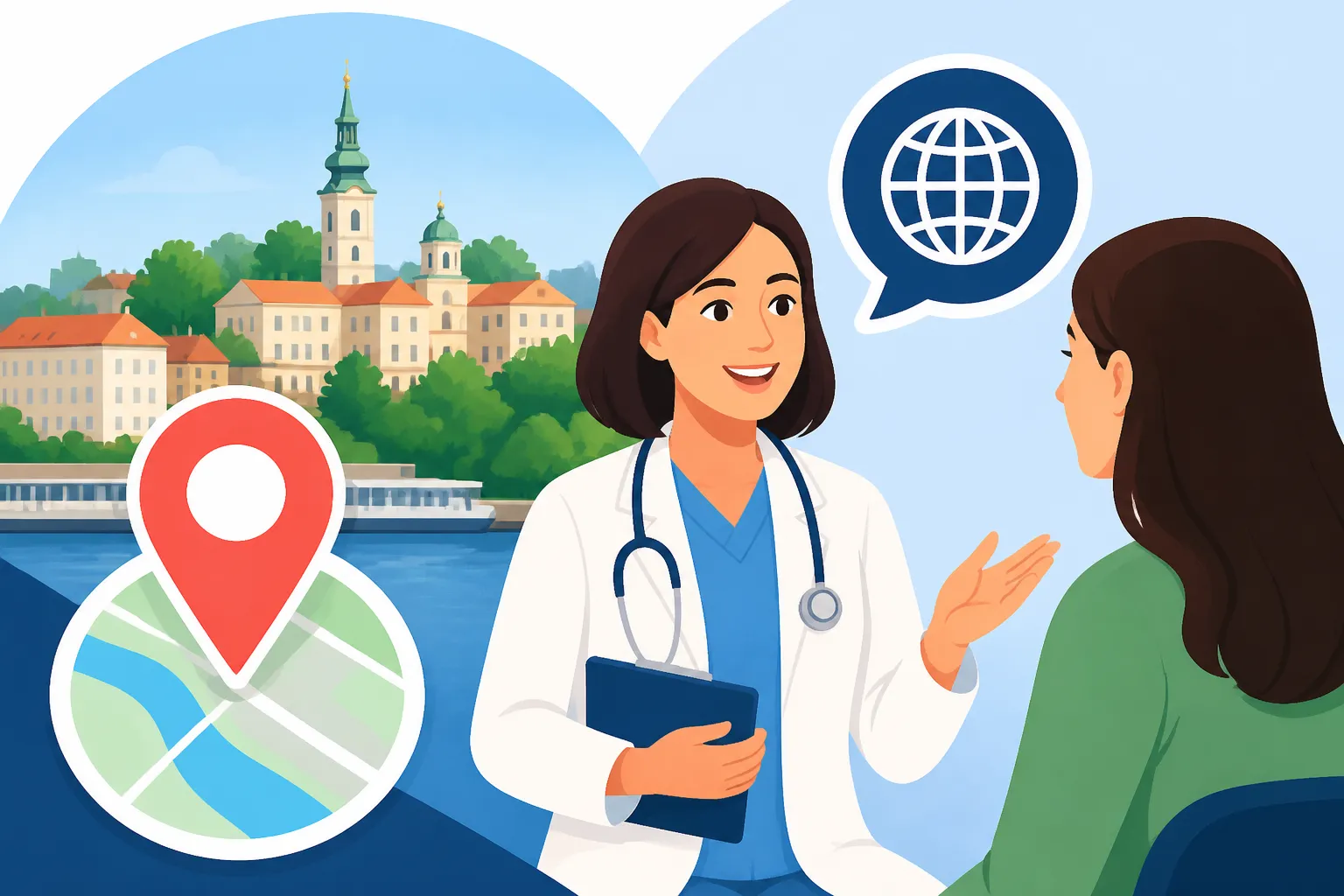
Where Can I Find an English-Speaking Doctor in Belgrade?
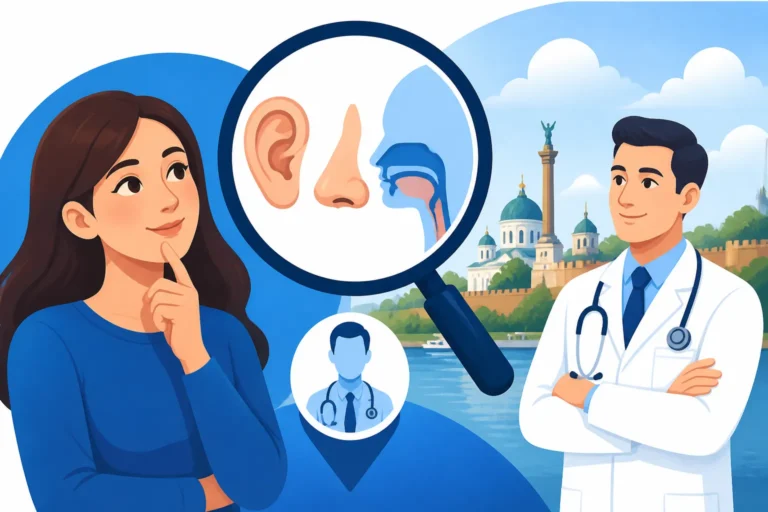
Moving to a new country like Serbia is thrilling, but when that familiar ache or sudden fever hits, the thought of finding a reliable doctor, especially one who speaks English, can instantly turn excitement into a daunting task. It’s a challenge many of us expats face in Belgrade, navigating a new healthcare system where language barriers can add an extra layer of stress. This guide is here to cut through the confusion and provide you with actionable steps and insider tips on exactly where and how to find English-speaking medical professionals in the Serbian capital.
The Initial Hunt: Where to Begin Your Search for Medical Care
When you first arrive, the sheer number of healthcare providers in Belgrade can be overwhelming, and differentiating between public institutions and private practices, let alone finding those with English-speaking staff, isn't always straightforward. It's not like back home where a quick online search or a call to your insurance provider instantly gives you a list. Here, a little groundwork and leaning on the expat community go a long way.
Online Directories and Expat Forums
One of the first places many of us turn is, naturally, the internet. While official Serbian healthcare directories might not always specify language capabilities, certain expat-focused platforms and online communities are invaluable. Websites like Expat in Belgrade or Facebook groups for expats in Serbia are treasure troves of information. People frequently post recommendations, share experiences, and even list specific doctors they’ve had positive interactions with. These informal networks are often more up-to-date and practical than official listings. You might find a direct recommendation for a cardiologist who studied abroad or a general practitioner who spent years working in an English-speaking country. Remember, a personal recommendation often carries more weight and trust than a cold listing, especially when it comes to something as personal as healthcare.
Leveraging Embassy and Consular Services
Don't overlook the resources provided by your own country's embassy or consulate in Belgrade. Many embassies maintain lists of English-speaking doctors, clinics, and even dentists as a service to their citizens abroad. These lists are usually vetted and can be a fantastic starting point, offering a level of reassurance that independent online searches might not. For example, the U.S. Embassy in Belgrade provides a list of medical facilities and practitioners who speak English. It’s always worth checking your specific embassy's website or giving them a call. These resources are particularly helpful if you're new to the city and haven't yet built up your local network. They understand the unique challenges faced by foreigners and often have direct contacts within the local medical community.
Word-of-Mouth from Fellow Expats
Seriously, this is gold. Ask around! The expat community in Belgrade is quite close-knit, and people are generally eager to help each other out, especially when it comes to navigating the sometimes-tricky aspects of daily life. Strike up conversations in expat meetups, online forums, or even through social circles. Someone always knows someone. They can tell you about their experiences, recommend a specific doctor by name, or even warn you about places to avoid. This personal touch provides insights into bedside manner, wait times, and whether the doctor truly understands the nuances of communication with a non-native speaker, which can be critical when discussing complex medical issues. It’s about more than just English; it’s about cultural understanding and empathy, which you often only find out through personal testimony.
Navigating Private Clinics in Belgrade: Your Best Bet for English
Let's be real: for most expats seeking medical care in Serbia, particularly if English is your primary language, private clinics and hospitals are almost always the most straightforward and comfortable option. While the public system is available, the ease of communication, often shorter wait times, and generally more modern facilities in private institutions make them a preferred choice.
Key Private Hospitals and Clinics with English-Speaking Staff
Belgrade is home to several excellent private healthcare facilities that cater to an international clientele, meaning they specifically employ English-speaking staff. These are often your go-to options for general practitioners, specialists, and even more complex procedures.
One of the most prominent is Acibadem Bel Medic. This is a full-service private hospital and clinic network known for its modern equipment and a large team of specialists across various fields. They have a strong reputation for serving expats, and you'll find English spoken widely among their doctors, nurses, and administrative staff. They understand the needs of foreign patients and often have dedicated international patient departments. Another highly regarded option is Euromedik. With multiple locations across Belgrade, Euromedik offers a vast range of services, from general medicine to specialized diagnostics. Many of their doctors are proficient in English, and their larger clinics in areas like Novi Beograd or Vračar are usually well-equipped to handle foreign patients. Similarly, Medigroup operates a network of private clinics and hospitals, including the largest private hospital in Serbia, offering comprehensive medical care. Their approach to patient care is often more personalized, and they actively aim to recruit English-speaking doctors to accommodate the growing expat community. For a more boutique experience, smaller private practices like those associated with Dr Ristić also offer excellent care with English-speaking general practitioners and some specialists.
When considering these facilities, it’s not just about the doctors, but also the administrative staff who can help you with appointments, billing, and navigating any follow-up care. Most of these larger private entities understand this and make a concerted effort to have English proficiency at all levels of patient interaction. This significantly reduces the stress of appointments and ensures clarity in medical instructions, which can be a lifesaver when you're feeling unwell. You can learn more about Understanding the Difference Between Public and Private Hospitals in Serbia.
The Cost Factor and Insurance Considerations
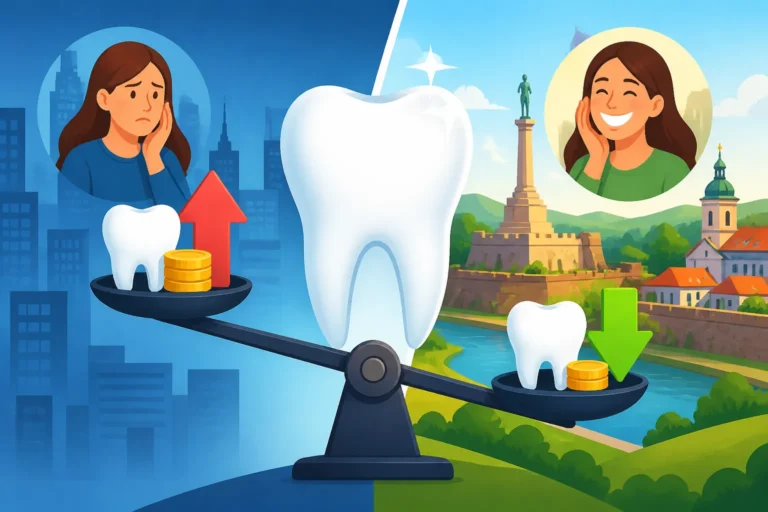
Of course, "private" usually translates to "paid." Unlike the public system where costs are largely covered by the Republic Health Insurance Fund (RFZO) if you're registered, private clinics operate on a fee-for-service basis. A standard consultation with a general practitioner in a private clinic typically ranges from €30 to €60, while specialist consultations can be anywhere from €50 to €100, or more for highly specialized procedures or advanced diagnostics.
This is where your health insurance becomes crucial. If you're employed in Serbia, your employer likely contributes to the RFZO, which primarily covers public healthcare. However, many expats opt for private health insurance plans alongside or instead of RFZO coverage, specifically to access these private clinics. There are local private insurance options, but many international expats prefer global health insurance providers. For those who are digital nomads or frequently travel, options like SafetyWing can provide travel medical insurance that might cover sudden illness or injury while in Serbia, offering peace of mind. It’s vital to check with your insurance provider before your appointment to understand what's covered, if direct billing is an option, or if you'll need to pay upfront and claim reimbursement. Always ask for a detailed invoice (račun) from the clinic, as this will be essential for your claim. Understanding out-of-pocket expenses and co-payments is a critical part of managing your healthcare budget here.
Booking Appointments and Understanding the Process
Booking an appointment at a private clinic is usually quite straightforward. Most have English-speaking receptionists available by phone or through online booking systems. You can simply call their central number, state your preferred language, and they will usually direct you to an available doctor who speaks English. When booking, make sure to clearly state your reason for the visit (e.g., general check-up, specific symptoms, referral follow-up) so they can direct you to the appropriate specialist if needed.
The process upon arrival is also generally efficient. You’ll check in at reception, provide your personal details (sometimes just your passport and contact info if you’re a new patient), and then usually proceed directly to the waiting area. Wait times in private clinics are typically much shorter than in public facilities, often just 10-20 minutes, though this can vary. The consultation itself will be much like what you're used to – a thorough discussion of your symptoms, examination, and diagnosis, all conducted in English. If tests are required, they can often be done on-site or at a nearby affiliated lab, with results usually available quickly. Don't hesitate to ask questions; these doctors are generally accustomed to explaining things clearly to foreign patients.
Public Healthcare: A More Challenging, but Possible, Path
While private clinics offer convenience, Serbia's public healthcare system, primarily managed by the Republic Health Insurance Fund (RFZO), is the backbone of the country's medical services. If you are formally employed in Serbia and contributing to the RFZO, you are entitled to public healthcare. However, accessing it as an English-speaking expat can present a different set of hurdles, mainly revolving around language and administrative processes.
Finding a GP in a Dom Zdravlja
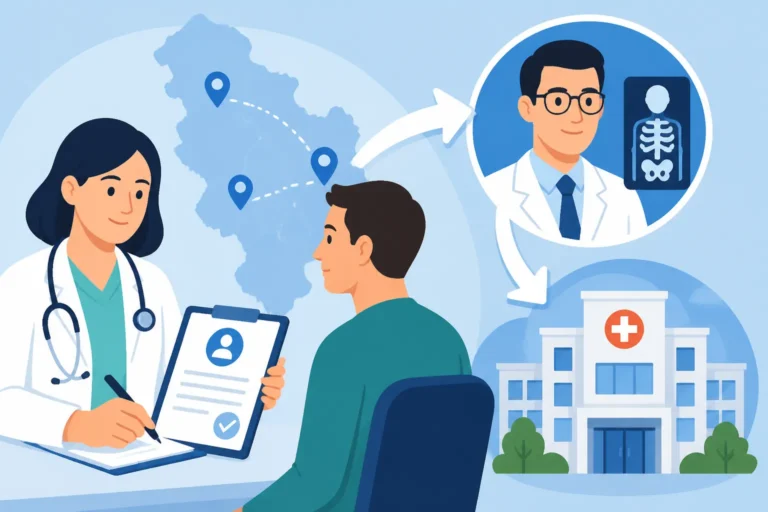
The first step in accessing public healthcare is registering with a general practitioner (GP), known as an izabrani lekar (chosen doctor), at a local Dom Zdravlja (health center). This is where things can get a bit tricky for non-Serbian speakers. While public healthcare is technically available to you once you are registered with the RFZO, finding an English-speaking GP in a Dom Zdravlja is not guaranteed. Public doctors often have heavy patient loads and may not have the time or explicit English language training that private practitioners do.
You'll need to go to your local Dom Zdravlja, often based on your registered address, to initiate the registration process. This involves paperwork, and unless you're incredibly lucky, the administrative staff at the public health centers might not speak English fluently. It’s highly recommended to bring a Serbian-speaking friend or colleague to help you through the initial registration. Once you're registered, you can then try to inquire about GPs who might have some English proficiency. Sometimes, younger doctors or those who have worked in international settings might speak English, but it's not a standard offering. You can learn more about how to register with the Republic Health Insurance Fund (RFZO) in Serbia.
Language Barriers and Translator Options
The language barrier is arguably the biggest challenge in the public system. While medical terms can sometimes be universal, discussing nuanced symptoms or understanding complex diagnoses in a foreign language is a recipe for misunderstanding. If you absolutely need to use the public system and can't find an English-speaking doctor, consider bringing a translator. This could be a trusted Serbian friend, a colleague, or a professional medical translator. Some expats have found success with online translation apps, but these should be used with caution, especially for critical medical conversations.
It's a frustrating reality, but the public system is primarily designed for Serbian speakers. Having someone with you who can bridge that communication gap not only ensures you understand your diagnosis and treatment plan but also helps the doctor understand your symptoms fully. Without it, you might find yourself nodding along, only half-understanding, which is far from ideal when your health is on the line. You can also explore options on How to Find an English-Speaking Doctor in Serbia in general.
Emergency Care When Language is an Issue
In a genuine medical emergency, getting immediate care is paramount, regardless of language. Serbia has a well-established emergency service, accessed by dialing 194 for an ambulance. The emergency dispatchers and paramedics may or may not speak English, so if you are able, have a Serbian speaker make the call or be prepared to use simple, clear language. When the ambulance arrives or if you go directly to an emergency room (Urgentni Centar), the priority will be to stabilize you.
In the emergency room of a public hospital, English proficiency can vary wildly among the medical staff. Again, if you are conscious and able, having someone with you who can translate will be incredibly helpful. If not, don't be afraid to use simple gestures or point to where it hurts. While the experience might be less comfortable than in a private emergency room with dedicated English staff, the medical care itself in a public emergency is generally competent and focused on immediate life-saving interventions. For non-life-threatening emergencies, considering a private clinic with known English-speaking staff might be a less stressful option if possible, especially if you have international health insurance like SafetyWing which could cover such situations. Knowing Emergency Medical Care in Serbia: What Every Expat Needs to Know is crucial before you ever need it.
Essential Tips for Expats Seeking Medical Care in Serbia
Beyond knowing where to go, there are a few practical tips that can make your medical journey in Belgrade much smoother, regardless of whether you choose the private or public route. Being prepared and proactive can save you a lot of hassle and stress.
Preparing for Your Doctor's Visit
Preparation is key. Before any appointment, it’s a good idea to write down your symptoms, questions, and medical history in English. If you have any medical records from your home country, bring them, translated if possible, or at least a summary of conditions and medications. This is especially true for any chronic conditions you might have. Having this information readily available will help the doctor understand your situation quickly, bridging any potential communication gaps even if they speak English well.
Also, be ready to explain your insurance situation. If you have private insurance, have your policy details and card handy. If you're using the public system, your RFZO health card (zdravstvena knjižica) is essential. For those with international coverage, understanding How to Claim Reimbursement from Private Insurance in Serbia is vital. Always confirm if the clinic accepts your insurance directly or if you'll need to pay upfront and seek reimbursement later. Don't be afraid to ask about the expected cost of the consultation or any recommended tests beforehand.
Understanding Prescriptions and Pharmacies
After your consultation, the doctor will give you a prescription (recept). In Serbia, prescriptions are typically handwritten, and sometimes they might look like they're in a foreign language (which, well, they are!). The good news is that pharmacists (farmaceuti) in larger Belgrade pharmacies, particularly in the city center or expat-dense areas, often have a good grasp of English and are usually adept at deciphering doctors' handwriting.
Serbian pharmacies, or apoteke, are plentiful and easily identifiable by a green cross sign. Many are open late, and some even operate 24/7. When you take your prescription to the pharmacy, the pharmacist will explain how to take the medication. If you're unsure about anything, don't hesitate to ask. Generic medications are widely available and often much cheaper than branded equivalents. It’s also worth noting that while some common over-the-counter medications are readily available, stronger antibiotics or certain prescription drugs usually require a doctor’s recept. You can explore Prescription Medications and Pharmacies in Serbia: The Complete Guide for more detailed information.
When to Consider Telehealth or International Options
For non-urgent issues, or if you're struggling to find an English-speaking doctor in Belgrade that you feel comfortable with, telehealth services are becoming an increasingly viable option. Many international health insurance providers or platforms offer virtual consultations with English-speaking doctors from around the world. This can be a great first step to get a diagnosis, discuss symptoms, or even get a prescription (though local Serbian regulations for foreign telehealth prescriptions can vary, so always confirm).
Additionally, if you have a complex condition or prefer the familiarity of your home country's healthcare system, some expats opt to travel for specific medical treatments. While Serbia offers affordable and high-quality care, especially in the private sector, sometimes the comfort of a known system or doctor from back home might be preferred. It's a personal choice, but having international health insurance, perhaps from a provider like SafetyWing, can be invaluable for covering medical care whether you're in Serbia or need to travel for specialized treatment. This flexibility can be a real game-changer for long-term expats.
Disclaimer
The information provided in this article is for general informational purposes only and does not constitute medical advice. While we strive to offer accurate and up-to-date guidance for expats in Serbia, healthcare regulations, clinic availability, and doctor's proficiencies can change. Always consult with a qualified medical professional for any health concerns or before making any decisions related to your health or treatment. We recommend verifying all information with local authorities and healthcare providers directly.