What Health Risks Should Expats Be Aware of in Serbia?
Moving to a new country like Serbia is incredibly exciting, full of new experiences, delicious food, and wonderful people. But let's be honest, beneath all that excitement, there’s always a little knot of worry, especially when it comes to your health. As an expat who’s been through the whole "what if I get sick?" panic, I know it’s not just about what diseases are present, but also how the healthcare system works, what to watch out for, and how to feel secure. This guide is here to shed light on the real health risks and concerns expats should be aware of in Serbia, so you can navigate life here with peace of mind.
Common Health Concerns and Seasonal Ailments in Serbia
When you first arrive in Serbia, or even after you've settled in for a while, it's natural to encounter a few common health niggles. These aren't unique to Serbia, but knowing what to expect can help you prepare.
Respiratory Issues and Allergies
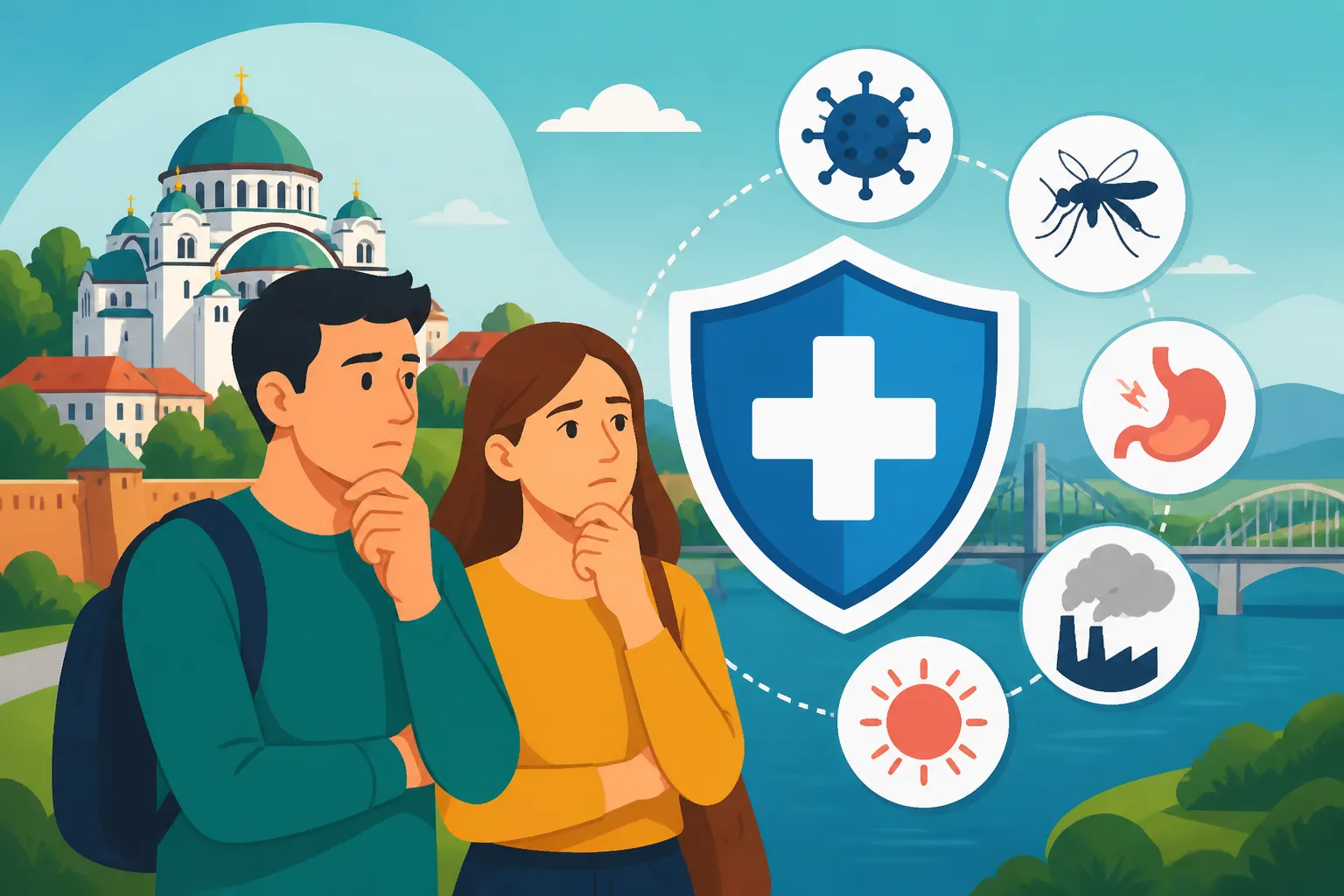
One of the most frequently discussed health concerns, especially in larger cities like Belgrade, is air quality. During the colder months, particularly from late autumn to early spring, the air quality can significantly worsen due to heating systems (many still rely on coal or wood) and vehicle emissions. For those with pre-existing respiratory conditions like asthma, or even just general sensitivities, this can be quite challenging. You might find yourself experiencing more frequent coughs, sore throats, or general discomfort. It’s worth checking air quality apps, especially if you plan to be outdoors for extended periods, and perhaps investing in an air purifier for your home if you’re particularly sensitive.
Beyond winter pollution, spring and summer bring their own set of challenges: allergies. Serbia has a lot of diverse flora, and pollen counts can be high. If you’re prone to hay fever, make sure you pack your usual antihistamines, or know that you can easily find over-the-counter options at local pharmacies. Don't be surprised if you experience new or different allergic reactions than you're used to from back home.
Digestive Upsets and Food Safety
Adjusting to new foods and water can sometimes lead to minor digestive upsets. While tap water in most urban areas in Serbia is generally considered safe to drink, your stomach might still need a little time to adjust to different mineral compositions. If you have a sensitive stomach, consider sticking to bottled water for your first few weeks, or boiling tap water.
When it comes to food, Serbia offers incredible culinary delights. However, as with any new country, practicing good food hygiene is key. If you're buying fresh produce from local markets (which I highly recommend for the quality and experience!), always wash fruits and vegetables thoroughly. When eating out, particularly at street food stalls or less formal eateries, gauge the cleanliness and general standards before diving in. Most restaurants, especially in larger cities and tourist areas, adhere to good hygiene practices, but it never hurts to be mindful. A sudden change in diet, perhaps a heavier reliance on meat and potatoes, can also temporarily affect your digestion. It’s a good idea to keep some digestive aids, like probiotics or anti-diarrhea medication, in your personal medical kit.
Environmental and Specific Disease Risks
Beyond the everyday sniffles, there are a few environmental and specific disease risks that expats should understand to stay safe and healthy in Serbia.
Tick-Borne Diseases and Outdoor Activities
Serbia is a beautiful country with vast natural parks, forests, and hiking trails. Getting out into nature is one of the best parts of living here, but it comes with a tiny, often unseen risk: ticks. Tick-borne encephalitis (TBE) and Lyme disease are present in Serbia. If you enjoy spending time outdoors, especially during spring and summer when ticks are most active, it’s crucial to take precautions.
This means wearing long sleeves and trousers when hiking in grassy or wooded areas, using insect repellent containing DEET or picaridin, and thoroughly checking your body (and your pets!) for ticks after outdoor excursions. If you find a tick, remove it carefully with tweezers as close to the skin as possible. Early detection and removal are key. If you experience symptoms like a rash, fever, or flu-like symptoms after a tick bite, seek medical attention immediately. Consider consulting a doctor about the TBE vaccine if you plan extensive outdoor activities.
Mosquitoes and West Nile Virus
Summers in Serbia can be warm and humid, creating ideal conditions for mosquitoes. While most mosquito bites are just an annoying itch, West Nile Virus (WNV) is a concern in Serbia, particularly in urban areas with stagnant water. Symptoms are often mild or non-existent, but in rare cases, WNV can lead to severe neurological illness.
To protect yourself, use mosquito repellent, wear long clothing during dawn and dusk, and ensure your accommodation has screens on windows and doors, or use mosquito nets. Eliminate any standing water around your home where mosquitoes can breed. While the risk of severe WNV is low, being aware and taking simple preventative measures can significantly reduce your chances of infection.
Water Quality and Contamination
As mentioned, tap water in cities is generally safe. However, there have been instances, particularly in smaller towns or rural areas, where local water supplies have faced temporary contamination issues. These are usually communicated by local authorities, but it’s always wise to pay attention to local news if you live outside a major metropolitan area. For those relying on well water, regular testing is advisable. It's also important to remember that Serbia experiences quite warm summers, and legionella bacteria can thrive in poorly maintained water systems. If you're moving into an older building or one that's been vacant for a while, running taps and showers for a few minutes before use can help flush out stagnant water.
Mental Health and Lifestyle Challenges
Expat life is exciting, but it also comes with its own unique set of pressures and mental health challenges. These might not be "risks" in the traditional sense, but they are crucial to acknowledge for your overall well-being.
Culture Shock and Isolation
The initial honeymoon phase of expat life is often followed by a period of culture shock. This can manifest as frustration, homesickness, loneliness, and even feelings of isolation. The language barrier, different social norms, and the general bureaucracy can feel overwhelming. It’s easy to feel like you're constantly navigating a maze, and that constant mental effort can be exhausting.
It's important to build a support network. Seek out other expats, join local interest groups, or connect with Serbian friends who can help you understand the nuances of the culture. Don't underestimate the power of simply talking about your frustrations. While the Serbian healthcare system is still developing in terms of widespread mental health support in English, there are growing options for How to Access Mental Health Services in Serbia as an Expat. Many expats also rely on international tele-health services or the support offered by comprehensive travel insurance plans like SafetyWing, which can sometimes include mental health benefits depending on your policy.
Stress from Bureaucracy and Adjustment
Serbia’s administrative processes, particularly for foreigners, can be notoriously slow, complex, and sometimes frustratingly illogical. Getting your residence permit, registering with the RFZO (Republic Health Insurance Fund), or even just dealing with utility companies can test your patience to its limits. This constant low-level stress can impact your mental and even physical health.
Give yourself grace and recognize that these challenges are normal. Don't be afraid to ask for help—whether from expat groups, local friends, or professional services that assist with administrative tasks. Having a good sense of humor and a deep well of patience will be your best allies. Remember that these hurdles are temporary, and once you get past them, life in Serbia truly opens up. Learning some basic Serbian phrases can also dramatically reduce stress, as even a little effort goes a long way with local officials.
Navigating the Healthcare System and Emergency Preparedness
Understanding the healthcare system is vital for mitigating health risks. It’s not just about what could make you sick, but what to do when you inevitably need medical attention.
Language Barriers and Communication
One of the biggest hurdles expats face, especially outside of Belgrade's international clinics, is the language barrier. While younger generations and professionals in private clinics often speak English, public healthcare institutions might have staff with limited English proficiency. This can be incredibly anxiety-inducing when you're feeling unwell and struggling to explain your symptoms or understand a diagnosis.
Always try to bring a Serbian-speaking friend or use a translation app if you're visiting a public doctor or hospital. For serious appointments, consider hiring a professional medical translator. It’s also worth noting that many private clinics cater specifically to expats and offer English-speaking doctors, which can be a huge relief. Knowing How to Find an English-Speaking Doctor in Serbia can save you a lot of stress in a pinch.
Emergency Care and Insurance Coverage
Knowing what to do in a medical emergency is critical. Serbia has a robust emergency service (call 194 for an ambulance), but again, language can be an issue. Be prepared to give your address clearly and explain the situation simply. For less urgent but still serious situations, head to an emergency room (Urgentni Centar) or a private clinic that offers emergency services.
When it comes to costs, if you're employed and registered with the RFZO, you'll have access to public healthcare, though co-payments might apply for certain services or medications. If you're not yet registered or are on a tourist visa, you'll be treated as a private patient, and costs can add up quickly. This is where comprehensive travel insurance or international health insurance, like a policy from SafetyWing, becomes invaluable. It can cover emergency medical expenses, hospital stays, and even medical evacuation if necessary. Don't travel or live in Serbia without adequate coverage, especially during that initial period before your local health insurance kicks in. Understanding Emergency Medical Care in Serbia: What Every Expat Needs to Know is crucial before you arrive.
Here's a quick overview of potential health concerns and what to watch out for:
| Health Risk Category | Specific Concerns | Precautionary Measures | When to Seek Medical Help |
|---|---|---|---|
| Common Ailments | Respiratory issues (pollution/allergies), Colds/Flu, Digestive upset | Check air quality apps, antihistamines, bottled water, food hygiene, personal medical kit | Persistent cough, severe allergic reactions, prolonged diarrhea/vomiting |
| Environmental Risks | Tick-borne diseases (Lyme, TBE), Mosquitoes (West Nile Virus), Water quality | Long clothing outdoors, insect repellent, tick checks, eliminate standing water, bottled water | Rash after tick bite, flu-like symptoms after tick/mosquito bite, severe gastrointestinal issues |
| Expat-Specific | Culture shock, Isolation, Stress from bureaucracy, Mental health challenges | Build support network, engage in hobbies, seek professional help, embrace patience, language learning | Persistent sadness, anxiety, difficulty coping, severe homesickness |
| Healthcare Access | Language barriers, Navigating public vs. private care, Insurance gaps | Learn basic Serbian, find English-speaking doctors, secure comprehensive international insurance (e.g., SafetyWing), know emergency numbers | Any serious health concern, inability to communicate symptoms |
Accessing Care and Preventative Measures
Once you're settled, registering with the RFZO and choosing a GP (Izabrani Lekar) at a Dom Zdravlja (health center) is a priority. This gives you access to public healthcare services. Many expats opt for a hybrid approach, using public healthcare for routine matters and private clinics for specialists or when they prefer English-speaking doctors and shorter wait times. Remember, even with RFZO coverage, there can be significant differences between Public vs Private Healthcare in Serbia: What Expats Need to Know.
Beyond reactive care, focus on proactive health. Embrace the outdoor lifestyle Serbia offers – walking, hiking, enjoying the parks. Local produce is fantastic and generally very affordable, so make the most of fresh fruits and vegetables. Avoid excessive smoking and alcohol, common social habits here, if you're not already accustomed to them. Stay hydrated, especially in summer. Regular exercise and a balanced diet are your best defenses against many common illnesses, no matter where you live.
Ultimately, while there are specific health risks and challenges for expats in Serbia, none are insurmountable. With awareness, preparation, and a good dose of local common sense, you can live a healthy and fulfilling life here.
Disclaimer
The information provided in this guide is for general informational purposes only and does not constitute medical or legal advice. While we strive to provide accurate and up-to-date information, healthcare guidelines, regulations, and risks can change. Always consult with a qualified medical professional for any health concerns or before making any decisions related to your health or medical care. For specific insurance advice, please consult directly with an insurance provider.