What Is Covered by the RFZO in Serbia?
Oh, the Serbian healthcare system! It's one of those things that can feel like a complete mystery when you first arrive, especially when you start hearing terms like "RFZO" thrown around. You're probably wondering, "Okay, I'm contributing to this, but what exactly does it get me? Is it proper health insurance, or just a basic safety net?" Believe me, these are questions every expat grapples with. This guide is designed to demystify what the Republic Health Insurance Fund (RFZO) covers in Serbia, giving you a clear picture of your entitlements and helping you navigate the system like a seasoned local.
What Exactly is the RFZO and Why Does It Matter to Expats?
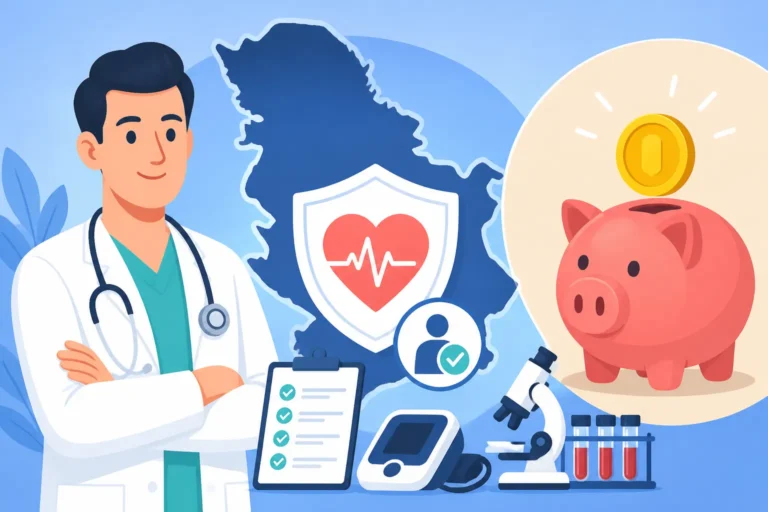
When you delve into the healthcare landscape here in Serbia, the RFZO, or Republički fond za zdravstveno osiguranje, is the absolute cornerstone of the public system. It's not just a government agency; it's the primary public health insurance fund that underpins the vast majority of medical care for residents. Understanding its role is paramount for any expat building a life in Serbia, as it dictates much of your access to doctors, hospitals, and medications.
The Mandate and Funding of Serbia's State Health Fund
Let's clear up a common misconception right from the start: while Serbia's healthcare is often referred to as "public," it's not entirely "free" in the sense that no money changes hands. The RFZO is primarily funded through mandatory health insurance contributions. If you're employed by a Serbian company, you'll see a portion of your gross salary dedicated to these contributions. Similarly, if you're a registered entrepreneur (a preduzetnik or paušalac), a significant part of your monthly social contributions covers your RFZO health insurance.
You might be thinking, "Hang on, I'm already paying taxes!" But these contributions are specifically earmarked for your healthcare, creating a collective pot designed to cover a broad range of medical services for everyone who pays in. This system is in place to ensure a baseline level of care for all its contributors, from the simplest GP visit to complex surgical procedures. It's a fundamental aspect of the social safety net here, much like national health services in other countries, but with its own distinct Serbian flavor.
Who is Eligible for RFZO Coverage?
Eligibility for RFZO coverage isn't automatic simply by holding a temporary residence permit. Your legal basis for residing and often working in Serbia is key. The most common pathways for expats to gain RFZO coverage include:
- Employed Individuals: If you're officially employed by a Serbian company, your employer is responsible for registering you and making the necessary contributions on your behalf. This is the most straightforward route for many.
- Self-Employed Individuals: If you've taken the plunge and registered as an entrepreneur or freelancer in Serbia, you are personally responsible for paying your monthly social contributions, which include health insurance. This is a crucial detail for digital nomads and independent contractors.
- Family Members (Dependents): If you are covered by the RFZO, you can often add your immediate family members – your spouse and children – as dependents, extending your coverage to them.
- Students: International students enrolled in accredited Serbian educational institutions may also be eligible for RFZO coverage.
It’s easy to assume that simply having a temporary residence permit automatically grants RFZO access. Not quite! Your legal basis for residence is crucial. If you're here on a work permit, your employer handles the registration. If you're a freelancer or a paušalac, it's your responsibility to ensure you're registered and paying contributions. This can sometimes involve a bit of a bureaucratic dance, but it's a necessary step to secure your access to public healthcare. For a detailed walkthrough, you'll want to read up on How to Register with the Republic Health Insurance Fund (RFZO) in Serbia, and to understand the financial side, check out Understanding Mandatory Health Insurance Contributions in Serbia.
Essential Services Covered by the RFZO
The RFZO provides a comprehensive range of services, designed to cover your fundamental healthcare needs. However, the way you access these services and the experience itself can differ quite a lot from what you might be used to in your home country. It's about understanding the system's structure and playing by its rules.
Primary Healthcare: Your Gateway to the System
The backbone of the RFZO system is undoubtedly primary healthcare, delivered through your Dom Zdravlja (health center) and your assigned izabrani lekar (chosen doctor). This is where most of your basic medical needs will be addressed, and it's your primary point of contact with the entire public health system.
Your izabrani lekar acts as your general practitioner and gatekeeper for further care. They are responsible for general consultations, diagnosing common ailments, ordering basic diagnostic tests like blood and urine analyses, prescribing necessary medications, and issuing sick notes when you're unable to work. They also provide referrals to specialists and hospitals when your condition requires more specialized attention. Think of them as your personal health advocate within the public system.
You wake up one morning with a nasty cough and a fever, feeling utterly miserable. Your first port of call, after you've successfully managed to How to Register with the RFZO and a GP in Serbia (2027), will be your Dom Zdravlja. Don't expect a private clinic experience – it's functional, often busy, and sometimes a bit bureaucratic, but it's your main point of access. Your GP will assess your condition, potentially prescribe antibiotics, or, if they suspect something more serious, give you a referral to a specialist. This initial step is absolutely critical for seamless progression through the public system.
Specialist Consultations and Hospital Care
Once your izabrani lekar determines that your condition warrants more specialized attention, the RFZO covers consultations with specialists and, if necessary, hospital care. This includes a wide array of medical fields, from cardiology and dermatology to internal medicine and orthopedics.
The key here is the referral system. You almost always need a referral from your GP to see a specialist or to be admitted to a public hospital. This referral acts as your ticket into the secondary and tertiary care levels of the system. Once referred, the RFZO covers the specialist examination itself, along with any necessary diagnostic procedures that the specialist orders, such as X-rays, ultrasounds, MRI or CT scans, and laboratory tests. Should you require surgery or an extended stay, the RFZO generally covers operations and hospital admissions.
I remember when I needed to see a dermatologist for a persistent skin issue. My GP gave me a referral, but then came the waiting game. While the specialist consultation and any subsequent tests were fully covered by my RFZO, the wait for an appointment in the public system could be several weeks, sometimes even months, depending on the specialty and the urgency. The challenge isn't usually the cost of the scan or consultation itself, but the time it takes to get the referral, book the appointment, and then actually get seen. This is where many expats, myself included, often opt for private care, even if they have RFZO, just to speed things up. It’s a common trade-off you learn to navigate here. If you're curious about this process, How Specialist and Hospital Referrals Work in Serbia, will give you a deeper insight.
Emergency Medical Care
In situations that are genuinely life-threatening or involve serious injury, the RFZO provides crucial coverage for emergency medical care. This is one area where the system generally performs well, ensuring that immediate care is accessible when it matters most.
This coverage includes ambulance services, which you can access by dialing 194 (for medical emergencies specifically) or the universal emergency number 112. It also covers visits to emergency rooms (Urgentni Centar or Hitna Pomoć) and any immediate, life-saving procedures required to stabilize your condition. For example, if you're involved in a car accident or experience a sudden heart attack, the public system is there to provide immediate, critical care.
If you have a serious accident or sudden, life-threatening illness, the RFZO covers your emergency care. Don't hesitate to call 194. However, it’s important to manage expectations for what constitutes an "emergency" in the Serbian public system. For less severe issues that might warrant an emergency room visit back home – like a bad flu, a sprained ankle, or a minor cut – you'll likely be directed to your Dom Zdravlja during working hours, or a general emergency clinic if it's after hours. The public emergency rooms are typically reserved for critical cases, so be prepared for potentially long waits if your condition isn't deemed truly urgent. For more on this, check out Emergency Medical Care in Serbia: What Every Expat Needs to Know.
Specific Medical Conditions and Treatments Under RFZO
Beyond general care, the RFZO also covers a range of specific medical conditions and treatments, though the extent of coverage can vary, particularly for things like prescription medications and dental work.
Prescription Medications
When it comes to prescription medications, the RFZO provides significant support, but it's important to understand how it works. Serbia has a national list of medications (categorized as List A, A1, and B) that determines the level of coverage. Many essential medications are covered to varying degrees, meaning you'll pay a co-payment (participacija) rather than the full retail price.
The co-payment can range from a small, fixed amount to a percentage of the drug's cost. For very expensive or specialized medications, you might find that the RFZO covers a smaller portion, or in some cases, you might have to pay the full price yourself. Your doctor will issue a prescription (recept), which you then take to any pharmacy (apoteka). The pharmacist will inform you of any participacija required.
I remember my first time at a pharmacy with an RFZO prescription. The pharmacist, with a polite smile, explained I still had to pay a small participacija for my antibiotics. It wasn't fully "free," but it was significantly cheaper than paying the full retail price. It’s a crucial distinction to remember, as it can catch newcomers off guard. Always clarify with your doctor or pharmacist what the expected cost will be. For a deep dive into how this all works, Prescription Medications and Pharmacies in Serbia: The Complete Guide, is an excellent resource.
Maternity and Child Healthcare
For expectant parents and families with young children, the RFZO offers very comprehensive coverage, which is a huge relief for many expats. This is one area where the public system truly shines.
Maternity care under the RFZO includes everything from regular prenatal check-ups, necessary ultrasounds, and blood tests throughout your pregnancy, to the actual childbirth itself, whether it's a natural delivery or a C-section. Postnatal care for both mother and baby is also covered. For children, the RFZO ensures access to routine vaccinations (following the national schedule) and regular pediatric visits for growth monitoring, common illnesses, and developmental checks.
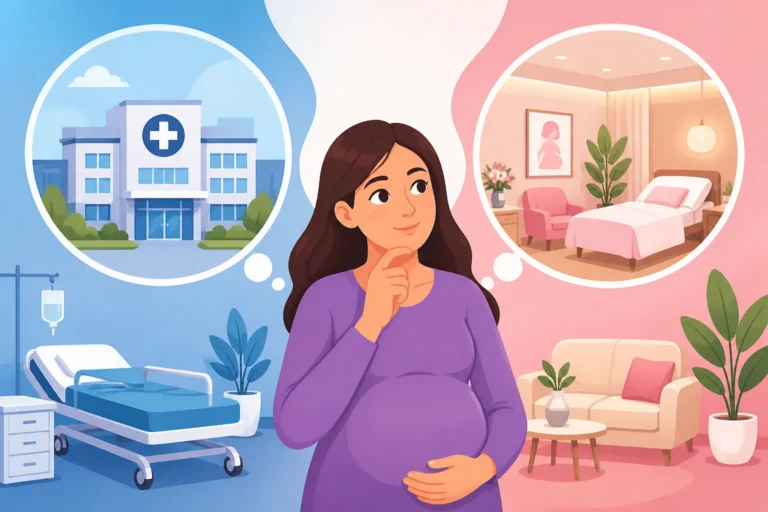
My friend, a fellow expat, had her baby here in Belgrade using the public system. While she admitted the facilities at one of the larger public maternity hospitals, Narodni Front, were older and less "shiny" than some private options, she found the medical team exceptional – highly professional and caring. The entire process, from prenatal appointments to delivery, was covered, providing immense peace of mind. For those planning a family or with young ones, this comprehensive support is invaluable. You can learn more about this in Understanding Maternity and Prenatal Care in Serbia.
Dental and Mental Health
Now, let's talk about areas where RFZO coverage might feel a bit more limited, often leading expats to explore private alternatives: dental and mental health services.
For dental care, the RFZO's coverage is quite basic. It typically includes initial check-ups, some basic extractions, and urgent care for acute pain at public dental clinics or within Dom Zdravlja facilities. However, for most common dental procedures – such as fillings, crowns, root canals, orthodontics, or cosmetic dentistry – you will almost certainly need to pay out-of-pocket, usually at a private dental practice. Don't expect your RFZO card to cover that root canal you've been putting off. For anything beyond a basic extraction, you'll likely be heading to a private dentist. The good news is, dental care in Serbia is quite affordable compared to many Western countries, even when paying privately. You'll find more details on this in Understanding Dental Care Costs in Serbia.
Mental health services are another area where RFZO coverage exists but can be challenging to navigate, especially for expats seeking services in English. Initial consultations with psychiatrists or psychologists may be covered through referrals from your GP at a Dom Zdravlja. However, specialized or long-term therapy, particularly with English-speaking professionals, is usually paid out-of-pocket. Finding the right therapist who speaks your language and specializes in your needs often means turning to the private sector. Navigating mental health support can be tricky anywhere, but especially in a new country. While your GP can point you to public services, finding English-speaking therapists or specific types of therapy often means going private for the most accessible and tailored care.
What's NOT Covered by the RFZO (and Why Expats Often Seek Private Alternatives)
While the RFZO provides a solid foundation, it's equally important to understand its limitations. Knowing what isn't covered, or where coverage is minimal, can save you from unexpected costs and help you make informed decisions about supplementary insurance.
Common Exclusions and Co-Payments
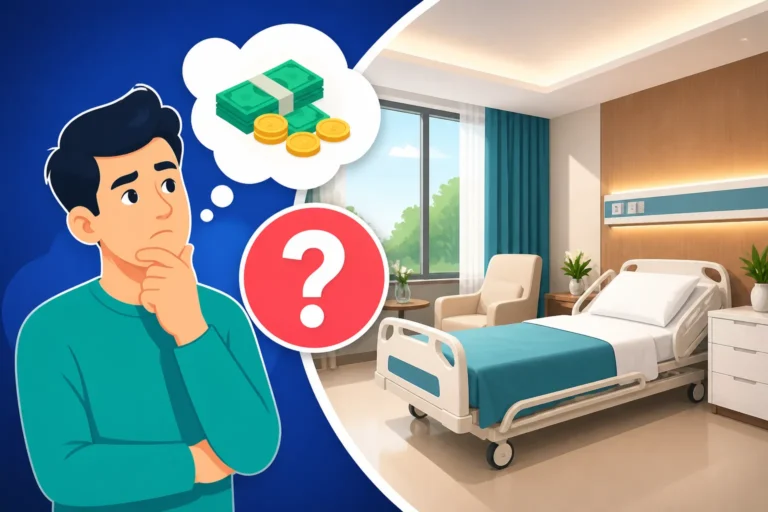
As mentioned, it’s a common misconception that public healthcare in Serbia is entirely free. Many services, even those technically covered by the RFZO, still require a participacija, or co-payment. This can be a fixed amount for a particular service or a percentage of the total cost. These small fees can add up, and it's essential to clarify if there's a participacija before undergoing any procedure. Sometimes it's negligible, other times it might make you consider if a private alternative offers better value for not much more. For a complete understanding of these costs, see Understanding Out-of-Pocket Healthcare Costs and Co-Payments in Serbia.
Beyond co-payments, there are outright exclusions. Elective cosmetic procedures, non-essential treatments (those not deemed medically necessary), and some advanced diagnostic procedures without a strong medical indication are generally not covered. If you want a specific brand of contact lenses, a cosmetic dental procedure, or a "wellness check" that isn't medically justified, expect to pay for it yourself.
The Allure of Private Healthcare: Speed and Comfort
This brings us to why so many expats, even those fully covered by the RFZO, choose to use private healthcare providers in Serbia. The primary draws are speed and comfort. Private clinics and hospitals typically offer significantly shorter wait times for appointments, specialist consultations, and diagnostic procedures. You can often get an appointment within days, sometimes even hours, compared to weeks or months in the public system.
Furthermore, private facilities often boast more modern equipment, better amenities, and a higher likelihood of having English-speaking staff. The overall experience is generally more personalized and convenient, with less bureaucracy and a more patient-centric approach. I once needed to see a dermatologist, and the wait for a public appointment was months. I ended up going to a private clinic in Belgrade, paid out of pocket, and had an appointment within days. The difference in speed and convenience is a huge draw for many expats living in Serbia. If you're weighing your options, Public vs Private Healthcare in Serbia: What Expats Need to Know, offers a great comparison.
For short-term visitors to Serbia, or those awaiting their RFZO activation (which can take a little time to process when you first arrive or change your status), travel insurance like SafetyWing can be an absolute lifesaver. It bridges that crucial gap, ensuring you're not caught off guard by unexpected medical bills before your RFZO coverage fully kicks in. It’s always smart to have some form of immediate coverage when moving to a new country.
International and Specialized Treatments
Finally, there are certain medical scenarios where the RFZO's reach simply doesn't extend. These include highly specialized or experimental treatments that are not available within Serbia's public healthcare system. If your condition requires cutting-edge therapy only offered abroad, the RFZO will generally not cover the costs of seeking that treatment internationally.
Additionally, international medical evacuations, which can be astronomically expensive, are not part of RFZO coverage. Even with RFZO, if you travel frequently outside Serbia, or if you ever needed an emergency medical evacuation back to your home country or a specialized facility abroad, a robust international health insurance plan, or even specific travel insurance like SafetyWing, provides an essential safety net that the RFZO simply isn't designed to offer. This is why many expats choose to supplement their RFZO coverage with private international plans.
Navigating the RFZO System: Practical Tips for Expats
Navigating any new country's bureaucracy can be challenging, and Serbia's healthcare system is no exception. Here are some practical tips to help you manage your RFZO coverage effectively.
Language Barriers and Communication
One of the most significant hurdles for expats using the public healthcare system is the language barrier. While younger medical professionals, especially in larger cities like Belgrade and Novi Sad, might have some English proficiency, it's far from guaranteed. Many doctors, nurses, and administrative staff, particularly in smaller towns or older facilities, may speak little to no English.
This can lead to misunderstandings, frustration, and a feeling of not being fully heard or understood. My first few visits to the Dom Zdravlja were a comedy of errors. I'd try to explain my symptoms in broken Serbian, and the doctor, bless their heart, would try to decipher my gestures. Now, I always go with a list of key phrases or even a friend who can translate. It just makes things smoother. It's highly advisable to either bring a Serbian-speaking friend or interpreter with you to appointments, use a reliable translation app, or at least learn some basic medical terms in Serbian. This will significantly improve your experience and ensure you receive the correct care. For tips on finding doctors who do speak English, refer to How to Find an English-Speaking Doctor in Serbia.
Supplementary Private Insurance: Filling the Gaps
Given the limitations of the RFZO – particularly concerning wait times, comfort levels, and certain specialized services – many expats choose to purchase supplementary private health insurance. This isn't just for those who aren't eligible for RFZO; it's a common choice even for those who are fully covered by the state system.
Supplementary private insurance can bridge the gaps by:
- Covering Co-payments: Some plans will cover the participacija fees you'd otherwise pay with the RFZO.
- Faster Access: It allows you to bypass the public system's queues and access private clinics and specialists directly, often without the need for a GP referral.
- Elective Procedures: It can cover services not deemed medically necessary by the RFZO but which you wish to pursue.
- Enhanced Comfort: Access to private facilities often means better patient amenities, more personalized care, and a generally more comfortable experience.
If you're self-employed and enrolled with the RFZO, it’s still wise to consider supplementary private insurance for those 'what if' scenarios or simply for better access. Options like local private insurance providers can complement your RFZO coverage quite nicely, offering direct access to private clinics without needing GP referrals. For those who are constantly on the move, or who anticipate potential issues during their initial settling-in period, a flexible plan like SafetyWing could be beneficial as a primary or secondary layer of protection, especially as you learn the ropes of the Serbian system. Understanding your options is key, and Health Insurance in Serbia: RFZO, Private and International Options Explained, breaks it all down.
The Importance of Documentation and Patience
Finally, when dealing with the RFZO, or any public institution in Serbia, documentation and patience are your greatest allies. Always carry your RFZO health card (zdravstvena kartica or knjižica) along with a valid form of identification (like your residence permit or passport) to all medical appointments. Without it, you might be treated as a private patient and charged accordingly.
Be prepared for bureaucracy. There will be queues, there will be paperwork, and there will be moments where you feel like you're going in circles trying to get something sorted. This is simply the nature of the beast in many public systems worldwide. Take a deep breath, bring a book or your phone to pass the time, and remember that with persistence, it will eventually get done. A positive attitude and a respectful approach will go a long way in navigating these interactions. For a broader overview of costs, see The Cost of Healthcare in Serbia: A Complete Breakdown for Foreigners (2026).
Here's a quick overview of what the RFZO generally covers and where you might need to look for private alternatives:
| Service Category | RFZO Coverage (Generally) | Typical Exclusions/Co-payments/Private Options |
|---|---|---|
| Primary Care | GP visits, basic diagnostics, referrals, sick notes | None (if registered); private for faster, English-speaking GPs |
| Specialist Consultations | With GP referral, at public clinics & hospitals | Long waits; private for quick access, comfort, specific doctors |
| Hospital Care | Admissions, surgeries, diagnostics (with referral) | Private rooms, elective cosmetic procedures |
| Emergency Care | Ambulance, ER visits, critical, life-saving treatment | Minor issues often redirected to GP/Dom Zdravlja, long waits if not critical |
| Prescription Medications | Covered on national list (List A, A1, B) | Co-payments (participacija), full cost for some specific/off-list drugs |
| Maternity Care | Prenatal care, childbirth (natural/C-section), postnatal | Private maternity hospitals for enhanced comfort/specific services |
| Child Healthcare | Pediatric visits, routine vaccinations, developmental checks | N/A |
| Dental Care | Basic check-ups, some emergency extractions | Most fillings, crowns, orthodontics, cosmetic dentistry (private) |
| Mental Health | Initial consultations (with GP referral) | Long-term therapy, private English-speaking therapists for broader choice |
| Elective Procedures | None (e.g., cosmetic surgery) | Covered by private insurance/out-of-pocket |
| International Evacuation | None | Covered by international private or travel insurance (e.g., SafetyWing) |
Disclaimer
The information provided in this article is intended for general guidance and informational purposes only, and does not constitute medical, legal, or professional advice. While we strive to keep the information up-to-date and accurate, healthcare regulations and policies in Serbia can change. Always consult with official RFZO sources, a qualified healthcare professional, or a legal expert for advice tailored to your specific situation. Reliance on any information provided in this article is solely at your own risk.