How to Find Family-Friendly Neighbourhoods in Belgrade
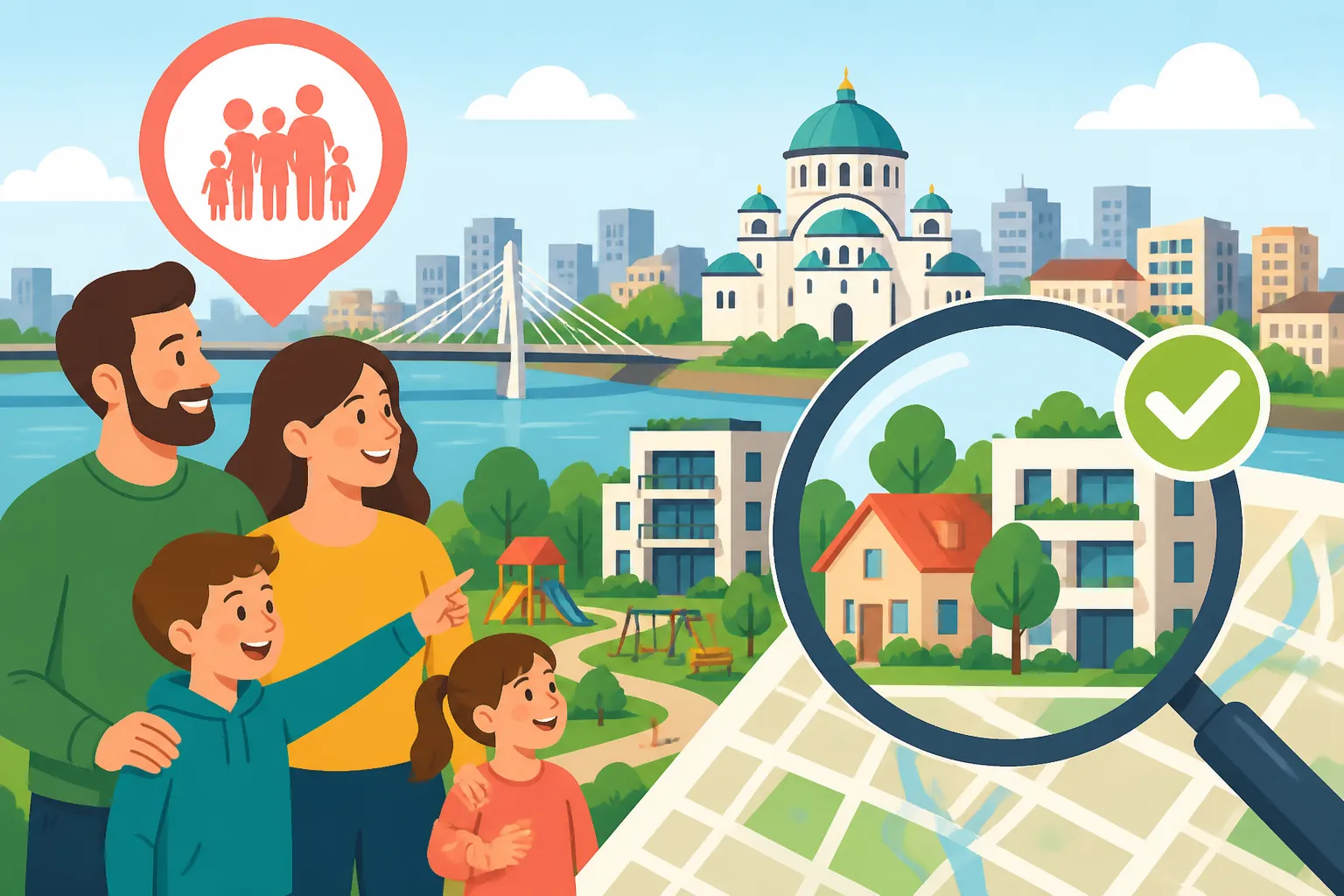
Moving your family to a new country is a monumental undertaking, and one of the biggest anxieties often revolves around finding that perfect spot where your children can thrive, where safety is a given, and where daily life feels, well, normal. Belgrade, with its vibrant culture and affordable living, is increasingly popular with expat families, but navigating its diverse neighbourhoods to find your family's ideal home can feel like a daunting maze. This guide is here to cut through the confusion and walk you through the very best family-friendly neighbourhoods Belgrade has to offer, helping you settle in with confidence and ease.
Understanding Belgrade's Family Vibe and Expat Appeal
Belgrade is a city that truly embraces children. You'll see kids everywhere – playing in parks until late in the evening, sharing meals with their families in restaurants, and generally being integrated into the fabric of daily life. This isn't a city where children are shushed or kept out of sight; quite the opposite. This open, family-oriented culture is one of the first things many expat parents notice and appreciate, making the transition smoother than anticipated in some aspects.
However, while the general atmosphere is welcoming, the practicalities of setting up a family life require careful consideration. From finding suitable housing to understanding the school system and local amenities, there’s a lot to unpack. Many expats are drawn to Belgrade for its lower cost of living compared to Western European capitals, its increasingly cosmopolitan feel, and its strategic location for travel. For families, this translates to more disposable income for activities, a rich cultural experience, and access to a variety of educational options.
Why Belgrade Attracts Expat Families
Belgrade has a growing expat community, and a significant portion of that includes families with young children and teenagers. One of the primary draws is the affordability of daily life, which allows families to enjoy a higher quality of life than they might otherwise. Things like dining out, cultural events, and even childcare can be significantly less expensive. This financial flexibility means families can often afford more spacious apartments or homes, which is a huge plus when you're accustomed to smaller living spaces in other big cities.
Beyond the economics, Belgrade offers a unique blend of old-world charm and modern conveniences. There are countless playgrounds, child-friendly cafes, and bustling pedestrian zones perfect for family strolls. The city's relatively compact nature means that many key areas are accessible, reducing long commutes. Furthermore, the local population is generally very welcoming and curious about foreigners, often going out of their way to assist, which can be invaluable when settling in with a family.
Common Concerns for Expat Parents
Despite the many positives, expat parents often share a similar set of concerns when considering a move to Belgrade. Language is often at the top of the list; while many younger Serbians speak English, navigating public services, schools, and medical appointments can still be challenging if you don't speak Serbian. Safety is another universal worry, particularly regarding traffic and pedestrian infrastructure, which can sometimes be less developed than what many expats are used to.
Another significant consideration is the education system. While public schools are free, the curriculum is in Serbian, which can be a barrier for children not yet fluent. This often leads expat families to explore international schools, which come with their own set of costs and geographical considerations. Access to quality healthcare, particularly English-speaking doctors and paediatricians, also ranks high on the list of parental anxieties. Rest assured, these are all valid concerns that we’ll address as we delve deeper into finding the right neighbourhood.
Top Family-Friendly Neighbourhoods in Belgrade
Belgrade is a city of distinct neighbourhoods, each with its own character and amenities. For families, the choice often boils down to a balance of green spaces, proximity to schools, safety, and a sense of community. While areas like Dorćol and Stari Grad are charming and central, they can be pricier and less green. The following neighbourhoods offer a great mix for expat families.
Dedinje and Senjak
If you're looking for a more suburban feel within the city, Dedinje and Senjak are often the first names that come up, particularly among the expat community. These areas are known for their leafy streets, spacious villas, and larger apartments, offering a quieter, more residential ambiance away from the bustling city centre. The streets are generally calmer, making them safer for children to play and cycle.
Dedinje and Senjak host several embassies and ambassadorial residences, contributing to a secure and often very international environment. This also means you’ll find a higher concentration of international schools and English-speaking services nearby, which is a major draw for expat families. While these neighbourhoods are certainly on the higher end of the rental market in Belgrade, the quality of life, peace, and quiet, and excellent amenities often make them worth the investment for those who can afford it. Think of it as a tranquil oasis with all the benefits of a global community.
Vračar
Vračar is a beloved neighbourhood, often described as the most prestigious residential area in Belgrade. It strikes a fantastic balance between being central and offering a high quality of life for families. Known for its beautiful architecture, wide boulevards, and charming cafes, Vračar has a sophisticated yet relaxed atmosphere. It's home to the iconic Saint Sava Temple, surrounded by a large plateau that often serves as a meeting point and play area for local children.
What makes Vračar particularly appealing to families is its excellent infrastructure. You'll find numerous well-maintained parks, reputable local schools (both public and private), and a strong sense of community. While international schools might require a short commute, the area itself is teeming with activities for kids. Apartments here tend to be spacious and well-maintained, though rental prices are among the highest in the city due to its desirability. Many families appreciate the ease of access to the city centre, making it convenient for both work and leisure, while still feeling distinctly residential.
Novi Beograd (New Belgrade)
Crossing the Sava River, you enter Novi Beograd (New Belgrade), a stark contrast to the historical charm of the old city, yet increasingly popular with families, especially those seeking modernity and space. Characterised by its wide boulevards, large apartment blocks (often referred to as 'blokovi'), and planned green spaces, New Belgrade offers a different kind of urban living. It was built with a vision of spaciousness and functionality, which directly benefits families.
The sheer amount of open space, numerous parks like Ušće Park and Park Friendship, and dedicated bike paths make it incredibly appealing for children and active families. You'll find a plethora of shopping malls, sports centres, and entertainment options, all within easy reach. Many companies, particularly in the IT and tech sectors, are based here, meaning shorter commutes for working parents. While the architecture might not have the historical appeal of Vračar or Stari Grad, the modern infrastructure, newer buildings, and abundance of playgrounds and sports facilities often outweigh this for families. Rent here can also be more affordable than in central old Belgrade, offering more value for space.
Zemun
Just a short drive or bus ride from central Belgrade, Zemun offers a completely different, almost town-like atmosphere. Once a separate Austro-Hungarian town, it retains a distinct charm with its cobbled streets, riverside promenade, and the iconic Gardoš Tower offering panoramic views. For families, Zemun presents a more relaxed pace of life, reminiscent of a small European town, yet still within the capital's embrace.
The Danube River plays a central role in Zemun's appeal, providing beautiful green spaces along the quay, perfect for walks, cycling, and picnics. There are many excellent fish restaurants and charming cafes, and the overall vibe is very laid-back. You'll find a mix of older, characterful houses and newer, more modern apartments. Schools and healthcare facilities are plentiful, and the community feel is strong. While it might feel a little further out from the absolute centre of Belgrade, its unique character and family-friendly amenities make it a top choice for those seeking a balance between urban convenience and small-town tranquility. For those interested in a more tranquil setting within easy reach of the capital, Zemun offers a compelling alternative.
Key Factors to Consider When Choosing
Choosing a family-friendly neighbourhood in a new city isn't just about pretty parks; it's about a complex interplay of practicalities that impact daily life. As an expat, you have specific needs and priorities that might differ from local residents. Thinking through these factors systematically will help you narrow down your options and make the best decision for your unique family situation.
Proximity to Schools
For many expat families, school choice is often the single biggest deciding factor in where they live. Belgrade has a range of options, from local public schools (where instruction is in Serbian) to a growing number of private and international schools that follow various curricula like the IB, British, or American systems. Researching Schools and Education in Serbia: A Complete Guide for Expat Families will be a critical first step.
If you opt for an international school like the International School of Belgrade (ISB), the British International School (BIS), or Brook Hill International School, their locations will heavily influence your neighbourhood choice. For example, ISB is in Dedinje, making that area and nearby Senjak highly desirable. BIS has campuses in Dedinje and Stari Grad. Commuting across Belgrade can be time-consuming, especially during peak hours, so minimizing travel for school runs is often a priority. Consider the age of your children – younger children might tolerate a shorter commute better than teenagers who may want more independence.
Safety and Security
Safety is paramount when you have children. Generally, Belgrade is considered a safe city, with violent crime being relatively low, especially in residential areas. However, like any major city, petty crime can occur, and it's always wise to be aware of your surroundings. When evaluating neighbourhoods, look for well-lit streets, active public spaces, and a general sense of community watchfulness.
Beyond crime rates, consider traffic safety. Belgrade's drivers can be, let's say, assertive. Look for neighbourhoods with sidewalks, pedestrian crossings, and slower residential streets where children can play more safely. Areas with dedicated walking zones or ample green spaces away from major thoroughfares will naturally feel more secure for families. Observing how locals interact with their environment and children will give you a good sense of the neighbourhood's overall safety vibe.
Green Spaces and Recreation
Access to parks and green spaces is crucial for children's development and overall family well-being. Belgrade boasts some magnificent parks, but their distribution varies significantly across different neighbourhoods. You want a place where your kids can run, play, and burn off energy without having to travel too far.
Look for neighbourhoods that offer not just a small patch of grass, but proper parks with playgrounds, walking paths, and perhaps even sports facilities. Tašmajdan Park in Vračar, Ušće Park in New Belgrade, and Topčider Park near Dedinje are excellent examples of large, family-friendly green spaces. Consider if there are local community centres, sports clubs, or art classes easily accessible, as these contribute significantly to a child's social and recreational life outside of school.
Cost of Living and Housing Options
The "How Much Does It Cost to Rent an Apartment in Belgrade in 2026?" question is never far from an expat family's mind. Rent will likely be your largest expense, and it varies wildly depending on the neighbourhood and the size of the apartment. Generally, central and more exclusive areas like Vračar and Dedinje will command higher rents, while parts of Novi Beograd or further reaches of Zemun might offer more affordable options for larger spaces.
Beyond rent, factor in utility costs, which can be significant, especially for heating in winter. You'll also want to consider the type of housing available. Are you looking for a modern apartment in a new building with amenities like a lift and garage, or a more traditional, charming apartment in an older building? Perhaps a house with a garden is more your style? Each neighbourhood will have its prevalent housing types, so aligning your budget and preferences with what's available is key.
Community and Expat Networks
Settling into a new country can be isolating, and having a supportive community can make all the difference, especially for children. Some neighbourhoods naturally have a higher concentration of expat families, making it easier to connect with others who understand the unique challenges and joys of living abroad. This can lead to playdates, shared school runs, and a ready-made social circle.
Look for online expat groups for Belgrade; they often discuss which areas are popular with families and why. Consider visiting local parks or international school events to gauge the expat presence in different areas. A strong expat network can provide invaluable local knowledge, support, and friendship, helping both parents and children feel more at home.
Navigating Schools and Education in Belgrade
Choosing the right school for your children is a monumental decision, perhaps the most critical one for expat families. Belgrade offers a diverse educational landscape, but understanding the nuances of each option is key to making an informed choice that aligns with your family's values and your children's needs.
International Schools
For many expat families, international schools are the default choice, primarily because they offer curricula taught in English (or other major languages) and provide a familiar educational structure. Belgrade has several reputable international schools, each with its own focus and community. The International School of Belgrade (ISB) is a well-established option, offering the International Baccalaureate (IB) program from early years through to high school. It’s located in Dedinje, which is why many expat families gravitate to that area.
The British International School (BIS) provides a British curriculum, also from early years up to secondary, with campuses in both Dedinje and Stari Grad. Brook Hill International School and Prima International School are other popular choices, each offering different programs and focuses. While these schools provide a high standard of education and often boast diverse student bodies, they also come with significant tuition fees. It's crucial to research their admissions processes early, as places can be competitive, especially in popular grades. Moreover, consider their extracurricular offerings, support for non-native English speakers, and the overall school culture to ensure a good fit for your child.
Local Serbian Schools
While often overlooked by initial expat searches, local Serbian public schools can be a viable and enriching option, particularly for younger children or families committed to immersion. The primary advantage is that they are free, and they offer a deep dive into Serbian culture and language. This can be fantastic for children who pick up languages quickly and for families planning a longer stay in Serbia.
However, the main challenge is the language barrier. Instruction is entirely in Serbian, and while some schools may have teachers who speak a little English, dedicated language support for non-Serbian speakers is generally not available. This means a child starting without Serbian language skills might face a steep learning curve. If you're considering this route, research local schools in your chosen neighbourhood thoroughly, perhaps even visiting and speaking to the headteachers. Some expat families opt for private Serbian schools, which might offer slightly smaller class sizes or more modern facilities, while still providing a local curriculum. To find out more, consider reading How to Enrol Your Child in a School in Serbia.
Childcare Options and Preschools
For families with very young children, childcare and preschool options are just as important as primary and secondary schools. Belgrade has a mix of public and private nurseries (vrtić). Public nurseries are generally very affordable but can have long waiting lists and are predominantly Serbian-speaking. Private nurseries offer more flexibility, often have bilingual staff, and some even follow international early years curricula.
When looking for childcare, consider the staff-to-child ratio, the qualifications of the educators, the safety measures in place, and the overall atmosphere. Many expat parents seek out private English-speaking preschools, particularly in areas like Vračar, Dedinje, and Novi Beograd, where there’s a higher demand. This early exposure to English in an educational setting can be comforting for parents and provides a gentle transition for children before they enter formal schooling. The Understanding the Cost of International and Private Schools in Serbia article can provide more details on tuition fees for these types of institutions.
Healthcare and Safety Considerations for Families
Beyond schools and parks, the health and safety of your family are undoubtedly paramount. Navigating healthcare in a new country can be complex, and understanding the local safety landscape is essential for peace of mind. Serbia's healthcare system offers both public and private options, and knowing how to access them effectively will be crucial for expat families.
Accessing Medical Services
Serbia has a public healthcare system managed by the Republic Health Insurance Fund (RFZO), which provides coverage to all residents who pay social contributions. As an expat with a valid residence permit and registered employment, you will likely be enrolled in the RFZO system. However, many expats also opt for private health insurance for faster access, English-speaking doctors, and more comfortable facilities. For a deeper dive, check out The Complete Guide to Healthcare in Serbia for Expats (2027).
When it comes to children, finding a good paediatrician is often a top priority. In public domovi zdravlja (health centres), you'll be assigned a paediatrician, but language can be a barrier. Private clinics, such as Euromedik or Medigroup, often have English-speaking paediatricians and specialists, offering a more familiar experience for expat parents. Location matters here: living close to a reputable private clinic or a dom zdravlja where you feel comfortable can make a big difference, especially with young children. Understanding The Cost of Healthcare in Serbia: A Complete Breakdown for Foreigners (2026) is also a good idea.
Emergency Services and Safety Protocols
Knowing what to do in a medical emergency is critical. The emergency number for an ambulance in Serbia is 194. For general emergencies (police, fire, ambulance), the pan-European number 112 is also active. It's wise to have the contact details of your chosen private clinic or a trusted English-speaking doctor readily available. In an emergency, clear communication is vital, so having a phrasebook or a translation app on hand can be very helpful.
General safety in Belgrade is good, but for children, specific protocols are important. Teach children basic Serbian phrases for emergencies (e.g., "Pomoć!" – Help!), and ensure they know your contact information. Traffic can be unpredictable, so constant supervision near roads is a must. While public transport is generally safe, especially during the day, keep an eye on belongings in crowded areas. When exploring new neighbourhoods, take note of pharmacies (apoteka) as they are plentiful and can offer advice for minor ailments and dispense many medications without a prescription.
Leisure, Green Spaces, and Activities
Moving to a new city isn't just about the essentials; it's about the quality of life, especially for families. Belgrade offers a surprising array of leisure activities, green oases, and cultural experiences that can enrich family life. Choosing a neighbourhood that puts these within easy reach can make a significant difference to your family's overall happiness and integration.
Parks and Recreation
Belgrade is surprisingly green, with numerous parks and recreational areas that are perfect for families. Ada Ciganlija, often called Belgrade's "Sea," is a massive artificial lake and recreation zone on the Sava River. It offers beaches, playgrounds, cycling paths, water sports, and cafes – a true haven on warm days. While not a neighbourhood itself, living in areas like Novi Beograd or Čukarica (near Ada) provides easy access to this fantastic resource.
Within specific neighbourhoods, look for local parks like Tašmajdan Park in Vračar, which has a large children's playground, a fountain, and plenty of space to run around. Karađorđev Park, also in Vračar, is another beautiful green space. In Zemun, the Danube Quay is fantastic for walks, cycling, and enjoying the river views. These local parks become extensions of your living room, essential for children to play and socialize.
Cultural and Educational Activities for Kids
Belgrade offers a growing number of cultural and educational activities tailored for children. The Museum of Science and Technology often hosts interactive exhibits, and the Children's Cultural Centre of Belgrade (Dečiji kulturni centar Beograd) regularly organizes workshops, concerts, and theatre performances. Libraries also host storytelling sessions and creative workshops.
Many cafes in Belgrade are child-friendly, with designated play areas or larger spaces where kids are welcome. Keep an eye out for local festivals and events; Belgrade frequently has open-air markets, street performances, and special events during holidays that are great for families. Exploring the city's diverse offerings can be a wonderful way to learn about Serbian culture and create lasting family memories.
Sports and Extracurriculars
Encouraging children to participate in sports and extracurricular activities is a great way for them to make friends and develop new skills. Belgrade has a strong sporting culture, with many clubs offering everything from football and basketball to swimming, tennis, and martial arts. Most neighbourhoods will have local sports halls or clubs.
International schools usually have their own extensive extracurricular programs, including various sports, arts, and academic clubs. For those in local schools or wanting additional activities, private sports academies are plentiful. Look into options for music lessons, dance classes, or art studios, which are often available in central areas like Vračar or accessible from Novi Beograd. Connecting with other expat parents is often the best way to discover these hidden gems and find suitable activities for your children.
The Practicalities: Transport, Amenities, and Setting Up Home
Once you've zeroed in on a few potential neighbourhoods, it's time to consider the nitty-gritty practicalities of daily life. For an expat family, this includes everything from getting around to setting up utilities and having essential services within easy reach. These mundane details, when well-managed, contribute immensely to a stress-free transition.
Public Transportation and Accessibility
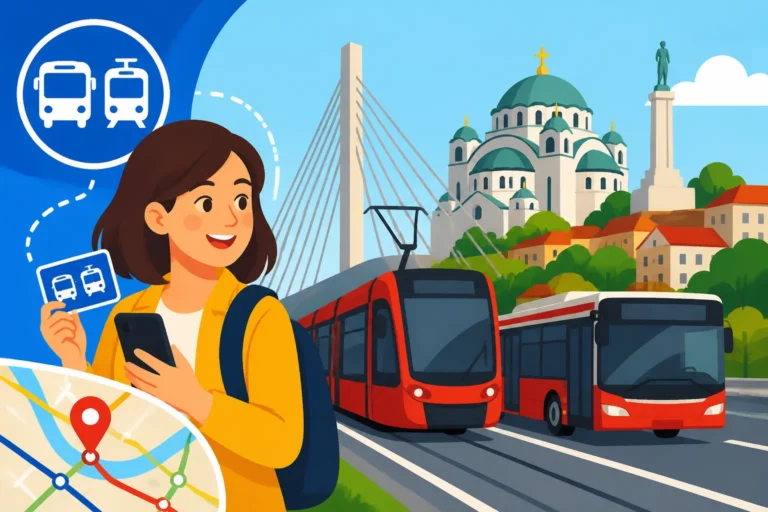
Belgrade's public transport system consists of buses, trams, and trolleybuses, which cover most of the city. While it can be crowded during peak hours, it's generally efficient and affordable. Living in a well-connected neighbourhood means your family can get around easily, even without a car. For instance, Vračar is excellent for walking and has superb public transport links to all parts of the city. Novi Beograd's wide boulevards are served by many bus lines. For more information, refer to How to Use Public Transport in Belgrade.
If you plan to drive, consider traffic congestion, especially when commuting to work or school. Parking can also be a challenge in older, central neighbourhoods, so look for apartments with dedicated parking spots or garages if you rely on a car. Keep in mind that for those first few days or weeks after arriving, getting a local SIM card with enough data will be crucial for navigation and communication. A service like Airalo can be invaluable for immediate connectivity upon landing, ensuring you can call taxis, look up bus routes, or simply stay in touch with your support network without hunting for a physical SIM.
Essential Amenities and Shopping
Having daily necessities close by is a huge convenience for families. This includes supermarkets, bakeries, pharmacies, and fresh produce markets. Most residential neighbourhoods in Belgrade are well-served, with small shops and larger supermarkets like Maxi, Idea, and Roda being ubiquitous. Consider proximity to larger shopping centres like Ušće Shopping Center or Delta City in Novi Beograd, which offer a broader range of international brands, entertainment, and food courts.
For parents, access to services like hairdressers, dry cleaners, and banks is also important. The beauty of Belgrade is that many of these services are integrated into residential areas, making them easily accessible by foot. When exploring a neighbourhood, take a stroll and note where these essential services are located. A nearby green market (pijaca) can be a real bonus, offering fresh, seasonal produce at excellent prices, which is wonderful for family meals.
Setting Up Home Comforts
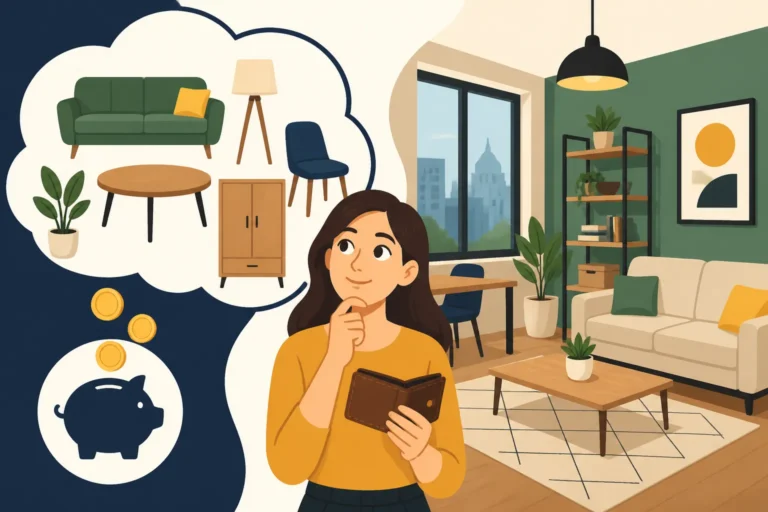
Beyond the location, the ease of setting up your actual home is a consideration. Many apartments in Belgrade come furnished, which can be a huge plus for families who want to move in quickly without the hassle and cost of buying all new furniture. However, always check the quality and condition of the furnishings. If you're bringing your own belongings, or planning to purchase new items, consider the logistics of delivery and assembly.
For those planning a larger relocation with furniture and personal effects, using a reliable international moving service is key. Services like Sirelo can help you find reputable movers who understand the complexities of international shipping and customs, making the daunting task of moving your entire household much smoother. Don't forget internet and mobile phone services; Serbia has several providers like Telekom Srbija, Yettel, and A1, offering various packages for home internet and mobile data. Getting these set up promptly is essential for keeping the family connected.
| Neighbourhood | Vibe | Pros for Families | Cons for Families | Average Rent (3-bed) |
|---|---|---|---|---|
| Dedinje/Senjak | Quiet, leafy, upscale | Spacious homes, international community, high safety, close to international schools, green spaces | Higher rent, further from city centre bustle, car often needed | €1,500 – €3,000+ |
| Vračar | Central, chic, historic | Excellent local infrastructure, beautiful parks, strong community feel, good local schools, walkable | High rent, can be busy, less choice for international schools | €1,200 – €2,500+ |
| Novi Beograd | Modern, spacious, urban | Abundant green spaces, new buildings, modern amenities, shopping malls, good for active families | Can feel sterile, less historical charm, longer commutes to old city | €800 – €1,800+ |
| Zemun | Town-like, riverside, charming | Relaxed pace, Danube promenade, strong community, unique character, more affordable housing | Further from central Belgrade, fewer international school options | €700 – €1,500+ |
Note: Rental prices are estimates and can vary significantly based on apartment size, condition, and specific location within the neighbourhood.
Finding the right family-friendly neighbourhood in Belgrade is a journey that involves careful research, a dash of patience, and perhaps a good dose of exploration. Armed with this information, you're well on your way to discovering the perfect corner of this vibrant city for your family to call home. Remember that The Complete Guide to Moving to Serbia: Your First 90 Days (2027) offers further assistance with the initial settling-in process.
Disclaimer
The information provided in this guide is intended for general informational purposes only and does not constitute professional advice. While we strive to ensure accuracy, conditions in Serbia, including regulations, prices, and available services, can change rapidly. Always consult with relevant professionals, such as real estate agents, legal advisors, or educational consultants, for advice tailored to your specific situation. Reliance on any information in this guide is solely at your own risk.