How Much Does It Cost to Furnish an Apartment in Serbia?
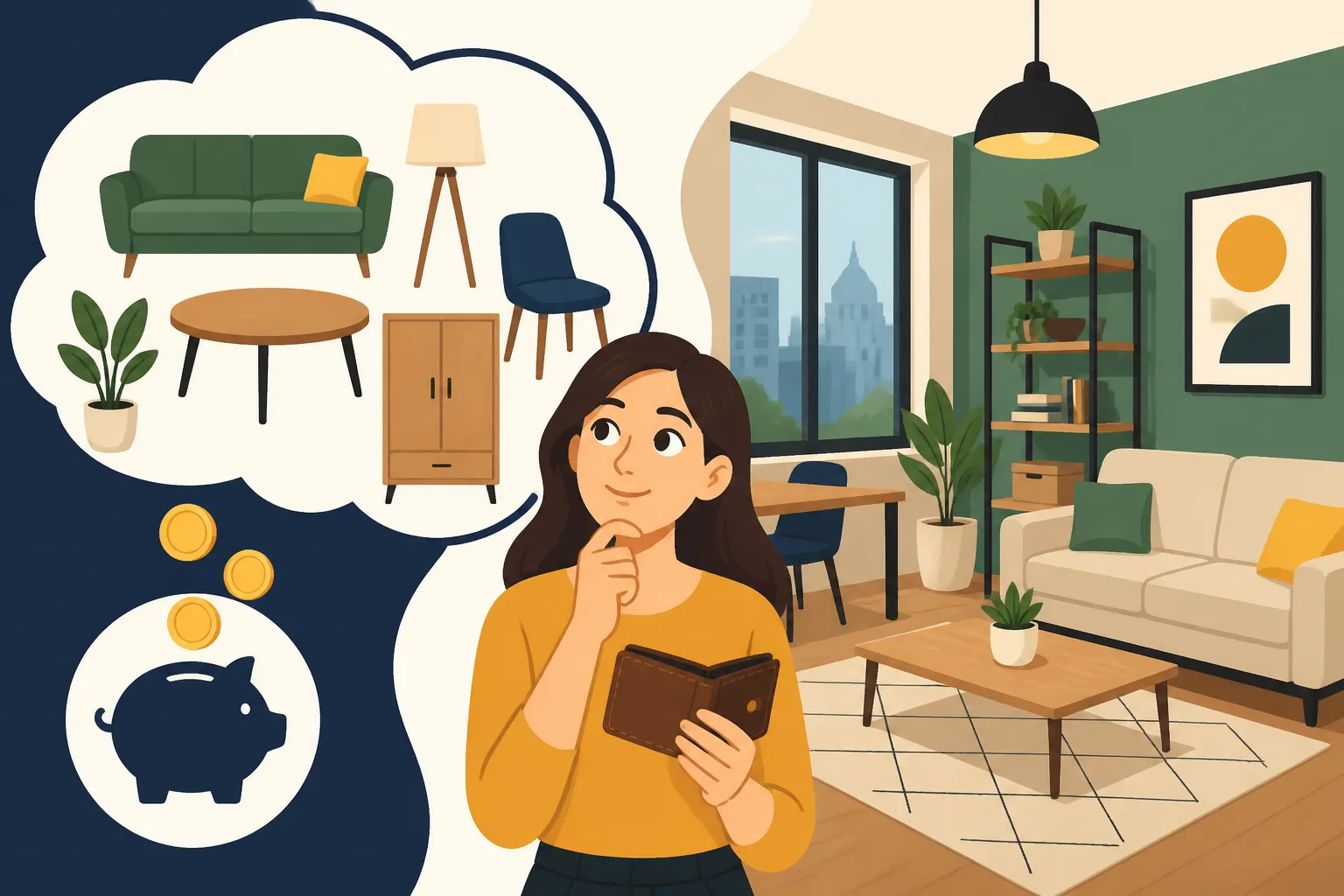
Stepping into an unfurnished apartment in Serbia can feel like a blank canvas, exciting yet utterly daunting. You’ve found your perfect spot, maybe signed the lease, and now you’re standing in an empty space, wondering how on earth you're going to turn it into a home without breaking the bank. This guide is designed to walk you through the real costs of furnishing an apartment in Serbia, from the absolute essentials to those little touches that make a place feel truly yours.
The Initial Shock: Understanding Furniture Costs in Serbia
Let’s be honest, moving to a new country and setting up a household from scratch is never cheap, and Serbia is no exception. While the overall cost of living here can be lower than in Western Europe or North America, furnishing a place still requires a solid budget and a good strategy. Many expats arrive expecting everything to be "cheap," only to find that some items, particularly imported ones or those from modern retailers, can be surprisingly close to what they'd pay back home. It's a rude awakening for sure, but with a bit of savvy, you can navigate it.
New vs. Used: The Great Debate for Expats
When you first arrive, the temptation to buy everything new is strong, but your wallet might have other ideas. This is where the pragmatic expat in you needs to take over.
The reality of buying new furniture in Serbia often means looking at a couple of different price points. You have the more budget-friendly local brands and larger chains, and then you have the international brands, which often come with a premium. For instance, a brand new sofa can range anywhere from 300 to 1,000 Euros or more, depending on its size, material, and brand. A decent bed frame might set you back 150-400 Euros. These costs add up rapidly when you consider every room. Many expats, myself included, initially balk at these prices, thinking they’d escape the Western European pricing trap. Sometimes, you do, but often, for quality items, the savings aren't as dramatic as you might hope.
On the other hand, the used market in Serbia can be a goldmine if you have patience and a good eye. Think of it as a treasure hunt! You can find everything from vintage solid wood pieces that just need a bit of TLC to nearly new items from people relocating. The prices here are significantly lower, sometimes a fraction of the new cost. However, the trade-off is often time and effort – you’ll need to search, arrange transport, and possibly do some cleaning or minor repairs. But for those on a tighter budget, or those who appreciate unique pieces, this is an absolutely vital avenue.
Budgeting for the Essentials: What You Really Need First
When you’re staring at an empty apartment, it’s easy to get overwhelmed by all the things you think you need. My advice? Prioritize. You don’t need a perfectly styled home on day one. You need functionality.
Here’s a breakdown of the absolute essentials you should focus on first:
- Sleeping: A bed frame and, critically, a comfortable mattress. Trust me, a good night’s sleep is non-negotiable, especially when you’re navigating the early stages of expat life. Don't skimp here.
- Basic Kitchen Setup: A few pots, pans, plates, cutlery, and glasses. If your apartment doesn't come with appliances like a fridge or stove (which is rare but happens with older, unfurnished units), those move right to the top of the list. A small dining table and a couple of chairs are also vital for eating and possibly working.
- Seating: A sofa or a couple of comfortable chairs. You need somewhere to relax after a long day of dealing with Serbian bureaucracy, or just to unwind and watch some TV if you've managed to Set Up Streaming and TV Service in Serbia.
- Storage: A basic wardrobe or chest of drawers. Living out of suitcases gets old very quickly.
- Bathroom Basics: Towels, a shower curtain, a mirror (if not already there).
Anything beyond these can wait. Seriously. You can add decor, more seating, elaborate kitchen gadgets, or even that fancy bookshelf later, as your budget allows and as you discover your personal style in your new Serbian home. Don's feel pressured to do it all at once; it's a marathon, not a sprint.
Where to Shop: Navigating Serbia's Furniture Market
Serbia has a surprisingly diverse furniture market, ranging from international giants to charming local workshops. Knowing where to look can save you a lot of time, money, and frustration. It's not always intuitive, especially if you're used to shopping habits from back home.
Big Box Stores and Modern Retailers
If you're looking for convenience, a wide selection, and relatively modern designs, the big box stores are your first stop. These places often have showrooms where you can see the furniture in person, which is a huge plus.
- IKEA (Belgrade): Yes, Serbia has an IKEA, located in Belgrade. It's exactly what you'd expect – flat-pack furniture, Swedish meatballs, and often, long queues. Prices are generally competitive for basic, functional pieces, and their range for everything from kitchenware to lighting is extensive. Delivery and assembly services are available, which can be a lifesaver. However, if you’re not in Belgrade, getting items delivered might be trickier or more costly.
- JYSK: Similar to IKEA but with a Danish twist, JYSK offers a range of Scandinavian-inspired home goods, furniture, and mattresses. They have stores in several cities across Serbia, including Belgrade, Novi Sad, and Niš. Prices are usually budget-friendly, making it a good option for initial furnishing.
- Forma Ideale: This is a major Serbian furniture chain with showrooms across the country. They offer a vast selection of modern and classic furniture for every room. While they cater to various budgets, some of their pieces can lean towards the more affordable end, making them popular. They often have sales, so keep an eye out.
- Emmezeta & Lesnina XXXL: These are large European home furnishing retailers with a presence in Serbia. They offer a broader range, from budget to mid-range, with more emphasis on complete room sets, large appliances, and decor. They're great for seeing a wider variety of styles and often provide good financing options, though this might not be relevant for newcomers still trying to Open a Bank Account at a Serbian Bank as a Foreigner.
Expect delivery times from these stores to vary, sometimes taking a few weeks, especially for larger items not in stock. Factor this into your moving timeline.
Local Boutiques and Craftsmanship
For something a bit more unique, higher quality, or custom-made, exploring local boutiques and workshops is the way to go. This is where you can find some real gems that reflect Serbian design and craftsmanship.
- Custom Furniture Makers: Many smaller workshops specialize in custom-made furniture, particularly for kitchens, wardrobes, and living room units. While more expensive than off-the-shelf options, you get exactly what you want in terms of dimensions, materials, and finish. This is an excellent option if you have an awkward space or a very specific vision. You might find these by simply walking around local neighbourhoods or asking for recommendations from other expats or local friends.
- Specialty Stores: Beyond the big chains, you'll find numerous independent furniture stores scattered throughout cities like Belgrade and Novi Sad. These often focus on a particular style (e.g., modern, classic, rustic) or type of furniture (e.g., mattresses, office furniture). Prices will vary wildly, but the quality can often be superior to mass-produced items. You'll also likely find more attentive service here.
- Design Studios: For those with a more generous budget and a keen eye for aesthetics, several design studios in major cities can help you furnish your entire apartment, often incorporating locally sourced, high-quality pieces and bespoke designs. This is definitely for the luxury end of the market but offers a truly personalized experience.
Second-Hand Treasures and Online Marketplaces
This is where the real savings can be made, and where your expat resourcefulness will shine. Don’t be afraid to dive into the world of pre-loved items; you’d be surprised at what you can find!
- Online Marketplaces: The most popular platform for buying and selling anything second-hand in Serbia is KupujemProdajem.rs. Think of it as Serbia's version of eBay or Craigslist. You can find everything from antique wardrobes to nearly new appliances. Be prepared to communicate in Serbian, or have a Serbian-speaking friend help you, as not all sellers will speak English. Always arrange to see items in person before committing, and negotiate prices – it’s often expected! Another great resource is Facebook Marketplace and various expat or local buy-and-sell groups on Facebook. These are fantastic for connecting directly with sellers, often in English, and can yield some great deals, especially when other expats are leaving the country and need to offload items quickly. I’ve personally furnished a significant portion of my first apartment here through these groups. You'll need reliable internet to browse these constantly, so make sure you've sorted out your How to Set Up Internet in My Serbia Home and have a good mobile plan with plenty of data, perhaps even an eSIM from a provider like Airalo, to keep searching while on the go.
- Second-Hand Shops (Robne Kuće Polovne Robe): These stores, often found in industrial areas or on the outskirts of cities, can be hit or miss but occasionally offer fantastic finds. They usually stock a mix of donated items, furniture from liquidations, and sometimes even imported second-hand goods. Prices are generally very low, but quality control can be minimal, so inspect items thoroughly. It’s a bit of a rummage, but the reward can be great.
- Antiquariats and Flea Markets: For unique, often older pieces with character, visit antiquariats or local flea markets (like Beogradski buvljak in Block 43 in New Belgrade). Here you'll find vintage decor, small furniture items, lamps, and art. These are less about furnishing an entire apartment cheaply and more about finding those special pieces that add soul to your home.
When buying second-hand, remember to factor in transportation. Many sellers won't deliver, so you'll need to arrange for a van or a taxi with a large boot. This is where researching local moving services, perhaps even through a platform like Sirelo to compare quotes, can be invaluable, especially if you're picking up several larger items from different locations.
Breaking Down the Costs: A Room-by-Room Estimate
Let's get down to the nitty-gritty and talk numbers. These are rough estimates and can fluctuate wildly based on your choices (new vs. used, budget vs. luxury, sales, etc.), but they should give you a starting point. Keep in mind that for a long-term stay, investing a little more in durable, comfortable items makes sense.
The Living Room: Comfort and Style
This is often the central hub, so it deserves some attention.
- Sofa: A decent new two- or three-seater sofa will likely cost between 300 EUR and 800 EUR. If you go for a corner unit or something higher-end, expect 800-1,500 EUR+. On the second-hand market, you might find something for 100-300 EUR, but check for wear and tear, and cleanliness.
- Armchair (optional): A new armchair could be 150-400 EUR. Used, perhaps 50-150 EUR.
- Coffee Table: New, a simple coffee table is around 50-150 EUR. Designer or solid wood options can be 200-400 EUR. Used, easily 20-80 EUR.
- TV Stand/Cabinet: New, expect 70-250 EUR. Used, 30-100 EUR.
- Rug: A medium-sized rug can range from 40 EUR for synthetic to 200 EUR+ for wool or larger sizes.
- Lamps/Lighting: Floor lamps, table lamps – new, budget 30-100 EUR per lamp.
Total Living Room (Essentials, new): ~600 EUR – 2,000 EUR
Total Living Room (Essentials, used/budget new): ~200 EUR – 600 EUR
The Bedroom: Your Sanctuary
Prioritize your sleep! A good mattress is key.
- Bed Frame: A basic new bed frame (double) might be 150-350 EUR. A more stylish or solid wood one, 400-800 EUR+. Used, 50-200 EUR.
- Mattress: A quality new mattress is probably your biggest single expense here, ranging from 250 EUR to 700 EUR, or more for high-end orthopedic options. This is not where you want to cut corners, trust me. Used mattresses are generally not recommended for hygiene reasons, unless you know the seller well and can confirm its condition thoroughly.
- Wardrobe: A new two-door wardrobe, 150-400 EUR. Larger or built-in options significantly more. Used, 50-200 EUR.
- Nightstands (2): New, 50-150 EUR for a pair. Used, 20-60 EUR.
- Dresser/Chest of Drawers (optional): New, 80-250 EUR. Used, 40-100 EUR.
Total Bedroom (Essentials, new): ~700 EUR – 2,000 EUR
Total Bedroom (Essentials, used/budget new): ~350 EUR – 800 EUR (assuming new mattress)
The Kitchen and Dining Area: The Heart of the Home
Many rental apartments in Serbia come with a fitted kitchen, including basic appliances. But if yours doesn't, these costs will be much higher. For the purpose of this guide, we'll assume basic appliances like a fridge and stove are included, and focus on other items. If not, you'd need to add another 300-800 EUR for those from stores like Tehnomanija or Gigatron.
- Dining Table: A new table for 2-4 people: 100-300 EUR. Larger or solid wood: 300-600 EUR+. Used, 40-150 EUR.
- Dining Chairs (2-4): New, 30-80 EUR per chair. Used, 10-30 EUR per chair.
- Cookware Set (basic pots/pans): New, 50-150 EUR.
- Dish Set (4 settings): New, 30-80 EUR.
- Cutlery Set (4 settings): New, 15-40 EUR.
- Glasses/Mugs: New, 10-30 EUR.
- Small Appliances (kettle, toaster, microwave if needed): New, 20-60 EUR each.
Total Kitchen/Dining (Essentials, new): ~300 EUR – 800 EUR
Total Kitchen/Dining (Essentials, used/budget new): ~150 EUR – 400 EUR
The Bathroom and Hallway: Practicalities
Often overlooked, these areas still need some attention for functionality.
- Bathroom Storage (shelf/cabinet): New, 40-120 EUR. Used, 20-50 EUR.
- Mirror (if not provided): New, 20-80 EUR. Used, 10-40 EUR.
- Shower Curtain (if needed): New, 10-30 EUR.
- Towels (set): New, 30-70 EUR.
- Shoe Rack/Hallway Bench (optional): New, 30-100 EUR. Used, 15-50 EUR.
Total Bathroom/Hallway (Essentials, new): ~150 EUR – 400 EUR
Total Bathroom/Hallway (Essentials, used/budget new): ~80 EUR – 200 EUR
Here's a quick summary table for a basic, functional apartment:
| Item Category | Budget (Used/Low-Cost New) Estimate (EUR) | Mid-Range (Mostly New) Estimate (EUR) |
|---|---|---|
| Living Room | 200 – 600 | 600 – 2,000 |
| Bedroom (incl. new mattress) | 350 – 800 | 700 – 2,000 |
| Kitchen/Dining | 150 – 400 | 300 – 800 |
| Bathroom/Hallway | 80 – 200 | 150 – 400 |
| Total Estimated Cost | 780 – 2,000 EUR | 1,750 – 5,200 EUR |
This table gives you a clear snapshot. As you can see, the range is vast! Your overall Cost of Living in Serbia for Expats will heavily depend on these initial setup costs, beyond just your How Much Does It Cost to Rent an Apartment in Belgrade in 2026?
Hidden Costs and Smart Saving Tips
Furnishing an apartment is rarely as straightforward as buying items and placing them. There are always those pesky little extras that creep up on you.
Delivery, Assembly, and Installation
This is where your budget can quickly get eaten away, especially with larger items from big retailers.
- Delivery Fees: Most furniture stores charge for delivery, and the cost can vary based on distance and the size/weight of your order. Expect anywhere from 20 EUR to 80 EUR, especially if you're outside a major city center. If you're buying from KupiProdajem.rs or Facebook, you'll almost certainly need to arrange your own transport, which could mean hiring a "kombi prevoz" (van transport) service, often costing 30-70 EUR per trip within a city.
- Assembly Costs: Flat-pack furniture from places like IKEA often requires assembly. While many of us brave it ourselves, paying for assembly can save you hours of frustration (and potentially, divorce proceedings if you're furnishing with a partner!). Stores offer this service, usually at an hourly rate or a percentage of the furniture cost (e.g., 5-10%). For custom items from local workshops, installation is usually included in the price.
- Installation (e.g., lights, shelves): Beyond assembly, you might need help installing light fixtures, hanging shelves, or mounting a TV. If you’re not handy, a local handyman ("majstor") can do this for a reasonable hourly rate (e.g., 10-20 EUR/hour), but again, it adds up. Remember that finding reliable help can be tricky, and good communication is key, so having a local SIM or eSIM like those from Airalo can be crucial for making calls on the spot.
Decor and Personal Touches
You've got the essentials, but what about making it feel like home? This is where your personality comes in, but also where budgets can run wild.
- Wall Art & Mirrors: Local artists, street vendors, and small galleries offer unique pieces at various price points. You can find prints for 10-30 EUR, or original paintings for 50-200 EUR+. Large mirrors can range from 30 EUR to 150 EUR.
- Textiles: Curtains, throw pillows, blankets – these add warmth and color. Local markets and department stores offer these affordably, with curtains starting around 20 EUR per panel, and throw pillows 10-20 EUR each.
- Plants: Bring some life into your space! Local flower shops and supermarkets have a good selection of houseplants, usually very reasonably priced (5-30 EUR depending on size).
- Kitchen Gadgets & Linens: Beyond the basic pots and pans, you might want a blender, a coffee maker, an air fryer, etc. Each adds 30-100 EUR. Linens (sheets, pillowcases) are another 30-80 EUR per set.
Don't forget that these smaller items quickly accumulate. It's often better to live in the space for a bit, see what you truly need and what fits the vibe, rather than buying everything at once. This approach can also help you understand how your new apartment aligns with your overall Understanding the Cost of Living in Belgrade per Month.
Smart Strategies for Expats
As an expat, you have certain advantages and specific needs. Here's how to make your budget go further:
- Buy in Phases: As mentioned, get the absolute essentials first. Then, live in your space for a few weeks or months. You’ll get a better feel for what you truly need, what works, and what your priorities are. This prevents impulse buys that you later regret.
- Leverage Expat Networks: Join expat Facebook groups in Belgrade, Novi Sad, or other cities. People are constantly moving in and out of Serbia, and often need to sell furniture quickly. You can score fantastic deals on quality items, sometimes even for free. This is a brilliant resource that newcomers often overlook.
- Look for Sales: Big box stores frequently have sales, especially around public holidays or seasonal changes. Keep an eye on their websites and flyers.
- Negotiate (Where Appropriate): In local markets, smaller shops, and certainly on second-hand platforms like KupujemProdajem.rs, negotiation is common and often expected. Don't be shy to politely ask for a slightly lower price, especially if you're paying in cash or buying multiple items.
- Consider Furnished Rentals: While this guide is for unfurnished apartments, if the idea of furnishing from scratch is too overwhelming or costly, consider looking for a furnished rental. Many apartments, especially in cities, come fully furnished, which simplifies the move significantly, though the rent will be higher. If you're comparing your options, check out tips on How to Sign a Rental Contract and Pay a Deposit in Serbia for either type of property.
- DIY Where Possible: If you're even a little bit handy, assembling furniture or putting up shelves yourself can save a surprising amount on assembly and installation fees.
- Ask for Recommendations: Don’t be afraid to ask other expats for recommendations on furniture stores, second-hand markets, or even reliable handymen. Their lived experience is invaluable. When considering your overall move, services like Sirelo can help you compare different moving companies, even for local transport of furniture, ensuring you get the best deal.
Furnishing an apartment in Serbia is a journey, not a destination. It will evolve, just as your life here will. Embrace the process, be patient, and enjoy turning your new space into a true home.
Disclaimer
The information provided in this guide is for general informational purposes only and does not constitute professional advice. Costs are estimates and can vary significantly based on location, quality, brand, market conditions, and individual choices. We recommend conducting your own research and budgeting based on your specific needs and preferences. Always verify prices and terms directly with vendors and service providers.