The Complete Guide to Moving to Serbia: Your First 90 Days (2027)
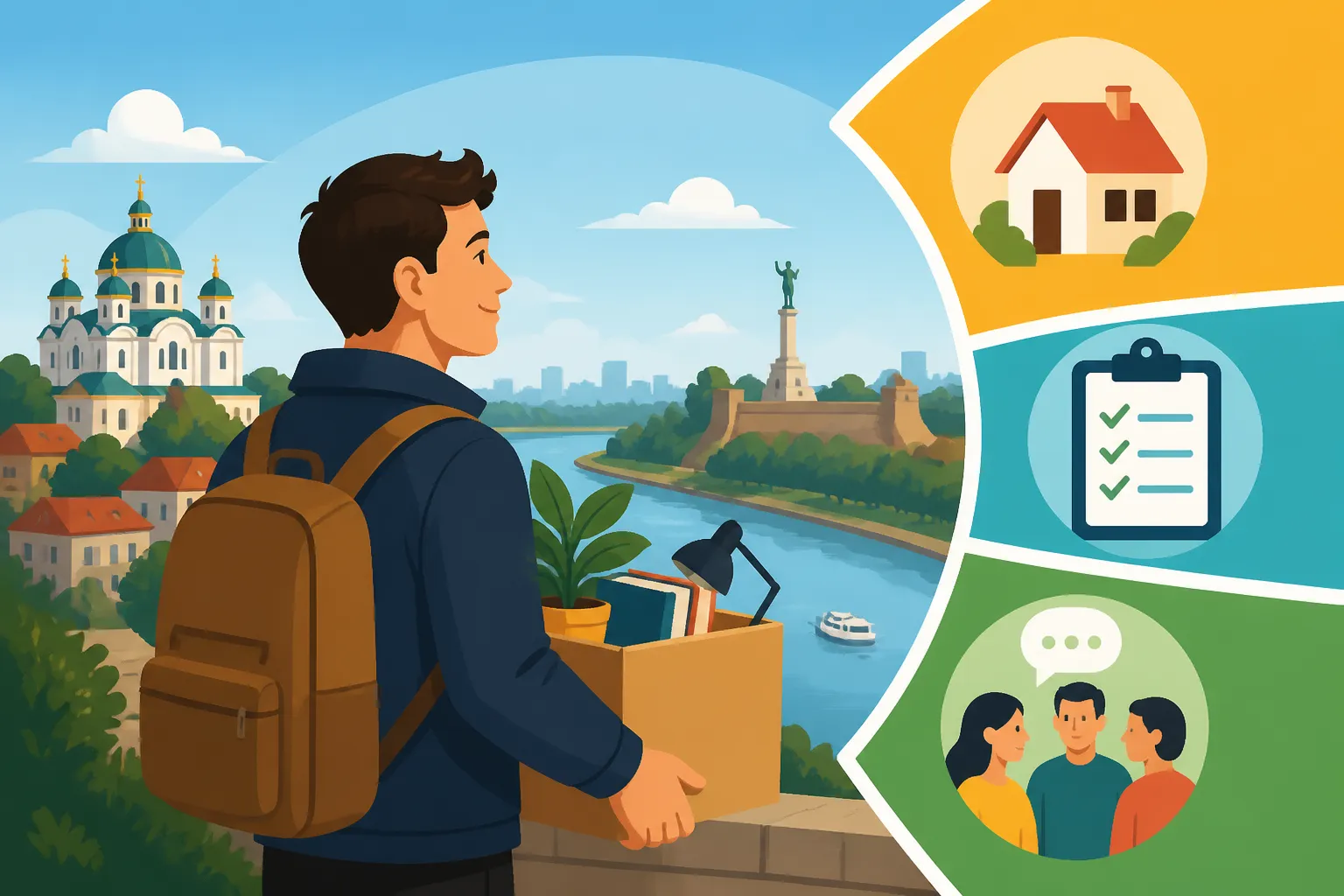
Stepping off the plane in Serbia can feel like a whirlwind – a mix of excitement, anticipation, and a healthy dose of "what on earth do I do first?" Trust me, I’ve been there. The initial days, weeks, and even the first couple of months are a crucial period of settling in, navigating new systems, and figuring out the rhythm of life in a new country. This guide is designed to walk you through those critical first 90 days, from immediate arrival logistics to understanding bureaucracy, setting up your home, and starting to build your new life in beautiful Serbia.
Landing in Serbia: Your Immediate Priorities (Days 1-7)
Alright, you've arrived! Whether it's Belgrade, Novi Sad, or somewhere else, the first few days are about getting your feet on the ground. Don't try to conquer everything at once; focus on the absolute essentials to ensure your comfort and legal compliance.
Getting Your Bearings and First Steps
Your first moments in Serbia are often a blur. You've likely just completed a long journey, you're tired, and everything feels new. The first thing to do is handle your immediate transportation from the airport. If you're flying into Nikola Tesla Airport (BEG) in Belgrade, you'll find plenty of taxis. Always insist on using the official taxi stands or booking via an app like Car:Go to avoid inflated tourist prices. Alternatively, there are public buses (A1 Mini Bus or city bus 72) that will take you to key city locations like Slavija Square or Zeleni Venac. Once you get to your temporary accommodation, take a moment to breathe.
One of your absolute first tasks, and I cannot stress this enough, is to get some local currency. While many places accept cards, cash (Serbian Dinars, RSD) is king for smaller purchases, markets, and in some independent shops or cafes. Exchange offices (menjačnica) are plentiful and often offer better rates than banks or airports. Just look for one with clear rates and no hidden fees. Keep small denominations for tips, coffee, and public transport tickets. Remember to hydrate, grab a bite, and try to adjust to the new time zone. Don't feel guilty about taking a nap!
Accommodation: Temporary vs. Permanent
Unless you're incredibly organised and have a long-term rental sorted before you even arrive – which is a rare feat for most expats – your initial days will be spent in temporary accommodation. This could be an Airbnb, a hotel, or even staying with friends. This temporary solution is not just about having a roof over your head; it's also crucial for your official address registration, which we'll get to shortly. Use this time to explore potential neighbourhoods, get a feel for commute times, and assess the local amenities.
Many expats find that living in an Airbnb for a week or two gives them the flexibility to scout for a permanent place without rushing into a commitment. Websites like Booking.com and Airbnb are popular for short-term stays. If you’re coming with a lot of belongings, you might also be looking into international moving services. For those bigger moves, services like Sirelo can be incredibly helpful for comparing different moving companies and getting quotes, saving you a lot of headache when dealing with international logistics. This initial period is also your chance to get a handle on the rental market, understanding what typical prices are and what you can expect for your budget, whether you’re aiming for a central city apartment or a quieter suburban spot.
Connectivity: Staying in Touch
In today's world, being connected is non-negotiable. One of your first errands should be to get a local SIM card. Serbia has three main mobile operators: Telekom Srbija (MTS), Yettel (formerly Telenor), and A1 (formerly Vip mobile). All offer competitive prepaid packages. You can typically pick up a SIM card at kiosks (trafika) or official stores with just your passport. The staff are usually helpful, and many speak English, especially in larger cities. You’ll find that prices are quite reasonable for data, calls, and texts.
While you're at it, consider a portable Wi-Fi device or ensure your phone is set up for hotspot tethering. This can be a lifesaver for navigating, translating, and keeping up with family and friends back home before you get home internet set up. For those who frequently travel or need immediate data upon arrival, an eSIM provider like Airalo can also be a fantastic option. It allows you to download a local data plan directly to your phone, meaning you have internet connectivity the moment you land, without needing to hunt for a physical SIM card right away. Having reliable internet from day one will make all subsequent administrative tasks significantly smoother.
Navigating Serbian Bureaucracy: Residence & Registration (Weeks 1-4)
This is where things can get a bit… Serbian. The bureaucratic process can feel overwhelming, slow, and at times, illogical. But don't despair! With patience and preparation, you'll get through it. The key is understanding the steps and tackling them one by one.
The All-Important Residence Permit
One of the most critical steps in your first 90 days in Serbia is applying for your temporary residence permit, known as privremeni boravak. If you're planning to stay longer than 90 days as a non-visa-exempt national, or if you're visa-exempt but planning to work or reside long-term, this is your golden ticket. The grounds for temporary residence vary widely – it could be for employment, studying, family reunification, property ownership, or even starting a business. The process typically involves submitting an application to the Ministry of Interior (MUP), usually at the Foreigners' Department.
Gathering the required documents is often the trickiest part. You'll likely need your passport, proof of address, proof of financial means, health insurance, and documents specific to your reason for residency (e.g., an employment contract, university acceptance letter, or property title deed). Keep in mind that many foreign documents will need to be apostilled and officially translated into Serbian by a sworn court translator. This can take time, so start compiling these documents well in advance of your move. For a deeper dive into this, you can refer to our guide on How to Apply for Temporary Residence (Privremeni Boravak) in Serbia.
Registering Your Address (Prijava boravka)
Even if you're only staying temporarily, every foreigner in Serbia is legally required to register their address with the police within 24 hours of arrival. This is called prijava boravka. If you’re staying in a hotel or official accommodation, they will usually handle this for you. However, if you’re staying in an Airbnb or with a friend, you or your host will need to go to the local police station (the department for foreigners, sometimes called Uprava za strance or simply MUP) to register. This needs to be done every time you change address within Serbia.
This step is incredibly important and often overlooked by newcomers. Failure to register can lead to fines and complications down the line, especially when trying to apply for your residence permit. You'll need your passport and the address of your accommodation. Your host will also need to be present with their ID, or provide a statement allowing your stay. It's a quick process once you're there, but finding the right office and navigating the waiting lines can be a challenge. Make sure to keep the confirmation slip (beli karton) as it's a vital document for future administrative tasks. For more detailed instructions, check out How to Register Your Address (Prijava) with the Police in Serbia.
Obtaining Your Tax Identification Number (PIB)
Once you're thinking about working, opening a bank account, or engaging in any formal financial activity, you'll need a Serbian Tax Identification Number, or PIB ( poreski identifikacioni broj). This is your unique identifier for tax purposes in Serbia, much like a social security number or national insurance number in other countries. You'll apply for this at the local branch of the Tax Administration (Poreska Uprava).
The good news is that obtaining a PIB is usually a straightforward process, though it might involve some waiting. You’ll need your passport and your beli karton (address registration slip). If you are employed, your employer might handle this for you as part of your onboarding process, especially if they are helping you with your Understanding the Single Permit for Work and Residence in Serbia. If you're a freelancer or entrepreneur, you’ll definitely need to get this done yourself fairly early on. Without a PIB, you won't be able to open a bank account that allows you to receive income, register a business, or properly file your taxes.
Getting Settled: Housing, Utilities, and Banking (Weeks 2-6)
With the initial bureaucratic hurdles somewhat underway, you can now focus on the practicalities of making Serbia feel like home. This means securing a proper living situation and getting your finances in order.
Finding Your Long-Term Home
The search for a permanent rental can be exciting but also daunting. Belgrade and Novi Sad have vibrant rental markets, but finding the right fit takes time. Start by defining your priorities: budget, neighbourhood preferences (e.g., proximity to work, schools, nightlife, parks), apartment size, and whether you want furnished or unfurnished. Most expats find that using a reputable real estate agent can save a lot of hassle. They can help navigate the language barrier, property viewings, and rental contract negotiations. Always ensure the agent is licensed and transparent about their fees.
Online portals like City Expert, Halo Oglasi, and Nekretnine.rs are popular, but many listings are in Serbian, so a translation tool or a Serbian-speaking friend will be invaluable. When you find a place, be prepared to sign a rental contract (ugovor o zakupu) and pay a security deposit, typically one or two months' rent. Make sure you understand all clauses, especially regarding notice periods and deposit returns. Always get a receipt for your deposit and rent payments. Having a clear How to Sign a Rental Contract and Pay a Deposit in Serbia ensures peace of mind.
Setting Up Essential Utilities
Once you have your long-term address, setting up utilities is next on the list. This usually includes electricity (EPS), water and sewage (JKP Beogradski Vodovod i Kanalizacija in Belgrade), heating (often district heating, Toplana), internet, and potentially cable TV. If you're renting, sometimes the landlord will keep the utility accounts in their name, and you'll pay them directly. However, it’s often preferred to transfer them to your name to ensure transparency and direct control over payments.
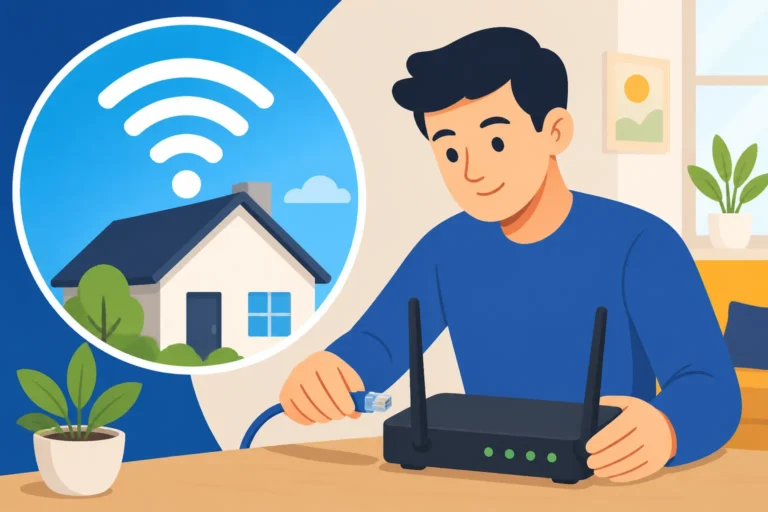
Setting up electricity and internet are usually the first priorities. For electricity, you'll visit the local branch of EPS Elektrodistribucija. For internet and mobile, providers like Telekom Srbija, Yettel, or A1 offer packages that often bundle internet, TV, and mobile services. This can be more cost-effective. Remember, a good agent or a helpful landlord can be a godsend here, as these processes typically require some Serbian language skills. To make this easier, we have a dedicated guide on The Expat Guide to Setting Up Utilities (Electricity, Water, Heating) in Serbia that breaks down each step. Don't forget, having a working internet connection at home is crucial, not just for streaming, but for handling more online administrative tasks.
Opening a Serbian Bank Account
Managing your money effectively in Serbia requires a local bank account. While you can certainly use your international cards for a while, a Serbian account will make paying bills, receiving salaries, and general financial management much simpler and cheaper. The process typically requires your passport, your temporary residence permit (boravak), and your PIB. Some banks might ask for additional documents, such as proof of employment or address.
Serbia has several reputable banks, both local and international. Popular choices include Banca Intesa, Raiffeisen Bank, UniCredit Bank, and OTP Bank. It's wise to shop around and compare fees, online banking services (especially English-language options), and ATM availability. Most banks offer current accounts (tekući račun) and often a foreign currency account alongside your Dinar account. This can be very useful for receiving international transfers without multiple conversion fees. While the process can be slow, having a local account significantly streamlines your financial life. Our in-depth guide, The Expat Guide to Opening a Bank Account in Serbia, offers detailed advice on choosing a bank and navigating the opening process.
Health and Well-being: Accessing Care (Weeks 3-8)
Your health is paramount, and understanding how to access medical care in a new country is a major source of peace of mind. Serbia's healthcare system can be a bit of a maze, but once you understand the basics, you'll feel much more secure.
Understanding the Healthcare System
Serbia operates a mixed healthcare system, with both public and private options available. The public system is managed by the Republic Health Insurance Fund (RFZO). If you are legally employed or registered as self-employed in Serbia, you will be making mandatory health insurance contributions, which grant you access to the public system. This system includes domovi zdravlja (health centres for primary care) and public hospitals.
However, many expats also opt for private healthcare, either as a supplement or an alternative to the public system. Private clinics and hospitals often offer shorter waiting times, modern facilities, and English-speaking staff. It’s important to understand the nuances of both. For instance, while public care is more affordable, waiting lists for specialists can be long. Private care offers convenience but comes at a higher out-of-pocket cost if you don't have private insurance. For a full breakdown, check out The Complete Guide to Healthcare in Serbia for Expats (2027).
Registering with a GP and Insurance
If you are contributing to the RFZO, registering with a chosen doctor (izabrani lekar) at a dom zdravlja is your first step into the public healthcare system. This GP will be your primary point of contact for routine check-ups, prescriptions, and referrals to specialists. You’ll need your RFZO health card (once issued) and your residence permit. The process involves visiting your local dom zdravlja and filling out a form to select a doctor. Finding a GP who speaks English might be challenging outside of central Belgrade, so don't hesitate to ask around or bring a Serbian-speaking friend for your first visit.
Even if you have RFZO coverage, many expats choose to secure private health insurance. This can cover the costs of private clinic visits, specialists, and even provide better access to certain treatments without the public system's bureaucracy. Several local and international insurers offer plans tailored for expats. Understanding what your RFZO contributions cover and what private insurance might add is key to making an informed decision. Our article, How to Register with the RFZO and a GP in Serbia (2027), provides a step-by-step guide to this essential process.
Emergency Preparedness
Knowing what to do in a medical emergency is crucial for your peace of mind. The emergency number for an ambulance in Serbia is 194. For general emergencies (police, fire, ambulance), the EU-wide 112 also works. Ambulances are generally efficient, but response times can vary depending on your location. If you or someone you know experiences a serious medical emergency, don’t hesitate to call. Be prepared to give your exact location and a brief description of the situation.
For non-life-threatening but urgent issues, many private clinics offer walk-in appointments or have shorter waiting times than public domovi zdravlja. Familiarise yourself with the location of a reliable pharmacy (apoteka) near your home; pharmacists in Serbia are highly knowledgeable and can offer advice and sell many over-the-counter medications. It's always a good idea to have a small medical kit at home with basic first aid supplies and any regular medications you take. Keep a list of important contacts, including your GP and any private clinic you prefer, readily accessible.
Integrating into Daily Life: Transport, Language, and Culture (Weeks 4-10)
Beyond the paperwork, living in Serbia is about embracing its vibrant culture and learning how to navigate its daily rhythms. This phase is about feeling less like a visitor and more like a resident.
Navigating Public Transport
Public transport in major Serbian cities, particularly Belgrade, is extensive and affordable. Belgrade relies on a network of buses, trams, and trolleybuses. While it might seem chaotic at first, it's quite efficient once you get the hang of it. You'll need a BusPlus card (or a similar system in other cities) to pay for your fares. These cards can be bought and topped up at kiosks (trafika) throughout the city. Validator machines are located inside each vehicle.
Using apps like Moovit or Google Maps can help you plan your routes in real-time. Fares are quite low, making public transport an excellent way to explore the city without breaking the bank. Just be mindful of rush hours, when vehicles can get very crowded. If you're based in the capital, How to Use Public Transport in Belgrade is a must-read to understand the system fully. It’s also a fantastic way to experience the city like a local, observing daily life unfold.
Driving in Serbia
If you plan on driving in Serbia, you’ll need to understand the local rules and regulations. If you hold a foreign driving licence, you can typically use it for up to six months from your date of entry. After that, you'll need to obtain a Serbian driving licence. This usually involves exchanging your existing licence, provided your home country has a reciprocity agreement with Serbia. If not, you might have to go through the full driving test process.
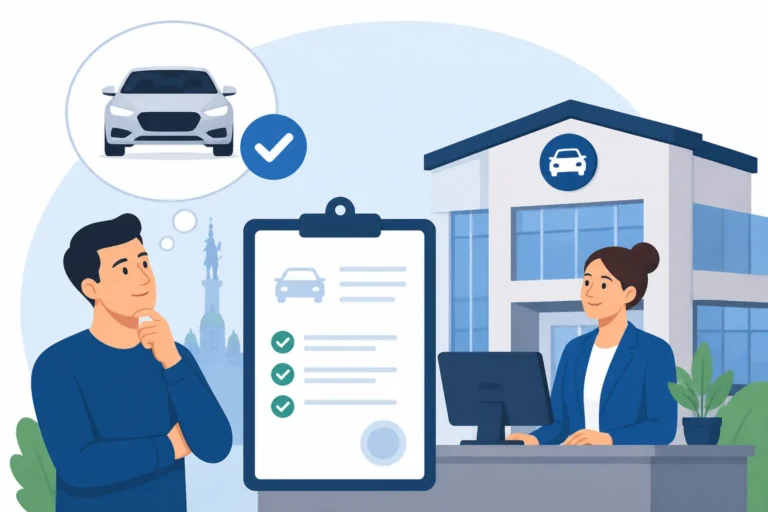
Buying and registering a car in Serbia also involves a series of steps, including vehicle inspection and obtaining local insurance. Car insurance (osiguranje) is mandatory. While driving in Serbia is generally safe, traffic in urban areas can be heavy, and parking challenging. Road conditions vary, and it's essential to be aware of local driving habits. Always carry your licence, registration, and insurance documents with you. For a comprehensive overview, our guide on Driving in Serbia: Licences, Registration and Rules for Expats (2027) covers everything you need to know.
| Public Transport vs. Driving in Serbia | Public Transport | Driving Your Own Car |
|---|---|---|
| Cost | Very Low | Moderate to High (fuel, insurance, parking, maintenance) |
| Convenience | High in cities, less so for specific routes/times outside city centre | High for specific destinations, but parking can be an issue |
| Flexibility | Limited to routes and schedules | Full flexibility, door-to-door |
| Environmental Impact | Low | Moderate to High |
| Documentation Needed | BusPlus card / Tickets | Valid licence, registration, insurance, vehicle inspection |
| Initial Hassle | Minor (getting card) | Significant (licence exchange/test, car purchase, registration) |
Embracing Local Culture and Language
Serbia boasts a rich history and vibrant culture. Take the time to immerse yourself. Learning even a few basic Serbian phrases will go a long way. Locals truly appreciate the effort, and it can open doors to warmer interactions. Simple greetings like Dobar dan (Good day), Hvala (Thank you), Molim (Please/You're welcome), and Izvinite (Excuse me) are excellent starting points. Many younger Serbians and those in service industries speak English, especially in Belgrade and Novi Sad, but venturing beyond that, Serbian becomes essential.
Serbian culture is known for its hospitality, directness, and strong family ties. Don't be surprised if strangers offer help or invite you for coffee. Be open to trying local cuisine (ćevapi, sarma, kajmak – yum!), attending cultural events, and exploring the country's beautiful monasteries and natural landscapes. Patience is a virtue here; things sometimes move at a slower pace than you might be used to, and that's just part of the charm. Embrace the "polako" (slowly) philosophy.
Work, Study, and Social Life: Expanding Your Horizons (Weeks 6-12)
By now, you've handled the essentials and are hopefully feeling more settled. This period is about building your long-term life in Serbia, whether that means starting a job, enrolling in studies, or building a strong social circle.
Employment and Entrepreneurship
Many expats move to Serbia for work. The job market, particularly in the IT and tech sectors, is booming. Platforms like LinkedIn, Infostud, and Joberty are popular for job hunting. Tailoring your CV to local standards and writing a compelling cover letter are crucial. If you're working for a Serbian company, they will typically handle your work permit and social contributions as part of The Complete Guide to Working in Serbia as a Foreigner (2027).
For those looking to go freelance or start their own venture, Serbia offers the attractive paušalni režim (lump-sum taxation regime) for entrepreneurs. This simplifies taxes considerably for small businesses and freelancers, making it an appealing option for digital nomads and independent professionals. Registering as an entrepreneur (preduzetnik) involves a visit to the Business Registers Agency (APR). It can seem complex, but many accounting firms specialise in helping foreigners navigate this. If you’re considering this path, our guide on How to Register as an Entrepreneur (Preduzetnik) in Serbia is an invaluable resource.
Education for Families
If you've moved with children, securing their education is a major priority. Serbia offers a choice between public, private, and international schools. Public schools follow the Serbian curriculum, and instruction is primarily in Serbian. They are free for residents. Private schools often offer alternative curricula or bilingual programs. International schools, predominantly located in Belgrade, follow curricula like the International Baccalaureate (IB) or British/American systems, with instruction in English. These are typically the most expensive option but offer a familiar environment for expat children.
Starting the enrollment process early is highly recommended, especially for international schools, which can have waiting lists. Research schools based on your child's age, educational needs, and your family's budget. Visiting schools and speaking with staff and other expat parents can provide valuable insights. The system can be a bit different from what you're used to, so be prepared for some adaptation. For more detailed insights, consider reading Schools and Education in Serbia: A Complete Guide for Expat Families.
Building a Social Network
One of the most rewarding parts of expat life is building a new community. In Serbia, you'll find a welcoming environment for foreigners. Look for expat groups on social media platforms like Facebook – "Expats in Belgrade" or "Digital Nomads Serbia" are popular examples. These groups are excellent for asking questions, finding events, and meeting like-minded individuals. There are also many international clubs and associations catering to various interests, from hiking to book clubs.
Don't limit yourself to the expat bubble, though. Engaging with locals is key to truly experiencing Serbia. Attend local festivals, join language exchange meetups, or participate in hobby groups. Serbians are generally very friendly and curious about foreigners. Invites for coffee (kafa) are common and a wonderful way to connect. Building a robust social network takes time and effort, but it's essential for your long-term well-being and sense of belonging in your new home.
Final Thoughts on Your First 90 Days
Congratulations, if you’ve made it through these first three months, you’ve accomplished a huge feat! The initial period of moving to Serbia is intense, filled with new challenges and discoveries. You'll likely encounter moments of frustration with bureaucracy, moments of joy exploring new places, and everything in between. Remember to be patient with yourself and with the process. Serbia is a country that rewards persistence and a positive attitude. You're not just moving to a new country; you're building a new chapter of your life, one day at a time. Embrace the adventure, and don't be afraid to ask for help from fellow expats or friendly locals.
Disclaimer
The information provided in this guide is for general informational purposes only and is subject to change. While we strive to keep the content accurate and up-to-date, administrative procedures, laws, and regulations in Serbia can change frequently. We recommend consulting with official Serbian government sources, legal professionals, or relevant agencies for the most current and specific advice pertaining to your individual circumstances. We cannot be held responsible for any inaccuracies or outdated information.