How Much Is Car Insurance in Serbia?
Navigating the ins and outs of car ownership in a new country can feel like a labyrinth, and when it comes to something as crucial (and often confusing) as car insurance in Serbia, the questions can pile up fast. You’re not just trying to figure out the cost, but also what’s actually required, what’s smart to have, and how on earth you go about getting it all done in a foreign language. This guide is here to break down the real costs of car insurance in Serbia for expats, helping you understand the system, manage expectations, and avoid any nasty surprises on the road.
Decoding Mandatory Car Insurance: Third-Party Liability (Osnovno Obavezno Osiguranje)
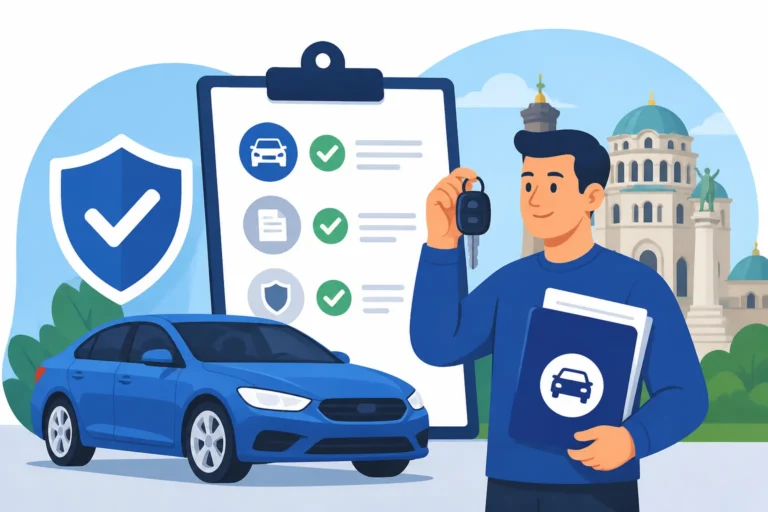
Let's start with the absolute non-negotiable: mandatory car insurance. Just like in most parts of the world, if you plan to drive a vehicle in Serbia, you must have third-party liability insurance. This isn't just a suggestion; it's the law, and you won't even be able to register your vehicle without it. Understanding this fundamental layer is your first step to legal and stress-free driving here.
What Serbian Law Requires from Every Driver
In Serbia, the mandatory car insurance is called Osnovno Obavezno Osiguranje (Basic Compulsory Insurance). Its primary purpose is to protect other people and their property if you cause an accident. So, if you're involved in a collision and it's deemed your fault, this insurance covers the damages to the other vehicle, any injuries sustained by the other driver or passengers, and damage to public property. What it doesn't cover, and this is a crucial point many expats initially misunderstand, is any damage to your own vehicle or your own injuries. That's where optional coverage comes into play, which we'll get to later.
This legal requirement ensures that anyone affected by your driving can be compensated, regardless of your personal financial situation. It’s a foundational safety net for the general public, designed to keep things fair and manageable after an accident. Without this valid policy, you simply cannot drive your car on Serbian roads, and attempting to do so could lead to hefty fines, vehicle impoundment, and significant legal troubles – the kind of bureaucratic headache no expat wants to face. When you’re going through the process of How to Register and License a Car in Serbia, securing this insurance is one of the very first steps.
Factors Influencing Your Mandatory Premium
While the Osnovno Obavezno Osiguranje is mandatory, its exact price isn't a fixed, one-size-fits-all number. Several factors come into play, influencing how much you'll pay each year. One of the biggest determinants is the power of your vehicle, measured in kilowatts (kW) and often correlated with engine capacity. More powerful engines generally fall into higher insurance classes, meaning a higher premium. This makes sense from an insurer's perspective, as more powerful cars can potentially cause more damage.
Another significant factor is the municipality where your vehicle is registered. Larger cities like Belgrade or Novi Sad often have higher traffic densities and, consequently, a higher statistical likelihood of accidents, which can translate to slightly higher premiums compared to smaller, rural areas. Your vehicle's age can also play a minor role, though it's less impactful than power. Perhaps one of the most confusing aspects for newcomers is the bonus/malus system. While not as sophisticated or widely applied to mandatory insurance as in some Western European countries, insurers are increasingly looking at your claims history. If you've been accident-free for years, you might get a small bonus (discount); conversely, if you've had multiple at-fault accidents, your premium could see a malus (increase). Be prepared that your international driving history might not always be recognized for bonus points when you first insure a car here.
The Process of Obtaining and Renewing Mandatory Insurance
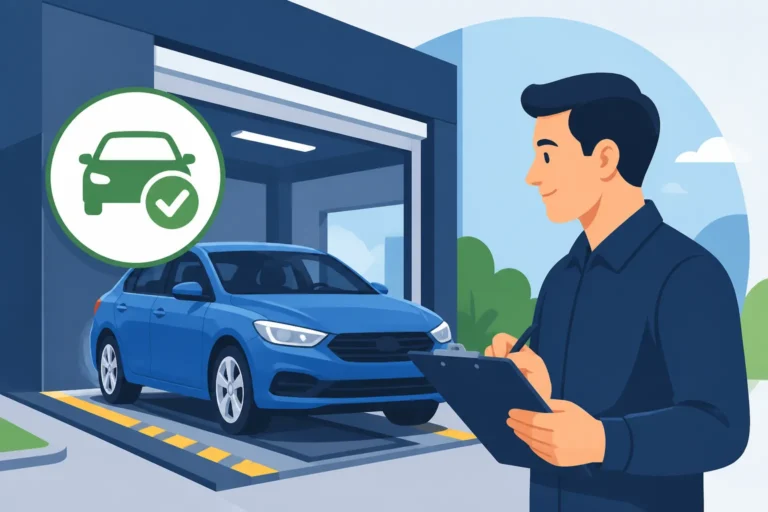
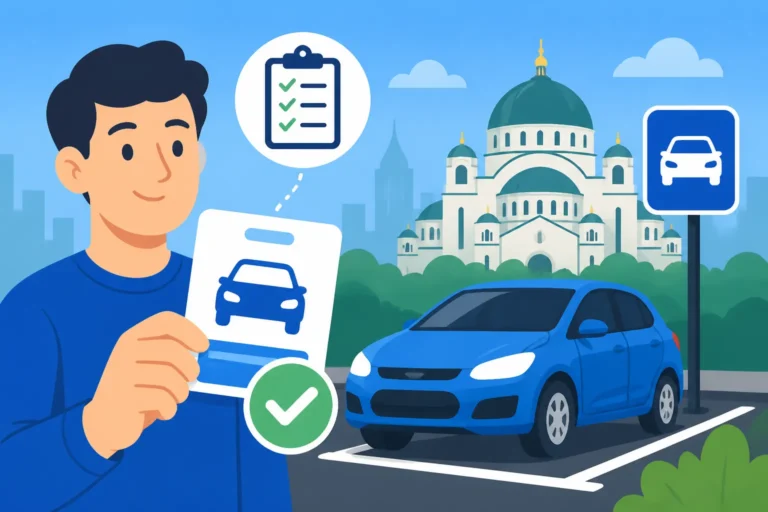
Getting your mandatory car insurance in Serbia is inextricably linked to the vehicle registration process. When you buy a car, whether new or used, you'll need to go to an authorized vehicle registration centre (often called a tehnički pregled or technical inspection station). These stations usually have representatives from various insurance companies right there on site, making it incredibly convenient. You'll complete the technical inspection, and then immediately move on to purchasing your Osnovno Obavezno Osiguranje. This insurance is typically paid for annually, covering the full 12-month period of your vehicle registration.
For renewal, the process is very similar. Your vehicle registration needs to be renewed annually, which again involves a technical inspection. At this point, you'll also renew your mandatory insurance. It's crucial to remember that these two processes are tied together; you can't have one without the other. Always keep your insurance policy and registration documents in your vehicle, as you'll need them for any traffic stops or, heaven forbid, an accident. Understanding How Much Does It Cost to Register a Car in Serbia? will give you a fuller picture of the combined annual expense. Don't forget that as an expat, you'll also need your valid residence permit (like your Privremeni Boravak which you apply for if you're following the steps in How to Apply for Temporary Residence (Privremeni Boravak) in Serbia) and a valid driver's licence.
A Detailed Look at Car Insurance Costs in Serbia
Now that we've covered the basics of mandatory insurance, let's dive into the figures and explore how much this vital piece of your Serbian life will truly set you back. It's not just about the legal minimum; often, for peace of mind, expats opt for additional coverage, much like they would in their home countries. Understanding these costs will help you budget accurately for your automotive adventures here.
Mandatory Third-Party Liability Osiguranje: Realistic Cost Ranges
The cost for Osnovno Obavezno Osiguranje can vary, but generally, for a standard sedan or hatchback, you're looking at a range of approximately 12,000 RSD to 25,000 RSD per year. This translates to roughly €100 to €215, depending on the current exchange rate and the specific factors mentioned earlier. For vehicles with very high engine power, or those in the highest risk municipalities, this could stretch a little higher.
For instance, a smaller car, say a 1.2L engine with around 50-60 kW, registered in a smaller town, might be closer to the 12,000-15,000 RSD mark. A larger, more powerful vehicle, perhaps a 2.0L engine with 100+ kW, registered in central Belgrade, would push you towards the higher end of the 20,000-25,000 RSD range. These figures are averages and can fluctuate slightly based on the specific insurance provider, as there is some competitive pricing even for mandatory policies. It’s always worth getting a few quotes, even if you’re purchasing at a registration center. Remember, this cost is just for the mandatory component; it’s a foundational expense that every car owner must factor into their annual budget.
Voluntary Comprehensive Coverage (Kasko Osiguranje): What It Offers and How Costs Vary
For many expats, relying solely on mandatory third-party liability feels a bit like driving without a safety net. This is where Kasko Osiguranje, or comprehensive insurance, steps in. This is entirely optional but highly recommended, especially if you have a newer or more valuable vehicle, or if you simply want greater peace of mind. Kasko covers damages to your own vehicle, whether it's due to an accident (even if it's your fault), theft, fire, natural disasters (like hail or floods, which can be surprisingly common here), vandalism, or even parking damage where the culprit isn't found.
Kasko policies in Serbia come in various forms: "full kasko" covers almost everything, while "partial kasko" might cover specific risks like theft or glass breakage. The cost of Kasko is far more variable than mandatory insurance, often ranging from 2% to 5% of your vehicle's market value per year. So, if your car is valued at €10,000, you could be looking at an additional €200 to €500 (or more) annually. Factors that heavily influence Kasko premiums include the vehicle's age, its current market value, the driver's age and experience, the security features installed in the car (alarms, immobilizers), where you typically park (garage vs. street), and, crucially, the chosen deductible (known as franšiza). A higher deductible means you pay more out of pocket for a claim, but your annual premium will be lower. It's a balance between upfront cost and potential future expenses.
Additional Riders and Extras: Boosting Your Protection
Beyond the basic Kasko, you can often add various riders or supplementary coverages to further tailor your protection. These aren't just fancy add-ons; some can be incredibly practical for expats navigating Serbian roads. One of the most popular is roadside assistance (pomoć na putu). Imagine breaking down on a remote Serbian road with a language barrier – this service can be a lifesaver, ensuring help is dispatched and you're not left stranded. Costs for this are typically modest, perhaps an extra 2,000-5,000 RSD per year, but the value when you need it is immense.
Another common rider is glass breakage insurance (lom stakla), which covers damage to your windshield, side windows, or rear window, often without a deductible if purchased separately from full Kasko. This can be handy given the occasional gravel roads or construction debris you might encounter. Passenger accident insurance (osiguranje putnika) is also available, providing coverage for injuries to passengers in your vehicle, regardless of fault. While not as critical as Kasko, these add-ons offer incremental layers of protection that can significantly reduce stress and out-of-pocket expenses for specific, common incidents. For an expat who might be less familiar with local repair shops or emergency procedures, these extra layers of security are often a worthwhile investment, truly enhancing your Understanding Car Insurance and Registration in Serbia.
How to Navigate the Serbian Car Insurance Market as an Expat
Stepping into the car insurance market in Serbia as a foreigner can feel a bit daunting. You might not know the local companies, the specific terminology, or what documents you really need. But trust me, it’s entirely manageable with a bit of guidance. The good news is that Serbia has a well-developed insurance sector with several reputable companies, and many are accustomed to dealing with foreign residents.
Finding an Insurance Provider and Getting Quotes
The first step is identifying the major players in the Serbian insurance market. You’ll frequently encounter names like Dunav Osiguranje, which is one of the oldest and largest local insurers; Generali Osiguranje Srbija, an international powerhouse with a strong local presence; Wiener Städtische Osiguranje, another European giant; and DDOR Novi Sad, a significant player, particularly strong in the Vojvodina region, and Triglav Osiguranje and Uniqa Osiguranje. These companies all offer both mandatory and comprehensive car insurance.
You have a few options for getting quotes. Many registration centers, as mentioned, have agents on site. This is convenient but might not always offer the best comparative pricing. Your best bet is to either visit the local offices of a few different insurers, or use their online quoting tools if available and user-friendly in English. While some agents might speak English, having a Serbian-speaking friend or translator with you can significantly ease the process, ensuring you understand all the terms and conditions. Don't hesitate to shop around; a few hours of comparing could save you a significant amount over the year. When you're thinking about How to Buy a Car as a Foreigner in Serbia, remember to factor in this crucial step of comparing insurance providers early on.
Documents You'll Need and the Application Process
Getting your car insurance sorted requires a specific set of documents, and it's always best to have them all prepared before you start the process to avoid multiple trips. For expats, the critical documents typically include:
- Your valid passport: Essential for identification.
- Your Serbian temporary residence permit (boravak): This proves your legal residency status in Serbia, which is a prerequisite for most long-term contracts, including insurance. You'll definitely need this if you're following the steps in How to Apply for Temporary Residence (Privremeni Boravak) in Serbia.
- Your valid driver's licence: This could be your foreign licence (if permissible for use, check Can I Drive in Serbia on a Foreign Licence?) or your newly acquired Serbian one (if you've gone through How Do I Get a Serbian Driver's Licence?).
- Vehicle registration documents: If you're buying a new car, you'll have the purchase agreement and customs documents. For a used car, you'll need the existing registration papers (saobraćajna dozvola and kupoprodajni ugovor).
The application process itself is usually straightforward once you have the documents. You'll fill out a form, provide your personal and vehicle details, and then the agent will generate a quote. Upon acceptance, you’ll make the payment, and they will issue your policy documents. Make sure to get an English translation of your policy terms if available, or at least have the main points explained in a language you understand. Keep all original documents safe, and a copy in your glove compartment.
Cost-Saving Strategies for Expats
While car insurance is a necessary expense, there are always ways to potentially reduce your premiums without compromising on essential coverage. As an expat, these strategies can be particularly useful:
- Pay Annually: Most insurers offer a discount if you pay your premium in one lump sum annually, rather than in monthly or quarterly installments. If your budget allows, this can lead to noticeable savings over time.
- Increase Your Deductible (for Kasko): If you opt for comprehensive Kasko Osiguranje, choosing a higher deductible (the amount you pay out of pocket before insurance kicks in) will lower your annual premium. Just be sure you can comfortably afford the deductible in case you need to make a claim.
- Install Security Features: For Kasko policies, having an alarm, immobilizer, or GPS tracking system in your vehicle can sometimes lead to a small discount, as it reduces the risk of theft.
- Maintain a Good Driving Record: While it might take time to build up a local no-claims bonus, driving safely and avoiding at-fault accidents is the best long-term strategy for keeping premiums low. This is part of responsible Driving in Serbia: Licences, Registration and Rules for Expats (2027).
- Compare Multiple Quotes: Don't just settle for the first quote you get. Take the time to compare offers from at least three different insurance providers. Even for mandatory insurance, there can be slight variations, and for Kasko, the differences can be substantial.
- Consider the Vehicle You Buy: The type of car you drive significantly impacts insurance costs. Smaller, less powerful, and less expensive cars generally have lower premiums, both mandatory and comprehensive. This is something to bear in mind when you're looking at How Much Does It Cost to Run a Car in Serbia per Month?.
What to Do in Case of an Accident or Claim
No one ever wants to be in a car accident, especially in a foreign country. The thought alone can be anxiety-inducing. However, knowing exactly what to do beforehand can make a world of difference, reducing panic and ensuring you handle the situation correctly to protect your rights and facilitate any insurance claims.
Initial Steps After an Incident
The immediate aftermath of an accident can be chaotic, but it's vital to follow a clear protocol. First and foremost, ensure everyone's safety. If possible and safe, move your vehicle to the side of the road to prevent further incidents. Turn on your hazard lights and place a warning triangle a safe distance behind your car.
Next, call the police immediately by dialling 192. Even for minor fender-benders, it is almost always recommended to get a police report in Serbia if there is any damage to vehicles or property, or if anyone is injured. Without a police report, many insurance companies, especially for Kasko claims, will not process your claim. If injuries are involved, you should also call for an ambulance (194). Exchange contact and insurance information with the other driver(s). Take clear photographs of the accident scene from various angles, including vehicle positions, damage, road conditions, and any relevant signs or landmarks. Don’t admit fault at the scene, simply collect facts. Many expats, myself included, have learned the hard way that a police report is your best friend here, so even if the other party suggests handling it "privately," insist on the police.
Filing a Claim with Your Serbian Insurer
Once the immediate aftermath is handled and you have a police report (if applicable), the next step is to contact your insurance provider as soon as possible. Most insurers have a dedicated claims department or hotline. You'll need to provide them with details of the incident, including the police report number, date, time, and location of the accident, and information about the other parties involved.
Your insurer will guide you through the next steps, which typically involve assessing the damage to your vehicle. For Kasko claims, they will likely direct you to an approved service center or ask you to get estimates from a few repair shops. If it's a third-party liability claim against another driver (meaning their insurance is covering your damages), their insurer will handle the assessment. The process can sometimes feel slow, and there might be paperwork involved that requires a good understanding of Serbian or a trusted translator. Be diligent in keeping copies of all correspondence, estimates, and repair invoices. Patience is often key when dealing with administrative processes here.
Important Considerations for Expats
As an expat, you might face unique challenges during an accident or claim. The language barrier is often the biggest hurdle. While younger police officers or insurance agents might speak some English, it’s not guaranteed. Having a translation app, a phrasebook, or ideally, a Serbian friend or colleague on speed dial can be invaluable. Don't be afraid to ask for clarification multiple times until you fully understand what's being asked of you or what the next steps are.
Another point to remember is the administrative procedures. Things might not work exactly as they do in your home country. For instance, the emphasis on the police report for almost any damage is stronger here than in some other places. Be patient but persistent, and don't be afraid to seek legal advice if you feel you're being unfairly treated or if the claim process stalls. Some insurance companies, particularly those with international affiliations like Generali or Wiener Städtische, might have more expat-friendly services or English-speaking staff. It’s all part of Navigating the Serbian Healthcare System: An Expat's Roadmap (though this is for healthcare, the principle of navigating local systems applies). Finally, if you're thinking of moving your vehicle internationally, companies like Sirelo, a moving service, can help with the logistics of transporting vehicles, but their services do not extend to car insurance itself.
Disclaimer
The information provided in this article is intended for general guidance only and does not constitute legal, financial, or professional advice. Car insurance regulations and costs in Serbia can change, and individual circumstances may vary. It is highly recommended to consult directly with Serbian insurance providers, legal professionals, or financial advisors for advice tailored to your specific situation. While every effort has been made to ensure accuracy, the author and publisher cannot be held responsible for any errors or omissions, or for any actions taken based on the information provided herein.