Are Private Hospital Rooms Expensive in Serbia?
Moving to a new country like Serbia often brings a mix of excitement and anxiety, and one of the biggest unknowns for many expats is navigating the healthcare system. Specifically, the thought of needing hospital care, especially a private room, can be daunting due to concerns about costs and quality. This guide aims to demystify the expenses associated with private hospital rooms in Serbia, providing a realistic overview so you can plan effectively and avoid any unpleasant surprises.
Understanding the Landscape of Private Hospitals in Serbia
When you first arrive in Serbia, the healthcare system can feel like a labyrinth. You'll hear about the public system, the RFZO (Republic Health Insurance Fund), and then there are these private hospitals and clinics that seem to offer a different experience entirely. Many expats find themselves gravitating towards the private sector, often for very good reasons, but it's essential to understand what you're stepping into.
Why Expats Often Turn to Private Care
Let's be honest, the public healthcare system here in Serbia can be a bit of a challenge. While the doctors are generally highly skilled and dedicated, the facilities can sometimes feel dated, the bureaucracy can be thick, and waiting times for specialists or certain procedures can stretch on for what feels like an eternity. For us foreigners, the language barrier is another significant hurdle; not all public hospital staff speak English, which can be incredibly stressful when you're feeling unwell or trying to understand complex medical information.
This is precisely why many of us expats, whether we're in Belgrade, Novi Sad, or even smaller cities, often turn to private healthcare. Private hospitals and clinics generally boast modern facilities, state-of-the-art equipment, and a higher likelihood of English-speaking staff, from the receptionists to the doctors and nurses. The promise of shorter wait times, more personalized care, and a more comfortable environment is a huge draw. It’s about peace of mind, really, especially when you’re far from your usual support network. We’ve all been there, feeling lost in translation or waiting for what feels like forever for an appointment, and the private option often feels like a lifeline.
Key Private Hospitals and Clinics in Serbia
Serbia has a growing number of reputable private healthcare institutions, particularly in its major cities. In Belgrade, you'll find some of the most prominent ones. Acibadem Bel Medic is often cited as a top choice, known for its comprehensive services ranging from diagnostics to surgery and maternity care, often with an international patient focus. They have multiple locations across the city, including a large hospital facility. Another significant player is Euromedik, which also operates numerous clinics and a hospital, offering a wide array of specialties and diagnostic services. Then there's Medigroup, a network that includes several hospitals and clinics, providing everything from general practice to specialized treatments and aesthetic medicine.
In Novi Sad, while the scale might be slightly smaller than Belgrade, you still have excellent private options like Poliklinika Human or local branches of some of the larger Belgrade networks. These private institutions are constantly expanding, adding new departments, and upgrading their equipment to meet the demands of both local patients and the growing expat community. Many of them also have dedicated departments or coordinators specifically for international patients, making the administrative process a little smoother. If you are exploring the broader picture of medical care, you might find our guide on How Serbia's Health System Works: The RFZO and Private Care Explained (2027) helpful.
What Makes a Private Hospital "Private"?
The distinction between public and private in Serbian healthcare isn't just about who pays the bill; it's about a fundamental difference in philosophy, infrastructure, and patient experience. Public hospitals, funded primarily by the state through the RFZO, are designed to serve the general population with essential medical care. While they handle the vast majority of serious cases and provide critical services, they often operate on tighter budgets, which can reflect in older infrastructure, longer queues, and less luxurious amenities.
Private hospitals, on the other hand, operate on a for-profit model, meaning they invest heavily in creating a more patient-centric environment. Think private rooms, often with en-suite bathrooms, better quality food, modern decor, and sometimes even amenities like flat-screen TVs or Wi-Fi included. The staff-to-patient ratio tends to be higher, leading to more attentive care. You also typically benefit from a much faster appointment system and often direct access to specialists without the need for multiple referrals. The whole experience is designed to be more comfortable, efficient, and less stressful – which, of course, comes at a premium price point, especially for something like a private hospital room.
Deconstructing the Cost of Private Hospital Rooms in Serbia
So, let's get down to the nitty-gritty: how much are we actually talking about when it comes to private hospital rooms in Serbia? It’s rarely a simple, flat fee, and understanding the breakdown can save you a lot of grief and money. It’s not just about the bed; it’s about the whole package, or often, the lack thereof.
The Base Price of a Private Room
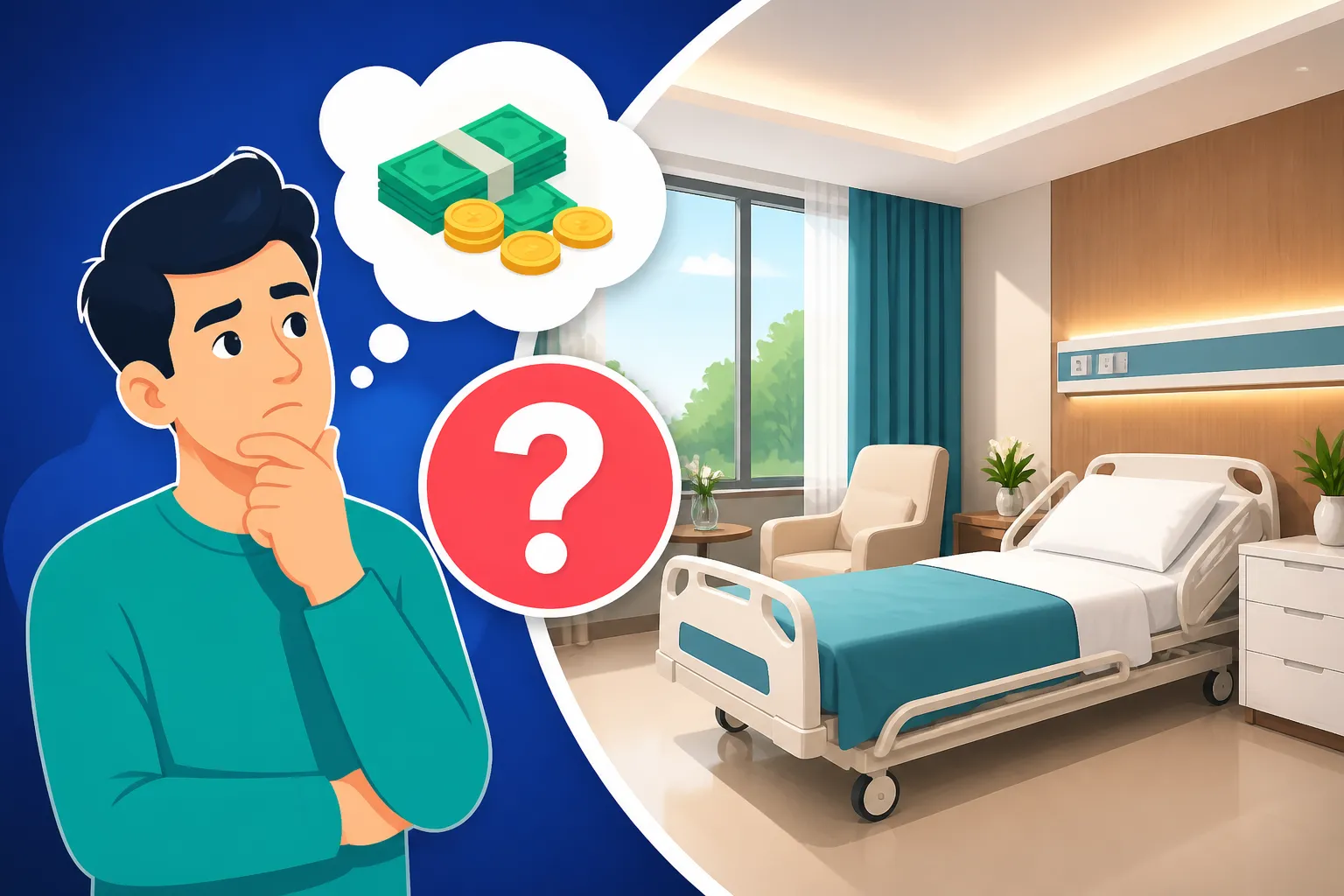
When you’re looking at the cost of a private hospital room in Serbia, you’re generally considering an overnight stay or a multi-day stay following a procedure or illness. The base price for a standard single private room in a reputable private hospital in Belgrade or Novi Sad typically ranges from €80 to €150 per night. This is for a standard room, usually with a private bathroom, and provides that much-needed quiet and privacy away from a shared ward.
However, it doesn’t stop there. If you’re looking for something a bit more luxurious, perhaps a deluxe suite or a larger room with additional amenities, you could be looking at €150 to €300+ per night. For more intensive care situations, such as a private room in an ICU or a high-dependency unit, the costs skyrocket due to specialized equipment and constant monitoring, easily reaching €300 to €800+ per night, sometimes even more, depending on the specific medical needs and the hospital’s level of technology. These prices are subject to change and vary between institutions, so always get a direct quote. It’s a good idea to factor these numbers in when you’re assessing The Cost of Healthcare in Serbia: A Complete Breakdown for Foreigners (2026).
What's Included (and What's Not) in the Room Rate
This is where many expats get caught out. The "room rate" often sounds comprehensive, but it very rarely covers everything. Typically, a basic private room rate in Serbia will include:
- The bed and private room itself: Duh, right? But it’s worth noting the privacy aspect.
- Basic nursing care: General monitoring and assistance.
- Standard meals: Often fairly simple, but tailored to your dietary needs if communicated.
- Basic amenities: Like towels, soap, and perhaps Wi-Fi or a TV (though these might be extra in some facilities).
What's usually NOT included and will be billed separately are the actual medical services, which are often the bulk of the expense:
- Doctor's fees: Consultations with specialists, rounds by your attending physician.
- Procedures and surgeries: This includes the operating room time, the surgeon’s fee, anaesthesiologist’s fee, and any assisting staff.
- Medications: All prescription drugs, even basic painkillers, will be added to your bill. You can learn more about this in our article Prescription Medications and Pharmacies in Serbia: The Complete Guide.
- Diagnostic tests: Blood tests, X-rays, MRI scans, CT scans, ultrasounds – each of these carries its own significant cost.
- Medical supplies: Dressings, catheters, syringes, specialized equipment used during your stay.
- Physical therapy or rehabilitation services: If needed post-procedure.
So, while the room might feel affordable, it’s the sum of all the medical services that can quickly inflate your final bill into a hefty sum. Always ask for a detailed breakdown or an estimate for your specific situation.
Factors Influencing the Final Bill
The ultimate cost of your private hospital stay in Serbia isn't just about the room rate; it's a complex interplay of several factors. The length of your stay is obviously a major determinant – a one-night stay is vastly different from a week-long recovery. The type and complexity of the medical procedure you undergo will dictate everything from the specialists involved to the equipment used and the follow-up care required. For instance, a minor outpatient surgery with an overnight observation will be considerably less expensive than a major abdominal surgery requiring several days of inpatient care.
Pre-existing conditions can also add to the bill, as they might necessitate more extensive monitoring or specialized consultations. The choice of specialist can also play a role, with some highly sought-after doctors commanding higher fees. Furthermore, unexpected complications or the need for additional diagnostic tests (like urgent MRI scans or specialized lab work) during your stay will invariably drive up the costs. It's truly like a patchwork quilt of charges that gets sewn together, and without adequate preparation and insurance, it can unravel your budget quickly.
Strategies for Managing Private Hospital Costs
Navigating the costs of private healthcare in Serbia doesn't have to feel like you're walking a financial tightrope blindfolded. With a bit of foresight and the right tools, you can manage these expenses effectively and ensure you get the care you need without breaking the bank.
The Indispensable Role of Health Insurance
Let me be absolutely clear: private health insurance is not a luxury; it's a necessity for expats in Serbia, especially if you plan on using private hospitals. Relying solely on the public RFZO system can leave you with long wait times and potential language barriers, which might not be suitable for every medical need. While expats who are employed in Serbia are typically registered with the RFZO and contribute to the public system, the benefits for more complex or urgent private care are usually minimal or non-existent.
This is where a good private health insurance plan steps in. It can cover a significant portion, or even all, of your private hospital room costs, as well as specialist fees, diagnostics, and medications that the public system might not cover or would require lengthy waits. There are local Serbian private insurance providers, but many expats also opt for international health insurance plans which often provide broader coverage and are tailored for a mobile lifestyle. Companies like SafetyWing offer robust travel and health insurance options that are particularly popular among digital nomads and expats, providing a safety net for unexpected medical emergencies. They understand the unique needs of those living abroad, offering plans that can cover everything from doctor visits to emergency hospital stays, ensuring that a private hospital room in Serbia doesn't turn into a financial catastrophe. Looking into How to Buy Private Health Insurance as a Newcomer in Serbia or Understanding Private Health Insurance Plans in Serbia can provide you with more detailed information.
Negotiating and Understanding Your Bill
When faced with a hospital bill, especially one in a foreign language, it's natural to feel overwhelmed. However, don't be afraid to assert yourself. Always request an itemized bill that clearly lists every single charge. Don't just accept a lump sum. If something seems unclear or excessively high, ask for clarification. Most private hospitals have patient coordinators or staff who can explain the charges in English.
It’s not always possible to "negotiate" in the traditional sense, but understanding the charges helps immensely. For planned procedures, always ask for a detailed estimate before treatment. Confirm what's included and what's not. Sometimes, for non-urgent procedures, comparing estimates from a couple of different private hospitals can reveal significant price differences for the same service. If you have insurance, make sure the hospital is aware of your coverage and can process direct billing if that's an option; otherwise, you'll need to pay upfront and claim reimbursement. Ensure you understand How to Claim Reimbursement from Private Insurance in Serbia.
Considering Alternatives: Public Hospitals and Outpatient Care
While this article focuses on private hospital rooms, it's worth briefly mentioning alternatives that can help manage overall healthcare costs. For very serious emergencies or highly specialized procedures (e.g., certain complex surgeries, organ transplants), the public hospitals in Serbia often have the most extensive facilities and expertise. In such cases, while you might not get a private room easily, the critical care could be superior, and costs are typically much lower if you're covered by the RFZO. Our article Public vs Private Healthcare in Serbia: What Expats Need to Know delves deeper into these distinctions.
For routine consultations, diagnostics, or minor treatments that don't require an overnight stay, private outpatient clinics (often referred to simply as "poliklinika") can be a more cost-effective option than a full-fledged private hospital. They offer quick appointments, English-speaking staff, and excellent equipment for diagnostics, but without the overhead of inpatient care. You might get a specialist consultation for €30-€70 and blood tests for a similar price at a private clinic, which can be significantly cheaper than going through a full private hospital process if inpatient care isn't actually necessary. Always consider if the specific treatment or consultation truly warrants a hospital setting, or if a clinic suffices.
Real-World Scenarios and Practical Advice
Let's walk through some common situations that expats might encounter and how the costs of private hospital rooms in Serbia can play out in real life. These scenarios are designed to give you a clearer picture of what to expect, and more importantly, how to prepare.
A Hypothetical Overnight Stay for a Minor Procedure
Imagine you're an expat in Belgrade, and you need a minor outpatient procedure, perhaps a small dermatological surgery or a diagnostic endoscopy, which requires an overnight observation. You choose a well-regarded private hospital like Acibadem Bel Medic for the convenience and English-speaking staff.
Scenario Breakdown:
- Initial Consultation: Before the procedure, you'd have one or two consultations with the specialist. Let's say €60-€80 per visit.
- Pre-operative Tests: Blood work, ECG, perhaps a chest X-ray. These could add another €100-€200.
- The Procedure Itself: The cost of the procedure can vary wildly, but for a minor one, it might range from €300 to €800, including the surgeon's fee and operating room use.
- Overnight Private Room: A standard single room for one night, as discussed, could be €100-€150.
- Post-operative Care/Medication: Dressings, basic painkillers, nursing care during the stay. Perhaps another €50-€100.
Total Estimated Cost (without insurance): Easily €610 – €1,330.
If you had a good private insurance policy, like one from SafetyWing, it would ideally cover most, if not all, of these costs, minus any deductible or co-payment you might have. This illustrates why even for relatively minor medical needs, costs can quickly accumulate, and good insurance is paramount.
Planning for Maternity or Elective Procedures
This is where the costs of private hospital rooms in Serbia can truly escalate. If you're an expat planning to have a baby or considering an elective surgery (like cosmetic surgery, hernia repair, or even some dental surgeries that require sedation and observation), you're looking at multiple days in a private hospital.
Maternity Care Example (Private Hospital):
- Prenatal Care: Regular check-ups, ultrasounds, blood tests throughout pregnancy. This alone can be €1,000 – €2,500 over nine months.
- Delivery (Vaginal): A standard vaginal delivery in a private hospital can range from €2,000 – €4,000, often including a 2-3 night stay in a private room.
- Delivery (C-Section): A planned C-section would typically be higher, from €3,000 – €6,000, including a 3-5 night stay.
- Epidural/Anaesthesia: If chosen, adds another €200-€400.
- Post-natal care for mother and baby: Additional consultations, vaccinations for the baby.
Total Estimated Cost (without insurance): For a full private maternity experience, you could easily spend €3,000 – €9,000+. This is a significant investment, and while the RFZO covers basic maternity care in public hospitals, the private option offers much more comfort and personalized attention. Our articles on Understanding Maternity and Prenatal Care in Serbia and Is Childbirth Free Under the RFZO in Serbia? provide more context on the choices available. Having a robust private health insurance plan that specifically covers maternity is absolutely essential here.
Emergency Situations and Unforeseen Costs
Nobody wants to think about an emergency, but they happen. If you find yourself in a medical emergency in Serbia, whether it's an accident, a sudden acute illness, or something else entirely, the costs can be immediate and substantial.
Emergency Scenario:
You have a sudden, severe appendicitis attack.
- Ambulance Service (194): While public ambulances might be "free" if you're covered by RFZO, private ambulance services or transportation to a private hospital might incur charges, though in a life-threatening emergency, care will be provided regardless of immediate payment.
- Emergency Room Visit: Assessment, initial diagnostics (blood tests, ultrasound, CT scan). This could be €300-€800 just for the initial workup.
- Emergency Surgery: An appendectomy is a common emergency surgery. The surgical team, operating room, and anaesthesia could easily be €1,500 – €3,000+.
- Post-operative Private Room Stay: If you need 2-4 nights in a private room for recovery, that's another €200-€600.
- Medications and Supplies: Add another €100-€300 for the duration.
Total Estimated Cost (without insurance): An emergency appendectomy could easily run €2,100 – €4,700+. This is a situation where having comprehensive international health insurance, perhaps from a provider like SafetyWing, can literally be a lifesaver, covering these immense and unexpected costs. You can gain more insight into handling such situations through Emergency Medical Care in Serbia: What Every Expat Needs to Know and familiarizing yourself with What Is the Emergency Phone Number in Serbia?. Always carry proof of your insurance and emergency contact information with you.
Here's a quick reference table for estimated private room costs:
| Room Type | Estimated Daily Cost (EUR) | Typical Inclusions | Typical Exclusions (billed separately) |
|---|---|---|---|
| Standard Single Room | €80 – €150 | Private bathroom, basic nursing, meals | Doctor's fees, meds, diagnostics, procedures |
| Deluxe / Suite Room | €150 – €300+ | Enhanced comfort, larger space, amenities | Same as above, plus potentially more services |
| ICU / High-Dependency | €300 – €800+ | Intensive monitoring, specialized staff | Highly specialized equipment, complex procedures |
These figures are estimates and can vary based on the specific hospital, city, and time of year. Always confirm pricing directly with the institution.
Disclaimer
Please remember that I am an expat blogger, not a medical or financial professional. The information provided in this guide is based on general knowledge, common expat experiences, and publicly available information. Healthcare costs and policies in Serbia can change, and individual situations vary greatly. Always consult with the specific private hospital or your insurance provider for the most accurate and up-to-date information regarding fees, coverage, and medical advice. It's crucial to seek personalized advice from qualified professionals before making any decisions related to your health or finances.