How Do I Register a New Car in Serbia?
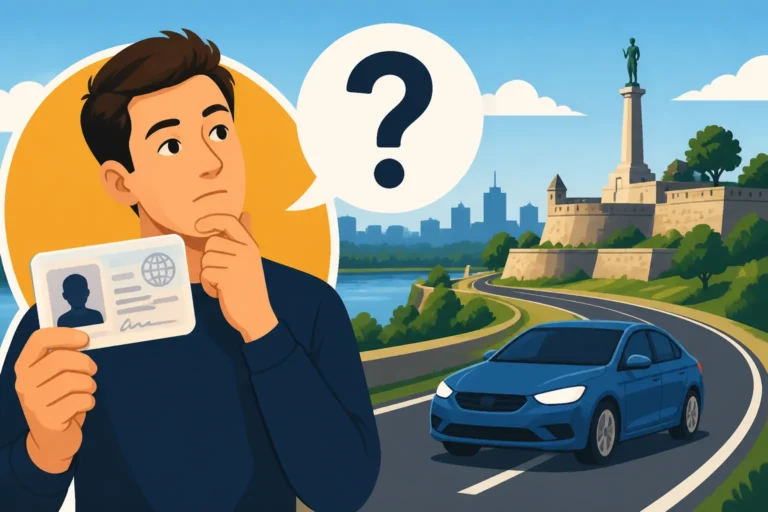
Navigating Serbian bureaucracy can feel like trying to solve a Rubik's cube blindfolded, and registering a new car is no exception. It's a process that combines excitement for your new wheels with the inevitable administrative hurdles that we expats know all too well. This comprehensive guide is here to demystify the steps, from understanding the initial paperwork to finally getting those coveted Serbian plates on your shiny new vehicle, helping you avoid common pitfalls and keep your sanity intact.
Getting Your Ducks in a Row: Pre-Registration Essentials
Before you even think about visiting a government office, there’s a whole dance of documentation and inspections that needs to happen. This is where many expats hit their first wall, especially if they’re used to more streamlined processes back home. Don’t worry, we’ll break it down.
Purchasing Your New Vehicle in Serbia
For most of us, "new car" means buying from an authorised dealership here in Serbia. This is often the smoothest path because the dealership typically assists with some of the initial paperwork, making life a little easier for you. They’re used to dealing with the system, and many will have staff who can guide you or even handle parts of the process.
When you purchase a new car from a dealership in Serbia, you’ll receive a sales contract or invoice. This document is your crucial proof of ownership and purchase. Make sure every detail is correct – your name (as it appears on your passport and residence permit), the car’s VIN (Vehicle Identification Number), engine number, and all technical specifications. Any discrepancy here can cause major headaches later. Some larger dealerships, especially in Belgrade, like Delta Auto (BMW, MINI) or AutoČačak (Škoda), are quite experienced with foreign buyers and can provide invaluable assistance. If you're comparing the experience of buying a car versus relying on public transport, you might find our guide on How to Buy a Car as a Foreigner in Serbia helpful, as it delves deeper into the purchase process itself.
The Initial Technical Inspection
Even a brand-new car needs to undergo a technical inspection in Serbia. Yes, you heard that right! While it might seem redundant for a vehicle fresh off the production line, this initial inspection confirms that the car meets Serbian road safety and environmental standards. It's a formality for new cars, primarily verifying the chassis number, engine number, and ensuring basic equipment like lights, brakes, and tires are in perfect working order.
You’ll need to take your new car, along with the purchase invoice/contract, to a certified technical inspection station (tehnički pregled). These stations are plentiful, especially in larger cities like Belgrade, Novi Sad, or Niš. Look for ones that are clearly marked and appear well-organised. The inspection itself is usually quick for a new vehicle, typically taking less than 30 minutes. You’ll receive a certificate confirming the car has passed, which is absolutely vital for registration. This is also where you might first encounter a bit of a language barrier, so bringing a Serbian-speaking friend or even having a translation app ready on your phone (having an eSIM from providers like Airalo can be super handy for this!) is always a good idea.
Gathering Your Essential Documents
This is arguably the most critical step. Missing even one piece of paper can send you back to square one, leading to multiple frustrating trips to different offices. Trust me, I’ve been there. The key is to be meticulously organised. Here’s what you’ll need:
- Proof of Purchase: The original sales contract or invoice from the dealership, confirming you are the owner of the vehicle.
- Technical Inspection Certificate: The document issued by the tehnički pregled station confirming your car passed its initial check.
- Your Personal Identification: Your passport is essential, along with a valid Serbian residence permit (boravišna dozvola). Your residence permit proves you are legally residing in Serbia and are eligible to register a vehicle here. For an in-depth look at getting your residence permit, check out our article on How to Get Temporary Residence (Boravak) in Serbia (2027).
- Proof of Address: Often this is linked to your residence permit, but sometimes an additional document like a utility bill in your name can be requested.
- Car Insurance Policy: Mandatory traffic insurance (obavezno osiguranje) is required by law. You'll purchase this from an insurance company before registering the car. More on this crucial step below!
- Customs Declaration (if applicable): If you imported a brand-new car yourself from outside Serbia, you'd need the customs declaration form (carinska deklaracija) proving all duties and taxes have been paid. For locally purchased new cars, this is typically handled by the dealer and included in the purchase price, so you wouldn't directly deal with it.
- Filled Registration Forms: These are usually available at the technical inspection station or the MUP office. They're often in Serbian, so be prepared to fill them out accurately, possibly with assistance.
Pro-Tip for Expats: Always carry multiple copies of everything, both physical and digital. It's better to have too many than to be caught short.
The Registration Process: From Paperwork to Plates
Once you have your car inspected and your documents in order, it's time for the official registration. This is where your patience will truly be tested, but with the right preparation, it can go smoothly.
Where to Register Your Car
In Serbia, vehicle registration is handled by the Ministry of Interior (MUP – Ministarstvo Unutrašnjih Poslova). However, for routine registrations like a new car, you don't necessarily need to go to a separate MUP office just for that. Many certified technical inspection stations (tehnički pregled) are authorised to complete the entire registration process on-site. This is usually the most convenient option, as it centralises the inspection and paperwork. They often have dedicated staff who can process everything, including issuing the registration plates and sticker.
Choosing a station that offers full registration services is highly recommended. You can often find lists of these authorised stations online, or by asking fellow expats or your car dealership for recommendations. Some larger stations even have a small MUP presence or liaison dedicated to vehicle registration, speeding up the process.
Step-by-Step Registration at the Technical Inspection Station
Let's assume you've chosen a tehnički pregled station that offers full registration services. Here’s a general walkthrough:
- Submit Documents: Present all the documents you meticulously gathered (proof of purchase, technical inspection certificate, ID, residence permit, insurance policy, etc.) to the authorised clerk at the station. They will review everything for completeness and accuracy. This is often where a quick chat in Serbian or the use of a translation app becomes indispensable.
- Fill Out Forms: If you haven't already, you'll need to fill out the official registration application form. The clerk will guide you on which sections apply to you.
- Payment of Fees: This is where things get a bit complex with multiple payment slips (uplatnice). There are several fees involved, including:
- Administrative Fee: For the registration process itself.
- Road Tax: Based on the car’s engine size and age (for new cars, just engine size).
- Public Roads Fee: Contribution to road maintenance.
- Fee for Registration Plates and Sticker: Yes, you pay for these too!
- Environmental Fee: Contributing to ecological funds.
Sometimes, the technical inspection station will provide pre-filled payment slips, or even have a payment terminal where you can pay all the fees at once. If not, you’ll need to take these slips to a post office (pošta) or a bank (banka) to make the payments and bring back the stamped proofs of payment. This can be a separate adventure entirely! Our guide on The Cost of Healthcare in Serbia: A Complete Breakdown for Foreigners (2026) offers some insight into other administrative costs you might encounter here.
- Verification and Processing: Once all documents are in order and fees are paid, the MUP official (or authorised personnel at the station) will process your application. They will enter your vehicle's details and your personal information into the national registry.
- Issuance of Registration Documents and Plates: If everything checks out, you will typically receive your vehicle registration certificate (saobraćajna dozvola), the official registration plates (registarske tablice), and the small registration sticker (registarska nalepnica) that goes on your windshield. The saobraćajna dozvola is a small, credit-card-sized document that you must always carry when driving.
The entire process, from submitting documents to receiving plates, can take anywhere from a few hours to a full day, depending on how busy the station is and how efficiently the MUP system is operating that day. Be prepared to wait, and definitely bring a good book or make sure your phone is charged (again, Airalo for staying connected while waiting!).
Car Insurance: Your Mandatory Shield
Before you can even register your car, you absolutely must have mandatory traffic insurance (obavezno osiguranje). This covers damages you might cause to third parties in an accident. You can obtain this from any reputable insurance company operating in Serbia. Some of the well-known ones include Generali Osiguranje, DDOR Novi Sad, Dunav Osiguranje, and Wiener Städtische.
The cost of this basic insurance varies depending on your car’s engine size and your personal driving history (if you can prove a no-claims bonus from your previous country, it might help, but this can be tricky to get recognised). While this mandatory insurance is non-negotiable, many expats also opt for additional comprehensive insurance (kasko osiguranje) to cover damages to their own vehicle, theft, or other incidents. This is highly recommended, especially for a new car. You can find more details in our article on How Much Is Car Insurance in Serbia?.
Post-Registration Life: Annual Renewals and Responsibilities
Congratulations! You’ve got your Serbian plates and sticker. But the journey doesn't end there. There are annual obligations you need to be aware of.
Annual Registration Renewal
Unlike in some countries where car registration is a one-time thing for the life of the vehicle, in Serbia, you must renew your registration annually. This involves:
- Annual Technical Inspection: Every year, your car must undergo a full technical inspection. This is more thorough than the initial one and ensures your vehicle remains roadworthy. Make sure your car passes this before your current registration expires.
- Payment of Annual Fees: You'll need to pay the road tax, public roads fee, and other administrative fees again. The amounts can change slightly from year to year.
- New Insurance Policy: Your mandatory traffic insurance needs to be renewed annually as well.
- New Registration Sticker: Upon successful renewal, you'll receive a new registration sticker to place on your windshield, indicating the new validity period. The saobraćajna dozvola (registration certificate) itself usually doesn’t change unless there are modifications to the vehicle or owner details.
It's crucial not to let your registration expire. Driving with an expired registration can lead to fines, impoundment of your vehicle, and other significant legal hassles. Mark your renewal date on your calendar!
Understanding the Registration Certificate (Saobraćajna Dozvola)
This is your car's identity card. It's a small, plastic card, similar to a driver's license, that contains all essential information about your vehicle and its owner. This includes:
- Your name and address
- Vehicle make, model, and year of manufacture
- Engine number and chassis (VIN) number
- Registration number (license plate)
- Date of first registration and expiry date
You are legally required to carry this document with you whenever you are driving the car. Keep it safe but accessible. Losing it means another trip to the MUP to get a replacement, which is another administrative headache you want to avoid!
When You Decide to Sell Your Car
Should your expat journey take a different turn and you decide to sell your registered car in Serbia, you’ll need to formally transfer ownership. This involves drawing up a sales contract, getting it certified by a public notary (javni beležnik), and then the new owner will go through a similar, albeit shorter, registration process to put the car in their name. There will also be a property transfer tax involved, which is typically paid by the seller. Understanding these nuances is part of Understanding Property Ownership and the Market in Serbia (2027), even if it's for a vehicle rather than real estate.
Common Pitfalls and Expat Advice
As a veteran expat, I can tell you that administrative processes in Serbia often come with a unique set of challenges. Registering a new car can be a learning experience, to say the least.
The Language Barrier
Unless you’re fluent in Serbian, the language barrier will be your biggest hurdle. While some MUP officials or technical inspection staff in larger cities might speak a little English, it’s far from guaranteed.
Expat Advice:
- Bring a Translator: Your best bet is to bring a Serbian-speaking friend, colleague, or even hire a professional translator to accompany you. This will save you immense frustration and potential errors.
- Use Translation Apps: While not perfect, apps like Google Translate can help with simple questions and understanding forms. Make sure you have a reliable internet connection; having an eSIM from a service like Airalo can really simplify staying connected without needing a local SIM immediately.
- Prepare Key Phrases: Write down key questions and statements in Serbian beforehand.
Patience is a Virtue (and a Necessity)
Things rarely move at lightning speed in Serbian administrative offices. You might encounter long queues, sudden breaks, or processes that seem illogical compared to what you’re used to.
Expat Advice:
- Allocate Ample Time: Don't plan anything else for the day you go for registration. Assume it will take hours, or even require multiple visits.
- Go Early: Arriving shortly after opening hours can sometimes help you beat the biggest crowds.
- Stay Calm: Frustration won't speed things up, and it won't earn you any favours. A friendly, patient approach is always more effective.
Keeping Track of Documents
Serbian bureaucracy loves paper. Make sure you have all your original documents, plus several photocopies. They often ask for originals to inspect and copies to keep.
Expat Advice:
- Create a "Car Folder": Keep all car-related documents (purchase agreement, insurance, registration certificate, technical inspection reports, payment proofs) in a dedicated physical folder.
- Digital Backups: Scan and save digital copies of everything on your phone or cloud storage. This can be a lifesaver if a physical document is misplaced. If you're managing various aspects of your move, including car details, companies like Sirelo provide services that can help keep track of logistical details, though perhaps not your personal documents.
Your Residence Permit and Registration Validity
Your car registration will be valid for a maximum of one year, or until your residence permit expires, whichever comes first. If your residence permit is valid for less than a year, your car registration will also be limited to that shorter period.
Expat Advice:
- Synchronise Where Possible: Try to renew your residence permit well in advance of its expiry, and ideally, before your car registration needs renewal. This avoids having to do partial registrations. For more on managing your residence, consider reading Understanding the Cost and Timeline of the Serbia Residence Process.
- Understand the Overlap: If your residence permit is renewed mid-year, you might have to re-register your car to align the expiry dates if you want a full year of car registration.
Registering a new car in Serbia, like many administrative tasks here, requires diligence, patience, and a good sense of humour. But once it's done, you'll have the freedom of the open road, ready to explore this beautiful country on your own terms. Just remember to always carry your documents, drive safely, and embrace the adventure!
Disclaimer
The information provided in this guide is intended for general informational purposes only and does not constitute legal, financial, or professional advice. While we strive to keep the information up-to-date and accurate, laws and procedures in Serbia can change frequently. It is always recommended to consult with relevant Serbian authorities, legal professionals, or experts for specific advice regarding your individual situation before making any decisions. We are not liable for any actions taken or not taken based on the information presented herein.