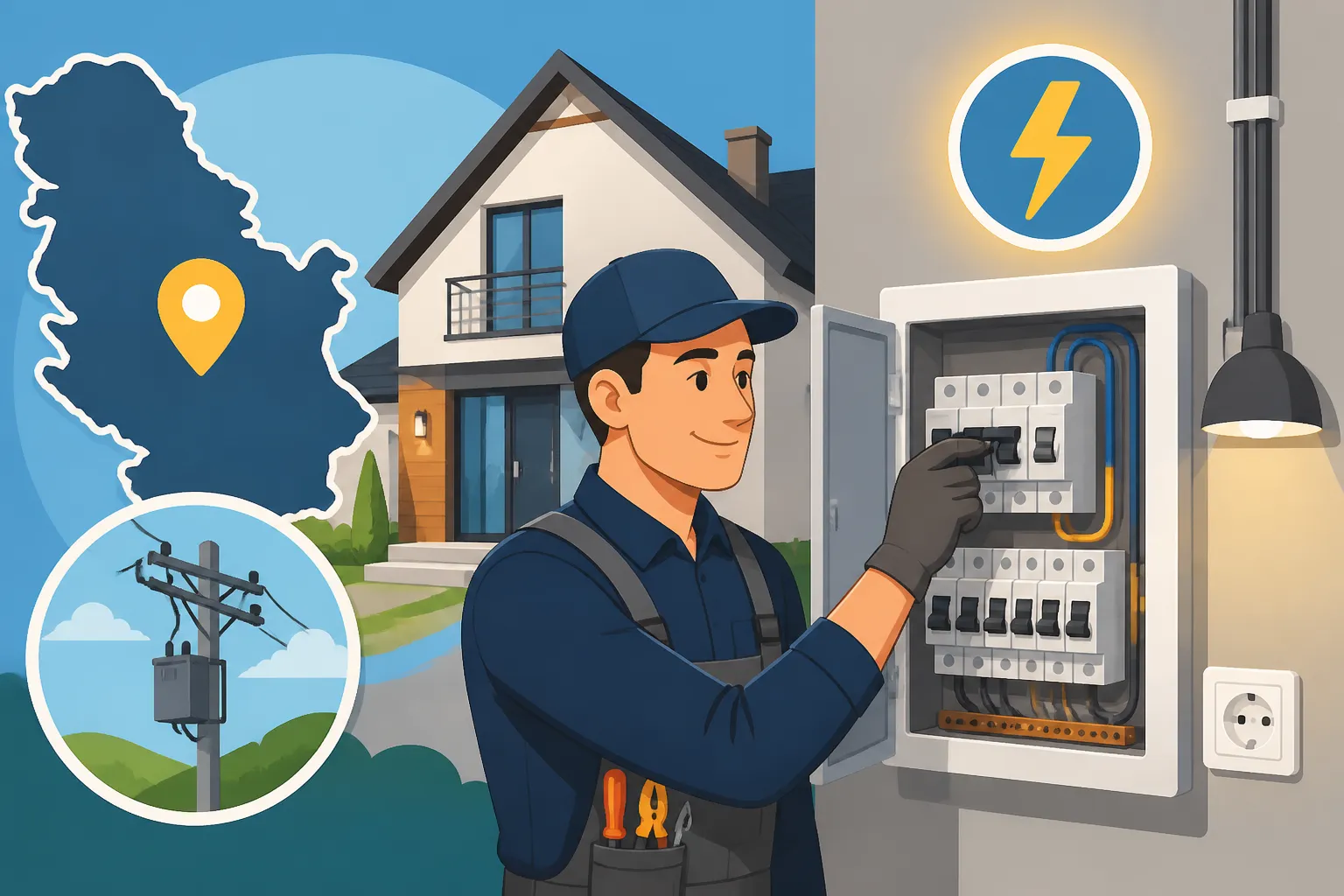
How to Set Up Electricity (EPS) in Your Serbia Home
Ah, the joys of setting up utilities in a new country! I know that feeling all too well – arriving in Serbia, finding your perfect apartment, and then realizing the next hurdle is deciphering the local bureaucratic maze to get your lights on. It can feel like an endless loop of paperwork and unfamiliar terms, especially when trying to set up essential services like electricity with Elektroprivreda Srbije (EPS). This comprehensive guide is here to walk you through every step, from understanding the system to paying your first bill, ensuring you can settle into your new Serbian home with power and peace of mind.
Understanding EPS and the Serbian Electricity System
One of the first major steps you’ll take when settling into your new Serbian abode is figuring out the electricity. In Serbia, this almost exclusively means dealing with Elektroprivreda Srbije, or EPS. Forget about a handful of competing providers; EPS is the national, state-owned electric utility company that handles pretty much everything related to power in the country, from generation to distribution and billing. This can be a double-edged sword: on one hand, there's only one entity to deal with, but on the other, it means navigating a sometimes-dense bureaucratic system.
Who is EPS? The National Provider
Elektroprivreda Srbije is essentially the backbone of Serbia's energy infrastructure. It’s a massive public enterprise responsible for ensuring that homes, businesses, and industries across the nation have access to electricity. For you as an expat, this means EPS is your go-to for initiating a new electricity connection, transferring an existing one, reporting outages, and paying your monthly bills. Their offices are where you’ll present your documents, sign contracts, and handle any queries or issues that arise. Understanding their omnipresent role is crucial, as there’s no alternative provider to switch to if you find their processes frustrating. They are the gatekeepers of your home's power supply.
The Serbian Electricity Network Explained
The electricity network in Serbia, managed by EPS, operates on standard European voltage (230V) and frequency (50Hz). This is good news if you’re coming from most of Europe, as your appliances will likely be compatible. The network is fairly robust, though occasional outages can occur, especially during severe weather or due to maintenance. What’s particularly important for expats to grasp early on are the different tariff zones. Serbia utilizes a system of "peak" (viša tarifa, VT) and "off-peak" (niža tarifa, NT) electricity rates, which vary depending on the time of day. This means that using electricity during certain hours is significantly cheaper than others, a detail that can make a noticeable difference to your monthly budget if you adjust your habits accordingly. The grid, like any other, requires a certain level of maintenance, which is why you'll occasionally see notices about planned power cuts for various neighborhoods.
Common Challenges Expats Face with Electricity
Let's be real: setting up utilities in a foreign country is rarely a walk in the park, and Serbia is no exception. Expats often grapple with a few key challenges when dealing with EPS. First and foremost, the language barrier can be significant. While more and more staff in larger cities like Belgrade and Novi Sad might speak some English, it's certainly not a given, especially in smaller offices. Having a Serbian-speaking friend, colleague, or a professional translator with you can turn a potentially hours-long, frustrating ordeal into a much smoother process. You might find a service through platforms like Sirelo, which often provide resources or connect you with local assistance for such tasks. Secondly, the paperwork can be overwhelming. Serbian bureaucracy loves its stamps and original documents, and it's not uncommon to be asked for a document you weren't initially told you needed. This often means multiple trips to different offices. Finally, managing expectations about processing times is key. Things rarely happen at lightning speed, so patience is a virtue.
Essential Documents for Electricity Connection
Getting your electricity connected in Serbia largely hinges on having the right set of documents, presented correctly. This is where meticulous preparation really pays off, saving you those frustrating repeat visits. Whether you're renting or buying, the core idea is to prove your legal right to occupy the property and your identity.
Proof of Property Ownership or Rental Agreement
This is arguably the most critical document. If you've bought a property, you'll need the original (or a certified copy) of your title deed (list nepokretnosti or kupoprodajni ugovor). This proves you are the rightful owner. For renters, things are slightly different but equally important. You'll need your rental agreement (ugovor o zakupu). Crucially, this agreement should ideally be notarized (overen kod notara) to hold proper legal weight and be more readily accepted by utility companies. A simple handshake deal won't cut it. The rental agreement needs to clearly state the property address, your name as the tenant, and the landlord's details, along with the duration of the lease. Without this, EPS won't even begin to process your application, as they need to establish your legal relationship with the property. This ensures that you are indeed entitled to receive services at that specific address. It's a foundational step that many expats find surprisingly strict.
Personal Identification and Residence Permit
Next up are your personal identification documents. You will absolutely need your passport as proof of identity. Additionally, your temporary residence permit (privremeni boravak) or permanent residence permit (stalni boravak) card is indispensable. This document not only proves your legal status in Serbia but also typically contains your unique Serbian identification number (JMBG), which is vital for any administrative process in the country. If you've just arrived and are in the process of getting your boravak, you might need to wait until it's issued before you can apply for utilities in your own name. Along with these, some offices might ask for your prijava boravka, which is your registered address with the police. This is usually a small white slip of paper or a printout confirming your residential address. Always bring the originals and a few photocopies of everything, just in case. It's better to over-prepare than to be sent away for a missing copy. You can find more details on how your residence status affects RFZO enrolment in Serbia, which touches upon similar documentation requirements.
Previous Owner's Information If Applicable
If you're moving into a property that already had an electricity connection (which is almost always the case), having the previous owner’s or tenant's information can significantly streamline the process. What EPS really wants here is the previous meter number (broj brojila) for that specific address. Knowing the last recorded meter reading is also incredibly helpful, as this is the point from which your billing will commence. If you have the previous owner’s name and contact details, even better, as EPS might need to verify that the old account is closed or being transferred properly. Your landlord should ideally provide you with these details. Without this information, EPS will have to go through a more complex process of establishing a new connection entirely, which can take longer and involve more steps, even if the physical infrastructure is already there. Always ask your landlord or seller to provide you with a copy of a recent electricity bill, as this will have the meter number and often the previous customer's details.
The Step-by-Step Process to Connect Electricity
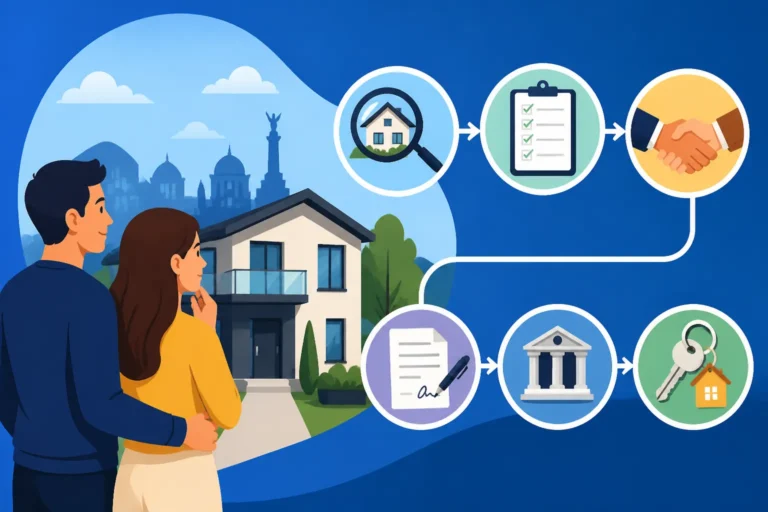
Once you've got all your documents in order, it's time to actually initiate the connection. This process can involve a bit of footwork and patience, but knowing what to expect can ease the burden considerably.
Initiating the Connection: Visiting the EPS Office
Your journey begins with a visit to a local EPS customer service office (korisnički servis EPS-a). In larger cities like Belgrade, there are several, so you might want to choose one that's convenient for you. Be prepared for potentially long queues, especially if you go during peak hours. My advice? Go early in the morning, right when they open. When you arrive, you'll usually need to take a number for the relevant service – often labeled "Priključenje" (Connection) or "Promena korisnika" (Change of User). This is where having a Serbian speaker with you is invaluable. They can help you explain your needs to the staff and navigate any initial questions. This first interaction is crucial for understanding any specific requirements unique to your property or situation, as sometimes there are nuances depending on the building or if it's a completely new build versus an existing apartment.
The Application and Documentation Submission
Once your number is called, you'll present your carefully assembled stack of documents to the EPS representative. This will include your notarized rental agreement (or property deed), passport, residence permit, and ideally, a previous EPS bill for the address. The representative will provide you with an application form (zahtev za priključenje or ugovor o snabdevanju električnom energijom), which you'll need to fill out. Again, this form will be in Serbian, so a translator is essential. You'll enter your personal details, the property address, and the meter number. The EPS staff will review your documents, make copies, and if everything is in order, they'll process your application. Make sure to get a receipt or a copy of your signed application. This acts as proof that you’ve initiated the process and can be invaluable if there are any delays or issues down the line. Sometimes, you might even be able to set up services and get connected directly with your landlord's assistance, which is often a smoother way to set up utilities (electricity, water, heating) in your Serbia home.
Meter Reading and Account Activation
After your application is approved and processed, EPS will need to take an official meter reading to establish the starting point for your billing. In most cases, if the electricity is already active in the property, this is merely an administrative step where they record the current reading and transfer the account into your name. If it's a new connection (which is rare for existing apartments), an EPS technician might need to visit the property to activate the meter. You usually don't need to be present for this, as long as the meter is accessible. Once this is done, your account is considered active, and you'll start receiving bills in your name. The first bill might take a month or two to arrive, so don't fret if it doesn't show up immediately. It will usually cover the period from your activation date. Just remember, electricity is being consumed from the moment your account is active, so budgeting for it is key, even if the first bill hasn't landed in your mailbox yet.
Understanding Your Electricity Bills and Payments
Receiving your first electricity bill in Serbia can be a bit like deciphering an ancient scroll, especially if you're not familiar with the language or the billing structure. However, once you understand the key components, it becomes much more manageable.
Deciphering Your EPS Bill
Serbian electricity bills, often referred to as račun za struju, are typically quite detailed. You'll usually see several sections. The most prominent will be your consumption (potrošnja), broken down into kilowatt-hours (kWh) used during peak and off-peak times. This is where those viša tarifa (VT) and niža tarifa (NT) readings come into play. There will be a fixed monthly charge (fiksna naknada) that everyone pays, regardless of consumption, covering meter maintenance and other administrative costs. You'll also see charges for active energy (aktivna energija) and reactive energy (reaktivna energija – though this is more relevant for businesses than residential customers), network usage fees, and various taxes and levies, including VAT (PDV). Some bills also include a fee for Renewable Energy Sources. Look out for your customer number (broj kupca) and the specific address details. Any outstanding balance from previous months will also be clearly indicated. It’s a good idea to keep your bills organized, perhaps even digitizing them as you go.
Payment Methods and Options
Paying your electricity bill in Serbia is relatively straightforward once you know the ropes. The most common methods include:
- Post Office (Pošta Srbije): This is a very popular option. Simply take your bill to any post office, pay in cash or by card, and they'll stamp your bill as paid. There's usually a small transaction fee.
- Banks: Most Serbian banks, such as Banca Intesa or Raiffeisen Bank, will allow you to pay your utility bills at their counters or through their online banking platforms. If you've opened a bank account at a Serbian bank as a foreigner, this becomes a very convenient option, often with lower or no transaction fees for online payments.
- Menjačnice (Exchange Offices): Many exchange offices, especially those that also offer money transfer services, will accept utility bill payments. Look for signs that say "Plaćanje računa." The fees here can sometimes be slightly higher than at the post office.
- Online Banking / Mobile Apps: This is by far the most convenient method for many expats. Most major Serbian banks offer robust online banking platforms and mobile apps where you can easily scan a QR code from your bill or manually enter the payment details. It’s quick, efficient, and usually incurs minimal to no fees. This is also where having a reliable mobile data plan, perhaps from Airalo during your initial settling in, really helps to manage things on the go.
Dealing with Billing Issues and Discrepancies
It happens – sometimes a bill just looks wrong. Maybe the consumption seems unusually high, or there's a charge you don't recognize. If you suspect a billing error, the first step is to carefully review your bill against your previous usage history (if you have it). Then, gather all relevant documents: the disputed bill, any previous bills, and your identification. Your next port of call is the EPS customer service office. Be prepared to explain the issue clearly, and again, a Serbian speaker will be incredibly helpful. You might need to fill out a complaint form (reklamacija) or request a detailed breakdown of your charges. Keep copies of everything you submit and note down the names of the people you speak with. Persistent issues might require a formal written complaint. While rare, understanding out-of-pocket healthcare costs and co-payments in Serbia has a similar theme of needing to understand your bill, even if the context is different. Don't be afraid to assert your right to clear and correct billing.
Managing Electricity Usage and Energy Efficiency
Living in Serbia means becoming conscious of your electricity usage, particularly with the peak and off-peak tariff system. Smart management can lead to noticeable savings on your monthly bill, freeing up funds for exploring the beautiful country or indulging in local delicacies.
Peak and Off-Peak Tariffs
This is perhaps the biggest money-saving tip for electricity in Serbia. EPS operates a two-tier tariff system:
- Peak (Viša Tarifa – VT): These are the more expensive hours, typically from 7:00 AM to 10:00 PM.
- Off-Peak (Niža Tarifa – NT): These are the cheaper hours, usually from 10:00 PM to 7:00 AM.
The exact timings can vary slightly by region, so it’s always wise to confirm with your local EPS office or check a recent bill. The difference in price between VT and NT can be substantial, sometimes as much as 4x or 5x more expensive during peak hours. This means that if you can shift your high-consumption activities – like running your washing machine, dishwasher, or water heater – to the off-peak hours, you can significantly reduce your bill. It requires a bit of planning and a change in habits, but the savings are well worth it, especially if you have an electric water heater (bojler), which is common in many Serbian homes.
Energy-Saving Tips for Your Serbian Home
Beyond leveraging off-peak hours, there are several other practical steps you can take to make your Serbian home more energy-efficient:
- Insulation: Many older buildings might not have the best insulation. If you're renting, you might not be able to upgrade, but keeping windows and doors well-sealed, especially during winter, can prevent heat loss.
- LED Lighting: Swap out old incandescent or fluorescent bulbs for energy-efficient LED ones. They consume far less electricity and last much longer.
- Unplug Electronics: Even when turned off, many electronics (like phone chargers, TVs, and computers) draw "phantom" power. Unplugging them when not in use can add up to small but consistent savings.
- Efficient Appliances: If you're buying new appliances, look for energy-efficient models. While the initial investment might be higher, they'll save you money in the long run.
- Heating and Cooling Management: Serbia experiences hot summers and cold winters. Use air conditioning sparingly and set it to a reasonable temperature (e.g., 25°C in summer, 20°C in winter). For heating, if you don't have central heating, rely on electric heaters during off-peak hours or consider more efficient alternatives like wood-burning stoves if applicable. Understanding how to prepare your home for winter in Serbia will provide more detailed insights into overall home efficiency.
Smart Metering and Future Developments
While not yet universally rolled out across Serbia, there's a gradual move towards smart metering technology. These digital meters automatically send consumption data to EPS, eliminating the need for manual readings and offering more precise billing. For expats, this can mean more transparency and potentially access to online portals for tracking your real-time consumption, which is a huge advantage for managing your usage effectively. Keep an eye out for news on this, as it could simplify life for residents significantly. As Serbia continues its journey towards EU integration, there's also a push for greater energy efficiency and sustainability initiatives, which might eventually lead to more renewable energy options and further updates to the electricity network.
Troubleshooting and Emergency Contacts
Even with the best preparation, issues can arise. Knowing who to call and what to do when your lights suddenly go out can save you a lot of stress.
Power Outages and Reporting Issues
Sudden power cuts can happen, whether due to a local fault, severe weather, or grid overload. If your power goes out, first check if your neighbours are also affected. This will help you determine if it's a localised issue or just your apartment. If it's a widespread outage, EPS is likely already aware and working on it. You can report outages by calling the EPS customer service number. This number is usually printed on your bill or readily available on the EPS website. Be prepared to provide your address and, if possible, your customer number. Keep your phone charged and have a backup power bank or a good old-fashioned flashlight handy for such eventualities. Knowing the general Emergency Medical Care in Serbia: What Every Expat Needs to Know can also prepare you for wider emergency situations, beyond just electricity.
Emergency Numbers and Safety
While EPS handles electricity-specific issues, it's crucial to know the general emergency numbers in Serbia. For any immediate danger or safety concerns related to electricity (e.g., downed power lines, electrical fires), you should call:
- 192 for Police
- 193 for Fire Department
- 194 for Ambulance (though this is for medical emergencies, general emergency situations might be better handled by 192/193 if electricity related).
It’s good practice to have these numbers saved in your phone. Always prioritise safety: do not approach downed power lines, and if you suspect an electrical fault inside your apartment, turn off the main breaker if it's safe to do so.
Understanding EPS Planned Works
EPS regularly carries out planned maintenance work on the network, which sometimes requires temporary power interruptions. These are usually announced in advance. You can often check for planned outages in your area on the EPS website, which usually has a section for "Planirana isključenja" (Planned Disconnections). These notices will specify the date, time, and duration of the planned work, as well as the affected streets or neighbourhoods. It’s always a good idea to check this periodically, especially if you work from home or rely heavily on electricity for daily tasks. This way, you can prepare by charging your devices, finishing important work, or simply planning to be out of the house during the interruption. Having reliable mobile data, perhaps via a digital eSIM from Airalo, can be a lifesaver during such times to stay connected and check for updates.
Table of Typical Monthly Utility Costs in Serbia (Estimated)
To give you a clearer picture, here’s an estimated breakdown of typical monthly utility costs you might encounter in Serbia. Keep in mind these are averages for a single person or couple in a medium-sized apartment (e.g., 50-70 sqm) and can vary greatly depending on usage, season, and location.
| Utility Service | Estimated Monthly Cost (RSD) | Estimated Monthly Cost (EUR) | Notes |
|---|---|---|---|
| Electricity (EPS) | 3,000 – 8,000 | 25 – 70 | Highly dependent on consumption, especially heating/cooling. |
| Central Heating | 5,000 – 15,000 | 40 – 130 | Varies by apartment size, insulation, and winter severity. Often fixed monthly. |
| Water | 800 – 2,000 | 7 – 17 | Varies by usage and building, often metered. |
| Building Maint. Fee | 1,000 – 3,000 | 8 – 25 | Infostan (Belgrade) or similar, covers shared building costs. |
| Internet & Mobile | 2,500 – 5,000 | 20 – 45 | Package deals common, varies by speed and data. |
Note: Exchange rate used for estimation is approximate (1 EUR = ~117 RSD).
This table gives you a rough idea of the costs involved, putting your electricity bill into context alongside other essential household expenses. For a comprehensive overview, you can also refer to The Complete Guide to Cost of Living in Serbia for Expats (2026).
Moving to Serbia and setting up your life here is an adventure, often filled with bureaucratic quirks and unexpected challenges. But armed with the right information, navigating the EPS system to get your electricity connected and managed doesn't have to be one of your biggest headaches. From understanding the national provider and gathering your documents to deciphering your bills and knowing who to call in an emergency, you're now better prepared to power up your new home in Serbia. Just breathe, be patient, and remember that countless expats have successfully done this before you – and you will too!
Disclaimer
The information provided in this guide is intended for general informational purposes only and does not constitute legal, financial, or professional advice. While we strive to keep the content accurate and up-to-date, regulations and procedures in Serbia can change frequently. It is always recommended to consult with official sources, relevant authorities, or professional advisors for the most current and specific information pertaining to your individual circumstances. We cannot be held responsible for any inaccuracies or for actions taken based on the information provided herein.