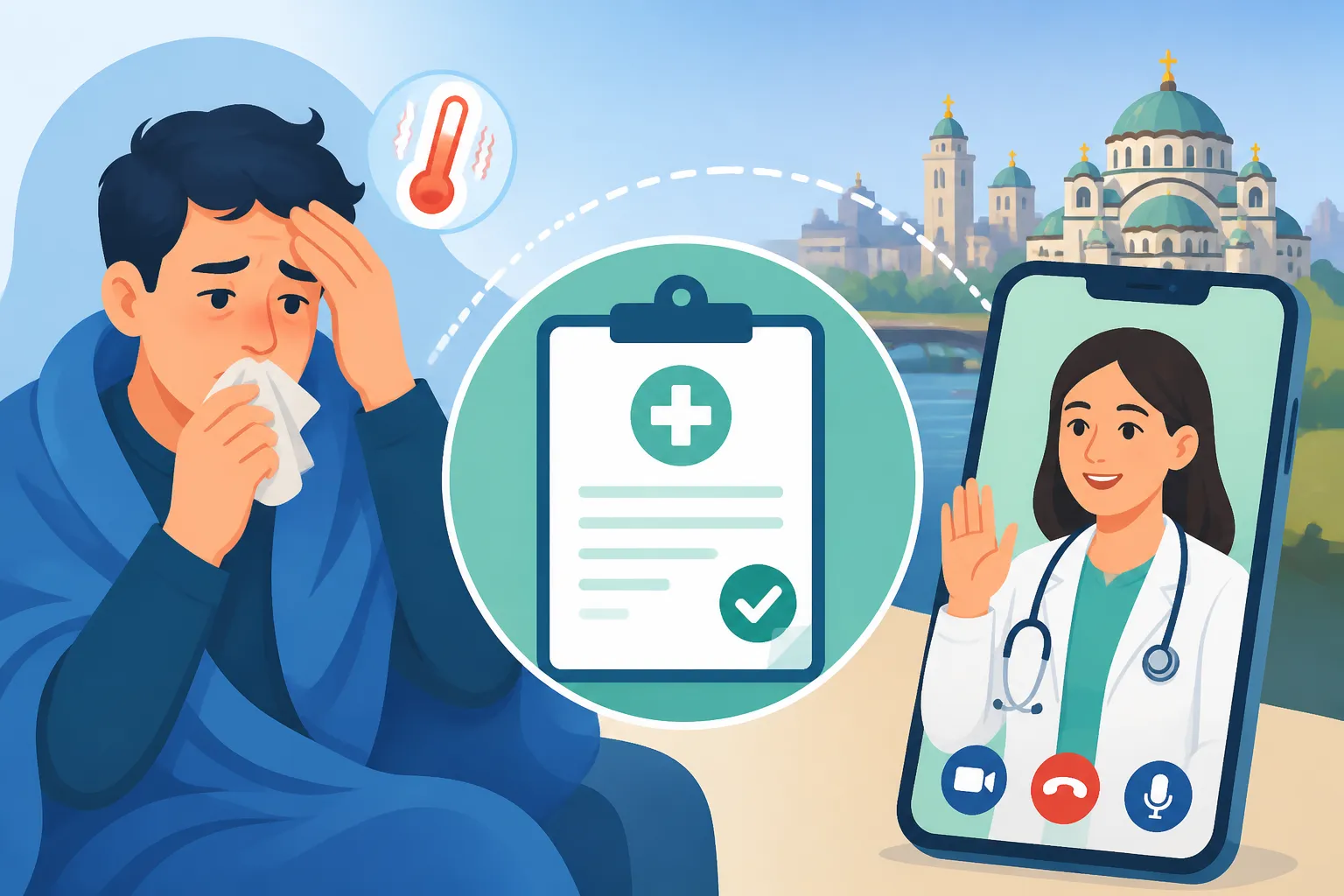
How Do I Get a Same-Day Sick Note in Serbia?
Oh, the joy of waking up feeling absolutely rotten in a foreign country, knowing full well you need to inform your employer and, lo and behold, you need an official piece of paper to prove it. It's a rite of passage for many expats, isn't it? That sudden scramble to figure out how to navigate an unfamiliar healthcare system, all while feeling like a deflated balloon. Trust me, I’ve been there – battling a stubborn cold and trying to explain "I need a sick note for work, today!" in broken Serbian to a very patient receptionist. This guide is here to untangle that particular bureaucratic knot for you, walking you through exactly how to get a same-day sick note in Serbia, whether you're tapping into the public system or opting for a private clinic.
The Basics of Sick Notes in Serbia: What You Need to Know
Let's clear the air on what a "sick note" actually means here in Serbia. It’s not just a casual note from your doctor; it’s a formal document that is crucial for maintaining your employment status and ensuring you receive any applicable sick leave benefits. Understanding the nuances of this document is your first step to navigating the system effectively.
Why You Need a Sick Note (Dojaka) and When It Applies
In Serbia, if you're employed, a sick note is generally a legal requirement when you're absent from work due to illness or injury. Your employer needs this document, formally known as a doznaka or potvrda o privremenoj sprečenosti za rad (certificate of temporary incapacity for work), to justify your absence and to process your sick leave pay correctly. Without it, your absence could be considered unauthorised, which can lead to serious issues with your employer, including potential disciplinary action or even loss of pay.
For short-term illnesses, usually up to 30 days, your employer is responsible for paying your sick leave. Beyond that, the Republic Health Insurance Fund (RFZO) takes over, but this also requires a more extensive medical report and often, a commission review. So, for that immediate, same-day need, we're focusing on getting that initial doznaka for a short absence. It’s not just a formality; it’s a vital piece of the puzzle that protects both you and your employer.
Who Can Issue a Sick Note in Serbia?
This is where it gets a little specific. Primarily, your izabrani lekar (chosen doctor or GP) at your local Dom Zdravlja (health centre) is the person authorised to issue your sick note. This is the cornerstone of the Serbian public healthcare system, and your GP acts as your gatekeeper to specialist care and, yes, sick notes. If you're officially registered with the RFZO and have an assigned GP, this is almost always your first port of call. You can learn more about this crucial first step in your expat healthcare journey by reading our guide on How to Register with the Republic Health Insurance Fund (RFZO) in Serbia.
In certain circumstances, a specialist doctor might issue a sick note if your illness directly relates to their specialty and has been diagnosed or treated by them. However, even then, it often goes through your GP for final approval or recording in your medical file.
What about private doctors? This is a common question, especially for expats who often lean towards private clinics for their convenience and English-speaking staff. Generally, private doctors can issue sick notes. However, for it to be fully valid and recognised by the RFZO for longer periods of sick leave (i.e., beyond 30 days when the RFZO takes over payment), it might need to be verified or even re-issued by a public health doctor. For short, same-day absences, most employers will accept a private doctor's note, but it’s always best to check with your HR department or manager upfront to avoid any complications.
Step-by-Step: Getting a Same-Day Sick Note Through Public Healthcare
Navigating the public healthcare system when you're feeling unwell can feel like an Olympic sport, especially on short notice. But once you understand the rhythm, it becomes much more manageable. The key here is your Dom Zdravlja and, more specifically, your izabrani lekar.
Your First Stop: The Dom Zdravlja and Your Izabrani Lekar
If you've already taken the plunge and registered with the RFZO, congratulations! You've jumped over the biggest hurdle. Your izabrani lekar at your designated Dom Zdravlja is your primary point of contact for pretty much all your medical needs, including that urgent sick note. If you're still a bit fuzzy on this, our post on How to Choose a GP (Izabrani Lekar) at a Dom Zdravlja in Serbia will walk you through it.
When you wake up feeling unwell and need a sick note for the very same day, here’s the typical drill:
- Call Your Dom Zdravlja: As soon as the health centre opens, call them. Explain, in Serbian if you can (or have a Serbian-speaking friend call for you), that you are unwell and need an appointment with your izabrani lekar for a doznaka (sick note). Be clear that you need it for the same day. Many Domovi Zdravlja have specific hours for "acute" cases, meaning sudden illnesses that need immediate attention, often on a walk-in basis.
- Walk-In Option: If you can’t get through by phone or if your condition is acutely urgent, you can always go directly to your Dom Zdravlja. Head to the reception desk for your doctor's department. You'll need to explain your symptoms and your need for a sick note. Be prepared for potential waiting times, especially in the morning when health centres are busiest. It’s the public system, after all, and queues are part of the landscape.
- Documents Needed: Don't forget your essentials. You'll absolutely need your personal ID (passport or Serbian ID card) and your health insurance card, often called a zdravstvena knjižica. These documents are crucial for the administrative staff to locate your file and for your doctor to issue the sick note correctly. If you're wondering about all the documents needed for medical visits, we have a helpful guide on What Documents Do I Need to See a Doctor in Serbia?.
If you're not yet registered with the RFZO or don't have an izabrani lekar, getting a same-day sick note through the public system becomes significantly trickier. In such cases, if it's an emergency, you should go to the emergency room, where they can assess your condition and potentially provide a certificate. For non-emergencies, you'd likely need to consider the private route, which we’ll discuss next, or first complete your RFZO registration.
The Consultation and Receiving Your Sick Note
Once you've made it to see your doctor, the process is quite straightforward.
During the consultation, explain your symptoms clearly. If there's a language barrier, don't be shy about using a translation app or bringing a Serbian-speaking friend along. Your doctor will assess your condition, ask questions, and might perform a quick examination.
If they determine you are indeed unable to work, they will issue the doznaka. This isn't just a scribble on a notepad; it's a formal, printed document. It will include:
- Your personal details.
- The doctor's details and stamp.
- The diagnosis (often a general one like "acute respiratory infection").
- The start date of your sick leave.
- The expected end date or the date of your next check-up, if required.
Typically, for minor illnesses, they might issue a sick note for 1 to 3 days initially. If you're still unwell after this period, you’ll need to return for a follow-up appointment to extend the sick leave. Make sure you understand the instructions for follow-up care and any prescribed medications. It’s always a good idea to double-check the dates on the sick note before you leave the Dom Zdravlja to ensure it covers your intended absence.
Navigating Private Healthcare for a Quick Sick Note
For many expats, especially those new to Serbia or those who value speed and English-speaking services, private healthcare can be a godsend. It often means less waiting and a more streamlined experience, which is exactly what you need when you're feeling under the weather and need that sick note now.
When to Consider a Private Clinic
There are several compelling reasons why you might choose a private clinic over the public Dom Zdravlja for a same-day sick note:
- No RFZO Registration (Yet): If you've just arrived in Serbia and haven't completed your RFZO registration, or if you're a digital nomad not officially employed in Serbia, private clinics are often your only immediate option for a formal sick note.
- Speed and Convenience: Private clinics typically offer much shorter waiting times for appointments, sometimes even walk-ins, and the process tends to be more efficient. When you’re feeling ill, the last thing you want is a long wait.
- English-Speaking Staff: Many private clinics, especially in Belgrade and Novi Sad, have English-speaking doctors and administrative staff. This significantly reduces the stress of explaining your symptoms and understanding instructions, which can be a huge relief.
- Employer Preference: While less common, some international employers might have agreements or preferences for their employees to use private healthcare providers.
Major private healthcare chains in Serbia include MediGroup, Euromedik, and Acibadem Bel Medic, among others. These are good places to start your search, as they are well-established and generally cater to an international clientele. If you’re weighing the options, our comprehensive guide on Is Public or Private Healthcare Better for Expats in Serbia? provides a detailed comparison to help you decide.
The Process at a Private Clinic and Cost Implications
Getting a sick note from a private clinic is usually a more direct experience:
- Booking an Appointment: You can typically book an appointment over the phone, through their website, or sometimes even walk in, though booking ahead is always recommended to ensure you get seen promptly. Clearly state that you need a consultation to get a sick note (doznaka).
- Consultation and Assessment: The doctor will take your medical history, listen to your symptoms, and perform an examination. The consultation will likely be in English if you choose a clinic known for catering to expats.
- Receiving the Sick Note: If the doctor deems it necessary, they will issue a sick note. As mentioned, for shorter absences, this note is generally accepted by employers. It will contain similar information to a public sick note, but it’s still wise to confirm with your employer if they have any specific requirements for private clinic notes.
Cost Implications: This is the main difference. Unlike the RFZO-covered public system, you will have to pay for your consultation at a private clinic. A general practitioner consultation can range anywhere from 3,000 to 6,000 RSD (around €25-€50), sometimes more, depending on the clinic and the doctor's specialty. This cost does not typically include any prescribed medications or further tests, which would be additional expenses. For a detailed breakdown of costs, check out How Much Does a Doctor Visit Cost in Serbia?.
This is where having good private health insurance comes into play. If you have an expat health insurance plan, such as those offered by SafetyWing, you might be able to claim reimbursement for your private clinic visit. It’s absolutely essential to check your policy details beforehand to understand what's covered for consultations and sick notes. Some policies cover direct medical expenses, while others might require you to pay upfront and then submit a claim. Understanding your private insurance plan, as detailed in Understanding Private Health Insurance Plans in Serbia, is key to managing these costs.
Crucial Considerations for Expats and Digital Nomads
Being an expat often means navigating systems that weren't designed with your unique situation in mind. Getting a sick note is no different, and there are a few extra layers you should be aware of.
Health Insurance and Employer Requirements
Your health insurance status is inextricably linked to how you access sick notes and indeed, all healthcare in Serbia.
- RFZO Coverage: If you are formally employed in Serbia and registered with the RFZO, your mandatory health insurance contributions mean that visits to your Dom Zdravlja and izabrani lekar for sick notes are covered. This is the most straightforward path financially for most employed expats. A deeper dive into these contributions can be found in Understanding Mandatory Health Insurance Contributions in Serbia.
- Private Insurance: For those not covered by RFZO, or those who prefer the private system, private health insurance is your safety net. Policies vary wildly, so before you even get sick, read your policy. Does it cover outpatient consultations? Does it cover the cost of getting a sick note? Will they accept the sick note from a private doctor? Providers like SafetyWing offer plans that are popular with digital nomads and expats, often covering acute illnesses and emergency care, which would include the initial doctor's visit to obtain a sick note. Knowing this in advance can save you a lot of stress and unexpected expenses. Our comprehensive guide, Health Insurance in Serbia: RFZO, Private and International Options Explained, covers all your options.
- Employer Specifics: Always, always, always check with your employer or HR department about their specific requirements for sick notes. Some might be perfectly fine with a private doctor's note for a short absence, while others might insist on a public one, especially if your absence extends beyond a few days. It's better to know their protocol upfront than to face questions later.
For self-employed expats or digital nomads, the need for a formal sick note for an employer might not exist. However, having a doctor's note for your own records, or to communicate transparently with clients, is still a good professional practice. Even for these individuals, having travel insurance or expat health insurance from providers like SafetyWing is prudent for covering unexpected medical costs.
Language Barriers and Emergency Situations
The reality of living in Serbia is that while English is widely spoken in major cities and among younger generations, it's not universal, especially in public institutions or smaller towns.
- Language in Public Health: Be prepared for potential language barriers at your Dom Zdravlja. While some doctors and nurses may speak English, it's not guaranteed.
- Tips for Communication:
- Google Translate: Have it ready on your phone with the Serbian language pack downloaded for offline use.
- Serbian Friend/Colleague: If possible, ask a Serbian-speaking friend or colleague to accompany you or to make the initial phone call. This can significantly smooth the process.
- Prepared Notes: Write down your symptoms and your request ("Potrebna mi je doznaka za posao – bolovanje" – I need a sick note for work – sick leave) in Serbian before you go.
- If you're looking for English-speaking medical professionals, check out our guide on How to Find an English-Speaking Doctor in Serbia.
- Tips for Communication:
- Emergency Situations: What if you get severely ill and need immediate attention, and you haven't sorted out a sick note? For genuine medical emergencies, you should head straight to the nearest emergency room (Urgentni Centar) or call the emergency number (194 for ambulance, or 112 for general emergencies). In an emergency, getting a sick note isn't your primary concern, but after treatment, the doctors can often issue a retrospective sick note or a certificate for your absence. Providers like SafetyWing are particularly valuable in these scenarios, offering robust coverage for emergency medical treatment. Our guide to Emergency Medical Care in Serbia: What Every Expat Needs to Know provides vital information on what to do in these critical moments.
Here's a quick comparison to help you weigh your options when you need a same-day sick note:
| Feature | Public Healthcare (Dom Zdravlja) | Private Healthcare (Clinics) |
|---|---|---|
| Availability of Sick Note | Yes, issued by your izabrani lekar (GP) | Yes, issued by private doctors |
| Cost | Covered by RFZO if registered and contributions are up to date | Paid out-of-pocket (consultation fee), potentially reimbursable by private insurance |
| Wait Times | Can be longer, especially for walk-ins or popular GPs | Generally shorter, often same-day appointments easily available |
| Language Barrier | More likely to encounter Serbian-only speaking staff, especially outside major cities | High likelihood of English-speaking staff, especially in Belgrade/Novi Sad |
| Acceptance by Employer | Universally accepted for all types of sick leave | Generally accepted for short-term leave; confirm with HR for longer periods |
| Best For | Expats registered with RFZO, those on a budget | New arrivals, those without RFZO, preference for convenience/English, covered by private insurance |
| Key Documents | ID, RFZO Health Card | ID (passport), payment method, private insurance details |
Ultimately, getting a same-day sick note in Serbia is definitely doable, but it requires a bit of foresight and understanding of the local system. Being prepared by knowing your healthcare options – whether public or private – and having your documents and insurance details in order will save you a world of stress when you're feeling your worst. Don't let a sudden illness derail your work or your peace of mind; equip yourself with the knowledge to handle it like a seasoned expat.
Disclaimer
The information provided in this article is intended for general guidance and informational purposes only, and does not constitute medical, legal, or professional advice. While we strive to provide accurate and up-to-date information, healthcare regulations, procedures, and costs in Serbia can change. Always consult with a qualified medical professional for any health concerns or before making any decisions related to your health or medical treatment. For specific advice regarding your employment, insurance, or legal obligations, please consult with your employer, insurance provider, or a legal expert in Serbia.