How Much Does It Cost to See a Specialist Privately in Serbia?
Let's be honest, trying to figure out healthcare in a new country can feel like navigating a dense, fog-covered forest, and Serbia is no exception. You arrive, you get settled, and then sooner or later, a health concern pops up. Maybe you need to see a dermatologist for that weird rash, or a cardiologist for a check-up, and suddenly you're wondering: how much does it actually cost to see a specialist privately in Serbia? This guide is going to strip away the guesswork and give you a realistic breakdown, helping you budget and prepare for private specialist care.
Navigating the Serbian Healthcare Maze: Why Private Specialists Become a Go-To
When you first move to Serbia, the public healthcare system, run by the RFZO (Republic Health Insurance Fund), is often the first thing you hear about. It's comprehensive, and for those who are fully integrated and paying contributions, it covers a lot. However, the experience of using it, especially for complex or specialist needs, can be a whole other story for expats.
The Public System's Realities: A Look at Wait Times and Referrals
Ah, the public system. It's there, it's functional, but it often operates at a pace that might feel bewilderingly slow if you're used to more immediate access in your home country. For many expats, the public system's biggest hurdle isn't the quality of care itself, but the sheer effort required to access it. You typically can't just walk into a specialist's office. First, you need to register with a GP, or izabrani lekar, at a local dom zdravlja (health center). Then, for almost any specialist appointment, you'll need a referral from that GP. Sounds straightforward, right?
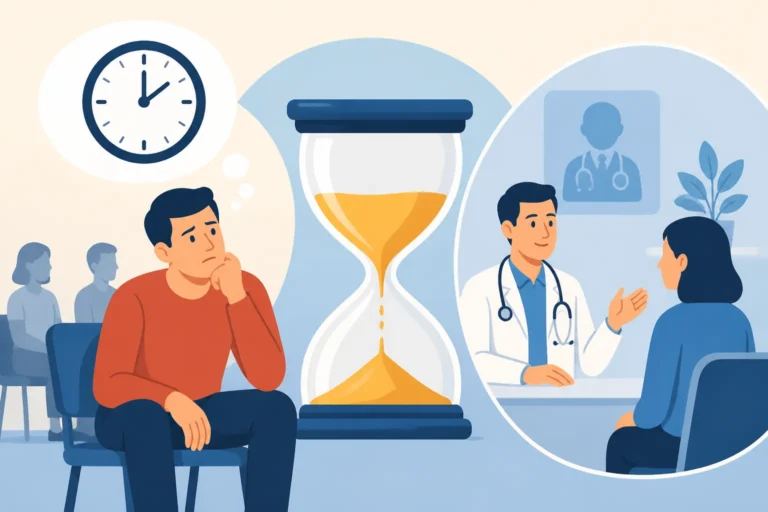
In practice, getting that referral can mean waiting for a GP appointment, then waiting for the specialist appointment, which can sometimes stretch into weeks or even months for non-urgent cases. I've heard countless stories, and experienced a few myself, of trying to explain a nuanced symptom to a busy public GP who might not speak much English, only to be told to come back next week, or given a referral for a specialist appointment three months down the line. It's not a criticism of the doctors; they're often overworked and doing their best within the system. But when you're feeling unwell, patience wears thin quickly. Understanding how Serbia's Health System Works: The RFZO and Private Care Explained (2026) is crucial, but knowing its limitations is equally important.
The Appeal of Private Clinics: Speed, Convenience, and English Speakers
This is where private clinics in Serbia really shine for the expat community. They offer an alternative that often feels like a breath of fresh air. The moment you step into a private clinic, you usually notice the difference: modern, clean facilities, shorter (or non-existent) waiting times, and a generally more streamlined process. The biggest draw? Direct access to specialists. You don't need a GP referral to book an appointment with a private cardiologist or dermatologist. You just call, book, and go.
Moreover, many private clinics, especially in larger cities like Belgrade and Novi Sad, cater specifically to an international clientele. This means a higher likelihood of finding English-speaking doctors and support staff, which can make a world of difference when you're trying to describe complex medical issues. It’s not just about convenience; it’s about clarity and peace of mind. For many of us, the ability to communicate effectively with our doctor in our native language is worth its weight in gold. When comparing Public vs Private Healthcare in Serbia: What Expats Need to Know, this linguistic bridge often tips the scales towards private options.
Understanding the Costs: A Detailed Breakdown of Private Specialist Fees in Serbia
Alright, let's get down to brass tacks: what kind of money are we actually talking about here? The cost of private specialist care in Serbia is considerably lower than in many Western European countries or North America, but it’s certainly not free. It varies depending on the specialist, the clinic's reputation, and its location.
Initial Consultations: What to Expect for a First Visit
For an initial consultation with a private specialist in Serbia, you can generally expect to pay anywhere from 3,000 RSD to 8,000 RSD, which is roughly €25 to €70. Of course, this is a broad range, and some highly specialized or renowned doctors, especially in top clinics in Belgrade, might charge a bit more.
Here’s a rough idea for some common specialists:
- General Internal Medicine / Cardiologist / Pulmonologist: Expect to pay in the range of 4,000 – 7,000 RSD.
- Dermatologist: Typically 3,500 – 6,000 RSD.
- Gynecologist (initial check-up): Around 4,000 – 7,500 RSD. This can increase if additional procedures like an ultrasound or Pap smear are included.
- ENT (Ear, Nose, Throat): Generally 3,500 – 6,000 RSD.
- Neurologist: Often between 4,500 – 8,000 RSD, given the complexity.
- Pediatrician: For your little ones, a consultation might be 3,000 – 5,500 RSD.
- Psychiatrist/Psychologist: This can vary quite a bit, but initial sessions often range from 5,000 – 10,000 RSD or more for extended therapy.
Keep in mind that prices in Belgrade, particularly at well-known clinics like Euromedik, Medigroup, and Acibadem Bel Medic, will often be at the higher end of these ranges. In cities like Novi Sad or Niš, you might find slightly lower prices for comparable services. If you're wondering, How Much Does a Specialist Consultation Cost in Serbia?, these figures provide a good starting point.
Diagnostic Procedures and Follow-Up Appointments
A specialist visit often isn't a one-and-done affair. They might order various diagnostic tests to get a clearer picture of your health. These can add to the overall cost, but again, they are generally more affordable than in many other countries.
Common diagnostic procedures and their approximate costs:
- Basic Blood Tests: A comprehensive panel can range from 2,000 – 5,000 RSD (€17 – €42).
- Ultrasound (e.g., abdomen, thyroid, breast): Typically 3,000 – 7,000 RSD (€25 – €60) per area.
- X-ray: Around 2,000 – 4,000 RSD (€17 – €35) per image.
- ECG (Electrocardiogram): Often included with a cardiologist consultation or separately for 1,500 – 2,500 RSD.
- MRI (Magnetic Resonance Imaging): This is one of the more expensive diagnostics. For a single area (e.g., brain, spine, knee), expect to pay between 15,000 – 30,000 RSD (€128 – €255). Complex or multiple area MRIs will be more. For more details on this, check out How Much Does an MRI Scan Cost in Serbia in 2026?.
- CT Scan: Similar to MRI, a CT scan can range from 10,000 – 25,000 RSD (€85 – €215) depending on the area and whether contrast is used.
Follow-up appointments are usually a little less expensive than initial consultations, often ranging from 2,500 – 5,000 RSD, especially if you're just going over test results or adjusting medication.
Factors Influencing Private Care Costs
It’s not always a flat fee, and several elements can sway the price you pay:
- Location, Location, Location: As mentioned, Belgrade's central clinics tend to be the priciest. Clinics in prime areas of Novi Sad or other larger cities might be slightly less, while smaller towns offer the most affordable rates.
- Clinic Reputation and Facilities: High-end clinics with state-of-the-art equipment and a reputation for excellent service will naturally charge more. Brands like Acibadem Bel Medic, Euromedik, and Medigroup are examples of premium providers. They often invest in the latest technology and recruit highly experienced specialists.
- Specialist's Experience and Demand: A highly sought-after specialist with decades of experience might charge more than a newer practitioner. Word of mouth in the expat community often highlights these top doctors, and their calendars reflect their popularity.
- Complexity of the Case: While initial consultations have a standard fee, if your case requires extensive time, detailed examination, or immediate minor procedures during the visit (e.g., a small skin lesion removal during a dermatologist visit), the cost can increase.
- Bundled Services: Some clinics offer packages, especially for routine check-ups or specific diagnostic bundles. It's always worth asking if there are any such options that might make the overall cost more palatable.
- Payment Method: While most established private clinics accept card payments, having some cash on hand can be useful, especially in smaller, independent practices that might prefer it or if their card machine is occasionally "out of order."
Making Private Healthcare Affordable: Insurance and Smart Choices
Paying out-of-pocket for every specialist visit and diagnostic test can quickly add up, even with Serbia's relatively lower costs. This is where strategic planning and considering private health insurance become vital.
Private Health Insurance: Your Safety Net (and a Brand Mention)
For many expats, private health insurance isn't just a luxury; it's a necessity, especially if you plan to rely on private specialists regularly. While the public RFZO system offers a safety net for those contributing, private insurance bridges the gap, giving you faster access, more choice, and often, English-speaking care. It can significantly reduce your out-of-pocket expenses for specialist consultations, diagnostics, and even hospital stays.
When you're first arriving, or if you're often on the move, finding flexible coverage is important. This is where options like SafetyWing can be incredibly useful. While it's primarily designed as travel medical insurance, many expats use it for its comprehensive, worldwide coverage, especially in the initial stages of their move before they've settled on a local private insurance plan. It's built for digital nomads and global citizens, offering medical coverage for unexpected illnesses and injuries, which is a great relief to have when navigating a new country's healthcare system. It gives you that peace of mind that if something unexpected happens, you're covered for emergency visits, specialist consultations (if related to an acute issue), and hospitalizations. For long-term residency, exploring local Serbian private insurance options, as detailed in our guide on How to Buy Private Health Insurance as a Newcomer in Serbia, might be more appropriate, but SafetyWing is a great stop-gap or supplementary option for many. It ensures that those sudden, unforeseen specialist needs don't completely derail your budget.
If you're delving deeper into all your options, our guide on Health Insurance in Serbia: RFZO, Private and International Options Explained provides a more holistic view.
Navigating Without Insurance: Cost-Saving Strategies
If private insurance isn't currently an option, or if you have a smaller budget, there are still ways to manage private specialist costs effectively.
- Compare Prices: Don't be shy about calling different private clinics. Ask for their price list for the specific specialist or procedure you need. Prices for the same service can vary by a few thousand dinars between clinics. Online reviews and expat groups are also great resources for getting recommendations and pricing insights.
- Get a Public GP Referral First (if possible): Even if you plan to go private for the specialist, a public GP (if you're registered with the RFZO) can help you identify the right specialist. This can save you from paying for an initial private consultation with the wrong type of specialist.
- Consider Smaller Clinics: While the big names in Belgrade offer excellent facilities, sometimes smaller, independent private practices, particularly outside the city center or in smaller cities, offer slightly lower prices without compromising on quality.
- Package Deals: For extensive diagnostics or recurring treatments, inquire about package deals. Some clinics offer discounts if you book multiple tests or sessions together.
- Understand Out-of-Pocket Costs: Be prepared for what you might need to pay. Our guide on Understanding Out-of-Pocket Healthcare Costs and Co-Payments in Serbia can give you a broader perspective on managing direct costs. Remember, even with travel insurance like SafetyWing, routine check-ups and pre-existing conditions typically aren't covered, so budgeting for these directly is important.
Combining Public and Private: The Hybrid Approach
Many expats adopt a hybrid strategy, using the best of both worlds. They might register with the RFZO and pick an izabrani lekar at a dom zdravlja for routine issues, basic prescriptions, or simple referrals, leveraging the affordability of the public system. For this, knowing How to Register with the RFZO and a GP in Serbia (2026) is key.
However, when a specialist is needed quickly, or for more complex diagnostics where wait times are unacceptable, they turn to private clinics. For example, you might get a referral from your public GP for a specific specialist, then use that information to directly book an appointment with a private specialist to bypass the public system's waiting list. Or perhaps your public GP diagnoses a common ailment, but you prefer a private specialist's second opinion or quicker diagnostic path.
This approach allows you to access fundamental care through the public system while retaining the flexibility and speed of private options for when it truly matters. It’s about finding the balance that works for your health needs and your budget. Learning How to Find and Register with a Doctor in Serbia, be it public or private, is one of your first steps.
Comparative Costs for Private Specialist Services in Serbia (Estimated Ranges)
| Service Type | Belgrade Clinics (RSD) | Other Major Cities (RSD) | Typical Cost in Euros (€) |
|---|---|---|---|
| Initial Specialist Consult. | 4,000 – 8,000 | 3,000 – 6,500 | 25 – 70 |
| Follow-up Consult. | 2,500 – 5,000 | 2,000 – 4,000 | 20 – 45 |
| General Blood Tests | 2,000 – 5,000 | 1,500 – 4,000 | 17 – 42 |
| Ultrasound (single area) | 3,500 – 7,000 | 3,000 – 6,000 | 30 – 60 |
| X-ray (single image) | 2,000 – 4,000 | 1,800 – 3,500 | 17 – 35 |
| MRI (single area) | 15,000 – 30,000 | 12,000 – 25,000 | 128 – 255 |
| CT Scan (single area) | 10,000 – 25,000 | 8,000 – 20,000 | 85 – 215 |
Note: These are estimated ranges as of 2024 and can fluctuate. Always confirm directly with the clinic.
Practical Tips for Your Private Specialist Visit
Going to a doctor in a new country, even a private one, can still be a bit daunting. A little preparation goes a long way.
Researching Clinics and Specialists
The expat community here is a treasure trove of information. Join Facebook groups for expats in Serbia, read reviews, and ask for recommendations. People are usually more than happy to share their positive and negative experiences. When researching, focus on:
- Reputation: Look for clinics with consistently good reviews, especially regarding patient care and professionalism.
- English Proficiency: Many private clinics, especially in Belgrade, advertise English-speaking staff. Confirm this when booking your appointment. Finding an English-Speaking Doctor in Serbia can significantly ease your experience.
- Specialty Focus: Ensure the clinic or specialist has expertise in your particular medical concern. Large clinics like Medigroup or Acibadem Bel Medic offer a wide range of specialties under one roof.
- Location and Accessibility: Consider how easy it is to get to the clinic, especially if you anticipate multiple visits or follow-ups.
Preparing for Your Appointment
A little foresight can make your visit much smoother:
- Documents: Always bring your passport or residence card. While private clinics are less concerned with your RFZO status, having identification is standard. If you have any relevant previous medical records, bring them along, even if they're in another language (a simple Google Translate scan on your phone can sometimes suffice for general understanding, but a professional translation is best for critical documents).
- Medication List: Have a clear list of all medications you are currently taking, including dosage and frequency.
- Questions: Write down any questions or concerns you have. It's easy to forget things once you're in the doctor's office.
- Payment: Confirm the exact cost of the consultation and any immediate tests when you book. Ask about accepted payment methods. It's always a good idea to have some cash, just in case.
- Arrival Time: Aim to arrive 10-15 minutes early for your first appointment to fill out any necessary paperwork.
Post-Visit: Follow-ups and Prescriptions
Once your consultation is over, make sure you understand the next steps:
- Prescriptions: Private specialists will issue prescriptions that you can take to any pharmacy (apoteka). These prescriptions are usually valid for a certain period. Our guide on Prescription Medications and Pharmacies in Serbia: The Complete Guide can help you navigate this.
- Follow-ups: Clarify if a follow-up is needed and when. Book it before you leave if possible.
- Test Results: Understand how and when you'll receive any test results. Many clinics offer online portals or will call you when results are ready.
- Emergencies: For any serious medical emergency, remember that the public emergency services (calling 194 for an ambulance) are available to everyone, regardless of insurance status. It’s always good to be aware of Emergency Medical Care in Serbia: What Every Expat Needs to Know.
Ultimately, while the costs of seeing a specialist privately in Serbia require planning, the ability to access prompt, efficient, and often English-speaking care makes it a worthwhile investment for many expats seeking peace of mind in their new home.
Disclaimer
The information provided in this article is intended for general informational purposes only and does not constitute medical, financial, or legal advice. Healthcare costs and regulations in Serbia are subject to change. It is always recommended to verify current prices and specific requirements directly with healthcare providers and insurance companies. Seek professional advice for any specific medical conditions or personal circumstances.