How Do I Cancel My Health Insurance When Leaving Serbia?
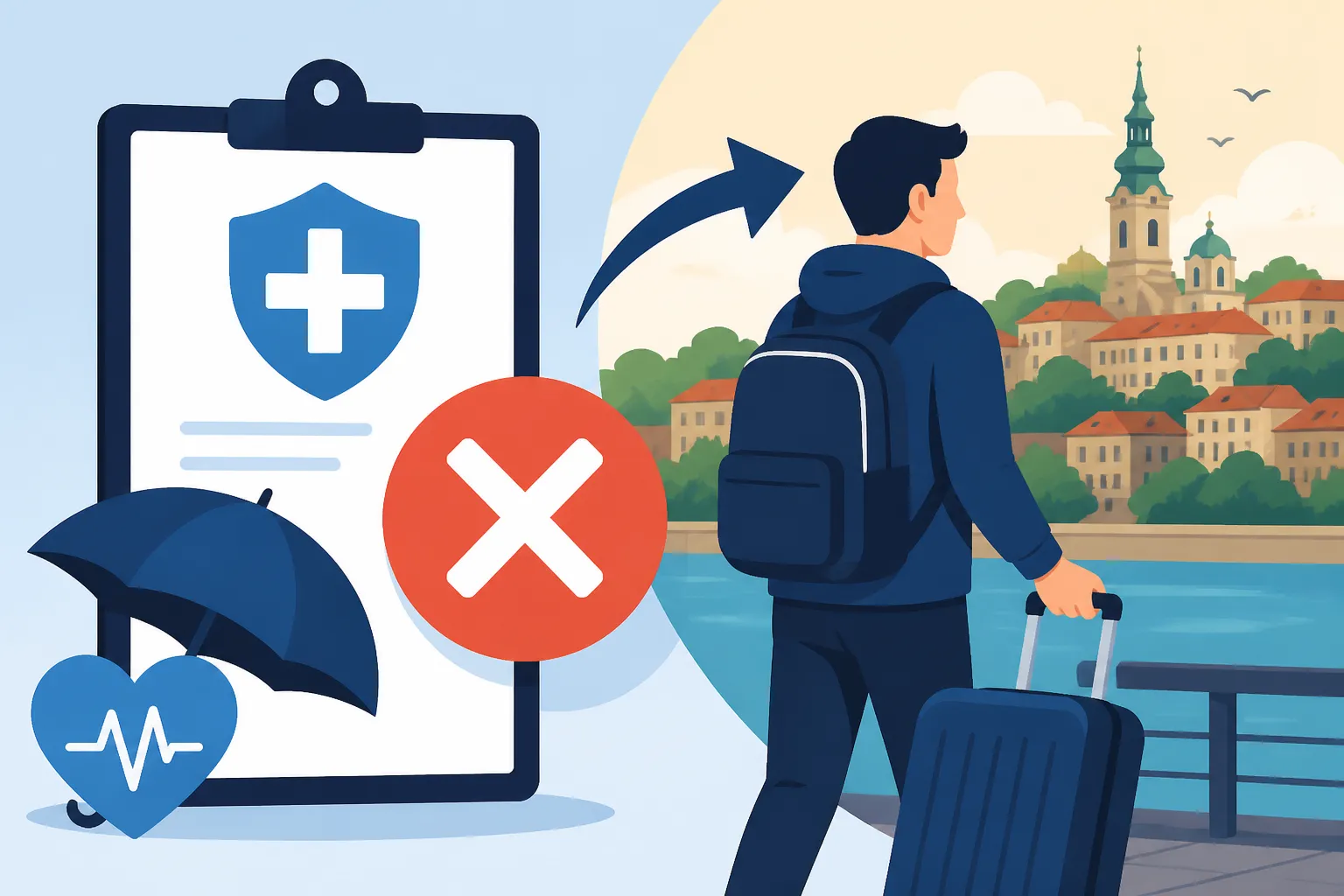
So, you’ve made the decision to pack up your bags, say doviđenja to Serbia, and move on to your next adventure. While the thought of a new beginning is exciting, there's a whole heap of administrative tasks that need untangling before you go. And trust me, one of the trickiest, and often most overlooked, is figuring out how to properly cancel your health insurance. It’s not always as straightforward as simply telling them you’re leaving, especially here in Serbia, and getting it wrong can lead to headaches down the line. This guide is here to walk you through the nuances of cancelling both public (RFZO) and private health insurance, ensuring a smooth departure without any unexpected lingering obligations.
Deciphering Your Health Insurance Status Before You Go
Before you even think about cancellation, you need to understand what kind of health insurance you actually have in Serbia. For most expats, it falls into one of two main categories: the public system (RFZO) or a private policy. The rules for each are drastically different, and you definitely don't want to mix them up.
Navigating Public Health Insurance (RFZO) Termination
The Republic Health Insurance Fund (RFZO) is the backbone of Serbia's public healthcare system. If you’ve been working legally in Serbia, are registered as a self-employed preduzetnik, or are a dependent of someone covered by RFZO, then you are almost certainly covered by this system. It’s not something you "cancel" in the traditional sense like a Netflix subscription. Instead, your coverage is intrinsically linked to your legal status in Serbia – specifically, your employment or self-employment and your temporary residence permit.
When you cease to be employed, or when you deregister your self-employment, the legal basis for your RFZO contributions ends. The system, in theory, updates itself, but relying solely on this automatic process can be a recipe for future bureaucratic headaches. You might find yourself months later receiving notices for unpaid contributions if the administrative gears didn’t turn smoothly, a common frustration for expats here. It's crucial to actively ensure your status is updated and that all ties are formally cut. Remember, your RFZO coverage is generally tied to your How Your Residence Status Affects RFZO Enrolment in Serbia so if that permit expires or is cancelled, your public health insurance coverage will follow suit.
Unravelling Private Health Insurance Cancellation
Private health insurance, on the other hand, is much more familiar territory for most foreigners. These are policies you’ve purchased from private insurers, often to supplement or even entirely replace public coverage if you're not eligible or prefer private care. In Serbia, you’ll find several reputable providers offering various plans, such as Generali, DDOR, Uniqa, Wiener Städtische, and Sava Insurance.
Cancelling a private policy is generally more straightforward because it operates like any other commercial contract. You'll have agreed-upon terms, notice periods, and potentially even clauses for early termination. This is where reading the fine print of your policy document becomes absolutely essential. Unlike the RFZO, which ceases based on your legal status, private insurance requires you to actively inform the provider of your intent to cancel. You’ll need to understand if you’re eligible for any prorated refunds or if there are penalties for ending your coverage before the policy term is up. Some international options, like SafetyWing, are specifically designed for expats and digital nomads, often offering more flexible cancellation terms, which can be a godsend when your travel plans shift unexpectedly.
Step-by-Step Guide to Cancelling Public Health Insurance (RFZO)
This is where things can get a little tricky, but armed with the right information, you can navigate it. The key is to understand that RFZO isn't cancelled directly by you, but rather your eligibility for it ceases when your legal employment or self-employment status in Serbia changes.
For Employed Individuals: Your Employer's Role
If you've been working for a Serbian company, they are responsible for reporting your employment and, crucially, your termination of employment to the relevant authorities, including the RFZO.
- Job Termination: When you leave your job, your employer processes your departure. This includes issuing documents like a final payslip, any outstanding holiday pay, and most importantly, the M-4 form (Statement on Paid Contribution Base and Period of Insurance) or a similar document confirming your employment termination.
- Employer's Obligation: Your employer is legally obliged to notify the Central Register of Compulsory Social Insurance (CROP) of your departure. This notification automatically informs the RFZO that your contributions have ceased.
- Your Responsibility: Even though your employer handles the formal notification, it is your responsibility to ensure this process actually happens and that your records are clear.
- Request Confirmation: Ask your employer for a copy of the official termination document submitted to CROP. This is your proof that your employment has ended and, consequently, your RFZO contributions should cease.
- Visit RFZO (Optional but Recommended): A few weeks after your employment formally ends, it’s highly advisable to visit your local RFZO branch (filijala) – usually the one closest to your registered address or where your company is registered. Bring your passport, your residence permit, and any termination documents from your employer. Explain that you are leaving Serbia and want to ensure your RFZO coverage is properly terminated and that you have no outstanding debts. Ask for a confirmation that you are no longer registered as an insured person. This peace of mind is invaluable. For more about navigating the public system, see The Complete Guide to Healthcare in Serbia for Expats (2027).
For Self-Employed Individuals (Pausalci / Preduzetnici): The APR Connection
If you’ve been running your own show as a preduzetnik (sole trader), the process is tied to the deregistration of your business entity. Understanding Health Coverage for the Self-Employed in Serbia is vital here.
- Deregister Your Business: The first and most critical step is to officially deregister your preduzetnik status with the Serbian Agency for Business Registers (APR – Agencija za privredne registre). This involves submitting a formal request for termination.
- Tax and Contribution Settlement: Before APR will finalize your deregistration, you must settle all your tax and social contribution debts with the Tax Administration (Poreska Uprava). This includes income tax, pension contributions, and, yes, health contributions. Make sure you've covered all outstanding obligations, including any potential lump-sum tax adjustments for the year. This is a crucial step detailed in resources like The Complete Guide to Taxes in Serbia for Expats (2027).
- Obtain Certificates: Once APR has processed your deregistration, you’ll receive an official decision. Then, critically, you need to obtain certificates from the Tax Administration confirming that you have no outstanding tax or social security debts. This "no debt" certificate (potvrda o izmirenim obavezama) is your golden ticket.
- RFZO Confirmation: With the APR deregistration decision and the "no debt" certificate from the Tax Administration in hand, visit your RFZO branch. Present these documents and formally request confirmation that your health insurance coverage has ceased and that you have no outstanding contributions. Again, getting this official piece of paper is paramount.
- Timing is Everything: Be aware that the deregistration process with APR, then settling taxes, and finally getting RFZO confirmation can take some time. Plan this well in advance of your departure date to avoid any last-minute stress.
For Dependents and Other Categories
If you were covered as a dependent (e.g., spouse or child of an employed RFZO holder) or through another category (e.g., student, registered unemployed), your coverage typically ceases when the primary holder's coverage ends or when your eligibility status changes. The primary insured person will need to notify RFZO of the change in dependent status when they leave Serbia, ensuring you are officially delisted. For students, your status as a student at a Serbian educational institution is the basis for your coverage. Once you complete your studies or withdraw, your eligibility ends. Always consult the specific RFZO branch for precise instructions if your situation is complex.
Cancelling Private Health Insurance in Serbia: A Clearer Path
Cancelling a private health insurance policy is generally more straightforward, resembling the process you might be used to in your home country.
Reviewing Your Policy Terms
This is your starting point. Dig out your policy documents – the contract you signed with the insurance provider. Pay close attention to these key sections:
- Cancellation Clause: This will outline the exact steps you need to take to cancel, including who to contact and what information or documents are required.
- Notice Period: Most policies require a certain amount of notice (e.g., 30, 60, or 90 days) before cancellation can take effect. Missing this can mean you're liable for another month or two of premiums.
- Refund Policy: See if there's any mention of prorated refunds for unused portions of your premium, especially if you paid annually. Some policies will offer this, others may not, especially if you're cancelling mid-term.
- Early Termination Fees: Be prepared that some policies might impose a penalty for cancelling before the agreed-upon term, particularly if you received a discount for committing to a longer period.
Providers like Generali, DDOR, or Uniqa will have these details clearly laid out in their policy terms. It’s also worth considering how a policy might link to other services. For a general understanding of options, you might look at Understanding Private Health Insurance Plans in Serbia.
The Cancellation Process
Once you’ve familiarized yourself with your policy’s specifics, here’s how to proceed:
- Contact Your Insurer: Reach out to your private health insurance provider through their official channels. This usually means:
- Phone: Call their customer service line. Be prepared for potential language barriers, so having a Serbian-speaking friend or translator on hand might be helpful.
- Email: Send a formal email to their customer support address, clearly stating your policy number, full name, and your intention to cancel, along with your desired cancellation date. Request a written confirmation of your cancellation.
- In-Person Visit: If you prefer face-to-face interaction, visit one of their local branches. This can be particularly useful if you have complex questions or need to hand over documents.
- Provide Required Documentation: The insurer will likely ask for your policy number, a copy of your ID (passport or Serbian ID card), and a written, signed request for cancellation. Some might require proof of your departure from Serbia, such as a flight ticket, but this is less common for private policies compared to the RFZO.
- Discuss Financials: Clarify any outstanding payments, potential refunds, or early termination fees. Ensure you understand the final amount you owe or are due to receive. If you are due a refund, confirm the method and timeline for receiving it.
- Obtain Written Confirmation: This step is critical. Do not consider your policy cancelled until you have received official, written confirmation from the insurance company stating that your policy is terminated, effective from a specific date, and that all financial obligations are settled (or what the final settlement is). This document is your proof should any disputes arise later.
For international policies or those designed for flexibility, like SafetyWing, the cancellation process often involves a simpler online portal or a direct email, without lengthy notice periods or complex documentation. This ease of exit is one of their main selling points for people with dynamic lifestyles.
Key Considerations and Potential Pitfalls When Leaving Serbia
Leaving a country, especially one where you've established roots, means untangling a web of administrative connections. When it comes to health insurance, a few additional points demand your attention.
The Intertwined Fate of Residence Permit and RFZO
As mentioned, your public health insurance with RFZO is inextricably linked to your legal right to reside and work in Serbia. If you cancel your temporary residence permit or if it simply expires and you don't renew it, your entitlement to RFZO coverage ceases. However, the system isn't always perfectly synchronized.
Imagine this scenario: you quit your job on July 1st, but your residence permit (based on that employment) is valid until September 30th. In theory, your employer’s notification should end your RFZO contributions. But sometimes, due to administrative delays or ambiguities, you might still be technically "on the books" for RFZO purposes until your residence permit expires. This grey area can potentially lead to an accumulation of "phantom" contributions if not explicitly clarified and confirmed with RFZO. It's a tricky one, and another reason why getting explicit confirmation from RFZO that you owe nothing is so important. When you're dealing with How to Get Temporary Residence (Boravak) in Serbia (2027), always think about its impact on your RFZO status.
Settling All Debts and Getting Formal Proof
This cannot be stressed enough: do not leave Serbia without obtaining official confirmation that you have no outstanding debts related to health insurance, taxes, or social contributions. This is particularly vital if you plan to return to Serbia in the future, even for a visit, or if you need to prove your tax residency status to another country.
- RFZO: Get that confirmation from your local RFZO branch that your coverage is terminated and you have no outstanding payments.
- Tax Administration (Poreska Uprava): Ensure you have the "no debt" certificate for all social contributions (pension, health, unemployment) and income tax. This is crucial for both employed individuals (to ensure your employer settled everything) and especially for preduzetnici who bear direct responsibility for their own payments. Sometimes, even if you are employed, you might have specific tax filings, so be thorough in checking with The Complete Guide to Taxes in Serbia for Expats (2027).
- Private Insurers: Keep that written cancellation confirmation.
Without these documents, you could find yourself in a bureaucratic nightmare trying to clear your name from afar. Serbian bureaucracy, while much improved, still requires diligence, and having paper proof is your best defense. This is important for understanding Do Expats Have to Pay Health Insurance Contributions in Serbia?.
Bridging Coverage for Your Journey and Beyond
As you transition out of Serbia, think about your health coverage for the period between leaving and establishing new insurance in your next destination. There might be a gap, especially if you plan to travel for a bit or if your new employment/residency takes time to process.
Consider purchasing short-term travel insurance or an international expat policy specifically designed for global mobility. Services like SafetyWing are excellent for this purpose, offering flexible, comprehensive medical and travel insurance for nomads and long-term travelers. They can provide essential peace of mind, covering medical emergencies, travel delays, and even some personal liability, ensuring you're not caught without coverage during your transition. It’s always better to be over-insured for a short period than to face an unexpected medical bill without any protection.
| Feature | RFZO (Public Health Insurance) | Private Health Insurance (Serbian Providers) | Flexible International Insurance (e.g., SafetyWing) |
|---|---|---|---|
| Cancellation Trigger | Cessation of employment/self-employment or residence permit expiration | Direct notification to insurer | Direct notification to insurer (often online) |
| Process Owner | Employer (for employed); You (for self-employed/dependent) | You | You |
| Notice Period | Not applicable (tied to legal status change, but ensure RFZO is informed) | Varies by policy (e.g., 30-90 days) | Often flexible, no strict notice period for monthly plans |
| Refunds | Generally no refunds as contributions are mandatory by law | Varies by policy, potential prorated refund for annual plans | Often prorated refunds for unused periods |
| Early Termination Fees | Not applicable | Possible, check policy | Generally not applicable for flexible plans |
| Documentation | Employment termination proof, APR deregistration, Tax Administration "no debt" cert, RFZO confirmation | Written cancellation request, policy number, ID, written confirmation from insurer | Online request, policy number, often immediate confirmation |
| Key Challenge | Bureaucratic delays, ensuring all systems are updated and cleared | Understanding policy fine print | May require payment in foreign currency |
| Coverage Link | Serbian legal residency & employment | Contractual agreement | Global coverage, often excluding home country |
Leaving Serbia should be a celebration of your time here, not a source of administrative anxiety. By understanding the specific requirements for cancelling your health insurance, both public and private, and diligently obtaining all necessary confirmations, you can ensure a clean break and stride confidently into your next chapter.
Disclaimer
The information provided in this guide is intended for general informational purposes only and does not constitute legal, financial, or medical advice. Regulations and procedures in Serbia can change frequently. While we strive to provide accurate and up-to-date information, it is essential to consult with relevant Serbian authorities (e.g., RFZO, Tax Administration, APR) or a qualified local legal/financial professional for advice tailored to your specific situation before taking any action.