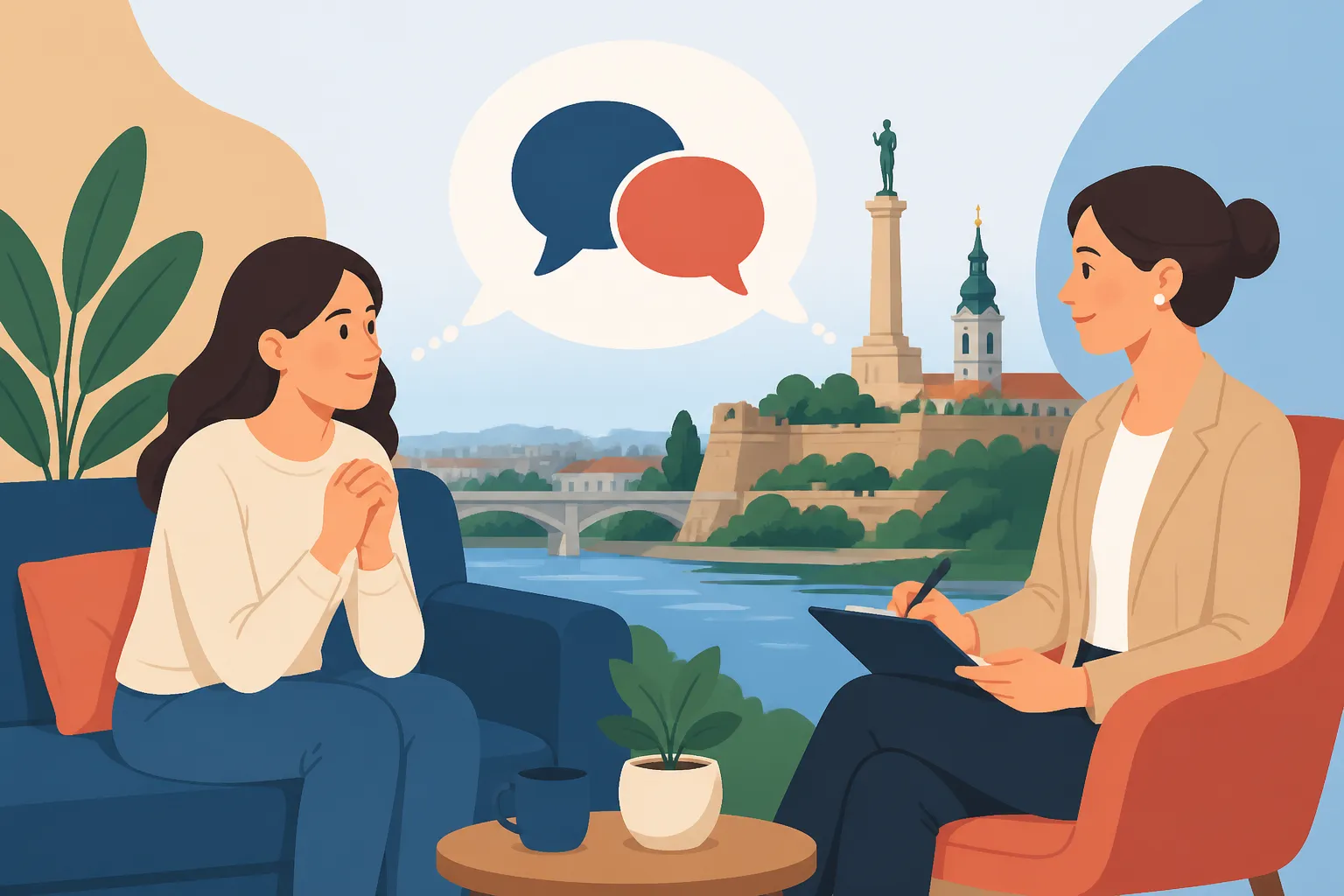
Can I Get Counselling or Therapy in English in Serbia?
Moving to a new country, especially one as culturally distinct and beautiful as Serbia, can bring a whirlwind of emotions – excitement, curiosity, and sometimes, a creeping sense of isolation or overwhelm. When those feelings start to impact your daily life, finding a therapist who understands not just your language, but also the unique expat experience, becomes crucial. This guide is here to walk you through exactly how to access counselling and therapy in English in Serbia, ensuring you feel supported and heard, even thousands of miles from home.
The Initial Mental Health Culture Shock in Serbia (and Why You're Not Alone)
Let's be real: moving abroad is tough. You're constantly adapting, decoding new social cues, navigating bureaucracy (oh, the bureaucracy!), and often, doing it all in a language that isn't your own. It's completely normal for your mental well-being to take a hit. And when it comes to mental health support in Serbia, you might encounter a few unique challenges that can make finding help feel even more daunting. Don't worry, you are absolutely not alone in feeling this way. Many expats, myself included, have walked this path and can attest to the frustrations.
Understanding the Local Approach to Mental Well-being
In Serbia, like in many parts of Eastern Europe, discussions around mental health have historically been more private, sometimes even stigmatised. While attitudes are changing, and younger generations are far more open, you might still find that mental health isn't always approached with the same open dialogue as in some Western countries. This can mean that public healthcare options for therapy, while available, might not always align with what you're used to in terms of immediate access, privacy expectations, or even the style of therapeutic intervention. The focus has often been more on psychiatric care for severe conditions rather than preventative or talk therapy for everyday stressors or adjustment issues.
For an expat, this cultural nuance can add another layer of complexity. You might feel hesitant to ask for help, or unsure of how to articulate your needs within a system that might seem unfamiliar. It’s important to remember that while the public system is evolving, many expats find the most accessible and culturally aligned mental health support within the private sector, which has grown significantly to cater to a diverse population, including foreigners. If you're looking into the broader aspects of getting healthcare sorted here, our guide on The Complete Guide to Healthcare in Serbia for Expats (2027) can offer a good starting point.
The Language Barrier: More Than Just Words
Beyond the cultural context, the most immediate hurdle for many expats seeking therapy in Serbia is, undoubtedly, the language. While many Serbians, especially in Belgrade and Novi Sad, speak excellent English, discussing deeply personal and emotional topics requires a level of fluency and nuance that not everyone possesses. It's one thing to order a coffee or ask for directions in English; it's quite another to articulate complex feelings of anxiety, grief, or cultural alienation to a therapist who might miss subtle cues or misunderstand idioms.
Even if a therapist has a decent grasp of English, there's an invisible barrier that can arise when you're not speaking your native tongue. Therapy is about connection and profound understanding, and sometimes, even the slightest linguistic disconnect can make it hard to feel truly heard or to fully express yourself. This is why explicitly seeking out therapists who are fluent or native English speakers, or who have extensive experience working with international clients, is paramount. They often understand the unique challenges of expat life without you having to fully explain the 'why' behind certain feelings, which can be a huge relief.
Navigating Your Options: Where to Find English-Speaking Therapy in Serbia
Good news! Despite the challenges, finding quality English-speaking therapy in Serbia is absolutely possible. The expat community here is thriving, especially in cities like Belgrade and Novi Sad, and with that growth comes an increased demand for services tailored to international residents. The key is knowing where to look and what avenues are most likely to yield the results you need.
Private Practice: The Most Common Route for Expats
For most expats, the private sector is where you'll find the widest range of English-speaking therapists. These are individuals or small clinics that operate independently of the public health system. They often have dedicated websites, sometimes in English, and are typically more attuned to the needs of international clients.
When searching for private practitioners, consider starting with:
- Online Directories: Platforms like Psychology Today (using their "Find a Therapist" tool and filtering by location and language), or similar international directories, are excellent resources. You can often see a therapist's profile, their specialisations, and whether they offer sessions in English.
- Expat Forums and Social Media Groups: Local expat groups on Facebook or other platforms are goldmines for recommendations. Fellow expats who have successfully found therapists are usually more than happy to share their experiences and contact details. A personal recommendation can cut through a lot of guesswork.
- International Clinics: While rarer, some private clinics, particularly in Belgrade, may have a few therapists on staff who offer sessions in English. These larger clinics might also offer other services, making them a one-stop shop for various healthcare needs. You might even find some listed in our guide on How to Use Major Hospitals and Clinics in Belgrade, although dedicated mental health services might be separate.
Be prepared to do a bit of digging and perhaps reach out to a few different therapists before finding the right fit. It's perfectly normal to schedule an initial consultation to see if you connect with the therapist and their approach.
Online Therapy: A Global Solution in a Local Context
The digital age has truly transformed access to mental health support, and online therapy platforms are a fantastic option for expats in Serbia. This route offers unparalleled flexibility and often a wider selection of therapists who are native English speakers, regardless of their physical location.
Here's why online therapy works well:
- Geographic Flexibility: You can connect with a therapist from your home country, another expat in a different time zone, or even a local English-speaking therapist without needing to commute. This is particularly helpful if you live outside Belgrade or Novi Sad, where in-person English-speaking options might be scarcer.
- Wider Choice: Online platforms host thousands of therapists, allowing you to filter by specialisation, therapeutic approach, gender, and language. This increases your chances of finding someone who truly understands your specific needs, whether it's anxiety, depression, relationship issues, or expat-specific challenges like homesickness or culture shock.
- Comfort and Convenience: Attending a therapy session from the comfort of your own home can reduce anxiety and make it easier to fit into a busy schedule. All you need is a stable internet connection and a private space.
Popular online platforms include BetterHelp, Talkspace, and individual therapists who offer virtual sessions via video conferencing tools. When considering online options, always ensure the therapist is licensed and regulated in their respective jurisdiction. This route is often covered by private insurance plans, which we'll delve into a bit more later.
NGOs and Community Support: Beyond the Clinic Walls
Sometimes, what you need isn't just one-on-one therapy, but a sense of community and shared experience. While direct English-speaking therapy from NGOs might be less common, they can be invaluable resources for support groups, workshops, or referrals to therapists who work with vulnerable populations, including foreigners.
For example, organisations focused on supporting refugees, migrants, or specific communities might offer mental health services or at least point you in the right direction. While not always directly providing English-speaking therapy, they can offer crucial networking opportunities and a softer entry point into finding help. Local university psychology departments might also have initiatives or recommendations.
Additionally, don't underestimate the power of expat community groups. Many informal support networks exist where people share resources, advice, and simply a listening ear. While not a substitute for professional therapy, these connections can significantly alleviate feelings of isolation and help you discover local resources you might not find through a typical search.
Practicalities and Costs: What to Expect When Seeking Therapy
Once you've identified potential therapists or platforms, the next step is understanding the practicalities: how much it costs, how insurance plays a role, and what the booking process looks like. This is where the rubber meets the road, and knowing what to expect can save you a lot of stress.
Understanding the Cost of Therapy Sessions
Therapy costs in Serbia can vary widely depending on whether you choose a private practitioner, an online platform, or if you manage to access a subsidised service (which is rare for English-speaking options). Generally, private therapy sessions in Serbia are significantly more affordable than in many Western European or North American countries, but still represent an investment.
Here's a rough breakdown:
- Private In-Person Sessions: Expect to pay anywhere from €30 to €70 per session (45-60 minutes). Therapists with more experience, specialised qualifications, or those working in premium locations in Belgrade might charge at the higher end. Some may offer a sliding scale based on income, but you would need to inquire directly.
- Online Therapy Platforms: These often work on a subscription model or per-session basis. A weekly subscription might range from €60 to €90, offering multiple ways to connect (messaging, live chat, video sessions). Individual online therapists might charge similar rates to in-person sessions, or slightly less due to lower overheads.
- Public Healthcare: While theoretically free or very low cost under the RFZO (Republic Health Insurance Fund), accessing a general psychologist or psychiatrist in English via the public system is highly challenging. Waiting lists can be long, and English-speaking practitioners are not guaranteed. For most expats, especially those initially navigating the system, this isn't a viable first option. You can learn more about the public system in our guide, How Serbia's Health System Works: The RFZO and Private Care Explained (2027).
It's always a good idea to clarify the exact fee structure, cancellation policy, and payment methods with your chosen therapist before your first session. Many private practitioners prefer cash payments, while others accept bank transfers.
Insurance Coverage: A Key Consideration for Expats
Navigating insurance for mental health can be tricky anywhere, and Serbia is no exception. Most expats rely on private health insurance for comprehensive coverage, especially for services outside the public system.
- Private Health Insurance: If you have a private health insurance plan, whether purchased locally or internationally, check its terms carefully. Many expat-friendly plans, including those from providers like SafetyWing, do offer mental health benefits, often covering therapy sessions. However, there might be limits on the number of sessions, a requirement for a referral from a general practitioner, or a co-payment involved. It's crucial to understand your policy's specifics regarding outpatient mental health care. Our guide on Health Insurance in Serbia: RFZO, Private and International Options Explained delves deeper into these choices.
- For instance, SafetyWing's travel medical insurance often includes coverage for unexpected medical situations, which can extend to acute mental health crises. For more routine, ongoing therapy, you’ll want to check if your specific policy provides this benefit. Many expats find SafetyWing particularly useful for its flexibility and global coverage, making it a viable option for those living abroad. Always read the fine print or contact SafetyWing directly to understand the full scope of their mental health provisions for long-term residents.
- RFZO (Public Health Insurance): As mentioned, accessing English-speaking therapy through the RFZO is improbable. While psychiatric care for severe conditions is covered, general counselling or psychotherapy for non-crisis situations, particularly in English, is rarely available. If you're contributing to the RFZO, it's primarily for physical health concerns within the public system.
- Travel Insurance: Standard travel insurance plans are generally designed for emergencies and may not cover ongoing therapy. However, some comprehensive travel medical policies, especially those geared towards long-term travel or digital nomads, might include limited mental health benefits for acute issues. Again, brands like SafetyWing offer policies that bridge the gap between travel and expat insurance, so it's worth checking their specific offerings for mental health support.
It's highly recommended to contact your insurance provider before starting therapy to confirm coverage, understand the claims process, and clarify any prerequisites, such as a doctor's referral or pre-authorisation. Some therapists will issue invoices that you can submit for reimbursement, while others might work directly with insurance companies, though the latter is less common in Serbia. For those considering options, our article on Do I Need Private Health Insurance in Serbia? can provide valuable insights.
The Booking and Initial Consultation Process
Once you've found a potential therapist, the process usually unfolds like this:
- Initial Contact: Reach out via email or phone. Most therapists prefer email, allowing you to briefly explain your situation and inquire about their availability, fees, and whether they offer sessions in English. This is also a good time to ask about their experience with expats or specific issues you might be facing.
- Scheduling: If there's mutual interest and availability, you'll schedule your first appointment. Many therapists offer a brief, free introductory call (5-15 minutes) before the first paid session, which is a fantastic opportunity to gauge rapport and ask any initial questions without commitment.
- The First Session: This is usually an intake session. The therapist will ask about your background, why you're seeking therapy, your goals, and your mental health history. It’s also your chance to ask questions about their approach, what therapy with them might look like, and to assess if you feel comfortable and understood.
- Ongoing Sessions: If you decide to proceed, you’ll typically schedule regular sessions, often weekly or bi-weekly. Consistency is key in therapy, so try to stick to a routine that works for you.
Don't be afraid to try a few initial consultations with different therapists. Finding the right fit is incredibly personal, and it's okay if the first person you meet isn't the one for you. This is your mental health journey, and you deserve to feel completely at ease with your therapist.
Here's a handy table comparing some of your options:
| Aspect | Private In-Person Therapy (Serbia) | Online Therapy (Global/Local) | Public Healthcare (RFZO) |
|---|---|---|---|
| English Availability | High (search required) | Very High (easy to filter) | Very Low (almost non-existent) |
| Cost per Session | €30-€70 (often cash) | €60-€90 (subscription/per session, online payment) | Free/Low co-payment (if accessible) |
| Insurance Coverage | Often covered by private expat insurance (e.g., SafetyWing, Cigna, Allianz), check policy specifics; reimbursement model common. | Often covered by private expat insurance, check policy specifics; reimbursement model common. | Covered for psychiatric care, not typically for talk therapy in English. |
| Accessibility | Requires searching, potentially limited outside major cities; need to travel to clinic. | High; accessible from anywhere with internet; wider selection of therapists. | Very low for English-speaking therapy; long wait times; bureaucratic hurdles. |
| Therapist Choice | Good, but localised | Excellent, global pool of qualified professionals | Very limited (assigned by system) |
| Privacy/Anonymity | Good | Excellent (if using secure platforms) | Less guaranteed, particularly within a public system |
| Expat Specificity | Good, if therapist has expat experience | Excellent, easy to find therapists specialising in expat issues | Unlikely to find expat-specific care |
Choosing the Right Therapist: More Than Just a Language Match
Finding an English-speaking therapist is the first hurdle, but finding the right one is equally important. Therapy is a deeply personal process, and a good therapeutic relationship, often called "rapport," is a significant predictor of successful outcomes. It's not just about language; it's about connection, understanding, and finding someone whose approach resonates with you.
Qualifications and Professional Standards in Serbia
When you're looking for a therapist in Serbia, it's wise to understand the general landscape of professional qualifications. Psychotherapy and counselling are regulated fields, but the specific requirements can vary.
- Psychologists: These professionals hold a university degree in psychology. They are trained in psychological assessment, research, and often various therapeutic modalities.
- Psychiatrists: Medical doctors who specialise in mental health. They can diagnose mental illnesses, prescribe medication, and also provide psychotherapy. If you suspect you might need medication, a psychiatrist is the person to see.
- Psychotherapists/Counsellors: This term can be broader. Many psychotherapists in Serbia have backgrounds in psychology or medicine and have completed extensive postgraduate training in specific therapeutic approaches (e.g., cognitive-behavioural therapy (CBT), psychoanalysis, gestalt therapy, family therapy). They are typically members of professional associations, which uphold ethical standards and continuous professional development.
Always look for therapists who are transparent about their qualifications, certifications, and professional affiliations. Don't hesitate to ask about their training and experience, especially if they are working with international clients. A reputable therapist will be happy to provide this information. For a more general overview of where to find medical professionals, our article How to Find an English-Speaking Doctor in Serbia might be helpful, as some general practitioners can also offer referrals.
Different Therapeutic Approaches: Finding Your Fit
Just as there are different kinds of doctors, there are different kinds of therapy. Understanding a bit about them can help you decide what might work best for you:
- Cognitive Behavioral Therapy (CBT): Focuses on identifying and changing negative thought patterns and behaviours. It's very practical and goal-oriented, often used for anxiety, depression, and stress management.
- Psychodynamic Therapy: Explores how past experiences and unconscious patterns influence present behaviour and emotions. It's often longer-term and aims for deeper self-understanding.
- Humanistic/Person-Centred Therapy: Emphasises self-exploration, personal growth, and creating a supportive, non-judgmental environment.
- Gestalt Therapy: Focuses on the present moment, increasing awareness, and personal responsibility.
- Family Systems Therapy: Views individuals within the context of their family and other relationships, addressing patterns within those systems.
Many therapists use an "integrative" approach, combining elements from different modalities based on the client's needs. During your initial consultation, you can ask the therapist about their primary approach and whether it aligns with what you're looking for. It's not uncommon for expats to seek therapy for issues like culture shock, homesickness, anxiety related to relocation, or adapting to new social dynamics, and many therapists specialise in these areas.
Building Rapport: Why a Good Connection Matters Most
Ultimately, the most important factor in successful therapy is the relationship you build with your therapist. This "therapeutic alliance" is built on trust, empathy, and mutual respect. You should feel safe, understood, and comfortable enough to share your innermost thoughts and feelings without judgment.
Here are some things to consider when assessing rapport:
- Do you feel heard and understood? It’s not just about them speaking English, but about them understanding your experience, especially as an expat.
- Do you feel respected and validated? A good therapist will acknowledge your feelings and experiences without minimising them.
- Do you feel comfortable being vulnerable? Therapy requires openness, and that comes from a sense of safety.
- Does their communication style work for you? Some prefer directness, others a more gentle approach.
- Do you feel hopeful and that progress is possible? While therapy can be challenging, it should ultimately empower you.
It's perfectly acceptable to "shop around" for a therapist. Many expats meet with two or three different professionals for an initial session before deciding who to commit to. Think of it as finding a trusted guide for a very personal journey. Your well-being is paramount, and investing time in finding the right person will pay dividends in your overall experience of living in Serbia. Navigating your mental health while living abroad is a brave step, and with the right support, you can absolutely thrive.
Disclaimer
The information provided in this guide is intended for general informational purposes only and does not constitute professional medical, psychological, or legal advice. While we strive to provide accurate and up-to-date information, the landscape of healthcare and regulations in Serbia can change. Always consult with qualified healthcare professionals or legal experts for advice tailored to your specific situation. Reliance on any information provided in this article is solely at your own risk.