How Do I Find a Psychologist in Belgrade?
Navigating life in a new country like Serbia is an incredible adventure, but let's be real – it can also be incredibly challenging. The stress of adapting to a new culture, facing administrative hurdles, and often feeling isolated can take a toll on your mental well-being. Finding a good psychologist in Belgrade, especially one who speaks your language and understands the expat experience, can feel like searching for a needle in a haystack. This comprehensive guide is here to unravel that mystery, offering you clear, actionable steps to find the mental health support you need right here in the Serbian capital.
Understanding the Landscape of Mental Health Support in Belgrade
When you first arrive in Belgrade, the healthcare system, including mental health services, can seem like a labyrinth. It’s important to understand the different avenues available, as they each come with their own set of advantages and challenges, particularly for foreigners. We’ve all been there, staring blankly at paperwork or trying to explain complex feelings to someone through a translator – it’s not ideal when your mental well-being is on the line.
Public vs. Private Psychological Services
In Serbia, mental health support broadly falls into two categories: the public sector and the private sector. The public system operates through institutions like Domovi Zdravlja (health centers) and clinical centers, such as the Clinical Center of Serbia (Klinički centar Srbije). If you're registered with the Republic Health Insurance Fund (RFZO) as a resident, which is a process we cover extensively in our guide on How to Register with the Republic Health Insurance Fund (RFZO) in Serbia, you theoretically have access to these services. However, the reality for expats is often a bit different.
Public psychological services are generally free or heavily subsidized once you're insured. The challenge, however, lies in accessibility and language. Most practitioners in the public system primarily speak Serbian, and while some may have basic English, discussing nuanced emotional issues often requires a deeper linguistic connection. Waiting lists can also be significant, and the process of getting a referral from your GP to a specialist within the public system can be slow and bureaucratic. Moreover, there can still be a societal stigma around mental health in some parts of the public system, which might not always feel as validating or open as one might hope for.
The private sector, on the other hand, is where most expats find their mental health support in Belgrade. This includes private clinics, individual psychologists with their own practices, and psychotherapy centers. While these services come at a cost, they offer several significant advantages: immediate appointments, a much higher likelihood of finding English-speaking professionals, a wider range of therapeutic approaches, and generally more flexibility and discretion. For many of us who have moved here, the peace of mind that comes with direct access to a therapist who understands our language and situation far outweighs the financial aspect. Our article, Public vs Private Healthcare in Serbia: What Expats Need to Know, delves deeper into these distinctions across the entire healthcare spectrum.
The Importance of Language and Cultural Competence
Think about it: therapy is deeply personal. It's about exploring your innermost thoughts, feelings, and experiences. Trying to do that in a language that isn't your mother tongue can be incredibly frustrating. Subtle nuances, cultural references, or even specific emotional expressions can get lost in translation, hindering the therapeutic process. You might find yourself simplifying your feelings just to be understood, which defeats the purpose entirely.
This is why finding an English-speaking psychologist in Belgrade is often a top priority for expats. Beyond just language, cultural competence is equally vital. An expat's struggles are often unique: navigating culture shock, dealing with homesickness, feeling isolated from established social circles, grappling with administrative complexities, or even facing identity shifts. A local Serbian therapist, while highly skilled, might not always fully grasp the specific cultural context of these challenges unless they have extensive experience working with foreigners themselves. This is why many seek out professionals who are not only fluent in English but also have a background or specialization in cross-cultural psychology or expat mental health. It’s about finding someone who not only understands what you’re saying but also where you’re coming from.
Practical Steps to Finding a Psychologist in Belgrade
Okay, so you’ve decided the private route is likely your best bet, and you know you need someone who speaks your language and ideally understands the expat life. Now, where do you actually start looking? It’s not like there’s a giant "Expat Therapists Here!" sign on every street corner in Belgrade. But with a bit of savvy searching and networking, you’ll be surprised at the resources available.
Leveraging Online Resources and Directories
The internet is undoubtedly your best friend here. While Serbia has its own online directories, many are primarily in Serbian, which can be tough to navigate. However, a growing number of local private clinics and individual practitioners have English-language websites or profiles.
Start with international psychology directories. Psychology Today is a fantastic global resource where you can filter by location (Belgrade, Serbia), language (English), and even specific issues or therapeutic approaches. Many Belgrade-based psychologists who work with international clients list themselves here, often with detailed profiles about their experience, methods, and fees. Another great option is Expat Therapy 4 U, specifically designed for the international community. Don't be shy about using search terms like "English speaking psychologist Belgrade," "expat therapist Serbia," or "online therapy Belgrade English." Many therapists offer online sessions, which can be incredibly convenient, especially if you're outside the city center or prefer the comfort of your own home. You might also stumble upon local Serbian platforms that list psychologists, though you'll need to use a translation tool to assess their profiles and see if they mention English proficiency.
Recommendations and Networking
Sometimes, the best recommendations come from those who have walked in your shoes. Expat communities in Belgrade are incredibly supportive and often have active online forums, particularly on platforms like Facebook. Search for groups such as "Expats in Belgrade," "Belgrade Digital Nomads," or similar. Post a polite query asking for recommendations for English-speaking psychologists. You’ll often find a wealth of personal experiences and direct contacts. Remember to respect privacy when asking or sharing details in public forums.
Beyond online groups, word-of-mouth within your social circle can be powerful. If you've made friends with other expats, ask them if they have any recommendations or know someone who does. Your home country's embassy or consulate in Belgrade might also have a list of English-speaking doctors and psychologists they can provide. International schools in Belgrade, such as the International School of Belgrade (ISB) or the British International School (BIS), often have resources or counselors on staff, or can refer parents to external professionals who are accustomed to working with expat families. Even local non-governmental organizations (NGOs) that support foreigners or marginalized groups might have lists of mental health professionals who can communicate in English.
Finally, if you’ve already registered with a GP in Serbia – which is a crucial step detailed in our guide How to Find and Register with a Doctor in Serbia – don't hesitate to ask them for a referral. While they might primarily refer within the public system, many GPs are aware of reputable private practitioners, especially those known for working with international patients. They can often bridge that initial gap and provide a starting point.
Considering Specializations and Approaches
Just like medical doctors, psychologists often have different areas of specialization and utilize various therapeutic approaches. It’s not a one-size-fits-all situation, and what works wonderfully for one person might not be the right fit for another. Taking a moment to consider what you're looking for can really streamline your search.
Are you dealing with anxiety, depression, trauma, relationship issues, or perhaps the unique stressors of expat life? Some psychologists specialize in cognitive behavioral therapy (CBT), which focuses on identifying and changing negative thought patterns. Others might practice psychodynamic therapy, exploring how past experiences influence present behavior. You'll find therapists specializing in trauma-informed care, family therapy, grief counseling, or even career coaching. If you're struggling with adapting to your new surroundings, a therapist with experience in cross-cultural adjustment or expatriate challenges could be invaluable. When browsing profiles online or asking for recommendations, look for these keywords. Don't feel pressured to know exactly what you need at first, but having a general idea can help you narrow down your choices and find a professional whose approach resonates with you. Remember, the goal is to find someone who can truly help you navigate your unique journey in Serbia.
Navigating Costs, Insurance, and Initial Consultations
Once you have a few potential psychologists in mind, the next hurdle is often understanding the financial aspect and what to expect when you first reach out. It’s a common expat worry: will this be covered by insurance? How much will it actually cost? Let’s break down the realities of paying for mental health support in Belgrade.
Understanding the Costs of Private Therapy
As mentioned, public psychological services in Serbia are typically free or very low-cost if you are registered with the RFZO. However, for the reasons discussed – primarily language barriers and long wait times – most expats opt for private care. The cost of private therapy in Belgrade can vary significantly depending on the psychologist’s experience, their specialization, the duration of the session, and whether they operate independently or through a larger clinic.
Generally, you can expect to pay anywhere from 30 to 70 EUR per session, sometimes more for highly specialized or renowned practitioners. A typical session lasts between 45 to 60 minutes. Many therapists offer a slightly reduced rate for initial consultations, or some might even provide a brief introductory call free of charge to see if there's a good fit. It’s always best to clarify the exact fee structure upfront. Don’t be afraid to ask about payment options, frequency of sessions, and any potential package deals if you anticipate long-term therapy. While it might seem like a significant outlay, many find it a worthwhile investment in their mental well-being, especially when compared to costs in Western European countries or North America. Our guide on Understanding Out-of-Pocket Healthcare Costs and Co-Payments in Serbia can give you a broader perspective on medical expenses.
Health Insurance and Reimbursement
This is often where things get a bit murky for expats. If you're relying solely on the public RFZO health insurance, it typically does not cover private psychological services. You would need to access mental health support through the public system, which, as we’ve established, presents its own set of challenges for non-Serbian speakers. For a detailed overview of the public system, you might want to read How Serbia's Health System Works: The RFZO and Private Care Explained (2027).
If you have private health insurance, whether a local Serbian plan or an international policy, it's absolutely crucial to check your policy details. Not all private plans automatically include mental health coverage, or they might have limitations, such as a maximum number of sessions per year, specific diagnoses covered, or require a referral from a GP even for private care. Some international travel medical insurance providers, like SafetyWing, offer coverage that might include mental health benefits or access to telehealth services, especially if you're a digital nomad or long-term traveler. It's vital to read the fine print or contact SafetyWing directly to understand what's covered under your specific plan. They are often geared towards people living abroad, so their policies might be more flexible than standard travel insurance. You'll need to know if you can claim reimbursement for outpatient psychological consultations and what documentation (invoices, diagnostic codes) is required. Always confirm with your insurance provider before starting therapy to avoid any unexpected financial burdens. For more on this, check out Health Insurance in Serbia: RFZO, Private and International Options Explained.
What to Expect from an Initial Consultation
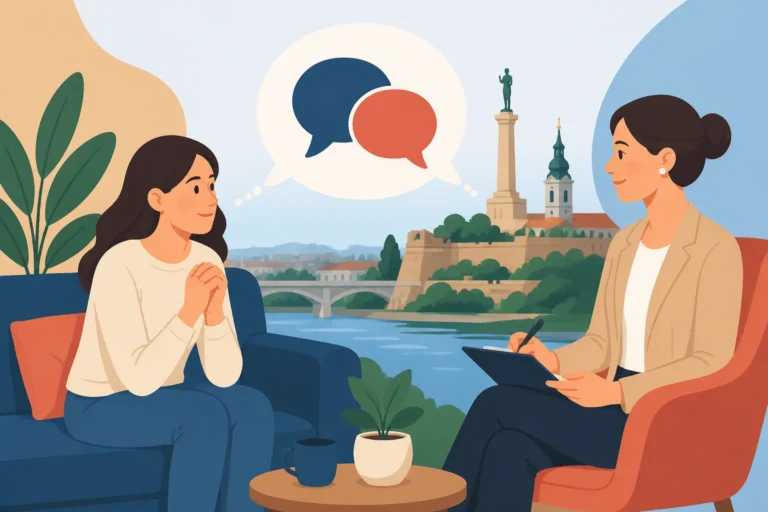
The first session with a psychologist is rarely a deep dive into your deepest fears. Think of it more as a mutual interview. It’s an opportunity for you to assess whether the therapist is a good fit, and for the therapist to understand your needs and determine if they can provide the best support. It’s completely normal to feel a bit nervous, but remember, this is a space for you to be open and explore.
During this initial meeting, the psychologist will likely ask you about your reasons for seeking therapy, your personal history, and your current life situation. This is also your chance to ask questions:
- What is your therapeutic approach?
- Do you have experience working with expats or people from my cultural background?
- What are your fees and payment policies?
- How often do you recommend sessions, and for how long?
- What is your cancellation policy?
- Are you able to provide invoices for insurance reimbursement?
It's okay if you don't feel an immediate connection or if their approach doesn't quite match what you imagined. The therapeutic relationship, often called the "therapeutic alliance," is a key predictor of successful outcomes, so finding someone you feel comfortable and safe with is paramount. Don't hesitate to "interview" a few different psychologists before committing to one. This is your mental health, and you deserve to find the right guide for your journey. For a broader view on navigating the system, our article Navigating the Serbian Healthcare System: An Expat's Roadmap (2027) can provide valuable context.
| Feature | Public Mental Health Services (RFZO) | Private Mental Health Services (Out-of-Pocket/Private Insurance) |
|---|---|---|
| Cost | Free or heavily subsidized for RFZO-insured | Varies, typically 30-70 EUR per session |
| Accessibility | Requires GP referral, long waiting lists | Direct access, often quicker appointments |
| Language | Primarily Serbian, limited English speakers | High likelihood of English-speaking professionals |
| Coverage | Covered by RFZO, but access is challenging | Rarely covered by RFZO; check private/international insurance |
| Flexibility | Less flexible appointment times, limited choice | More flexible scheduling, wider choice of therapists/approaches |
| Specialization | General psychological support; may have specialists | Diverse specializations (expat issues, trauma, CBT, etc.) |
| Privacy/Stigma | May carry some societal stigma | Generally higher privacy and less stigma |
Disclaimer
The information provided in this guide is intended for general informational purposes only and does not constitute professional medical, legal, or financial advice. While we strive to provide accurate and up-to-date information, circumstances in Serbia can change rapidly. Always consult with a qualified professional, such as a healthcare provider, legal expert, or financial advisor, for advice tailored to your specific situation. Reliance on any information in this article is solely at your own risk.