Can I Buy Antibiotics Over the Counter in Serbia?
One of the most common worries for expats and tourists, especially when you're feeling under the weather in a new country, is how to get hold of essential medications. There's nothing quite like the panic of a looming infection and not knowing if you can simply walk into a pharmacy and get what you need. This comprehensive guide will clear up the confusion surrounding buying antibiotics in Serbia, detailing the legal requirements, the process, and what you can realistically expect.
The Short Answer: Are Antibiotics Over the Counter in Serbia?
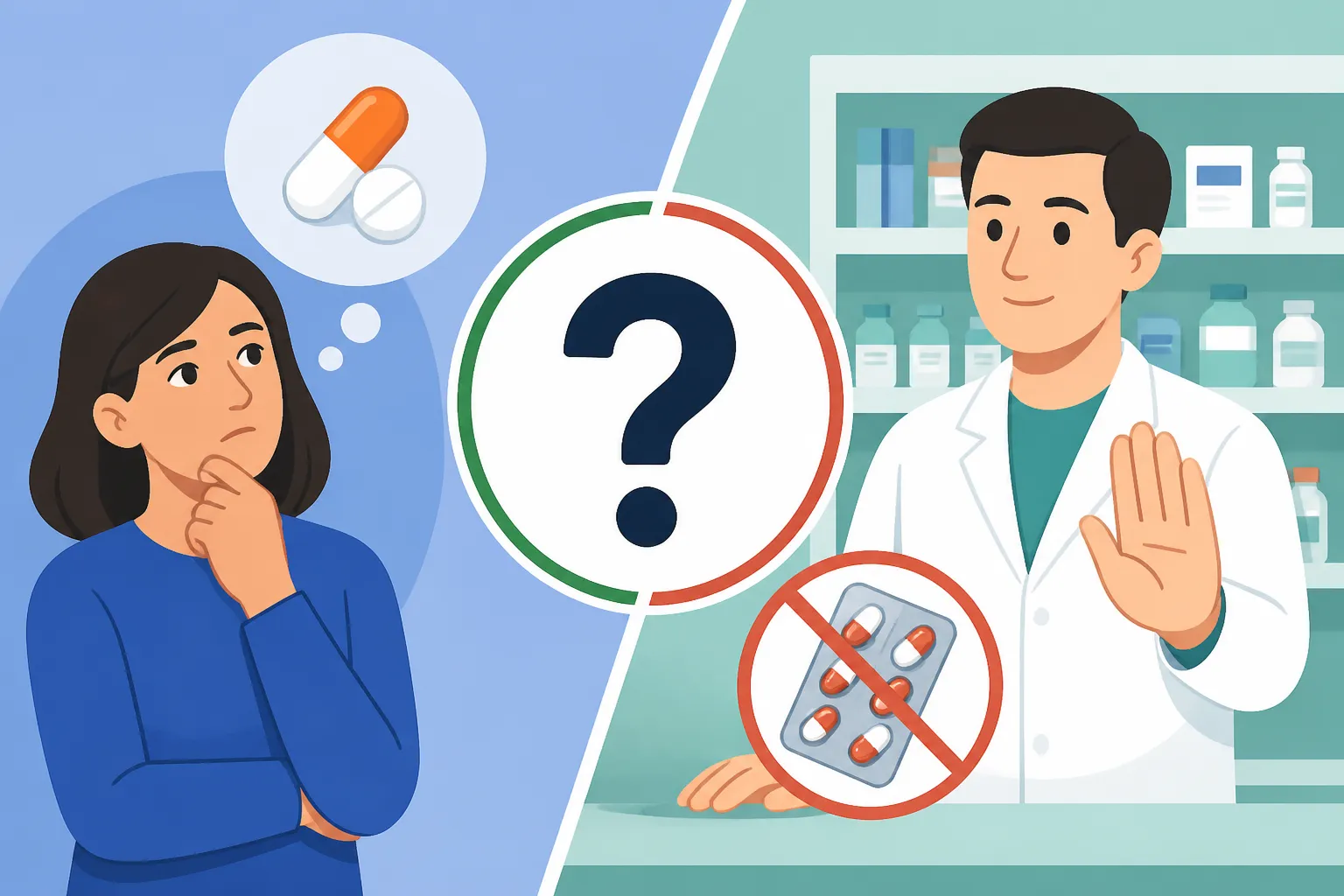
Let's cut right to the chase, because when you're feeling unwell, you don't want to wade through pages of information to get the fundamental answer. The straightforward truth is: no, you generally cannot buy antibiotics over the counter in Serbia without a valid prescription from a doctor. This isn't unique to Serbia; it's a standard practice in most countries to combat antibiotic resistance and ensure proper medical supervision.
The General Rule and Why It Matters
Serbia, like many other European nations, takes the regulation of antibiotics very seriously. You might have heard whispers or anecdotes about how "easy" it is to get antibiotics in certain countries, and perhaps you've even experienced it yourself in a different part of the world. However, those days, if they ever truly existed without a grey market, are largely a thing of the past in Serbia for good reason. The Republic Health Insurance Fund (RFZO) and the Ministry of Health enforce strict protocols to ensure that these powerful medications are used responsibly. The primary goal is to prevent the overuse and misuse of antibiotics, which are critical factors in the global fight against antibiotic resistance. This means that a pharmacist, by law, cannot dispense antibiotics unless you present a prescription issued by a licensed medical professional. This rule applies whether you're a long-term expat, a new arrival, or just visiting.
Dispelling the Myths: What People Often Assume
It's natural to arrive in a new country with preconceived notions, especially concerning something as vital as healthcare. Many expats initially assume that if they can't speak Serbian, or if they're a tourist, the rules might be relaxed, or they might find a sympathetic pharmacist willing to bend the rules. This is a common misconception. While Serbian pharmacists are incredibly knowledgeable and generally very helpful, they are bound by law. Attempting to persuade a pharmacist to provide antibiotics without a prescription will likely lead to polite refusal and, frankly, isn't fair to them. Similarly, some might assume that in certain smaller towns or more rural areas, regulations might be looser. This is generally not the case. The regulatory framework for pharmaceuticals is national. You also won't find specific types of antibiotics available over-the-counter that are prescription-only elsewhere. For a comprehensive overview of how medicines are regulated, you can refer to our guide on Prescription Medications and Pharmacies in Serbia: The Complete Guide.
How to Legally Obtain Antibiotics in Serbia
So, if you can't just walk into a pharmacy and ask for antibiotics, what's the correct procedure? The process is quite clear: you need to see a doctor. This might sound like an extra hurdle, especially when you're feeling miserable, but it’s essential for your health and the health of the wider community.
Getting a Prescription from a Serbian Doctor: Public vs. Private
Your first step is to consult a licensed medical doctor in Serbia. You have two main avenues for this: the public healthcare system or a private clinic.
Public Healthcare System (Dom Zdravlja):
If you are a registered expat with the RFZO and have chosen a GP (Izabrani Lekar) at a local Dom Zdravlja (health centre), this is your primary route. You would schedule an appointment with your GP, explain your symptoms, and they would conduct an examination. If your GP determines that antibiotics are necessary, they will issue an electronic prescription. The benefit here is that, as an RFZO insured individual, your visit and prescription costs are largely covered, save for a small co-payment for some medications. However, getting an appointment, especially if you don't speak Serbian, might require some navigation. Our guide on How to Register with the RFZO and a GP in Serbia (2027) provides detailed steps.
Private Clinics:
For many expats, especially new arrivals or those who prefer more immediate access and English-speaking staff, private clinics are often the preferred choice. Major cities like Belgrade and Novi Sad have numerous private clinics with doctors who speak excellent English. You can usually call ahead for an appointment, often getting one the same day or the next. The doctor will examine you, and if they deem antibiotics appropriate, they will issue a paper or electronic prescription. Be prepared to pay for the consultation out-of-pocket, which can range from 3,000 to 7,000 RSD (around €25-€60), depending on the clinic and the specialist. While more expensive than public healthcare, it offers convenience and sometimes shorter wait times. Remember to keep your receipts if you have private health insurance, like from providers such as SafetyWing, which might offer reimbursement for these consultation fees.
Understanding the Prescription Process: What to Expect at the Pharmacy
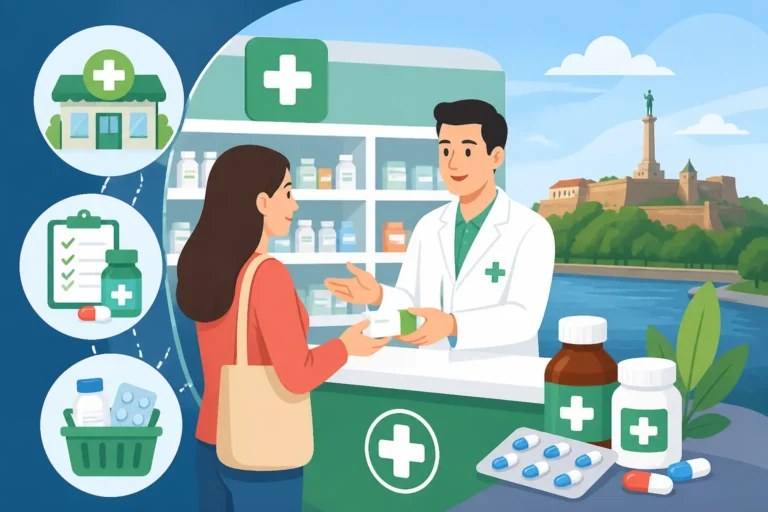
Once you have a prescription, whether it's from a public or private doctor, the next step is to take it to any pharmacy (apoteka) in Serbia.
Electronic Prescriptions (E-recept): Most prescriptions in Serbia are now electronic. When your doctor issues an e-recept, it is linked to your Serbian health insurance number (LBO) or national ID number. When you go to the pharmacy, simply present your health insurance card (zdravstvena knjižica) or your Serbian ID card (lična karta). The pharmacist will access your prescription digitally. If you are a foreigner with RFZO coverage, ensure you have your privremeni boravak (temporary residence) card or relevant document with your LBO.
Paper Prescriptions: Some private clinics, especially for foreigners who might not have a Serbian health insurance number yet, still issue paper prescriptions. These prescriptions will typically have the doctor's stamp and signature. Hand this paper to the pharmacist, who will then dispense the medication. They might keep the original paper prescription for their records.
Regardless of the type, always make sure the prescription is clearly legible (if paper) and includes the antibiotic name, dosage, frequency, and duration of treatment. Pharmacists in Serbia are highly trained and will often provide instructions on how to take the medication, what to avoid, and potential side effects. Don't hesitate to ask questions, even if you need to use a translation app.
What If You Have a Foreign Prescription?
This is a common question, and the answer is usually disappointing: generally, a foreign prescription is not valid in Serbia. Serbian pharmacies operate under Serbian law and can only dispense prescription medications based on prescriptions issued by doctors licensed to practice in Serbia.
There might be very rare exceptions in truly dire emergency situations, but this is at the complete discretion of the pharmacist and often involves a consultation with a local doctor anyway. It's not something you should rely on. If you arrive in Serbia with an existing infection and a foreign prescription, your best course of action is still to consult a Serbian doctor immediately. They will assess your condition, and if appropriate, issue a local prescription for the necessary antibiotic. This is especially important for travellers or new expats who might get sick shortly after arriving. For more details on what to do in such situations, consult What Happens If I Get Sick Before I Register with the RFZO in Serbia?.
Navigating Pharmacies and Medical Consultations as an Expat
Navigating the healthcare system in any new country can feel like a labyrinth, and Serbia is no exception. However, with a bit of preparation and understanding, it becomes much smoother.
Finding a Pharmacy and What to Ask For
Pharmacies are abundant in Serbia, especially in urban areas like Belgrade and Novi Sad. They are easily identifiable by the green cross sign (apoteka). Many pharmacies operate extended hours, and you'll find 24-hour pharmacies (dežurna apoteka) in larger cities for emergencies.
When you enter a pharmacy with your prescription, approach the counter. If you don't speak Serbian, a simple "Dobar dan, imate li engleski?" (Good day, do you have English?) is a good start. Many pharmacists, especially in bigger cities, will speak at least some English, given the growing expat community and tourist influx. Present your prescription and your ID/health card. The pharmacist will retrieve the medication, explain the dosage, and advise on usage. This is also a good opportunity to ask if there are any known interactions with other medications you might be taking, or if you should avoid certain foods or activities while on the antibiotic.
Important Tip for Expats: Keep a small notebook or use a note-taking app on your phone for medical terms. Learning a few basic phrases like "antibiotik," "recept" (prescription), "doktor" (doctor), and "bolestan" (sick) can make a big difference.
The Importance of a Proper Diagnosis
It's crucial to understand why antibiotics are prescription-only. They are potent drugs designed to combat bacterial infections, but they are completely ineffective against viruses (like the common cold or flu). Taking antibiotics unnecessarily for a viral infection not only won't help you but contributes to the global problem of antibiotic resistance. This means when a truly serious bacterial infection strikes, those antibiotics might not work as effectively, if at all.
This is why seeing a doctor is paramount. A medical professional will accurately diagnose your condition, determine if a bacterial infection is indeed present, and prescribe the correct antibiotic for that specific type of bacteria. Self-diagnosing and trying to obtain antibiotics without a doctor's assessment is risky and can lead to inappropriate treatment, delayed recovery, or even adverse health effects. Trust me, I've seen too many expats frustrated because they assumed they knew best, only to end up sicker.
Emergency Situations and Limited Access
What happens if you suddenly fall severely ill and suspect a bacterial infection, especially if you're a tourist or a new expat without a registered GP or local health insurance? In such cases, emergency services are available.
You can visit an emergency room (Hitna Pomoć) at a general hospital. For serious, life-threatening emergencies, call 194 for an ambulance. They will assess your condition and provide necessary treatment, including antibiotics if required. Be aware that wait times in public emergency rooms can be long. For less severe but urgent situations, a private clinic might be a faster option, though it will involve a fee. Many private clinics have urgent care services where you can walk in or get a same-day appointment for a consultation. International travel insurance, like SafetyWing, is incredibly useful here, as it can cover emergency medical treatments and doctor visits, easing the financial burden during a stressful time. For more on emergency situations, read Emergency Medical Care in Serbia: What Every Expat Needs to Know.
Here's a quick overview of how to obtain antibiotics in Serbia:
| Situation | Recommended Action | Key Considerations |
|---|---|---|
| Registered Expat (RFZO) | See your registered GP (Izabrani Lekar) at your Dom Zdravlja. They will issue an e-prescription. | Your visit and medication are mostly covered, but you'll need your RFZO health card. Appointments might require booking in advance. |
| New Expat/Tourist (No RFZO) | Visit a private clinic or an urgent care facility. A private doctor will issue a paper or e-prescription. | You will pay for the consultation and medication out-of-pocket. Keep receipts for potential insurance claims (e.g., SafetyWing). Many private clinics have English-speaking staff. |
| Urgent/Severe Illness | Go to a hospital emergency room (Hitna Pomoć) or call 194 for an ambulance. | Be prepared for potential wait times in public hospitals. For critical conditions, this is the quickest route to diagnosis and treatment. Have your ID and insurance details ready. |
| Foreign Prescription | Not generally accepted. You will still need to consult a Serbian doctor to get a local prescription. | A Serbian doctor must assess your condition and issue a valid prescription according to local regulations. Do not rely on foreign prescriptions. |
Alternative Approaches and Prevention
While this guide focuses on antibiotics, it’s also important to consider broader health strategies, especially when living abroad. Sometimes, what feels like a serious infection might be manageable with over-the-counter remedies, or could have been prevented altogether with proactive health measures.
When Over-the-Counter Remedies are Appropriate
Not every sniffle or sore throat requires antibiotics. Many common ailments are viral and can be treated symptomatically with non-prescription medications readily available at any Serbian pharmacy. For instance, pain relievers like paracetamol (often branded as Panadol or Efferalgan) and ibuprofen (Brufen, Rapidol), cold and flu remedies, cough syrups, nasal sprays, and lozenges are all available over the counter. Pharmacists are excellent resources for recommending these types of remedies based on your symptoms. Don't be shy about describing what you're feeling to them; they are healthcare professionals who can provide valuable guidance and tell you if your symptoms warrant a doctor's visit. Sometimes, all you need is some good old rest and some vitamin C. For more insights into how pharmacies work, check out Understanding the Pharmacy System and Buying Medicines in Serbia.
The Role of Health Insurance and Why You Need It
Having adequate health insurance in Serbia is not just a good idea; it's often a legal requirement for temporary residence. More importantly, it provides peace of mind and financial protection. If you need to see a doctor for a prescription, whether it's for antibiotics or anything else, good insurance coverage makes the process much less stressful.
- RFZO (Public Health Insurance): If you are employed in Serbia or meet other eligibility criteria, you'll be contributing to the RFZO, which covers a significant portion of your medical costs, including doctor visits and prescription co-payments. Understanding How Serbia's Health System Works: The RFZO and Private Care Explained (2027) is key.
- Private Health Insurance: For those not covered by RFZO, or who prefer the flexibility and added benefits of private care, private health insurance is essential. Many international providers, as well as local Serbian companies, offer plans tailored for expats. This type of insurance can cover private clinic consultations, specialist visits, and sometimes even a portion of your medication costs. When considering plans, look for options that specifically cover doctor visits and prescriptions. Companies like SafetyWing offer travel medical insurance that is popular among digital nomads and expats, providing coverage for unexpected illnesses and injuries, which could include the need for an antibiotic prescription following a doctor's consultation. This is especially vital for the initial period when you're still getting set up. Read more about your options in Health Insurance in Serbia: RFZO, Private and International Options Explained.
Proactive Health Management
Living abroad presents unique health challenges, from adapting to a new climate and diet to increased exposure to new pathogens. Being proactive about your health can reduce the likelihood of needing antibiotics in the first place.
- Vaccinations: Ensure your vaccinations are up-to-date, both for your home country and any recommended for Serbia.
- Hygiene: Maintain good personal hygiene, especially hand washing, to prevent the spread of infections.
- Diet and Lifestyle: Eat a balanced diet, stay hydrated, get enough sleep, and manage stress. A healthy immune system is your best defence.
- Annual Check-ups: Even if you feel fine, regular health check-ups with a doctor can catch potential issues early.
- Knowing Your Body: Pay attention to your body's signals. If symptoms persist or worsen, don't delay seeking medical advice. Better to get checked out and find out it's nothing serious than to wait too long.
By understanding the rules, knowing your options, and taking a proactive approach to your health, you can confidently navigate the process of obtaining antibiotics and other medical care during your time in Serbia.
Disclaimer
The information provided in this guide is for general informational purposes only and does not constitute medical or legal advice. Regulations regarding healthcare and medication can change. Always consult with a qualified medical professional for any health concerns and official Serbian government sources or legal professionals for the most accurate and up-to-date information regarding healthcare laws and procedures in Serbia.