How to Handle a Medical Emergency While Travelling from Serbia
Leaving Serbia for a trip, whether it's for a weekend getaway or an extended adventure, is usually filled with excitement. But what happens if, in a foreign land, you suddenly face a medical emergency? The thought alone can be terrifying – grappling with unfamiliar healthcare systems, language barriers, and the sheer panic of an unexpected illness or injury far from home. This guide is here to walk you through exactly what to do, how to prepare, and what to expect when a medical emergency strikes while you're travelling from Serbia, giving you practical, real-world advice to navigate this incredibly stressful situation.
Understanding Your Coverage Before You Go
Before you even step foot outside of Serbia, the single most critical step you can take is to understand your health insurance coverage. I can't stress this enough, friends. The worst time to figure out what your policy covers is when you're lying in a hospital bed in a country where you don't speak the language. It’s a painstaking task, yes, but it’s absolutely vital for your peace of mind and your wallet.
Reviewing Your Existing Health Insurance Policies
First things first, let's talk about what you might already have. If you're an expat living in Serbia, you might be registered with the RFZO (Republic Health Insurance Fund) or you might have private health insurance here. While Serbia’s public system, the RFZO, provides excellent basic coverage within the country, it almost certainly won't cover you for medical emergencies outside of Serbia. Similarly, many local private health insurance plans in Serbia are designed primarily for in-country use. It's rare for them to have robust international emergency coverage, although some premium plans might offer some limited travel benefits.
You need to call your insurance provider directly – whether it's the RFZO or a private Serbian insurer – and ask very specific questions: "Does my policy cover me for medical emergencies when I travel outside of Serbia? If so, what are the limits, which countries are included, and what is the process for making a claim?" Get everything in writing if you can, or at least note down the date, time, and name of the person you spoke with. Don't assume anything. For a deeper dive into local options, you might want to read more about Health Insurance in Serbia: RFZO, Private and International Options Explained.
Why Travel Insurance is Non-Negotiable
Okay, now that we've established the likely limitations of your existing Serbian health insurance, let’s talk about the absolute necessity of dedicated travel insurance. This isn't just an optional extra; it's your lifeline. Imagine breaking an ankle skiing in Austria, or developing a sudden appendicitis in Greece. The medical bills in Western Europe or North America can be astronomical, easily running into tens of thousands of euros. Without travel insurance, you'd be footing that bill yourself, and trust me, that's a quick way to financial ruin.
Travel insurance is specifically designed for these situations. It covers everything from emergency medical treatment and hospitalization to medical evacuation (which can literally cost more than a house) and even repatriation of remains, God forbid. Some policies also cover trip cancellations, lost luggage, and other travel mishaps, but the medical emergency coverage is the core reason you need it. Many expats, especially digital nomads, rely on flexible options like SafetyWing, which offers health insurance tailored for those living and working abroad, with robust travel medical benefits. It’s an investment, but one that could save you from a truly dire situation. When you're looking at providers, consider companies that specifically cater to the expat and digital nomad lifestyle, as their policies are often more attuned to the realities of living a transient life, unlike standard holiday travel insurance which might have tighter restrictions on trip duration or residency.
Immediate Steps During an Emergency Abroad
So, you're travelling, and suddenly, the unthinkable happens. Whether it's a minor accident or a serious medical crisis, your first few actions are crucial. Panic is a natural reaction, but taking a deep breath and following a clear process can make all the difference.
Assessing the Situation and Seeking Initial Help
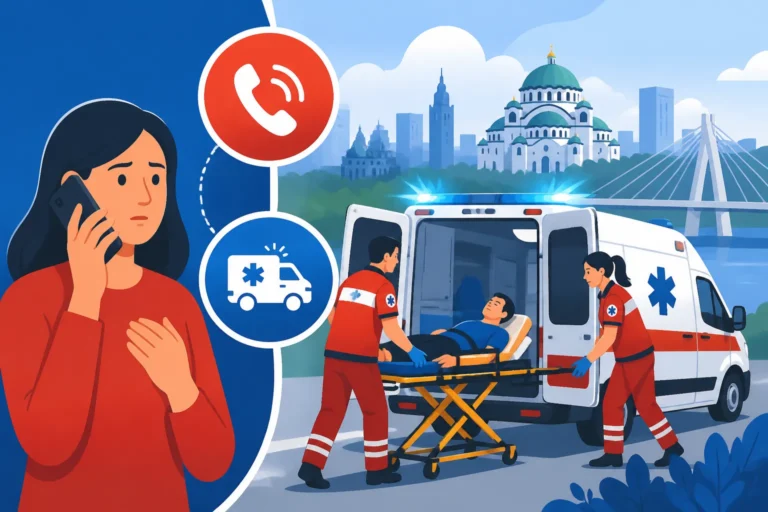
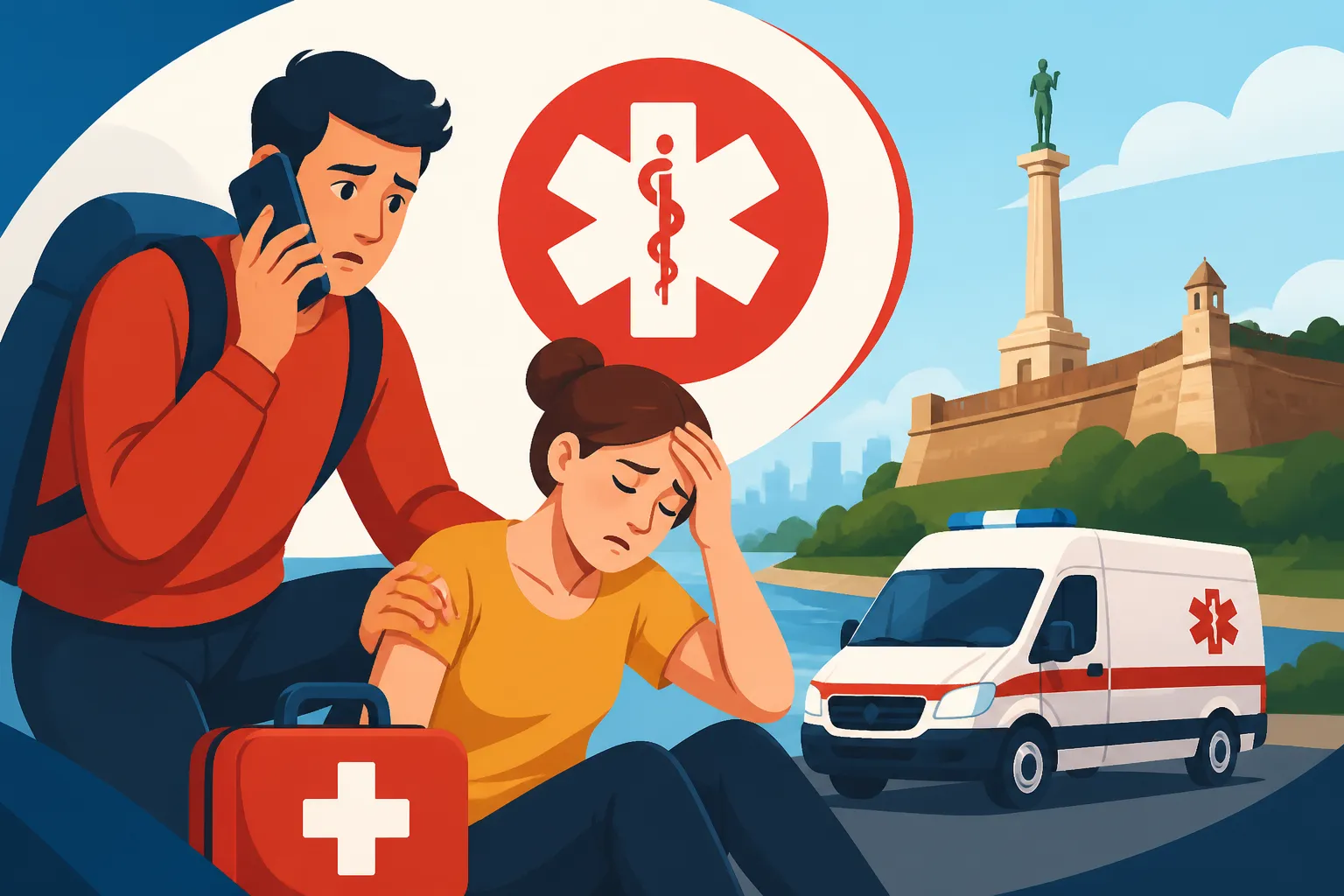
Your immediate priority is to assess the situation and get help. If someone is seriously injured or suddenly unwell, don't hesitate. Call the local emergency number immediately. This is usually 112 in most European countries, but it’s wise to look up the specific emergency numbers for every country you visit before you travel. For example, back in Serbia, you’d call 194 for an ambulance, but that won't work in, say, Hungary or Germany. Knowing this information beforehand is like having a little safety net.
When emergency services arrive, try your best to communicate the situation clearly, even if there’s a language barrier. Point to where it hurts, use simple words, or even a translation app if possible. Let them know if the person has any pre-existing conditions or allergies, if you can. Don't worry about insurance details at this exact moment; the priority is getting immediate medical attention. Once the immediate danger is stabilized, you can then start thinking about the next steps. It’s terrifying, I know, but focusing on the most urgent need first will ensure the best possible outcome. For context on how this differs from emergency services back home, you might want to refresh your memory on Emergency Medical Care in Serbia: What Every Expat Needs to Know.
Contacting Your Travel Insurance Provider First
This is perhaps the most important piece of advice I can give you regarding a medical emergency abroad: contact your travel insurance provider as soon as it's safe and practical to do so. Many policies require you to contact them before seeking non-emergency treatment, or at the very least, within a certain timeframe (usually 24-48 hours) for any medical claim. Ignoring this step could lead to your claim being denied, leaving you with massive bills.
Your insurance provider's emergency assistance line is often available 24/7. They can guide you through the local healthcare system, recommend reputable hospitals or clinics, arrange direct billing with the medical facility (saving you from paying upfront), and even provide translation services. This is where the true value of good travel insurance, like that offered by companies such as SafetyWing, shines through. They're not just there to reimburse you; they're there to actively assist you in a crisis. Have your policy number, personal details, and a brief description of the incident ready when you call. This initial call can alleviate a huge amount of stress, as you'll have an expert guiding you through the unfamiliar territory of a foreign healthcare system.
Navigating Foreign Healthcare Systems
Once the initial emergency is addressed, you'll find yourself interacting with a new healthcare system. This can be bewildering, even for seasoned expats. The standards, procedures, and expectations can vary wildly from what you're used to in Serbia.
Understanding Local Medical Facilities and Standards
Every country has its own healthcare quirks. While Serbia has a system with both public and private options, another country might lean heavily on one or the other, or have entirely different structures. For instance, in some countries, private clinics are the go-to for foreigners due to potentially shorter wait times and English-speaking staff, even if the public system is technically available. In others, public hospitals are excellent and perfectly adequate. Your travel insurance provider can often advise you on the best course of action and recommend specific facilities.
It's also important to understand the standard of care. Generally, within Europe, you can expect a good level of medical care. However, equipment, waiting times, and doctor-patient communication styles might differ. Always ask questions if you don't understand something. Don't be afraid to request clarification on diagnoses, treatment plans, or medication. Remember, you're the patient, and you have a right to understand your care. Being informed about the local healthcare landscape can lessen the feeling of helplessness during a medical crisis. Comparing this to what you know back home, thinking about How Serbia's Health System Works: The RFZO and Private Care Explained (2027) can give you a baseline for comparison.
Language Barriers and Communication Strategies
One of the biggest anxieties in a medical emergency abroad is the language barrier. Not being able to articulate your symptoms or understand a diagnosis in a high-stress situation is incredibly frustrating and frightening. While many larger hospitals or private clinics in popular tourist destinations will have English-speaking staff, it's not a guarantee, especially in smaller towns or public facilities.
This is another area where your travel insurance's assistance line can be invaluable, as they often offer translation services. If that's not immediately available, try to use a translation app on your phone (Google Translate can be a lifesaver for simple phrases). Don't be shy about writing things down, using gestures, or asking if anyone nearby speaks English and can help translate. Even finding a local resident who can act as a temporary interpreter can make a world of difference. Always carry a small card with essential medical information (allergies, blood type, current medications) in both English and the local language if you know you're prone to certain conditions. Clear communication, even through difficulties, is paramount for getting the right treatment.
Financial Considerations and Documentation
Let's face it, medical emergencies are expensive. Dealing with the financial side while recovering can add another layer of stress. Being prepared with the right documents and understanding the payment process can ease this burden significantly.
Managing Payments and Understanding Reimbursement
The billing process can vary greatly depending on the country and your insurance policy. Ideally, your travel insurance provider will arrange "direct billing" with the hospital or clinic. This means they pay the medical facility directly, and you don't have to worry about large upfront costs. This is the dream scenario. However, sometimes you might have to pay upfront, especially for smaller consultations or pharmacies, and then seek reimbursement from your insurer.
Always, always keep every single receipt, medical report, prescription, and piece of paperwork related to your treatment. These are crucial for your insurance claim. Take photos of everything if you can. Confirm with your insurance provider what documents they specifically require for a claim. Understand your deductible (the amount you pay before insurance kicks in) and any co-payments. This can be tricky, as medical facilities abroad often prefer cash or card payments immediately. For those with a SafetyWing policy, for example, their process is often streamlined to reduce out-of-pocket expenses where possible, but documentation is always key. It's a bit like understanding How to Claim Reimbursement from Private Insurance in Serbia – the principles are similar, just in a different country.
Essential Documents to Keep Handy
Being prepared with a "medical emergency kit" of documents can save you precious time and stress. Here’s a checklist of what you should always have readily accessible, preferably in both digital and physical forms:
- Passport and Visa/Residence Permit: Essential for identification and confirming your legal status.
- Travel Insurance Policy Details: Policy number, emergency contact number, and a summary of your coverage.
- Health Insurance Cards: Your Serbian RFZO or private health card (even if it doesn't cover you abroad, it proves your identity).
- Medical History: A brief summary of any pre-existing conditions, allergies, current medications (with generic names), and recent surgeries. This is especially vital if you have a chronic illness.
- Contact Information: Emergency contacts (both local and back home), and your GP's details in Serbia.
- Financial Details: A credit card with sufficient limit for unexpected expenses, and some local currency.
- Copies of Prescriptions: Especially for vital medications, ideally with the generic drug names.
Consider keeping digital copies on your phone, in a cloud service, and emailing them to a trusted contact. Having these documents organized can seriously streamline the process when every second counts. For general information on local healthcare, consider reviewing The Complete Guide to Healthcare in Serbia for Expats (2027) to appreciate the nuances of different systems.
Repatriation and Follow-Up Care
After the immediate crisis has passed and you're on the road to recovery, there are still important considerations, particularly if your emergency was severe enough to prevent you from continuing your trip as planned.
When Medical Evacuation Becomes Necessary
In severe cases, particularly if you're in a remote area or a country with less developed medical facilities, medical evacuation might be necessary. This means being transported, often by air ambulance, to a more suitable medical facility in another country, or even back to Serbia. This is one of the most expensive aspects of a travel medical emergency, and without comprehensive travel insurance, it’s simply unaffordable for most people. An air ambulance can cost well over €50,000, sometimes even hundreds of thousands, depending on the distance.
Your travel insurance provider, like SafetyWing or similar companies, will assess the medical necessity of an evacuation in consultation with the treating doctors. They will coordinate all the logistics, from arranging the medical transport to ensuring you have medical supervision during the journey. This is where the true peace of mind comes from having a robust travel insurance policy – knowing that if the absolute worst happens, you won't be left stranded or facing an impossible financial burden. It’s a stark reminder that basic insurance is rarely enough when you're truly in a bind far from home.
Returning Home and Continuing Your Recovery
Once you’re stable enough, the focus will shift to getting you home to Serbia. Your travel insurance should also cover medically necessary repatriation – transportation back to your country of residence, often with a medical escort if required. Again, all of this will be coordinated by your insurer.
Upon returning to Serbia, you'll need to continue your recovery journey within the local healthcare system. Ensure you have all your medical records from abroad to share with your GP or specialists in Serbia. This continuity of care is vital. You’ll probably need to follow up with your doctor (or "izabrani lekar" as they say here) at your local Dom Zdravlja or a private clinic, depending on your preferences and the complexity of your case. For advice on navigating this, you might find Navigating the Serbian Healthcare System: An Expat's Roadmap (2027) helpful. Remember to inform your local Serbian insurer (RFZO or private) about your medical event abroad and any ongoing treatment you require. The transition can be smoother if you have all your paperwork in order and communicate proactively with your healthcare providers both overseas and back in Serbia.
Key Considerations for Travel Insurance
Choosing the right travel insurance is paramount. It’s not a one-size-fits-all solution, and what works for a quick holiday might not be sufficient for a longer trip or for someone with specific needs.
| Feature / Benefit | Importance Level | Description |
|---|---|---|
| Emergency Medical Coverage | Absolutely Critical | Covers hospital stays, doctor visits, surgery, and prescription medication for unexpected illnesses or injuries abroad. Look for high limits (e.g., €1,000,000+). |
| Emergency Medical Evacuation | Crucial | Covers the cost of medically necessary transport to a suitable medical facility, which could be in another country or back to Serbia. Can be incredibly expensive without coverage. |
| Repatriation of Remains | Essential | Covers the costs of bringing your body home in the event of death. Not a pleasant thought, but a vital aspect of comprehensive coverage. |
| 24/7 Emergency Assistance | Very High | Access to a helpline that can provide translation services, connect you with local doctors, and coordinate care. |
| Trip Cancellation/Interruption | High | Reimburses non-refundable expenses if your trip is cancelled or cut short due to covered reasons (e.g., illness, family emergency). |
| Baggage and Personal Effects | Medium | Covers loss, theft, or damage to your luggage and personal belongings. |
| Pre-existing Conditions | If Applicable | Some policies exclude or have specific rules for pre-existing medical conditions. Declare everything honestly, or risk your claim being denied. |
| Adventure Sports Coverage | If Applicable | If you plan activities like skiing, diving, or hiking, ensure your policy covers injuries from these specific sports. |
| COVID-19 Coverage | Currently Essential | Many policies now include specific coverage for COVID-19 related medical emergencies, quarantine, or trip cancellations. Always check the fine print. |
When you're evaluating options, don't just look at the price. A cheaper policy might have significantly lower coverage limits or more exclusions, which could cost you far more in the long run. Take the time to compare different providers. For example, if you’re looking at digital nomad insurance, you’ll find that options like SafetyWing are specifically designed for long-term travel and remote work, often covering you automatically as you move between countries, which is incredibly convenient. Always read the policy wording carefully, especially the sections on exclusions and claims procedures. Don't be afraid to ask direct questions to their customer service if anything is unclear.
My Personal Takeaway
Having lived in Serbia for a good while now, I’ve learned that the administrative dance here can be… challenging, to say the least. But it’s nothing compared to facing a medical emergency in a foreign country without proper preparation. I’ve seen friends go through it, and the stress is immense. Your priority should always be safety and health, not worrying about bankrupting yourself because of an unforeseen medical bill.
Invest in good travel insurance. Think of it not as an expense, but as an essential safety net. It’s the single best thing you can do to protect yourself and your family when you venture beyond Serbia’s borders. Be informed, be prepared, and travel safe, my friends. It makes all the difference in the world.
Disclaimer
The information provided in this guide is for general informational purposes only and does not constitute medical, financial, or legal advice. While we strive to keep the information up-to-date and correct, we make no representations or warranties of any kind, express or implied, about the completeness, accuracy, reliability, suitability, or availability with respect to the website or the information, products, services, or related graphics contained on the website for any purpose. Any reliance you place on such information is therefore strictly at your own risk. Always consult with qualified professionals for specific advice tailored to your situation.