Understanding Medical Tourism and Treatment Costs in Serbia
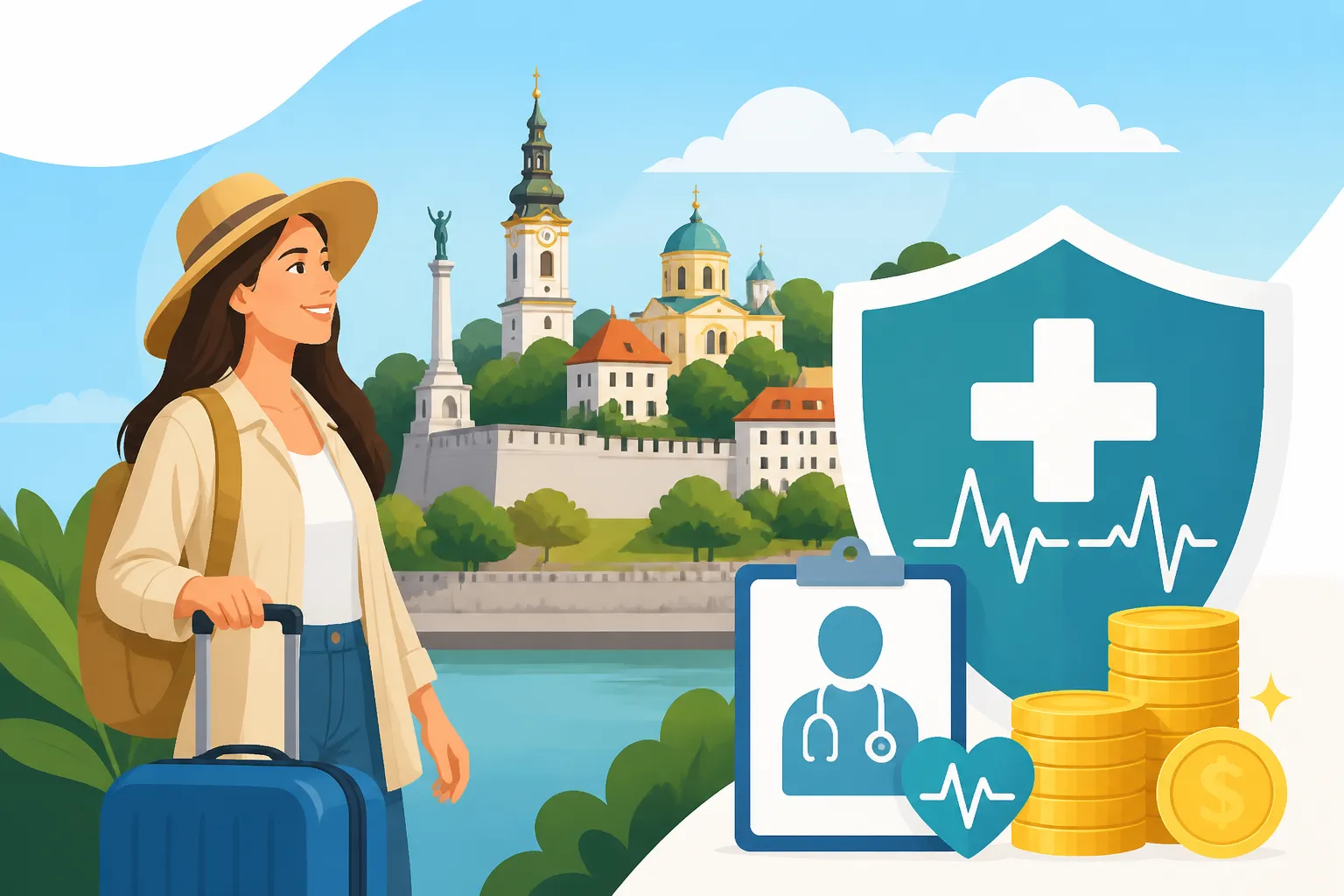
Navigating the labyrinth of medical procedures and costs in your home country can be overwhelming, leading many to explore options abroad. Serbia has quietly but steadily emerged as a compelling destination for medical tourism, offering a blend of quality care and significantly more affordable prices. This guide will walk you through everything you need to know about seeking medical treatment here, from popular procedures to understanding the financial landscape and ensuring a smooth, safe experience.
Why Serbia is Becoming a Medical Tourism Destination
When you think of medical tourism, places like Thailand or Turkey often spring to mind, but Serbia is rapidly gaining recognition. This isn't just about chasing the lowest price; it's about a confluence of factors that make it a genuinely attractive option for foreigners seeking everything from a new smile to advanced fertility treatments. Expats who've lived here for a while often lament the inefficiencies of the public system, but the private sector is a whole different ballgame, especially when it comes to attracting international patients.
Affordability Without Compromise
One of the most undeniable draws of Serbia for medical tourists is the cost. Let's be frank, healthcare costs in many Western countries have spiraled, making essential or elective procedures simply out of reach for many. Serbia offers a stark contrast. You can often find treatments here at a fraction of the price you'd pay in the UK, USA, Canada, or even Western Europe, sometimes saving 50-70%. This isn't because the care is subpar; rather, it’s due to a lower cost of living, lower wages for medical staff (compared to Western standards, though still competitive locally), and different operational overheads. It's a sweet spot where you get highly trained professionals and modern facilities without the eye-watering bill. For instance, a dental implant procedure that might set you back thousands in London could be had for a significantly more reasonable sum in Belgrade, making it a viable option for those on a tighter budget, or simply those who prefer to save a pretty penny.
Quality of Care and Expertise
The idea of "cheap" medical care can sometimes trigger alarm bells, making people worry about compromising on quality. However, Serbia boasts a strong medical tradition, particularly in fields like dentistry and cosmetic surgery. Many Serbian doctors and specialists have received training in Western Europe or the US, bringing international best practices back home. They often attend international conferences, are members of global medical associations, and operate clinics equipped with state-of-the-art technology. You'll find modern, private clinics, particularly in Belgrade and Novi Sad, that meet European standards for hygiene and equipment. These clinics are often specifically geared towards international patients, understanding their expectations for professionalism and communication. For anyone considering serious treatment, this blend of expertise and modern facilities is reassuring, knowing you're not just getting a good deal, but also good care.
Accessibility and Location
Serbia’s geographical location also plays a significant role in its appeal. Situated in the heart of the Balkans, it's easily accessible from most European capitals, with direct flights to Belgrade's Nikola Tesla Airport (BEG) from many major cities. This makes travel arrangements relatively straightforward and less time-consuming, especially for those who might need multiple visits for their treatment. The travel time and cost often pale in comparison to the savings on the medical procedures themselves. Furthermore, for those from neighbouring countries or even further afield, the flight connections are improving, making it a practical choice. The capital, Belgrade, is a vibrant city with a rich history, offering plenty to see and do, allowing patients to combine their medical trip with a pleasant recovery in a new cultural setting, transforming a potentially stressful medical journey into something more akin to a vacation.
Popular Medical Treatments Sought in Serbia
While Serbia offers a broad spectrum of medical services, certain specialties have gained particular traction among medical tourists. These are typically areas where the cost differential is most pronounced, or where Serbian practitioners have developed a strong reputation for skill and innovation. It's worth remembering that, even for general medical needs, it's important to understand how Serbia's health system works, including the roles of the RFZO and private care.
Dental Procedures
Without a doubt, dentistry is the crown jewel of Serbia's medical tourism offerings. People flock from all over Europe, and even further, for everything from routine check-ups and cleanings to complex reconstructive work. Imagine needing multiple dental implants, veneers, or crowns; the price difference between, say, Switzerland and Serbia can be truly astronomical. Serbian dentists are known for their precision, artistic touch, and use of high-quality materials, often from the same European suppliers used in more expensive countries. You’ll find clinics specializing in cosmetic dentistry, prosthodontics, and orthodontics, many of which cater specifically to international clients with English-speaking staff and streamlined processes. Many expats living here will tell you that getting dental work done in Serbia is an absolute no-brainer. The quality is high, the technology is modern, and the savings are substantial, making it a top recommendation for anyone needing significant dental interventions. If you're wondering about specifics, we have a detailed guide on Understanding Dental Care Costs in Serbia.
Cosmetic Surgery and Aesthetic Treatments
Another incredibly popular segment for medical tourism in Serbia is cosmetic surgery and aesthetic medicine. From facelifts and rhinoplasties to breast augmentations and liposuction, Serbian plastic surgeons are making a name for themselves. These procedures, often considered elective and not covered by standard health insurance, can be prohibitively expensive in many countries. In Serbia, you can access highly skilled surgeons and modern clinics offering these services at a fraction of the price. Beyond invasive surgeries, non-surgical aesthetic treatments like Botox, fillers, laser hair removal, and various skin rejuvenation therapies are also widely available and much more affordable. Many clinics offer comprehensive packages that include consultations, the procedure itself, and follow-up care, all designed to make the process as seamless as possible for international patients. It’s not uncommon to hear stories of friends taking a "medical vacation" to Belgrade for a procedure they’ve always wanted but couldn’t afford back home.
Fertility and Reproductive Medicine
For couples struggling with infertility, the emotional and financial toll of fertility treatments can be immense. Serbia has become a beacon of hope for many, offering advanced reproductive technologies like IVF (In Vitro Fertilization) at significantly lower costs than in Western Europe or North America. Serbian fertility clinics are equipped with modern laboratories and staffed by experienced embryologists and reproductive endocrinologists. They provide a range of services, including egg donation, sperm donation, and other assisted reproductive techniques, adhering to high medical standards. The more relaxed regulatory environment in some aspects, combined with the lower costs, makes Serbia an attractive option for couples seeking to start a family without breaking the bank. Many clinics also offer personalized care plans and excellent patient support, understanding the sensitive nature of these treatments.
General Surgery and Diagnostics
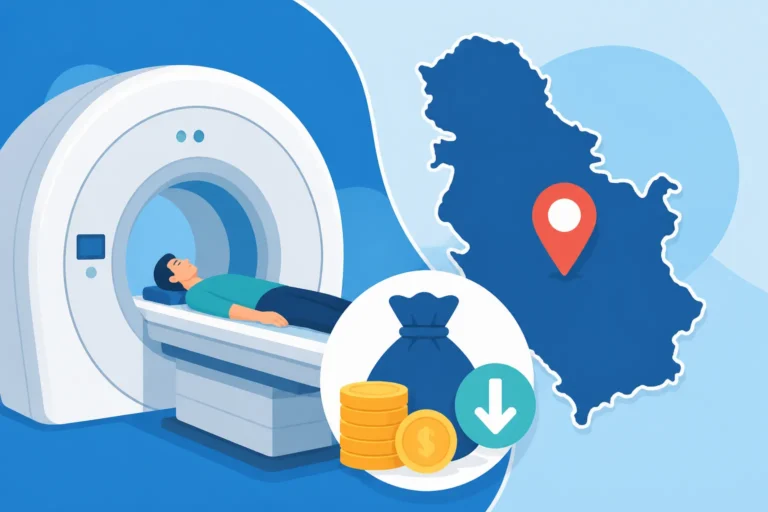
While less "glamorous" than cosmetic procedures, Serbia also sees a steady flow of medical tourists for various general surgical procedures and diagnostic tests. This includes everything from hernia repairs, gallbladder removals, and ophthalmological surgeries (like cataract removal or LASIK) to comprehensive health check-ups, MRI scans, and other advanced diagnostics. The wait times in public healthcare systems elsewhere can be painfully long, pushing people towards private options, which are then incredibly expensive. In Serbia, you can often get appointments and procedures scheduled much faster and at a much more reasonable price. For example, getting an MRI scan or a full diagnostic panel can be done quickly and affordably in a private clinic in Belgrade, bypassing the bureaucratic hurdles and long waits often experienced in other countries. Understanding the difference between public and private healthcare in Serbia is key for these kinds of treatments.
Understanding the Costs: What to Expect
Let's dive into the numbers, because for most medical tourists, cost is a primary driver. While the savings can be substantial, it's crucial to have a clear picture of all potential expenses to avoid any nasty surprises. For a full rundown, our article on The Cost of Healthcare in Serbia: A Complete Breakdown for Foreigners provides extensive details.
Comparing Costs: Serbia vs. Western Countries
The cost disparity is often the primary motivator for medical tourists heading to Serbia. To give you a tangible idea, let’s consider a few examples. A single dental implant, including the crown, could cost anywhere from €3,000 to €6,000 in Western Europe or the US. In Serbia, the same procedure, using comparable quality materials, might range from €700 to €1,500. For a breast augmentation, prices in clinics in places like London or Paris could start from €5,000-€7,000 and go significantly higher. In Belgrade, a reputable clinic might offer the same procedure for €2,500-€4,500. Similarly, an IVF cycle can run upwards of €10,000-€15,000 in many Western nations, while in Serbia, it could be closer to €3,000-€5,000.
These aren't just figures pulled from thin air; they reflect the stark economic realities and operating costs. While doctors are highly trained, their local salaries are lower than their Western counterparts, which translates directly into lower service fees for patients. Additionally, the cost of clinic rent, staff wages, and administrative overheads are all considerably less in Serbia. This allows clinics to offer competitive pricing without sacrificing the quality of care or the use of modern equipment. It’s this substantial saving that makes the journey worthwhile for many, often covering flight and accommodation costs multiple times over.
Hidden Costs and Additional Expenses
While the core procedure cost might be incredibly attractive, it's vital to factor in the entire financial picture. There are often "hidden" or easily overlooked expenses that can add up.
- Travel and Accommodation: Your flight tickets are an obvious one. Depending on where you're flying from and the time of year, these can vary. Then there's accommodation. Many clinics have partnerships with local hotels or apartments, offering discounted rates. You'll need to consider how long you'll stay – sometimes a few days for recovery, other times a week or more for multi-stage procedures. Don't forget local transport costs between the airport, your accommodation, and the clinic.
- Pre- and Post-Operative Care: While the main procedure cost might be quoted, always clarify if initial consultations, necessary diagnostic tests (like blood work or imaging), medications, and follow-up appointments are included. Sometimes these are billed separately. Post-operative medications, pain relief, and specialized recovery aids can also add to the bill.
- Interpreter Services: While many clinics cater to English speakers, especially in major cities, for complex medical discussions or if you feel more comfortable in your native tongue, an independent interpreter might be an additional cost. Always confirm if the clinic provides multilingual staff or if you need to arrange your own.
- Activities and Personal Expenses: Remember, you're also a tourist! You’ll need money for food, sightseeing, local transport, and any personal shopping. Budget for these to make your trip enjoyable and not solely focused on the medical aspect.
- Travel Insurance: This is absolutely critical. While your medical procedure itself might be planned and paid for, what if you have an unexpected illness or accident during your stay? Your regular health insurance from back home might not cover international medical tourism. Investing in comprehensive travel insurance that includes medical emergencies, trip cancellation, and ideally, medical evacuation, is non-negotiable. Companies like SafetyWing offer flexible and affordable travel medical insurance tailored for digital nomads and travellers, which could be a sensible option for your medical tourism journey to Serbia. Always read the fine print to ensure it covers unexpected complications from elective procedures abroad, as policies can vary.
Payment Methods and Insurance Considerations
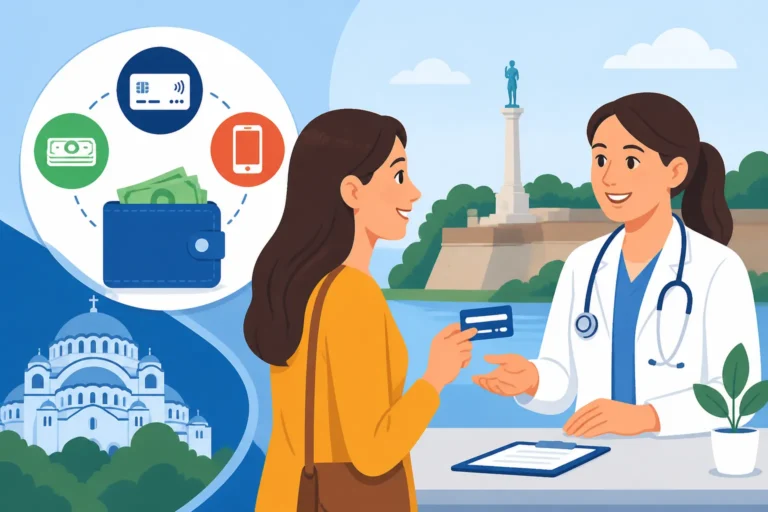
Most private clinics in Serbia accept major credit cards (Visa, Mastercard) and bank transfers. It's common for clinics to request an upfront deposit or even full payment before the procedure, especially for international patients. Always clarify the payment schedule. Carrying some local currency (Serbian Dinars – RSD) for smaller expenses, taxis, or cash-only establishments is also a good idea. You can easily exchange foreign currency at numerous exchange offices (menjačnica) throughout the cities.
Regarding insurance, this is where it gets tricky. Standard RFZO public health insurance for expats usually covers emergency care or ongoing conditions, but typically not elective procedures sought specifically for medical tourism. Your home country's health insurance or even private health insurance plans in Serbia are unlikely to cover elective procedures performed abroad. Therefore, you will almost certainly be paying out-of-pocket for medical tourism procedures. This is why the cost comparison is so important. As mentioned, travel medical insurance is essential for unexpected medical issues that might arise during your trip, not for the planned procedure itself. Check the specifics of any policy, including those from providers like SafetyWing, to understand exactly what they cover in a medical tourism context. Some policies might have exclusions for complications arising from elective cosmetic surgeries or other specific treatments. Always consult with your insurance provider before you travel.
Navigating the Process: From Inquiry to Recovery
Embarking on a medical tourism journey can feel daunting, but breaking it down into manageable steps makes it much less intimidating. From initial research to your return home, a well-planned approach is key.
Finding Reputable Clinics and Specialists
This is arguably the most crucial step. Don't just pick the cheapest option you find online. Start by researching clinics that specialize in the procedure you need. Look for those with clear websites, detailed information about their doctors (qualifications, experience, international training), and transparent pricing. Patient testimonials and reviews on independent platforms are invaluable. You can also join expat groups in Serbia on social media; people are often very willing to share their positive and negative experiences.
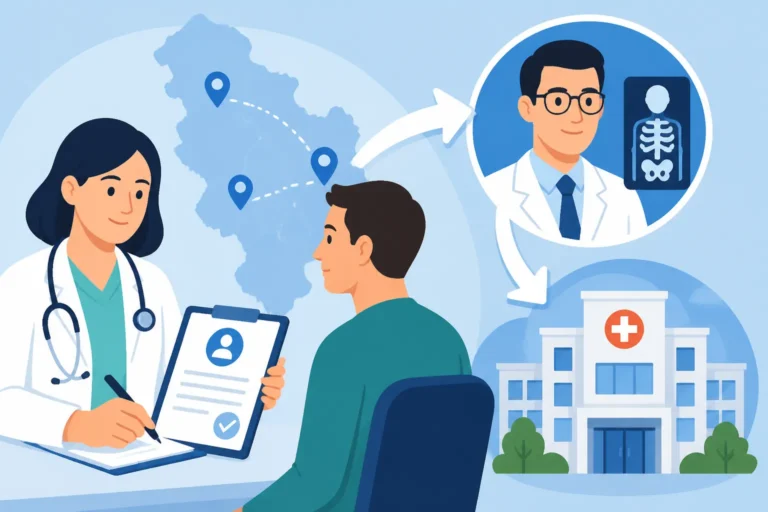
Once you have a shortlist, reach out for initial consultations. Many clinics offer free online consultations (via video call or email) where you can send your medical records, explain your needs, and receive a preliminary assessment and quote. Pay attention to their responsiveness, clarity of communication, and whether they have English-speaking staff. Ask about their accreditation, patient safety protocols, and what guarantees or follow-up care they offer. Don't hesitate to ask for before-and-after photos for cosmetic procedures or success rates for fertility treatments. For procedures in major cities, you might also want to research How to Use Major Hospitals and Clinics in Belgrade as some larger private institutions have specific departments for international patients.
Travel Logistics and Accommodation
Once you've chosen your clinic and confirmed your treatment plan, it's time to arrange your travel. Book your flights well in advance to get better rates. Most international flights will land at Belgrade's Nikola Tesla Airport (BEG). For accommodation, consider proximity to your chosen clinic, especially if you'll need regular follow-ups or will be recovering from surgery. Many clinics have arrangements with local hotels, or you can find numerous options on booking platforms like Booking.com or Airbnb, ranging from budget-friendly apartments to luxury hotels. Look for places with good reviews and convenient access to public transport or taxis.
Ensure you understand Serbia's visa requirements for your nationality. Many countries have visa-free entry for up to 90 days, but always double-check. Factor in airport transfers – taxis are readily available, or you can pre-book a transfer with your accommodation or clinic. Remember, Serbia uses the Serbian Dinar (RSD), so make sure you have some local currency upon arrival or know where to exchange money. Our guide on The Expat Guide to Setting Up Utilities (Electricity, Water, Heating) in Serbia, while focused on long-term residents, can give you a feel for local infrastructure services.
Post-Treatment Care and Follow-ups
Your journey doesn't end when the procedure is over. Quality post-treatment care is crucial for successful outcomes and preventing complications. Discuss the follow-up schedule with your clinic before you commit. This might involve return visits to the clinic, virtual consultations, or clear instructions for care you can manage yourself or with your local doctor back home. Ensure you receive all necessary medical reports, prescriptions, and contact information for any post-operative questions or concerns.
If you're having an invasive procedure, understand the recovery timeline. Will you be able to fly immediately? Will you need assistance? Plan your stay in Serbia accordingly to allow for adequate rest and healing. Some clinics even offer dedicated recovery apartments or nursing care for an additional fee. Should any unexpected issues arise, knowing what to do in a medical emergency in Serbia is vital. This forward-thinking approach ensures not only a successful procedure but also a safe and comfortable recovery process.
Potential Challenges and How to Overcome Them
No international venture is without its potential bumps in the road, and medical tourism to Serbia is no exception. Being aware of these challenges upfront allows you to plan effectively and mitigate risks.
Language Barriers
While many private clinics catering to international patients will have English-speaking staff, particularly the doctors and administrative personnel, you might encounter language barriers in other settings. This could be during taxi rides, in pharmacies, restaurants, or if you need to interact with public services for any reason. While Belgrade is quite international-friendly, venturing outside the immediate clinic environment might require a little patience or Google Translate.
To overcome this, always confirm the language proficiency of the staff you'll be interacting with at the clinic. If complex medical terminology is involved, consider hiring a professional medical interpreter. Many clinics offer this service, or you can find independent interpreters in major cities. Learning a few basic Serbian phrases, like "Dobar dan" (Good day) or "Hvala" (Thank you), can also go a long way in making your interactions smoother and showing respect for the local culture. It’s also worth checking if the clinic provides documents in English or if certified translations are available. If you're staying longer, you might even consider enrolling in a Serbian language course! Our guide on How to Find an English-Speaking Doctor in Serbia might be helpful if you need medical care beyond your specific tourism procedure.
Accreditation and Standards
Unlike some highly regulated medical tourism destinations, Serbia's private clinic accreditation system might not be immediately clear to an international patient. While many clinics adhere to high European standards, especially those targeting foreign clients, it's not always a universally recognized, single standard.
When choosing a clinic, inquire about their internal quality control, hygiene protocols, and any international affiliations or certifications they might hold. While there isn't one overarching "international accreditation" body that covers every Serbian clinic, look for memberships in reputable professional associations, both Serbian and international. This demonstrates a commitment to professional development and ethical practice. Ask about the qualifications and experience of the medical staff and where they received their training. Most doctors will openly share this information. Rely on clinics with a strong track record, positive patient reviews, and transparent communication regarding their procedures and safety measures. A good clinic will welcome your questions and provide reassuring answers.
Legal and Ethical Considerations
Crossing borders for medical treatment can sometimes enter a grey area when it comes to legal recourse if something goes wrong. While Serbian medical professionals are held to national standards, pursuing legal action from another country can be complex and expensive. This is a significant factor to consider.
Always ensure you have a clear, written agreement with your chosen clinic, detailing the procedure, costs, post-operative care, and any guarantees. Understand the process for complaints or adverse events. It is absolutely crucial to have comprehensive travel medical insurance that explicitly covers medical complications arising from elective procedures abroad, not just general travel mishaps. As mentioned before, SafetyWing is one such provider, but always check policy details. Additionally, understand the ethical guidelines followed by the clinic, especially for sensitive treatments like fertility. Ensure you feel comfortable with their approach and that all your questions are answered to your satisfaction before proceeding. It’s about being informed and prepared, rather than just hoping for the best.
Making Your Medical Trip a True "Tourism" Experience
One of the great advantages of medical tourism in Serbia is the opportunity to combine your treatment with a genuine travel experience. Rather than solely focusing on the clinic, you can leverage your time here to explore, recover, and immerse yourself in a new culture.
Combining Treatment with Sightseeing
Belgrade, the capital city, is a vibrant and historic metropolis, offering a wealth of attractions. Depending on your recovery needs, you can easily spend a few days or even a week exploring before or after your procedure. Imagine strolling through the ancient Belgrade Fortress (Kalemegdan Park), with its stunning views of the Sava and Danube rivers, or exploring the bohemian quarter of Skadarlija with its traditional restaurants and live music. The Nikola Tesla Museum offers a fascinating insight into the life of one of history's greatest inventors.
If your treatment allows, consider day trips to places like Novi Sad, home to the beautiful Petrovaradin Fortress and a charming city center, or the picturesque Fruška Gora mountains with their historic monasteries. For those with a longer recovery period, simply relaxing in a Belgrade park, enjoying the café culture, or indulging in some delicious Serbian cuisine can be a perfect way to recuperate. This blend of medical necessity with leisurely exploration can significantly reduce the stress associated with treatment and make the entire experience feel more like a refreshing getaway. It's about turning a potentially difficult period into an enriching adventure.
Local Etiquette and Cultural Immersion
Serbia has a rich culture and friendly people, and showing a little effort to understand local customs can greatly enhance your experience. Serbs are generally warm and welcoming, especially once you break the ice. A firm handshake and direct eye contact are common greetings. When entering smaller shops or homes, it's polite to greet the proprietor or host.
Food is a cornerstone of Serbian culture, and you'll find hearty, delicious meals everywhere. Don't be afraid to try local specialties like ćevapi (grilled minced meat), sarma (cabbage rolls), or kajmak (a creamy dairy product). Tipping is customary in restaurants and for taxi drivers, usually around 10-15%. Learning a few basic phrases in Serbian, as mentioned earlier, is always appreciated. Be aware that smoking is still prevalent in many public spaces, including some restaurants and cafes, though regulations are slowly changing. Embracing these cultural nuances will not only make your stay more enjoyable but will also demonstrate respect for your host country, leaving you with fond memories that extend far beyond your medical treatment.
Disclaimer
The information provided in this guide is for general informational purposes only and does not constitute medical advice. It is essential to consult with qualified medical professionals and obtain personalized advice regarding your health condition and treatment options. Medical tourism involves risks, and individuals should conduct thorough research and seek independent advice before making any decisions. We do not endorse specific clinics or medical providers.