Understanding the Role of the RFZO and Your GP in Serbia
Navigating the healthcare system in a new country can feel like trying to solve a Rubik's Cube blindfolded, and Serbia is no exception. Many expats find themselves scratching their heads when it comes to understanding how the Republic Health Insurance Fund (RFZO) actually works and what the deal is with their "chosen doctor" or GP. This guide aims to pull back the curtain on Serbia's public healthcare structure, clarify the roles of the RFZO and your GP, and equip you with the knowledge to access medical care confidently.
Demystifying the RFZO: Serbia's Public Health Insurance Fund
Let's start with the big one, the RFZO – Republički Fond za Zdravstveno Osiguranje. This is essentially the backbone of Serbia's public healthcare system, much like the NHS in the UK or a public health fund in many European countries. It’s what provides access to medical services for most residents.
What is the RFZO and How Does it Work?
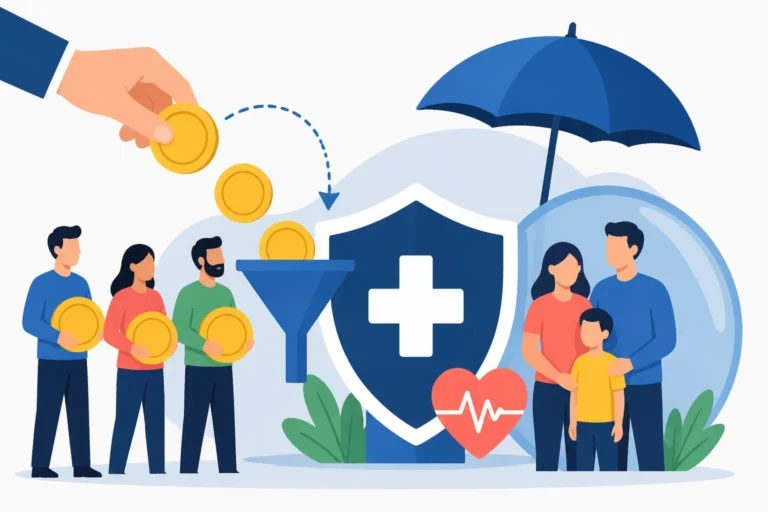
The RFZO is Serbia's mandatory public health insurance fund. It collects contributions from employees, entrepreneurs, and the state budget to finance a wide range of healthcare services. Think of it as a giant pot of money that everyone contributes to (if they're employed or self-employed in Serbia) and from which healthcare services are paid for. This system is designed to ensure that everyone legally residing and contributing to the system has access to essential medical care. When you contribute, you become an "osiguranik" or insured person, and you're issued a health card (zdravstvena knjižica or later, an electronic zdravstvena kartica) that allows you to access services.
The RFZO aims to provide universal coverage for everything from primary care and specialist consultations to hospital stays, surgeries, and prescription medications (with some co-payments). It's a comprehensive system, at least on paper, but the reality for expats can sometimes be a bit more nuanced. For more details on the overall system, check out The Complete Guide to Healthcare in Serbia for Expats (2027).
Who is Eligible for RFZO Coverage as an Expat?
This is where it gets critical for us foreigners. Eligibility for RFZO coverage isn't automatic just because you have a residence permit. You generally qualify if you fall into one of these categories:
- Employed in Serbia: If you have a formal employment contract with a Serbian company, your employer is legally obligated to register you with the RFZO and pay your contributions. This is the most common and straightforward path for expats to get public health insurance.
- Self-Employed (Pausalni Preduzetnik or DOO owner): If you're registered as an entrepreneur (pausalac) or own a company (DOO) in Serbia, you are responsible for paying your own health insurance contributions to the RFZO. This means you’re essentially your own employer in terms of contributions. The amount you pay depends on your chosen business activity and registered income, and it's calculated alongside your pension contributions. You can learn more about this by reading Understanding Health Coverage for the Self-Employed in Serbia.
- Family Members of an Insured Person: If your spouse or parent is covered by the RFZO, you might be eligible to be added as a dependent. This usually applies to spouses and children under a certain age (or older if still studying). There's a specific process for this, requiring proof of relationship and dependency.
- Pensioners: If you're a pensioner receiving a Serbian pension, you’re also covered.
- Students: International students enrolled in accredited Serbian universities can often get RFZO coverage, though the process might involve a separate application.
It's crucial to understand that simply having a temporary residence permit (boravak) doesn't automatically grant you RFZO coverage. Your basis for residence, particularly if it's work-related, is what triggers the mandatory health insurance contribution. This is why many remote workers or those on non-work residence permits (e.g., property ownership) might not be directly covered by the RFZO and need to explore private options. For a deeper dive into registration, see How to Register with the Republic Health Insurance Fund (RFZO) in Serbia.
What Services Does RFZO Cover?
The RFZO aims to be comprehensive. When you're an insured person, it covers:
- Primary Healthcare: This includes visits to your chosen doctor (GP), pediatricians, gynecologists, and dentists at public health centers (Dom Zdravlja).
- Specialist Consultations: If your GP provides a referral, the RFZO covers consultations with specialists such as cardiologists, dermatologists, ophthalmologists, etc., at public clinics or hospitals.
- Hospital Treatment: This covers hospital stays, surgeries, and medical procedures in public hospitals.
- Diagnostic Procedures: X-rays, ultrasounds, blood tests, and other diagnostics are covered, again, usually with a referral from your GP or specialist.
- Emergency Care: This is covered, although the initial ambulance service might have a small co-payment in some cases if it's not deemed a life-threatening emergency.
- Prescription Medications: A significant portion of prescription medication costs is covered, though you'll typically pay a co-payment (participacija), which can vary depending on the drug and your insurance category.
- Maternity and Prenatal Care: This is largely covered, including check-ups, childbirth, and postnatal care. More on this can be found in Understanding Maternity and Prenatal Care in Serbia.
However, it's important to be aware of co-payments (participacija). For almost every service – a doctor's visit, a specialist consultation, a blood test, a prescription – you'll be expected to pay a small fee out-of-pocket, usually a few hundred dinars. These small fees can add up, and they are a standard part of the Serbian public health system. Certain categories of people, like children, pregnant women, and pensioners for some services, might be exempt from these co-payments. For a detailed look at these costs, read Understanding Out-of-Pocket Healthcare Costs and Co-Payments in Serbia.
The Cornerstone: Your Izabrani Lekar (Chosen Doctor) or GP
If the RFZO is the engine of the public healthcare system, your "izabrani lekar" (chosen doctor) or General Practitioner (GP) is the steering wheel. They are your primary point of contact and, crucially, your gatekeeper to almost all other public medical services.
The Central Role of Your GP in the Serbian System
Your GP, or izabrani lekar, is more than just a family doctor in Serbia; they are the central figure in your public healthcare journey. This doctor will be your first stop for any non-emergency health issue, from a common cold to requesting a referral for a specialist. They maintain your medical records, oversee your general health, and are responsible for issuing prescriptions for chronic conditions or making initial diagnoses.
The system is designed this way to manage resources effectively and ensure continuity of care. It means you can't just walk into a specialist's office in a public hospital without your GP's stamp of approval. This can be a significant adjustment for expats coming from systems where direct access to specialists is more common. Patience is a virtue here, as getting a referral and then an appointment can sometimes take time.
How to Choose and Register Your GP
Choosing and registering your GP is one of the most critical steps after you've secured your RFZO coverage. You do this at a Dom Zdravlja, which is a public health center, usually serving a specific neighborhood or municipality.
- Find Your Local Dom Zdravlja: Start by locating the Dom Zdravlja nearest to your registered address (prijava boravka). You can often do this by searching online or asking local friends or colleagues. Belgrade, for instance, has many, like Dom Zdravlja Stari Grad or Dom Zdravlja Vračar.
- Visit and Inquire: Head to the Dom Zdravlja and look for the "informacije" (information) desk or the department responsible for registering new patients. You'll typically need to bring your ID (passport or Serbian ID card), your residence permit, and your RFZO health card (or proof of coverage).
- Choose Your Doctor: You'll be given a list of available GPs. This is where language can be a barrier. If you're lucky, some GPs might speak a little English, but it's not guaranteed. Don't be afraid to ask if any doctor on the list has basic English proficiency. While you have the right to choose, sometimes it's more about who has availability.
- Complete the Registration Forms: You'll fill out some paperwork to officially register your chosen doctor. This usually involves a declaration that you've selected them as your izabrani lekar for a period of at least one year.
- Get Your Health Card Stamped/Updated: Once registered, ensure your health card (or digital record) is updated to reflect your new GP.
The process for How to Choose a GP (Izabrani Lekar) at a Dom Zdravlja in Serbia can sometimes feel bureaucratic, requiring multiple visits and a fair amount of waiting, but it's a one-time setup that streamlines your future public healthcare access.
Navigating Appointments, Referrals, and Prescriptions Through Your GP
Once you're registered with a GP, here's what to expect for most of your public healthcare needs:
- Appointments: For routine check-ups or non-urgent issues, you'll need to call your Dom Zdravlja or visit in person to make an appointment. Walk-ins are generally only for acute emergencies. Be prepared for potential waiting times, both to get an appointment and in the waiting room itself. Public health facilities can be busy.
- Referrals: This is the big one. If your GP determines you need to see a specialist (e.g., an orthopedist for a knee injury or a dermatologist for a skin condition), they will issue a referral (uput). This document is essential for accessing specialist care in the public system. Without it, you’ll be turned away. Make sure your referral clearly states the reason for your visit and which type of specialist you need to see.
- Prescriptions: Your GP is the one who will write most of your prescriptions. For ongoing conditions, they can provide repeat prescriptions. You take this prescription to any pharmacy (apoteka), pay the co-payment, and get your medication. Keep in mind that some medications, particularly certain antibiotics or strong pain relievers, are strictly prescription-only and cannot be purchased over the counter. Prescription Medications and Pharmacies in Serbia: The Complete Guide has all the details you’ll need.
The Interplay: RFZO, Your GP, and Specialist Care
Understanding how these pieces fit together is key to not getting lost in the Serbian healthcare maze. The RFZO funds the services, your GP directs your primary care, and together they open the door to specialist treatment.
Getting a Referral to a Specialist: The RFZO Path
As mentioned, your GP is the gatekeeper. When you visit your GP with an issue they can't resolve, and they decide you need specialist attention, they will issue an uput (referral). This piece of paper is incredibly important.
Once you have your uput, you then need to make an appointment with the specialist. This usually means contacting a public clinic or hospital that has the required specialist department. This can often be the most frustrating part of the public system:
- Long Wait Times: Expect delays. For non-urgent specialist appointments or diagnostic procedures (like an MRI or ultrasound), wait times can range from a few weeks to several months, especially in larger cities like Belgrade or Novi Sad. This is a common complaint even among Serbian nationals and a significant point of stress for expats used to faster access.
- Limited Availability: Some specialists might only be available on certain days, or their appointment books might be full far in advance.
- Navigating Bureaucracy: The process often involves in-person visits to make appointments, as online booking systems are not as prevalent or comprehensive as in some Western countries. You might find yourself going to one window for information, another to book, and another to verify.
This often leads expats to consider private options if they need to see a specialist quickly or if their condition is causing significant discomfort.
Public Hospitals and Clinics: What to Expect
Serbia's public hospitals and clinics, also funded by the RFZO, are where you'll receive specialist care, undergo surgeries, and be admitted for inpatient treatment.
- Facilities: Public healthcare facilities vary greatly. Some are older, a bit rundown, and might lack the modern amenities found in private clinics. Others have seen recent upgrades and offer decent infrastructure. It really depends on the specific institution.
- Equipment: While major hospitals generally have essential diagnostic and surgical equipment, it might not always be the newest or most advanced technology available.
- Staff: Serbian doctors and nurses are generally well-trained and dedicated professionals. Many have trained abroad or are highly experienced. However, language can again be a major hurdle. Don't assume medical staff will speak English, especially outside of major cities or specific international departments.
- Patient Experience: The focus is on providing necessary medical treatment. The "patient experience" in terms of comfort, privacy, and hospitality might not be on par with what you're used to in Western countries. Private rooms are rare, and shared wards are common.
Comparing public and private hospitals is a whole topic in itself, so you might want to look at Understanding the Difference Between Public and Private Hospitals in Serbia for more information.
Understanding Co-Payments and Out-of-Pocket Costs with RFZO
While the RFZO is a public system, it’s not entirely free. As mentioned, you’ll encounter co-payments for various services. These small, fixed amounts are called participacija.
Here's a breakdown of common co-payments:
Service Type Typical Co-Payment (RSD) Notes ## Understanding the Role of the RFZO and Your GP in Serbia
Moving to a new country, one of the biggest anxieties often revolves around healthcare. Here in Serbia, foreigners sometimes find themselves utterly bewildered by our system, particularly trying to figure out what exactly the RFZO is and how their chosen doctor, the izabrani lekar, fits into the grand scheme. It’s not just you; many of us expats have navigated this labyrinth. This comprehensive guide will illuminate the crucial roles of the RFZO and your GP, helping you understand how to access and utilize public healthcare in Serbia effectively.
The RFZO: Your Gateway to Public Healthcare in Serbia
The Republic Health Insurance Fund, or RFZO (Republički Fond za Zdravstveno Osiguranje), is the national health insurance institution in Serbia. It’s what underpins the entire public healthcare system, ensuring that those who contribute can access medical services. Think of it as the central body managing the funds and regulations for public health in the country. Understanding its purpose and reach is the first step to feeling more secure about your health here.
What is the RFZO and How Does it Function?
At its core, the RFZO collects mandatory health insurance contributions from employers, employees, and self-employed individuals, as well as receiving state funding. These pooled funds are then used to finance a wide array of healthcare services provided by public hospitals, clinics, and health centers across Serbia. When you are registered and contributing, you become an osiguranik (insured person) and receive a health card, initially often a paper zdravstvena knjižica and eventually an electronic zdravstvena kartica, which is your golden ticket to public medical care.
The RFZO dictates the rules for referrals, co-payments, and what services are covered, essentially acting as the administrative head of the public health system. While its goal is universal access for contributors, the sheer volume of patients it serves means that navigating its processes can sometimes be less than swift or seamless. For a comprehensive overview of how the RFZO fits into the broader picture, you should consult How Serbia's Health System Works: The RFZO and Private Care Explained (2027).
Who Qualifies for RFZO Coverage as an Expat?
This is a critical distinction for foreigners living in Serbia. Eligibility for RFZO coverage isn't automatic; it's tied to your legal employment or business status here. Generally, expats gain access if they fall into one of these categories:
- Formally Employed in Serbia: If you're working for a Serbian company with a proper employment contract, your employer is legally obliged to register you with the RFZO and pay your monthly health insurance contributions. This is the most common and often easiest route to public health coverage for most working expats.
- Registered as Self-Employed or Business Owner: If you've taken the plunge into self-employment, perhaps as a pausalni preduzetnik (lump-sum taxpayer entrepreneur) or by opening a DOO (limited liability company), you are personally responsible for calculating and paying your own RFZO contributions. These payments are typically bundled with your pension contributions and other taxes, forming a significant part of your monthly overhead. You can find detailed information on this topic in Understanding Mandatory Health Insurance Contributions in Serbia.
- Dependents of an Insured Person: If your spouse or a parent is already covered by the RFZO through their employment or self-employment, you, as a spouse or child (under specific age limits, or if still studying), may be added as a dependent. This involves a separate application process and providing proof of your relationship and dependency status.
- International Students: Those officially enrolled in Serbian educational institutions may also qualify for RFZO coverage, though the exact process can vary and might require specific documentation from your university.
It's important to stress that merely possessing a temporary residence permit (privremeni boravak) does not automatically equate to RFZO coverage. Your eligibility is contingent on your contribution status. If you are a digital nomad working for a foreign company, or reside here based on property ownership without formal Serbian employment, you will likely not be covered by the RFZO and will need to explore alternative health insurance solutions, such as international private insurance from providers like SafetyWing, which many expats find invaluable for bridging these gaps.
The Scope of Services Covered by the RFZO
The RFZO aims to provide comprehensive medical care, covering most essential services within the public system. When you are properly insured, you generally have access to:
- Primary Healthcare: This covers routine visits to your general practitioner (GP), pediatrician (for children), gynecologist, and basic dental care within the Dom Zdravlja network.
- Specialist Consultations and Diagnostics: With a referral from your GP, the RFZO covers consultations with specialists (e.g., cardiologists, neurologists, dermatologists) and various diagnostic procedures like blood tests, X-rays, and ultrasounds in public clinics and hospitals.
- Hospitalization and Surgery: If needed, RFZO covers hospital stays, surgical procedures, and post-operative care in public hospitals.
- Emergency Medical Care: In a medical emergency, services provided by the public ambulance system (calling 194) and emergency departments in public hospitals are covered.
- Prescription Medications: A significant portion of the cost for prescribed medications is covered, though you will almost always pay a co-payment (participacija), which varies depending on the drug and your personal health insurance category.
However, a critical aspect to understand is the concept of co-payments (participacija). For nearly every service you utilize within the public system – from a doctor’s visit to a prescribed medication – you will be required to pay a small, fixed fee out-of-pocket. These fees are usually modest, typically ranging from a few hundred dinars, but they are obligatory and can accumulate. Certain vulnerable groups, such as children, pregnant women, and some categories of pensioners, may be exempt from some or all co-payments. For a detailed discussion on what services are covered and what to expect regarding costs, delve into The Cost of Healthcare in Serbia: A Complete Breakdown for Foreigners (2026).
Your Izabrani Lekar (Chosen Doctor): The Navigator of Your Health Journey
If the RFZO is the national institution, your izabrani lekar – literally "chosen doctor" – is your personal healthcare guide within the Serbian public system. This General Practitioner (GP) plays an indispensable role, acting as your primary medical contact and the gatekeeper to most other public medical services.
The Central and Essential Role of Your GP
Your izabrani lekar is far more than just a casual family doctor in Serbia; they are the central hub of your personal healthcare. This doctor is your very first point of contact for nearly all non-emergency health concerns, be it a nagging cough, a persistent rash, or a request for routine tests. They are responsible for:
- Primary Diagnosis and Treatment: Handling common illnesses, minor injuries, and managing chronic conditions.
- Maintaining Medical Records: Your GP holds your complete medical history, ensuring continuity of care.
- Prescription Authority: Issuing prescriptions for both acute conditions and ongoing medication needs.
- Referral Gateway: This is perhaps their most crucial function. For almost any specialist consultation, diagnostic procedure beyond basic tests, or hospital admission within the public system, you must have a referral (uput) from your izabrani lekar. Without this referral, you generally cannot access specialist care in public institutions.
This "gatekeeper" model can be a major cultural and procedural shift for expats accustomed to direct access to specialists. It emphasizes a structured approach to healthcare, ensuring that specialists are consulted only when truly necessary, and often means that your journey to specialized care begins with an initial assessment by your GP. Understanding this role is paramount to successfully navigating Serbian public healthcare.
How to Choose and Officially Register Your GP
Choosing and officially registering your izabrani lekar is a foundational step after you’ve secured your RFZO coverage. This process takes place at a Dom Zdravlja, which is a public community health center serving specific geographical areas.
- Identify Your Local Dom Zdravlja: Your first task is to find the Dom Zdravlja closest to your registered residential address (prijava boravka). Major cities like Belgrade and Novi Sad have numerous Dom Zdravlja facilities, often named after their respective municipalities or neighborhoods (e.g., Dom Zdravlja Palilula, Dom Zdravlja Liman). A quick online search or asking local friends can usually point you in the right direction.
- Visit for Registration: Go to your chosen Dom Zdravlja in person. Look for the "informacije" (information) or patient registration desk. You’ll need to present your valid ID (passport or Serbian ID card), your temporary residence permit, and crucially, your RFZO health card or definitive proof of your active RFZO insurance.
- Select Your Doctor: You’ll typically be provided with a list of available GPs. This is where language considerations often come into play. While some younger doctors might have a basic grasp of English, it’s not guaranteed. Don't hesitate to politely inquire if any of the listed doctors have some English proficiency, as this can significantly ease future consultations. You generally commit to your chosen GP for at least one year.
- Complete Necessary Paperwork: You will be required to fill out official forms, formally declaring your choice of izabrani lekar. This is a binding selection within the public system.
- Confirm Registration: Ensure that your RFZO health card (or your digital record if the system is fully electronic) is updated to reflect your newly registered GP. This confirms your official connection to the doctor and allows you to use their services.
This registration process, while sometimes bureaucratic and potentially time-consuming, is generally a one-off administrative hurdle. Once completed, it establishes your access point for primary healthcare within the public system. For detailed, step-by-step instructions on this process, refer to How to Find and Register with a Doctor in Serbia.
Navigating Appointments, Referrals, and Prescriptions
With your GP registered, you can now begin accessing public healthcare services. However, it’s important to understand the flow:
- Making Appointments: For non-urgent matters or routine check-ups, you'll need to schedule an appointment with your GP. This is typically done by calling the Dom Zdravlja or visiting the reception desk in person. Be prepared for potentially long waiting times, both to secure an appointment and then again in the waiting room on the day of your visit, as public clinics can be very busy.
- The Referral System: This is arguably the most critical aspect of the public system. If your GP assesses your condition and deems that you require the expertise of a specialist (e.g., an orthopedist, cardiologist, or endocrinologist), they will issue an official referral (uput). This document is absolutely indispensable for accessing any specialist consultation or advanced diagnostic procedure within the public healthcare network. Without it, you will almost certainly be turned away by public specialists. The uput ensures that the system is used efficiently, with your GP acting as the initial filter.
- Obtaining Prescriptions: Your GP is your primary source for prescriptions. They will write out prescriptions for both acute illnesses and for managing chronic conditions. With this prescription, you can visit any public or private pharmacy (apoteka) to collect your medication, paying the applicable co-payment. It is crucial to remember that many common medications, including most antibiotics and certain stronger pain relievers, require a doctor's prescription and cannot be purchased over-the-counter.
This structured approach, centered around your GP, is how the Serbian public health system functions. While it might require a bit more planning and patience than some expats are used to, it's designed to provide managed and comprehensive care.
Bridging the Gap: RFZO, Your GP, and Specialist Care in Practice
The theory of the RFZO and GP roles is one thing, but the reality of putting it into practice, especially when you need specialist care, can be quite another. This section delves into the practicalities and challenges of this integrated system.
Getting a Referral to a Specialist: The RFZO Path
So, you've seen your GP, and they've issued that precious uput (referral). What's next? Your journey to a specialist within the public system continues, and this is often where expats encounter the most significant frustrations.
- Finding the Specialist: Your GP's referral will specify the type of specialist you need to see. You then have to contact a public hospital or specialized clinic that has that particular department. In larger cities like Belgrade, there are many options, but finding the right one and their contact details can sometimes be a mini-adventure.
- Making the Appointment: This step is notoriously time-consuming. You will often need to call the public clinic directly, sometimes repeatedly, or even visit in person to secure an appointment. Online booking systems are not universally sophisticated, and many public institutions still rely on phone or in-person scheduling.
- The Wait: Here’s the crunch. For non-urgent specialist appointments or advanced diagnostic procedures (like an MRI, CT scan, or specific ultrasounds), wait times in the public system can range from a few weeks to several months. This is a widely acknowledged challenge, even by locals. For example, if you need to see an orthopedist for a chronic knee issue, you might wait two months, while a private appointment could be next week. This wait time is a primary reason many expats, despite having RFZO coverage, often consider private alternatives.
The long wait times for specialists and diagnostics can be particularly stressful if you're dealing with pain, uncertainty, or just the general anxiety of a health issue. This is a common point of validation for expats – it's genuinely frustrating.
Public Hospitals and Clinics: What to Expect on Arrival
When you finally get your specialist appointment or need a public hospital for treatment, managing your expectations is key.
- The Environment: Public healthcare facilities in Serbia can be a mixed bag. Some larger, newer wings or specialized centers in Belgrade might be quite modern and well-equipped. However, many older Dom Zdravlja branches and hospital sections might appear dated, with functional but not aesthetically pleasing infrastructure. Don't expect plush waiting rooms or private consulting rooms everywhere.
- Equipment and Technology: Major public hospitals generally have the necessary medical equipment for diagnostics and surgical procedures. However, in certain specialized areas, the technology might not be as cutting-edge as in top-tier private clinics or hospitals found in Western countries.
- The Staff: Serbian medical professionals are highly trained, often excellent at their jobs, and possess a strong work ethic. However, direct communication can be challenging due to language barriers. While some younger doctors or those in departments catering to foreigners might speak English, it’s far from universal. It’s always a good idea to bring a Serbian-speaking friend or use a translation app for important consultations, especially if you haven’t found an English-speaking doctor in Serbia.
- Patient Flow and Care: The emphasis in public institutions is on getting the job done – providing essential medical treatment. The patient experience, in terms of comfort, privacy, and individualized attention, might feel different from what you're used to. Shared rooms in hospitals are standard, and efficiency often takes precedence over amenities.
You can gain further insight into the hospital experience by reading Understanding Hospital Admission and Billing in Serbia.
Understanding Co-Payments and Additional Out-of-Pocket Costs with RFZO
Even with RFZO coverage, you won't walk away without opening your wallet at all. Beyond the small participacija fees for each service, there can be other indirect costs or situations where you pay fully out-of-pocket:
- Medication Co-payments: For most prescription drugs, the RFZO covers a portion, and you pay a fixed co-payment. This is usually a percentage or a set small fee, but for more expensive or specialized medications, this co-payment can still be noticeable.
- Non-RFZO Covered Services: Some niche treatments, elective procedures, or certain types of dental work (beyond basic extractions or fillings) might not be fully covered by the RFZO, even if prescribed by a public doctor. In such cases, you’d pay the full price yourself.
- Choosing Private for Speed: As discussed, the longest "cost" in the public system is often time. Many expats, even with RFZO, opt to pay full price for a private specialist consultation or diagnostic test if they need quick access or a second opinion. This isn't technically an RFZO cost, but it's a very real out-of-pocket expense driven by the limitations of the public system.
- Travel Costs: If your specialist is in a different city or a distant part of a large city, travel expenses to and from appointments will add up.
It’s crucial to understand these potential costs to budget appropriately for your healthcare in Serbia.
When Public Isn't Enough: Considering Private Options
While the RFZO and your GP provide a solid foundation for healthcare, the public system does have limitations that often lead expats to explore private alternatives. Understanding these gaps can help you make informed decisions about your health.
Limitations of the RFZO System for Expats
Despite its comprehensive scope, the RFZO system presents several challenges for foreigners:
- Language Barrier: This is hands-down the biggest hurdle. Unless you speak fluent Serbian, communicating complex medical symptoms or understanding detailed diagnostic results can be incredibly difficult with public healthcare providers who may not speak English. While you can bring a translator, this adds another layer of logistics and cost. This is a common point of frustration for expats, and it's completely valid to feel daunted by it. Finding an English-speaking doctor in Serbia, especially in the public system, can feel like finding a needle in a haystack.
- Appointment and Wait Times: As previously detailed, waiting weeks or even months for specialist appointments, non-urgent surgeries, or advanced diagnostic tests is common. For many expats, particularly those with time-sensitive conditions or used to prompt medical attention, these delays are simply unacceptable.
- Bureaucracy and Process: The public system can be very bureaucratic. Registering, getting referrals, making appointments – it often involves multiple steps, paperwork, and in-person visits that can be time-consuming and confusing if you're not familiar with the local ways.
- Facilities and Comfort: While medical care itself can be good, the amenities, privacy, and overall comfort level in many public hospitals and clinics may not meet the expectations of expats from countries with more modern healthcare infrastructure.
These limitations often prompt expats to look for alternatives, even if they are already covered by the RFZO.
The Role of Private Clinics and Hospitals
This is where Serbia's burgeoning private healthcare sector steps in to fill the void. Private clinics and hospitals offer a stark contrast to the public system in several key areas:
- Direct Access: You don't need a referral from a GP to see a specialist. You can simply call a private clinic and book an appointment directly with the specialist you need, often on very short notice – sometimes even the same day.
- Shorter Wait Times: Appointments are generally available much faster, and diagnostic tests can be performed quickly, significantly reducing anxiety and allowing for quicker treatment.
- English-Speaking Staff: Many private clinics, especially in Belgrade and Novi Sad, actively employ doctors and administrative staff who speak English, making communication much easier and less stressful for expats. Some clinics even cater specifically to international patients. For example, clinics like Euromedik or Medigroup often have English-speaking staff.
- Modern Facilities and Comfort: Private institutions typically boast modern equipment, cleaner and more comfortable waiting areas, and often offer private rooms and a more attentive patient experience.
- Personalized Service: The overall service tends to be more personalized, with a greater focus on patient comfort and convenience.
Of course, this comes at a cost. Private healthcare in Serbia requires direct payment for services. While generally more affordable than in many Western countries, these costs can still be significant if you need extensive treatment.
Why Private Health Insurance (and SafetyWing) Can Be a Lifesaver
For many expats, having private health insurance alongside, or instead of, RFZO coverage is not just a luxury but a necessity. It acts as a crucial safety net, especially when facing the limitations of the public system.
- Bridging the Gaps: Private insurance allows you to bypass the public system's referral requirements and long wait times for specialists and diagnostics. If you need to see a dermatologist quickly, you can book an appointment at a private clinic and have your insurance cover it.
- Access to English-Speaking Doctors: Many private insurance plans offer direct billing or reimbursement for visits to private clinics, which are more likely to have English-speaking medical professionals. This eliminates the stress of language barriers during critical health moments.
- Emergency Coverage Abroad & Medical Evacuation: One of the often-overlooked benefits of international private health insurance, like that offered by SafetyWing, is comprehensive coverage not just in Serbia but also for emergencies when you travel outside the country. More critically, some plans, including SafetyWing, can cover medical evacuation, which is invaluable if you need to be transported to a facility with more specialized care in another country.
- Peace of Mind: Knowing you have the option for faster, more convenient, and often language-accessible care provides immense peace of mind. While the RFZO is there for essential public services if you qualify, private insurance gives you choice and speed. Many expats find a combination of RFZO (if applicable) for basic needs and a robust international private insurance like SafetyWing for emergencies, travel, and direct private care to be the optimal solution.
Choosing the right private plan can be overwhelming, but many companies, including SafetyWing, offer flexible options tailored to the expat lifestyle, covering everything from basic medical needs to travel insurance components.
Practical Tips for Expats Navigating Serbian Healthcare
Even with a solid understanding of the RFZO and your GP, there are always practical bits of advice that can make your healthcare journey smoother in Serbia.
Essential Documents to Always Have with You
Preparation is key, especially when it comes to medical appointments.
- RFZO Health Card (Zdravstvena Kartica): If you are covered by the RFZO, this card is essential for accessing public services and proving your insurance status. Always carry it with you.
- Identification (Passport/Serbian ID): Your official identification will almost always be requested, regardless of whether you're in the public or private system.
- Residence Permit: Have proof of your legal residence in Serbia on hand, as this can sometimes be requested, particularly at your first registration with a Dom Zdravlja.
- Medical Records (if applicable): If you have any significant pre-existing conditions or are on regular medication, it’s advisable to have a summary of your medical history from your home country, ideally translated into Serbian. This will greatly assist your new GP in understanding your health needs.
- Referral (Uput): If you are visiting a specialist in the public system, the physical uput from your GP is non-negotiable. Don't leave home without it.
Keeping these documents organized and easily accessible will save you time and stress at appointments.
Language Barriers and How to Overcome Them
The language barrier is a real and often intimidating challenge for non-Serbian speakers in the healthcare setting.
- Learn Basic Medical Phrases: Even a few key phrases in Serbian related to your symptoms or needs can make a difference.
- Translation Apps: Google Translate and similar apps can be lifesavers for basic communication, but they are not foolproof for complex medical discussions.
- Bring a Serbian Speaker: If you have a trusted friend, colleague, or family member who speaks Serbian, ask them to accompany you to important appointments. Their help can be invaluable for accurate communication and understanding instructions.
- Seek English-Speaking Clinics: For non-emergencies, prioritize private clinics that advertise English-speaking staff. While you'll pay out-of-pocket (or through private insurance), the clarity of communication is often worth the expense. You can also explore How to Find an English-Speaking Doctor in Serbia for some specific tips.
- Write Down Questions/Symptoms: Prepare a list of your symptoms, questions, and any relevant medical history in writing, both in English and, if possible, translated into Serbian. This provides a clear reference point for the doctor.
Emergency Situations and Your Healthcare Strategy
Knowing what to do in a medical emergency is paramount for any expat.
- Public Emergency Services: In a life-threatening emergency, always call 194 for an ambulance. This is the national emergency medical service. While they may not speak English, clearly stating your address and the nature of the emergency (e.g., "heart attack," "accident") is vital.
- Public Emergency Rooms: Ambulances will typically take you to the nearest public hospital's emergency department (urgentni centar or hitna pomoć). These departments are equipped to handle critical situations regardless of your insurance status, but language can still be an issue.
- Private Emergency Services: Some private clinics, particularly in Belgrade, offer their own emergency medical teams or rapid response units that can be called for less severe but urgent situations. These services are paid for privately or through your private insurance, but they often come with the benefit of English-speaking staff and faster response times. Medigroup and Euromedik, for instance, have such services.
- Your Strategy: For many expats, a good strategy involves relying on the public emergency services (194) for true, life-threatening emergencies, but having a plan for private care for urgent but non-critical issues where language and speed are important. For this, having good private health insurance, like SafetyWing, is extremely beneficial, as it covers these private emergency visits or hospitalizations without the hassle of upfront payment or reimbursement claims. Always know where the nearest private urgent care clinic is, just in case. Don't forget to read Emergency Medical Care in Serbia: What Every Expat Needs to Know to be fully prepared.
Disclaimer
The information provided in this guide is intended for general informational purposes only and does not constitute medical, legal, or professional advice. Healthcare regulations and procedures in Serbia can change, and individual circumstances vary. Always consult with a qualified medical professional, insurance provider, or legal expert for advice tailored to your specific situation. We cannot be held responsible for any decisions made based on the information presented herein.