How Much Is the Cost of Living in Serbia for Expats?
One of the first things many of us wonder when considering a move to a new country is, "Can I actually afford to live there?" Serbia, with its growing popularity among expats, often sparks curiosity regarding its cost of living. You might hear whispers of incredibly cheap prices, but the reality for foreigners can be a bit more nuanced than that. This guide aims to cut through the noise and give you a real, boots-on-the-ground breakdown of what your monthly expenses might look like as an expat in Serbia.
The Serbian Cost of Living – A Realistic Overview for Expats
When you first start looking into the cost of living in Serbia, especially coming from Western Europe or North America, you're likely to see figures that make your jaw drop in a good way. Websites and anecdotal evidence often highlight how much cheaper everything is. And yes, in many aspects, that's absolutely true! But it’s not always a straight comparison, and there are some areas where, as an expat, you might find yourself paying closer to what you'd expect back home, especially if you cling to certain comforts.
Why Serbia is Often Perceived as Affordable And Where it Catches You Out
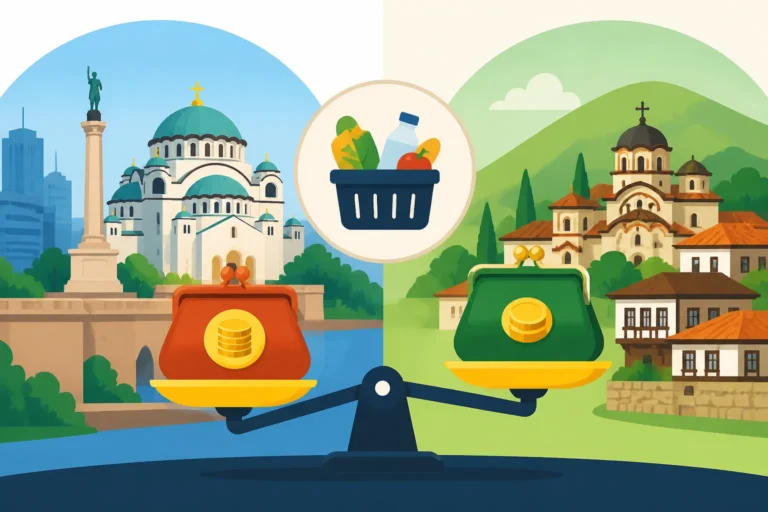
Serbia definitely offers a lower cost of living compared to many Western countries, which is a massive draw for many expats. Local goods, public transportation, and certain services can be remarkably inexpensive. A coffee in a charming Belgrade cafe might cost you a fraction of what you'd pay in Paris or London, and a hearty lunch in a traditional kafana won't break the bank. This affordability is rooted in local wages and the overall economic structure. However, it's crucial to understand where this perception can sometimes catch you out.
For instance, if you're trying to replicate your exact lifestyle from back home – think specific imported foods, international school fees, or luxury brand shopping – those costs can quickly add up and negate some of the savings. You might find that high-quality, privately offered services that cater specifically to expats, like English-speaking doctors or certain specialised treatments, come with a price tag that feels more familiar. The trick to genuinely saving money here is often found in embracing the local way of life and its offerings, rather than trying to perfectly recreate your old one. Understanding Why Serbia Has Affordable Healthcare: The Expat Guide (2027) is a great place to start with one category, for example.
General Cost of Living Categories: What to Expect
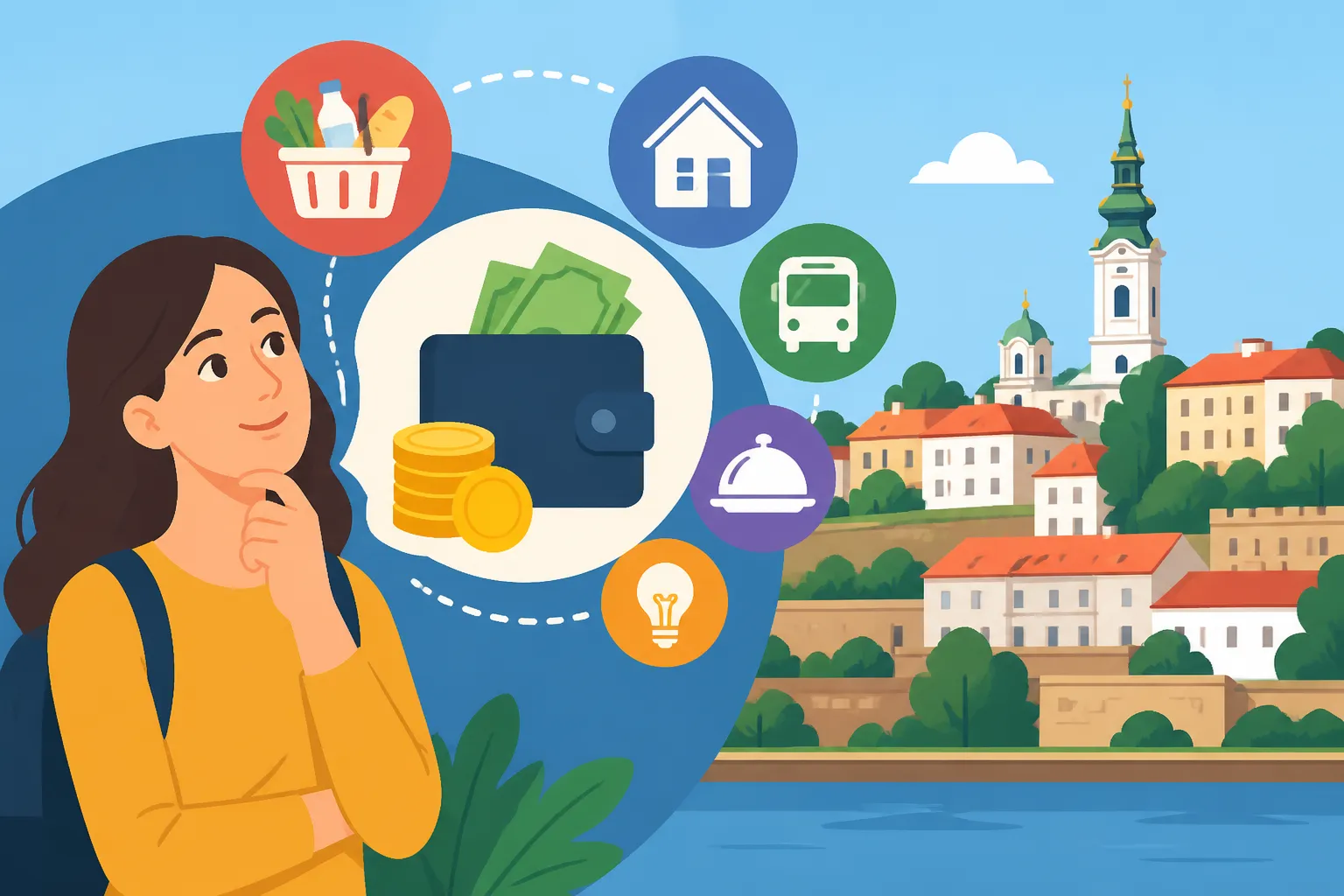
Let’s break down the general categories you’ll be spending money on. Your budget will broadly split into housing, utilities, groceries, transportation, healthcare, and leisure. Each of these has a unique flavour here in Serbia.
- Housing: This is usually your biggest expense, no matter where you live. In Serbia, housing can range from very affordable outside the major cities to quite competitive in the desirable areas of Belgrade or Novi Sad. Expect to pay more for modern, well-located apartments, especially if they’re designed with expat standards in mind.
- Utilities: Electricity, water, heating, internet, and mobile phone services are generally much cheaper than in many Western countries. However, heating costs in winter, especially if you have central heating in an older building or use electricity for heating, can be a significant chunk of your bill.
- Groceries: Local produce, meat, and dairy are very affordable and of excellent quality. Imported goods, on the other hand, can be pricey. If you love to cook and enjoy exploring local markets, you'll eat incredibly well for less.
- Transportation: Public transport in cities is incredibly cheap and efficient. Fuel costs for cars are comparable to Western Europe, but car ownership and maintenance can add up. Many expats choose to rely on public transport, walking, or ride-sharing services.
- Healthcare: Serbia offers a public healthcare system (RFZO) that is generally affordable, especially if you contribute to it. However, many expats opt for private healthcare for quicker access, English-speaking staff, and higher comfort levels, which naturally comes at a greater cost. Private health insurance is a common choice.
- Leisure & Entertainment: Eating out, coffee, drinks, cinema, theatre, gym memberships – these are generally very affordable. Belgrade, in particular, has a vibrant nightlife and cultural scene that you can enjoy without breaking the bank.
Belgrade vs. Novi Sad vs. Smaller Towns: A Regional Comparison
Location, location, location – it truly dictates your expenses here. Serbia is not a monolith when it comes to pricing.
- Belgrade: As the capital city and economic hub, Belgrade is, unsurprisingly, the most expensive place to live in Serbia. Rent in central, popular neighbourhoods like Vračar, Stari Grad, or New Belgrade (particularly around the business districts) can be on par with or even exceed prices in some smaller European cities. However, even within Belgrade, you can find more affordable options if you're willing to live a bit further out from the very centre or opt for older, less renovated apartments. Everything from groceries to a night out will generally cost more here than elsewhere in Serbia, but it also offers the most opportunities and amenities. If you’re wondering How Much Does It Cost to Rent an Apartment in Belgrade in 2026?, you’ll find that a decent one-bedroom in a good area can easily be €400-€700+, depending heavily on location and modernity.
- Novi Sad: Serbia's second-largest city is often described as a more relaxed, slightly greener, and often more affordable alternative to Belgrade. The cost of living here is noticeably lower, especially when it comes to rent. A comparable apartment to one in Belgrade might be 15-30% cheaper in Novi Sad. For example, How Much Is the Average Rent for a One-Bedroom in Novi Sad in 2026? will show you figures around €300-€550. Utilities, dining, and daily expenses are also a bit lower. Novi Sad still offers excellent amenities, a vibrant cultural scene, and a good expat community, making it a very attractive option. You might want to consider What Are the Best Cities to Live in Serbia? for more on this.
- Smaller Towns and Rural Areas: Venture outside Belgrade and Novi Sad, and the cost of living drops significantly. Cities like Niš, Kragujevac, or Subotica offer very low rents, cheaper groceries, and incredibly affordable services. However, you'll also find fewer international amenities, potentially fewer English speakers, and fewer job opportunities if you’re looking for local employment. For those seeking extreme affordability or a slower pace of life, these areas can be ideal, especially for remote workers or retirees.
Deeper Dive into Key Expenses: Housing, Utilities, and Transport
These are often the largest components of any expat's budget, so let's really dig into them. The actual numbers can vary wildly based on your lifestyle choices, but I'll give you a solid baseline.
Housing Costs: Renting and Buying Realities
Ah, housing. The eternal expat question. Do you rent, or do you take the plunge and buy?
- Renting: The vast majority of expats start by renting, and it's generally a straightforward process, though not without its quirks. In Belgrade, a modern, furnished one-bedroom apartment in a desirable area like Vračar or New Belgrade can cost anywhere from €400 to €700+ per month. If you want something larger, or in a prime, newly built complex with amenities, you could easily pay €800 to €1500+. Outside of these hotspots, or for older apartments, prices drop significantly. In Novi Sad, a similar apartment might be €300 to €550, and in smaller cities, you might find something decent for €200-€350. Landlords typically require a deposit (usually one month's rent, sometimes two) and rent is paid monthly, often in advance. Rental contracts are essential, and while some landlords prefer to keep things informal to avoid taxes, it's always in your best interest to insist on a proper, registered contract, especially if you need it for your temporary residence permit. For a deeper dive into the rental market, check out our guide on The Complete Guide to Renting an Apartment in Serbia (2027).
- Buying Property: Foreigners can indeed buy property in Serbia, though there are some rules and processes to navigate. The price per square meter varies wildly. In central Belgrade, particularly in prime locations, you could be looking at €2,500 to €4,500+ per square meter for new builds or renovated apartments. In Novi Sad, prices are typically €1,800 to €3,000+ per square meter. Smaller cities offer much lower prices, sometimes under €1,000 per square meter. Beyond the purchase price, you’ll also have closing costs, notary fees, and property transfer taxes, which can add another 2-5% to the total. While buying can seem like a great long-term investment, especially given the rising property values in key areas, it's a significant commitment and requires careful planning and often local legal assistance. Our guide on How to Buy Property in Serbia as a Foreigner: The Full Guide (2026) offers a comprehensive look at this process.
Utility Bills and Home Maintenance: Beyond the Base Rent
Utilities are one of those areas where Serbia can genuinely feel much more affordable than many Western countries. However, "much cheaper" doesn't mean "negligible," and they can fluctuate significantly, especially during winter.
- Electricity (EPS): How Do I Set Up Electricity After Moving to Serbia? is one of the first questions on every expat's mind. For a typical one-bedroom apartment, expect to pay anywhere from €30 to €70 per month, depending heavily on your usage, appliance efficiency, and whether you use electricity for heating or hot water. If you're in an older building with poor insulation and rely on electric heaters in winter, that bill can easily jump to €100-€150 or more for a larger space.
- Water and Heating: Many apartments in cities have central heating (Beogradske Elektrane in Belgrade, or similar in other cities), which is generally included in a combined utility bill called Infostan (in Belgrade) or similar municipal services elsewhere. This bill covers water, communal building maintenance, waste removal, and sometimes central heating. During the heating season (typically October to April), this bill can be significantly higher. For a one-bedroom apartment, expect Infostan to be in the range of €60-€120 per month in Belgrade, with heating being the dominant factor. Outside of heating season, it drops considerably.
- Internet and Mobile Services: This is an area where you get excellent value for money. A fast, reliable fibre internet connection (100-200 Mbps) can cost as little as €15-€25 per month. Many providers, like Yettel, SBB, or Telekom Srbija, offer bundles with TV and mobile services, which can be even more cost-effective. For mobile, prepaid plans are very affordable, with decent data packages available for €10-€20 per month. If you’re just landing and need immediate connectivity, grabbing an eSIM from a service like Airalo can be a lifesaver until you get a local SIM. For setting these up, check out How to Set Up Internet and Mobile Service in Serbia.
Getting Around: Public Transport and Car Ownership
Navigating Serbia without a car is perfectly feasible, especially in Belgrade and Novi Sad, thanks to their robust public transport systems.
- Public Transport: This is incredibly cheap. In Belgrade, a monthly public transport pass (BusPlus card) costs around €20-€25 for unlimited rides on buses, trams, and trolleybuses. Single-ride tickets are around €0.80-€1.00 if bought via SMS or at a kiosk. The system can be a bit chaotic initially, but once you get the hang of it, it's a fantastic way to get around. For more details on using the system, our guide How Do I Use Public Transport in Belgrade? is invaluable. In Novi Sad, public transport is similarly priced and efficient.
- Taxis and Ride-Sharing: Taxis are affordable compared to Western standards. A typical ride across Belgrade might cost €5-€15, depending on distance and traffic. While there isn't Uber or Lyft in the traditional sense, local apps like CarGo (in Belgrade) offer similar ride-hailing services and often better transparency with pricing.
- Car Ownership: This is where costs start to align more with Western prices. Fuel prices are comparable to much of Europe (around €1.60-€1.80 per litre for petrol/diesel in 2024). Buying a new car in Serbia is not necessarily cheaper than elsewhere. Used cars can be found at varying price points, but registration, insurance, and maintenance add up. Annual car registration costs depend on the engine size and age, but can be anywhere from €150 to €500+. For expats, there are specific rules about using a foreign driver's license or exchanging it for a Serbian one. Our article How Do I Use My Foreign Driver's Licence in Serbia? has all the details you’ll need.
Daily Life Expenses: Food, Healthcare, and Leisure
Beyond the big fixed costs, your daily spending can make a huge difference to your overall budget.
Groceries and Dining Out: Eating Well in Serbia
Food is undeniably one of Serbia's great pleasures, and it can be incredibly affordable if you shop and eat locally.
- Groceries: If you embrace local markets (pijaca) and buy seasonal produce, meat, and dairy, your grocery bill will be pleasantly low. A weekly shop for one or two people, focusing on local goods, might be €40-€70. Supermarkets like Maxi, Idea, or Lidl offer a wider range of products, including some imports, but stick to Serbian brands for savings. Imported specialty items can be expensive, sometimes even more so than in Western countries due to import duties.
- Dining Out: Eating out is a treat that doesn't have to be rare.
- Casual Lunch/Dinner: A set lunch menu (dnevni meni) in a local restaurant or a hearty meal in a kafana can cost just €5-€10.
- Mid-range Restaurant: A nice dinner for two with drinks in a decent restaurant in Belgrade or Novi Sad might be €25-€50.
- High-end/Fine Dining: If you splurge on a top-tier restaurant, expect to pay €60-€100+ for two, which is still good value compared to many global cities.
- Coffee and Drinks: A coffee usually costs €1.50-€3.00. A local beer is around €2-€4 in a bar, while a cocktail might be €5-€8.
Healthcare and Insurance: Public, Private, and Unexpected Costs
Healthcare is a critical area where many expats choose to invest a bit more for peace of mind and convenience.
- Public Healthcare (RFZO): If you are employed in Serbia or are a registered entrepreneur, you'll contribute to the Republic Health Insurance Fund (RFZO), making you eligible for public healthcare services. The quality can be variable, wait times for specialists can be long, and English-speaking staff are not guaranteed. However, basic care, emergency services, and many treatments are covered. Our guide The Complete Guide to Healthcare in Serbia for Expats (2026) delves into this system.
- Private Healthcare: Many expats opt for private clinics, particularly in Belgrade and Novi Sad, where you'll find modern facilities, shorter wait times, and English-speaking doctors. A general practitioner visit at a private clinic typically costs €25-€40, and specialist consultations range from €40-€80+. Basic blood tests are usually €20-€50. While more expensive than public care, it's still often significantly cheaper than private care in Western countries.
- Private Health Insurance: This is highly recommended for expats, even if you’re covered by RFZO, as it bridges the gap between public and private care. A good private health insurance plan for an individual can range from €300 to €800+ per year, depending on coverage level, age, and pre-existing conditions. Understanding Private Health Insurance Plans in Serbia provides detailed information. When you’re planning your move, consider moving services like Sirelo to help streamline your relocation process, including finding insurance providers in your new home.
Leisure, Entertainment, and Miscellaneous Spending
This category is largely discretionary, but Serbia offers fantastic value for money here.
- Fitness and Sports: A gym membership in Belgrade can cost €25-€50 per month, with boutique studios and CrossFit boxes being more expensive (€60-€100+). Public swimming pools are very affordable.
- Entertainment:
- Cinema Tickets: Around €4-€7.
- Theatre/Concerts: Tickets for local productions or smaller concerts can be very inexpensive, often €5-€20. For major international acts, prices will be higher but still generally more affordable than in other European capitals.
- Nightlife: Belgrade is famous for its nightlife. Entrance fees to clubs are rare, or nominal (e.g., €5-€10), and drinks are affordable.
- Personal Care: Haircuts, manicures, and other salon services are remarkably cheap. A men's haircut might be €5-€10, a women's haircut €15-€30.
Strategies for Managing Your Budget in Serbia
Living comfortably in Serbia on an expat budget is very achievable, but a few smart strategies can make a big difference.
Smart Spending Tips for Expats
- Embrace Local Markets: For fresh produce, meat, and dairy, the local pijaca (market) is your best friend. Not only is it cheaper, but the quality is often superior to supermarkets.
- Cook at Home: Eating out is affordable, but cooking with local ingredients is even more so. You'll save a lot by making your own meals.
- Learn Some Serbian: Even basic phrases can help you negotiate better prices at markets and show respect for the local culture, sometimes leading to better deals or service.
- Leverage Public Transport: It's cheap, relatively efficient, and environmentally friendly. Consider a monthly pass if you're in the city.
- Prioritise Local Brands: For groceries, cleaning supplies, and everyday items, opt for Serbian brands. They are high quality and much cheaper than imported alternatives.
- Consider Bundled Services: For internet, TV, and mobile, look into packages from providers like SBB or Telekom Srbija to get better value.
- Be Mindful of Heating: In winter, poor insulation can lead to high electricity bills if you rely on electric heaters. Factor this into your apartment choice.
Income vs. Expenses: Setting Realistic Financial Expectations
While the cost of living is lower, so too are average local salaries. Many expats either work remotely for foreign companies, have significant savings, or earn higher-than-average local wages in specific sectors (like IT).
Here’s a rough breakdown of what a comfortable monthly budget might look like for a single expat in Belgrade, focusing on a balance of local living and some Western comforts:
| Category | Low End (Embracing Local) | Mid-Range (Comfortable) | High End (Western-Style) |
|---|---|---|---|
| Rent (1-bed apt) | €350 | €550 | €800 |
| Utilities | €60 | €90 | €120 |
| Internet & Mobile | €30 | €40 | €50 |
| Groceries | €150 | €250 | €350 |
| Public Transport | €25 | €25 | €25 |
| Healthcare | €30 (RFZO contributions) | €60 (Private Insurance) | €100 (Extensive Private) |
| Dining Out | €70 | €150 | €300 |
| Leisure/Misc. | €50 | €100 | €200 |
| Total (per month) | €765 | €1,285 | €1,945 |
Please note these are estimates for a single person in Belgrade and can vary greatly.
For a family, these costs would naturally increase, especially with children needing schooling. However, even at the mid-range, Serbia remains a very affordable place to live compared to most Western European countries. If you're employed locally, understanding How Much Is the Average Salary in Serbia in 2026? will help set expectations. If you're working remotely, this gives you a clear picture of how far your foreign income can go. Many people find they can significantly improve their quality of life by relocating here, enjoying a richer social life and more disposable income.
Disclaimer
The information provided in this guide is intended for general informational purposes only and does not constitute financial, legal, or professional advice. Costs and regulations in Serbia are subject to change. While every effort has been made to ensure accuracy, individual circumstances may vary. It is highly recommended to consult with local experts, such as real estate agents, legal professionals, and financial advisors, for advice tailored to your specific situation before making any decisions related to moving to or living in Serbia.