How Do I Find Affordable Housing in Serbia?
Finding a decent place to live in a new country can feel like navigating a maze blindfolded, and Serbia is no exception. While many tout Serbia's affordability, knowing where to look and how to approach the housing market is crucial, especially when you're trying to stretch your budget without sacrificing comfort. This guide is here to walk you through the ins and outs of securing genuinely affordable housing in Serbia, drawing on my own experiences and what I've seen countless other expats go through.
Understanding the Serbian Rental Market: Reality vs. Expectation
When you first arrive in Serbia, you might have visions of charming, spacious apartments for next to nothing. The reality, as many of us discover, is a bit more nuanced. While it's true that the cost of living in Serbia can be significantly lower than in many Western countries, the housing market, particularly in high-demand areas, has its own quirks and price points that can catch newcomers off guard. It's not always as cheap as you hope, but it's rarely as expensive as you fear, provided you know where to look.
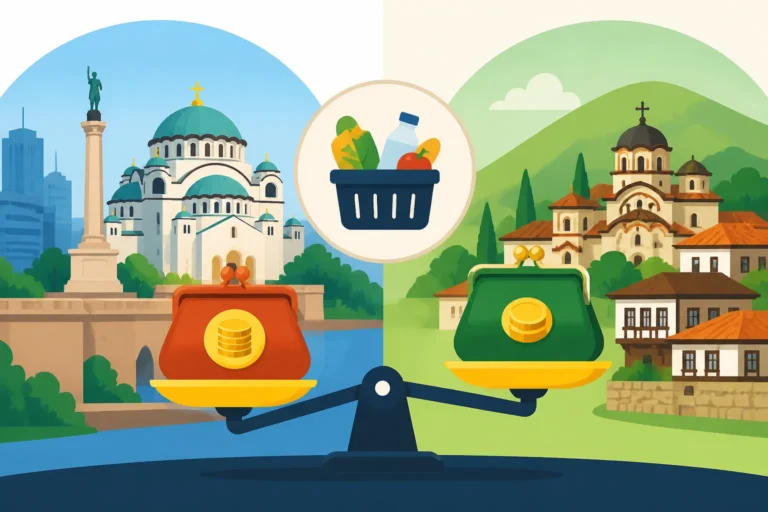
Belgrade vs. Other Cities: Where Your Money Goes Further
Let's be brutally honest: if "affordable" is your primary goal, Belgrade might not be your first choice. The capital, especially its central municipalities like Stari Grad, Vračar, and Savski Venac, commands the highest rents. These areas are buzzing with life, packed with cafes, restaurants, and cultural spots, making them incredibly attractive but also pricier. A modern, well-located one-bedroom apartment in central Belgrade can easily run you €500-€800, sometimes more, depending on the finish and size.
However, venture just a little further out, to neighbourhoods like Mirijevo, Karaburma, or even some parts of Zemun, and you'll see prices drop considerably. You might trade a 15-minute walk to the Republic Square for a 20-minute bus ride, but you could save hundreds of euros a month. This is a trade-off many expats find well worth it.
If true affordability is your main driver, then looking beyond Belgrade is your golden ticket. Novi Sad, Serbia's second-largest city, offers a vibrant cultural scene, beautiful architecture, and a much more relaxed pace of life, with rents typically 20-30% lower than Belgrade for comparable quality. Niš, in the south, provides even more significant savings, often with rents half of what you'd pay in Belgrade, though the job market and expat community might be smaller. Even smaller towns like Kragujevac or Subotica offer incredible value, providing a chance to truly immerse yourself in Serbian life on a shoestring budget. These places are fantastic for those working remotely or seeking a quieter lifestyle.
The Impact of Demand and Neighbourhoods on Price
Just like any major city, Belgrade has its "expat bubbles" and highly desirable areas that naturally inflate rental prices. New Belgrade (Novi Beograd), with its modern buildings, proximity to business parks, and excellent connectivity, is very popular among expats and young professionals, driving up demand and consequently, rent. Areas around the faculties or hospitals also see higher demand, especially from students and medical staff, which impacts what landlords can ask for.
If you're willing to explore slightly less fashionable but perfectly pleasant neighbourhoods, you can find hidden gems. For instance, parts of Palilula or Voždovac offer a more local feel, with traditional markets, smaller shops, and a strong sense of community, all while being significantly cheaper than the city centre. Sometimes, these areas even have excellent public transport links, so you're not sacrificing convenience. Remember, a neighbourhood being less known to expats doesn't mean it's undesirable; it often just means it hasn't been "discovered" yet by the international crowd, allowing you to snag a better deal. Understanding the Best Cities and Neighbourhoods for Expats in Serbia can help you pinpoint these spots.
Furnished vs. Unfurnished: Costs and Considerations
When browsing listings, you'll quickly notice a mix of furnished and unfurnished apartments. This choice has a significant impact on your initial outlays and long-term budget.
Furnished apartments are undeniably convenient, especially if you're arriving with minimal belongings. They typically come with all the essentials: a bed, sofa, dining table, basic kitchen appliances, and sometimes even linens. The downside is that they usually command a higher monthly rent. You're paying for that convenience, and landlords factor in the depreciation and wear-and-tear of their furniture. On top of that, the quality of furniture can vary wildly from brand new to something that looks like it survived a few wars.
Unfurnished apartments, on the other hand, almost always have lower monthly rents. This is where the real long-term savings can be found. However, this option requires a substantial upfront investment. You'll need to purchase everything from a fridge and stove to a bed and wardrobe. While stores like Forma Ideale or JYSK offer affordable options, and local markets or online second-hand groups can be treasure troves, these costs add up quickly. Consider if you'll be staying for a longer period (a year or more) to amortize these costs, or if you plan to [sell them off when you leave. Some apartments advertised as "unfurnished" might still come with a basic kitchen and bathroom fixtures, so always clarify what's included.
Navigating the Search: Strategies for Expats on a Budget
The quest for affordable housing in Serbia requires a blend of online savvy, local interaction, and a bit of patience. It’s not a market where you can simply click a few buttons and have your dream apartment delivered. You need to be proactive and persistent.
Online Portals and Local Listings
Your first port of call will undoubtedly be online. Serbian real estate portals like Nekretnine.rs, Halo Oglasi Nekretnine, and Sasomange are the big players. They list thousands of apartments for rent across the country. Be prepared to use Google Translate extensively, as many listings are primarily in Serbian. Keywords like "izdavanje stana" (apartment for rent) or "garsonjera" (studio apartment) will be your friends.
When sifting through these listings, pay close attention to the photos and descriptions. Look for details about heating (central heating is a big plus in winter), proximity to public transport, and the condition of the building. Be wary of listings that seem too good to be true – unusually low prices for prime locations or suspiciously perfect photos. Scams, while not rampant, do exist, especially targeting foreigners. Never send money or personal details before physically seeing the apartment and meeting the landlord or agent. This is where your reliable mobile data plan comes in handy; consider a travel eSIM from a provider like Airalo to ensure you're always connected for calls and maps during your property viewings.
Facebook groups for expats in Belgrade and other cities are also incredibly valuable. Many landlords or outgoing expats post apartment listings directly there, often with English descriptions and a more personal touch. This can sometimes lead to finding a place before it even hits the major portals, giving you an edge.
The Role of Real Estate Agents and When to Skip Them
Real estate agents in Serbia can be a double-edged sword. On one hand, they can save you immense time and frustration, especially if your Serbian isn't up to par. A good agent will have access to a wider range of listings, can arrange viewings, negotiate on your behalf, and help you understand the lease agreement. This can be invaluable when you're trying to quickly secure a place, particularly if you need an English-speaking agent.
However, agents typically charge a commission, usually 50% of one month's rent (or sometimes even a full month's rent), which is paid upon signing the lease. For someone on a tight budget, this is a significant upfront cost that needs to be factored in. If you're determined to find the absolute cheapest option, you might consider trying to navigate the market yourself through direct landlord listings on portals or expat groups. But be prepared for the legwork, the language barrier, and the potential for misunderstandings. If you do opt for an agent, make sure their fees are clear upfront and always read reviews or ask for recommendations from other expats. A reliable agent can make all the difference in understanding things like How to Sign a Rental Contract and Pay a Deposit in Serbia.
Word-of-Mouth and Local Networks
Never underestimate the power of human connection in Serbia. Many of the best deals, especially on truly affordable, often more traditional apartments, are found through word-of-mouth. Once you start meeting locals and other expats, mention you're looking for an apartment. Serbs are incredibly well-connected, and it's not uncommon for someone's aunt, cousin, or neighbour to have a vacant property that they're looking to rent out. These "off-market" listings often come without agent fees and can offer more flexible terms.
Visit local cafes, particularly in the neighbourhoods you're interested in. Engage with the community. You might find notices on bulletin boards (oglasna tabla) or simply strike up a conversation that leads to an opportunity. It's a slower, more organic process, but it can yield fantastic results and help you integrate into the local fabric. This community-driven approach is a core part of living here, and it extends beyond just housing – it's how you often find everything from good mechanics to the best local bakeries.
Practical Tips for Securing an Affordable Home
Once you’ve got a handle on the market and are actively searching, there are some practical steps you can take to make sure you land a good deal and avoid unexpected expenses.
Budgeting Beyond Rent: Hidden Costs and Utilities
It’s easy to focus solely on the monthly rent, but savvy expats know that there are other significant costs to factor into your budget for truly affordable living. Utilities are a big one. Unlike many Western countries where you might pay separate bills to different providers, in Serbia, many utilities for apartments (especially in older buildings) are consolidated into a single "Infostan" bill. This includes central heating, water, waste removal, and sometimes building maintenance.
Electricity (EPS) and internet/cable TV are usually separate. While internet costs are generally reasonable (around €20-€30 per month for decent speeds), electricity bills can fluctuate wildly depending on usage and the efficiency of your appliances, especially if you rely on electric heaters for warmth in winter. Be sure to ask about average utility costs for any apartment you view. A landlord should be able to provide recent utility bills for reference. Understanding Water and Central Heating Bills in Serbia is crucial for accurate budgeting.
Beyond utilities, consider building maintenance fees (often included in Infostan, but sometimes separate for newer buildings), apartment cleaning supplies, and general wear-and-tear items. If you're coming from abroad, don't forget the initial costs of setting up your new life. While not strictly housing costs, things like a local SIM card, initial groceries, and maybe even a taxi from the airport add up. It's helpful to compare the [Cost of Living in Serbia for Expats with your budget.
Negotiation and Lease Agreements
Negotiation is a part of the culture here, and it's certainly worth trying, especially if you plan on staying long-term or paying several months' rent upfront. Landlords might be willing to slightly reduce the monthly rent, particularly if you commit to a longer lease (e.g., 12 months instead of 6) or if the apartment has been vacant for a while. Be polite but firm. Highlight your reliability as a tenant, and if you have good references from previous landlords, bring them along.
Always, always get a written lease agreement, ideally in both Serbian and English. While Serbian law protects tenants, having a clear contract helps prevent misunderstandings down the line. It should specify the rent, payment date, duration of the lease, deposit amount, notice period for termination, and who is responsible for utility payments and minor repairs. Don't be afraid to ask for clarification on any clauses you don't understand. If possible, have a trusted Serbian friend or a lawyer review it before you sign. This is where a good [real estate agent could provide invaluable assistance.
Temporary Accommodation and Initial Setup
If you're arriving in Serbia with little to no housing secured, consider booking temporary accommodation for your first week or two. This could be a short-term Airbnb, a hotel, or even a hostel. This gives you a base from which to conduct your apartment hunt in person, which is always recommended. It also gives you a buffer to deal with other initial bureaucratic hurdles, like registering your address (prijava boravka) with the police, which is mandatory for all foreigners within 24 hours of arrival.
During this initial period, you'll also be figuring out how to get around, how to buy groceries, and generally settling in. Having a temporary place alleviates the pressure of finding something immediately. If you've shipped your belongings with a service like Sirelo, you'll also need a secure place for them to arrive, so factor in the timing. While you might want to rush and find a permanent place, taking your time can lead to a much better, more affordable outcome in the long run.
Here's a quick overview of potential average rental costs in key Serbian cities (as of late 2023/early 2024, subject to change):
| City | Apartment Type | Average Monthly Rent (EUR) | Notes |
|---|---|---|---|
| Belgrade | Studio/1-bedroom | €400 – €700+ | Varies heavily by neighbourhood (centre vs. outskirts, new vs. old) |
| 2-bedroom | €600 – €1,000+ | Modern apartments in New Belgrade will be at the higher end | |
| Novi Sad | Studio/1-bedroom | €300 – €500 | Generally more affordable than Belgrade for similar quality |
| 2-bedroom | €450 – €750 | Popular for students and families | |
| Niš | Studio/1-bedroom | €200 – €350 | Significantly lower cost of living |
| 2-bedroom | €300 – €550 | Good value for those prioritizing budget | |
| Kragujevac | Studio/1-bedroom | €180 – €300 | Even more budget-friendly, quieter lifestyle |
| 2-bedroom | €250 – €450 | Growing city with a university |
Remember, these are averages, and you can always find exceptions. The key is to explore, ask questions, and be patient. Affordable housing in Serbia isn't a myth; it just takes a bit more effort and local insight to uncover.
Disclaimer
The information provided in this guide is for general informational purposes only and does not constitute professional advice. While we strive to keep the content up-to-date and accurate, the rental market in Serbia can be dynamic, and prices and regulations are subject to change. It is always recommended to consult with local real estate professionals, legal experts, or other relevant authorities for advice tailored to your specific situation.